
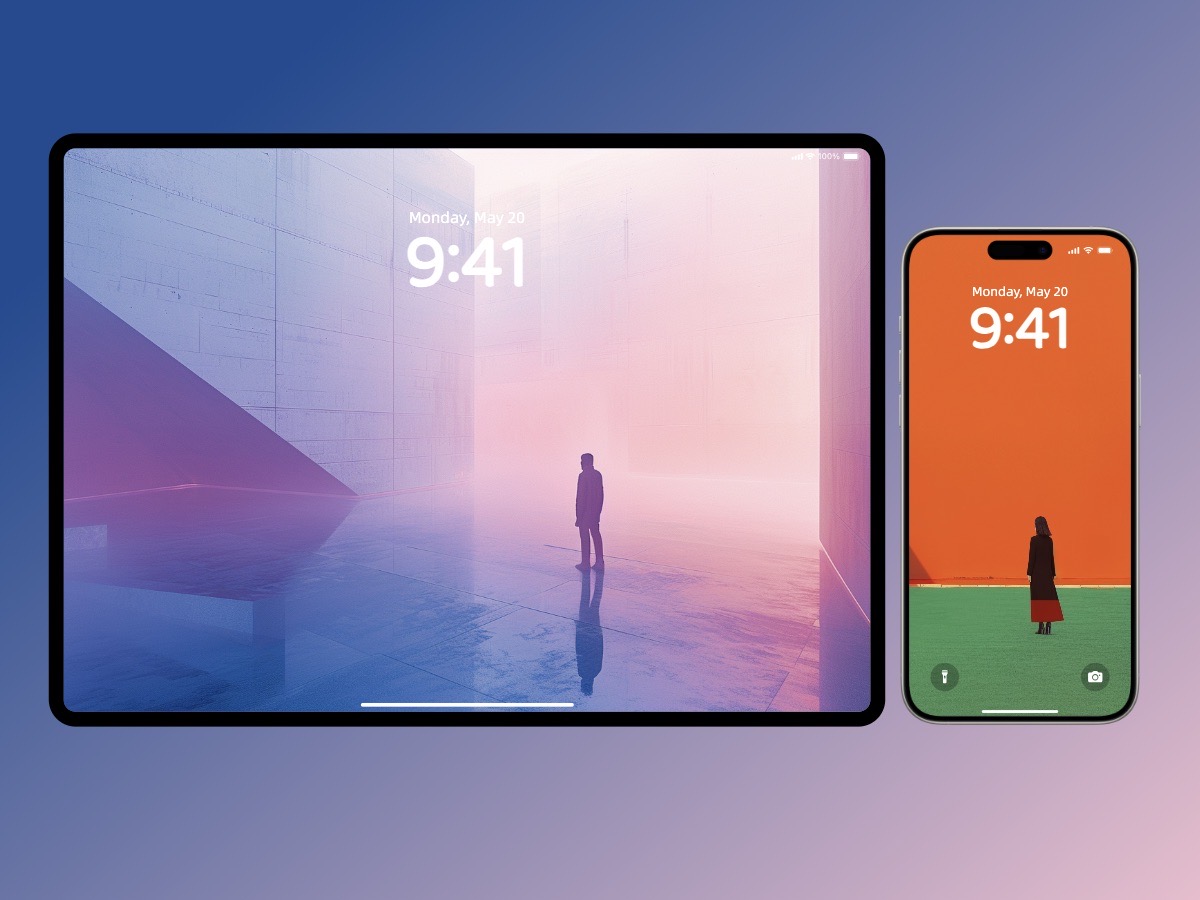

Minimalism: Less is More
Minimalism is an art and design style with a core principle of maximizing expressiveness through simplifying elements. This style influences not only art and design but also permeates various aspects of life, such as architecture, music, and lifestyle.
You can download all these wallpapers on Dejavu Wallpaper:
Experience the magic of AI in advance! Let the infinite imagination of AI decorate your screens, bring you fresh delights every day.


What Does Minimalist Art Look Like?
Minimalist art features simple geometric shapes, a single color palette, and minimal decorative elements. This form of art emphasizes the texture of materials and the sense of space in the artwork, often using industrial materials like steel, concrete, and glass. Minimalist artists explore the relationship between space, light, and matter through simplified forms and pure colors. For example, American artists Donald Judd and Dan Flavin are classic representatives of minimalism, known for their works’ simple shapes and clear lines.
What Is the Philosophy Behind Minimalist Design?
The core idea of minimalist design is “Less is More.” This design style seeks functionality and practicality, eliminating all unnecessary decorations to focus on the essential function of objects. Minimalist design emphasizes space utilization, clear lines, and simple color combinations. In home design, minimalism often appears as simple furniture arrangements, open spaces, and the use of natural light. Minimalist design not only provides a refreshing visual experience but also enhances psychological comfort and quality of life.
How to Achieve a Minimalist Lifestyle?
A minimalist lifestyle advocates reducing material possessions and focusing on the essence of life and inner satisfaction. The key to practicing a minimalist lifestyle is learning to let go, removing unnecessary items and distractions to gain inner peace and concentration. Minimalists often use methods like KonMari to organize and optimize their living spaces, while also simplifying mentally by reducing information intake, avoiding meaningless social activities, and focusing on what truly matters. A minimalist lifestyle can lighten material and mental burdens, improving life quality and happiness.
How is Minimalism Applied in Other Fields?
Besides art and design, minimalism has extensive applications in music, literature, and architecture. In music, minimalist musicians like Steve Reich and Philip Glass create complex sounds through repeated simple melodies and rhythms. In literature, minimalist writers like Ernest Hemingway are known for their concise and clear writing style, conveying deep thoughts and emotions with refined language. In architecture, minimalist architects like Ludwig Mies van der Rohe and Tadao Ando showcase functionality and aesthetic value through simple structures and clear spatial layouts.
Minimalism is not just a style but an attitude. By simplifying life’s complexities, people can focus more on important things, improving life quality and inner satisfaction. Whether in art, design, or lifestyle, minimalism brings profound influence and lasting charm.