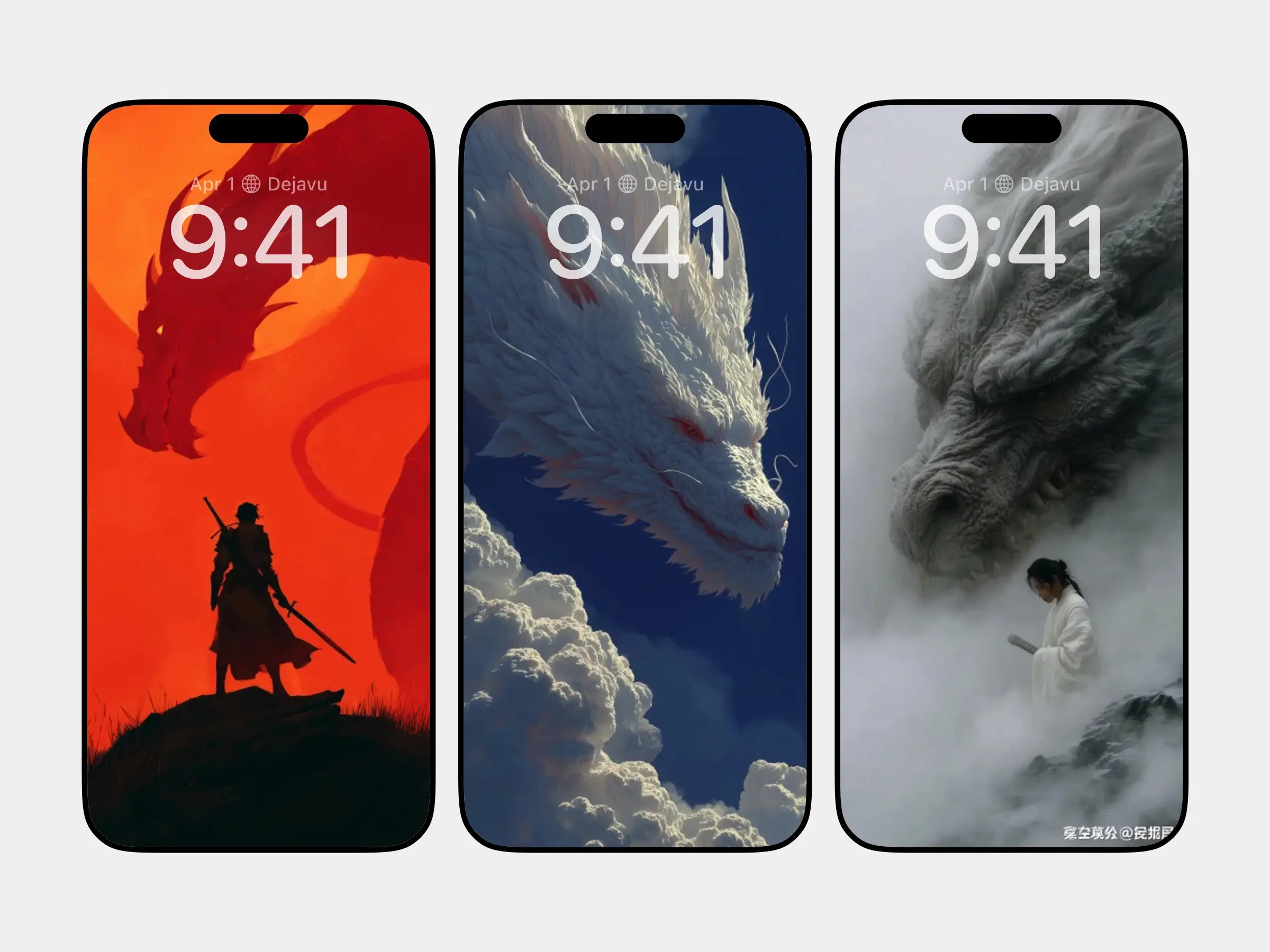
Dragon and human confrontations in Eastern mythology reveal profound themes of balance, reverence, and existential courage. These symbolic encounters, often depicted in minimalist and dramatic styles, reflect deep cultural values rooted in harmony with nature. From fiery red dragons to ethereal white ones soaring above clouds, each image captures a moment of quiet tension between the divine and the mortal. The aesthetic combines ancient symbolism with modern design sensibilities, offering viewers a contemplative experience grounded in mythic tradition.
You can download all these wallpapers on Dejavu Wallpaper!
Experience the magic of AI in advance! Let the infinite imagination of AI decorate your screens, bring you fresh delights every day.




Related Products
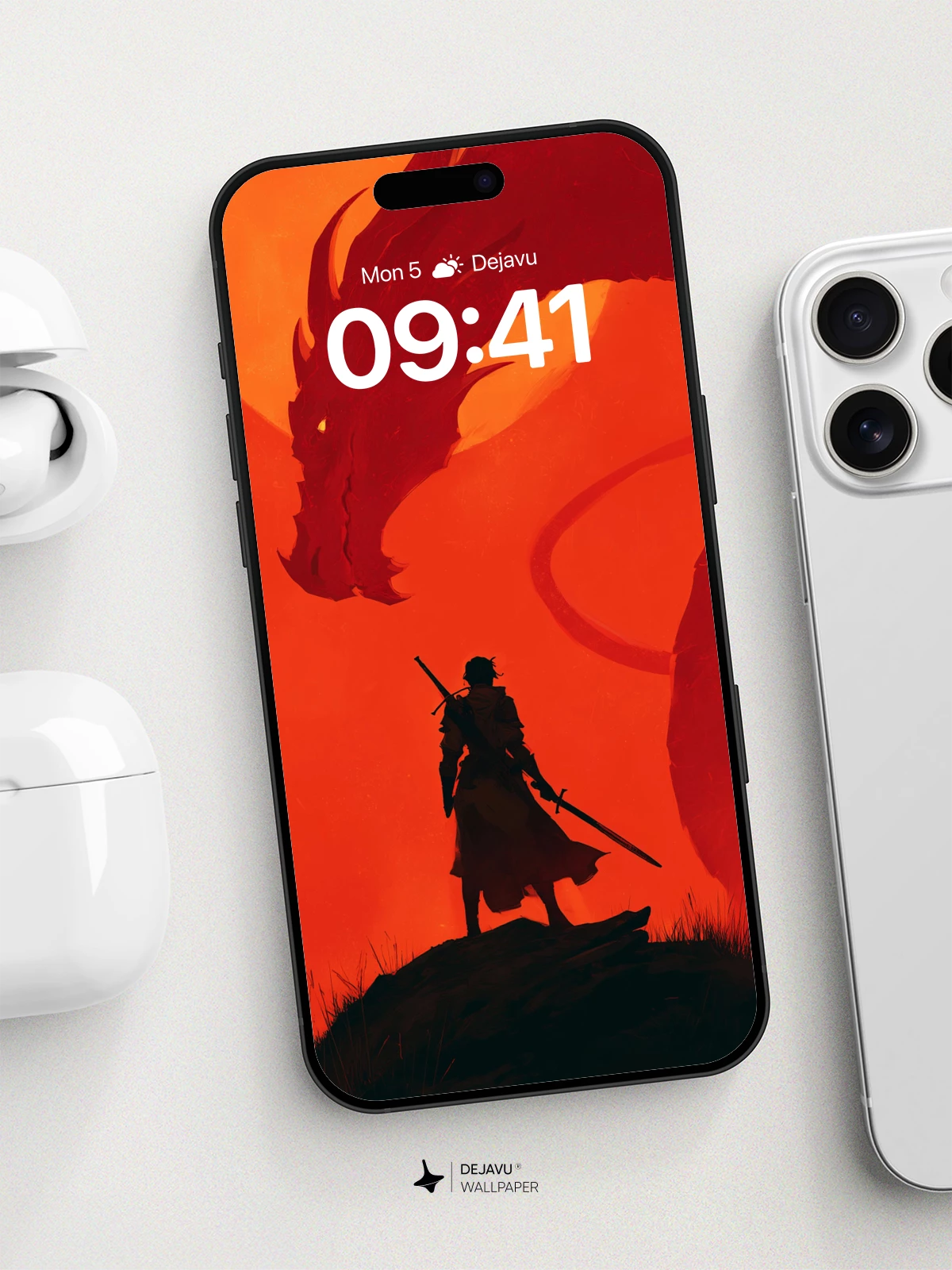

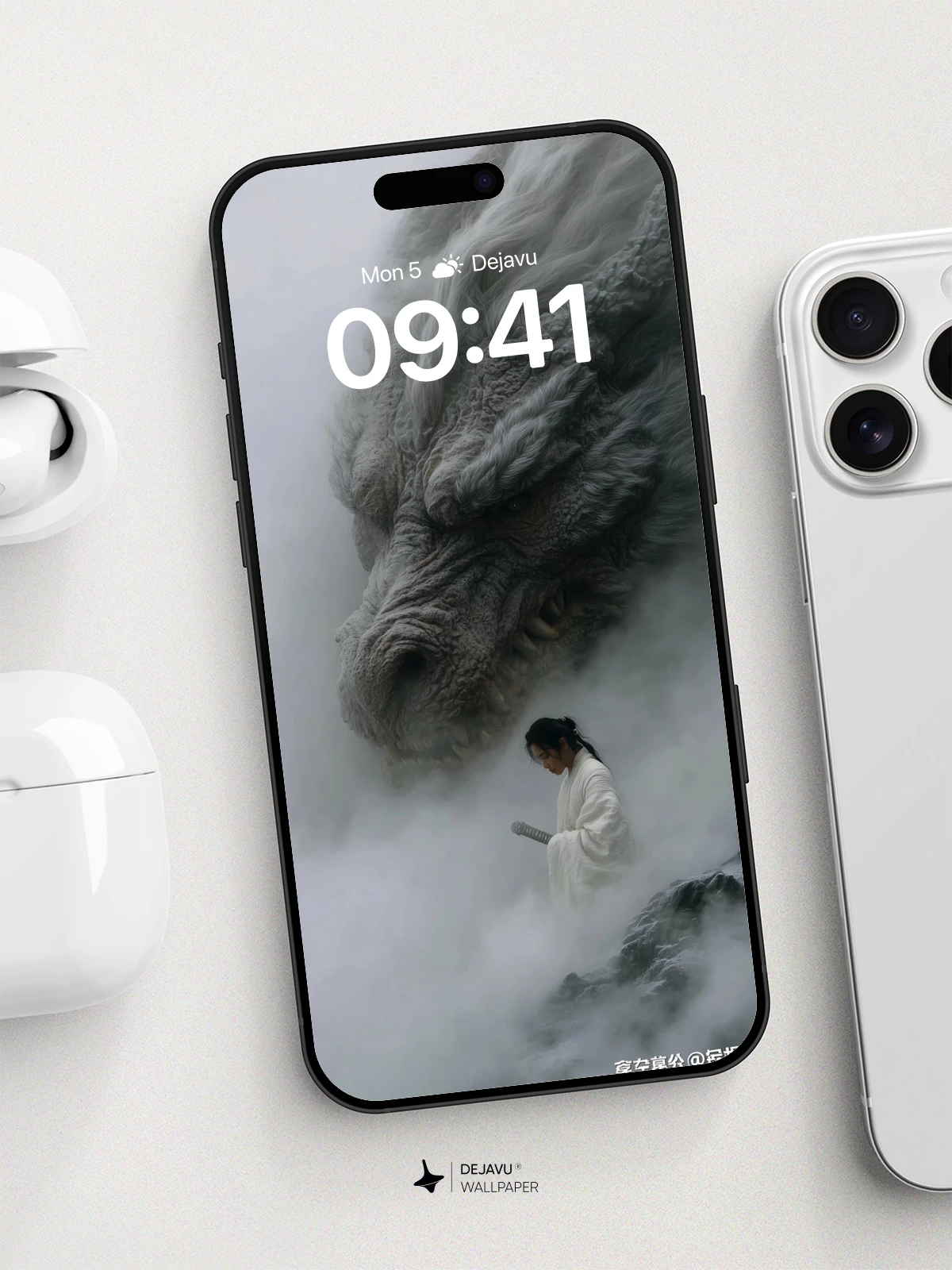
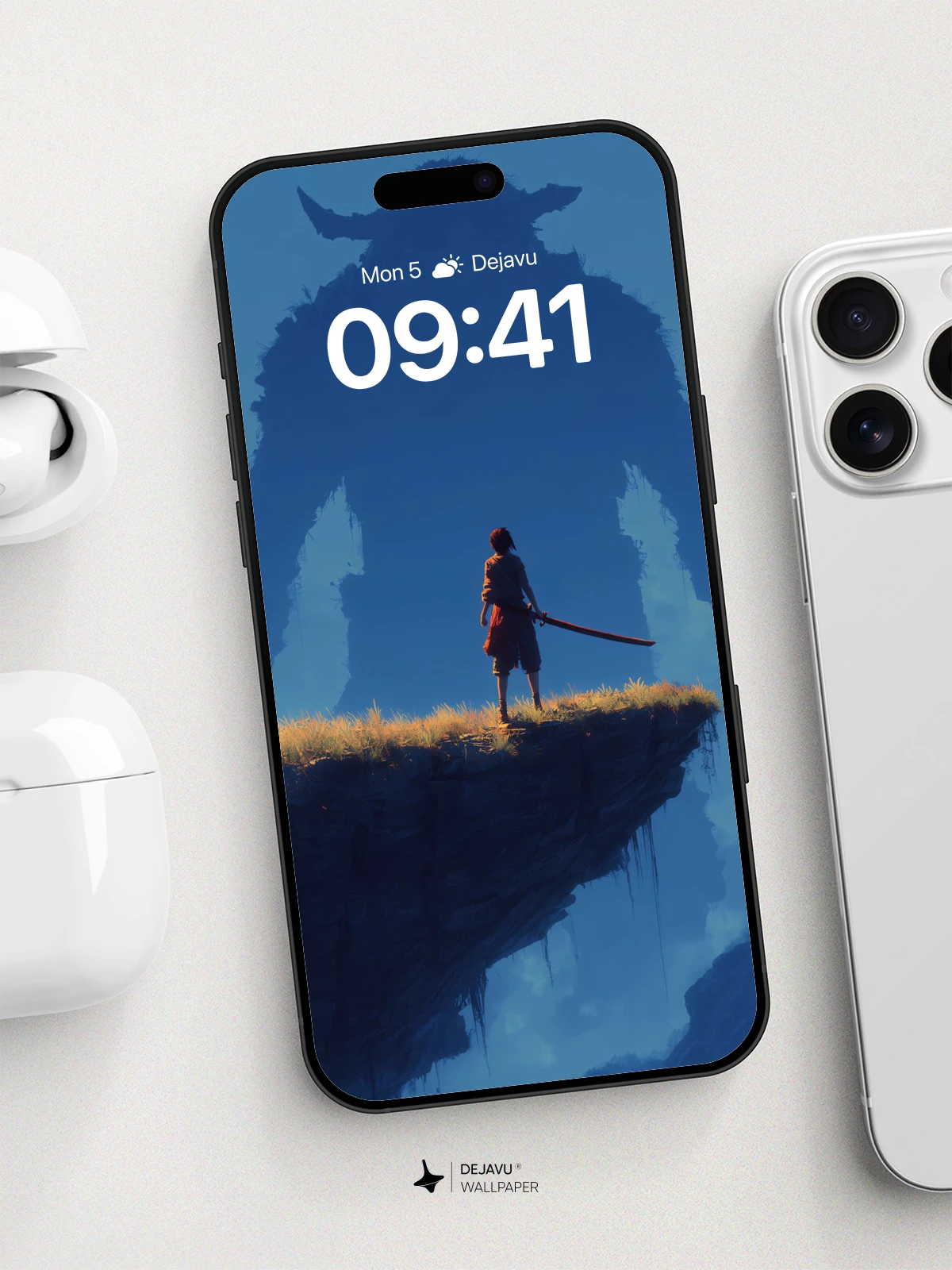
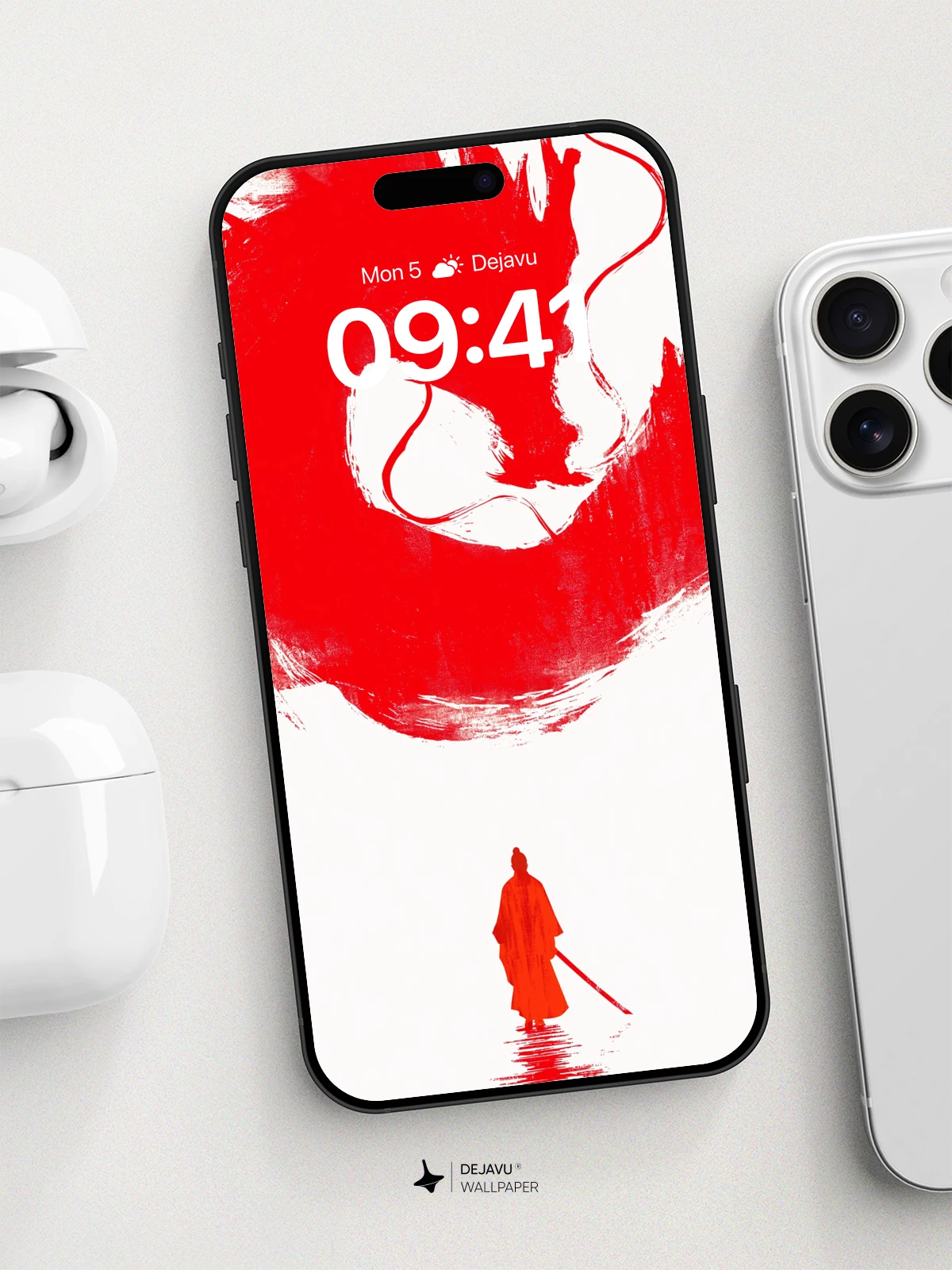
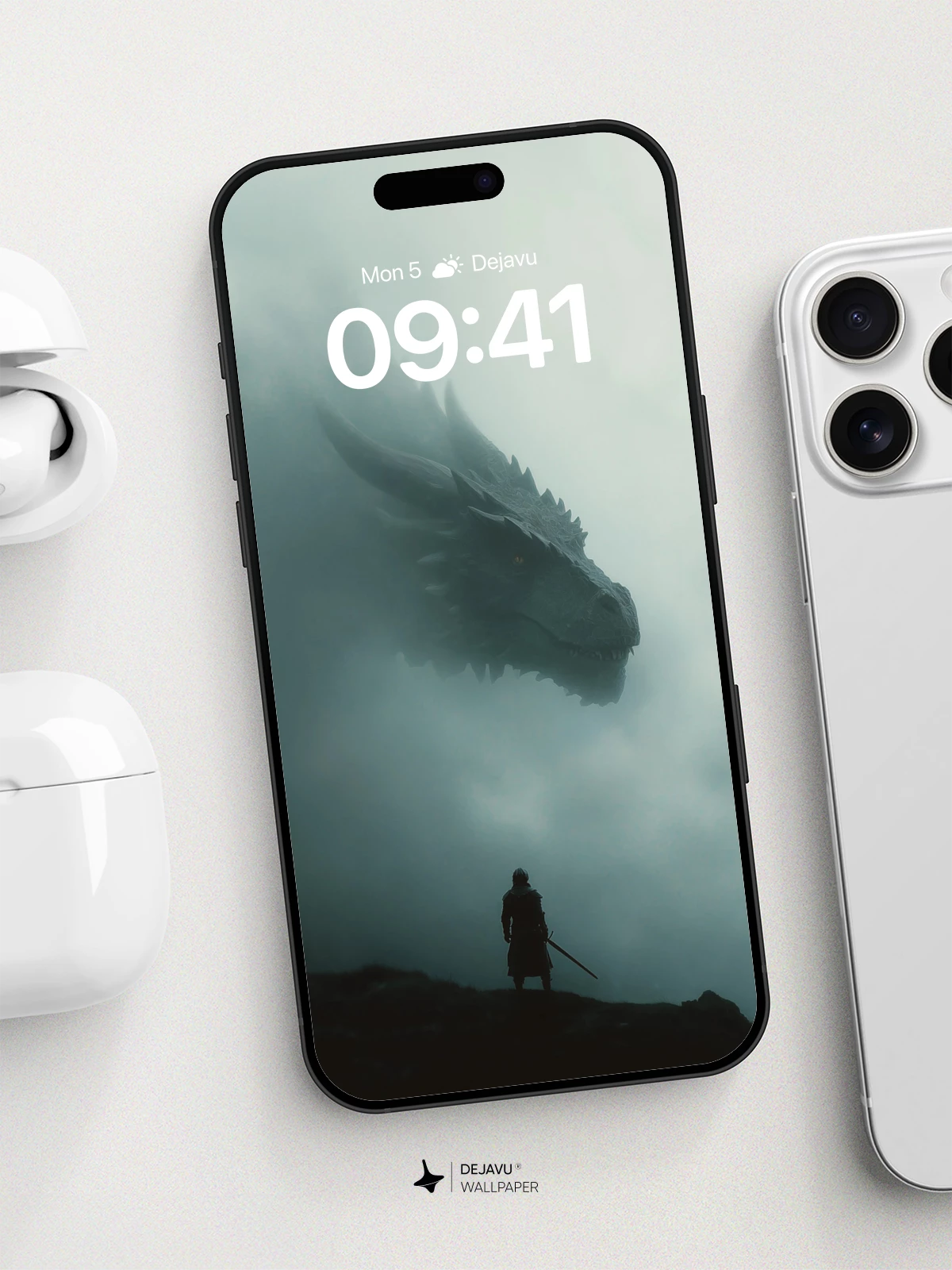
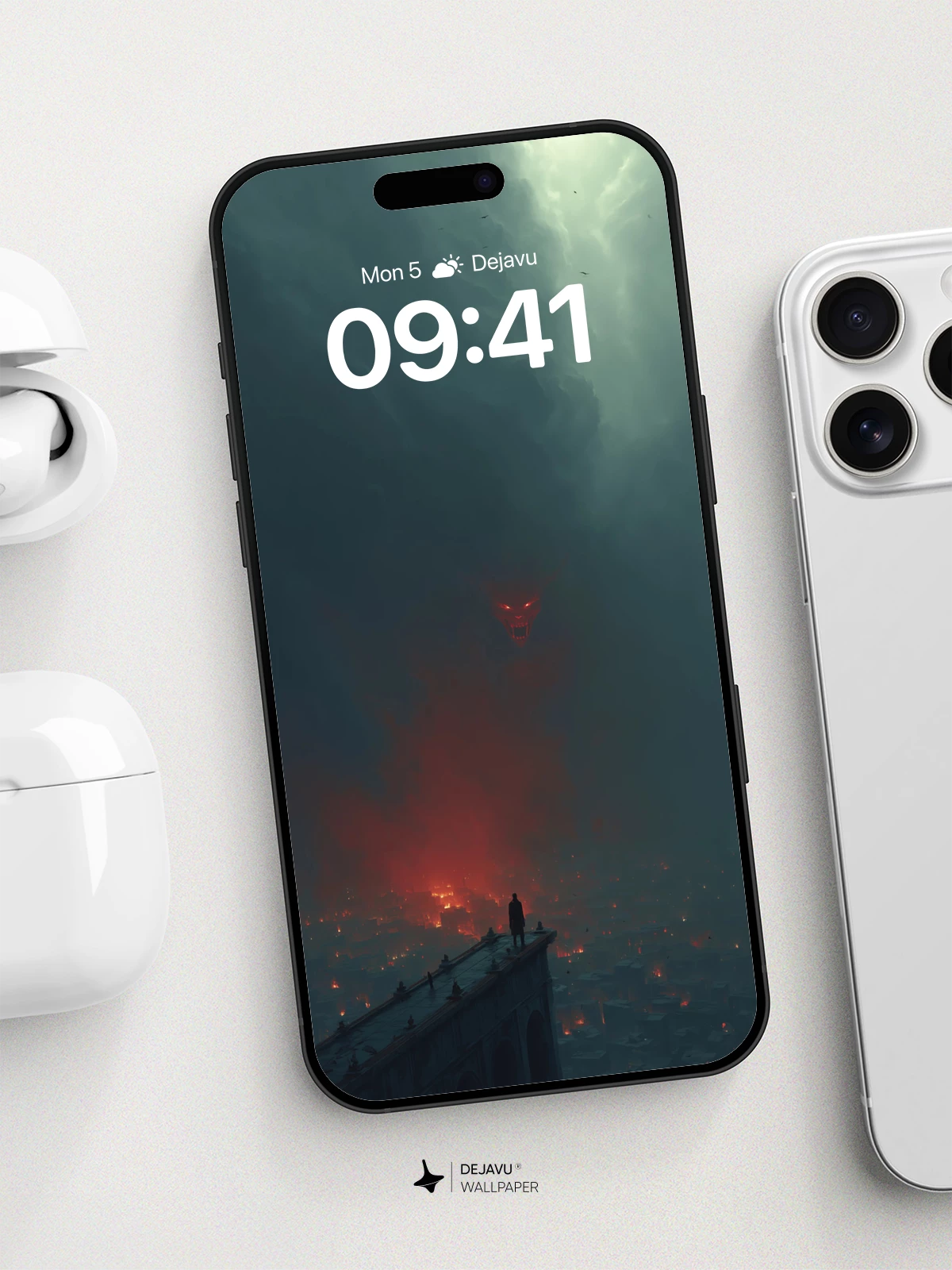
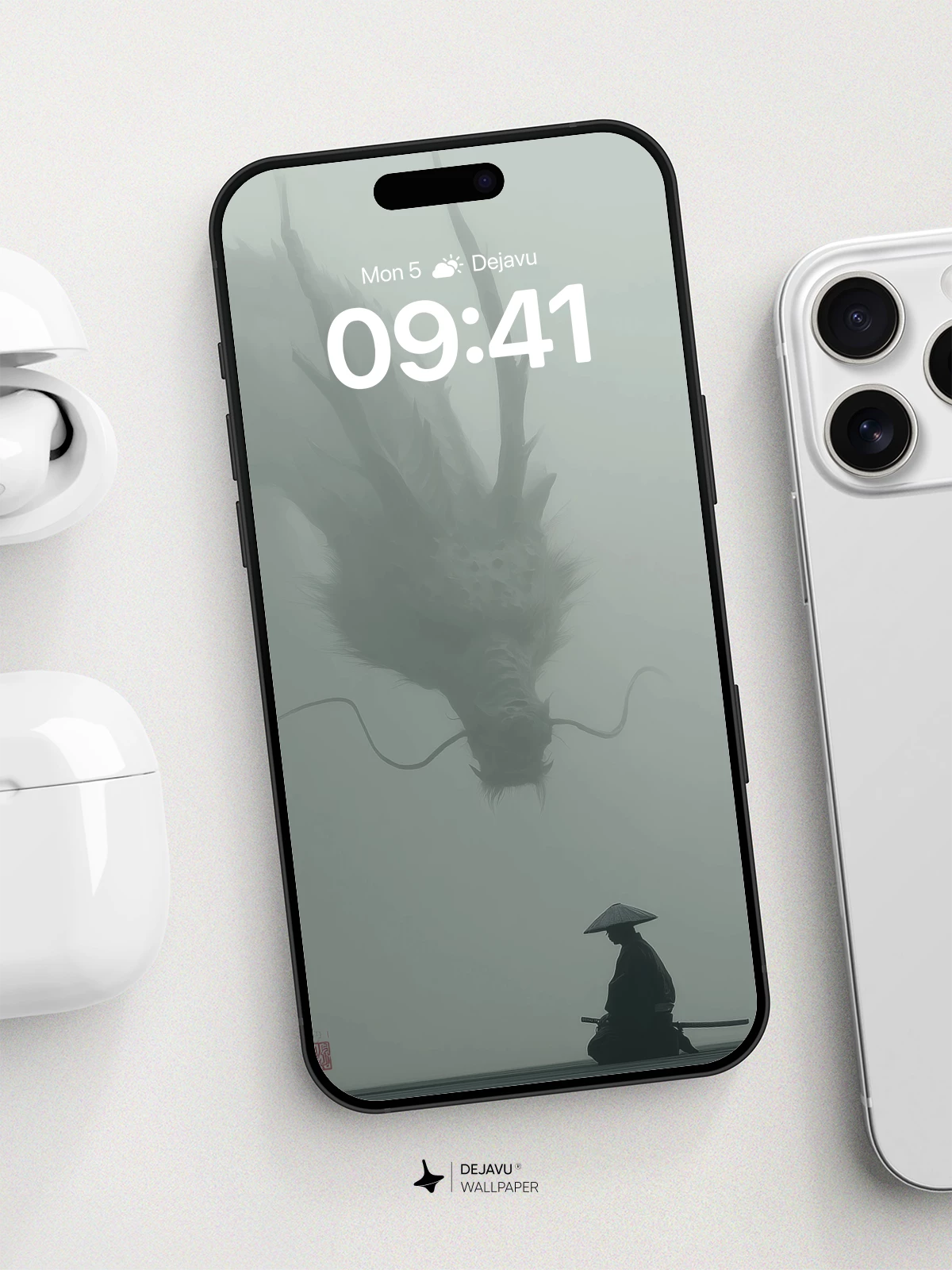
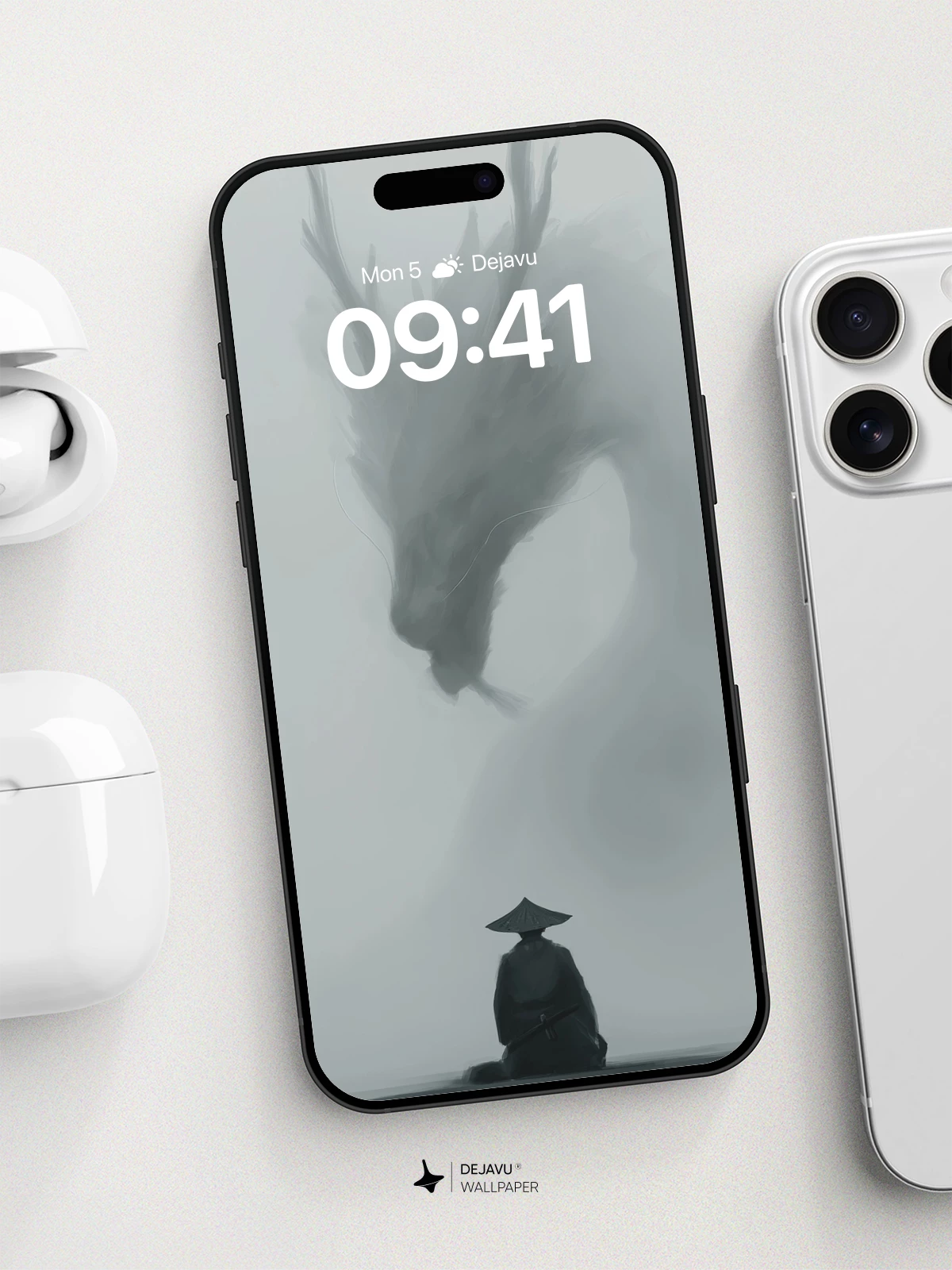
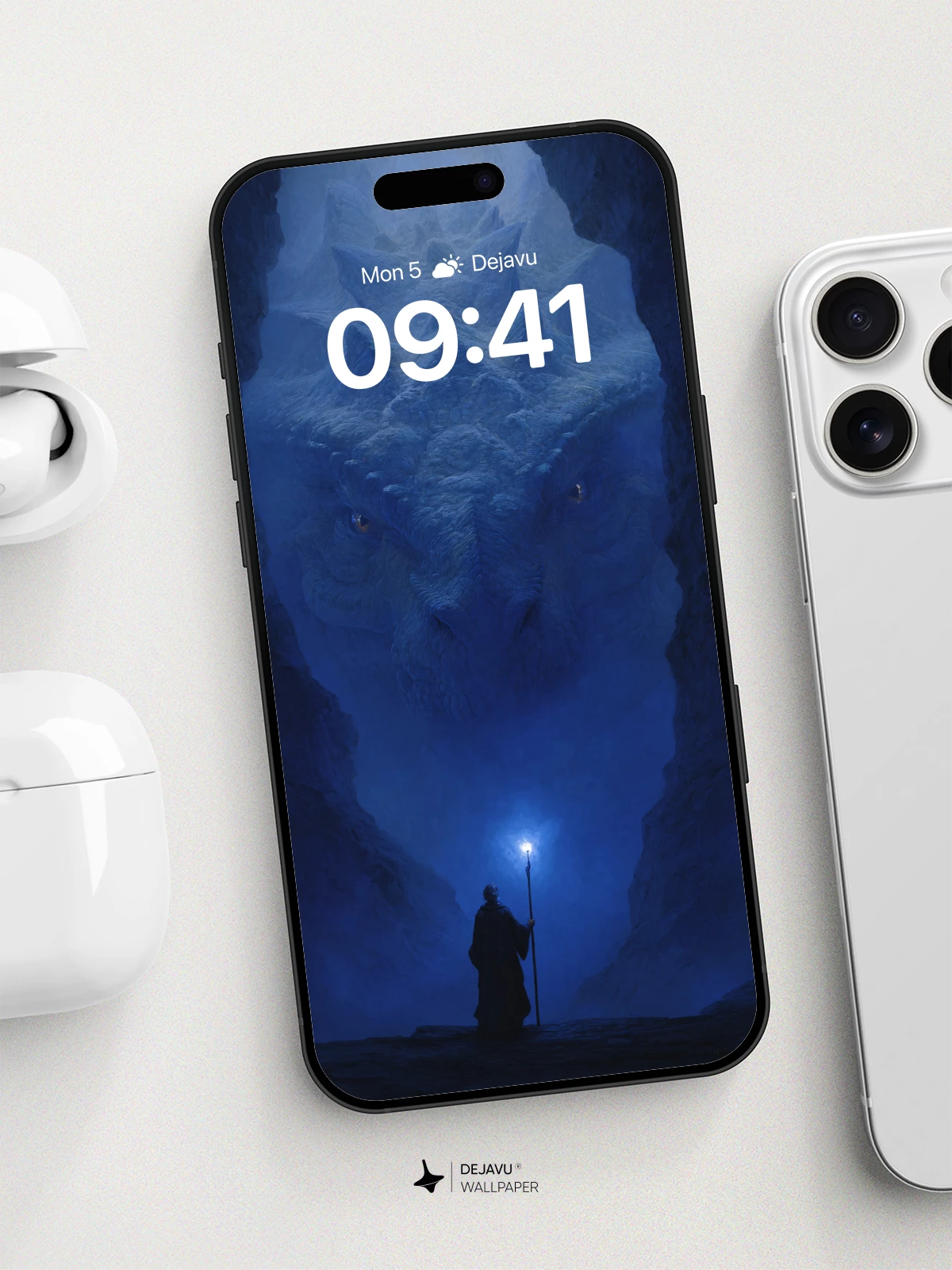
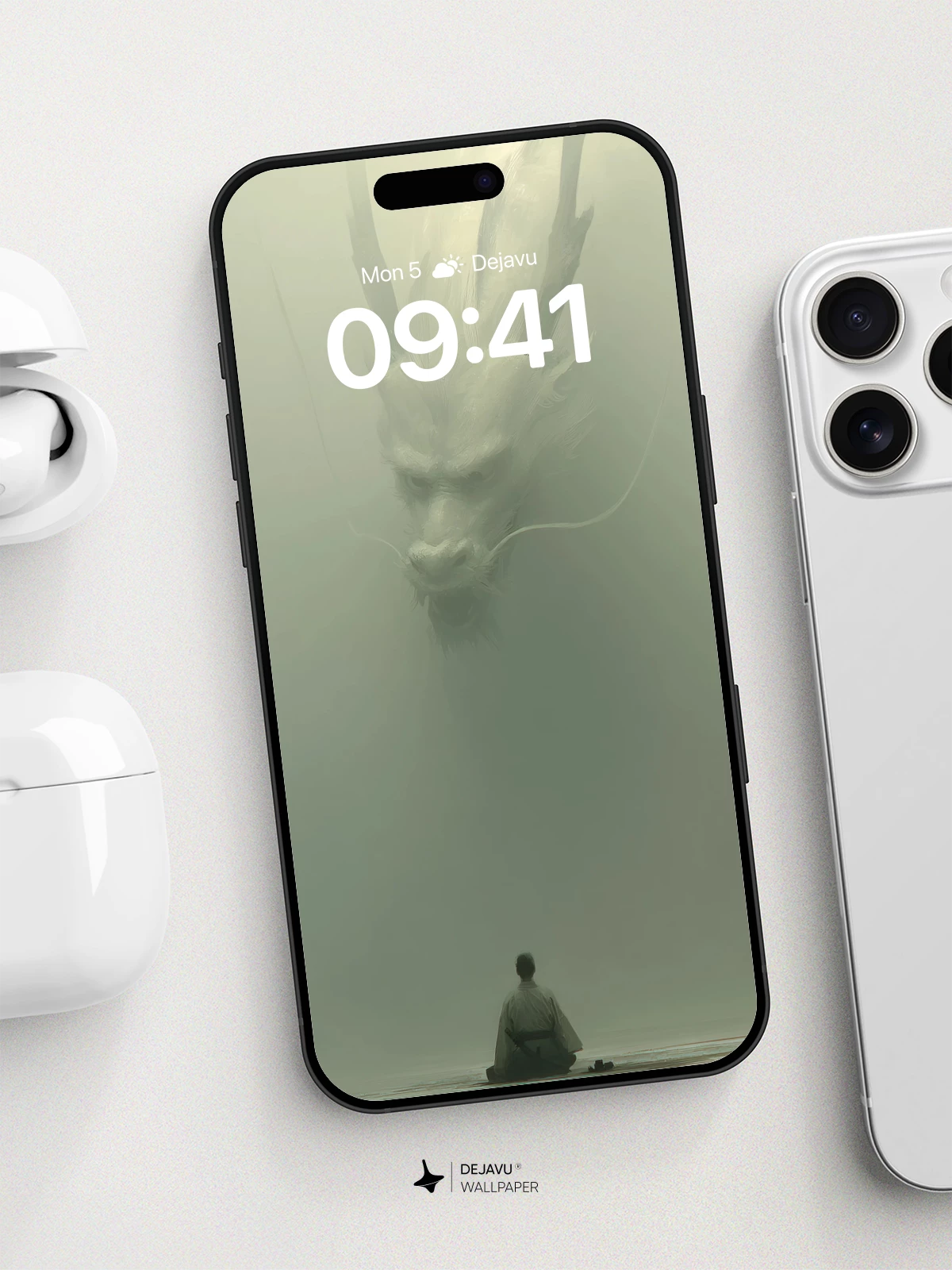
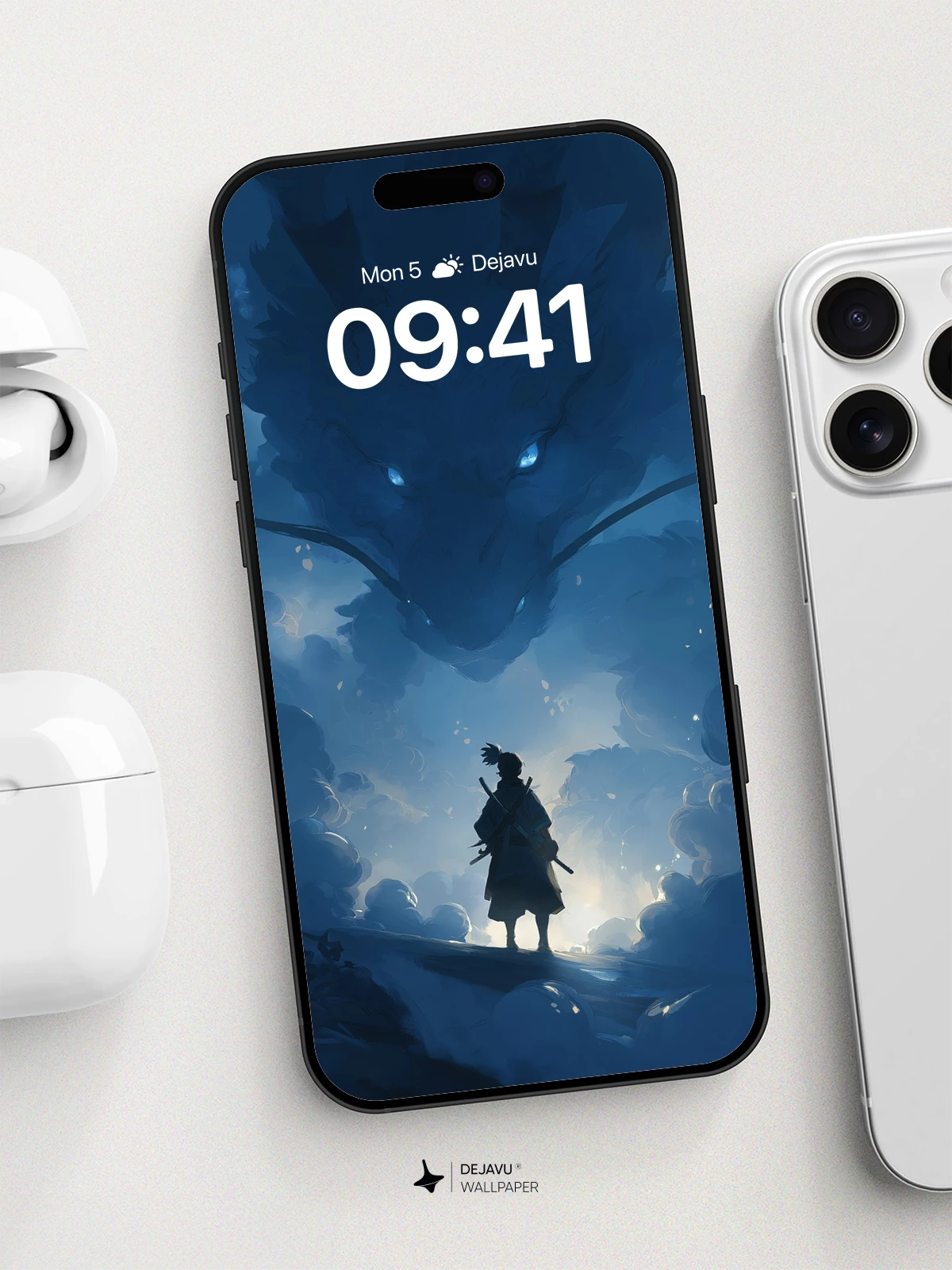
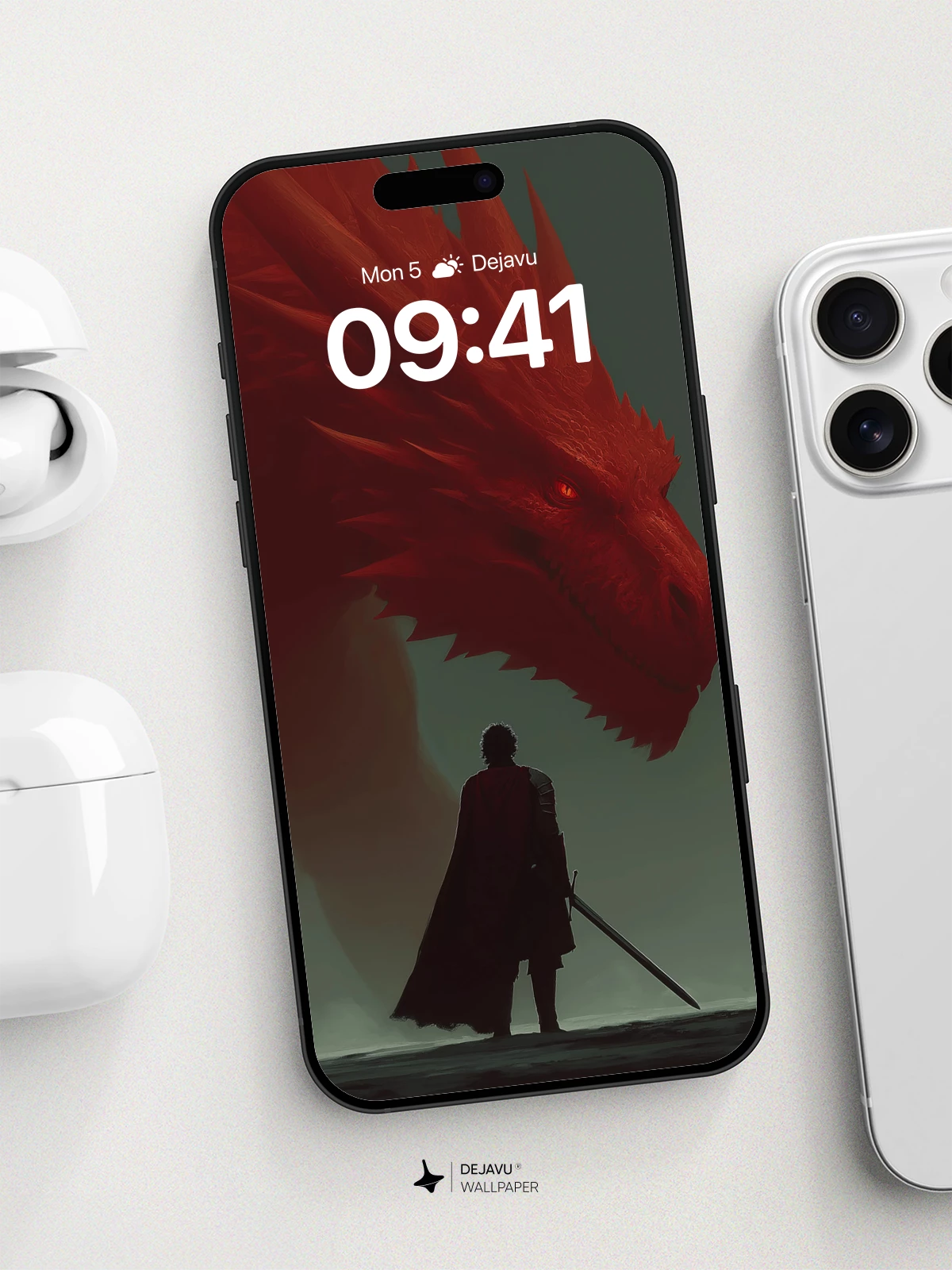
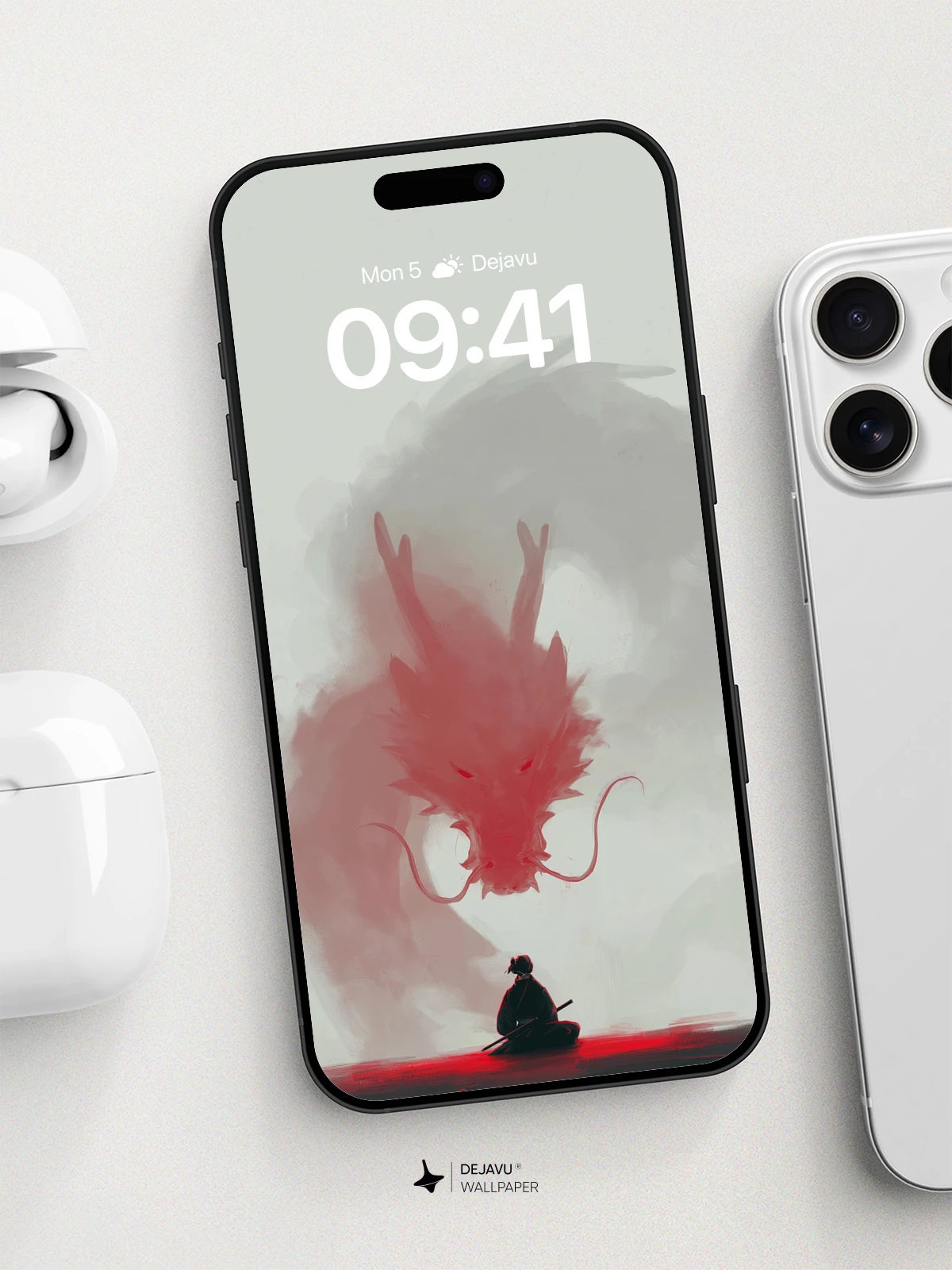
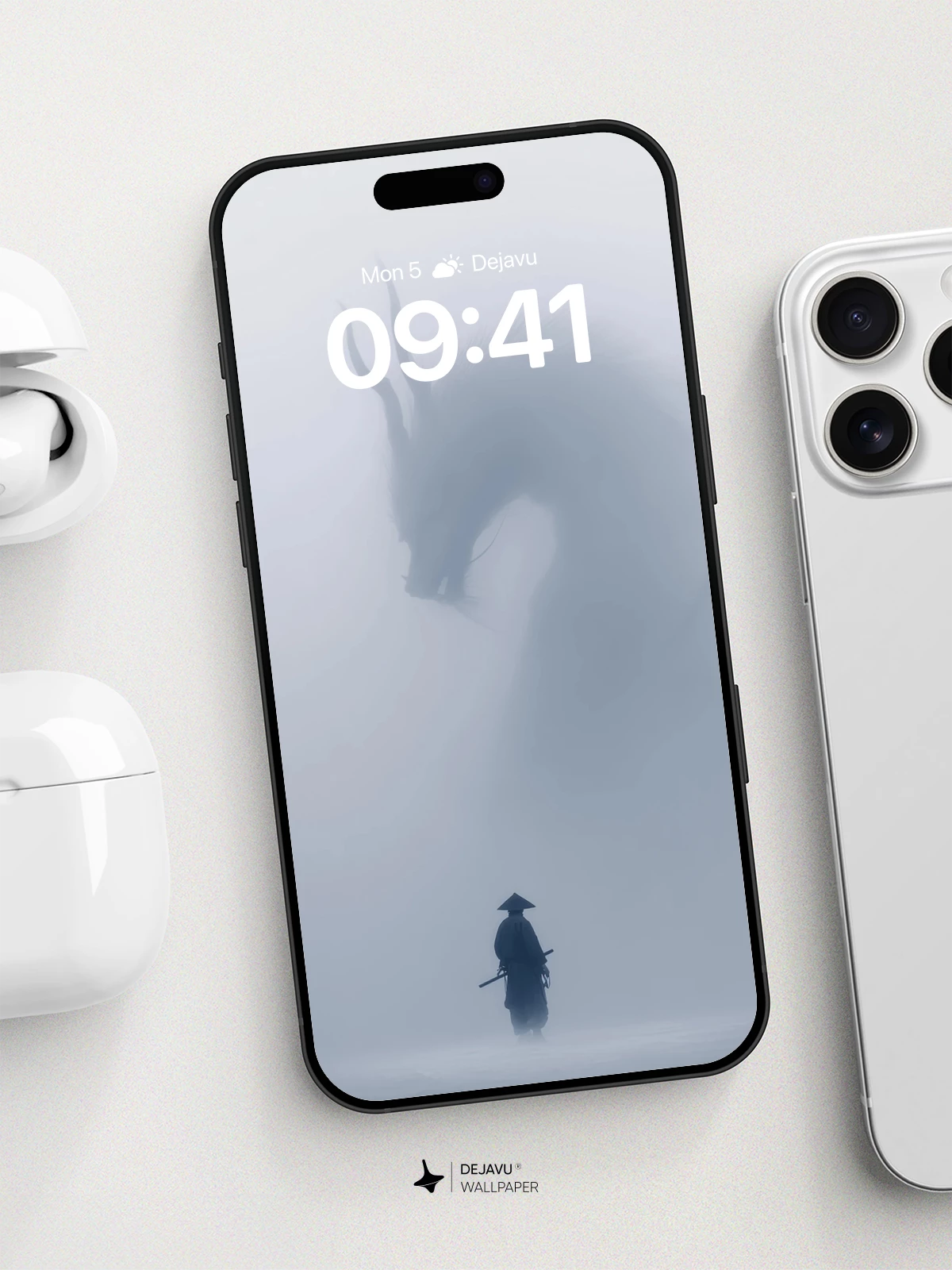
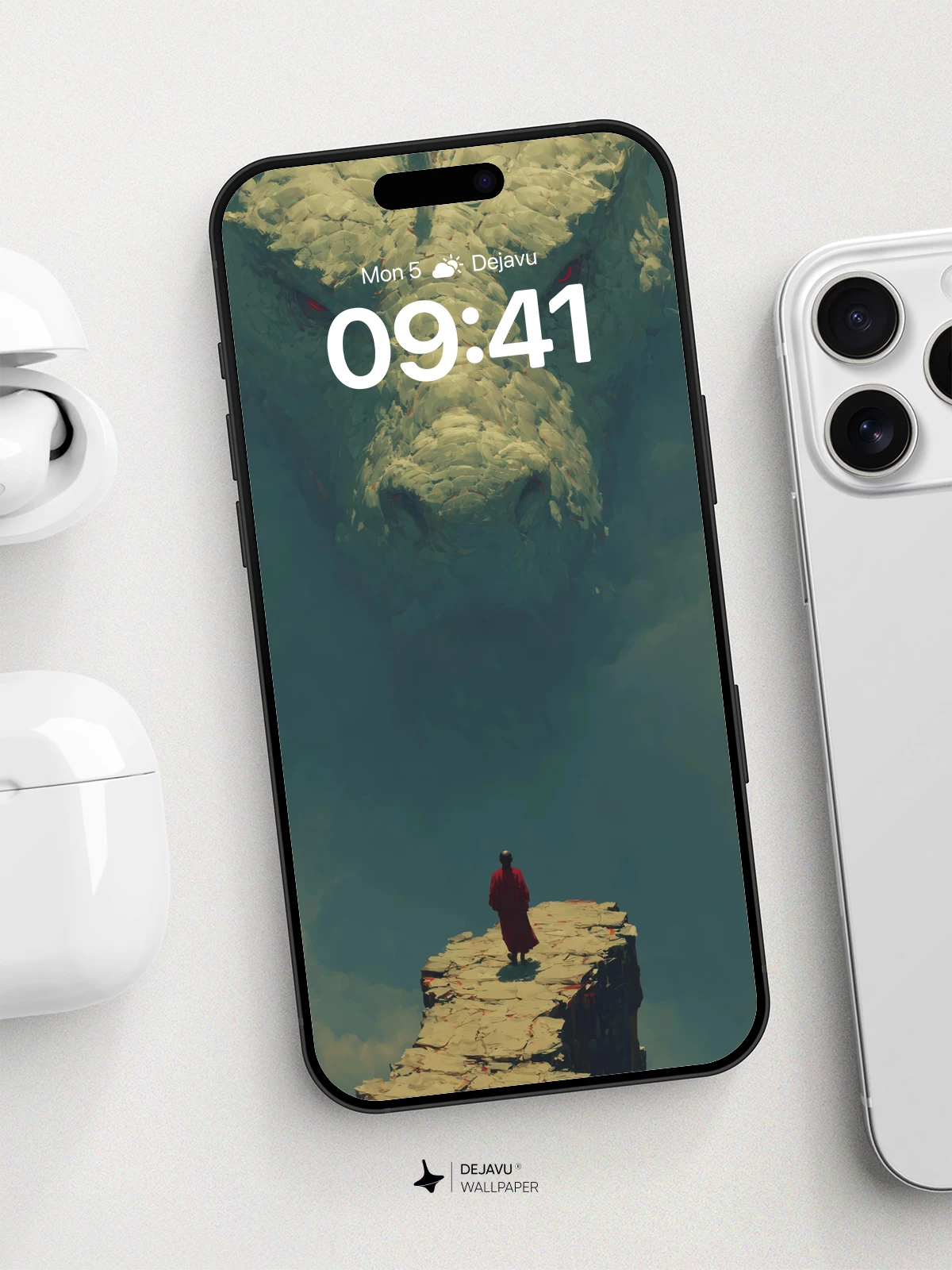
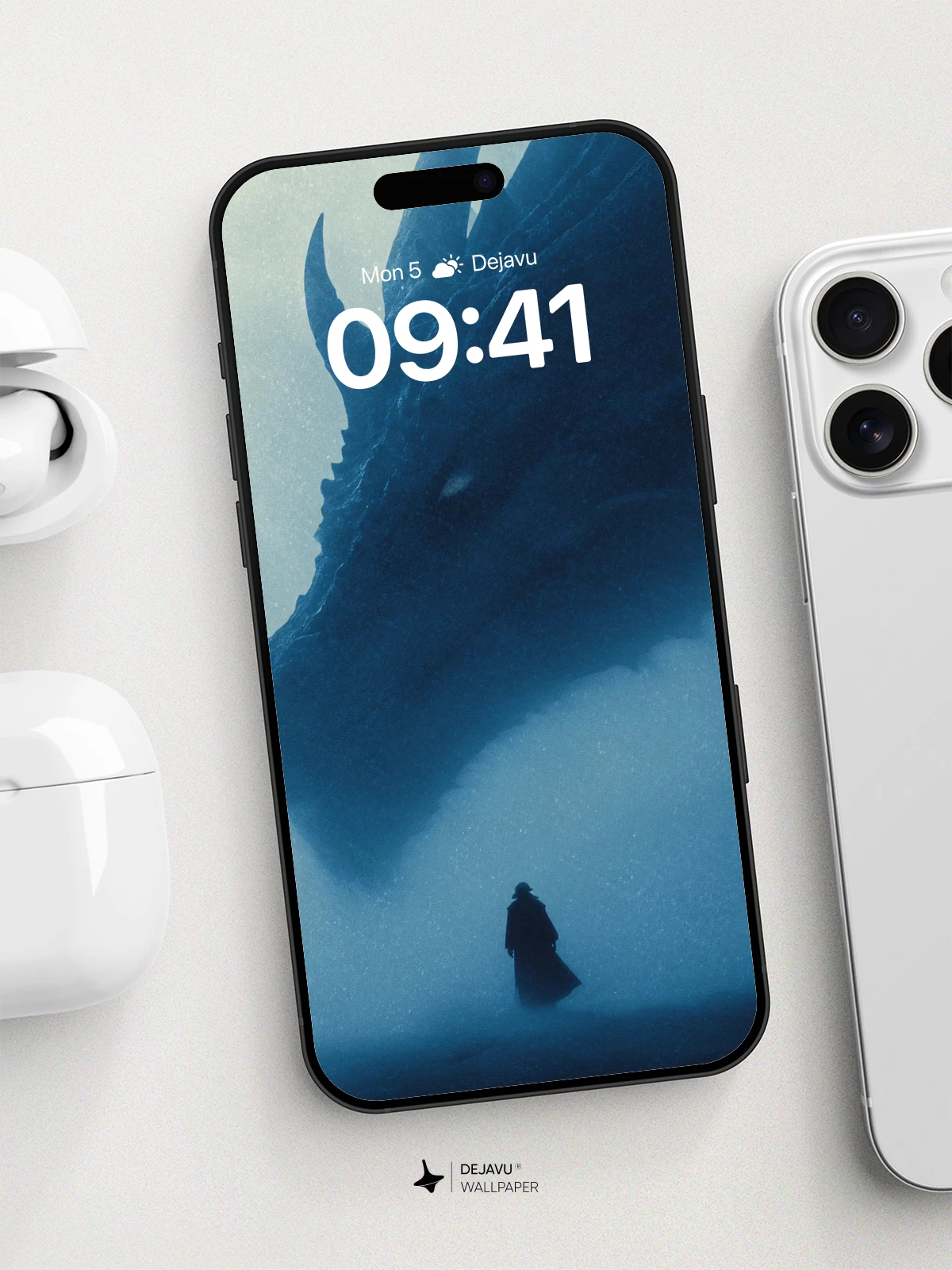
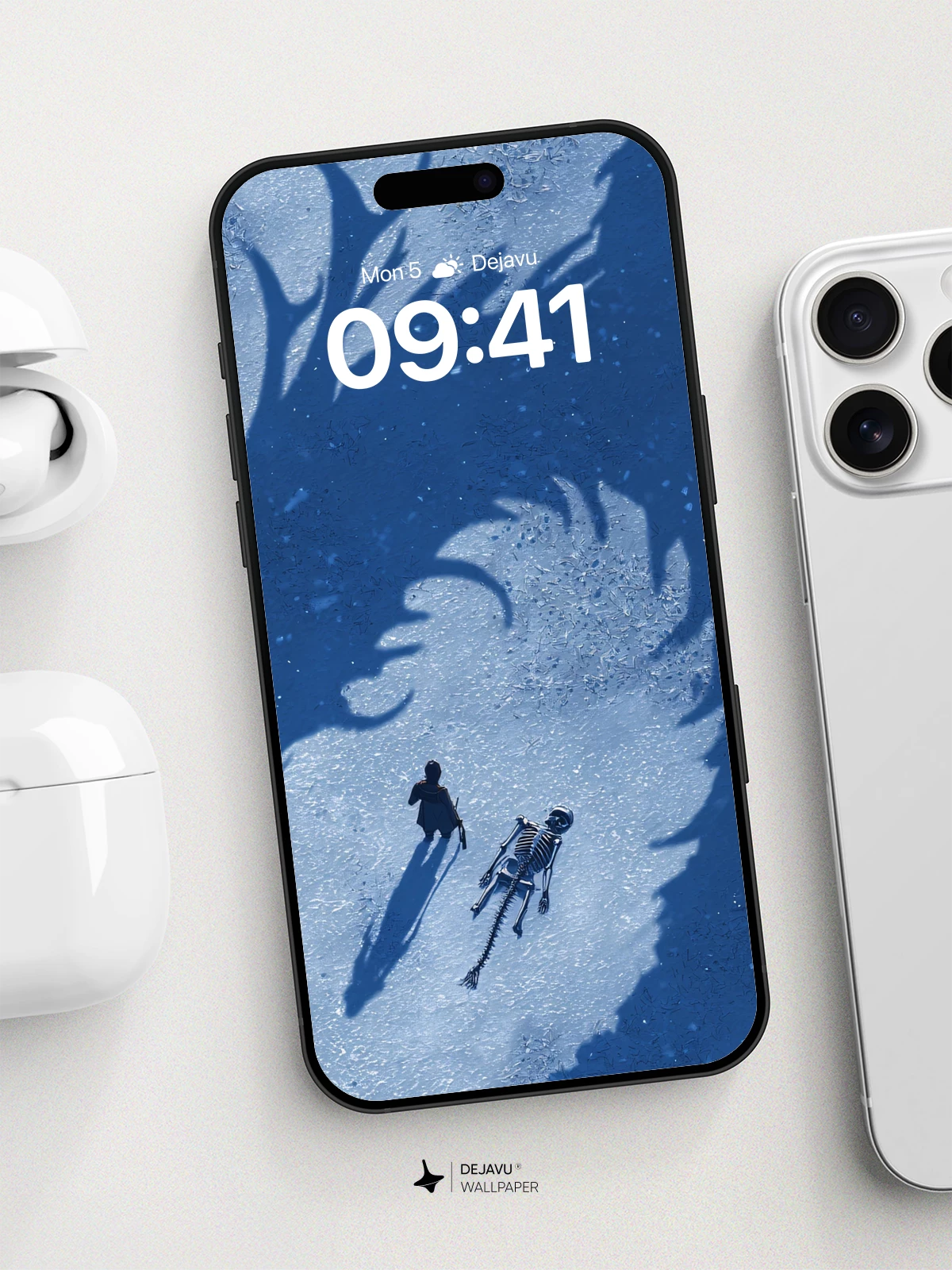
In the depths of ancient legends, the relationship between giant beasts and mortals is not merely one of conquest and submission. They gaze at each other, like reflections of fate, engaging in a silent dialogue across the heavens and earth. The dragon, as an embodiment of natural forces, symbolizes the unpredictable flow of cosmic order; while humans, with their fragile forms, stand on cliff edges holding swords, attempting to comprehend beings beyond rational understanding. This confrontation is not the beginning of violence, but a boundary test between civilization and the unknown. Every shadow, every wisp of mist, tells of an ancient covenant—both reverence and closeness, fear and longing.
The Dragon’s Form: Embodiment of Natural Will
The dragon’s form varies across contexts. A crimson dragon coils beneath a blazing sun, its silhouette resembling burning willpower; a snow-white dragon glides through cloud layers, appearing as a spirit from the frozen north; a gray-headed giant lurks within fog, revealing only deep-set eyes. These images are not mere fiction but poetic projections of ancient people’s perceptions of natural phenomena. Thunderstorms, blizzards, earthquakes—all may be seen as the dragon’s breath and movements. They represent the pulse of the earth, symbols of cosmic order, and chaotic forces beyond human control.
The Human Stance: Dignity in Smallness
Facing such colossal beings, humans always appear from behind. They stand atop mountains, cliffs, or ruins, wielding long swords or blades, robes fluttering in the wind. Their posture is unassuming yet resolute. This is not a declaration of heroism, but an affirmation of existence. In the face of absolute power, they choose neither retreat nor false claims of victory. This silent standoff embodies the Eastern philosophical idea of ‘knowing it cannot be done yet doing it anyway.’ It emphasizes the individual’s place within grand narratives—small yet dignified.
Coexistence Amidst Opposition
The relationship between dragon and human has never been defined solely by enmity. Sometimes, dragons look down upon humanity with protective intent; sometimes, humans walk into mists, standing side by side with dragons. This coexistence hints at a deeper connection: humans are not masters of nature, but part of its web. The dragon’s presence reminds humans of humility, yet also inspires them. They are both symbols of calamity and sources of wisdom. In some myths, dragons even become guides for spiritual seekers, leading them through confusion to enlightenment.
Symbolism and Aesthetics: Modern Reinterpretation of Eastern Imagery
Contemporary art reinterprets these ancient symbols. Ink-style dragons rendered in red pigment create abstract yet powerful visual languages; digital paintings blend clouds and dragons into surreal atmospheres. These works no longer pursue realism but convey inner emotions through form and color. Red signifies passion and destruction, white purity and transcendence, gray mystery and contemplation. Each hue continues cultural memory and reflects modern society’s response to traditional spirit.