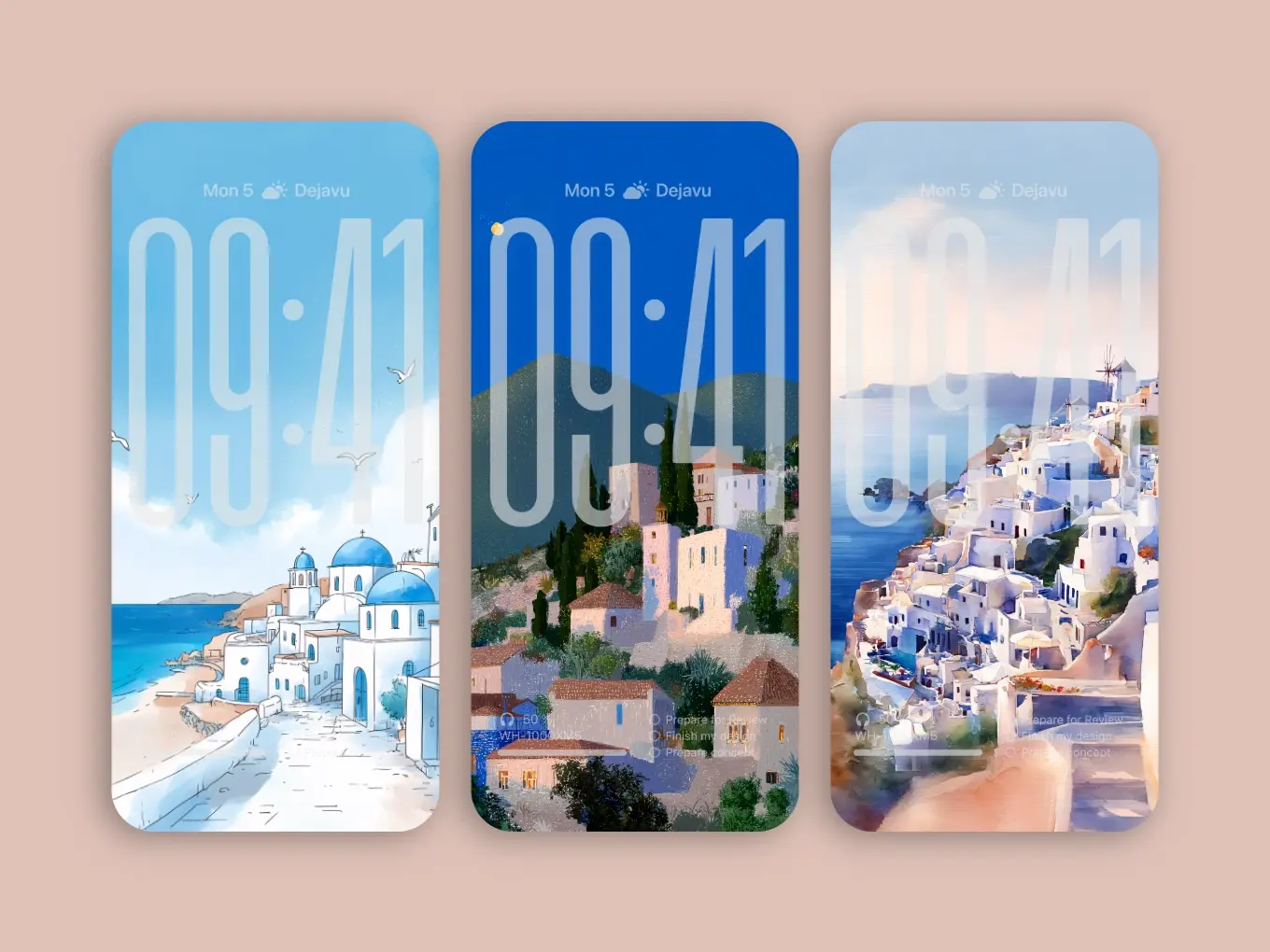
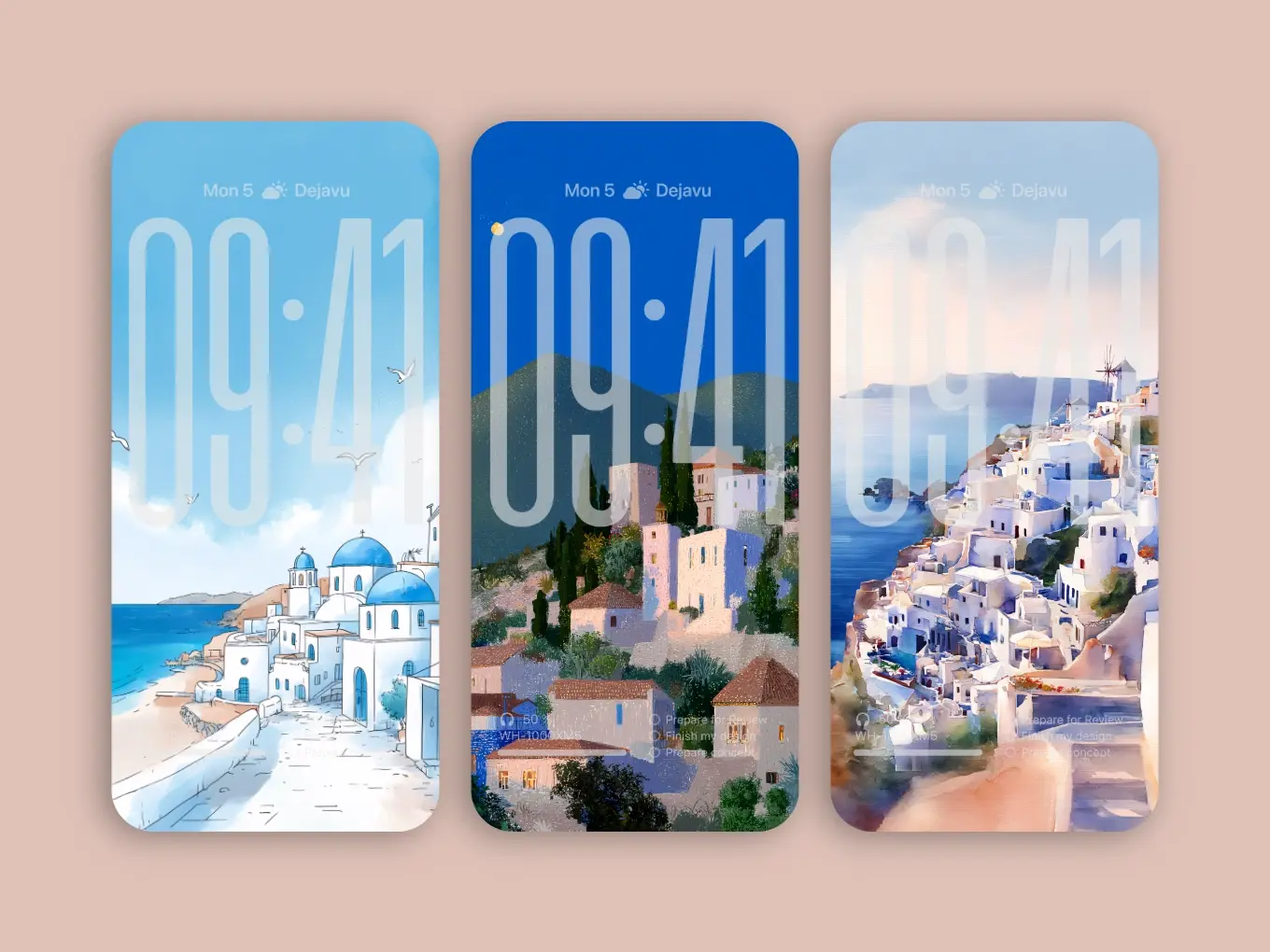
Step into the sun-washed streets of the Mediterranean with this exclusive collection of minimal 8K wallpapers for iPhone and Android. “The Secret Aesthetics of Mediterranean Cities” captures the quiet elegance of seaside architecture, soft pastel walls, and golden light reflecting off the sea — distilled into serene, modern compositions for your screen. Each wallpaper blends urban texture and coastal calm, designed to make your phone feel like a hidden balcony overlooking the blue horizon. Whether you’re chasing Santorini’s glow, Barcelona’s rhythm, or Dubrovnik’s timeless alleys, these wallpapers bring that effortless summer vibe right into your hand. Perfect for fans of minimalist design, travel-inspired art, and premium aesthetic backgrounds — refresh your home screen with a touch of Mediterranean soul.
You can download all these wallpapers on Dejavu Wallpaper!
Experience the magic of AI in advance! Let the infinite imagination of AI decorate your screens, bring you fresh delights every day.




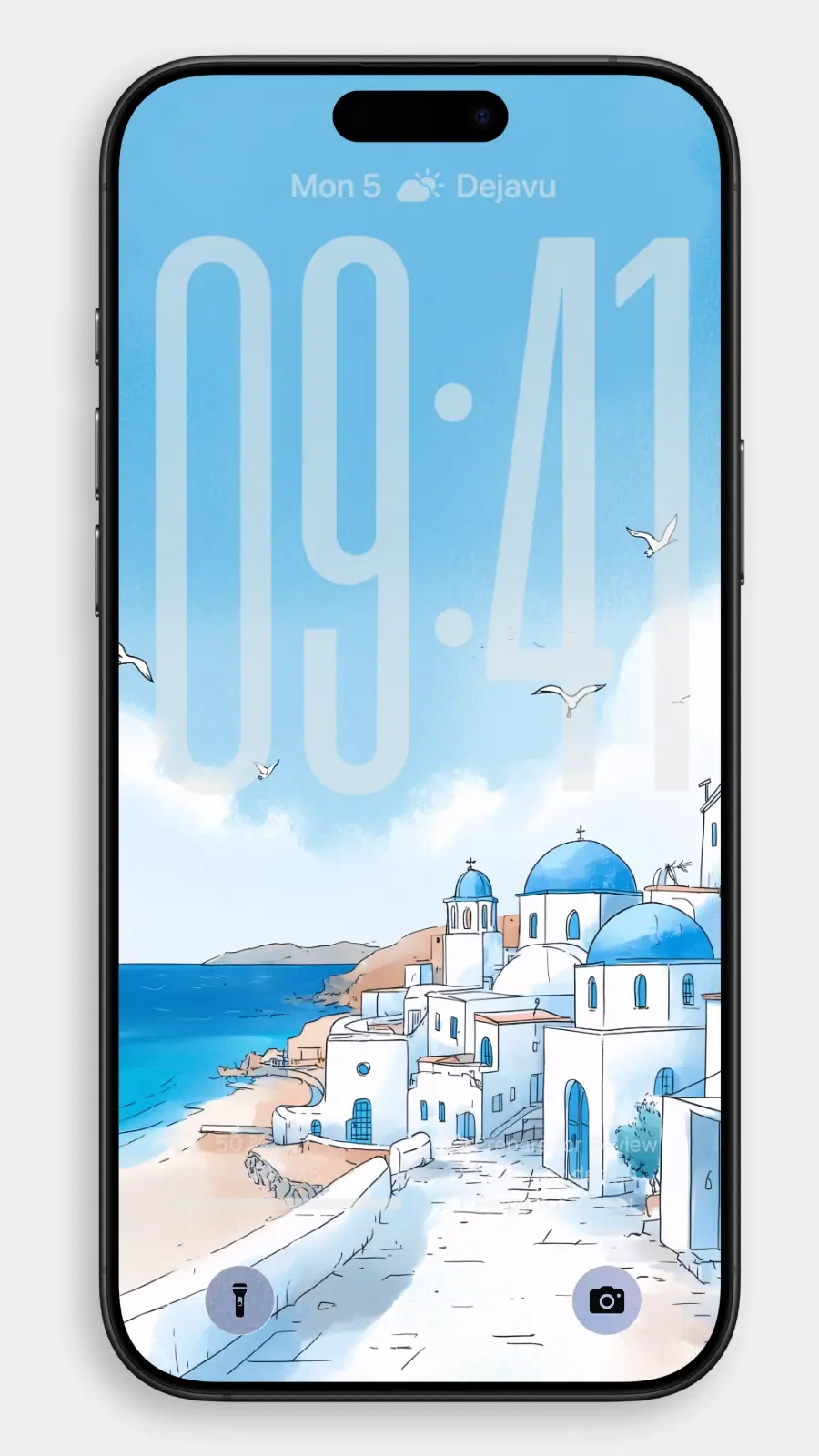
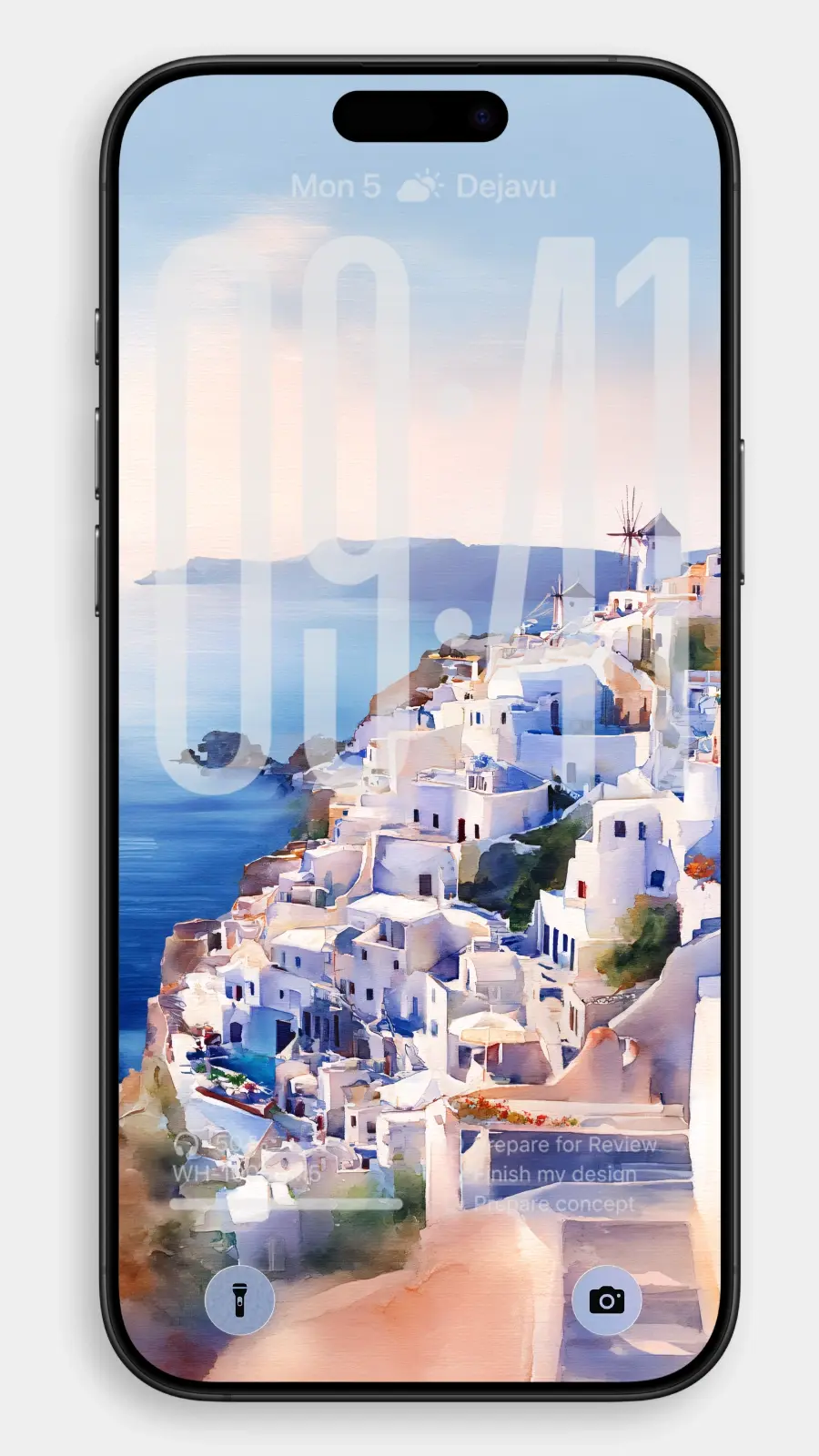

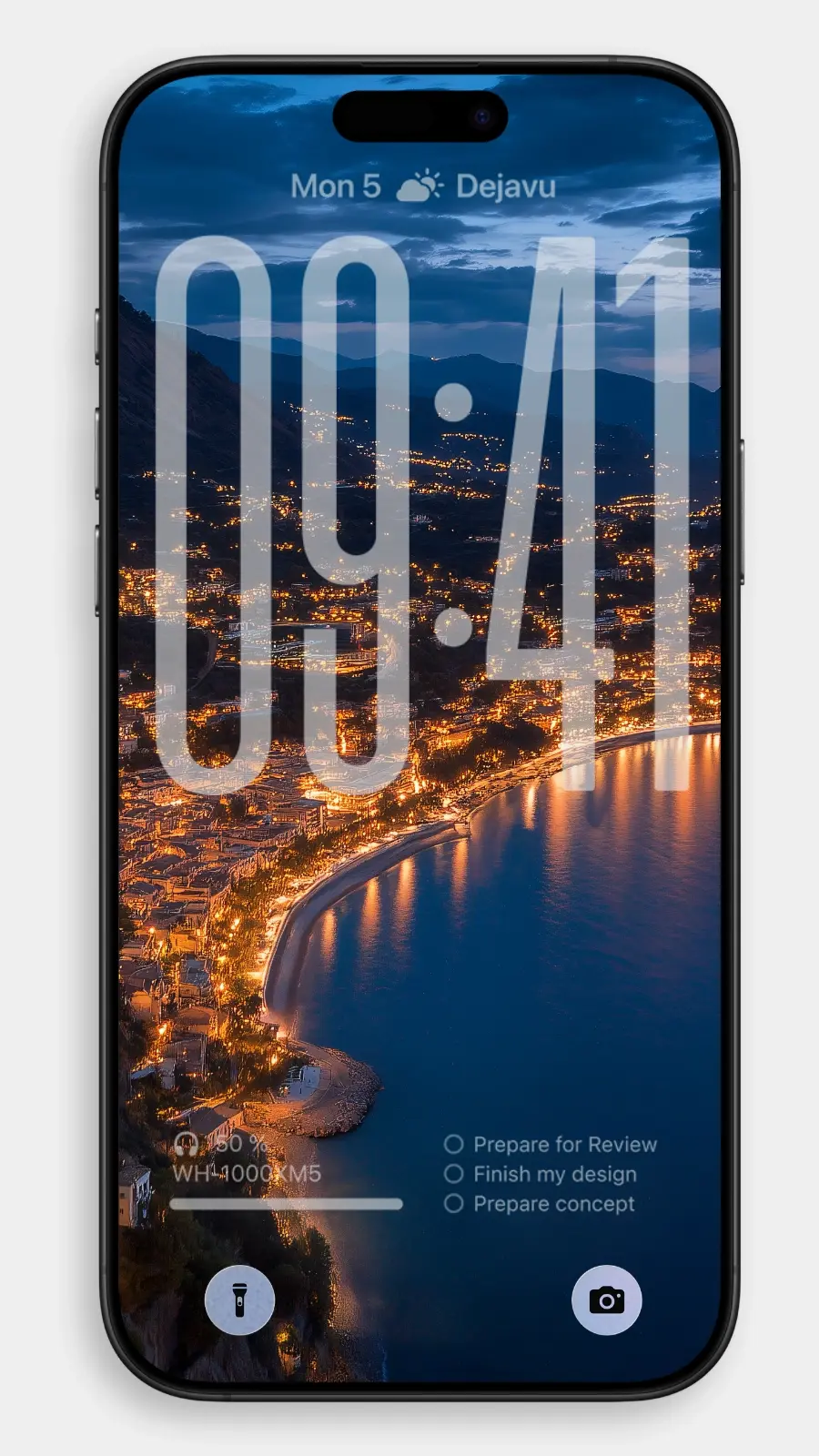
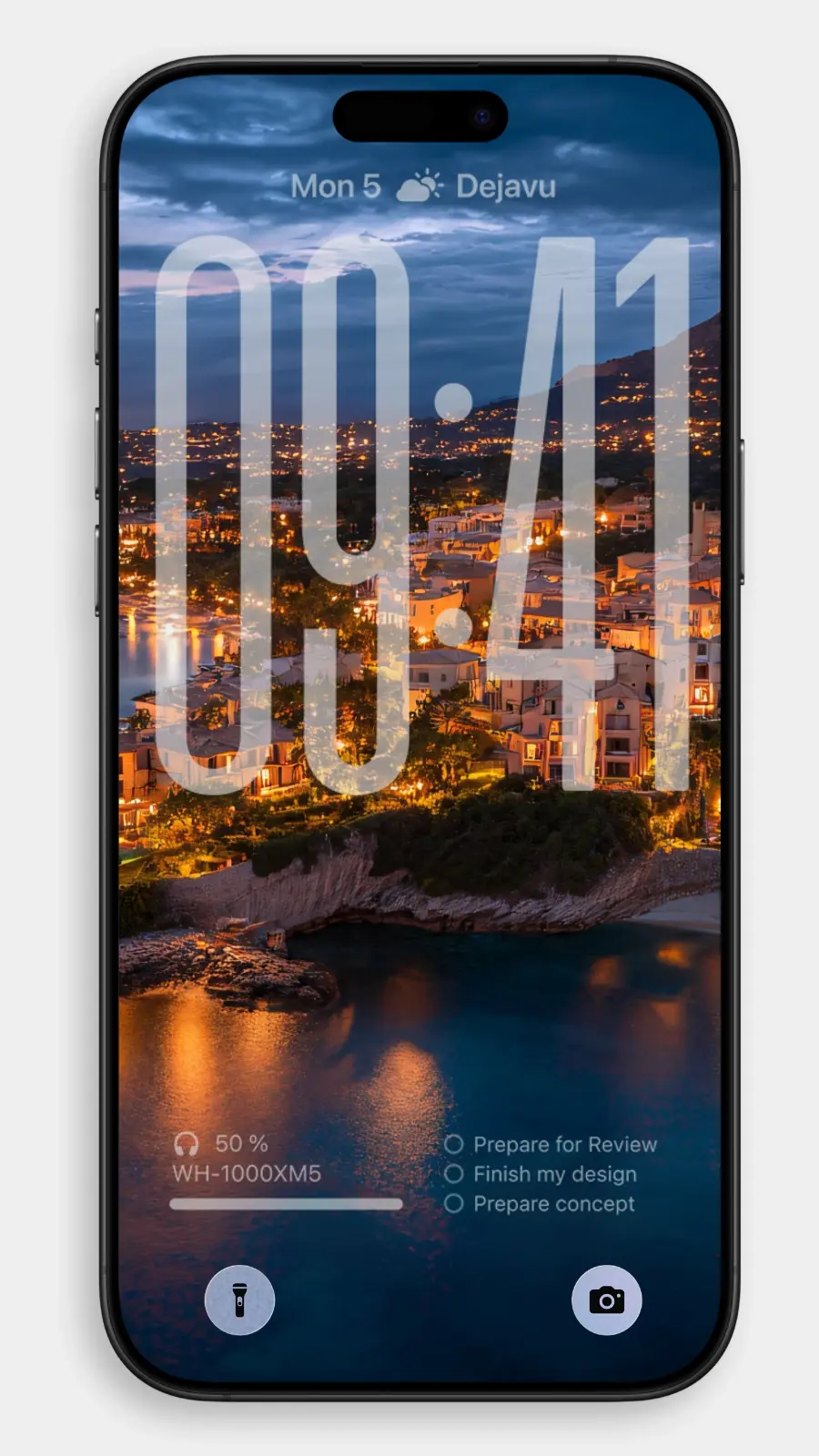
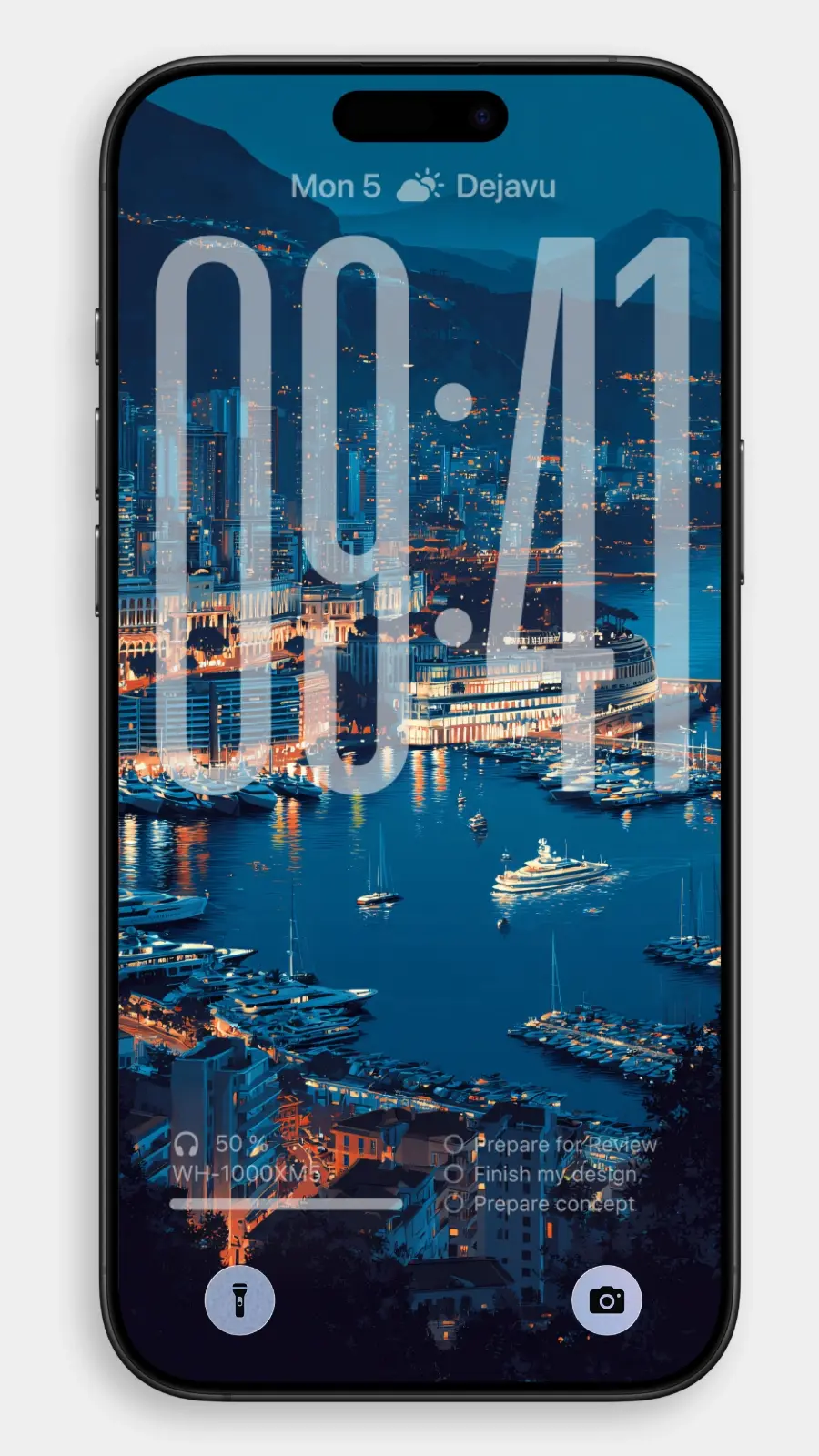
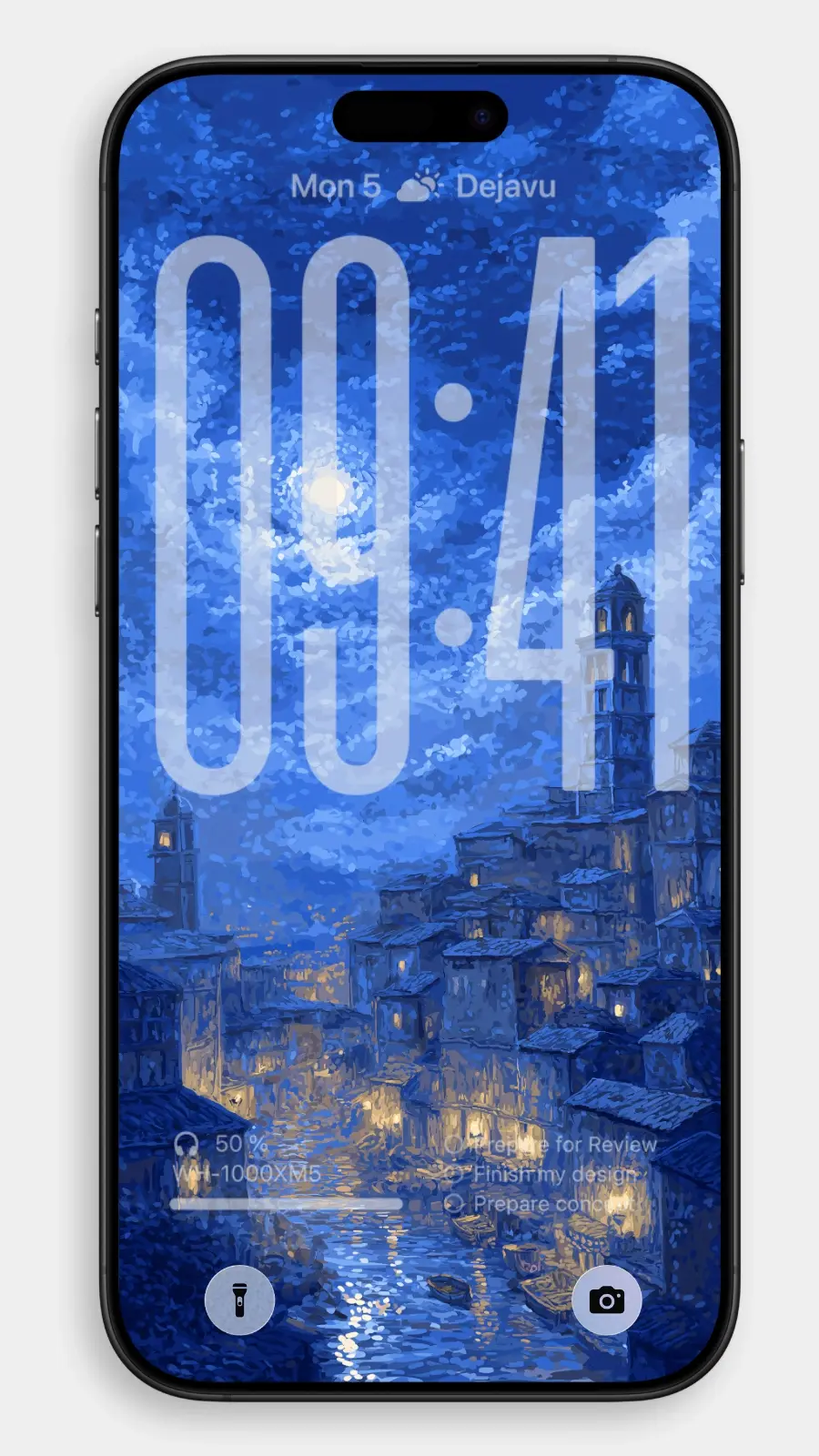
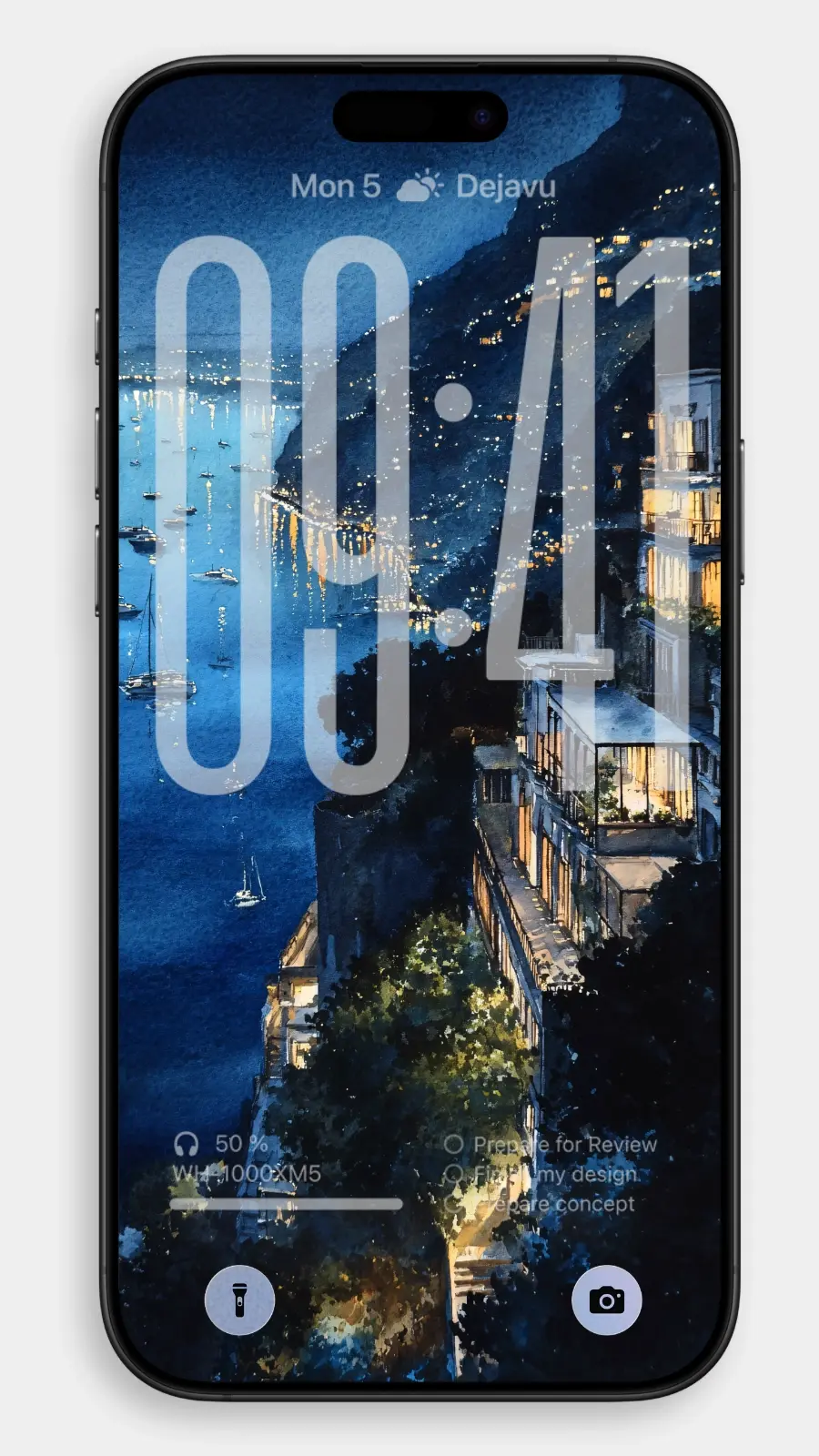

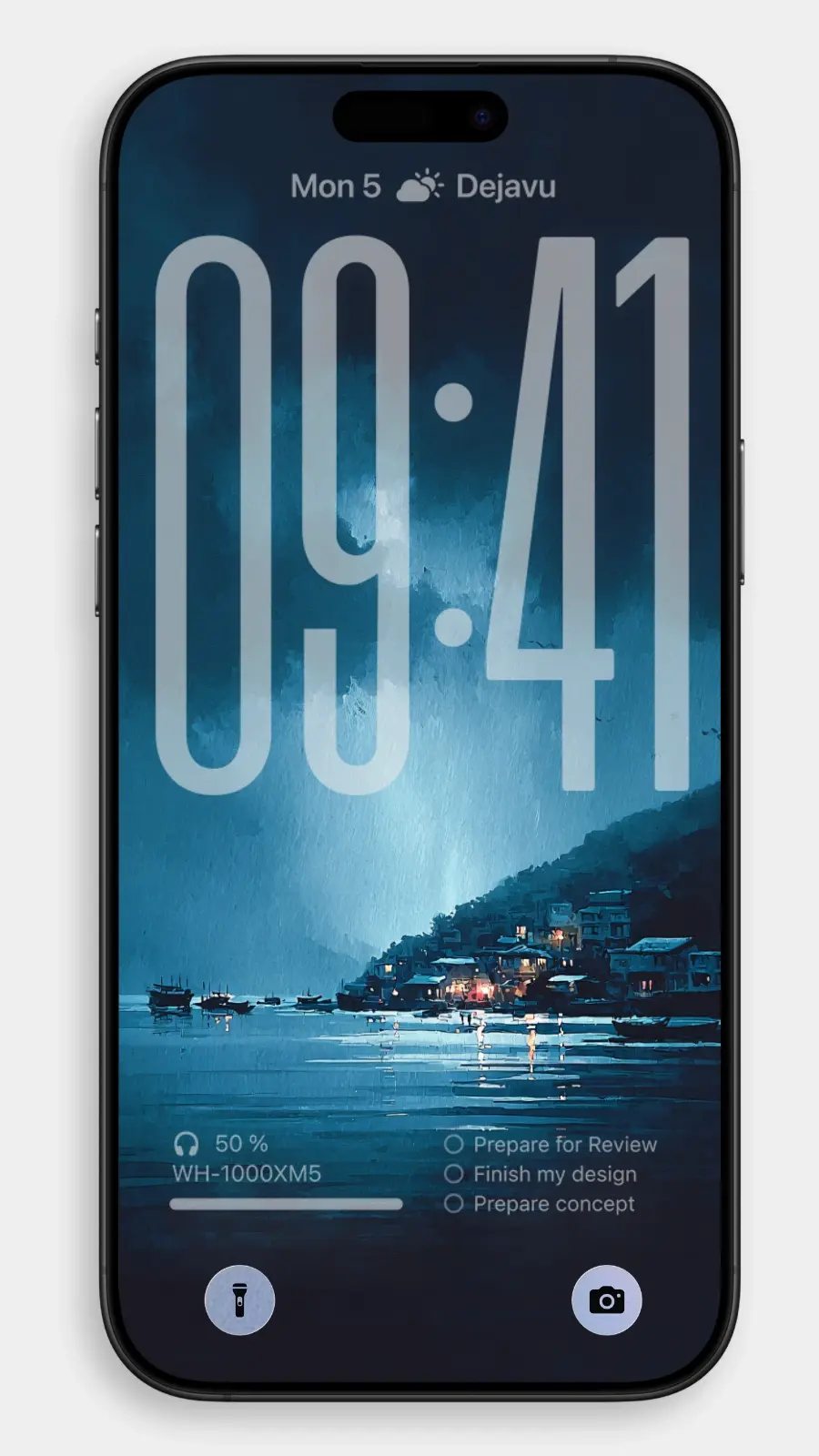

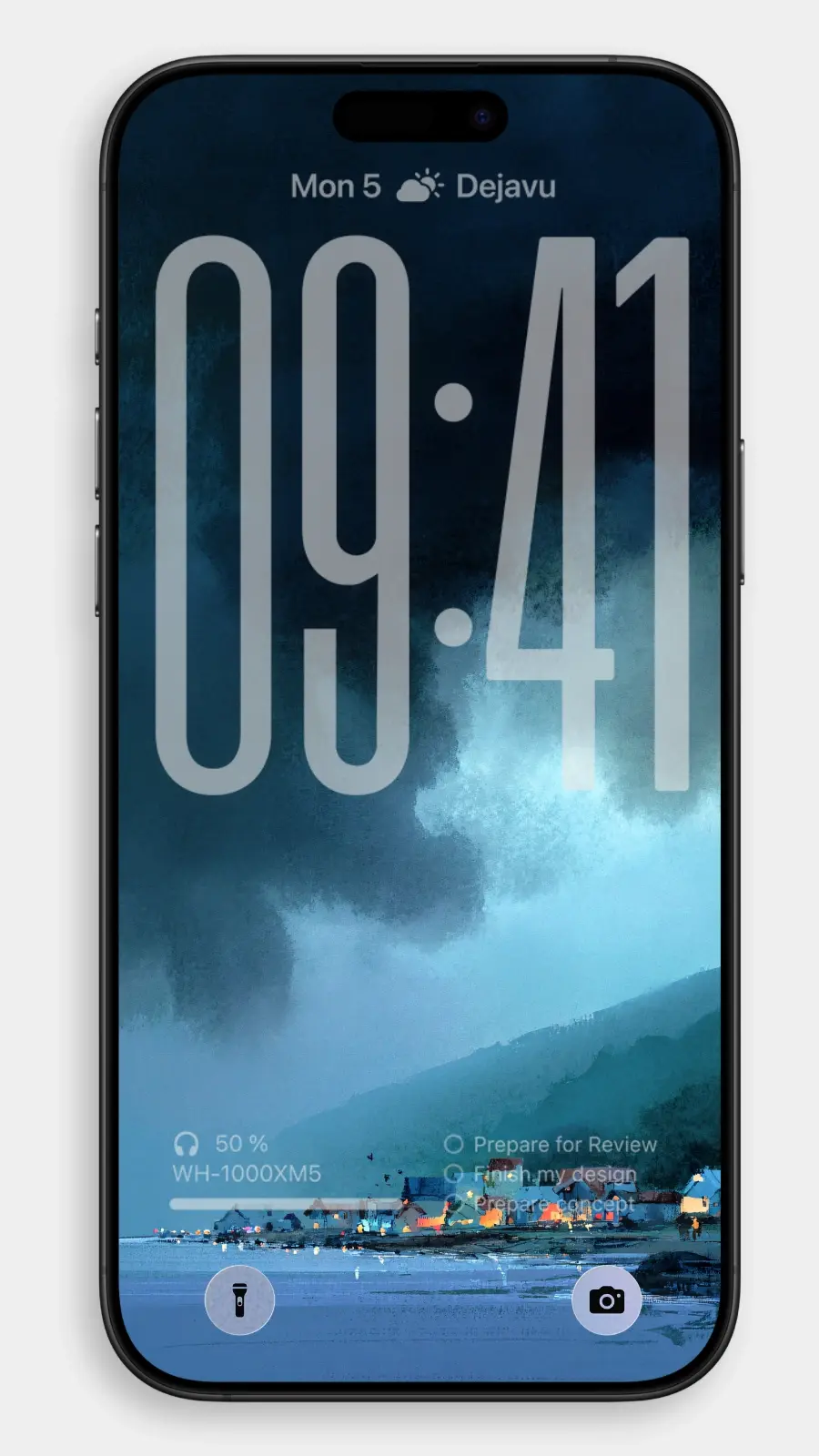

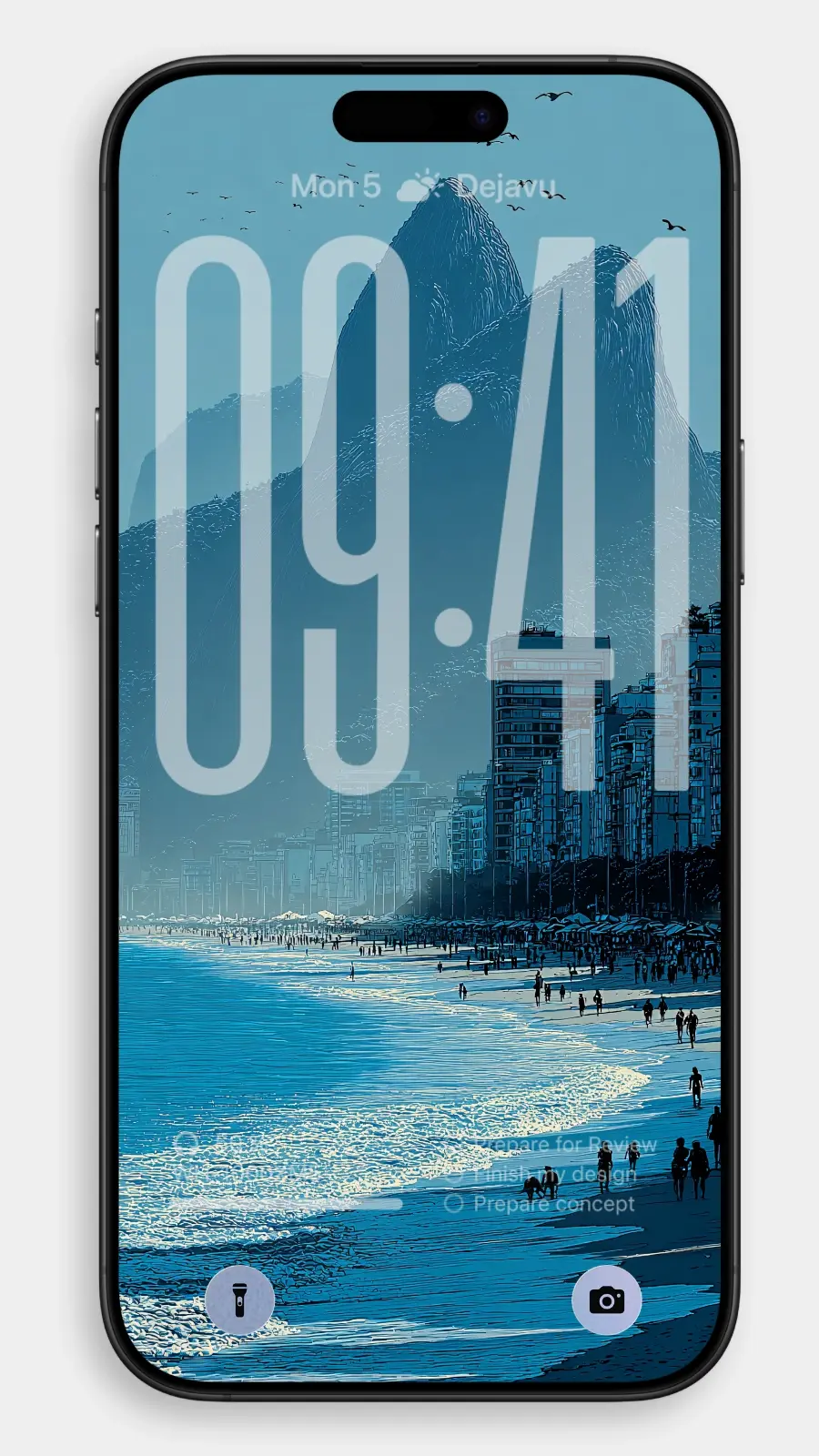
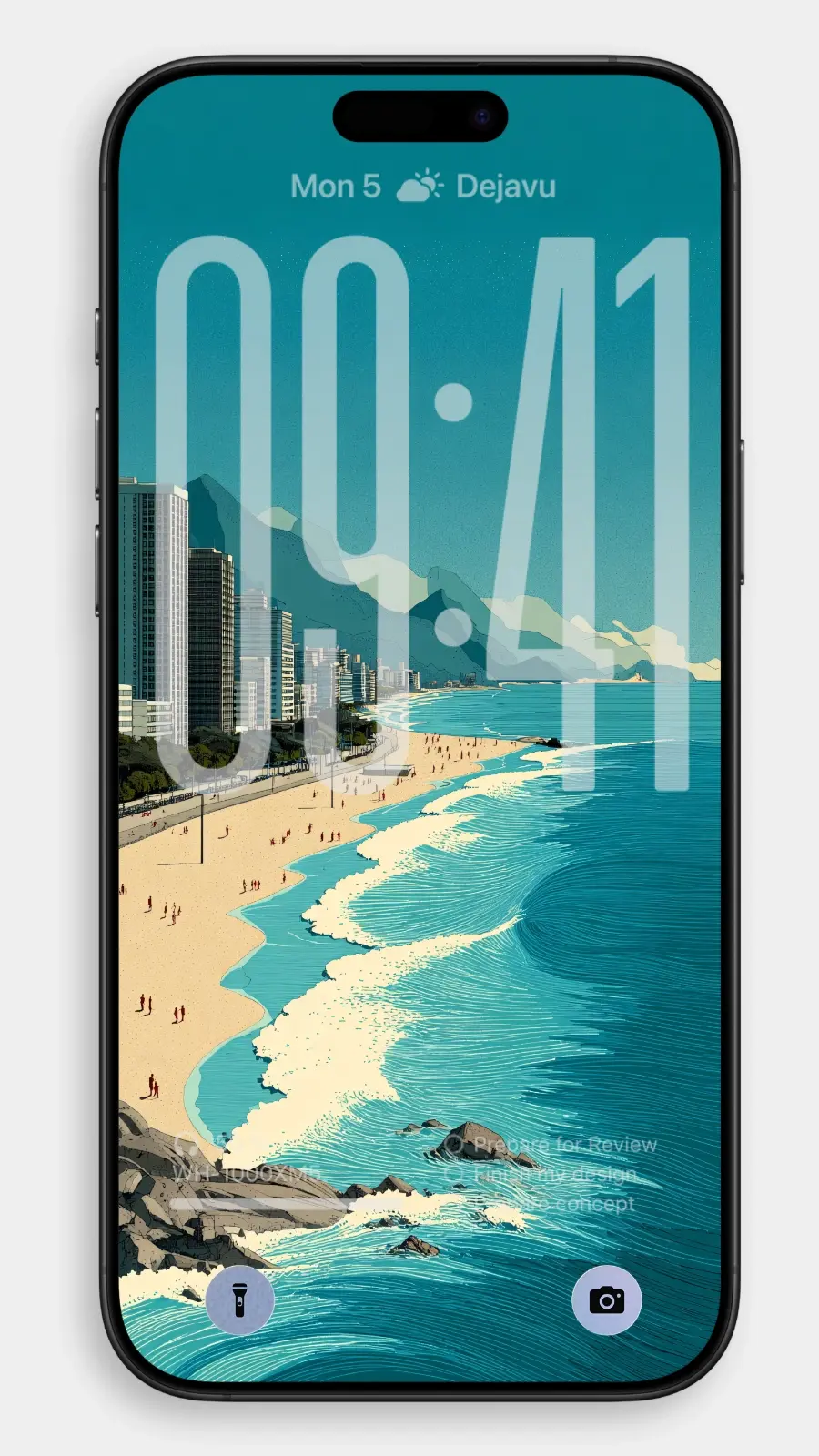
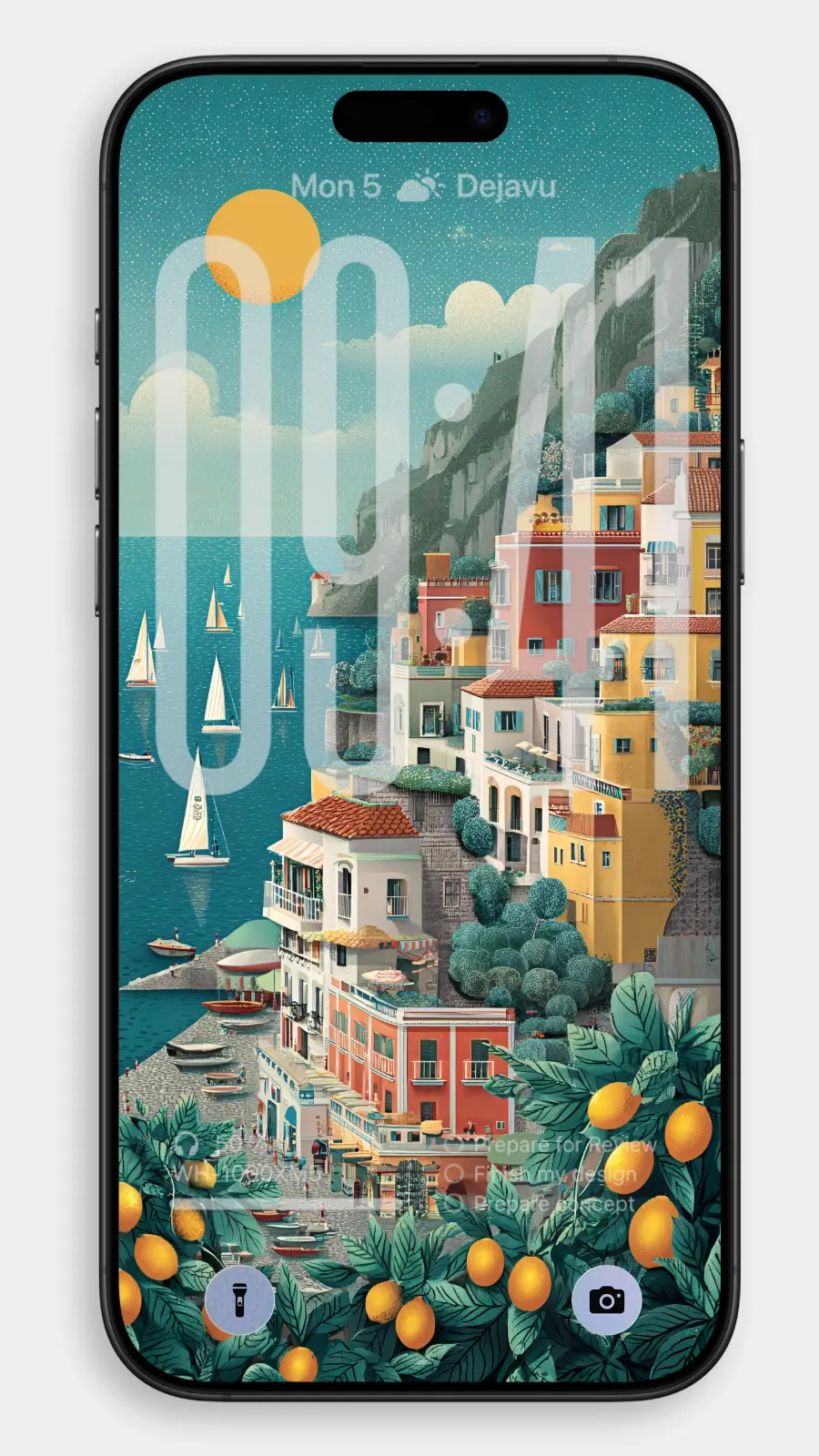
Step into the Mediterranean coast—whether Italy’s Amalfi Coast, Greece’s Santorini, or the French Riviera—and you are immediately enveloped by a unique atmosphere of romance. Houses rise like staircases along the cliffs, painted in bright yet harmonious colors, blending seamlessly with the deep blue sea and golden sunlight. This aesthetic is no accident; it is the product of geography, survival, and cultural wisdom.
How Did Cities Begin Their Dialogue with Mountains and Sea?
Mediterranean towns often cling to steep slopes and overlook open waters. Historically, this placement had practical roots: hillsides provided defense against invaders, while the sea offered routes for trade and fishing. Houses were built tightly together and staggered vertically, minimizing exposure to the scorching sun while maximizing usable space. Exterior walls, painted white or in vivid shades of orange and red, reflected heat while also serving as beacons for fishermen returning from afar. Over centuries, these pragmatic choices transformed into a visual language that feels almost painterly in its artistry.
How Did Coastal Culture Shape Everyday Life?
Life along the coast is deeply interwoven with the sea. Greek windmills, now symbols of the islands, were originally tools for grinding grain. Italy’s lemon groves, once vital to local economies, are today emblems of Mediterranean charm. Even the cuisine mirrors the geography: olive oil, wine, and seafood form the core of the famed “Mediterranean diet.” Each color and detail of these towns holds echoes of survival, trade, and tradition, making the aesthetic inseparable from lived experience.
Why Are Nights in the Mediterranean So Enchanting?
As night falls, lights flicker on across cliffside towns, tracing the shoreline like constellations. Historically, these lights doubled as navigational markers, guiding sailors safely into harbor. Today, they are romantic spectacles, where glowing windows against a backdrop of deep blue sea create the illusion of stars dropped to Earth. Photographers and travelers alike cherish this nightly transformation, capturing the blend of utility and beauty in a single scene.
What Little-Known Stories Lie Behind the Colors?
Interestingly, the region’s palette carries a story of competition. In the 19th century, some Greek villages deliberately painted all buildings white with blue trim to attract visitors, establishing the now-classic “Aegean aesthetic.” On Italy’s Amalfi Coast, however, houses burst with a variety of colors. Legend has it fishermen painted their homes in bright hues so they could recognize them from the sea, even in fog or twilight. Thus, what began as practical differentiation evolved into a defining cultural identity.
Mediterranean city aesthetics are more than decoration—they are a fusion of history, geography, and human ingenuity. From clustered layouts to bright facades, from cuisine to starlit coastlines, these towns embody the transformation of necessity into beauty. They are, quite literally, civilizations carved into mountains and written in the language of light and sea.