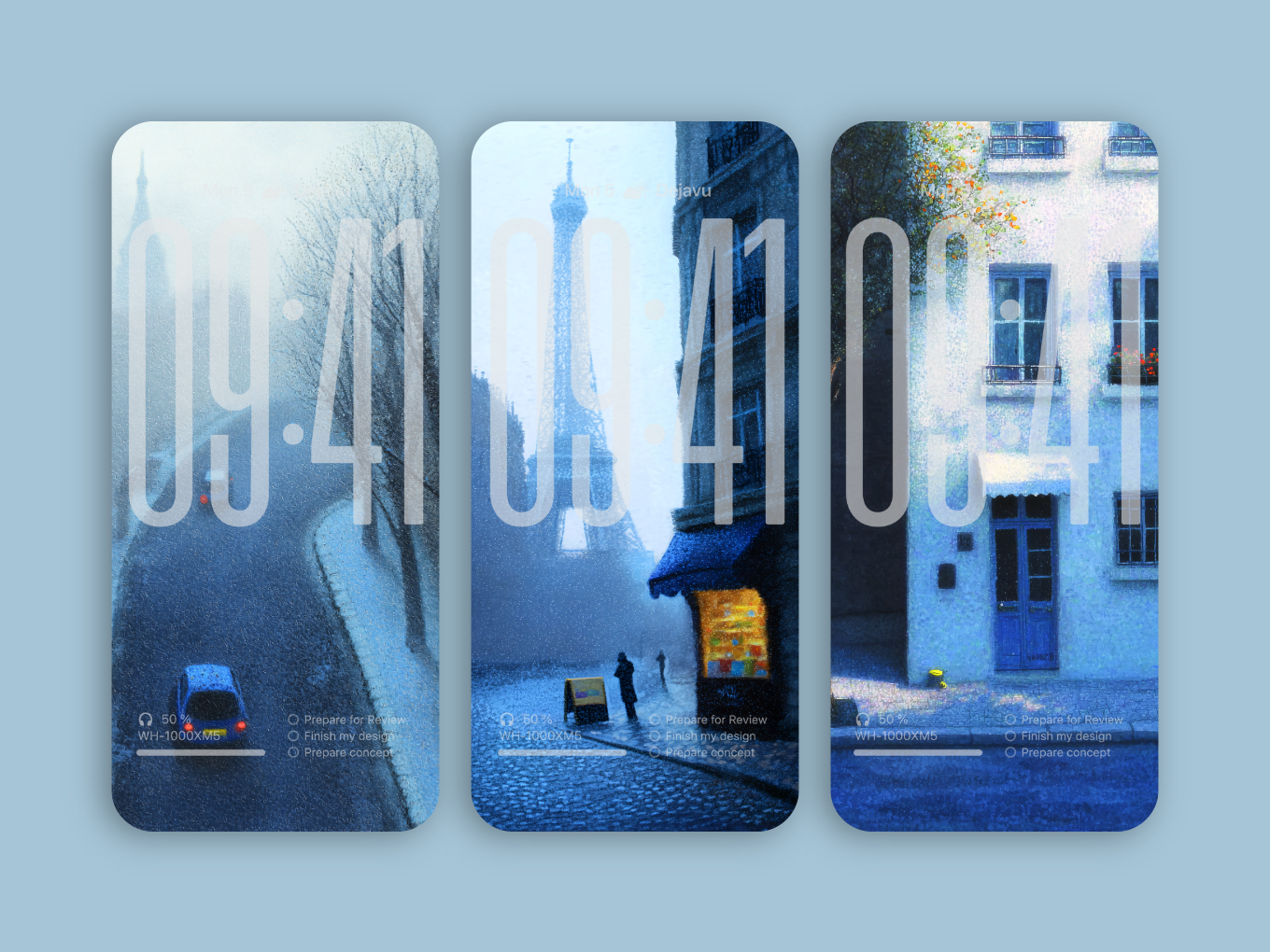
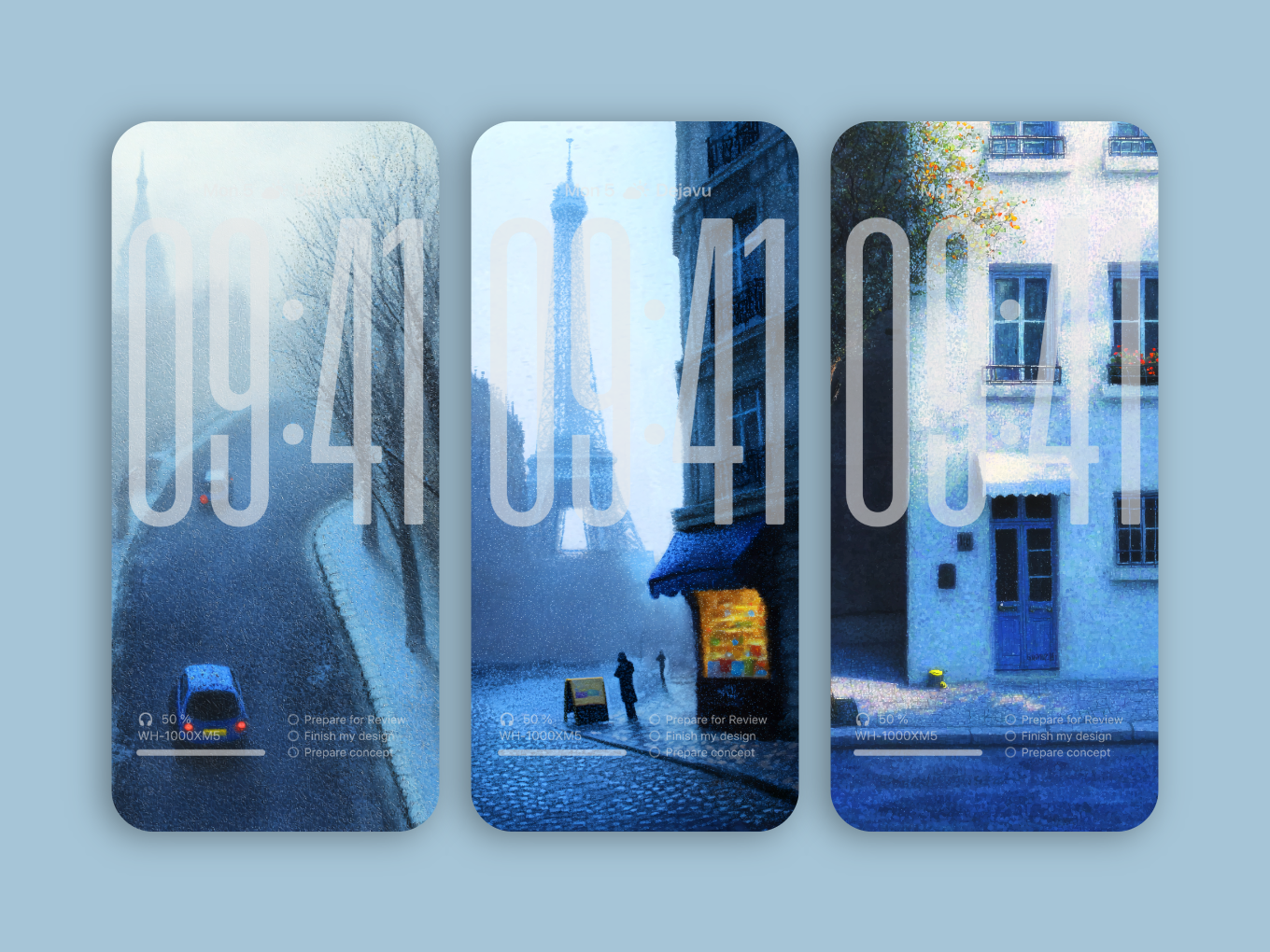
Step into a world where elegance meets simplicity: our iOS26 minimal 8K phone wallpapers offer a visual escape that transforms your screen into a work of art. Think clean lines, muted tones, and a whisper of sophistication—exactly what your iPhone or Android deserves. These high-resolution backgrounds are crafted to blur the line between technology and artistry, pairing sleek modern design with ultra-crisp clarity. Whether you’re browsing through sunlit dawns, moonlit nights, subtle gradients, or abstract shapes, each image evokes serenity and style.
Ever imagined if Hopper had painted Paris? That soft glow, the whispered shadows between lampposts and rooftops—that’s the magic we strive for here. Designed to enhance readability of your icons while staying visually captivating, these wallpapers show off beautiful light and shadow plays, letting your device look like a gallery piece. Ready to refresh your lock screen or home screen with something timeless? Dive in, choose your favourite, and let your phone tell a quiet story of design.
You can download all these wallpapers on Dejavu Wallpaper!
Experience the magic of AI in advance! Let the infinite imagination of AI decorate your screens, bring you fresh delights every day.




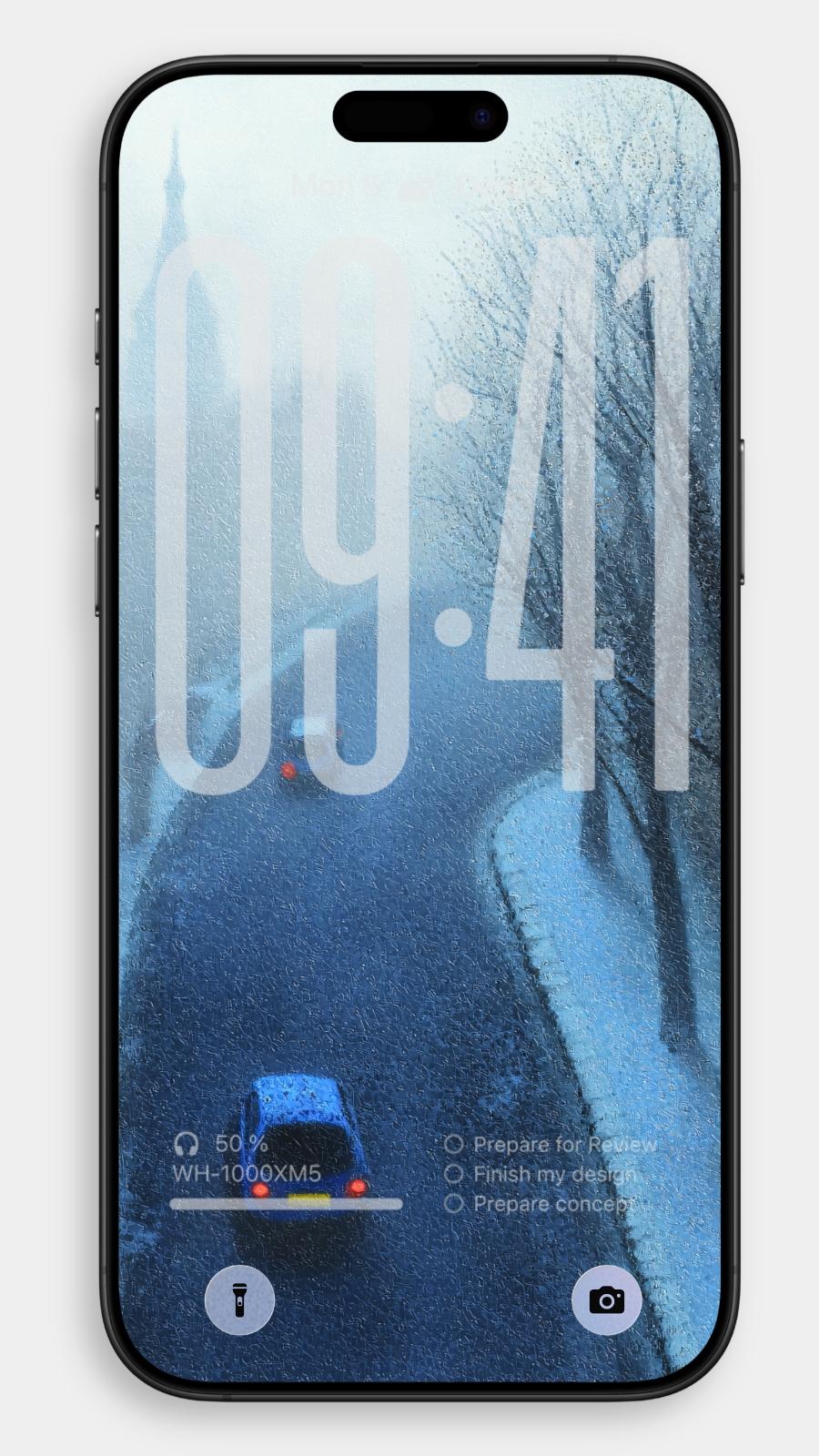
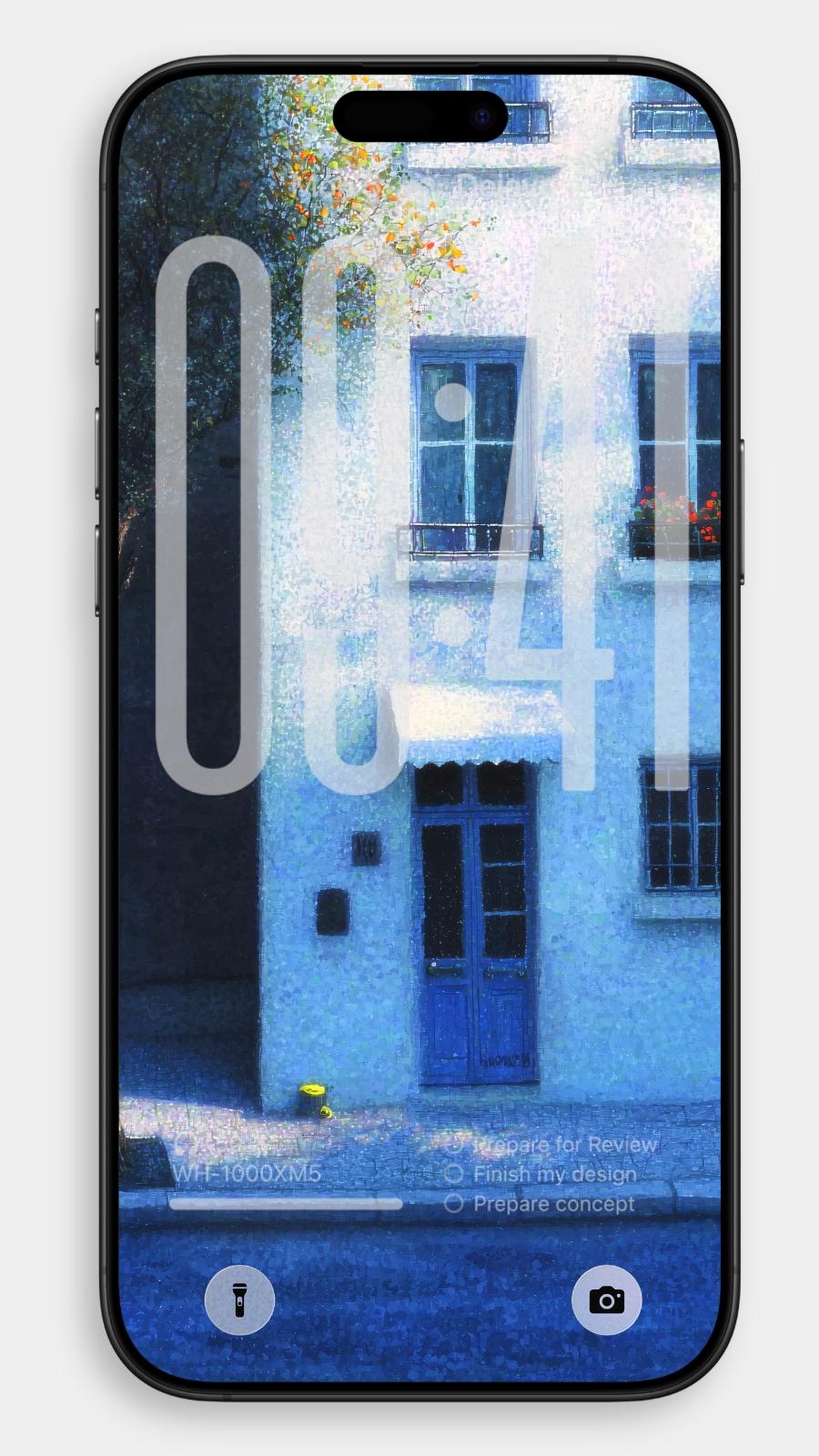
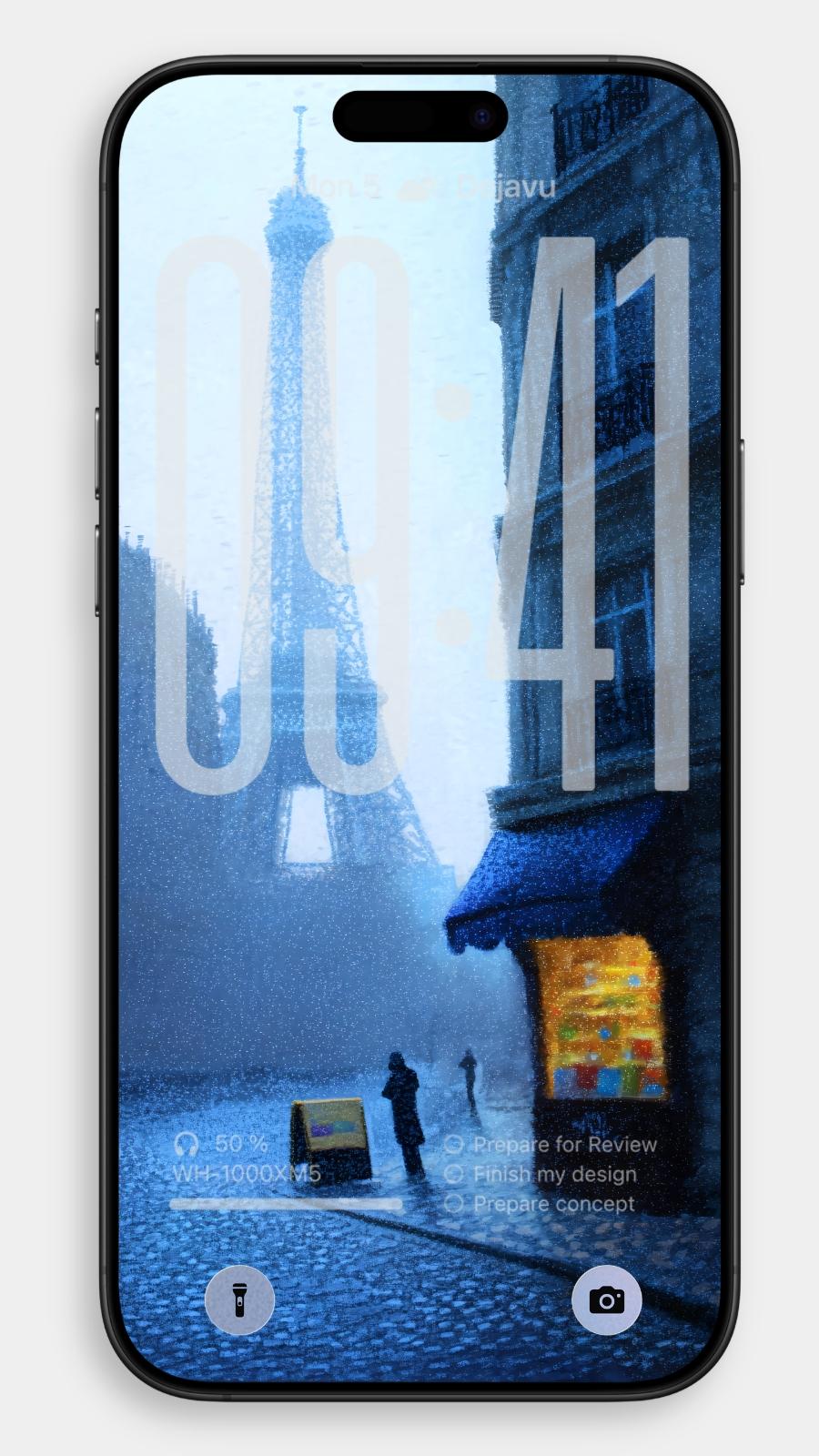
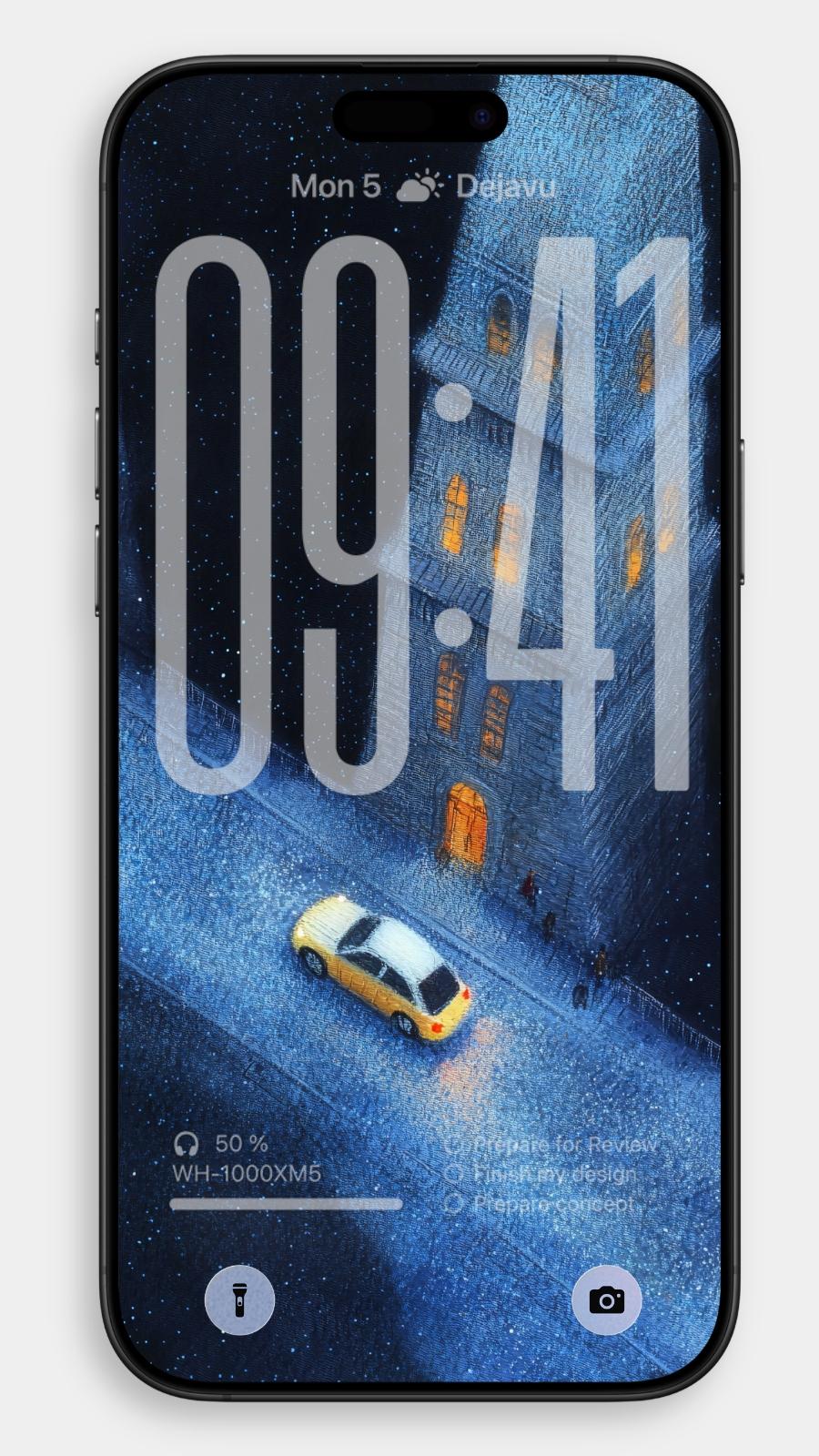
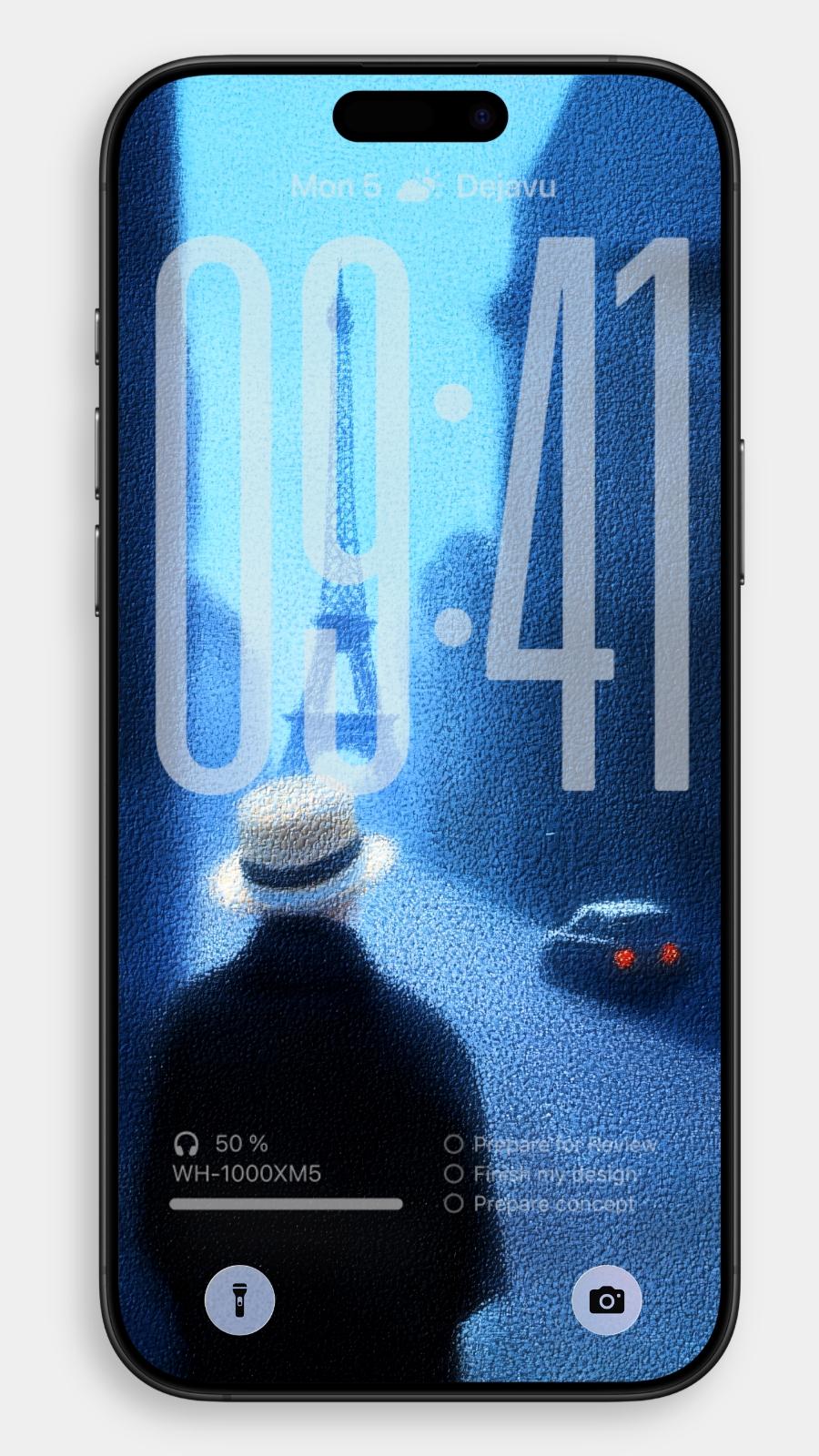
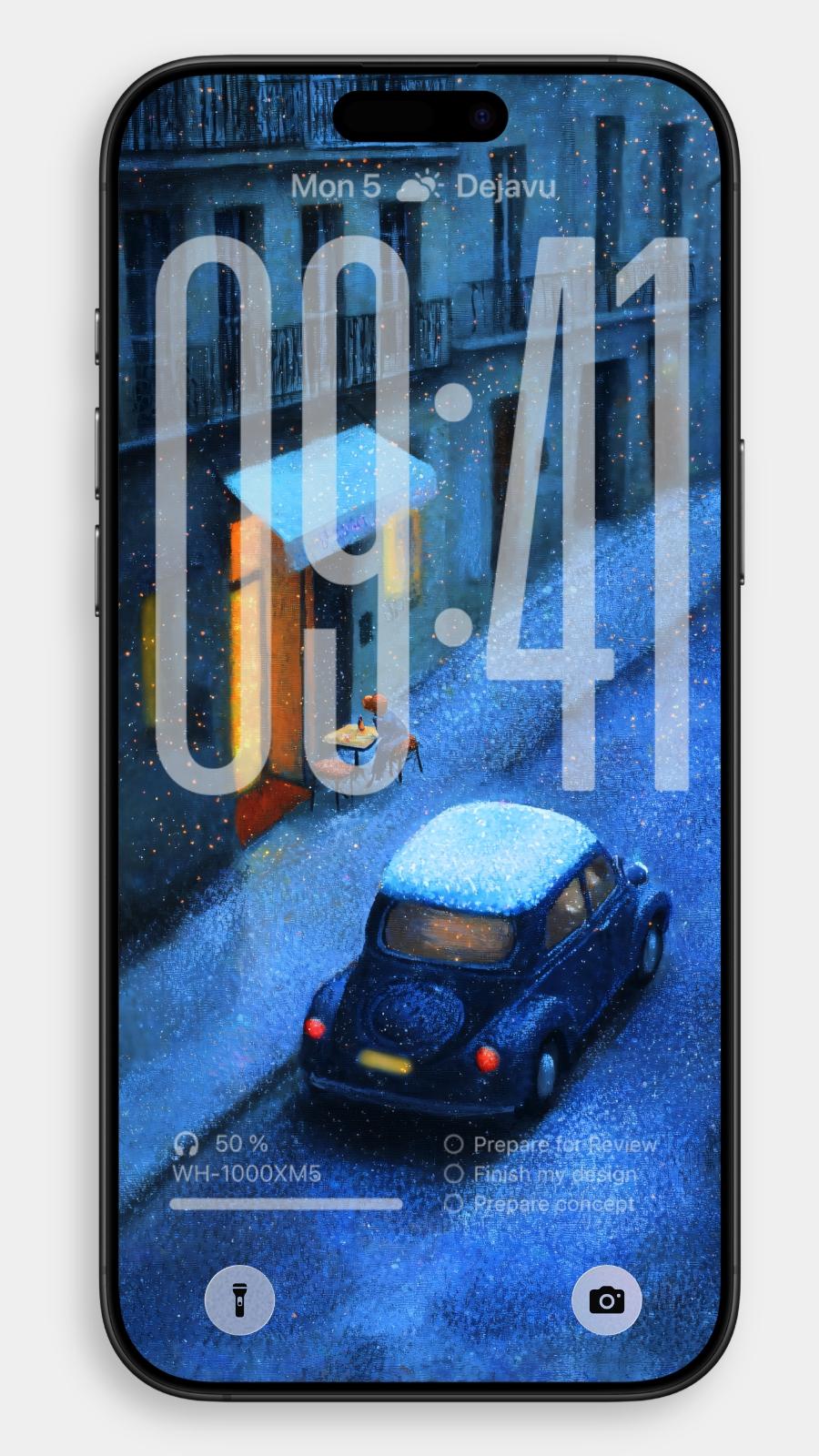
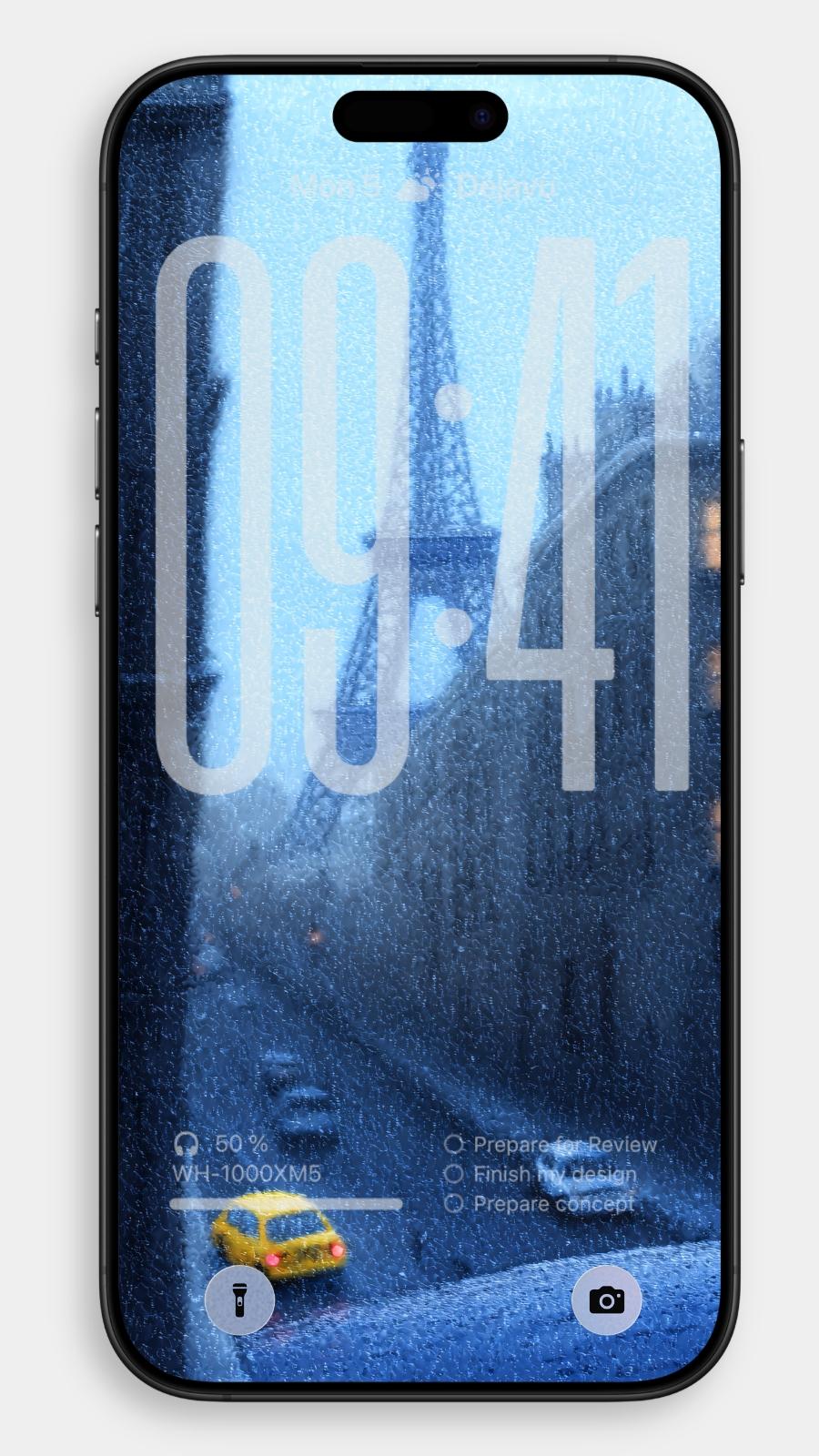

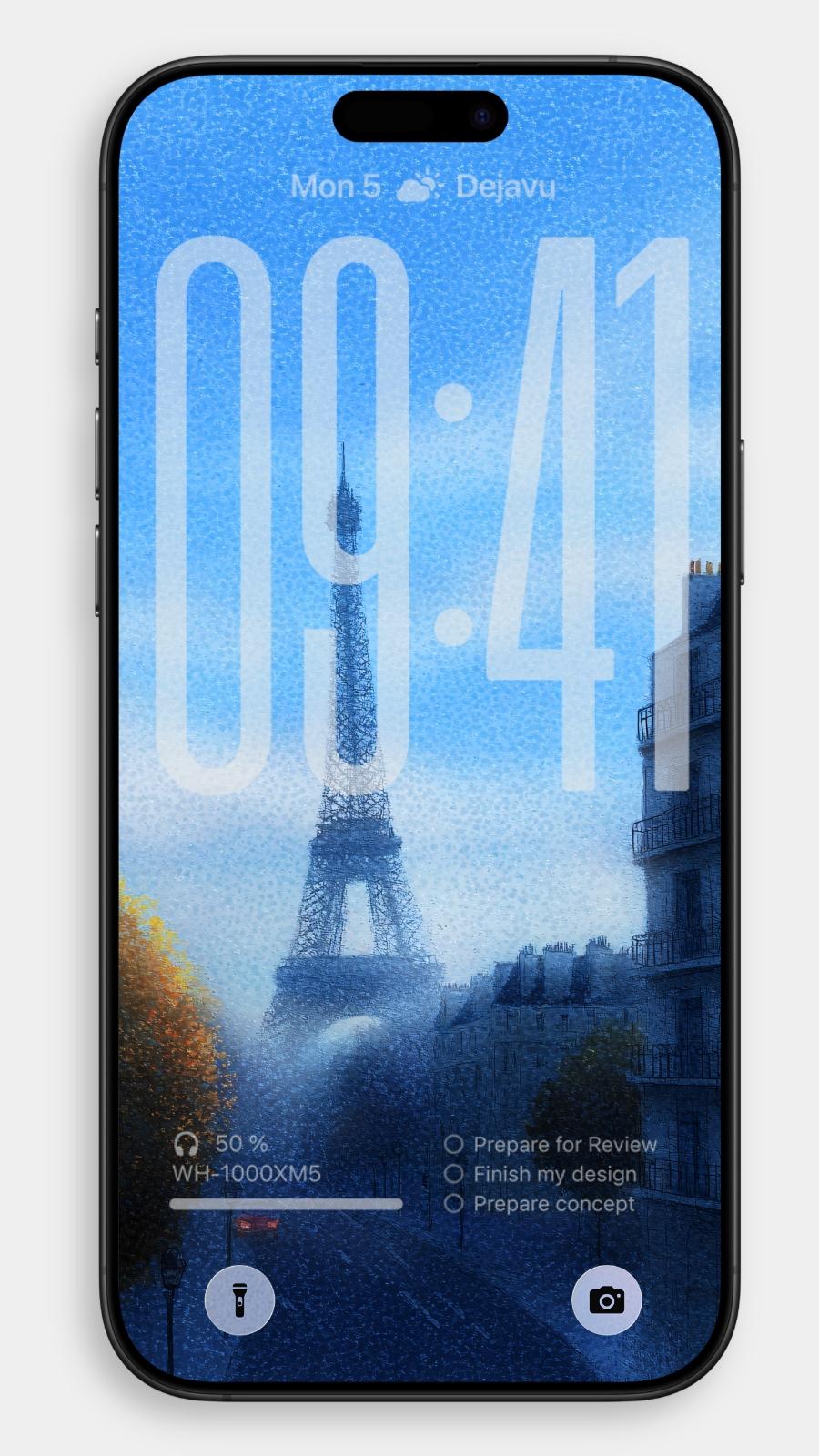
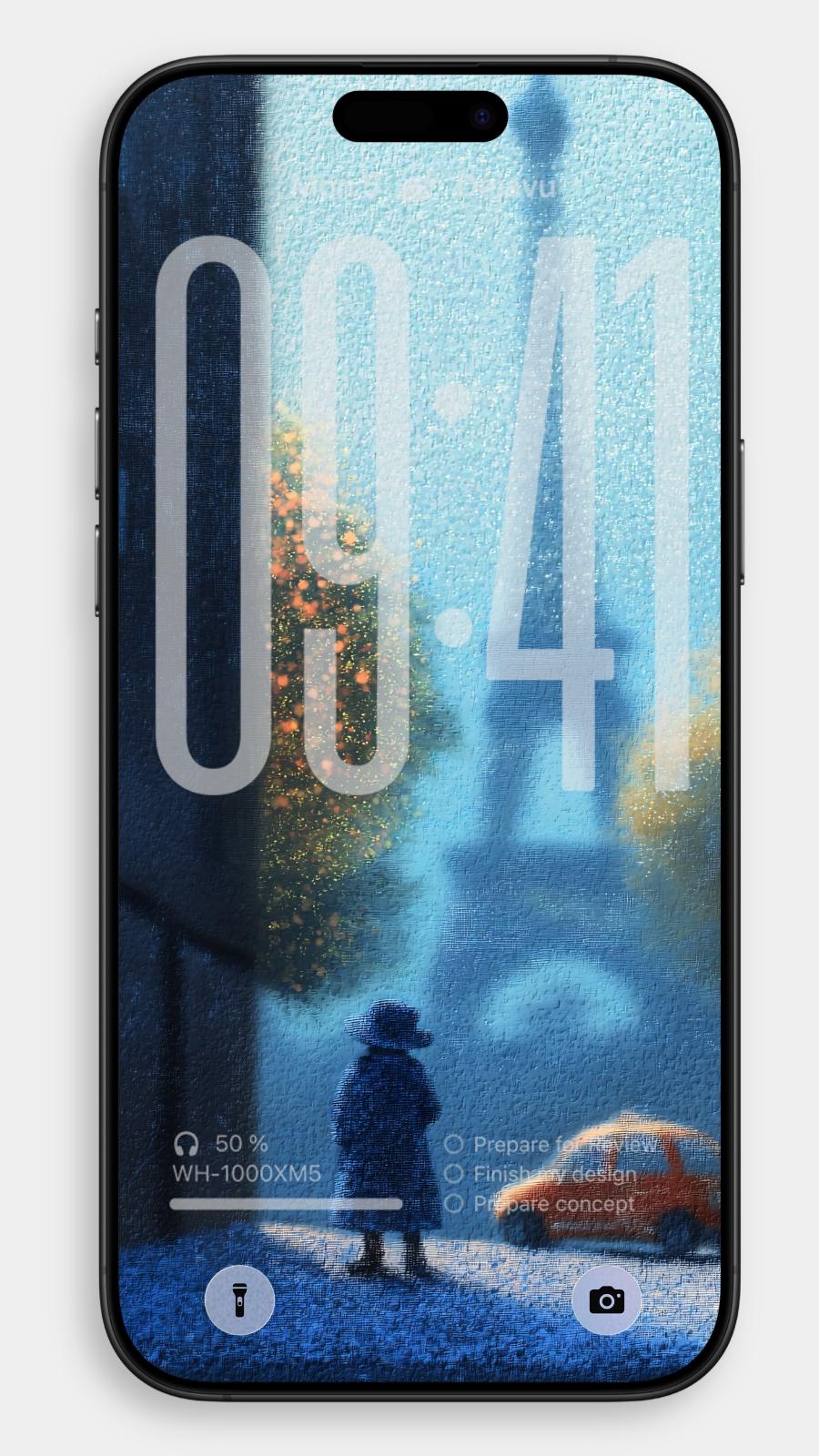
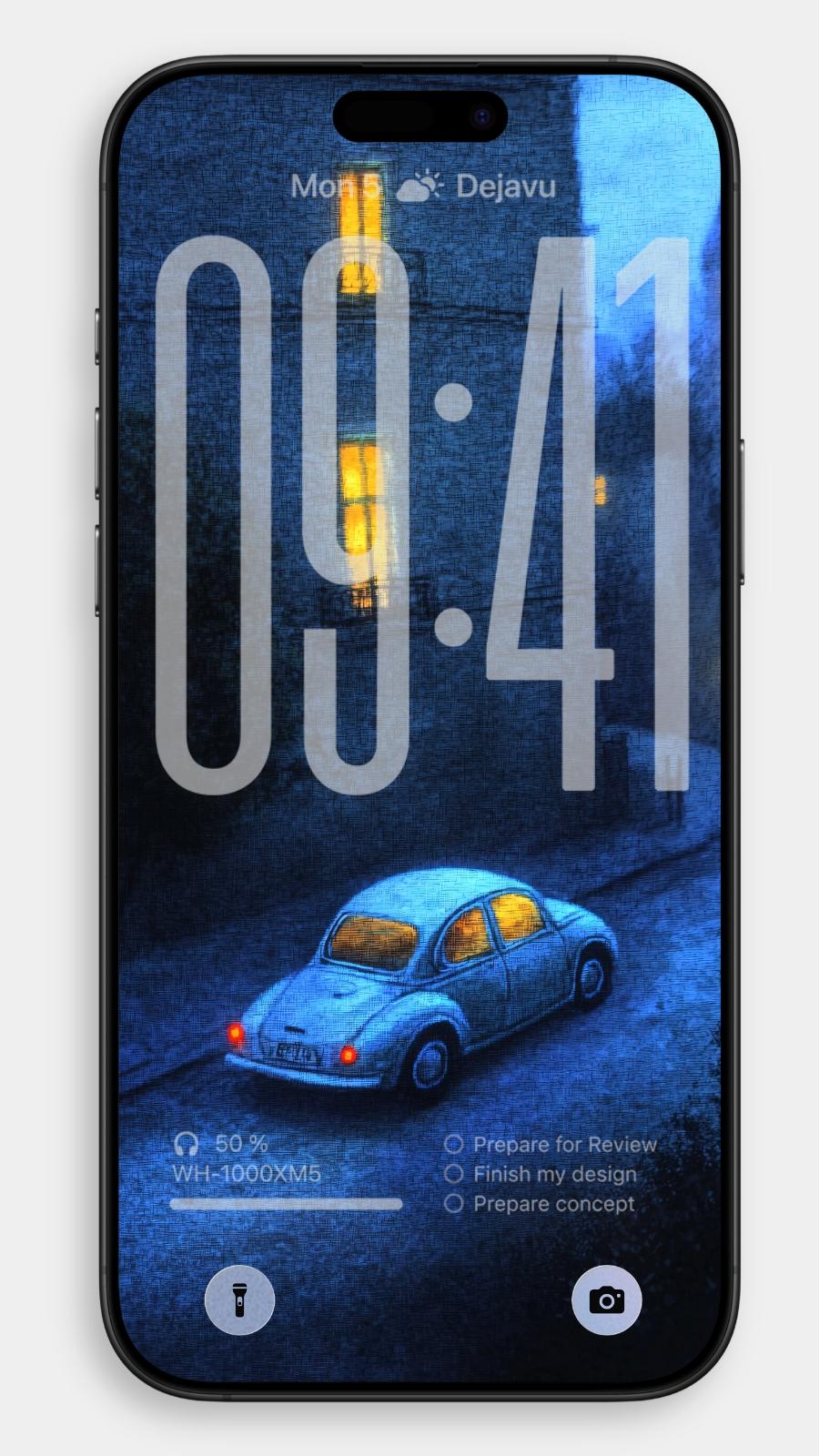


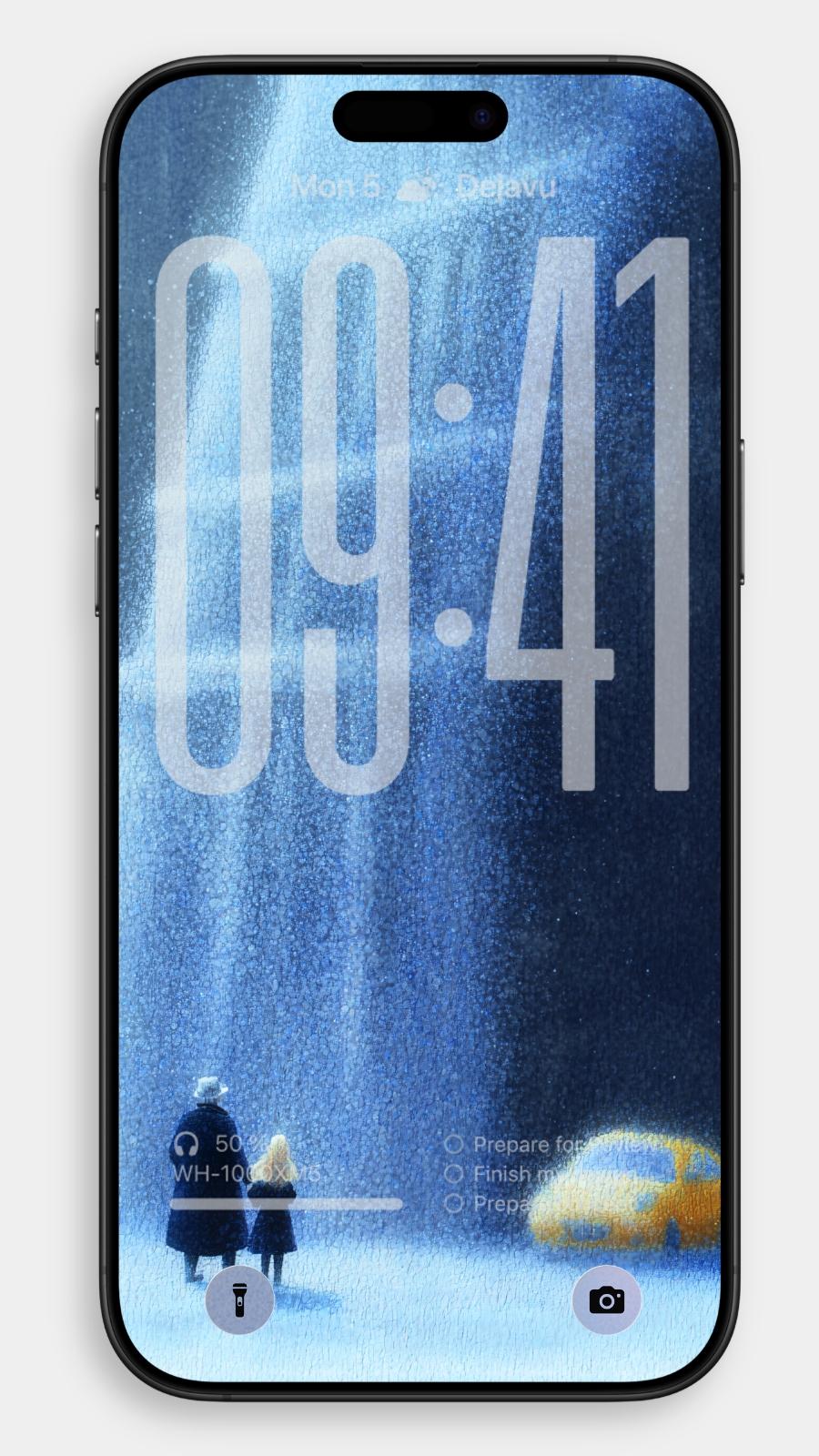
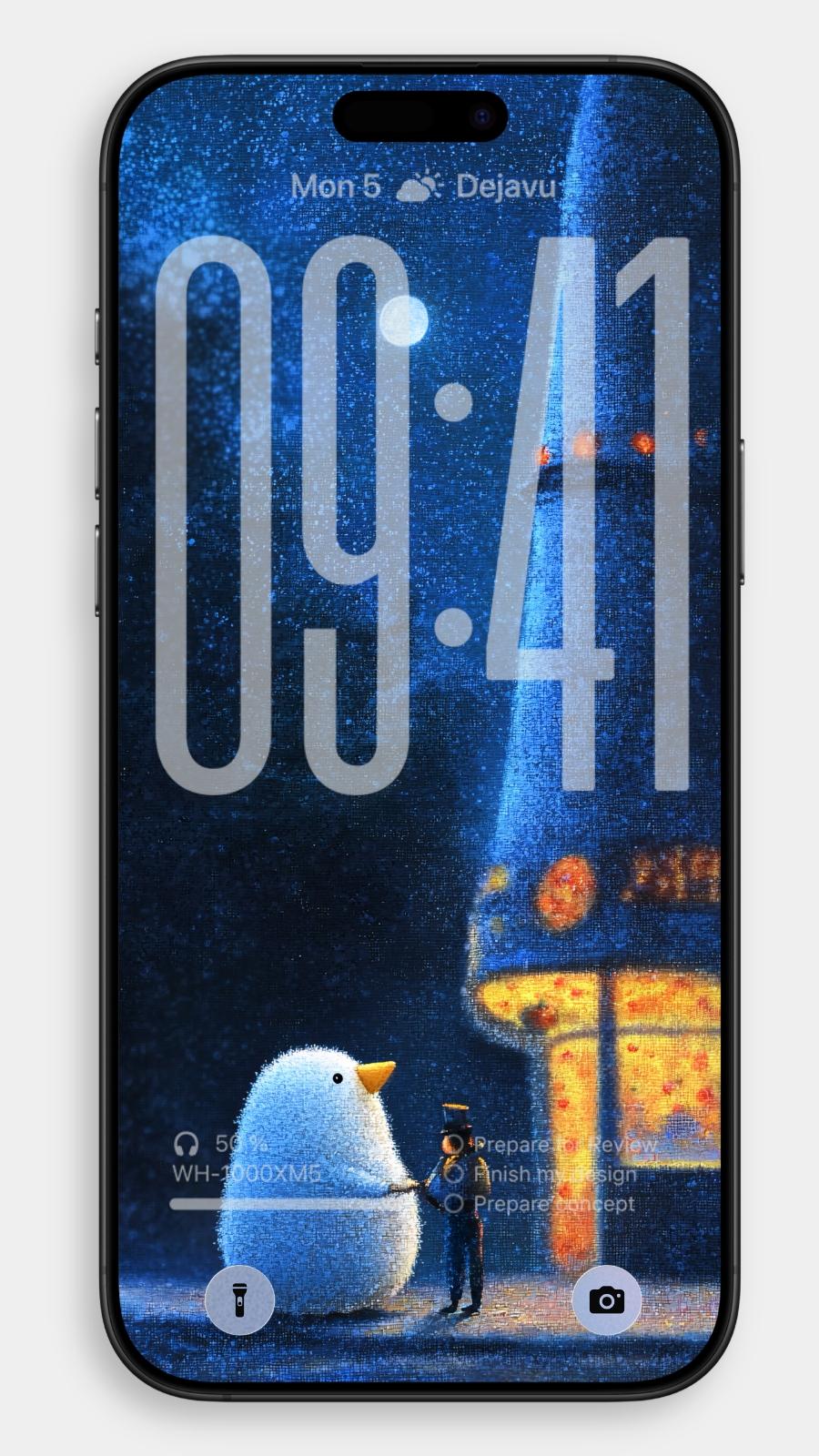
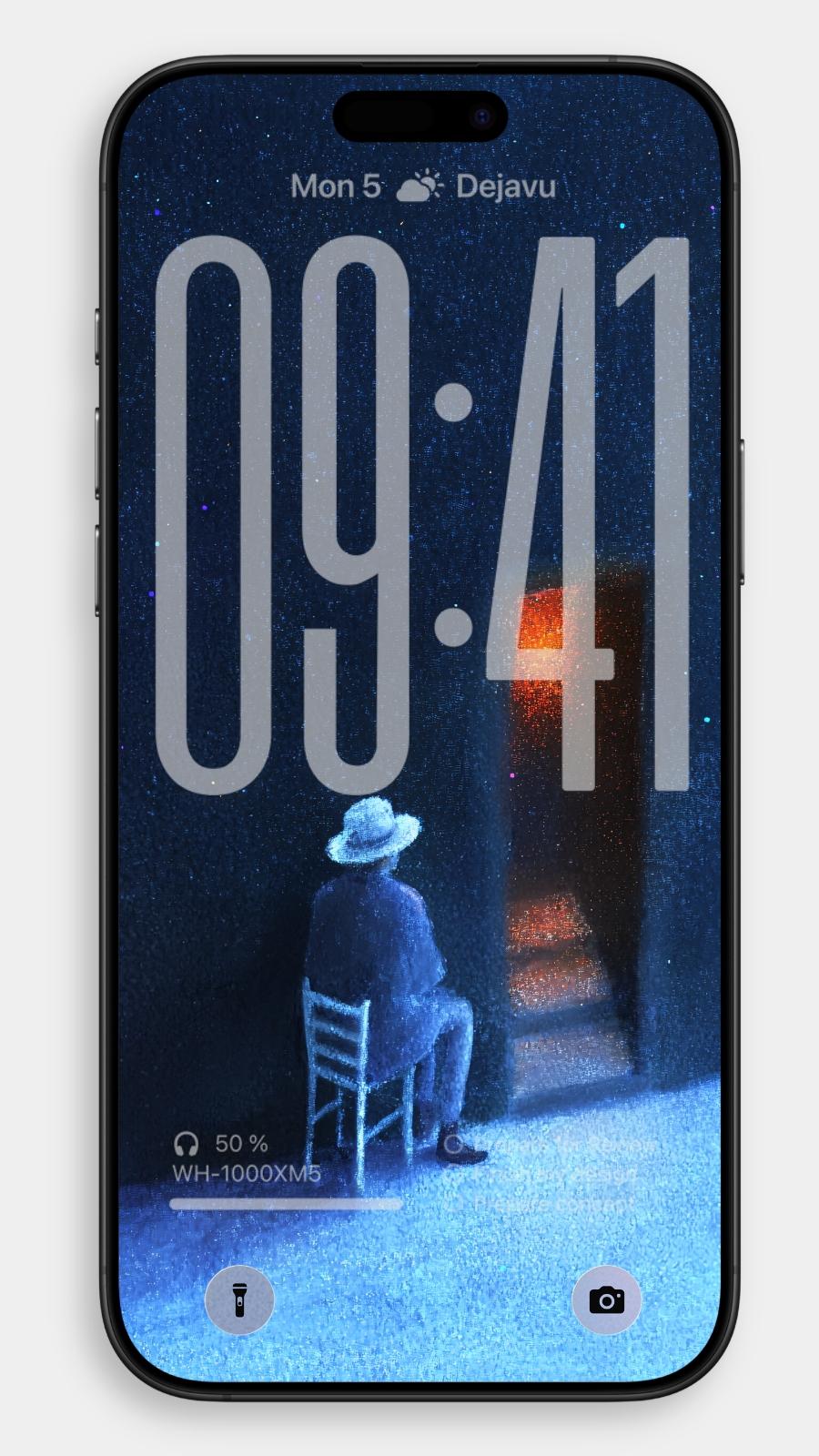
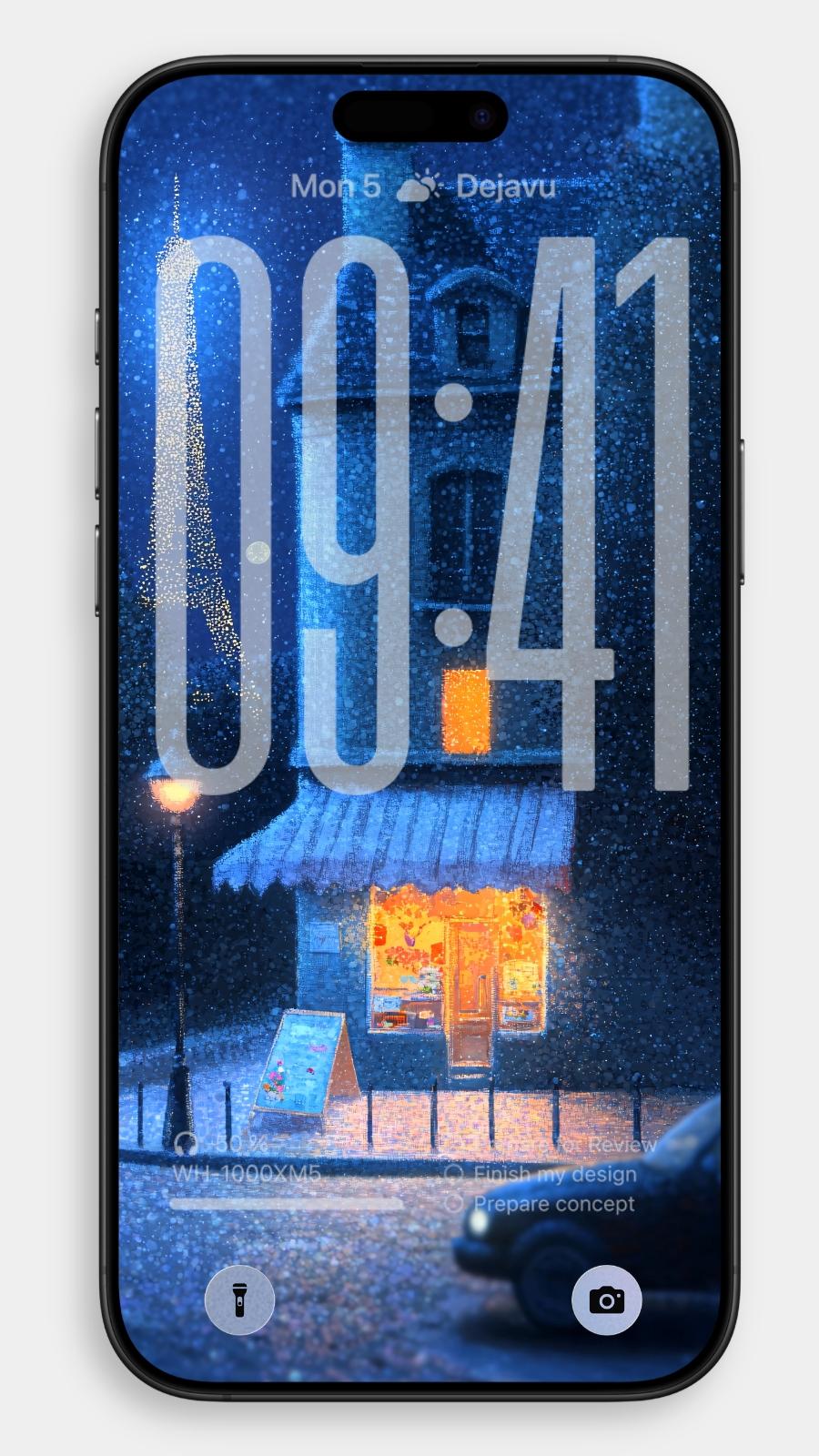
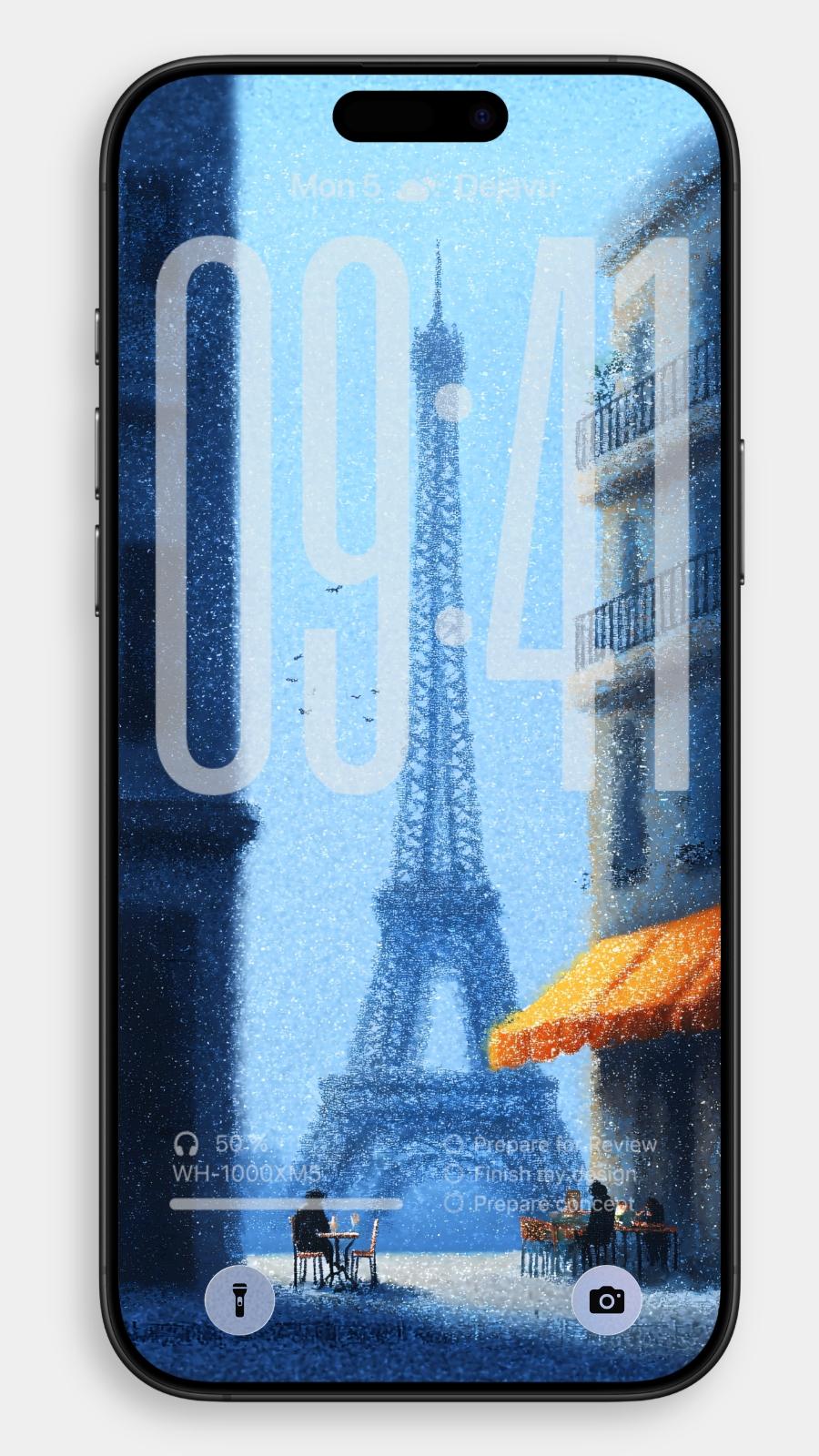
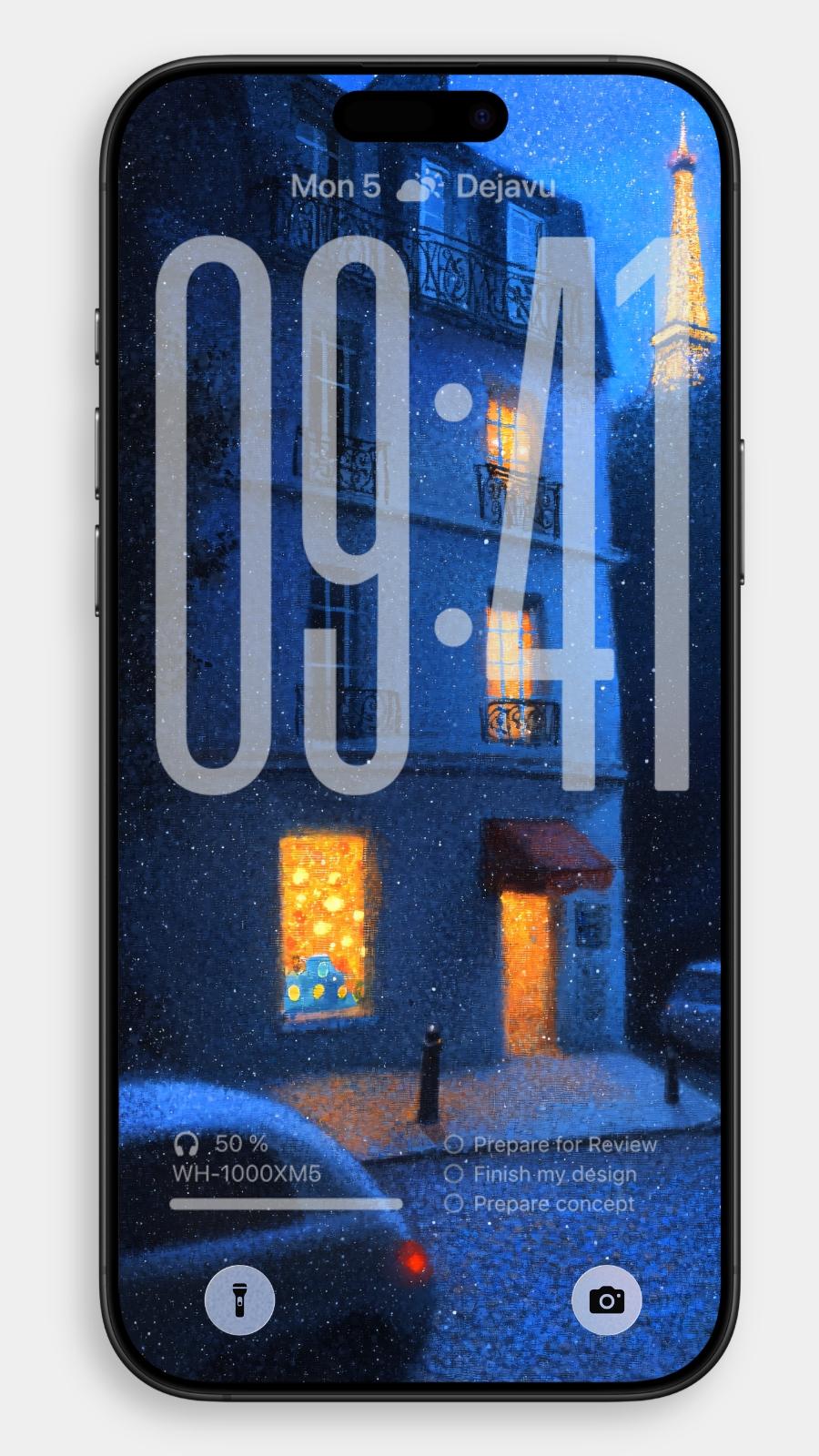

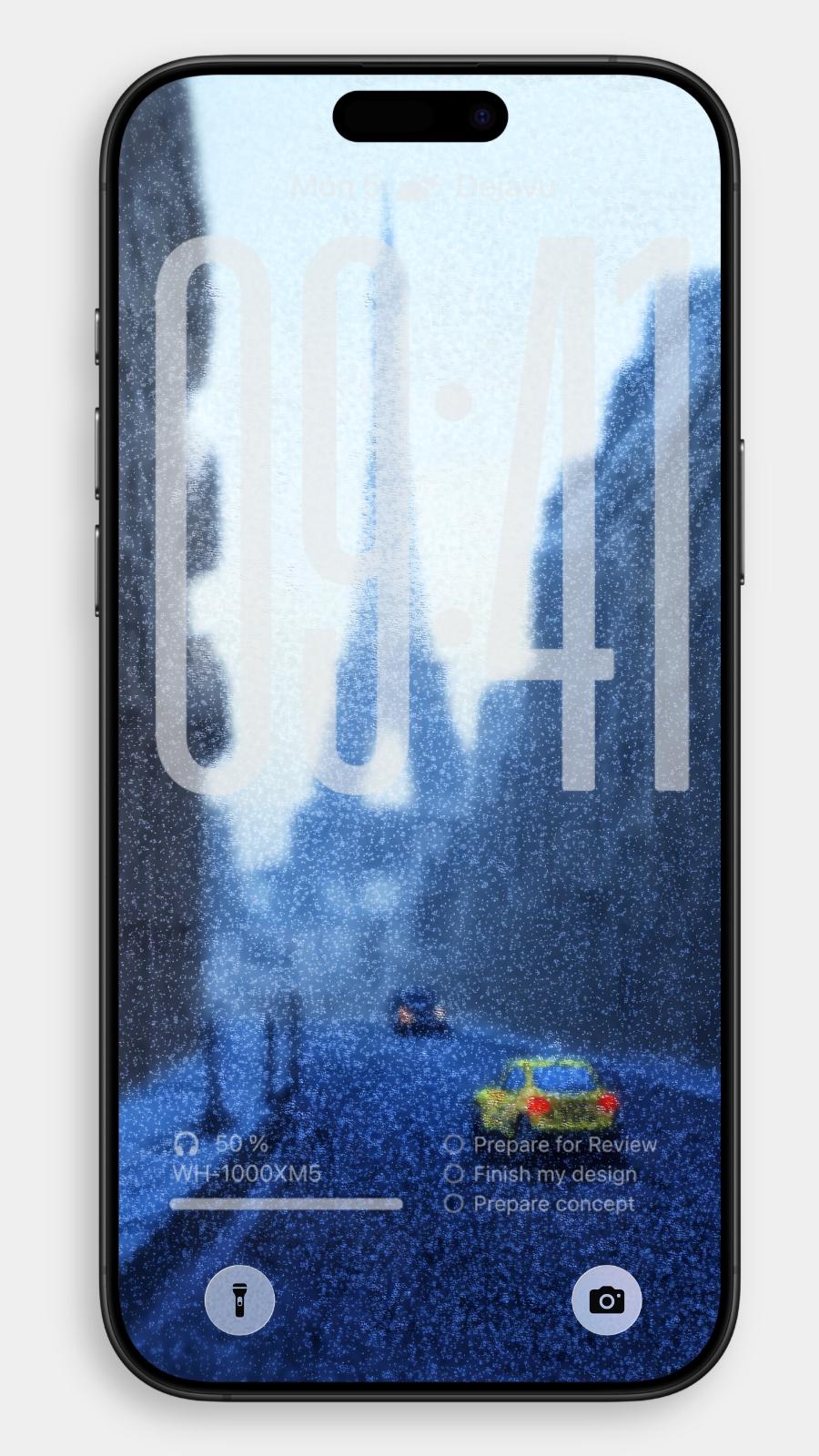
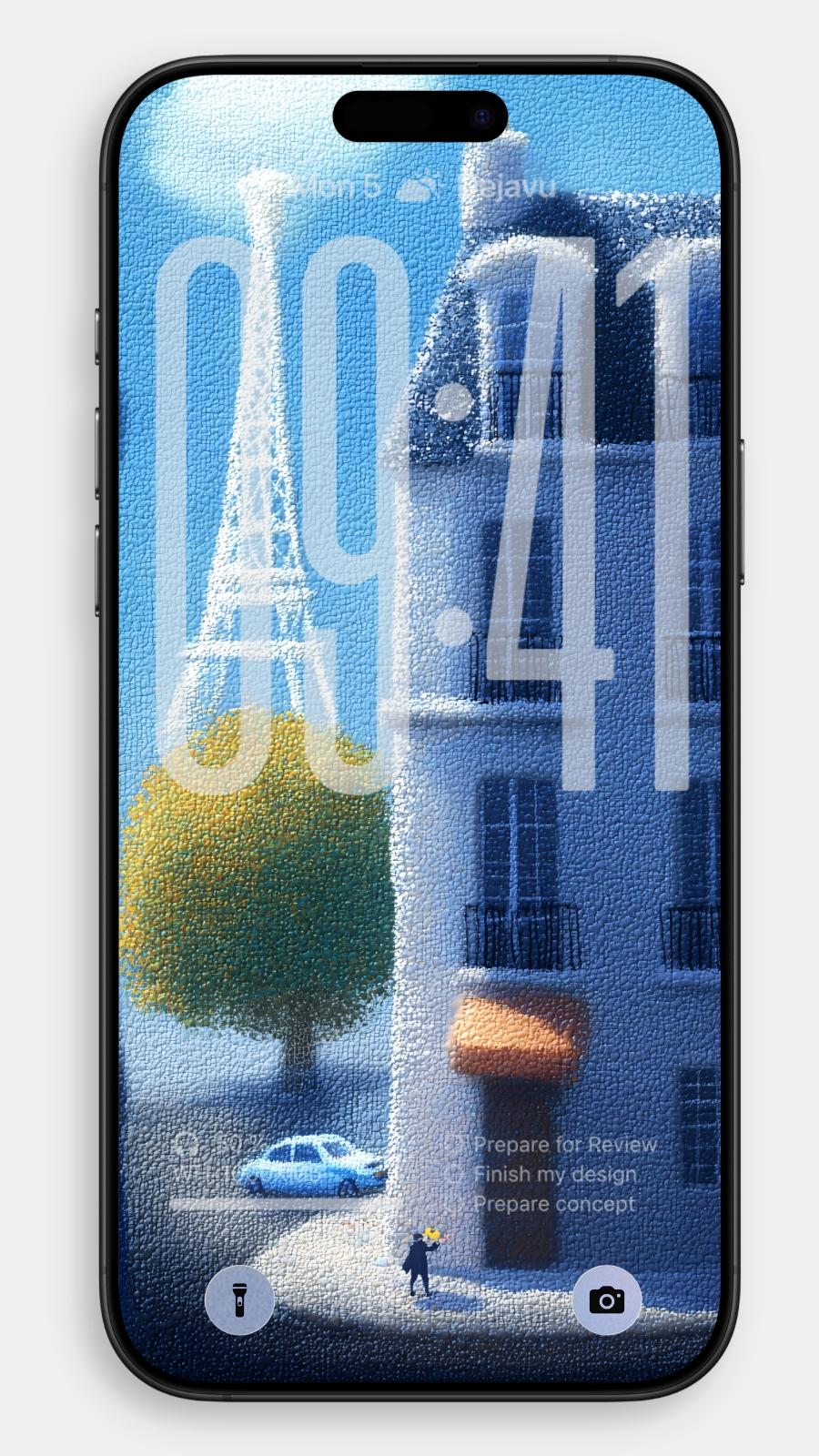

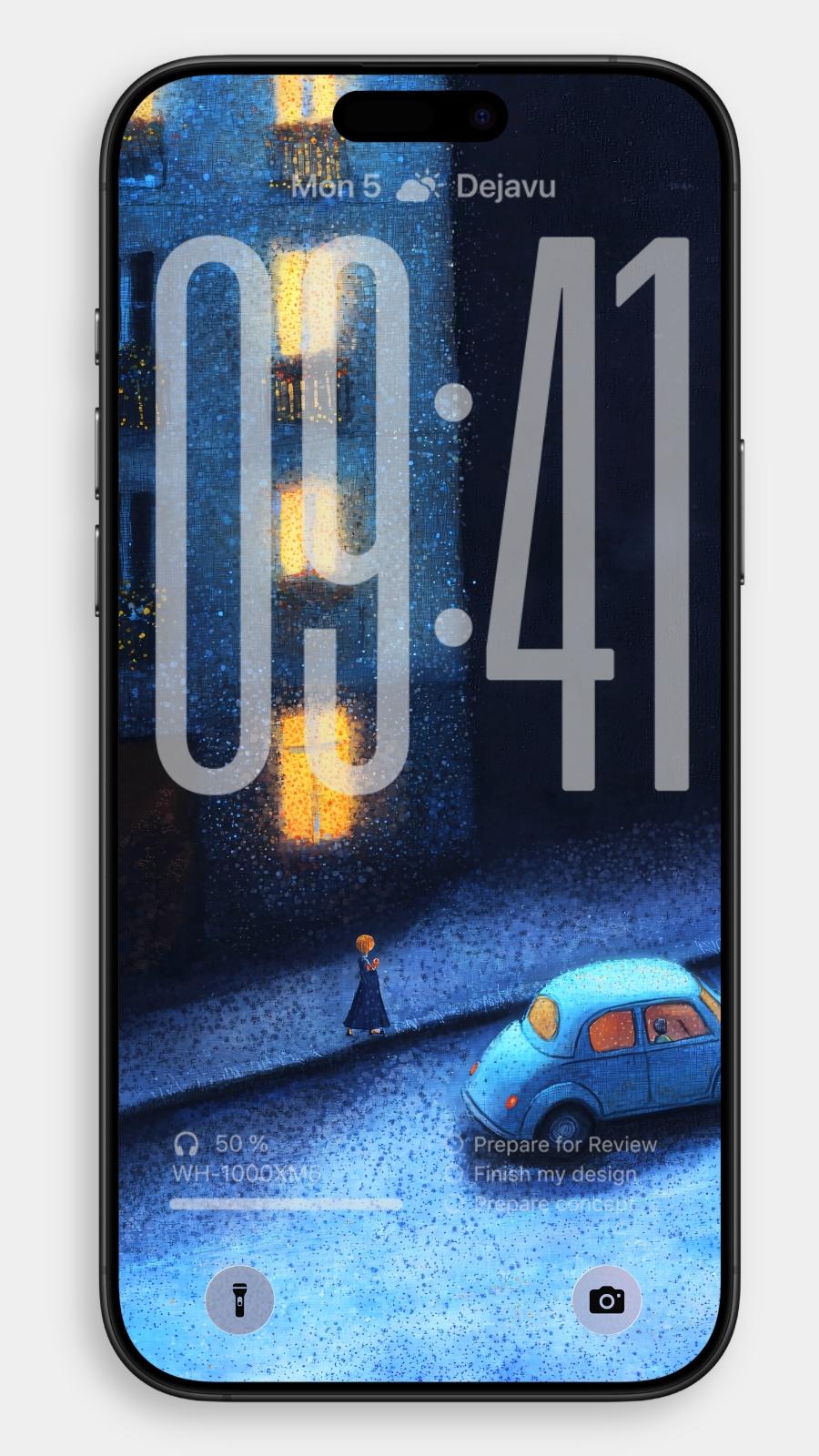


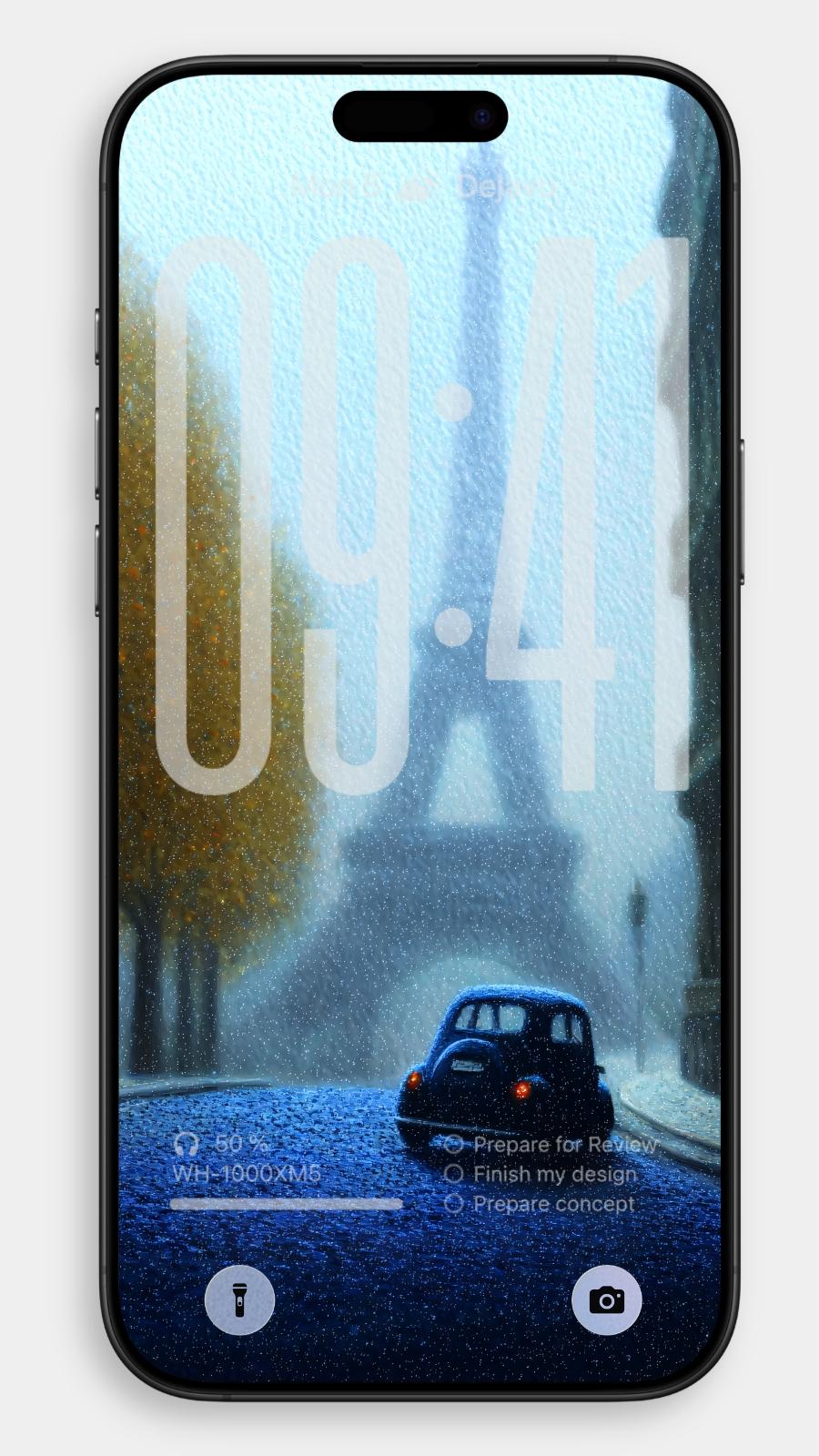
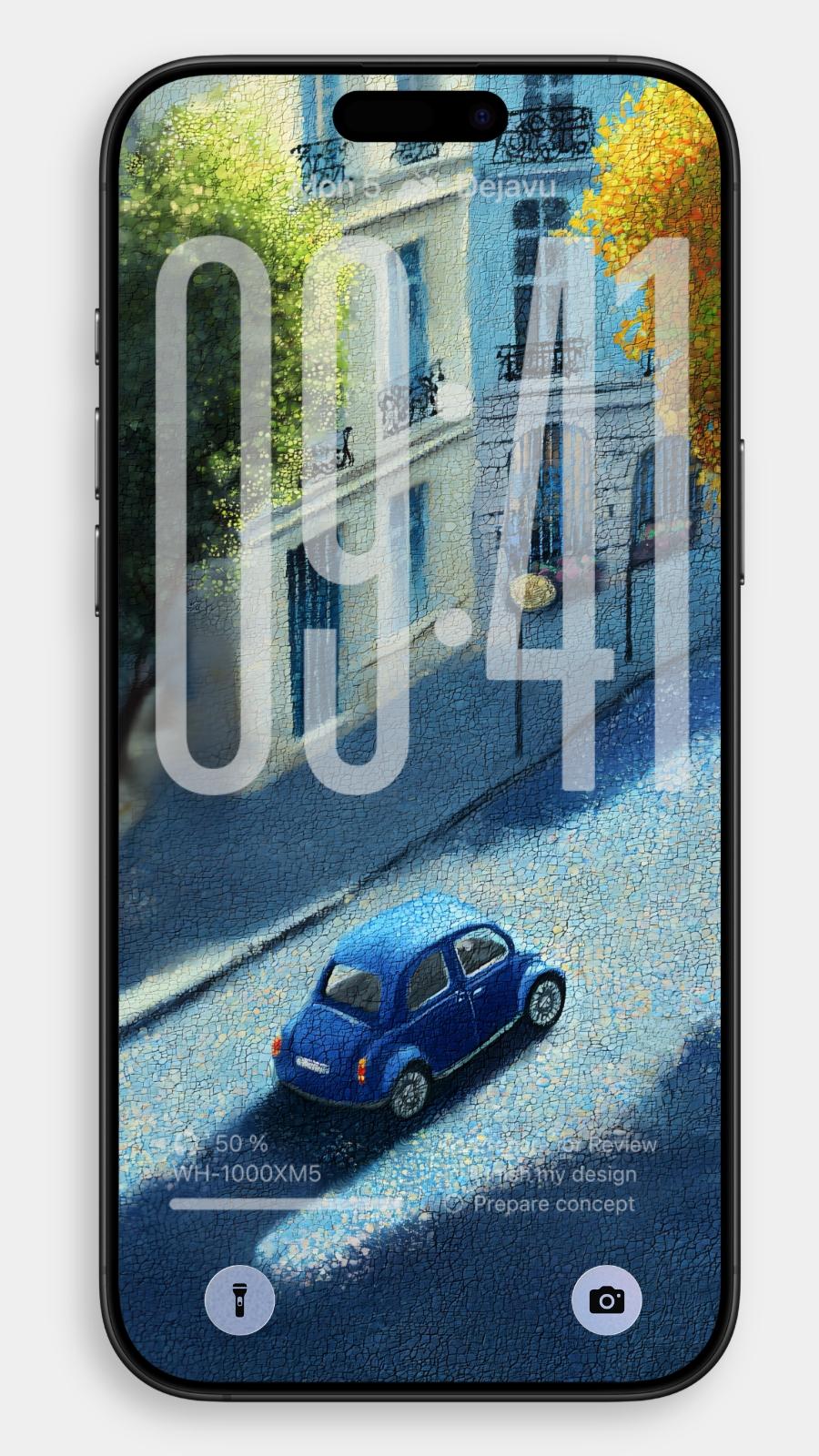
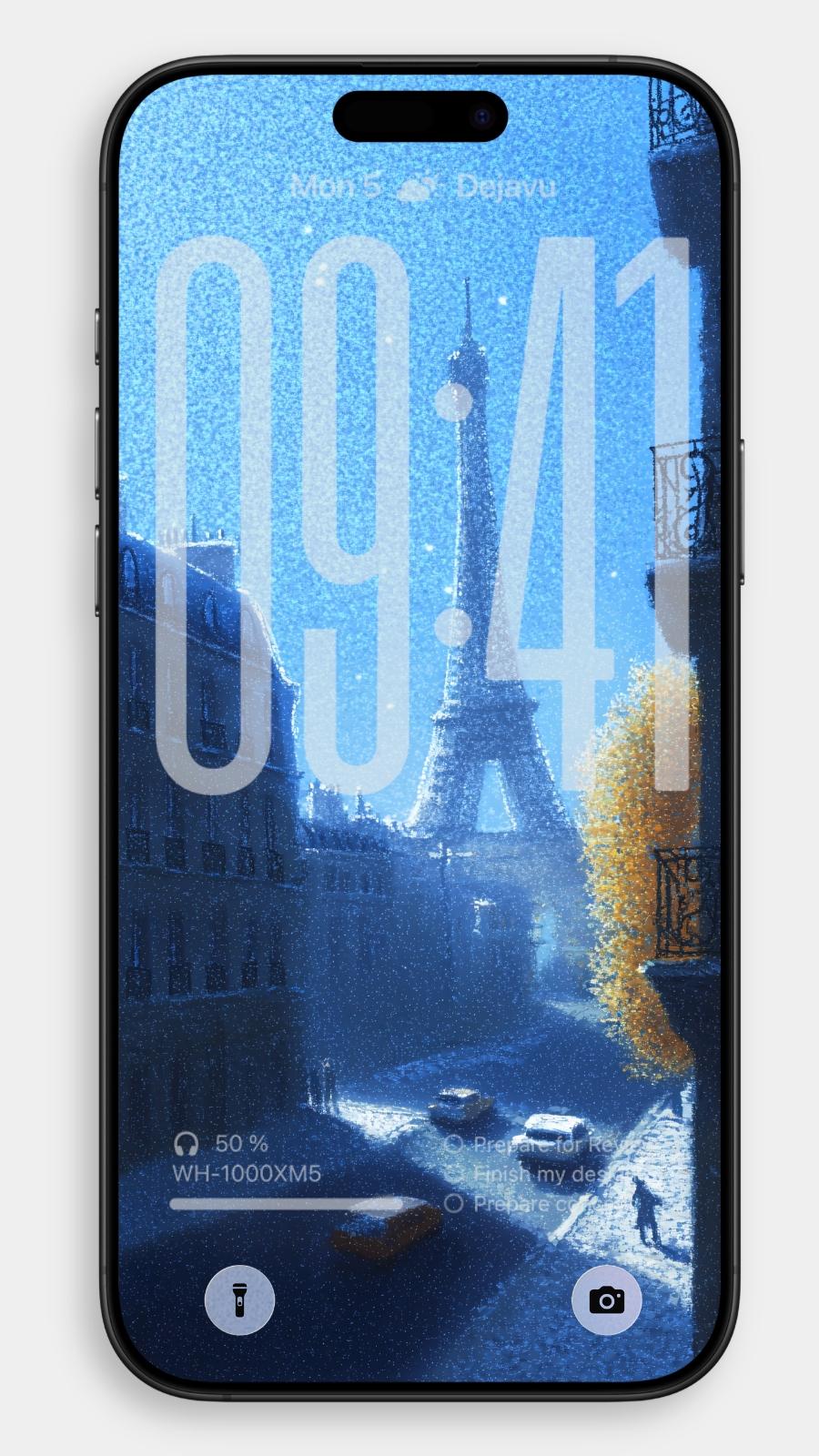
If Edward Hopper’s New York was a silent stage, then this imagined “Hopperian Paris” is a muted dream. Neon lights unlit, the Seine’s lamps just flickering on, a pale hat tipping forward, a solitary figure turning a corner, or a vintage car resting at a blue-tinted curb—there is no laughter here, but there is waiting.
You may ask: But didn’t Hopper never paint Paris? True—he visited France in 1906, but never made Paris his subject.
So what are these images we see?
These works are a hypothesis: What if Hopper turned his gaze to the streets of Paris—what kind of solitude would he paint?
This AI-generated series is not a documentary of Paris, but an imagined continuation of Hopper’s perspective—where hesitation lingers in the early blue of dawn, and the pause between light and shadow at a corner becomes a universal grammar for urban loneliness.
Parisian Blues: The Shade New York Never Had
In New York, Hopper’s windows are half-drawn, lit by warm theatrical glows. But in this Paris, night wears a cream-like fog-blue coat. It isn’t silence in black—it’s blue waiting softly for something to happen.
You might see:
• A figure beneath a wide-brimmed hat facing the Eiffel Tower, as if bidding farewell to romance.
• A small white car on a hill, its headlights casting light on an orange-lit window, a subtle beacon for someone returning.
• A shut apartment window faintly glowing inside, as if the whole building waits for one desk lamp to flick on.
This is Hopper’s solitude in variation—in Paris, it’s not about avoiding connection, but gently seeking it in slivers of light.
A Little-Known Fact: Hopper Did Paint “a Parisian”
Though he is known for American scenes, Hopper did once paint a watercolor titled “Rooftops of Paris”—a view near Saint-Sulpice Church from his student days. There are even hints of a silhouetted woman by the Seine in his sketchbooks from 1906–1910.
Perhaps that figure is the root of this imagined Paris series—a phantom character, once scribbled and forgotten, now reanimated by AI as the driver of that lone car or the quiet traveler waiting under a starlit sky for a single amber light to blink on.
We Are All Living in Hopper’s Painting
These “Hopper-in-Paris” artworks are neither historical recreation nor digital parlor trick. They are a new mode of visual reflection—using AI to echo Hopper’s stillness, swapping skyscrapers for stone façades, and prompting us to reexamine the relationship between people and place.
So next time you walk through the city at night, and see a lone light, a quiet car, a window softly glowing—imagine this:
Perhaps you, too, are living inside the unfinished painting Hopper never got to complete.