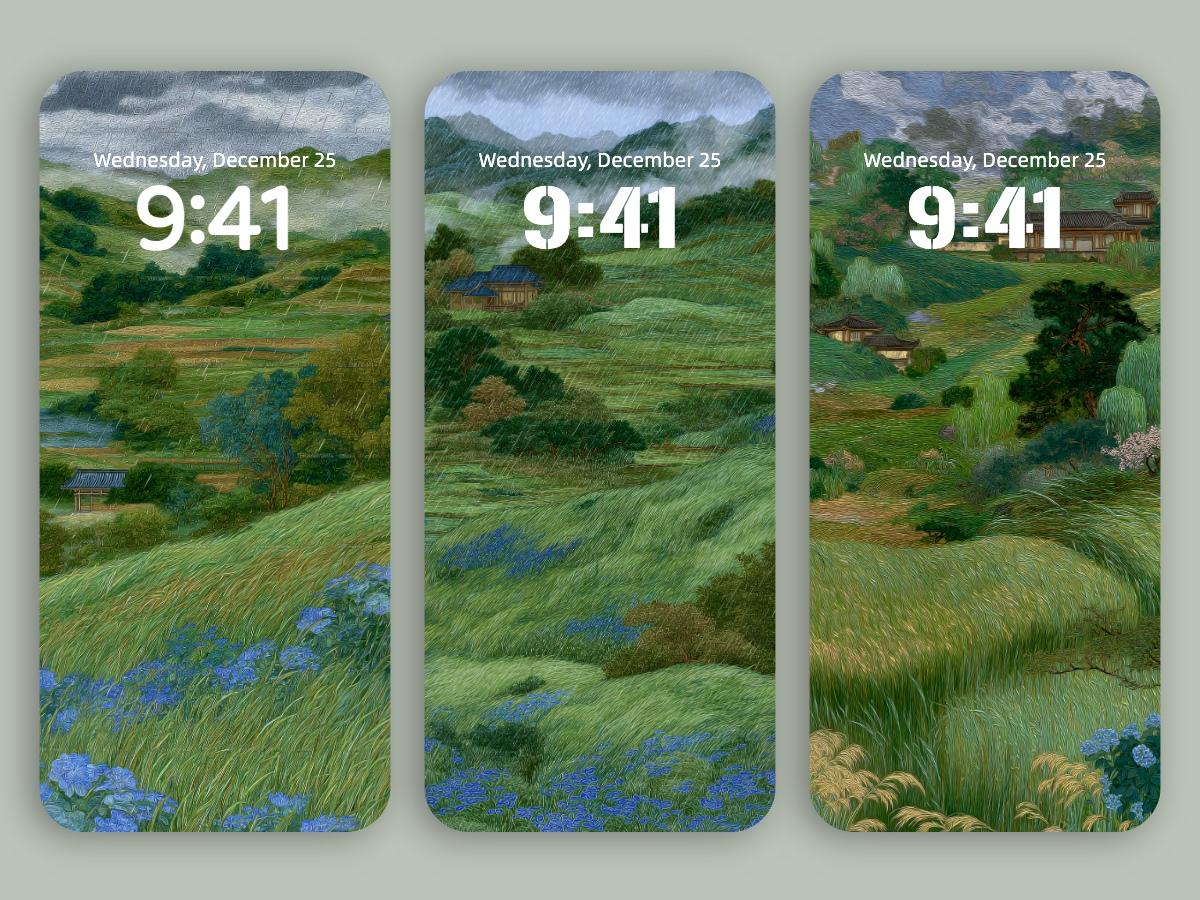
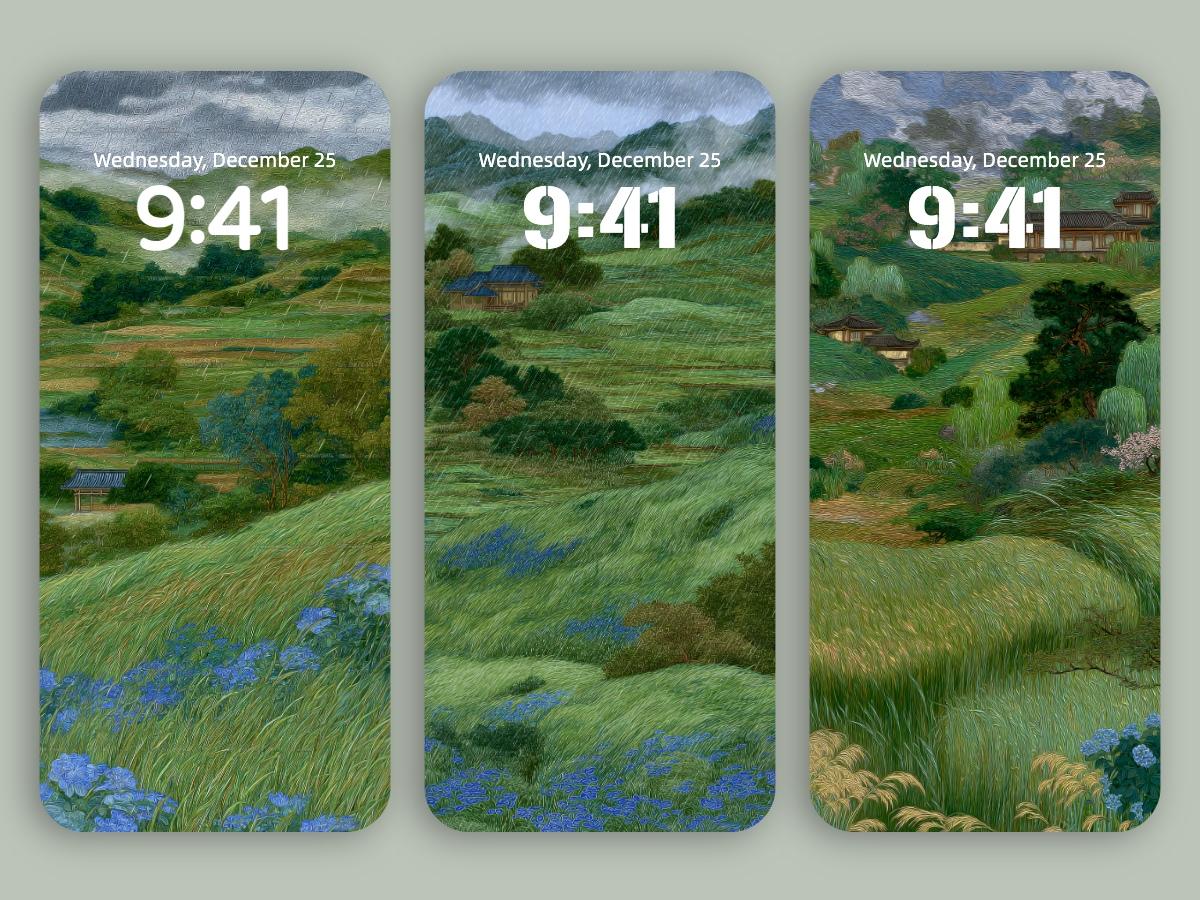
Ready to turn your phone into a serene canvas of springtime magic? Dive into our curated collection of Spring Greens & Secret Lives minimal 8K phone wallpapers, crafted for both iPhone and Android users. Each image whispers tranquil countryside tales—emerald fields, soft sunlit meadows, and quiet trails just waiting for your imagination.
But there’s more than meets the eye… These aren’t just pretty backgrounds—you’ll uncover hidden stories tucked away in each frame: a curious fox peeking through tall grass, sunlight dancing off dewy webs, or a distant farmhouse nestled among rolling hills. It’s like a digital treasure hunt every time you swipe.
Rendered in stunning 8K resolution, these wallpapers keep everything crisp and clean: minimalist designs with a palette of fresh spring greens, perfect for anyone craving a peaceful yet stylish vibe. Whether you’re a nature enthusiast wanting a moment of calm or an aesthetic lover chasing that modern minimalist look, this collection blends both worlds effortlessly.
So go ahead—download your favorite scene and let your screen bloom with secret countryside charm. Who knew minimal green beauty could feel so full of life?
You can download all these wallpapers on Dejavu Wallpaper!
Experience the magic of AI in advance! Let the infinite imagination of AI decorate your screens, bring you fresh delights every day.






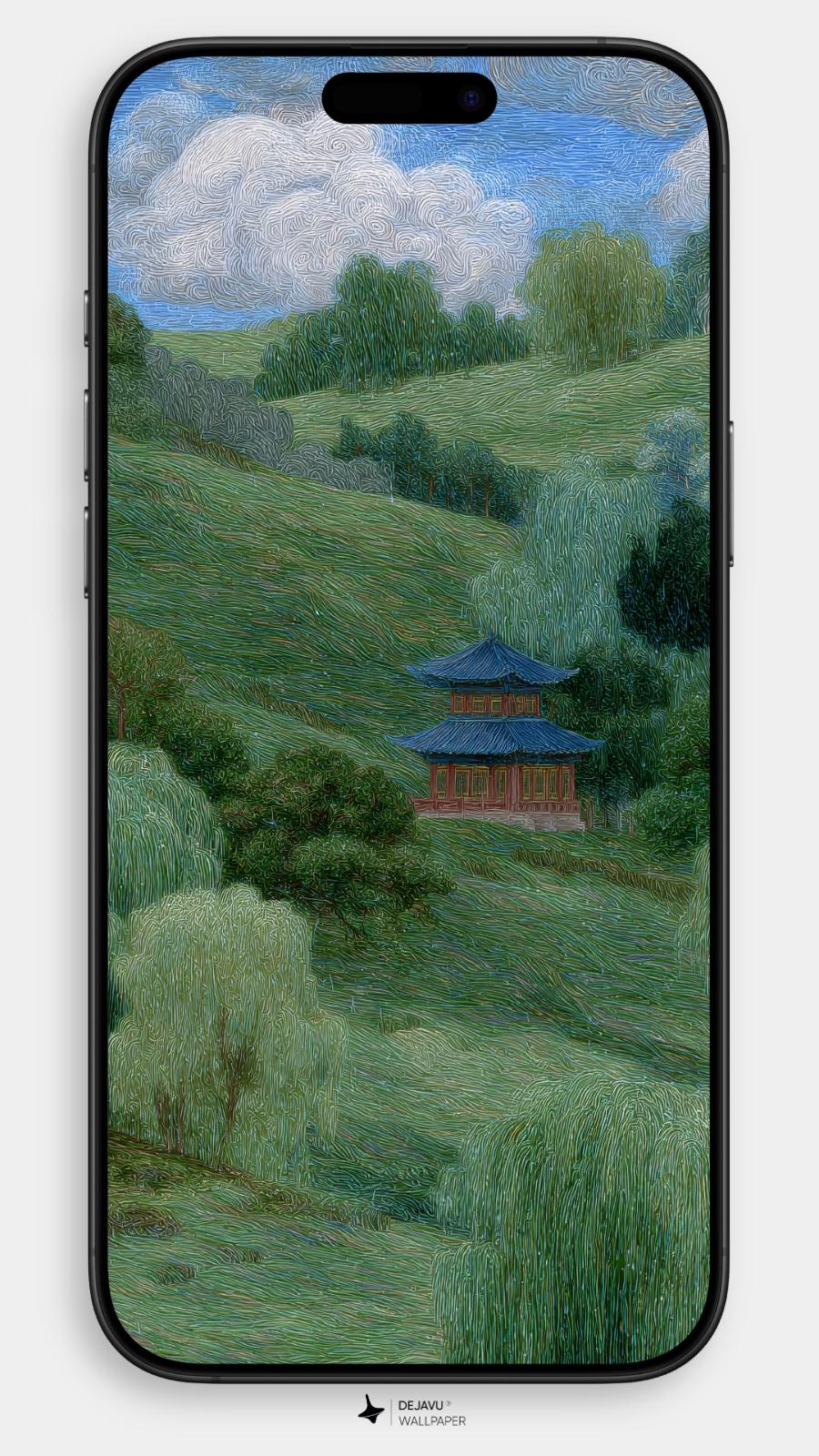
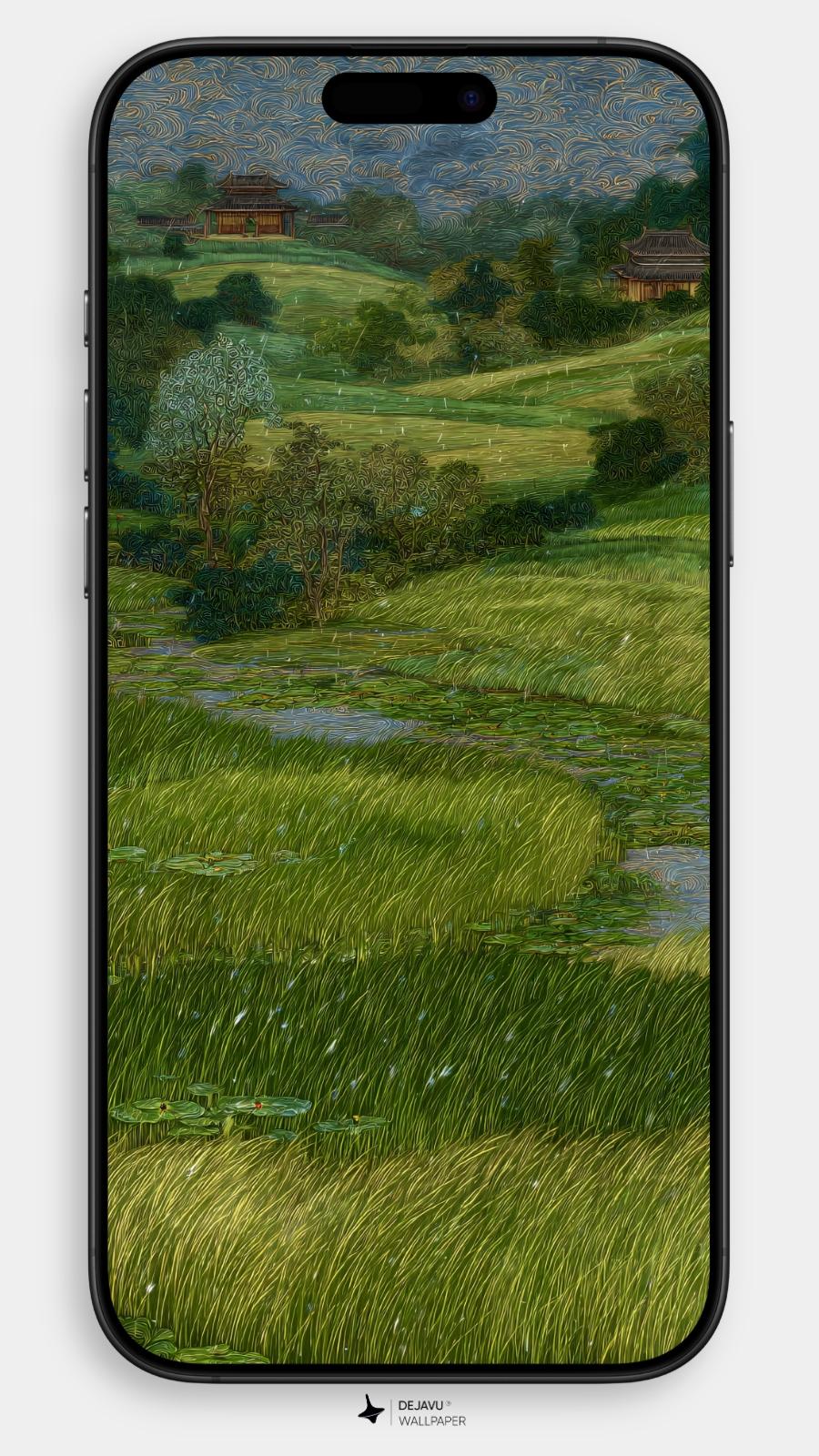
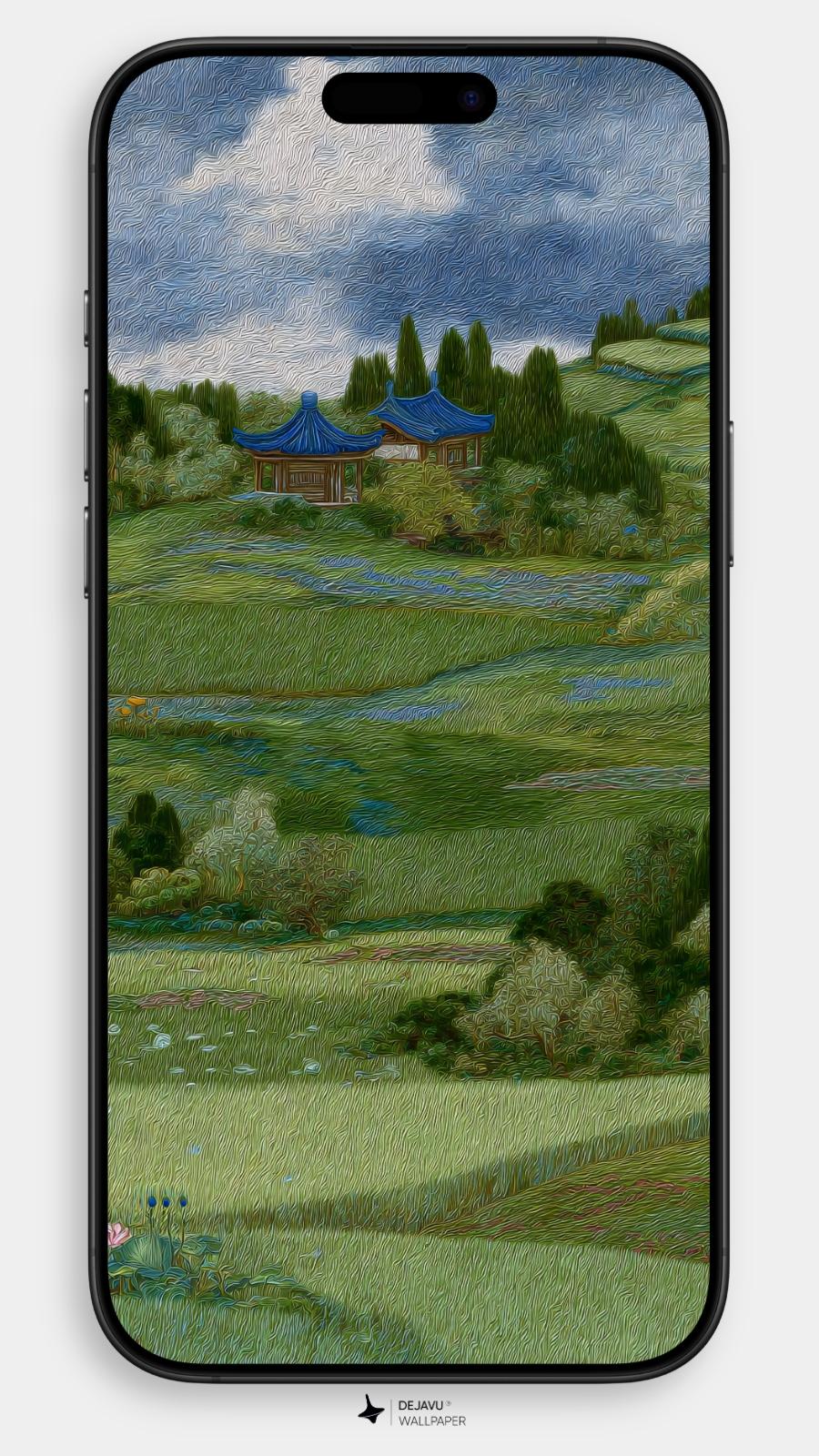

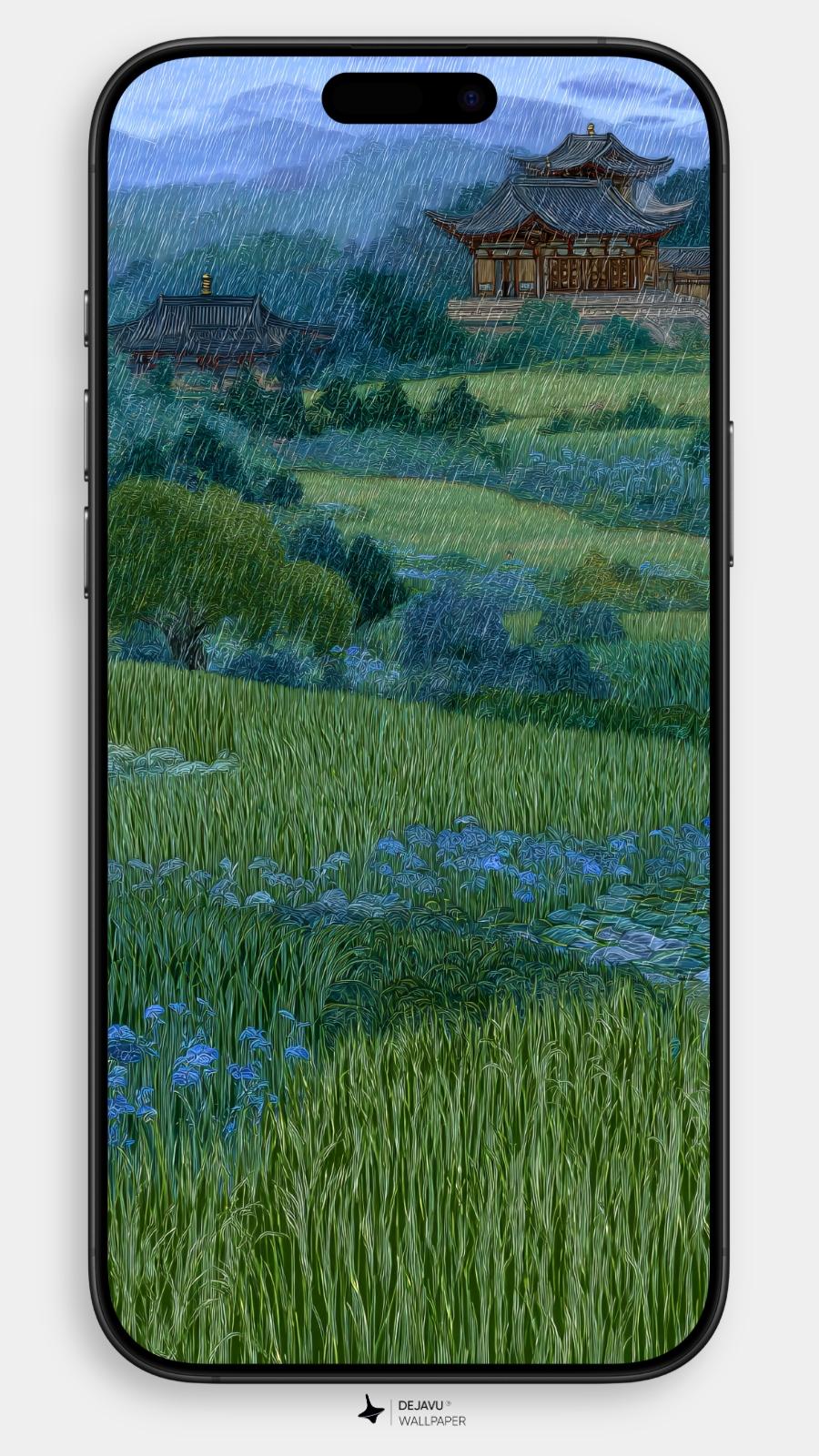
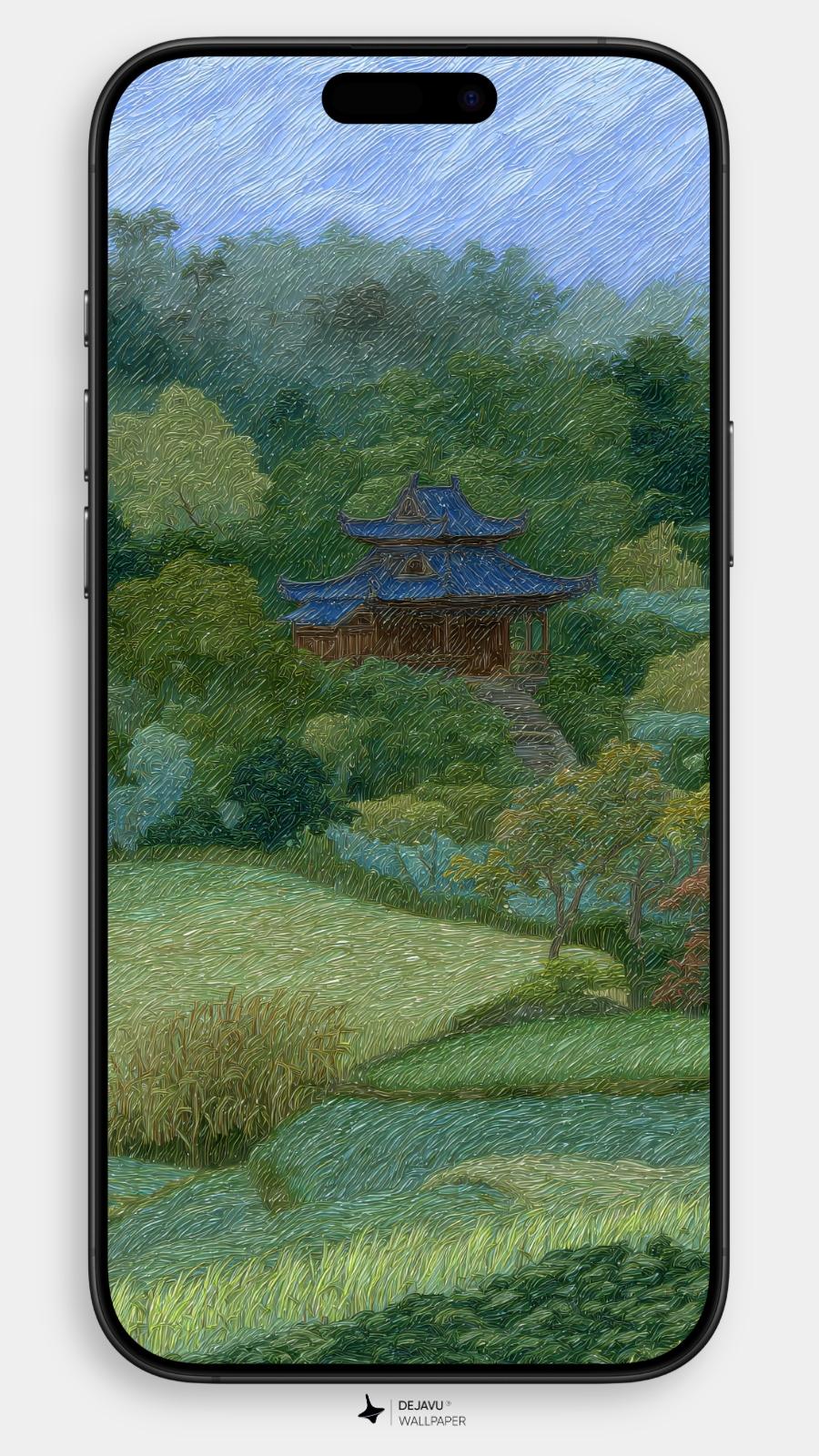

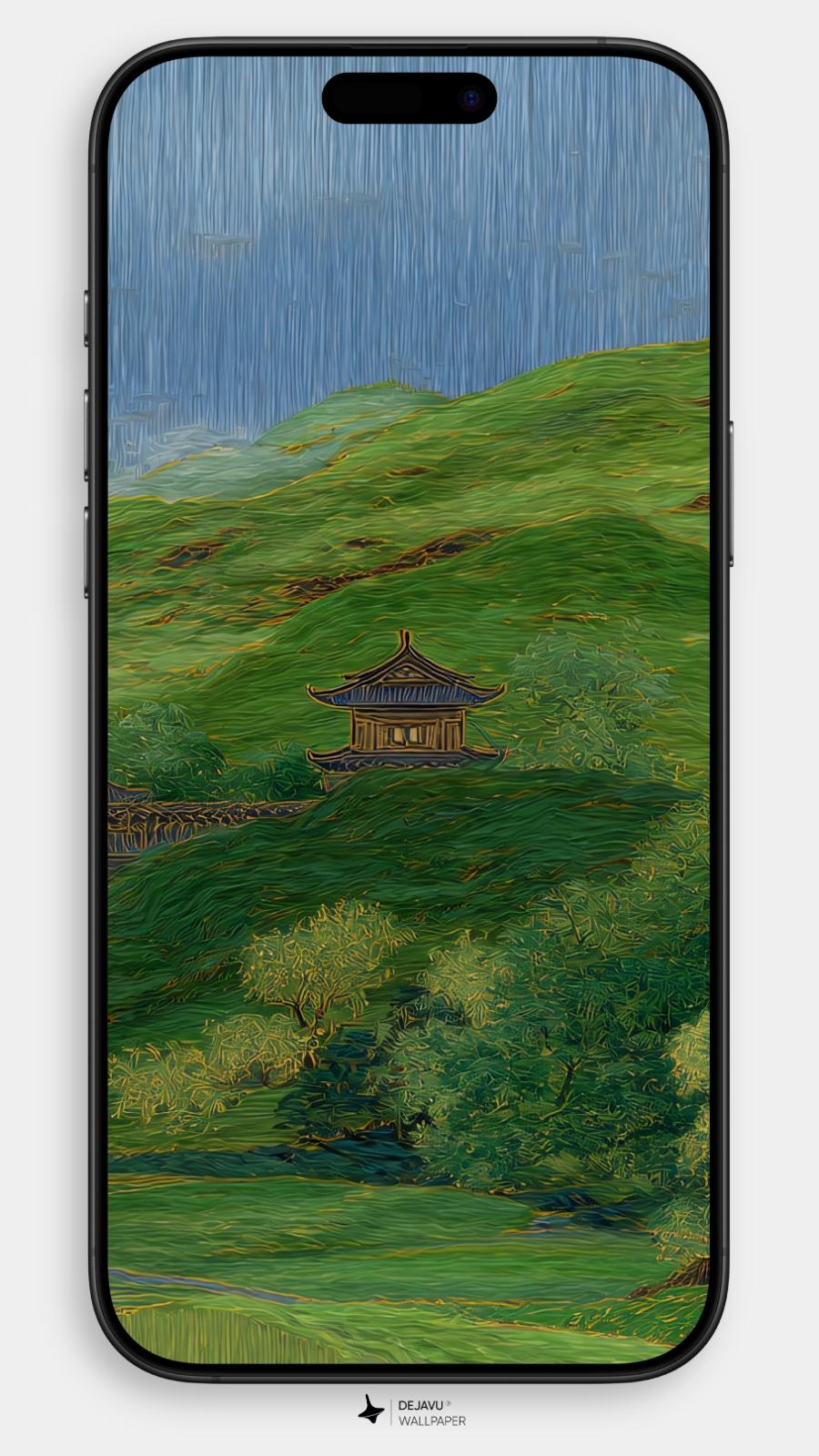
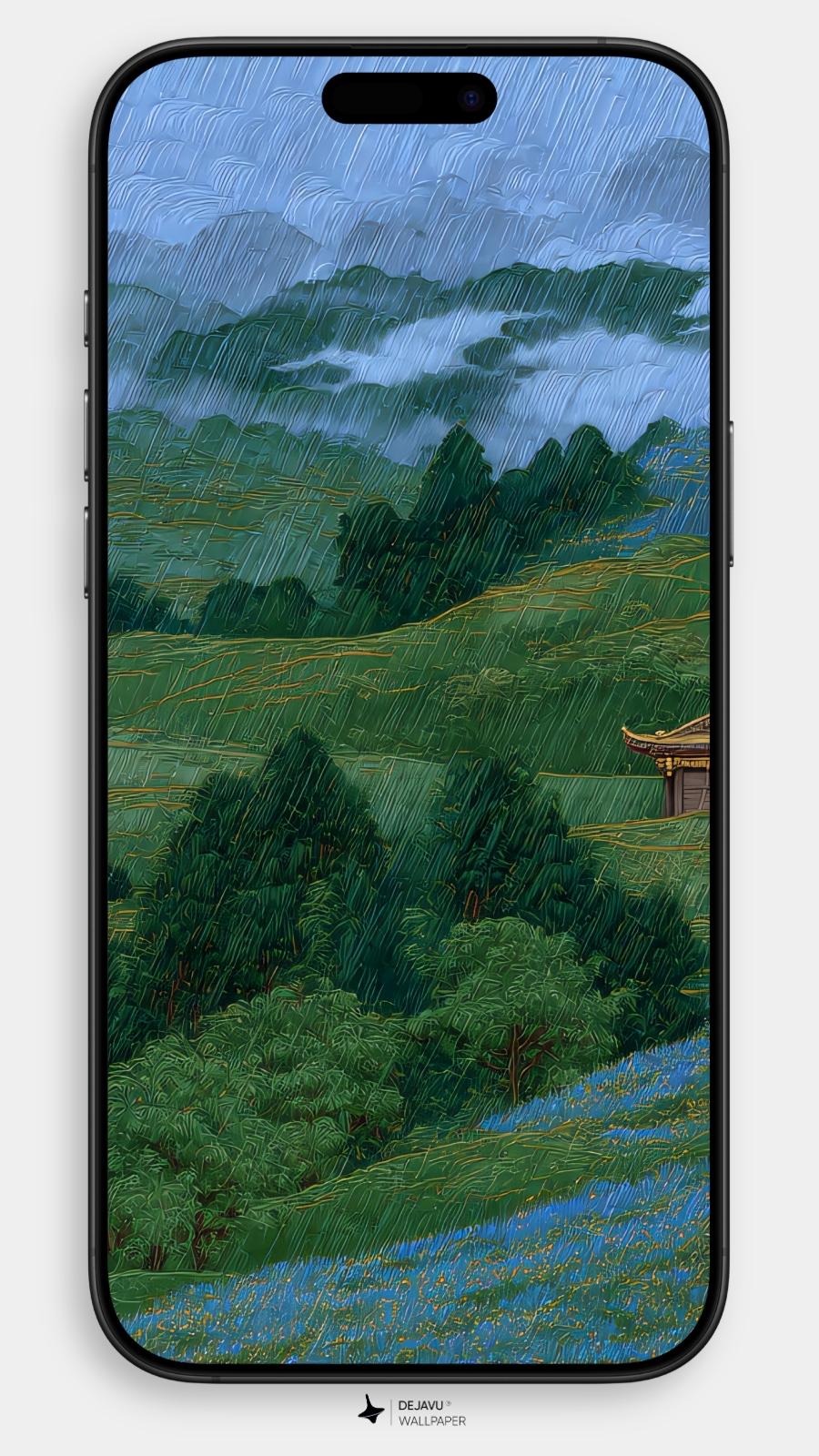
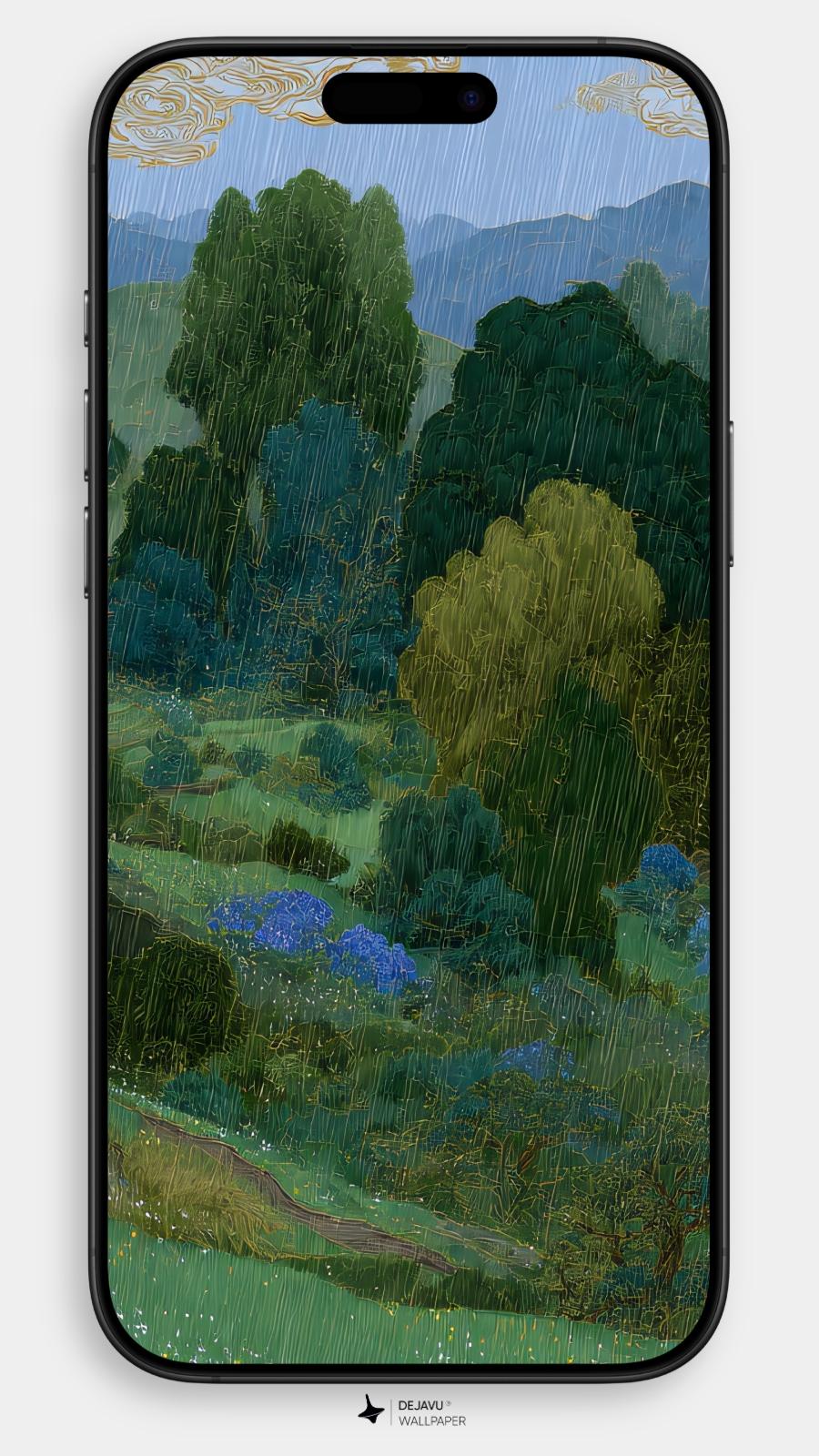
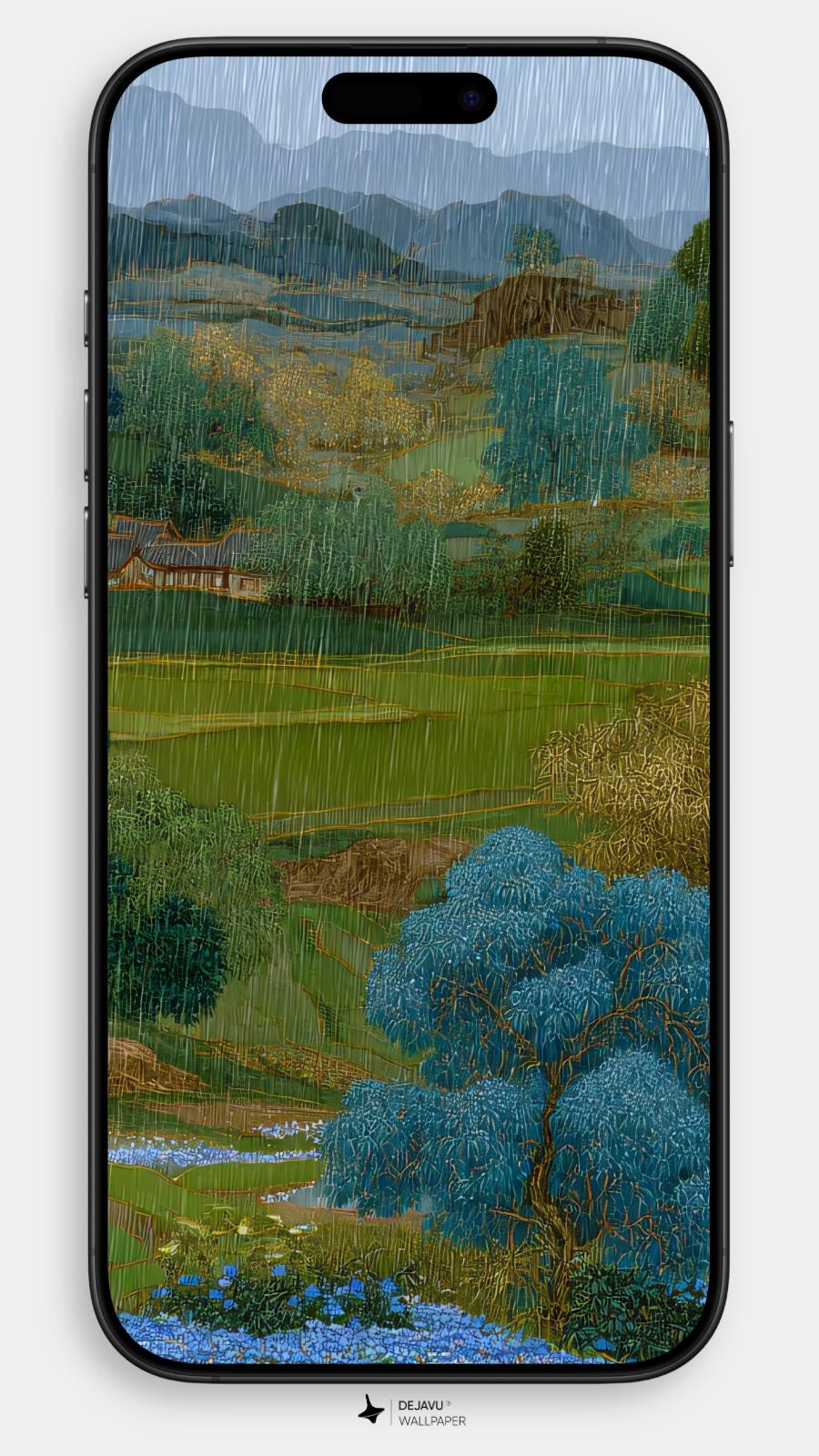
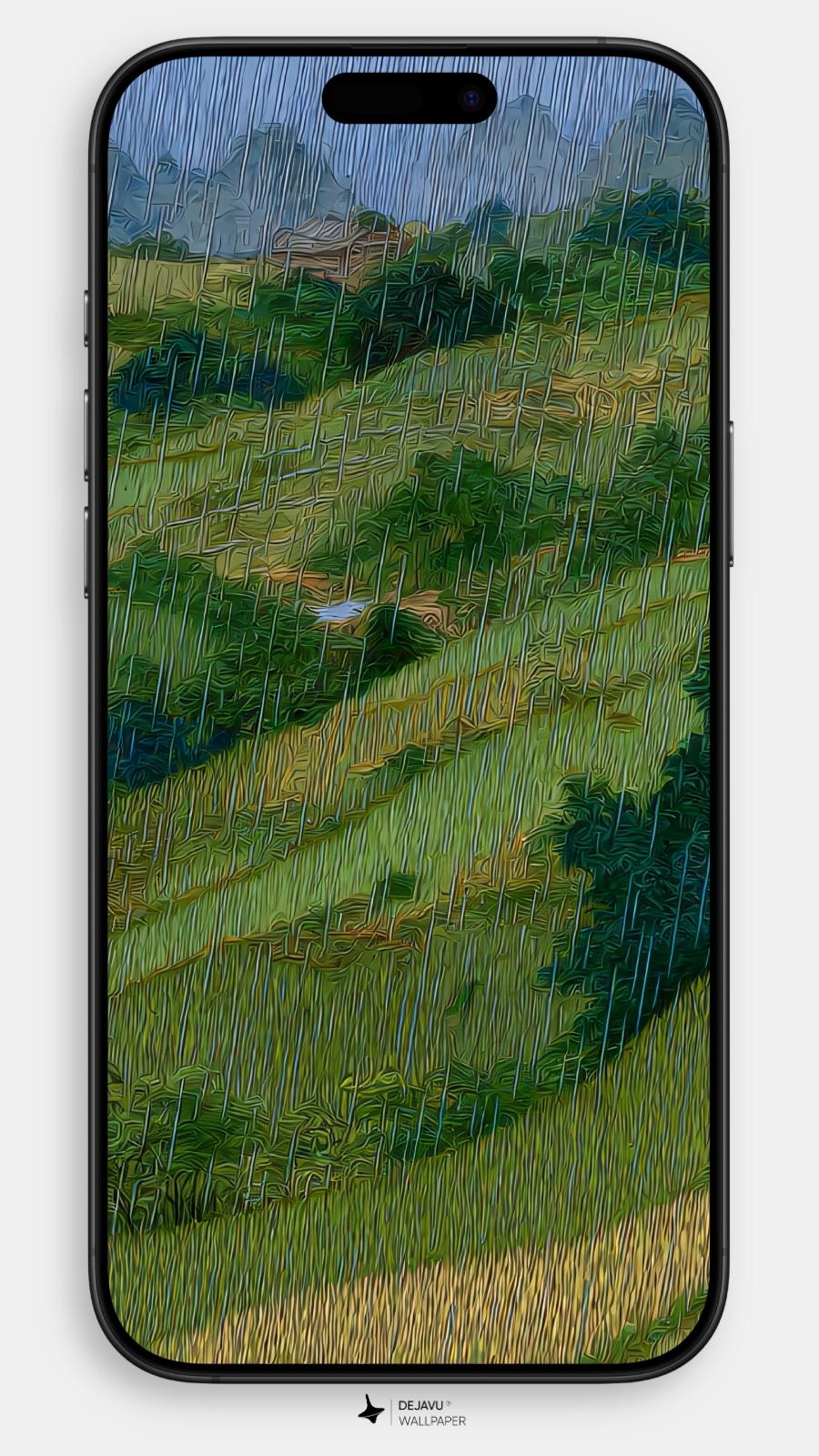
Spring rain just ended. The mist hasn’t even cleared yet, and already the grass is swaying like waves. In front of you is a painting that looks like a serene Chinese scroll — tiled rooftops, wooden cottages, blooming flowers, winding creeks, and faraway mountains shrouded in clouds. But wait — is this just a pretty landscape, or is there something more going on beneath those brushstrokes?
Why Were Ancient Artists So Obsessed with “Rustic Dreamscapes”?
From Tang Dynasty poet-painter Wang Wei’s “painting within a poem” to Song artist Li Gonglin’s Returning to the Village, these pastoral scenes weren’t just scenic backgrounds. For the ancients, the countryside wasn’t just a place — it was an escape plan. Think of Tao Yuanming’s famous “Peach Blossom Spring,” a fantasy village hidden from the chaos of war — basically, the ultimate ancient utopia.
Those tiny cottages nestled in the middle of a meadow or half-hidden under trees? They’re not just cute. They’re symbolic hideaways from all things stressful and worldly — the Airbnb of the ancient soul.
What’s With All the Blue Roofs and Wooden Walls?
Notice how all the houses in the painting have dark blue roofs and natural wood walls? That’s not just for aesthetic purposes — it’s architectural accuracy. This combo comes straight out of southern China’s real-world design traditions, especially from the Huizhou region during the Ming and Qing dynasties.
Back then, blue roof tiles weren’t just stylish — they were believed to keep the house cool, ward off disasters, and promote harmony. In fact, the blue tile became a quiet shout-out to Confucian and Daoist values. Over time, this humble color scheme traveled from rooftops to rice paper, becoming the go-to look for idealized spring scenery.
Are Those Little Purple Flowers Just Decoration or Secret Symbols?
The grasslands in the artwork are sprinkled with blue and purple blossoms — maybe irises, maybe wildflowers. Cute, right? But these aren’t just artistic flair. According to Ming dynasty notes (yes, ancient people had notebooks too), densely packed floral patterns were a visual code. They often symbolized good harvests or even hinted at marriage luck for women. In regions like Jiangnan, such flowers were tied to embroidery and fabric dyeing — meaning, that lovely field might be where someone dreamed up her future wedding dress.
So yes, the flowers are pretty — and maybe also a little poetic matchmaking in disguise.
Why Is It Always Raining in These Springtime Paintings?
Spring rain isn’t just meteorologically accurate — it’s metaphorically loaded. Ancient farmers believed spring rain was worth its weight in gold, and painters loved capturing it with slanted, soft brushstrokes — a technique known as “silken drizzle,” straight out of the Song Dynasty’s playbook.
But here’s the twist: that gentle rain is often more than just weather. It’s a symbol of quiet influence, like a wise person who nurtures the world without making a fuss. That misty drizzle you see? Might just be the artist giving you a philosophical wink.
Why Are There Almost No People — But It Still Feels Lived-In?
You’ll notice something odd: there are barely any faces in these paintings. Instead, a sleeve peeks out behind a door, or a shadow sits under the eaves. This is a classic move from Ming artist Tang Yin, who loved hiding his characters behind trees and rocks. It’s called “leaving space for the invisible,” and it adds a sense of mystery — as if someone just stepped out of frame.
This technique doesn’t just play with perspective; it expresses the vibe of the “gentle hermit,” someone living quietly, unnoticed, and unbothered. Which, let’s be honest, sounds like a dream sometimes.
As the spring breeze glides across the painting and moisture rises from the inked earth, you’re not just looking at a pretty scene. You’re decoding a secret language. That field, that house, that tiny patch of flowers — they’re all brushstrokes pulled from centuries of poetry, philosophy, and quiet longing.
It may look like a peaceful spring day, but beneath that calm surface, an entire lifetime of stories is blooming.