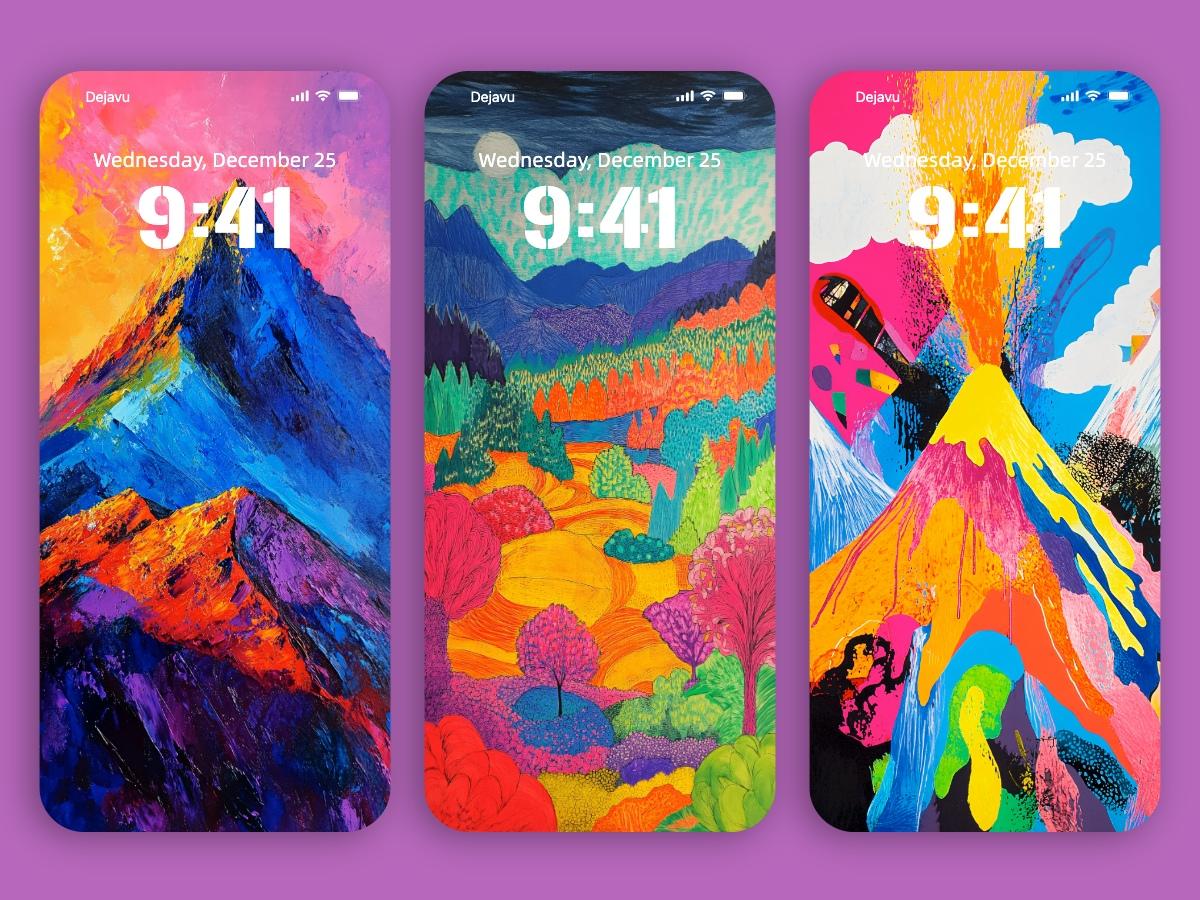
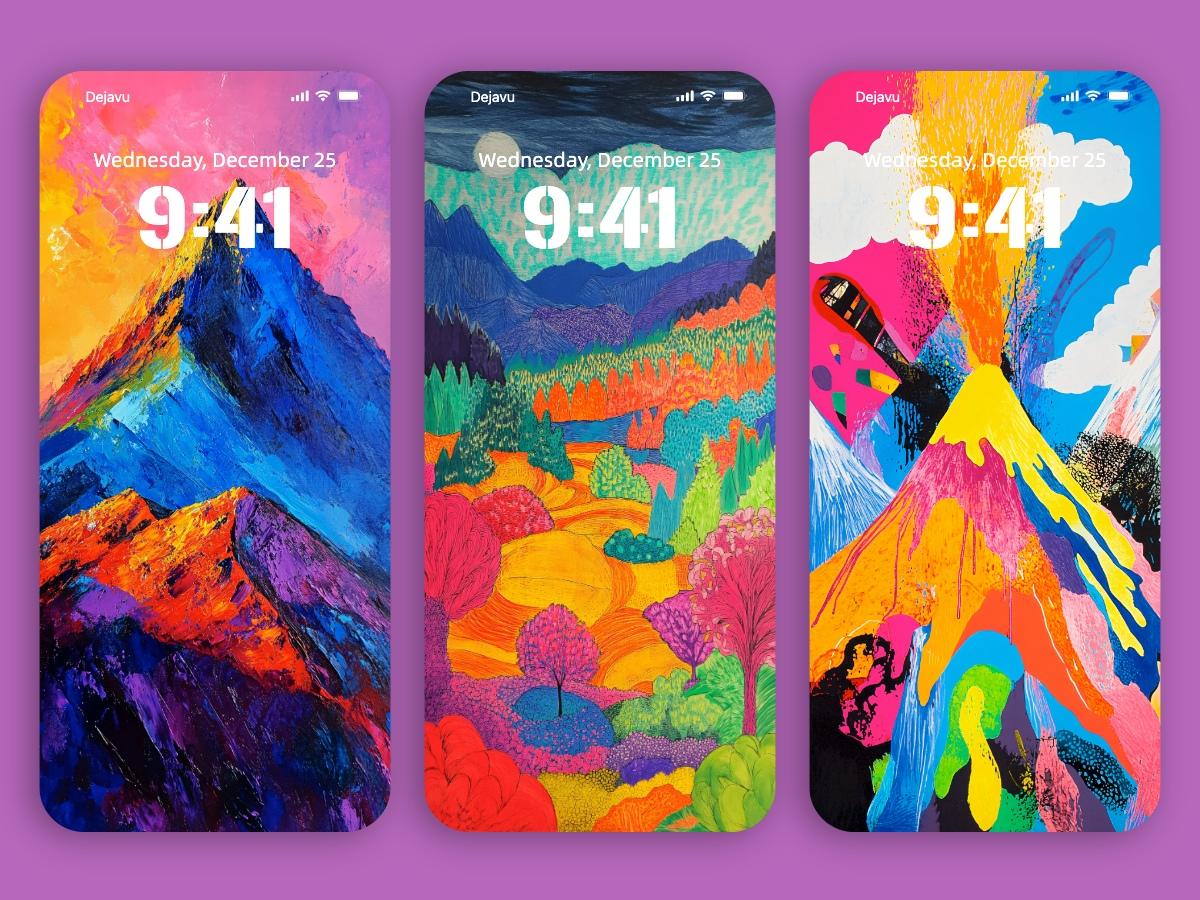
Minimal, modern, and bursting with organic charm — abstract plant art wallpapers are taking over your screens, from Pinterest boards to TikTok trends! Inspired by the iconic styles of Henri Matisse and reimagined through today’s clean, digital lens, these 8K wallpapers blend soft botanical shapes with dreamy color palettes. Perfect for iPhone and Android users who crave that artsy aesthetic without the clutter, each wallpaper captures the harmony between nature and creativity. Think leafy forms, gentle curves, and tones that whisper rather than shout — all in ultra-crisp resolution that makes your device feel like a curated art piece. Whether you’re into cozy minimalism, plantcore vibes, or just want your phone to feel a little more zen, these designs are a fresh breath of visual air. Download now and join the wave that’s turning abstract plants into today’s most stylish digital bloom!
You can download all these wallpapers on Dejavu Wallpaper!
Experience the magic of AI in advance! Let the infinite imagination of AI decorate your screens, bring you fresh delights every day.





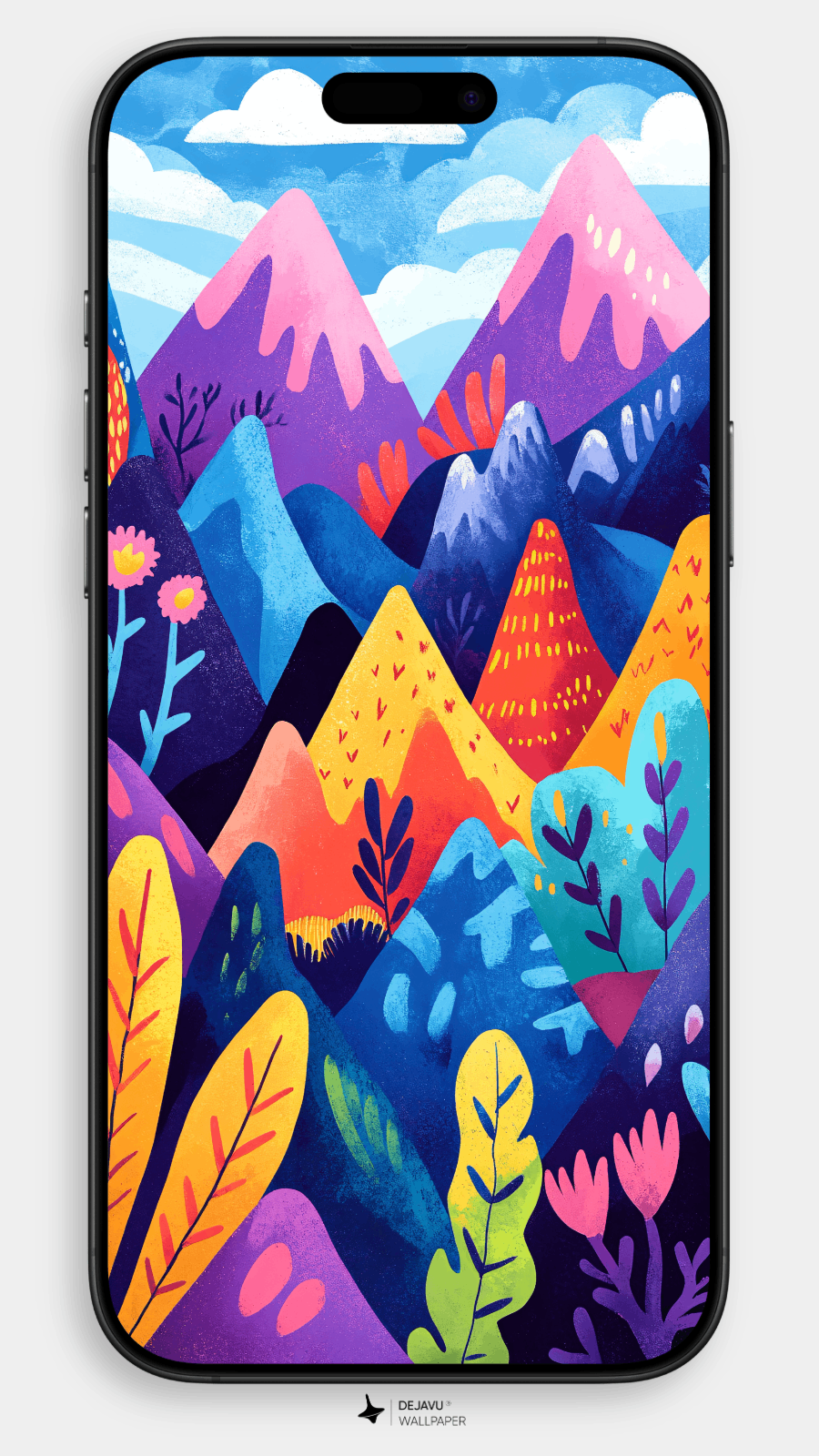
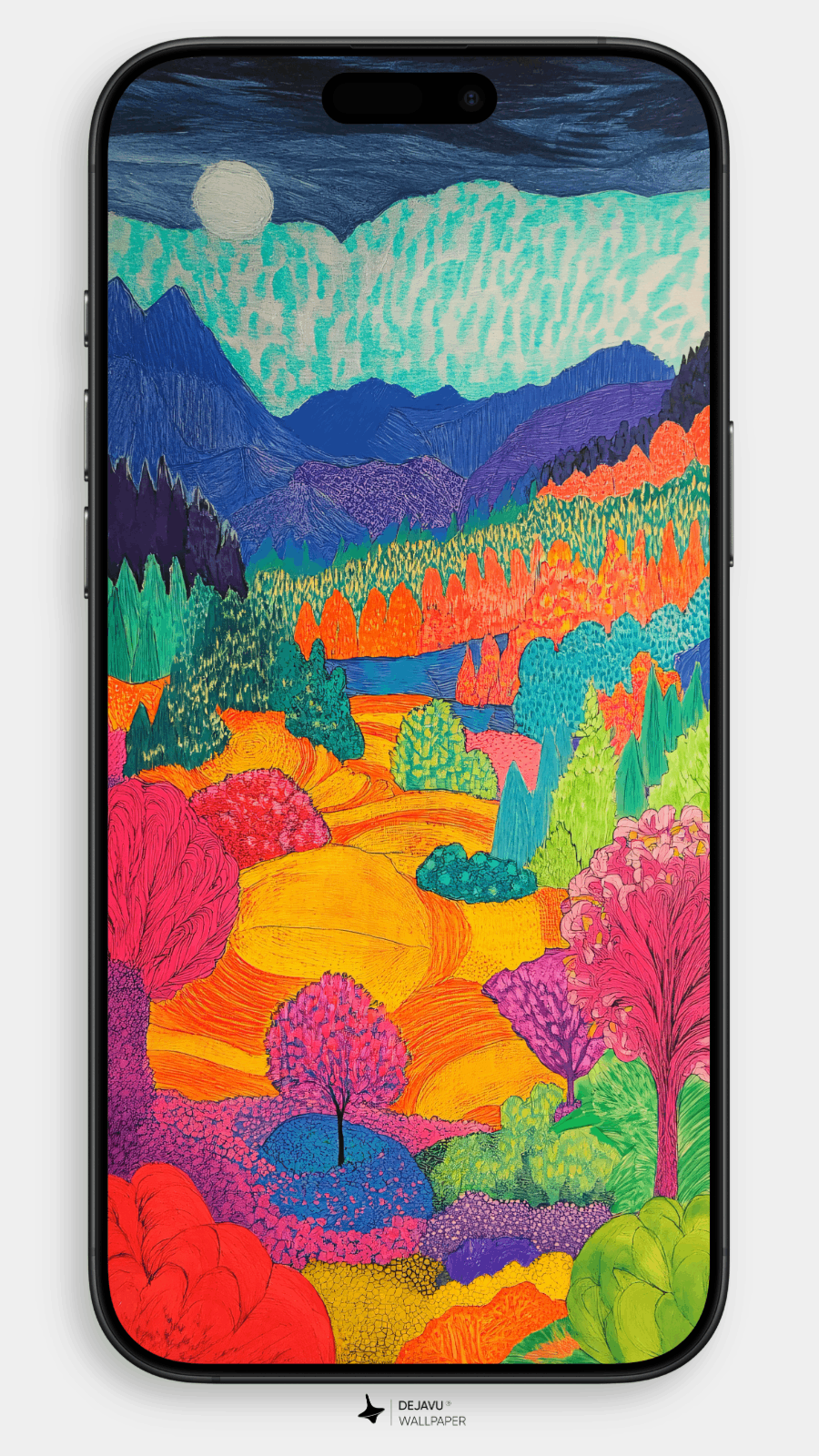
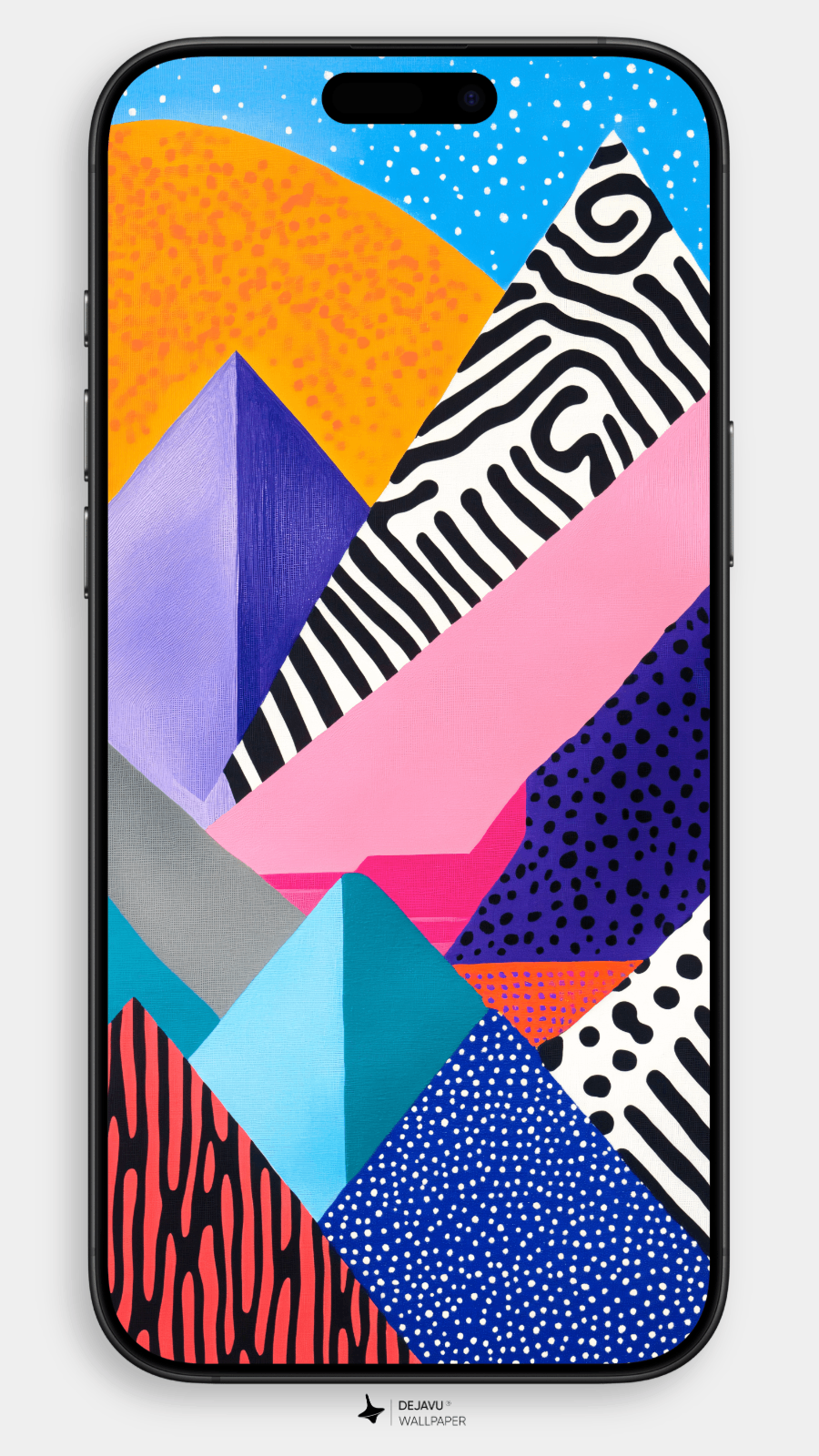
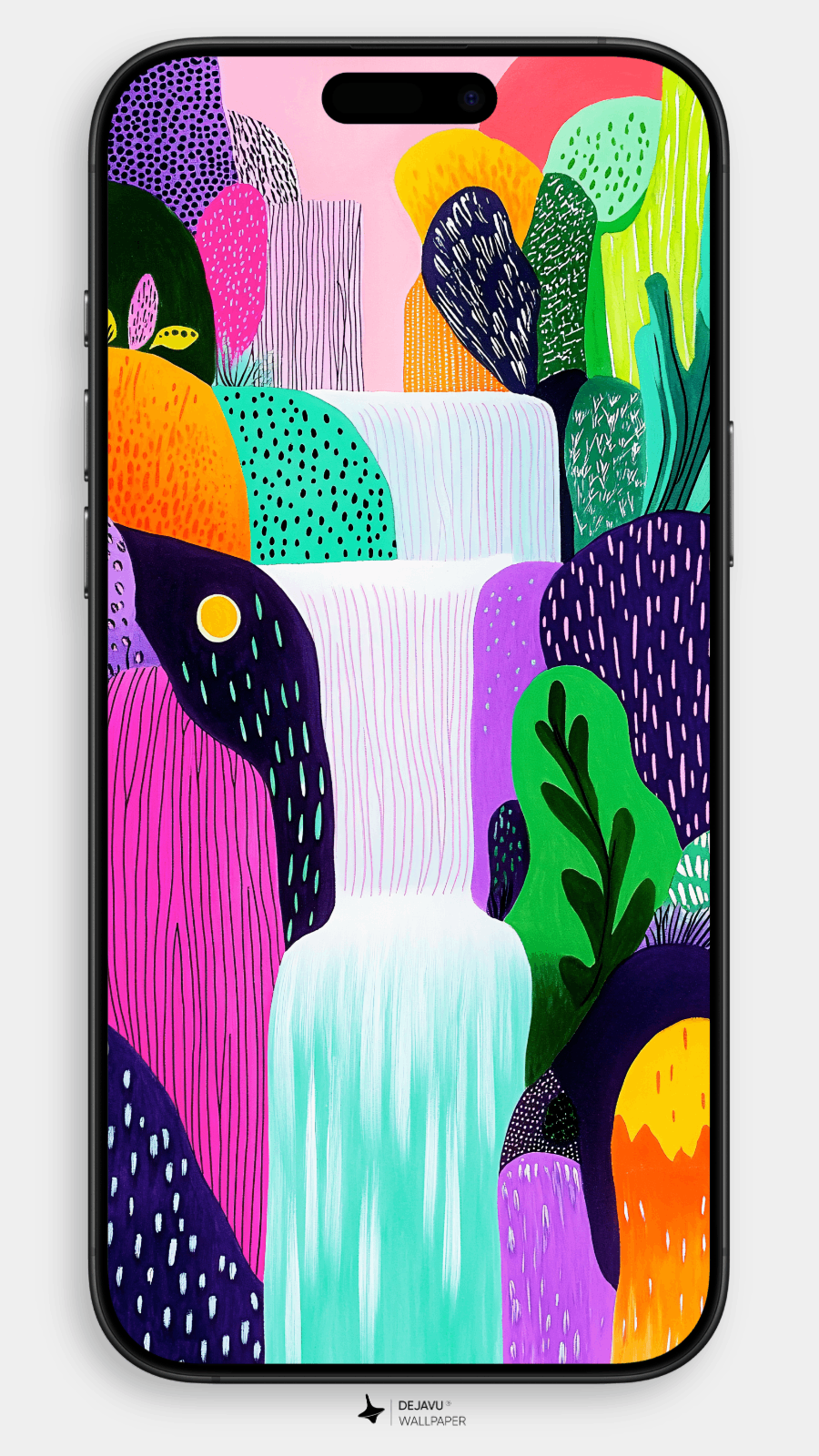
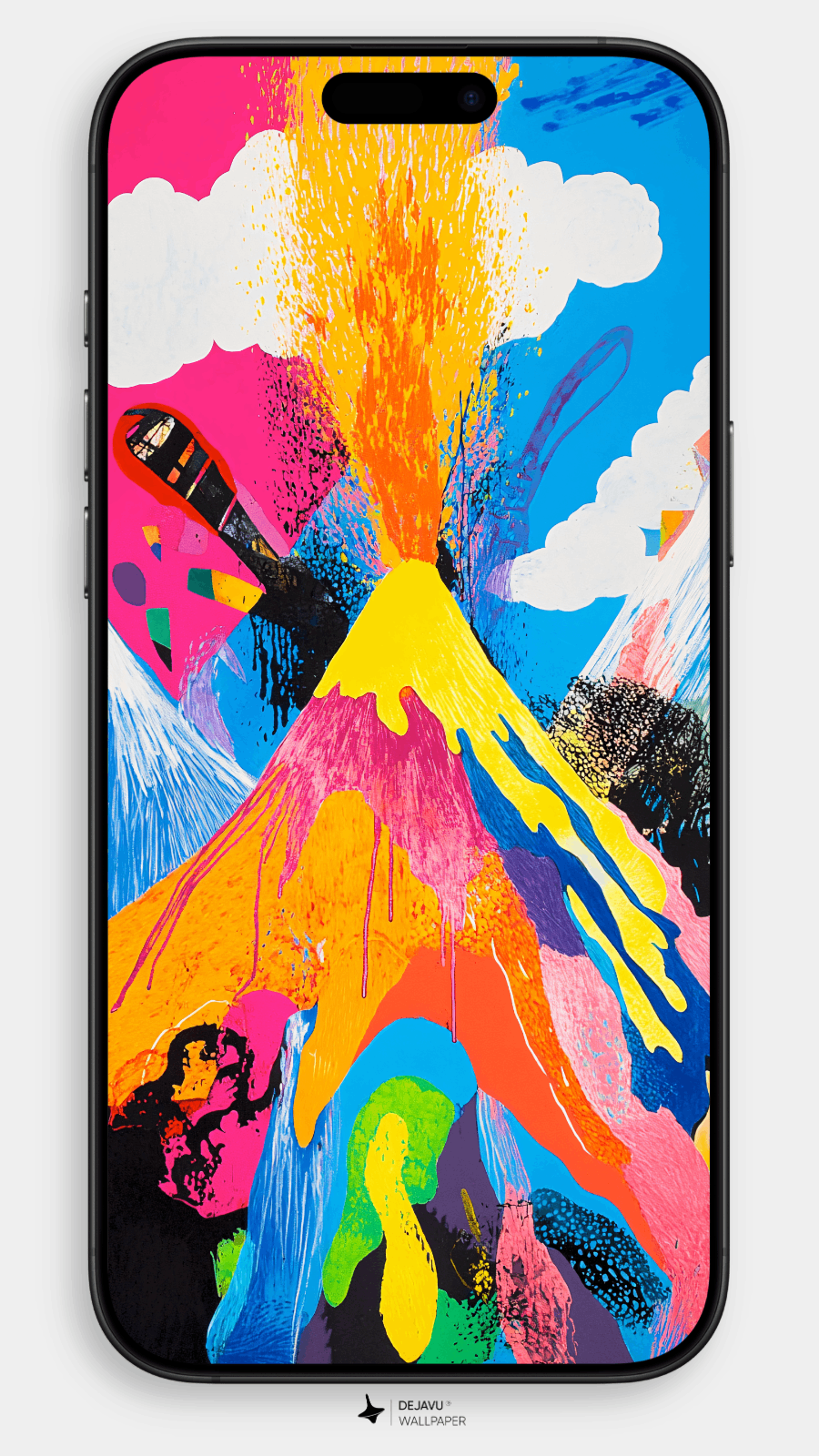
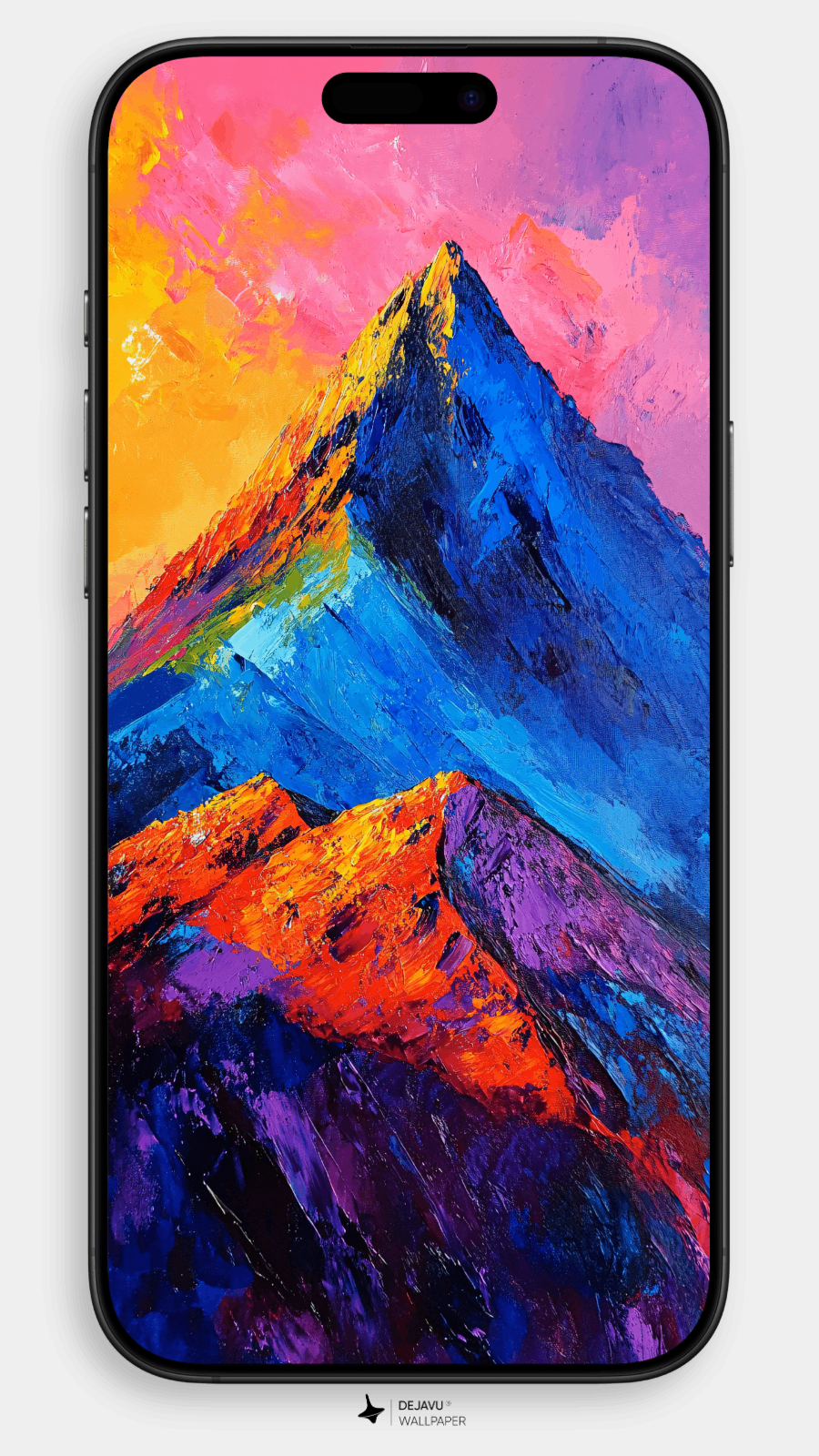
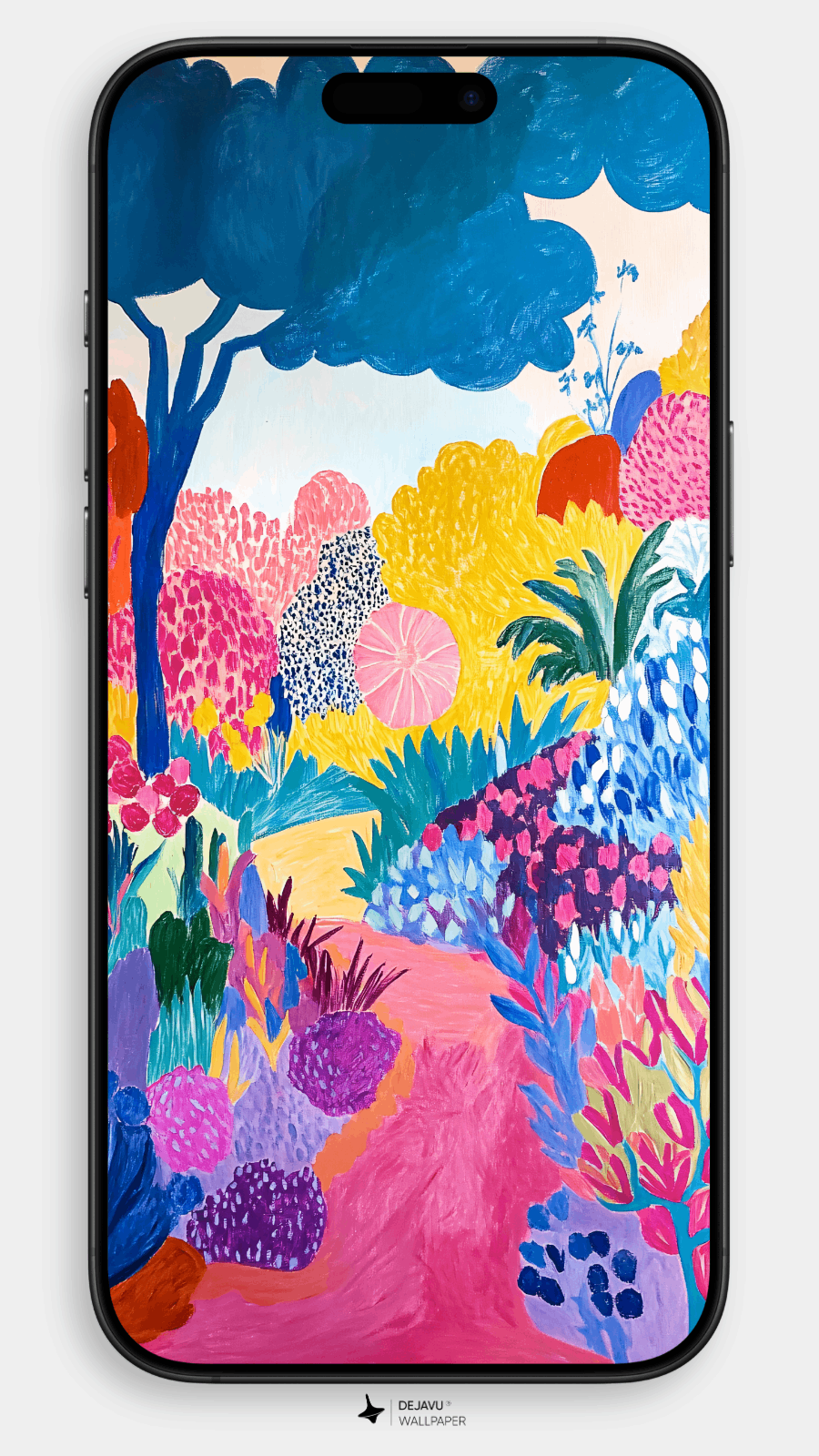


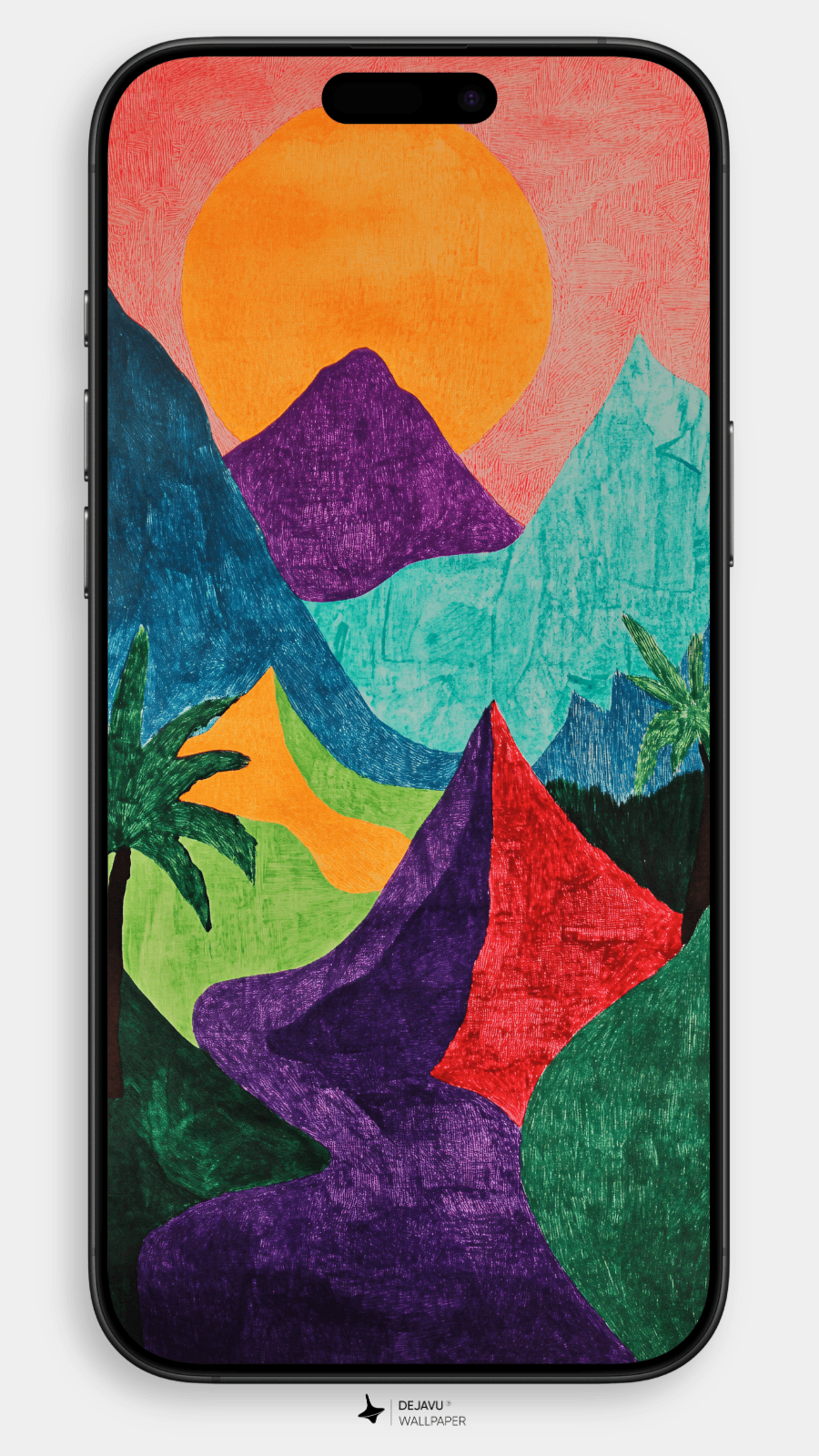


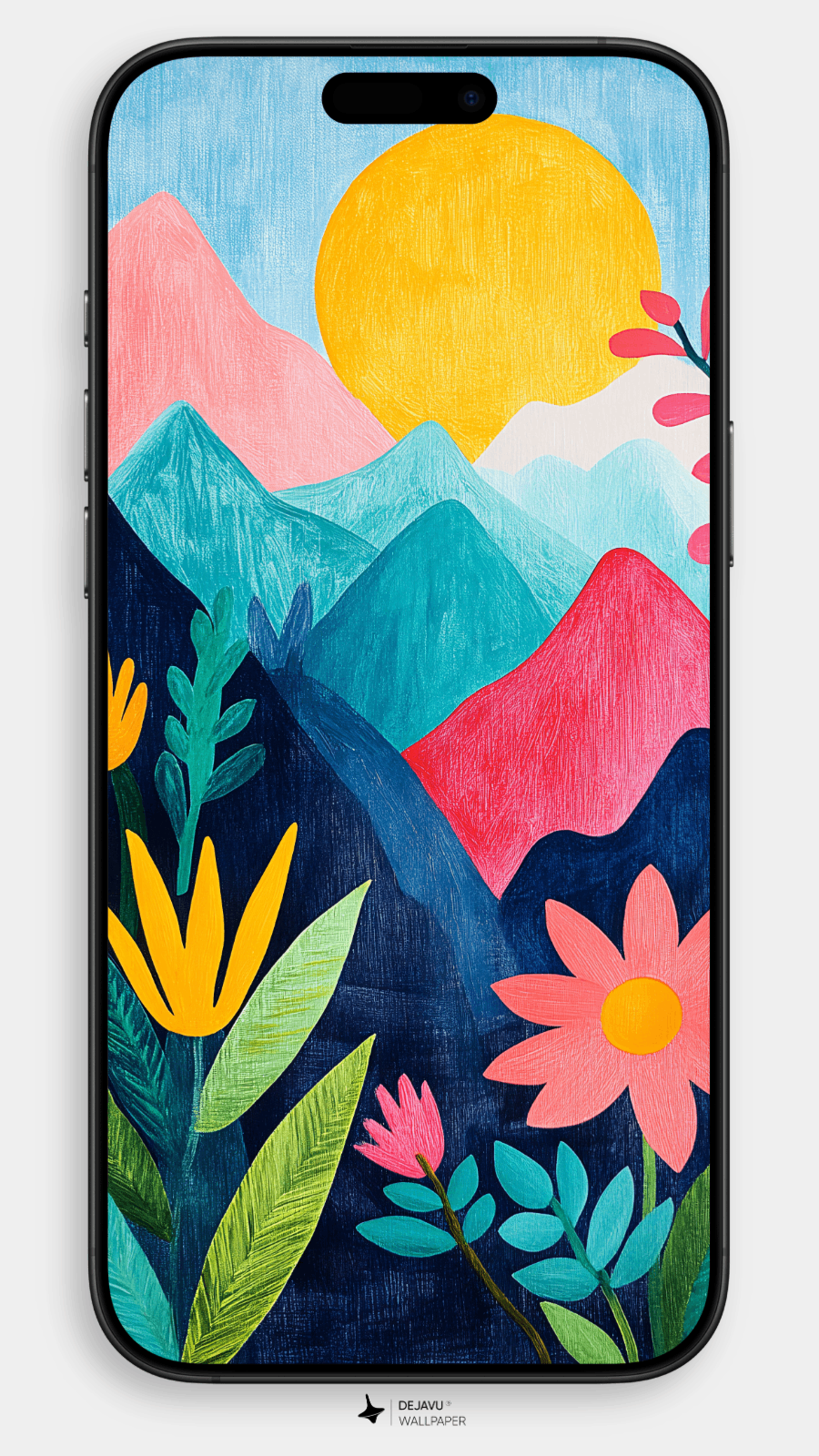
Ever found yourself mesmerized by a plant pattern bursting with pinks, cobalt blues, and lemony yellows? These high-saturation images are everywhere — popping up on Pinterest, design Mood Boards, and even as wallpapers or calendar covers. But what’s the real magic behind these “abstract plant paintings” that makes them so irresistible to collect, share, and even recreate? The answer might be more fascinating than you think.
Where Did Abstract Plants Come From? The Nature Magic Under Matisse’s Scissors
Back in the early 20th century, French artist Henri Matisse, unable to continue painting due to health issues, began “painting” with scissors. He cut out vibrant shapes of leaves, petals, and hills from colored paper, creating bold, abstract patterns. This technique, called “Cut-outs,” marked the birth of abstract plant art. Instead of copying nature’s form, Matisse used exaggerated color blocks to capture nature’s rhythm and the pulse of life.
Interestingly, when creating works like Blue Nude and Coral in the Sea, Matisse said, “I use color to express feelings, not to reproduce nature.” This idea is at the heart of modern abstract plant art: it’s not about resembling nature, it’s about feeling it.
Why Do We Love Abstract Art Even More?
We’re often conditioned to think “realism” equals art value, but the popularity of abstract plants is precisely because they transcend details and leave room for emotion. In today’s fast-paced world of social media, abstract plant art has several “super viral” features:
- Color stimulation boosts emotional value: Studies show that high-saturation colors like fiery oranges, indigos, and emerald greens activate the emotional regions of our brains, evoking joy or energy.
- Patterned designs are easy to recognize: Repetitive, rhythmic patterns reduce mental load, making them perfect for catching the eye in a flood of visual information.
- Abstract equals freedom, no cultural missteps: Unlike realistic art, abstract plant designs appeal to a global aesthetic. They don’t require interpretation of plant species or cultural meanings, making them perfect for wallpapers, illustrations, or fashion prints.
Why Does Pinterest and Instagram Love It?
From an algorithm perspective, abstract plant paintings’ bold contrasts and simple shapes are easily “understood” and recommended by machines. From a user perspective, these pieces hit the sweet spot of three major sharing motivations: “artistic vibe,” “emotional value,” and “stylistic cohesion,” making them go-to choices for interior design, notebook covers, and illustration tutorials.
What’s even more fascinating is that on Pinterest, a popular tag called “Naive Plants” has emerged as a trending keyword for designers seeking inspiration. Many creators are blending influences from Matisse, Yayoi Kusama, and street graffiti art to craft these playful yet surreal plant landscapes.
Simple Yet Powerful: A Bridge Between Art and Emotion
Abstract plant art isn’t just “pretty to look at.” It’s a complex language that combines natural shapes, color psychology, and visual design into one. It steps outside the frame of realism but still manages to stir deep emotional and aesthetic responses from the viewer.
So, the next time you spot a pink “tree” or an orange “mountain” in one of these paintings, don’t bother asking where it’s from or what kind of plant it is. That’s your inner self connecting with nature in its own unique way.