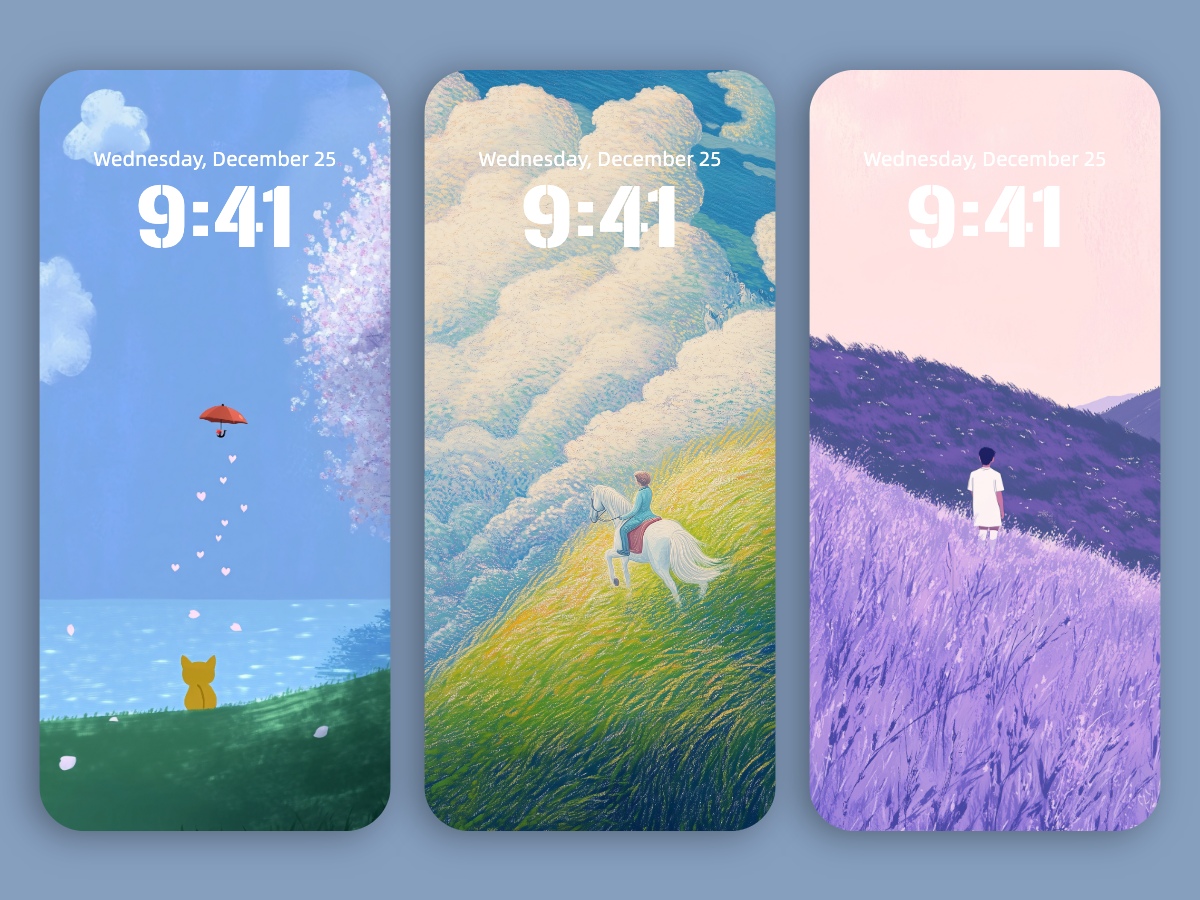
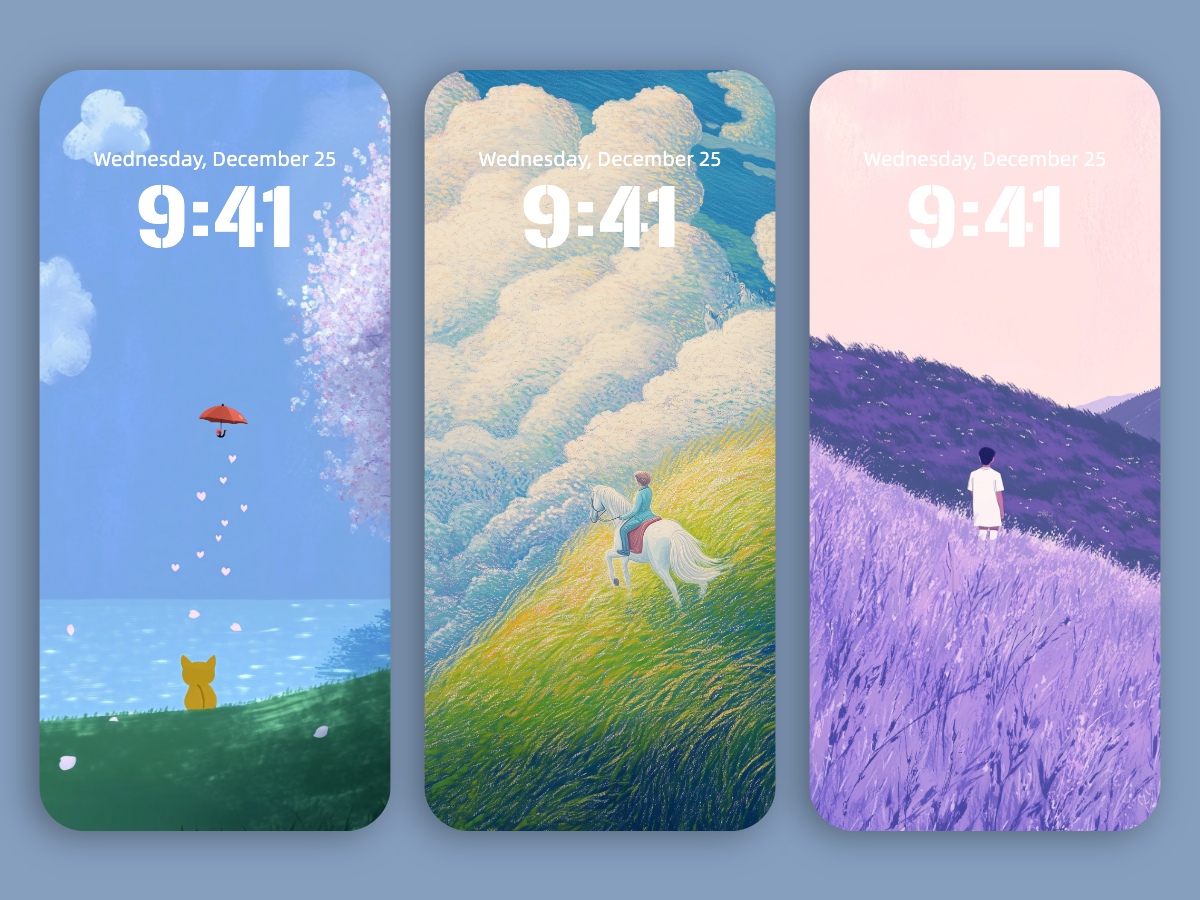
Ever noticed how people in dreamy illustrations always have their backs turned? It’s not a coincidence — it’s an aesthetic. Our Back View Aesthetic Phone Wallpapers explore that soft, surreal moment where the viewer becomes the silent observer. With 8K ultra-crisp visuals, these minimal designs are made for those who love a touch of mystery and emotion on their lock screen. Whether it’s a lone figure staring at a sunset, someone standing in the rain, or a dreamy landscape melting into the sky, each wallpaper invites you into a quiet story — one you complete with your own imagination. Perfect for iPhone and Android users who crave clean, calming visuals with an emotional twist. This trending wallpaper style is all about soft colors, open space, and the unspoken — and it’s taking over aesthetic feeds everywhere. Ready to turn your screen into a window to gentle introspection? Download now and drift into a minimalist dreamscape, one beautifully turned back at a time.
You can download all these wallpapers on Dejavu Wallpaper!
Experience the magic of AI in advance! Let the infinite imagination of AI decorate your screens, bring you fresh delights every day.






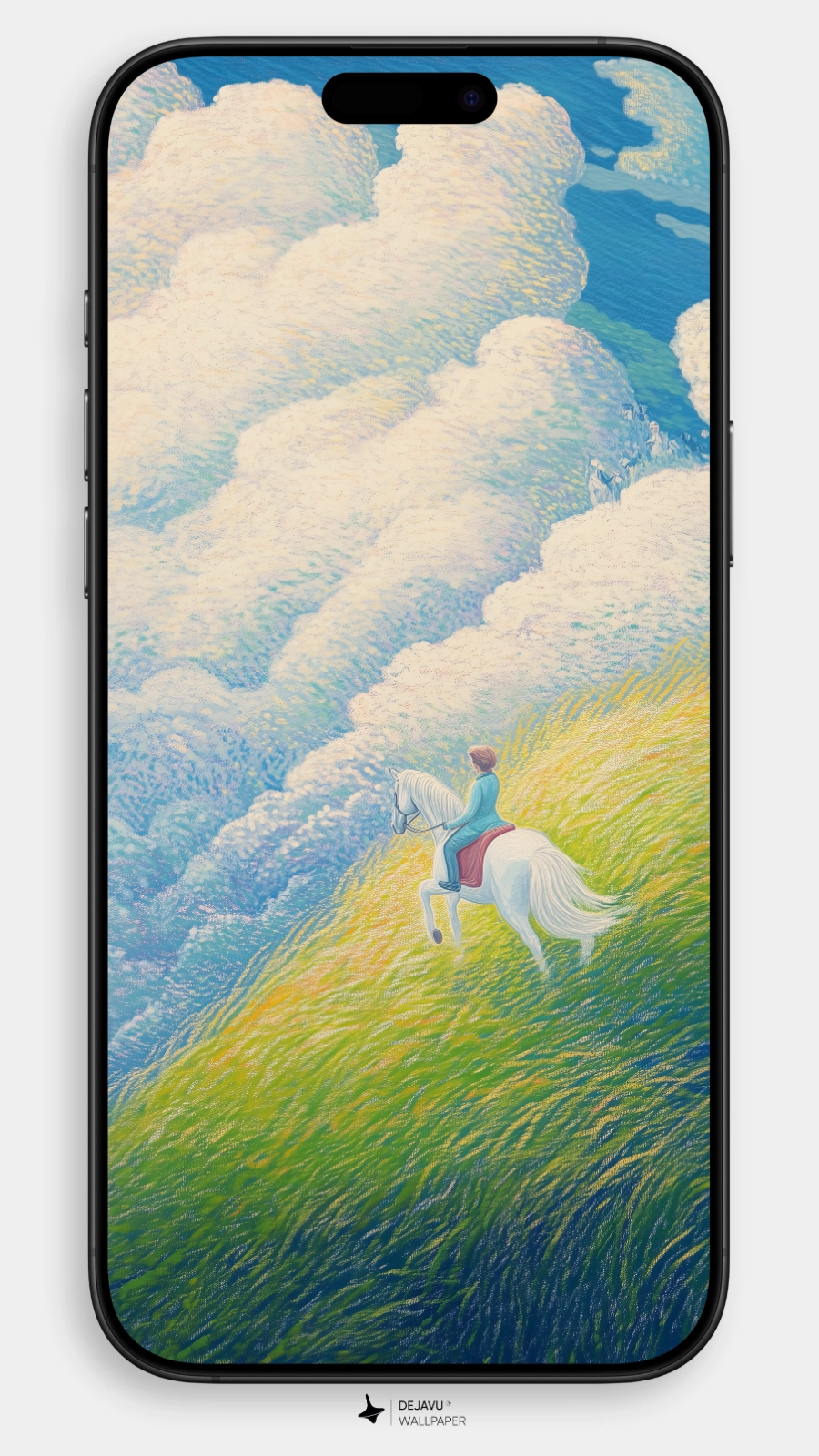
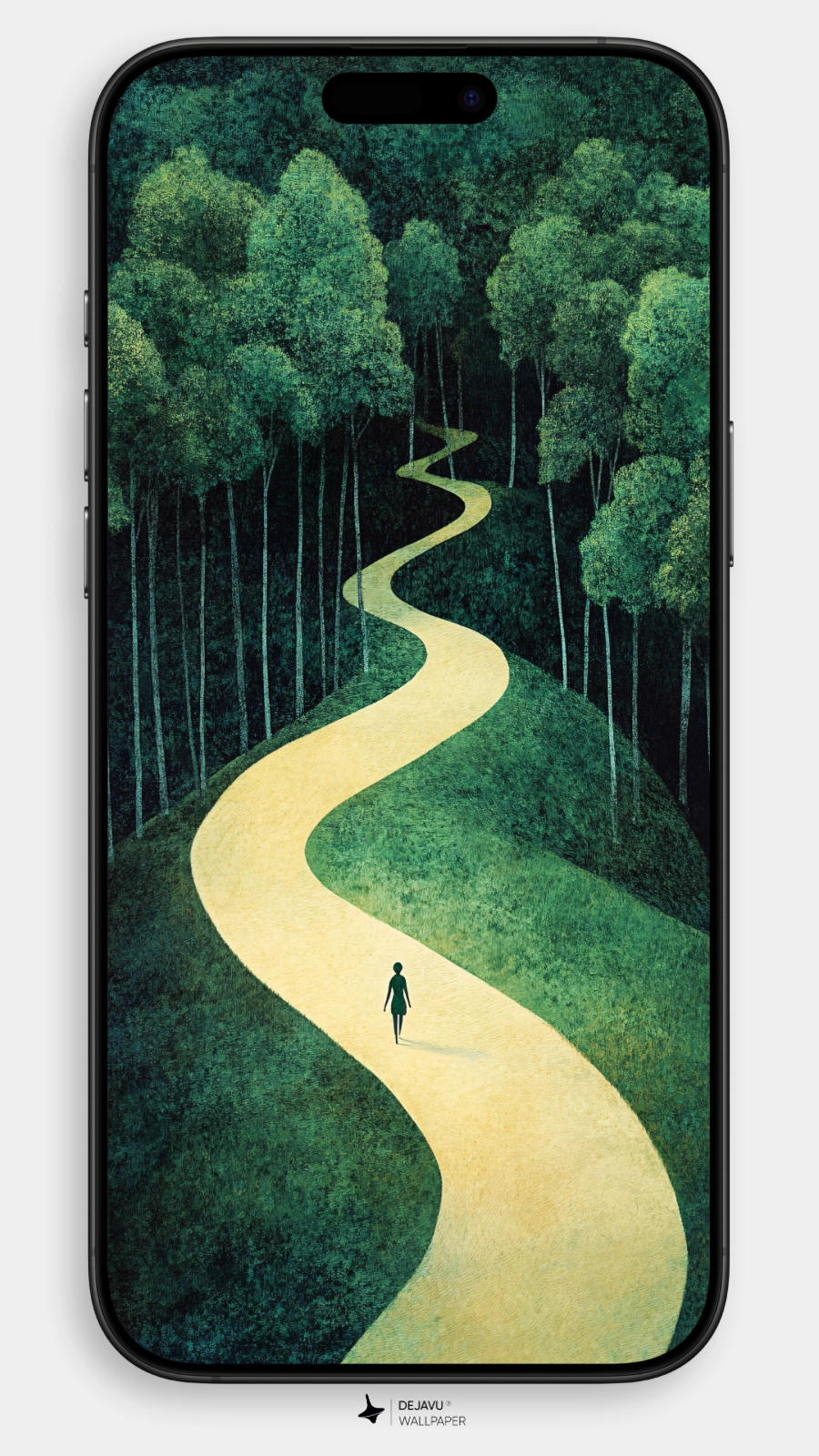


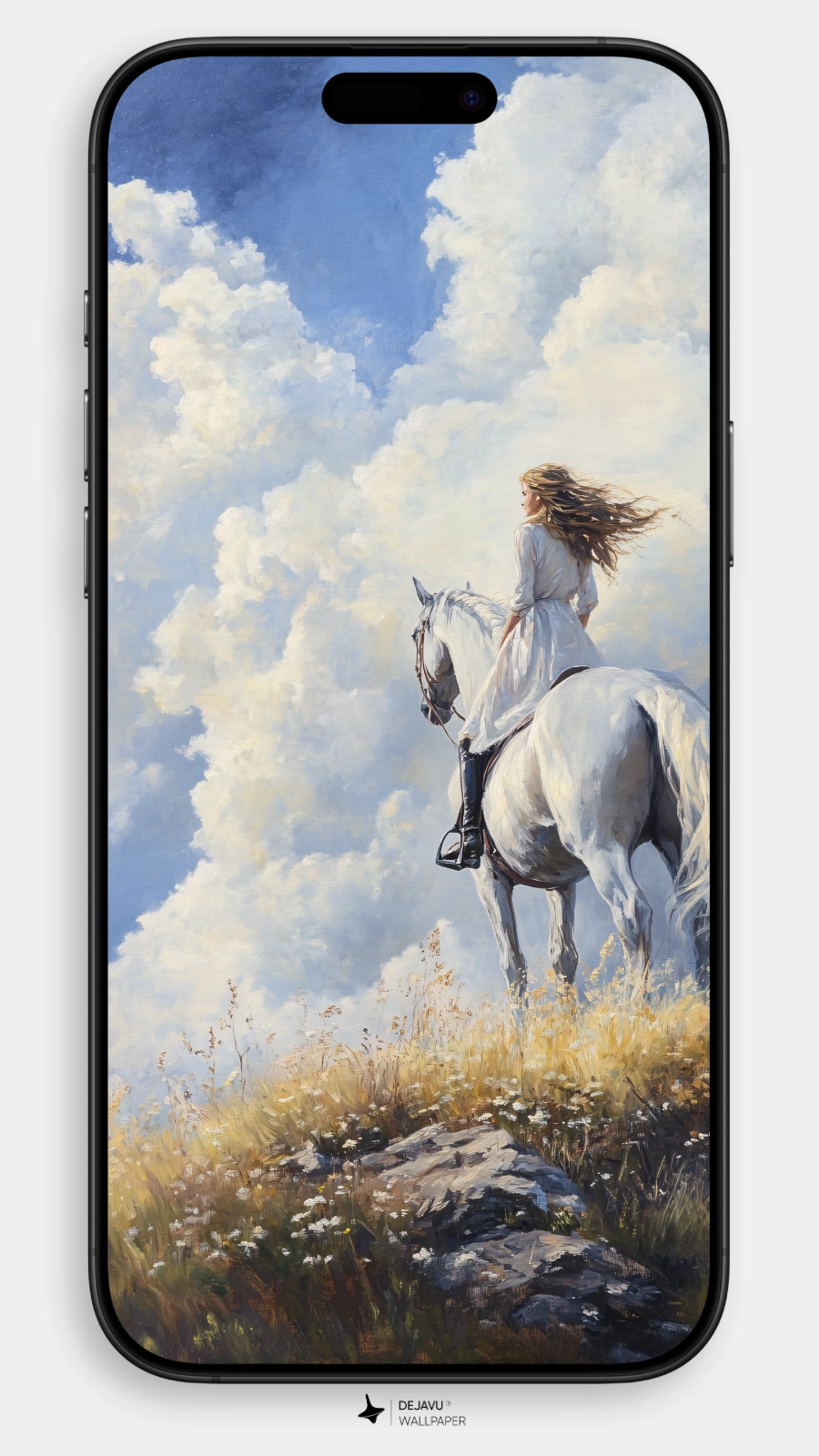


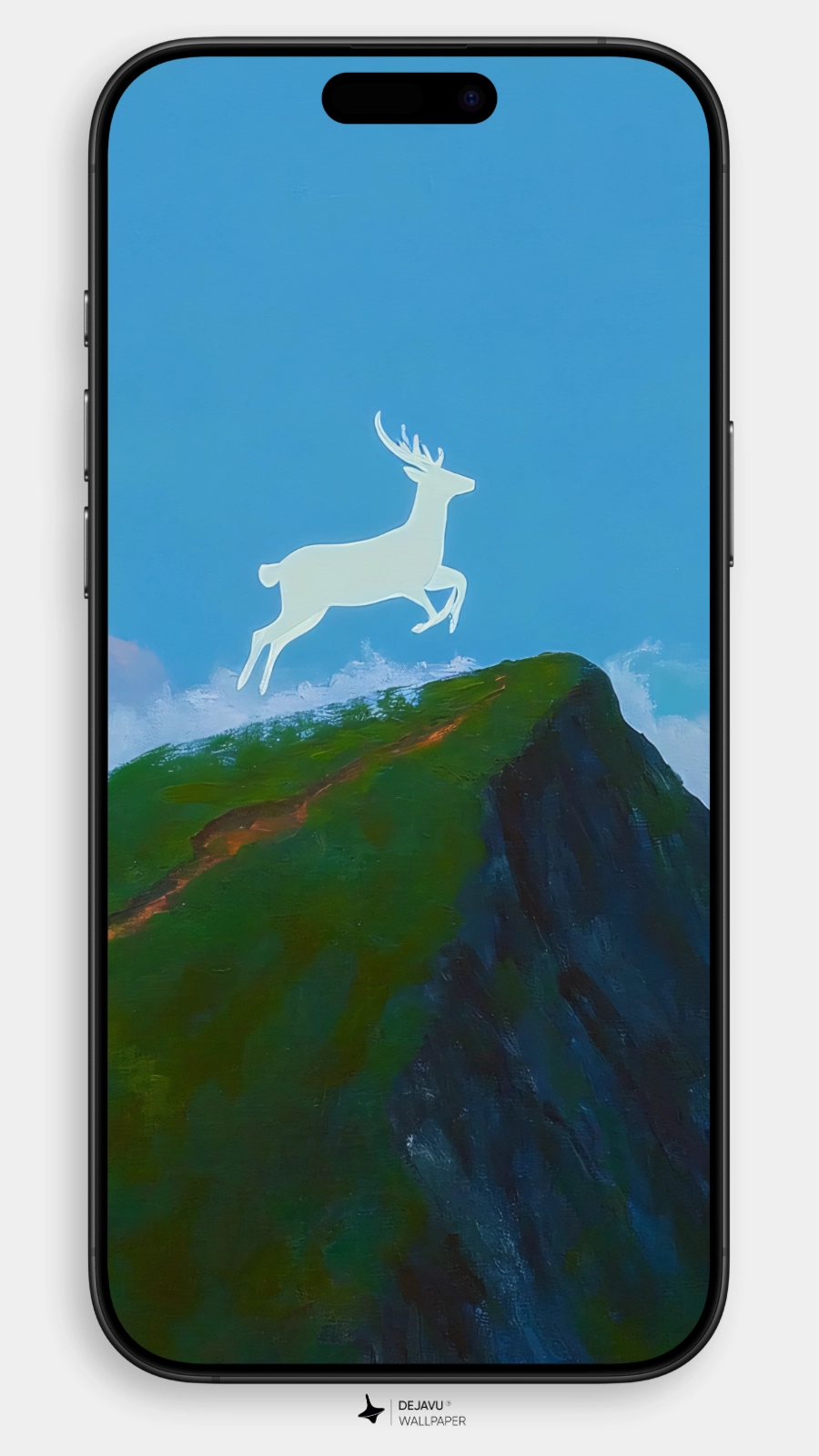


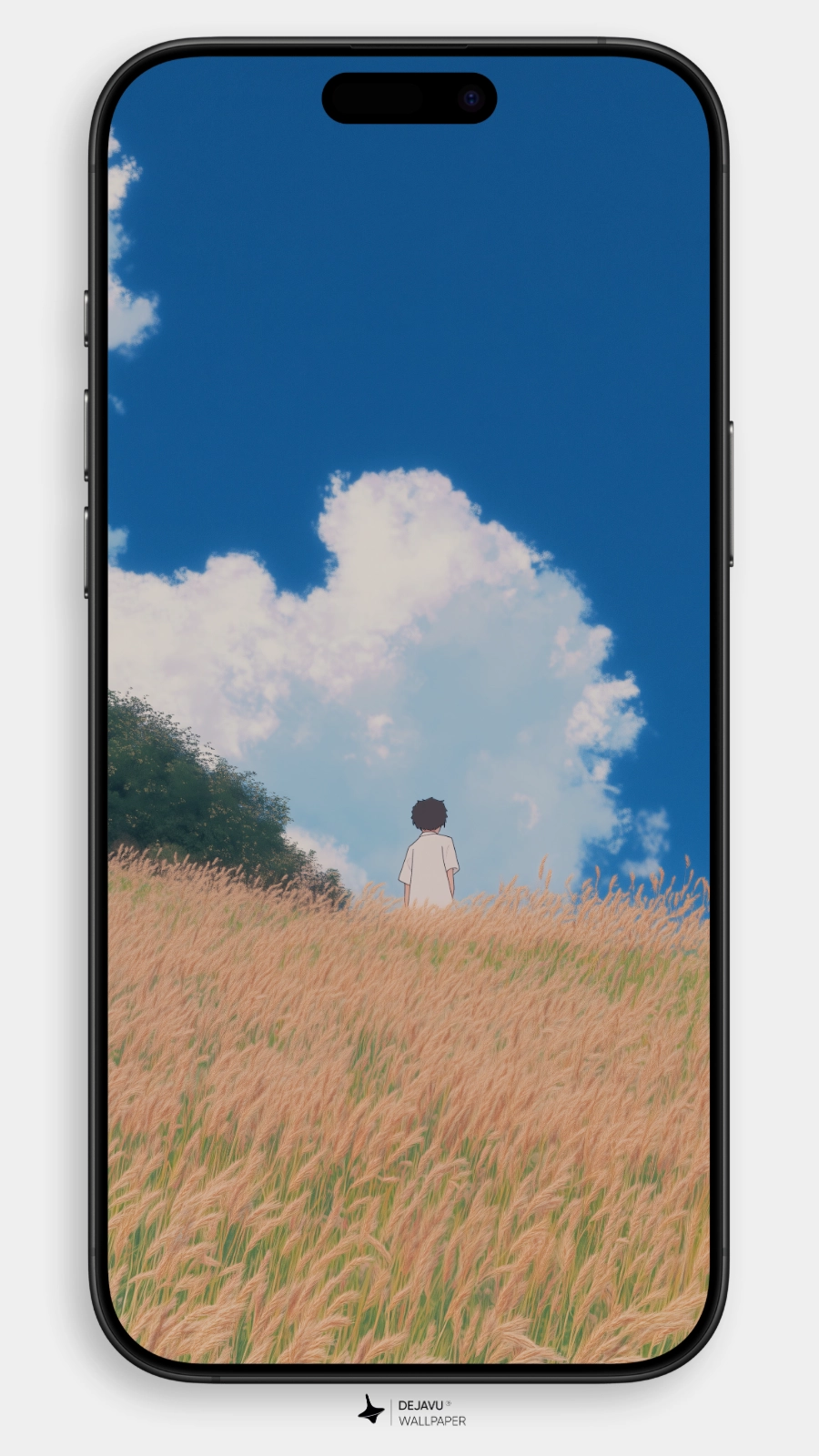
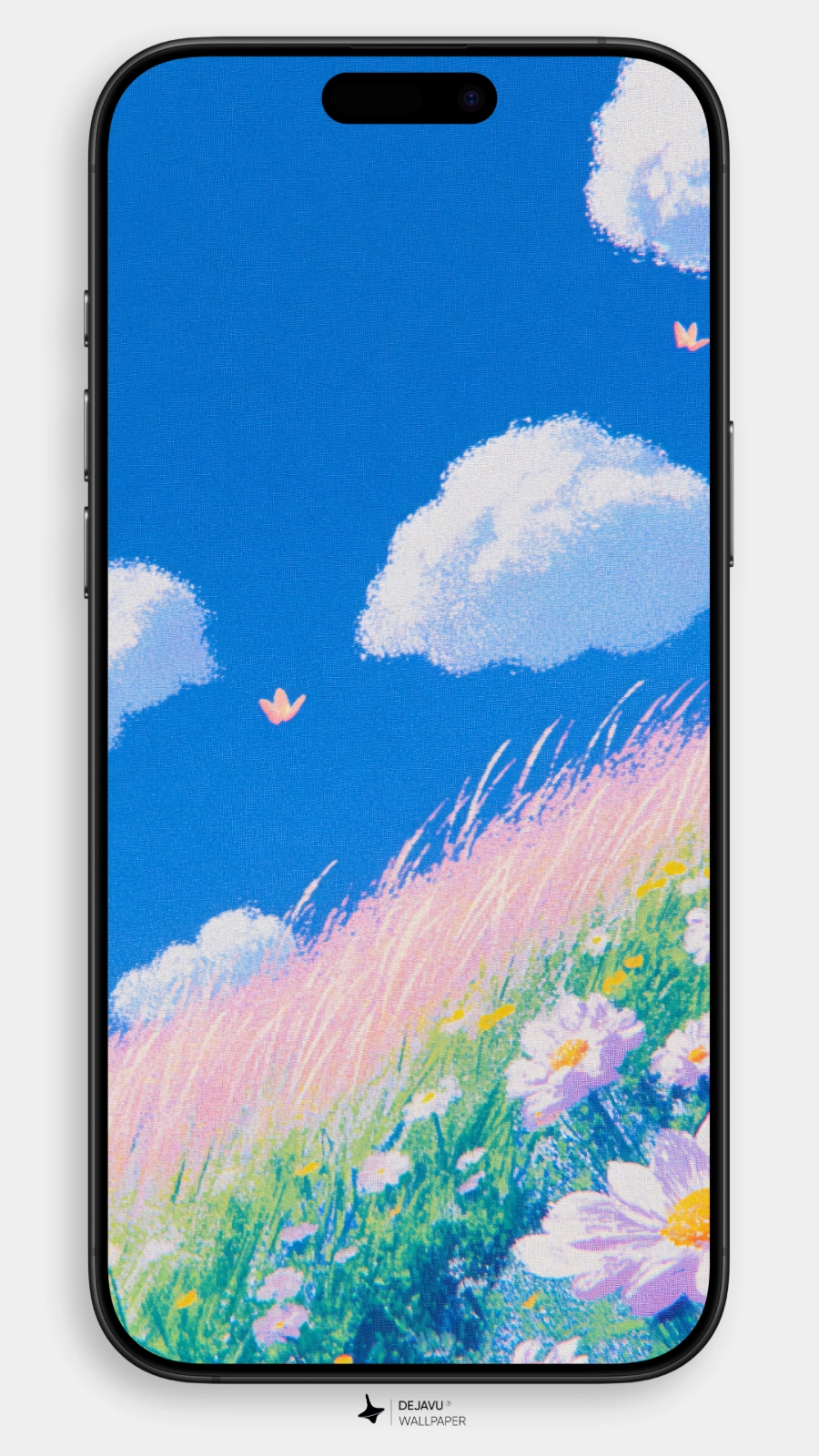

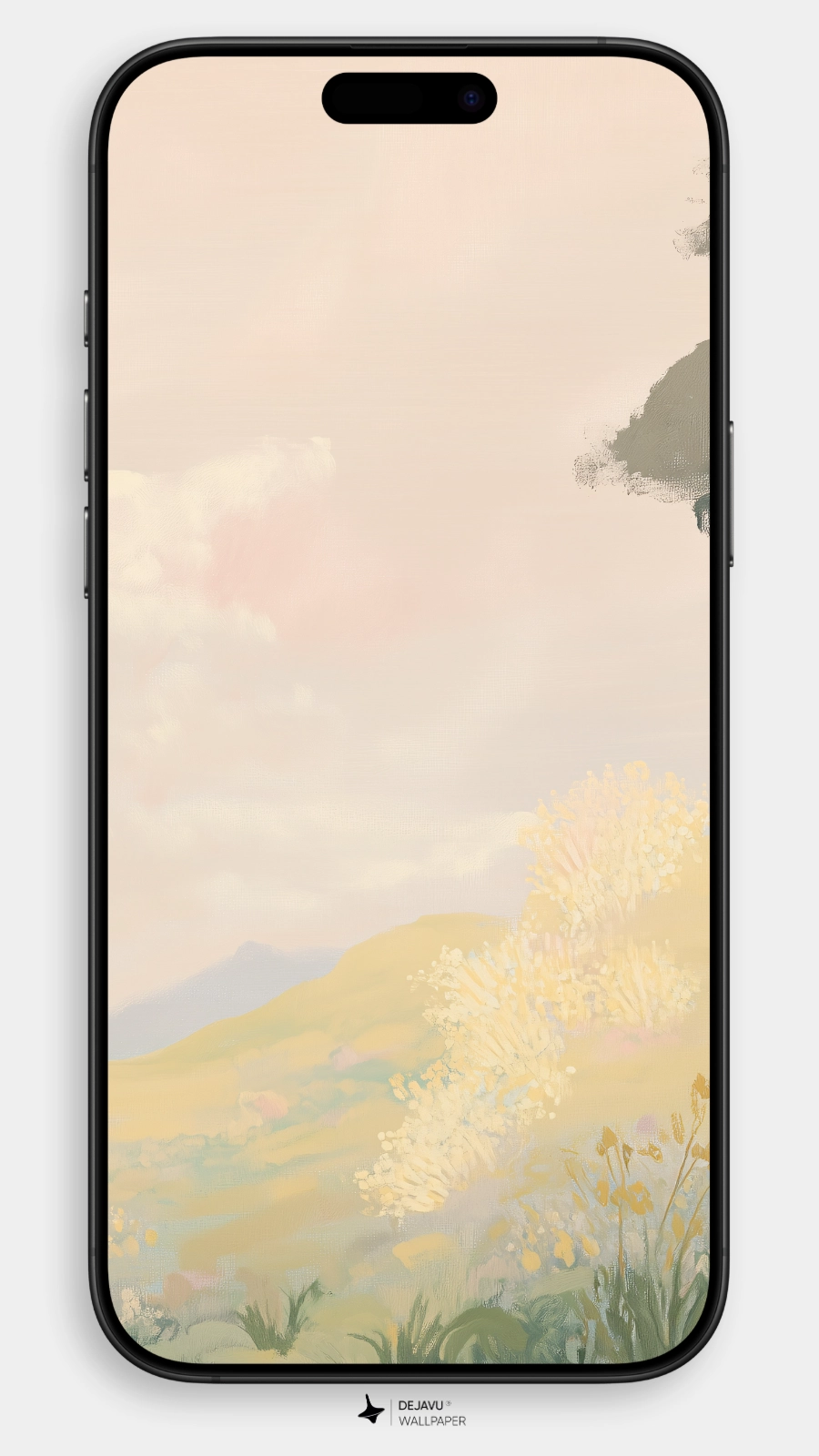


Take a stroll through surrealist illustrations, and you’ll notice a recurring theme: lone figures standing on mountaintops, grassy fields, or riverbanks, all facing away from the viewer. At first glance, it might seem like an artistic shortcut—skip the facial details, save some effort! But this composition actually traces back to 19th-century German Romantic painter Caspar David Friedrich. His famous painting Wanderer Above the Sea of Fog introduced the idea of “viewing the viewer from behind.” This clever trick doesn’t just show a person staring into the unknown—it invites you to step into their shoes and gaze alongside them.
Why Is Nature Always the Backdrop in Surrealist Art?
Look closely at these illustrations, and you’ll see forests, skies, fields, and clouds dominating the scene, while the human figure appears tiny in comparison. This isn’t just an aesthetic choice—it’s a way of bending reality. Salvador Dalí used melting clocks to distort time, while modern illustrators use winding paths, floating islands, and endless landscapes as metaphors for the subconscious mind.
Carl Jung, the famous psychologist, believed that nature in dreams reflects shared human emotions. So when you see a path in an illustration, it’s not necessarily leading somewhere—it might actually be leading back.
Are Those “Lonely” Figures Really Alone?
Many of these solitary figures seem lost in their own world—but what if they actually represent all of us? In sociology, there’s a concept called “collective individual behavior.” Think of a subway full of people staring at their phones—each lost in their own screen, yet all part of the same unspoken rhythm.
Illustrations often capture this paradox. The character in the artwork might be you, me, or anyone who has ever faced an important decision. Even in Studio Ghibli films, protagonists frequently turn their backs to the audience, looking out into vast landscapes. It’s not isolation—it’s a shared moment of contemplation.
Is Surrealist Illustration Just a Visual Illusion?
Absolutely! These artworks blend multiple layers of perception—flat, dreamy backgrounds mixed with three-dimensional depth and even the cinematic feel of an animated storyboard. Sometimes, they look like paintings. Other times, they resemble photos, movie posters, or even memories from a dream.
Early surrealists like René Magritte loved to play with this visual deception. A floating hat, a door that opens into the ocean—these elements question what’s real and what’s imagined. Today’s illustrators carry on this tradition, using modern tools to make us wonder, “Am I seeing reality, or just its shadow?”
Surrealist illustrations aren’t just about looking beautiful—they’re about making you look twice. A single figure, a drifting cloud, a winding road—they could mean nothing, or they could mean everything.