
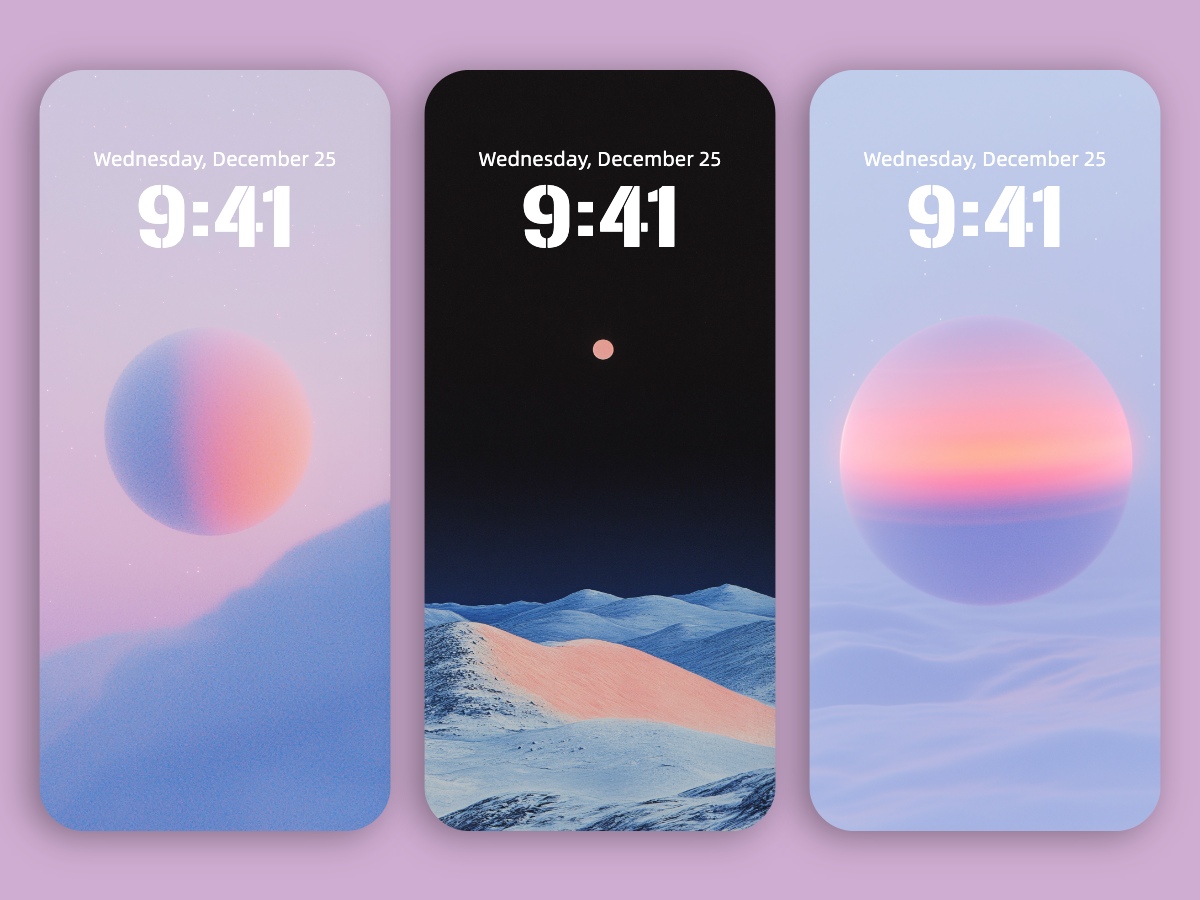
Not all planets play by the rules—and now, neither does your phone wallpaper! Dive into the cosmic oddities with The Planets That Don’t Act Like Planets 8K minimal phone wallpapers, made for both iPhone and Android. These aren’t your average space-themed backgrounds. We’re talking about gas giants that rain glass, planets that orbit backward, and rogue worlds drifting with no star in sight. Each wallpaper is a clean, sleek tribute to the universe’s most bizarre celestial bodies, perfect for science lovers, space geeks, and anyone who vibes with the weird side of the cosmos. The minimalist style keeps your home screen looking sharp and modern, while the 8K resolution ensures every mysterious swirl and shadow pops with crisp, galactic detail. So if you’re ready to ditch boring Earth vibes and embrace the wonderfully strange corners of the universe, this is your signal from the stars. Download now and make your phone a portal to the weirdest worlds out there!
You can download all these wallpapers on Dejavu Wallpaper!
Experience the magic of AI in advance! Let the infinite imagination of AI decorate your screens, bring you fresh delights every day.





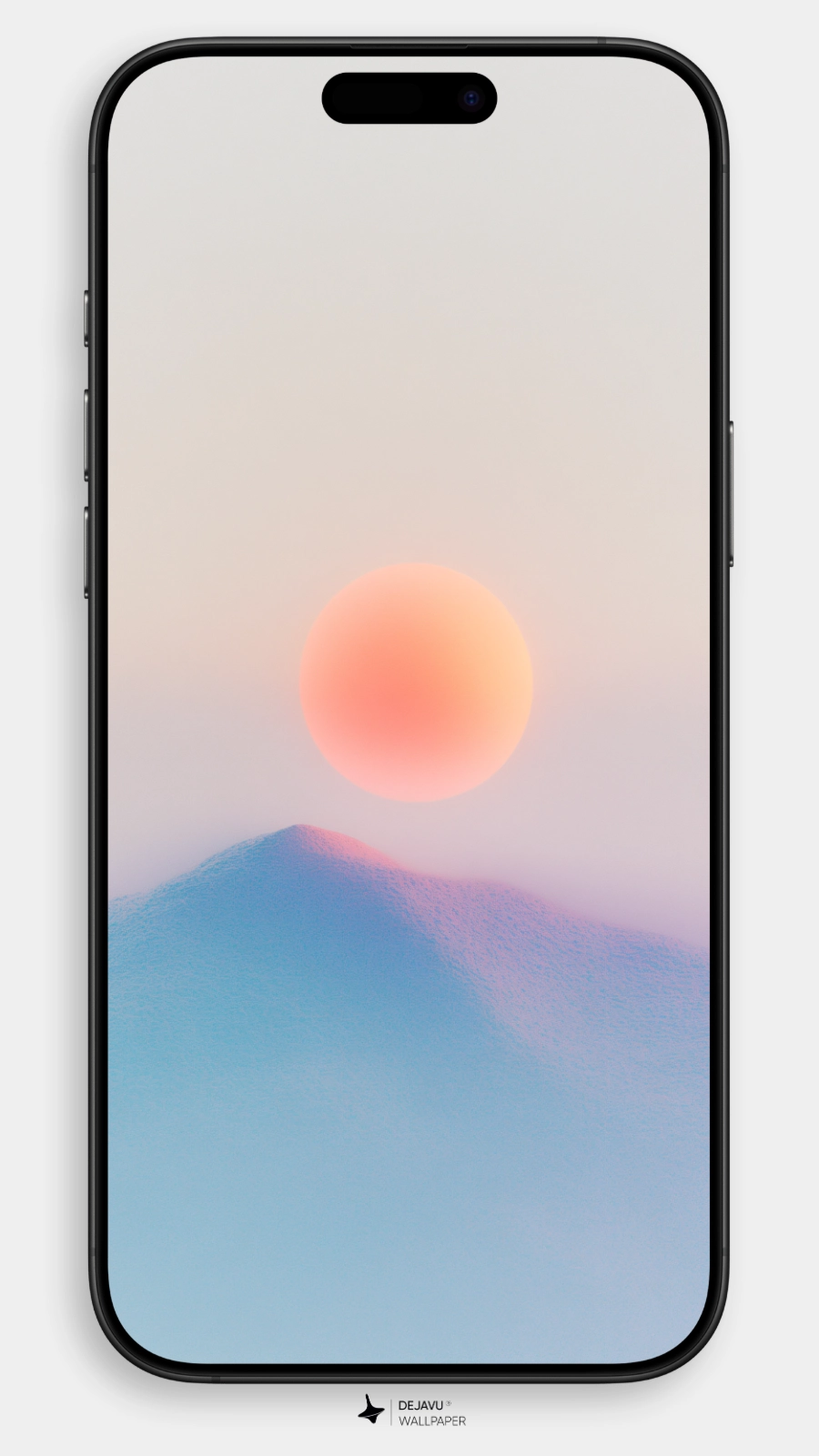
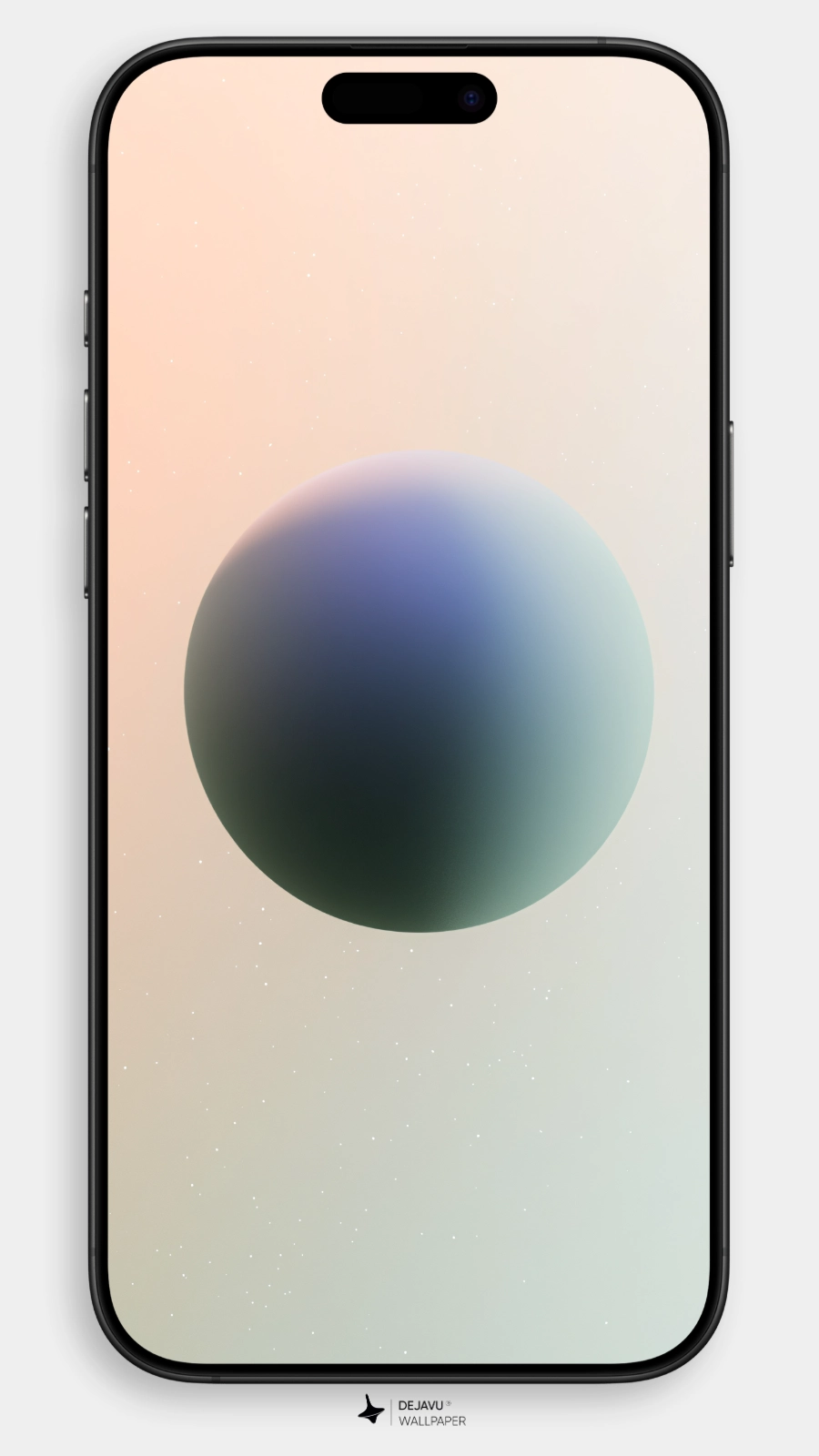
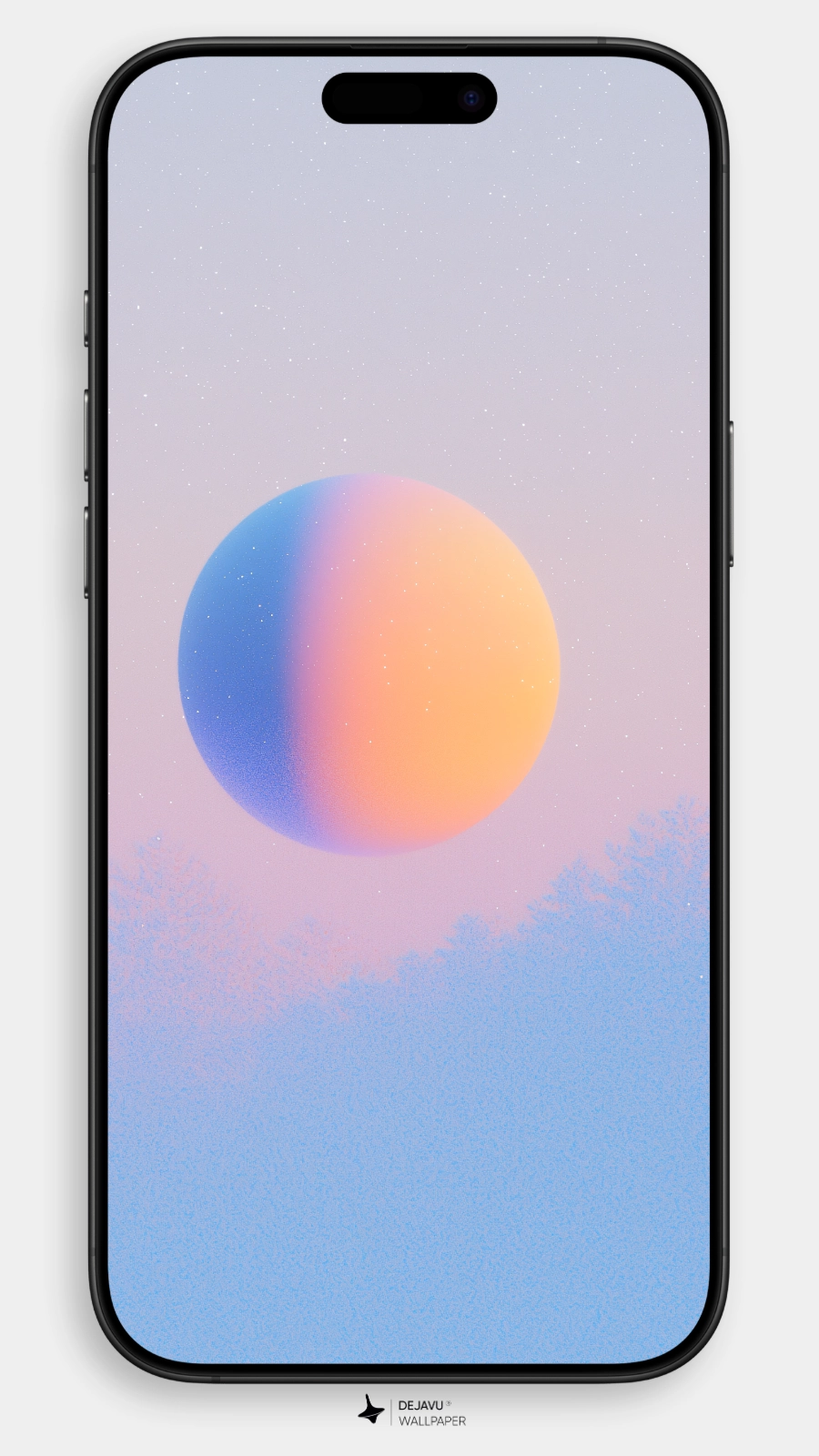
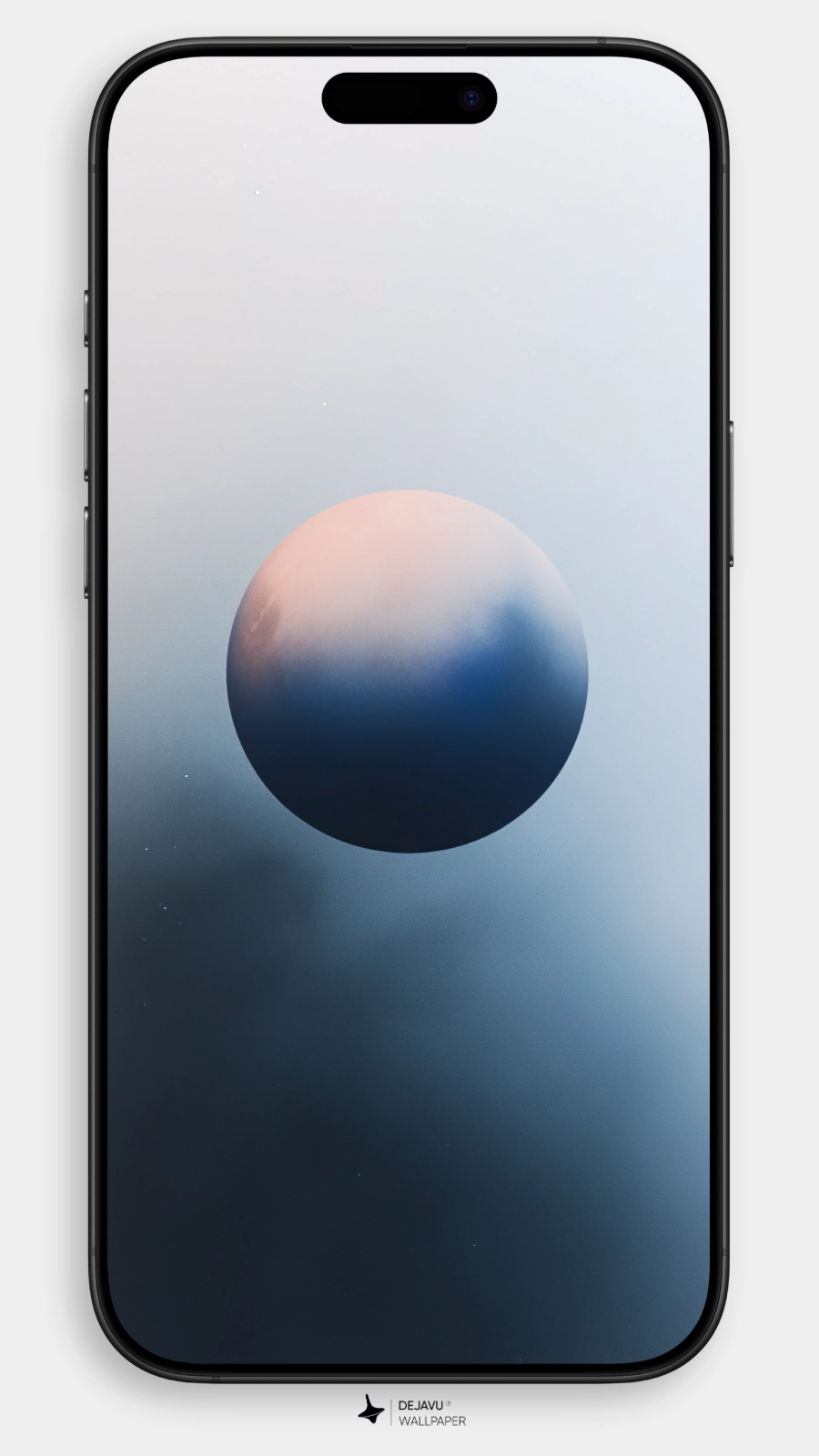







When most people hear the word “planet,” they probably think of the usual suspects from school: Mercury, Venus, Earth, Mars, Jupiter, Saturn, Uranus, Neptune. Neat little orbs, neatly lined up in a textbook. But out in the cosmic wild? Planets get weird. We’re talking swirling storms, moody colors, chaotic orbits — some even look like they belong in a dreamscape more than a science journal.
Wait, what is a planet anyway? Scientists have been arguing for years.
Believe it or not, the definition of “planet” isn’t as solid as you’d think. In 2006, poor Pluto got booted from the official list because it hadn’t cleared its orbit of other debris. That technicality stirred up plenty of drama — and also opened our eyes to the possibility of thousands of other “planet-like” objects floating around. They might be weirder than your average planet, but science just hasn’t figured out what to call them yet.
Are there real planets that look like art pieces?
Oh, absolutely. Take HD 189733b — this faraway exoplanet, about 63 light-years from Earth, is covered in glassy silicate storms and looks like a stunning blue marble. Beautiful? Yes. But those winds can hit 5,000 miles per hour, so not exactly vacation material. Then there’s WASP-12b, which is slowly being devoured by its star. It’s wrapped in inky gas and dubbed “the darkest planet ever.” Moody vibes? 10/10.
Why do some planets just… wander around without stars?
Meet the “rogue planets” — cosmic loners with no star to call home. They were likely kicked out of their original planetary systems and now drift through the darkness like interstellar tumbleweeds. No sunrises, no sunsets, just eternal night. Yet scientists think some of these wanderers might have hidden oceans beneath their crusts — maybe even signs of life. Mysterious and dramatic.
Are there really pink planets out there?
Yes, and they’re fabulous. GJ 504b is a real-life pink planet — a giant one, no less — glowing with a soft blush hue thanks to methane and dusty particles in its atmosphere. It reflects light in a way that gives it a cotton-candy color. It’s like the universe took a break from being vast and cold to say, “Hey, here’s something pretty.”
So… can we move to any of these wild worlds?
Don’t pack your bags just yet. Most exoplanets are, frankly, terrible for human life — think scorching heat, deadly radiation, or no breathable atmosphere. But some “super-Earths” like Kepler-452b look a little more promising. They might have liquid water and solid ground — but they’re also hundreds of light-years away. So, unless someone invents warp speed, it’s more of a “maybe someday” situation.
From glow-in-the-dark giants to rogue worlds on the run, space is bursting with planets that break the mold. Some feel like they belong in a sci-fi painting, others might one day be our second homes. One thing’s for sure: the universe has way more than nine planets — and they’re just waiting to be discovered, named, or even visited. Dream big — the weirdest world might still be out there.