
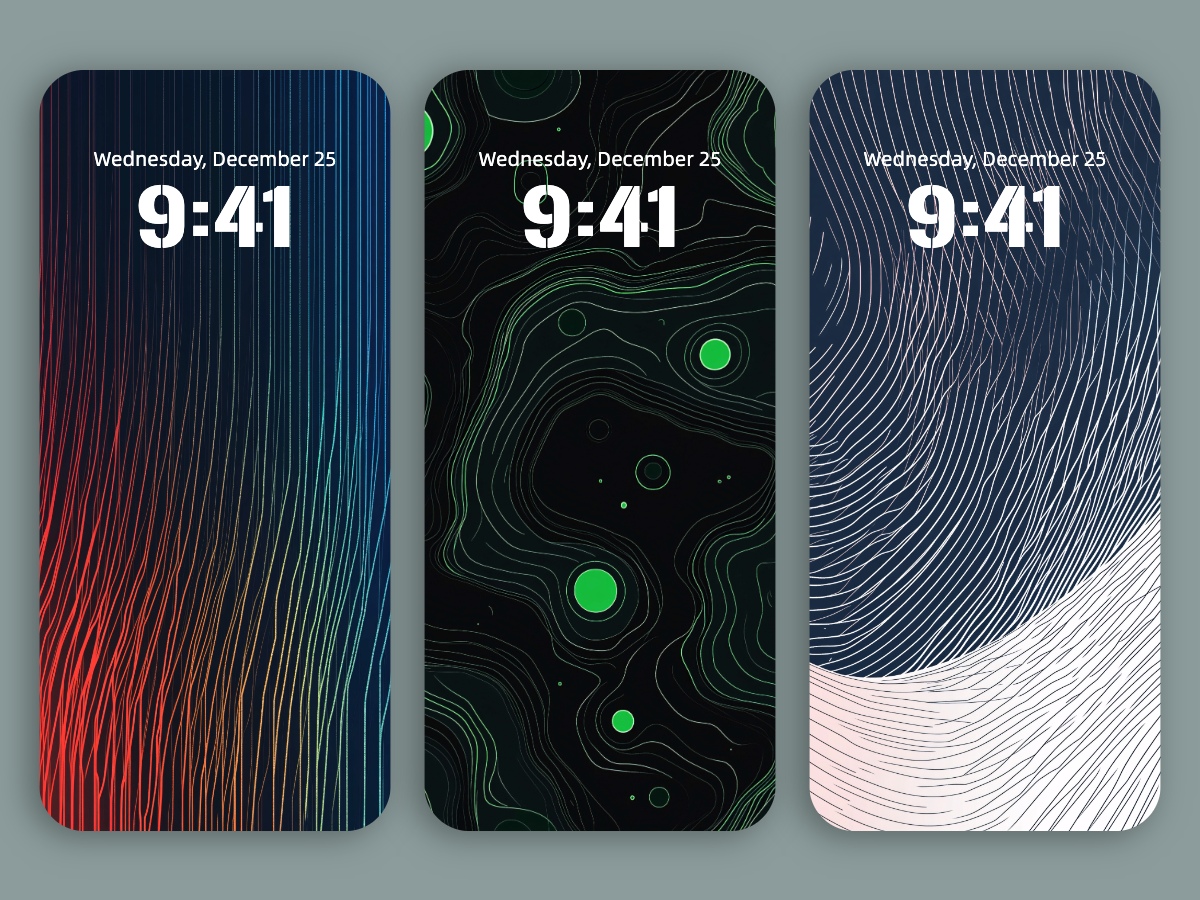
Ever wondered why topographic maps look like hypnotic maze art? Now you can carry that curious beauty in your pocket with our Topographic Map Aesthetic minimal wallpapers — available in stunning 8K for both iPhone and Android. These designs take the clean lines and layered contours of real elevation maps and turn them into sleek, modern visuals that whisper adventure. Whether you’re a nature lover, a hiker, a geography nerd, or just someone who vibes with minimal aesthetics, these wallpapers deliver earthy sophistication with a side of wanderlust. Think flowing terrain lines, soft gradients, and abstract mountain silhouettes — all stripped down to their most mesmerizing forms. Perfect for home screens that crave subtle detail and style without the visual clutter. It’s time to map your phone to a whole new level of cool — download now and get lost in the lines!
You can download all these wallpapers on Dejavu Wallpaper!
Experience the magic of AI in advance! Let the infinite imagination of AI decorate your screens, bring you fresh delights every day.




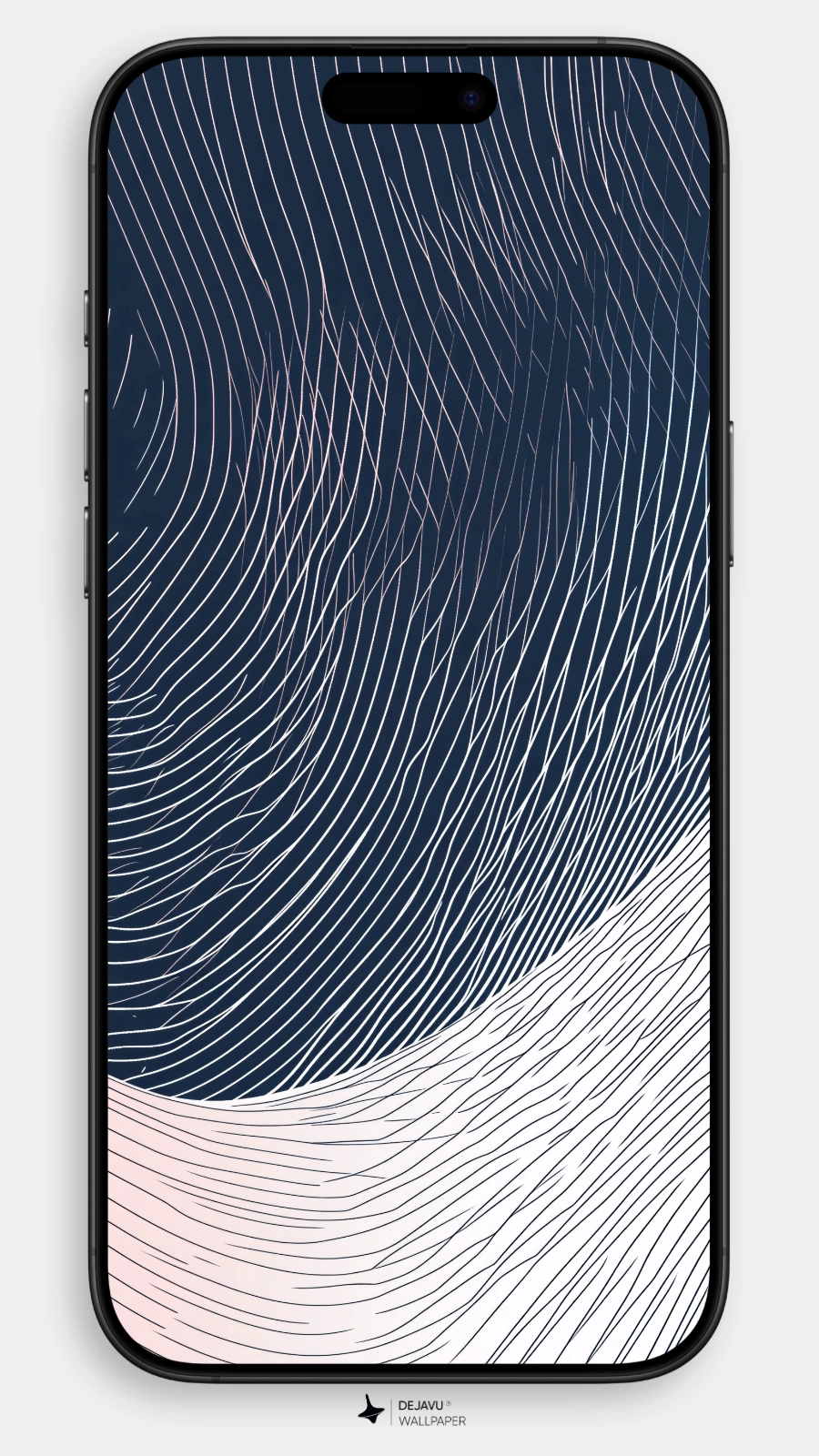

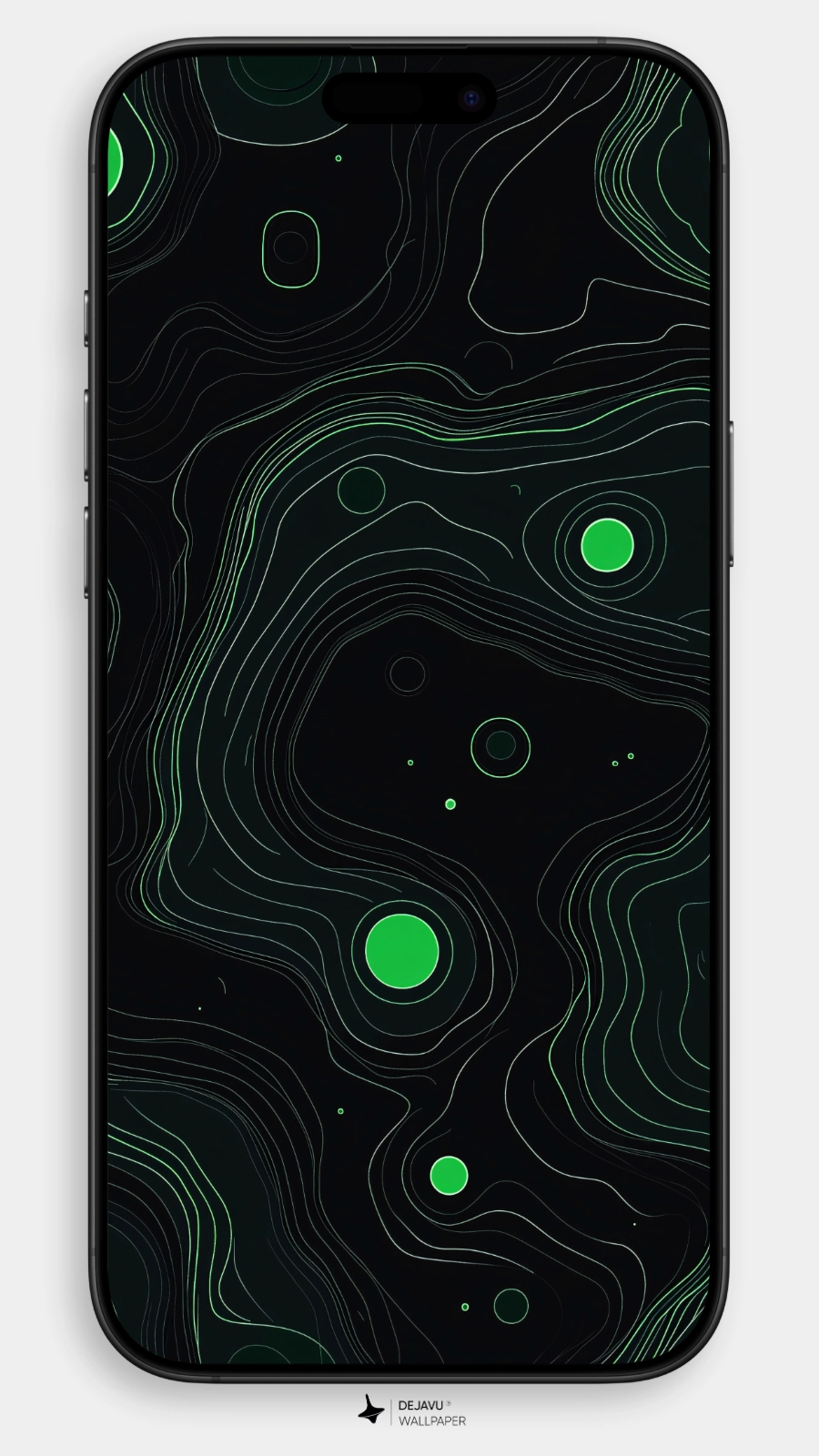
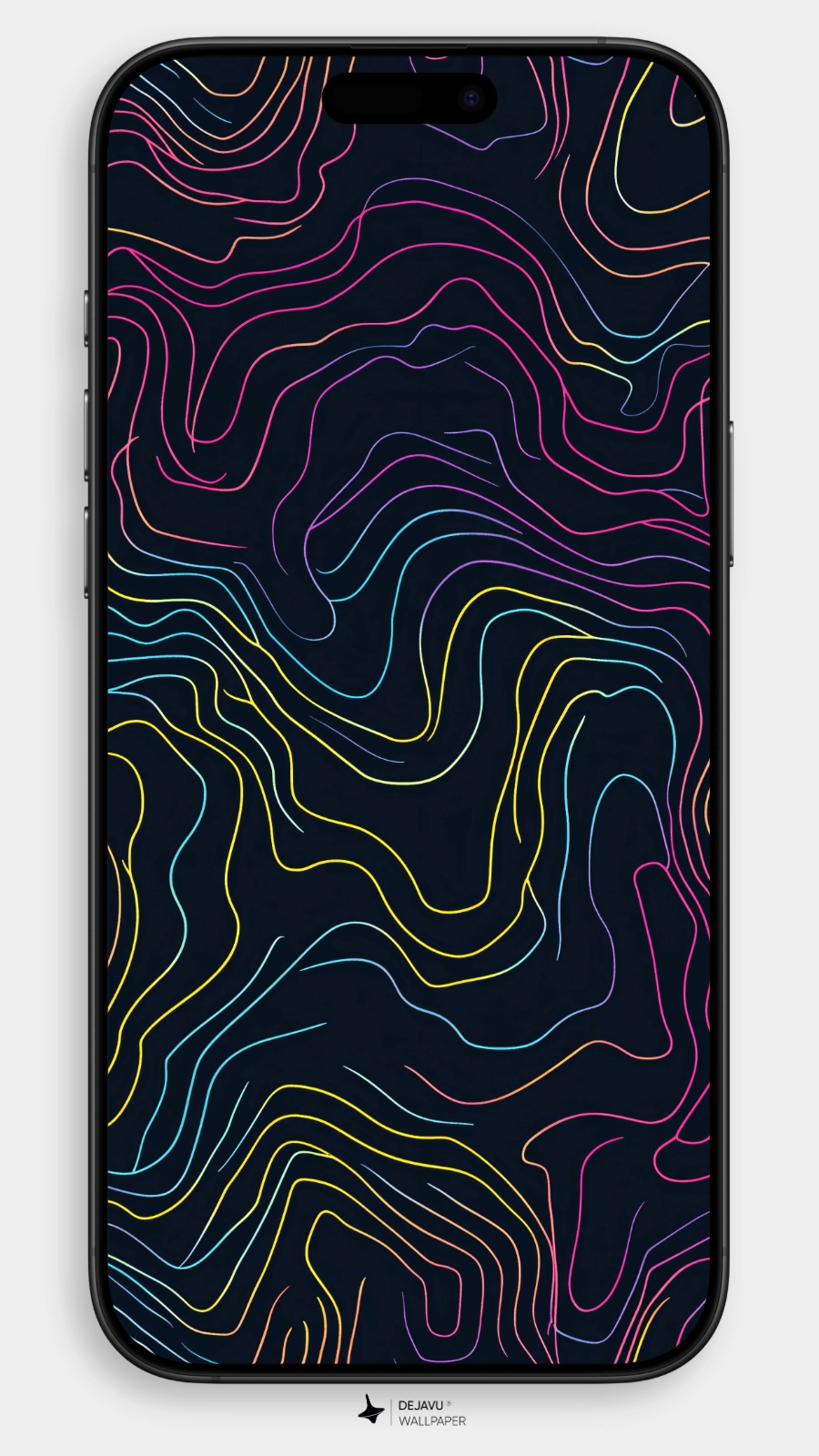

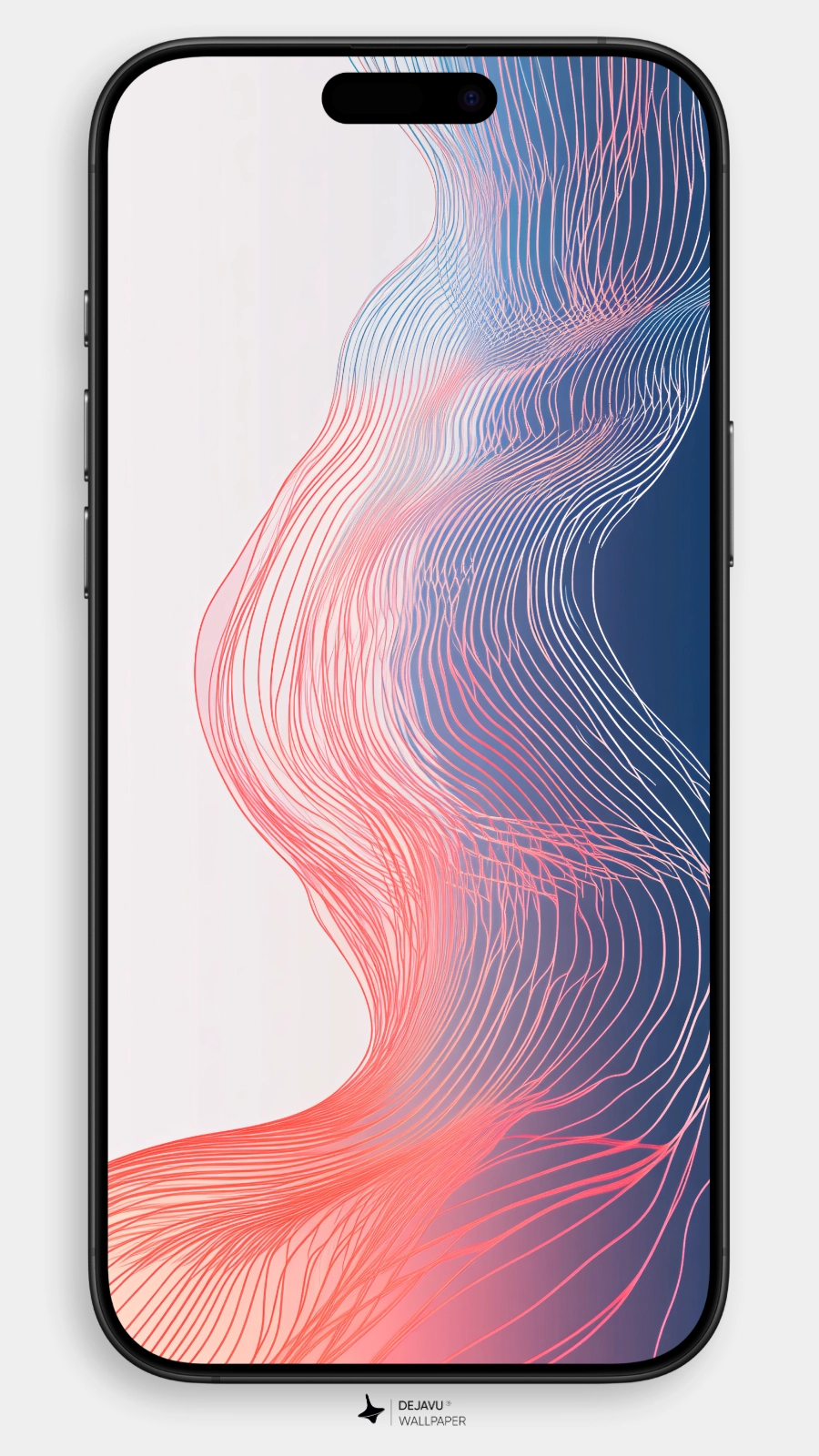
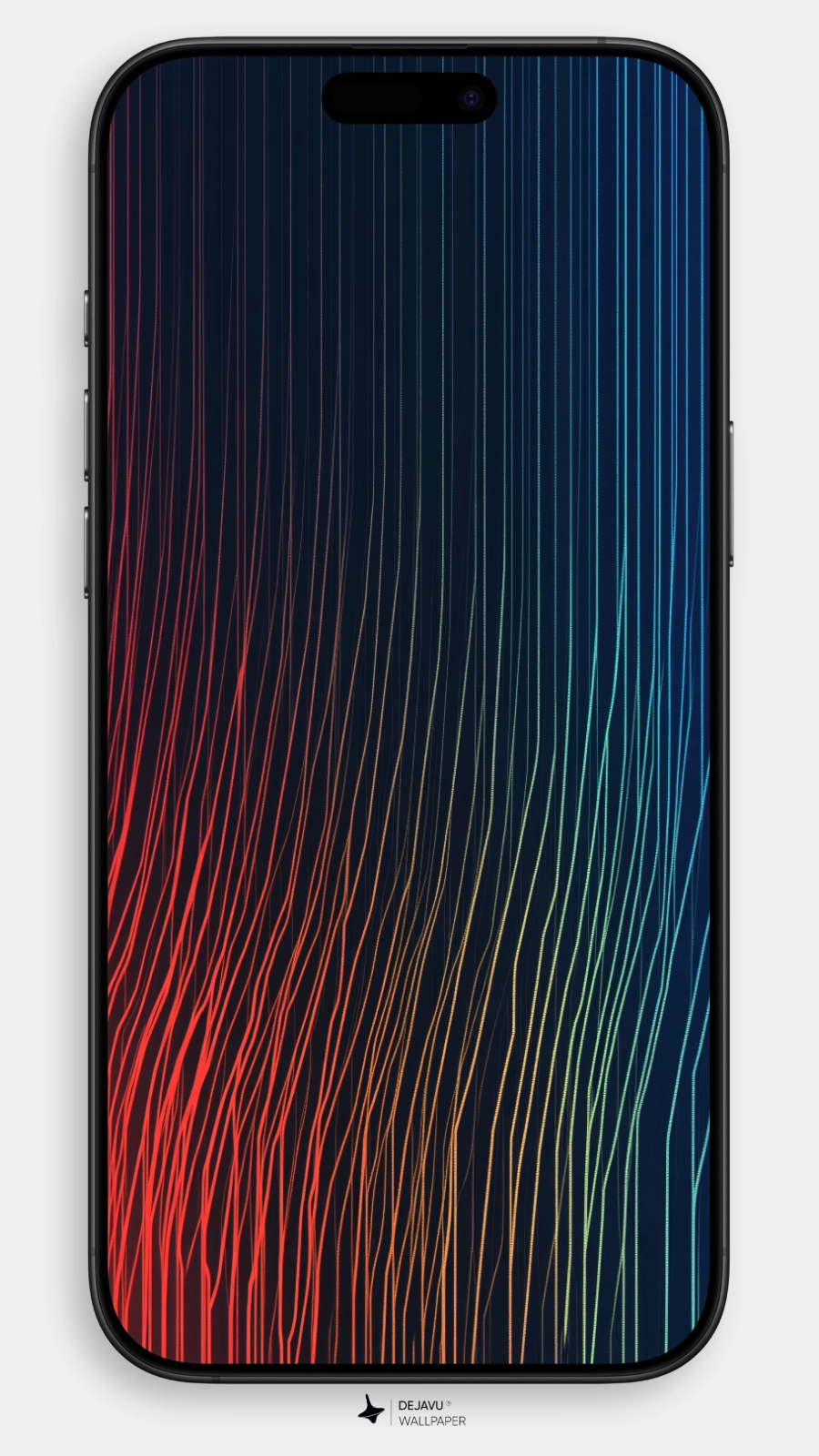
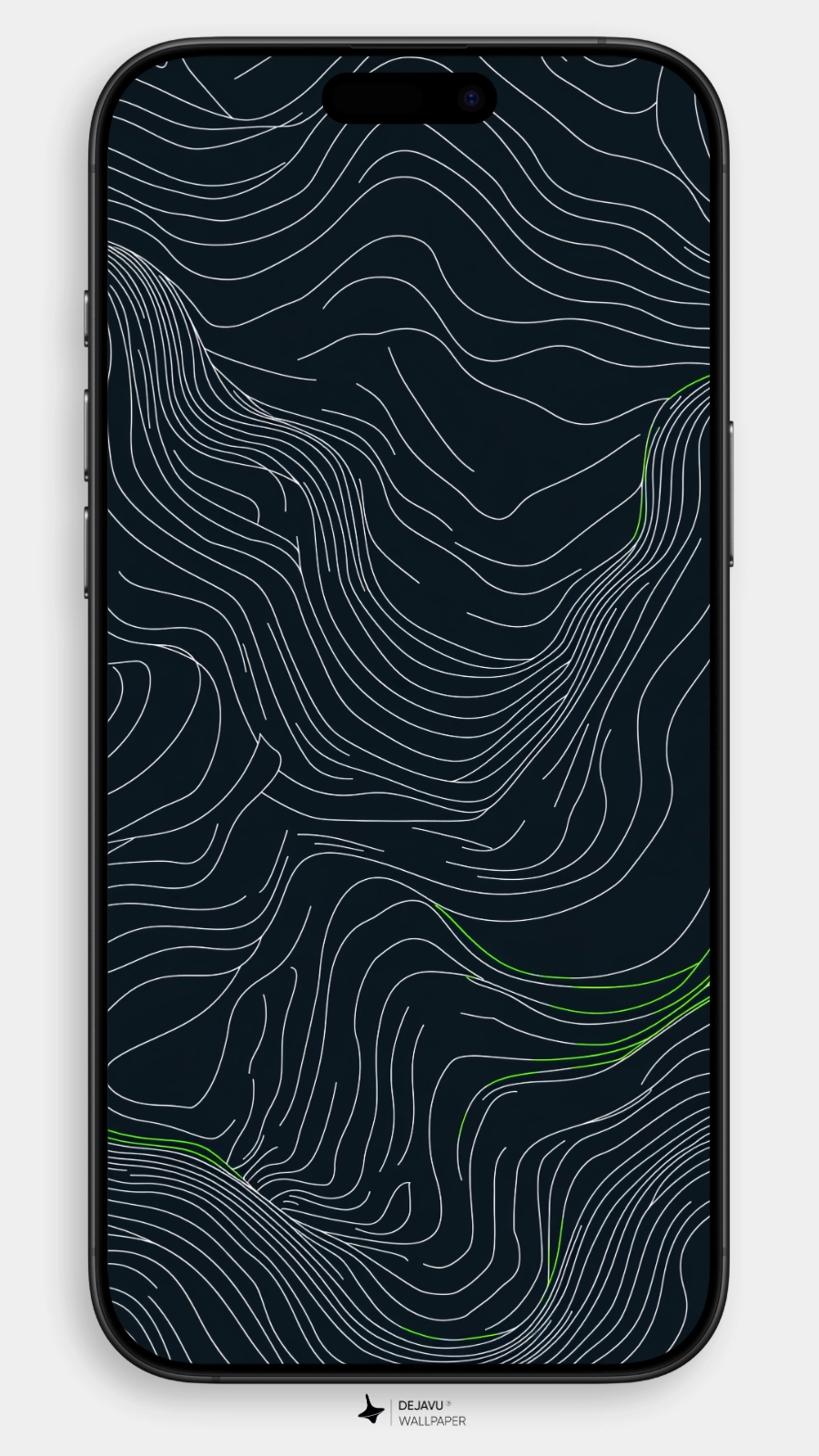
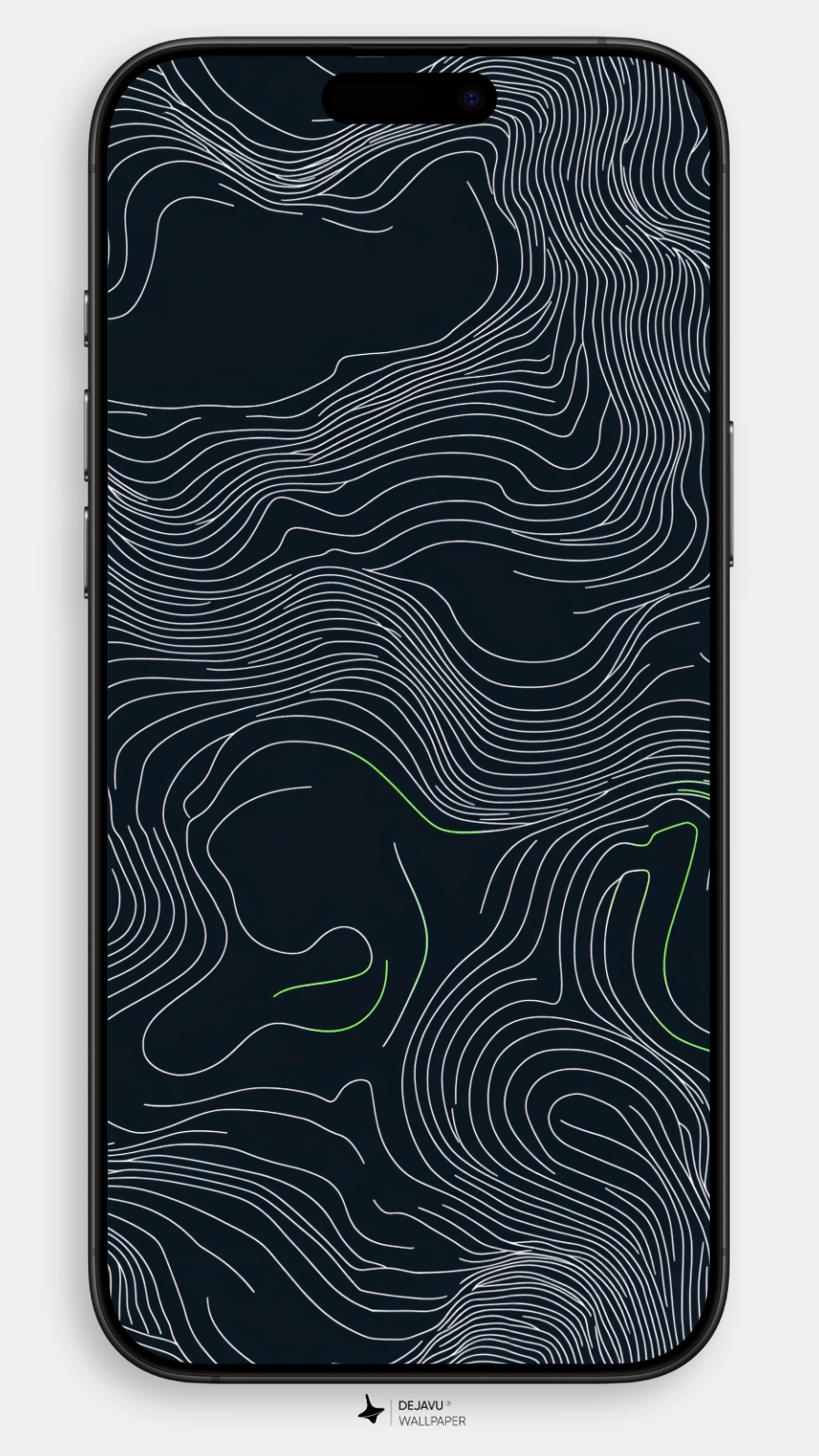
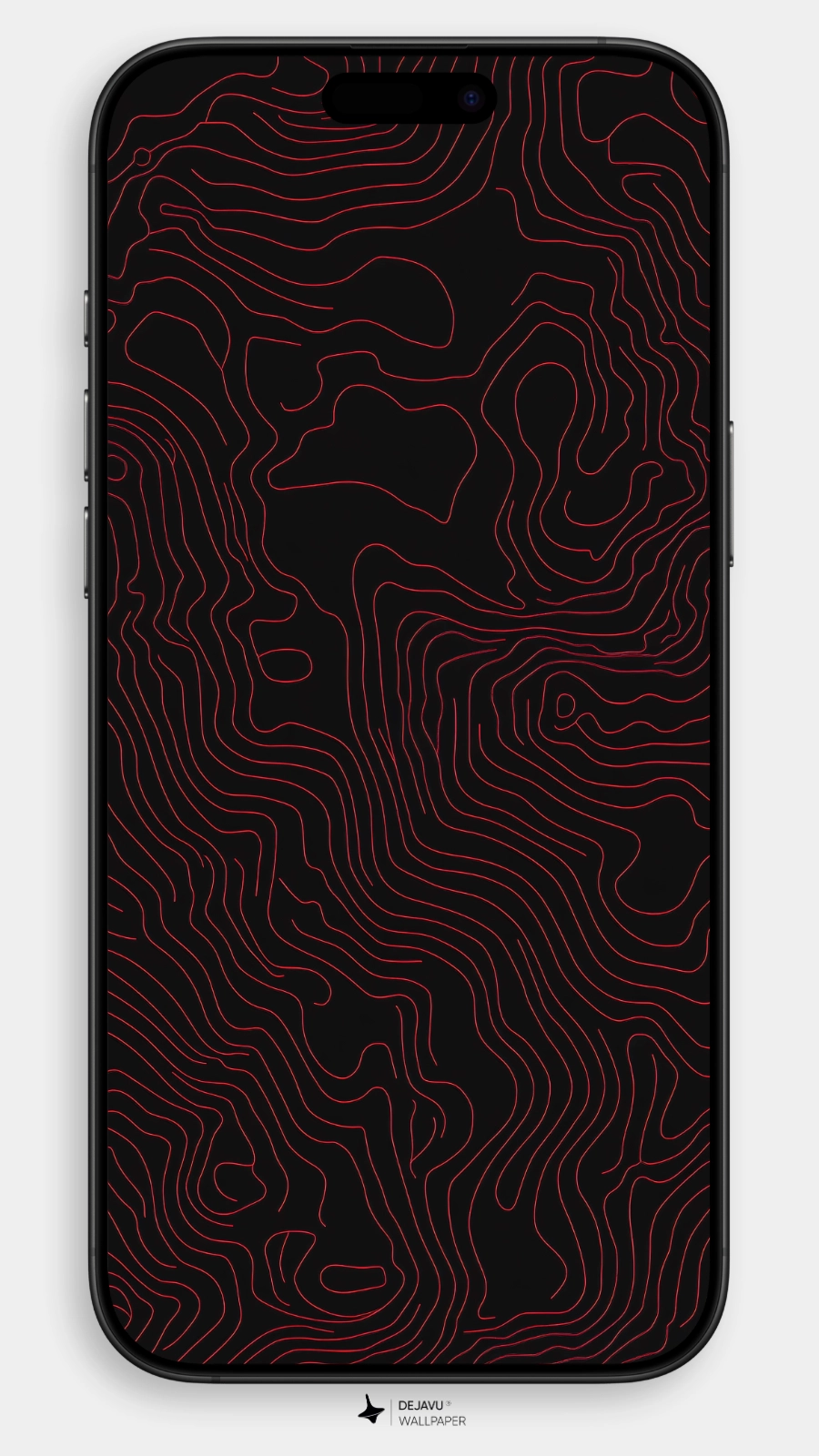
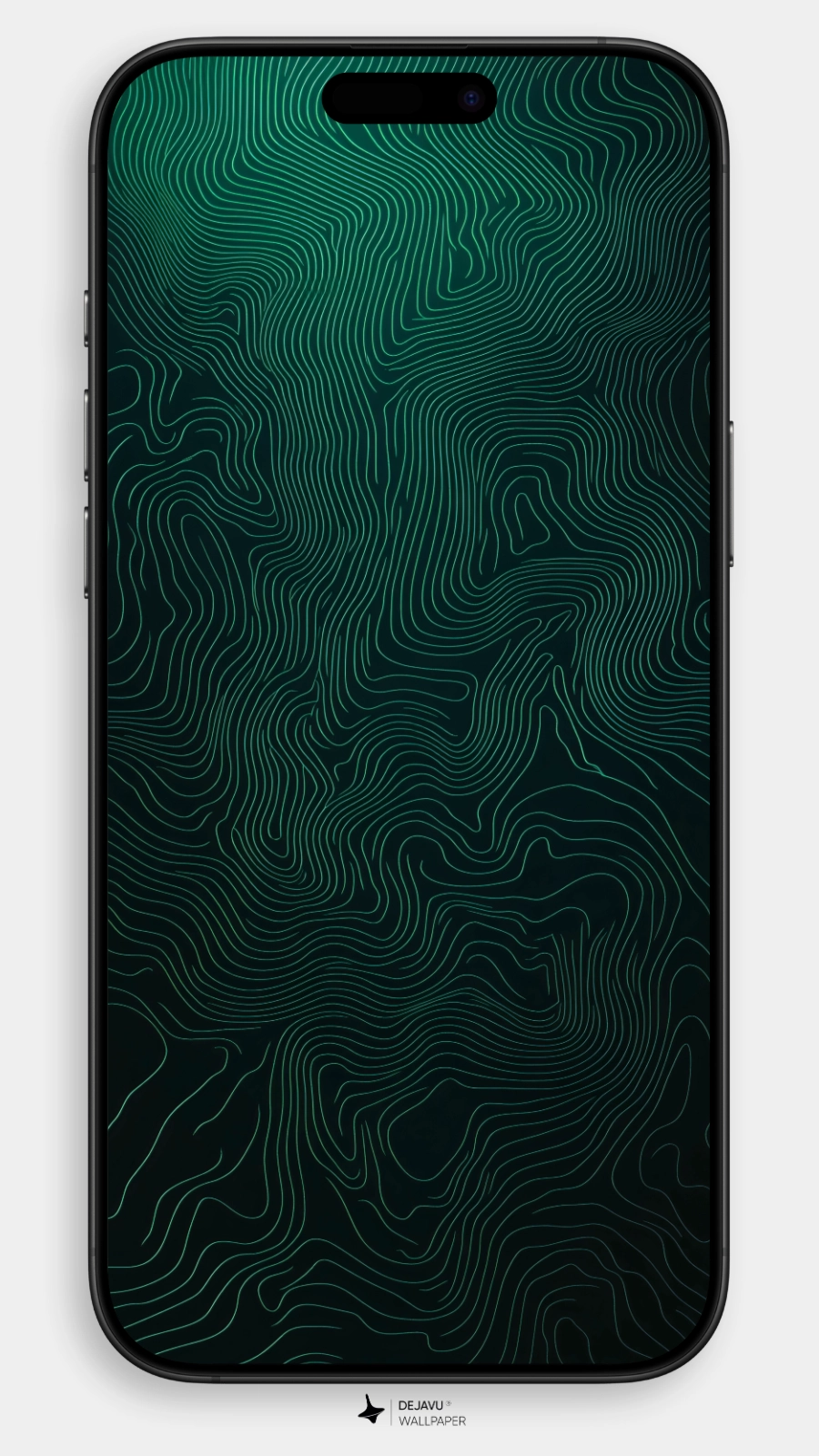
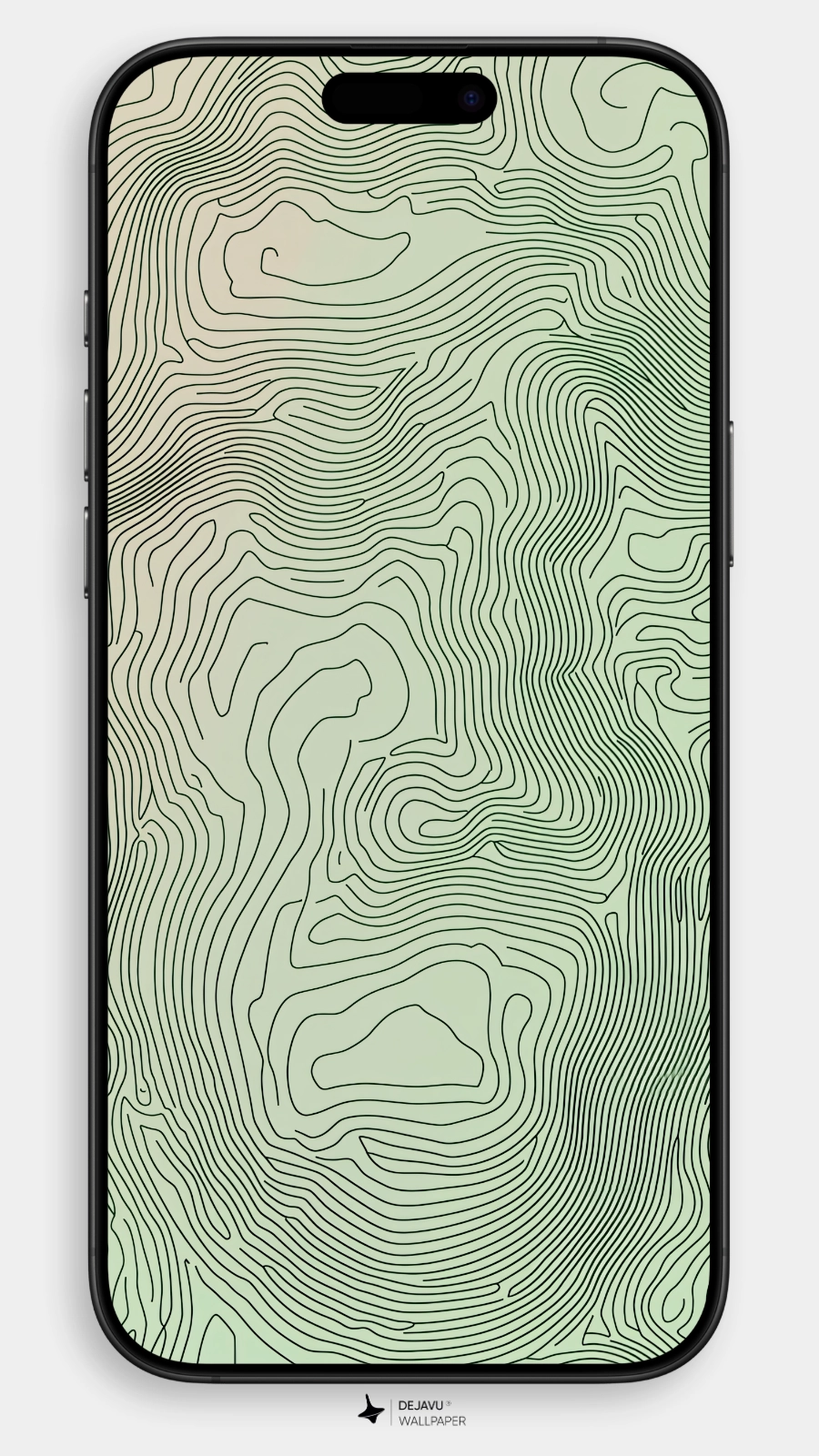
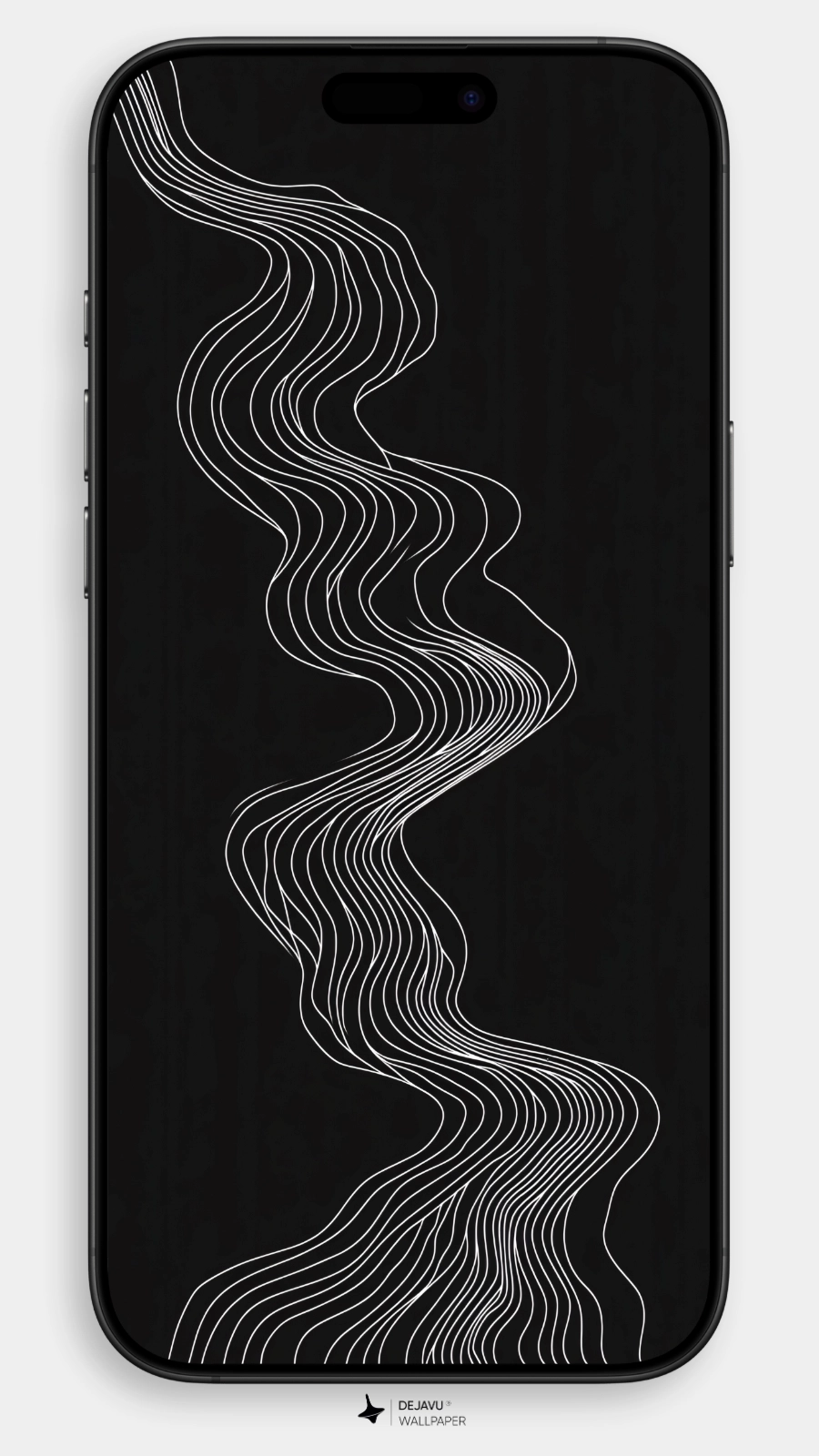
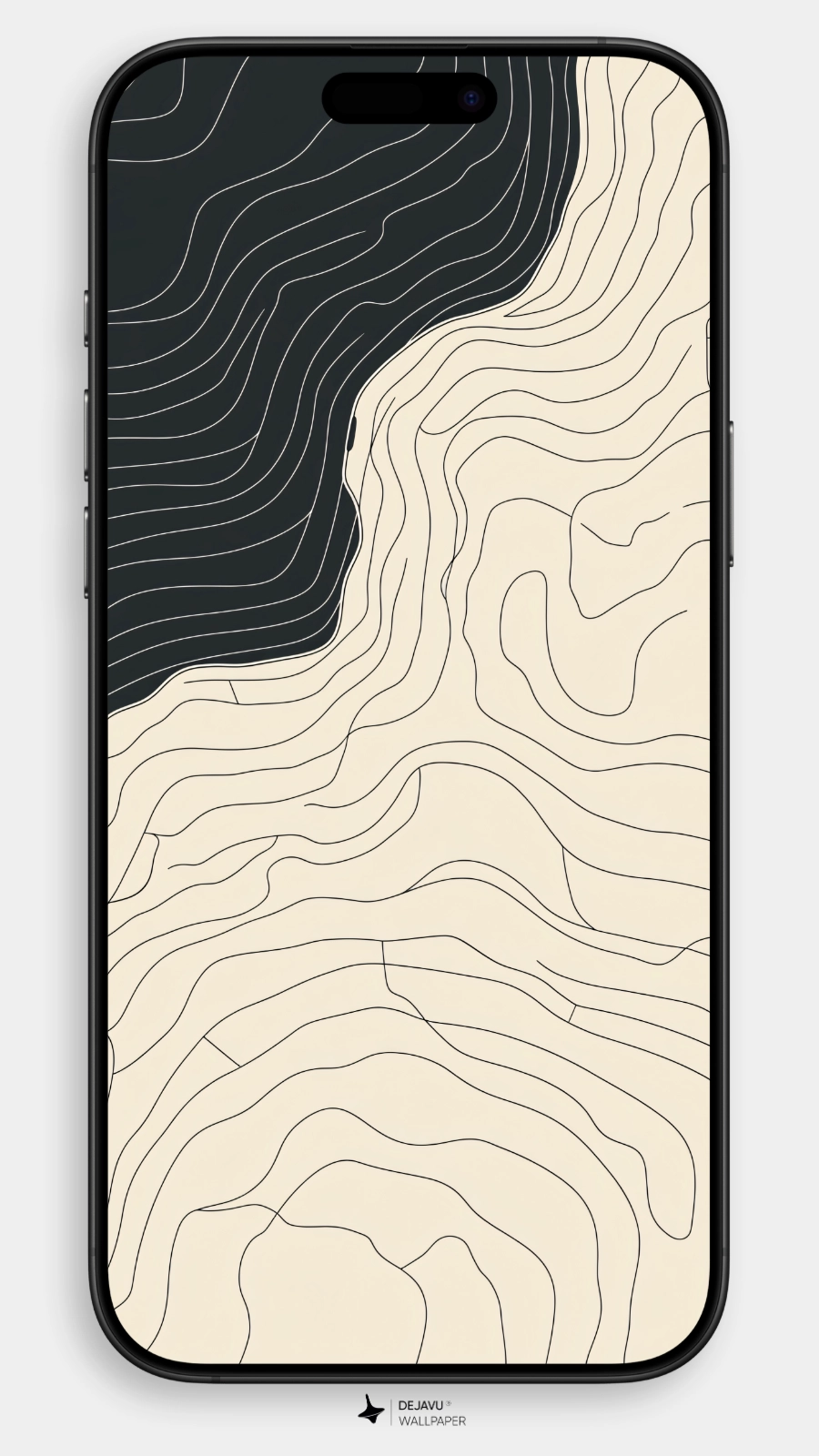

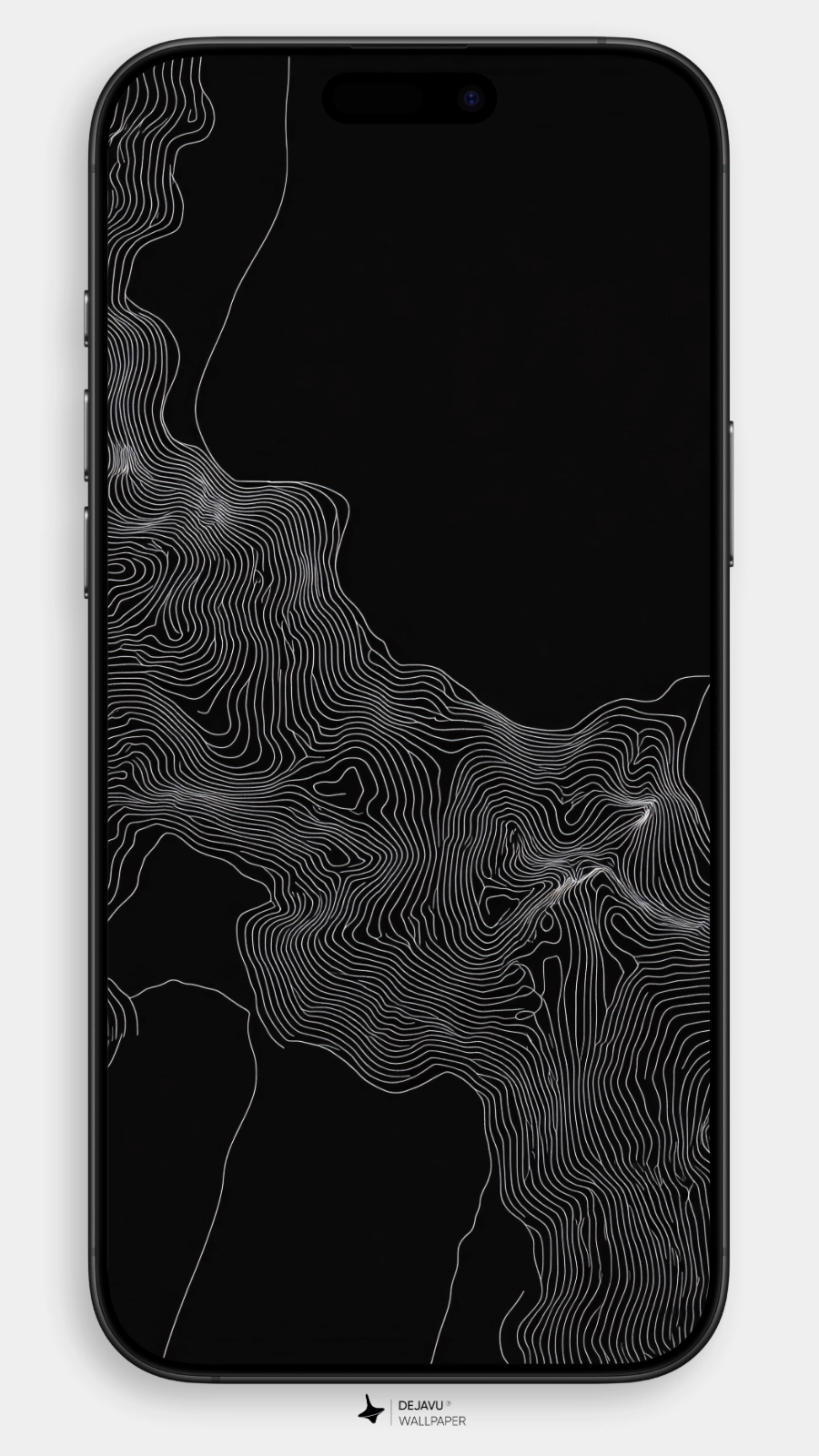
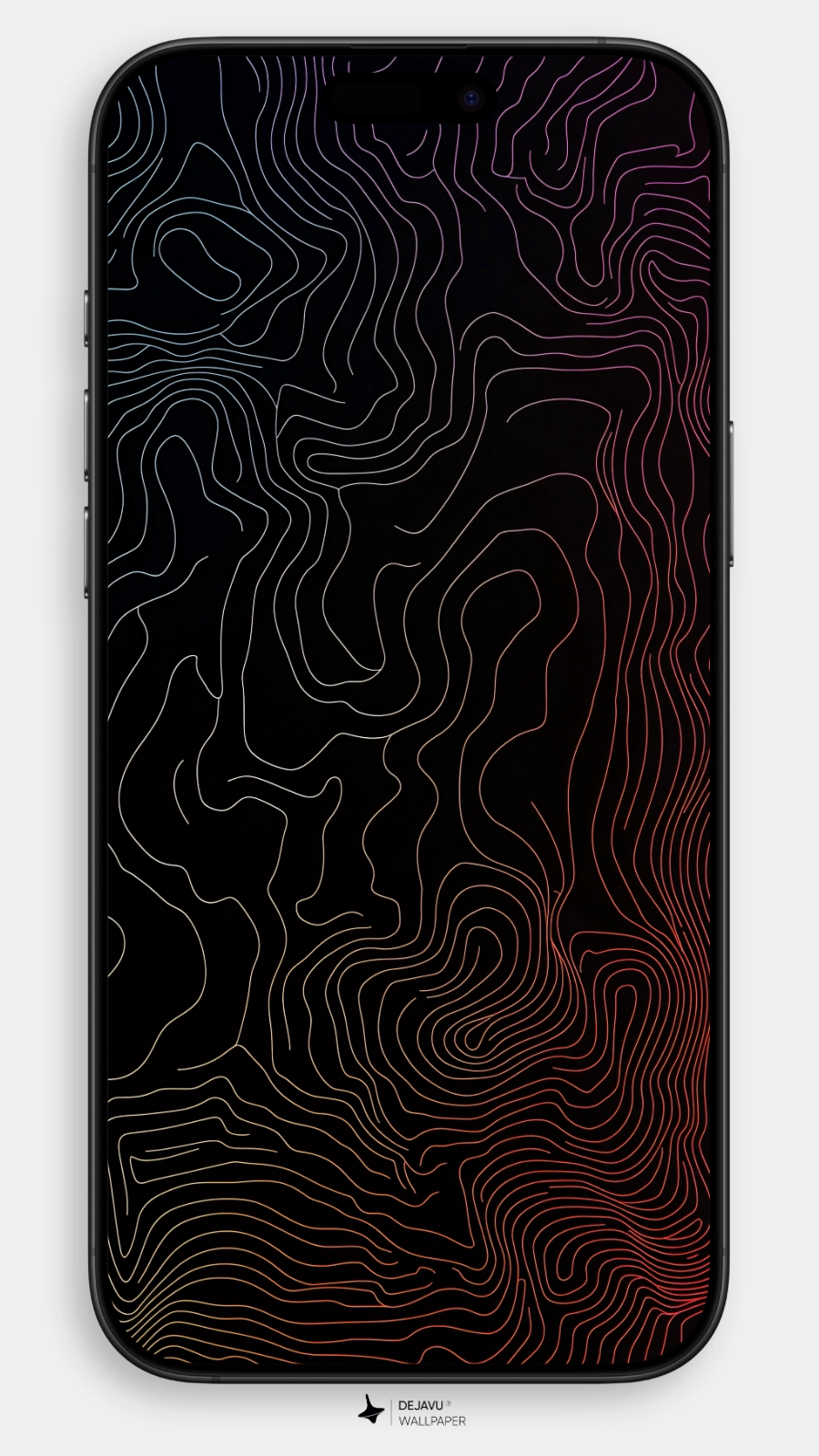
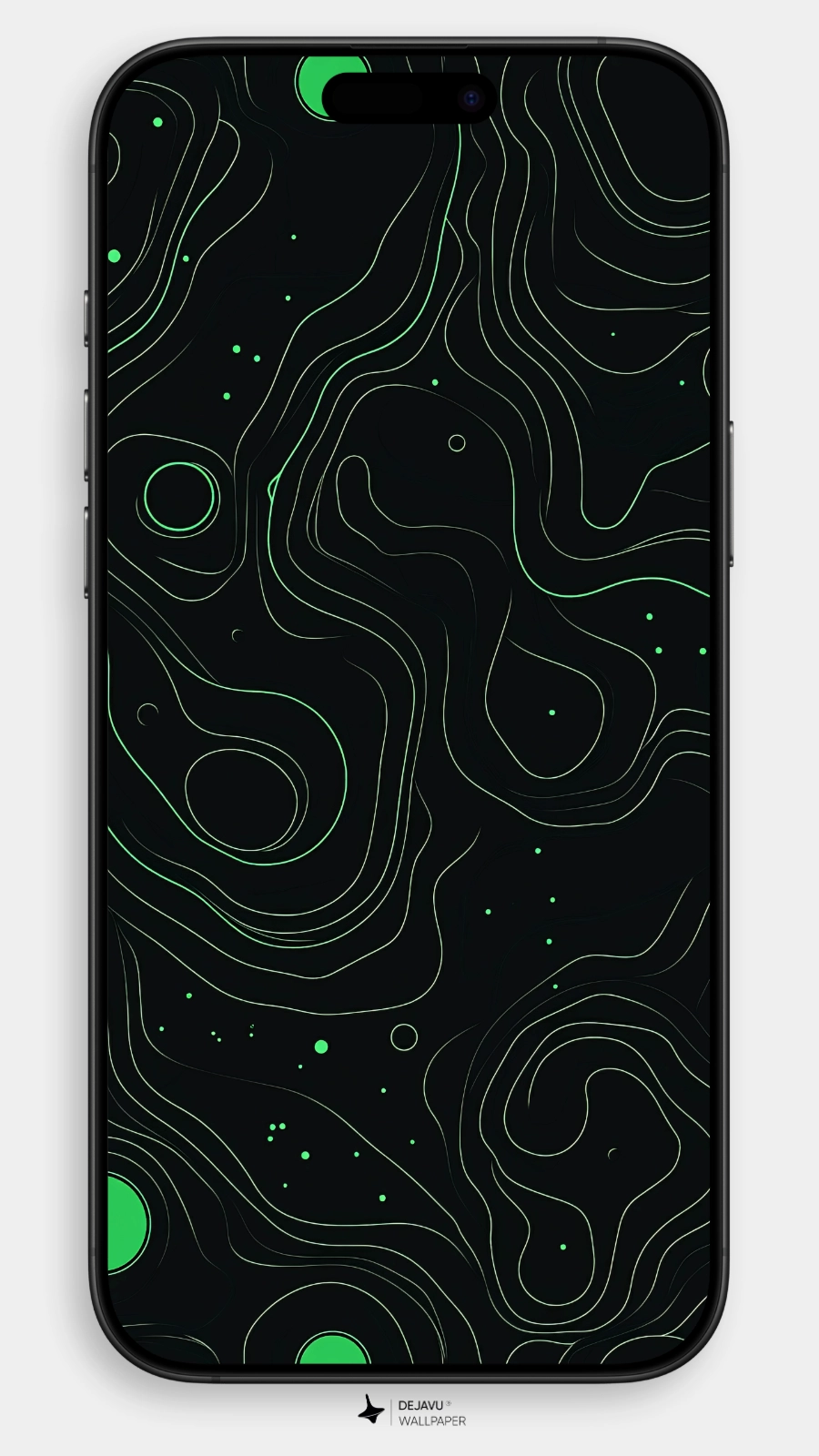
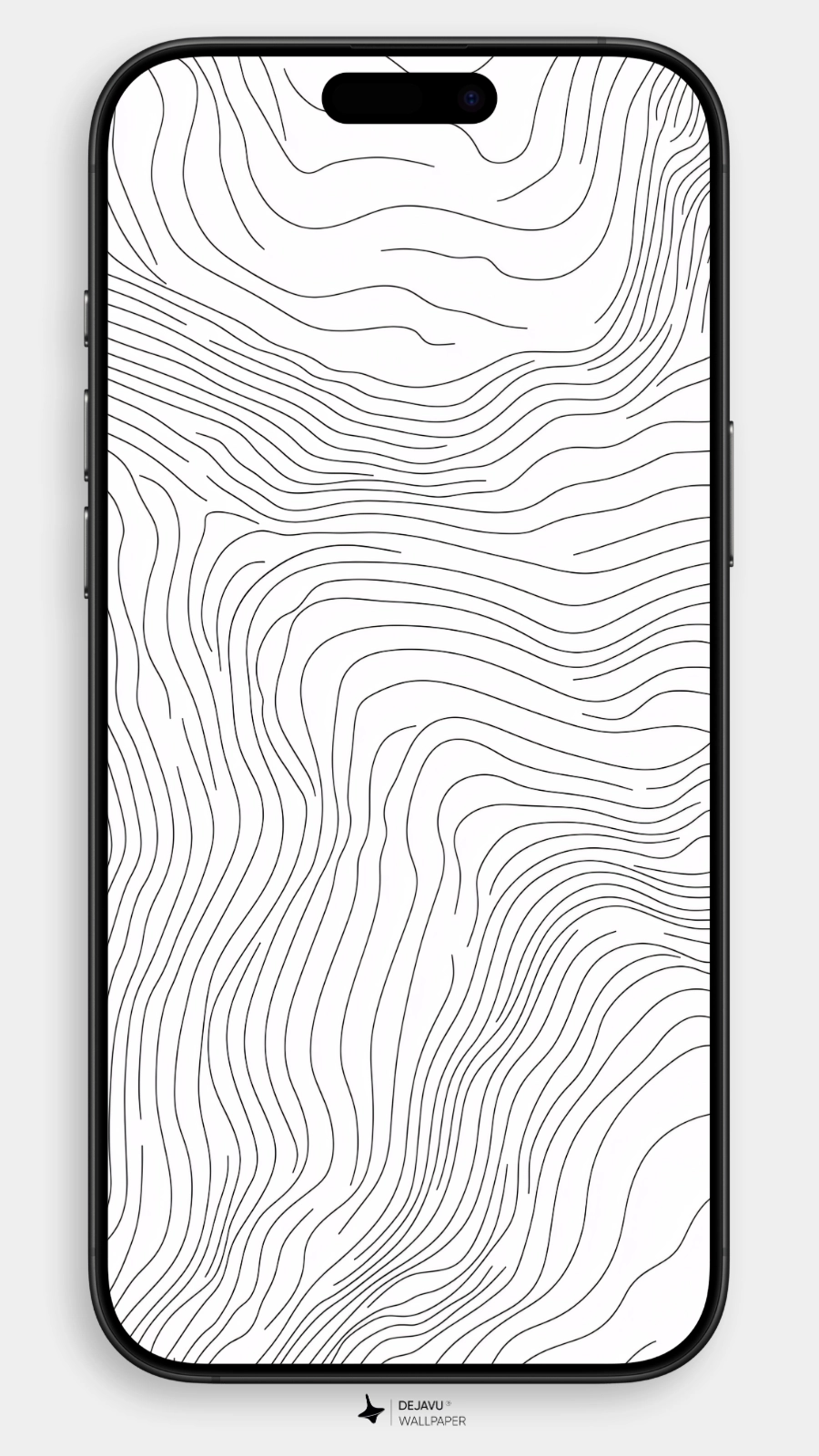
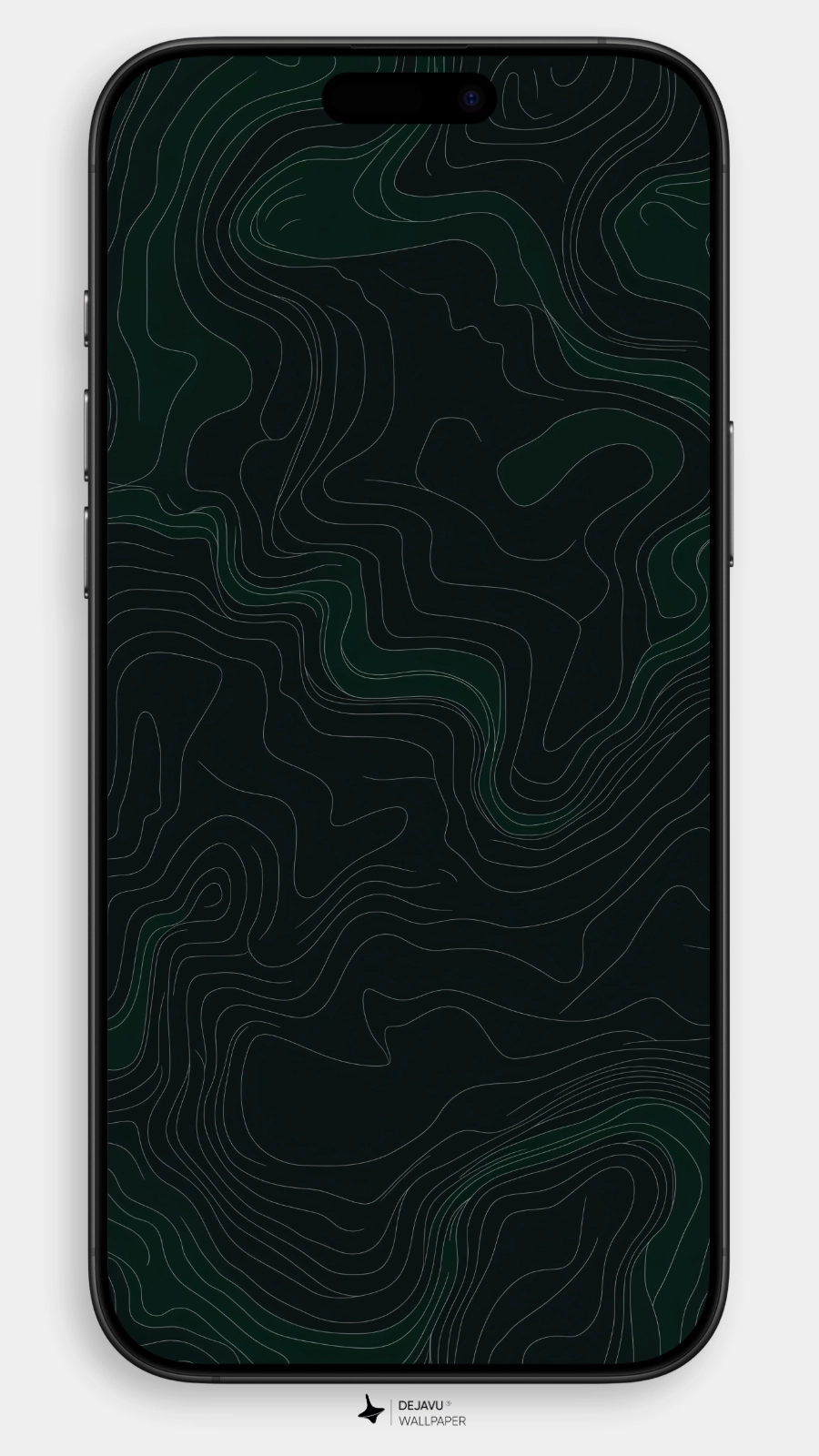
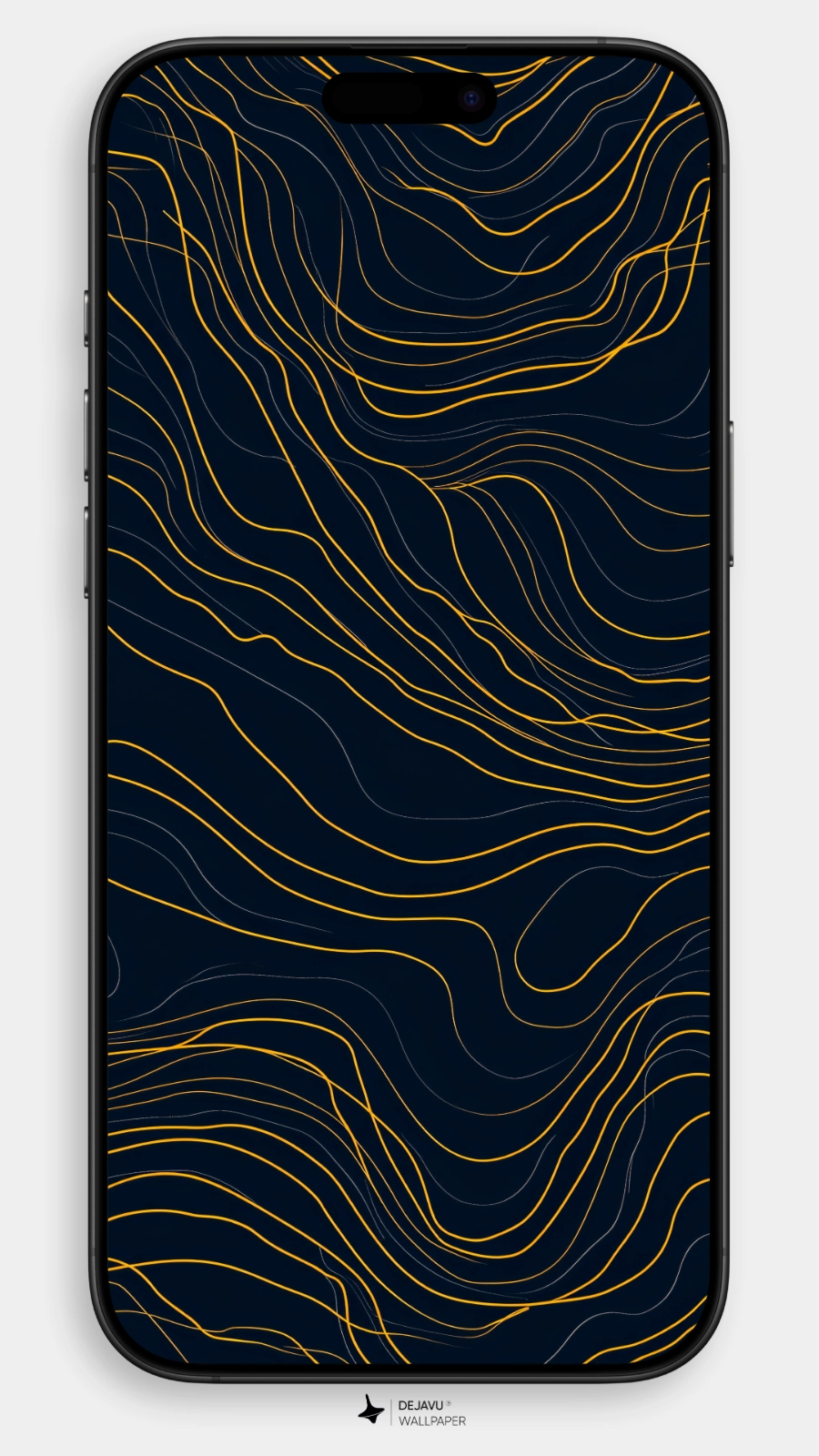

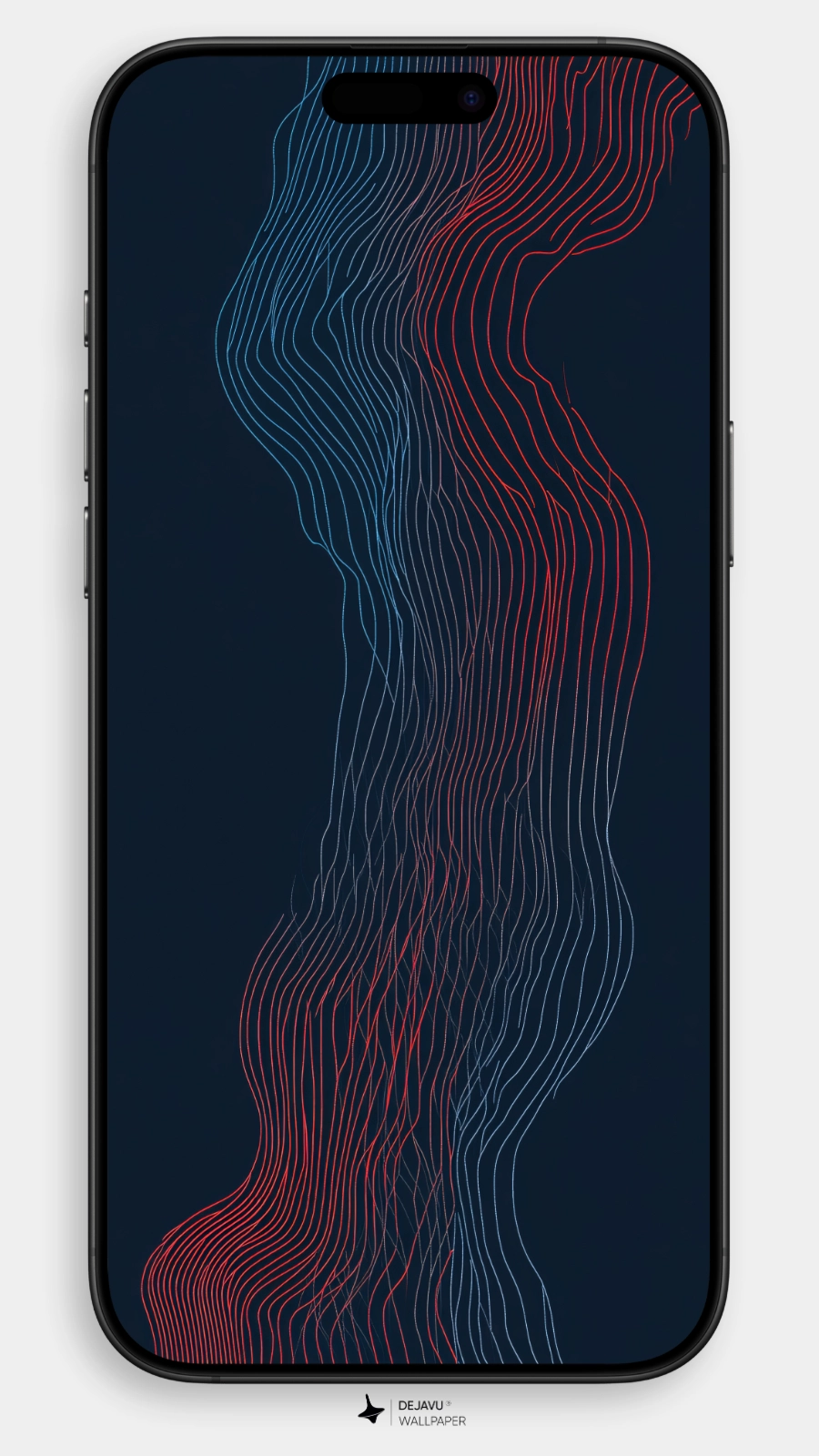
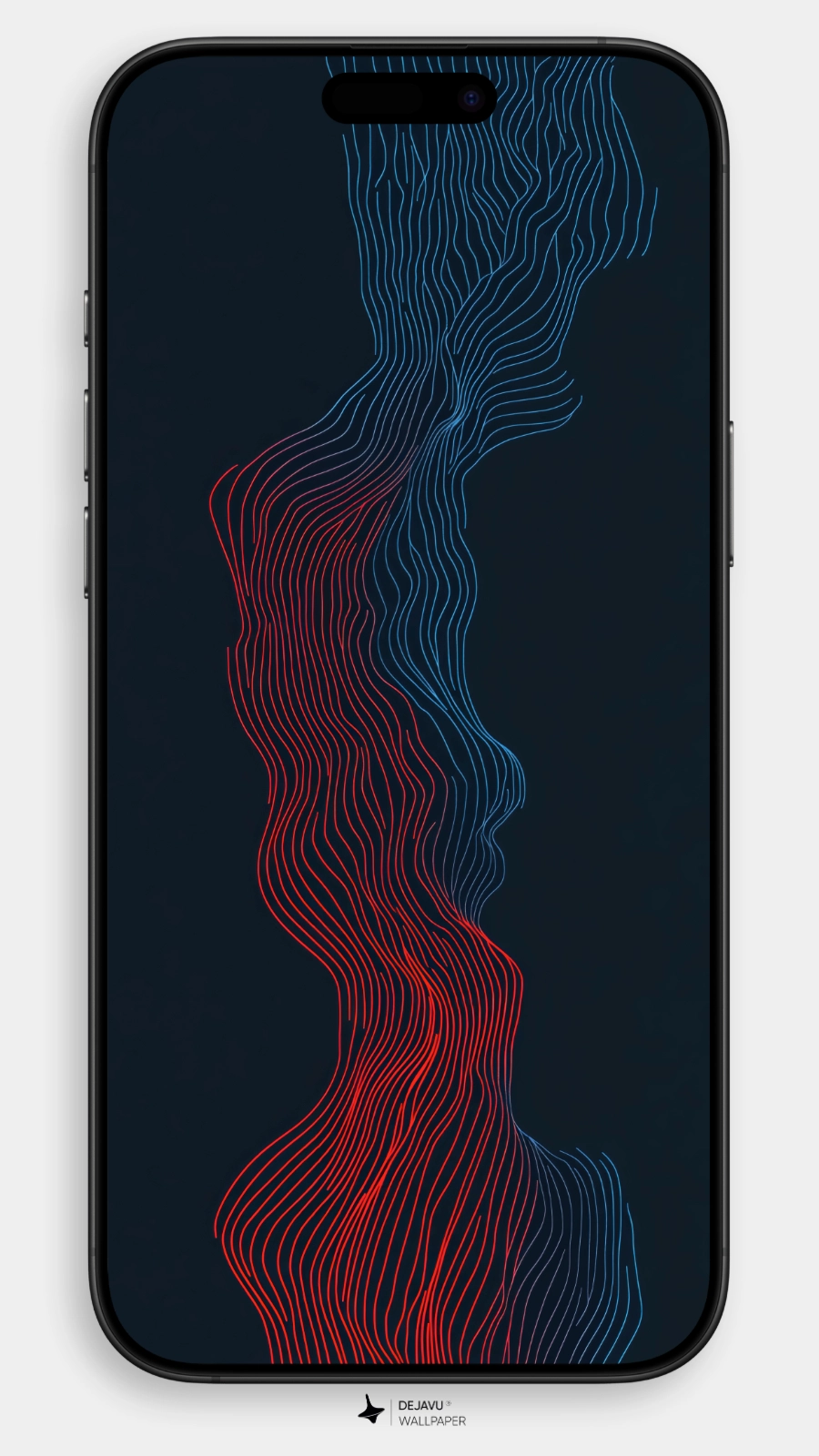

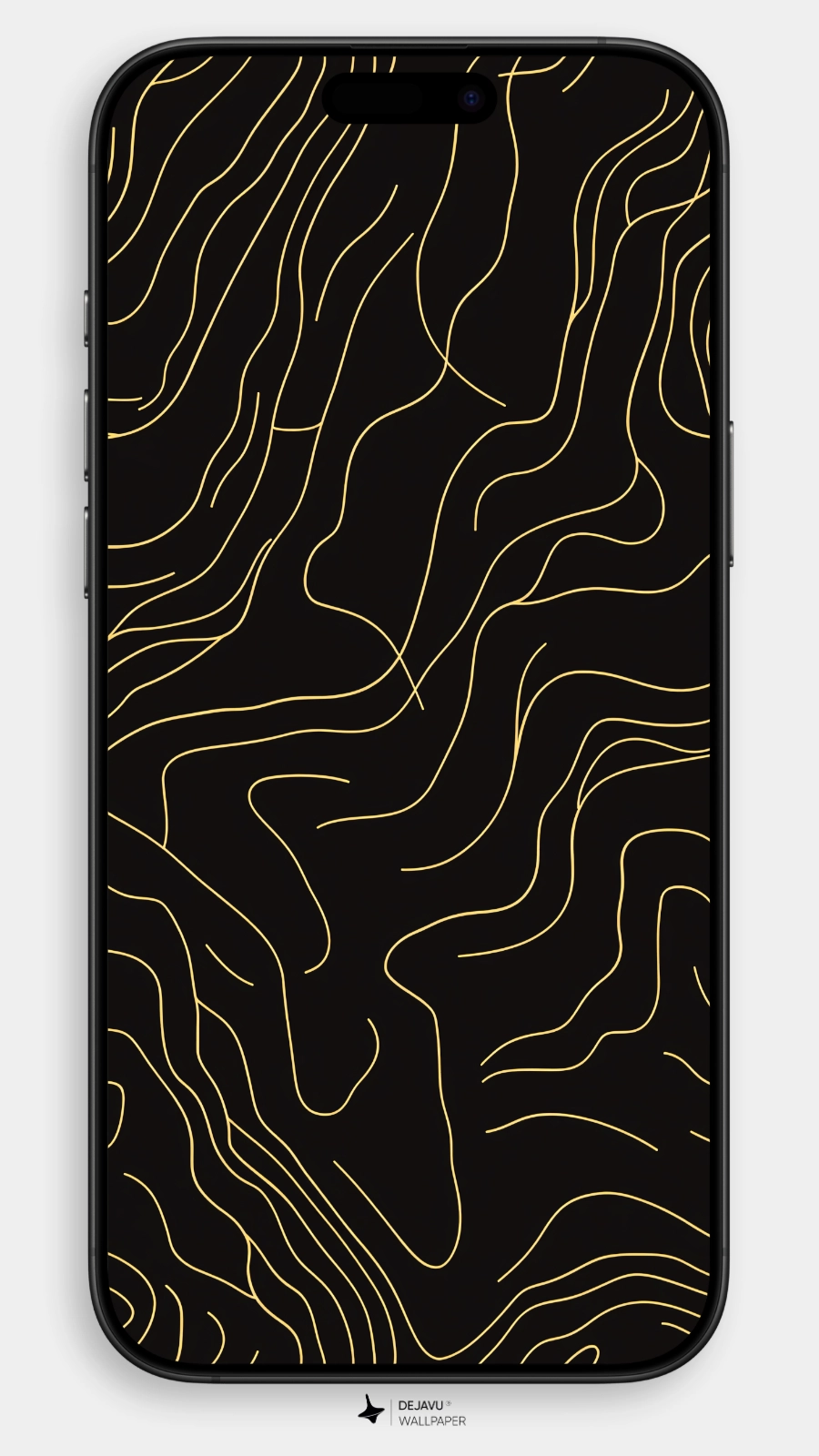
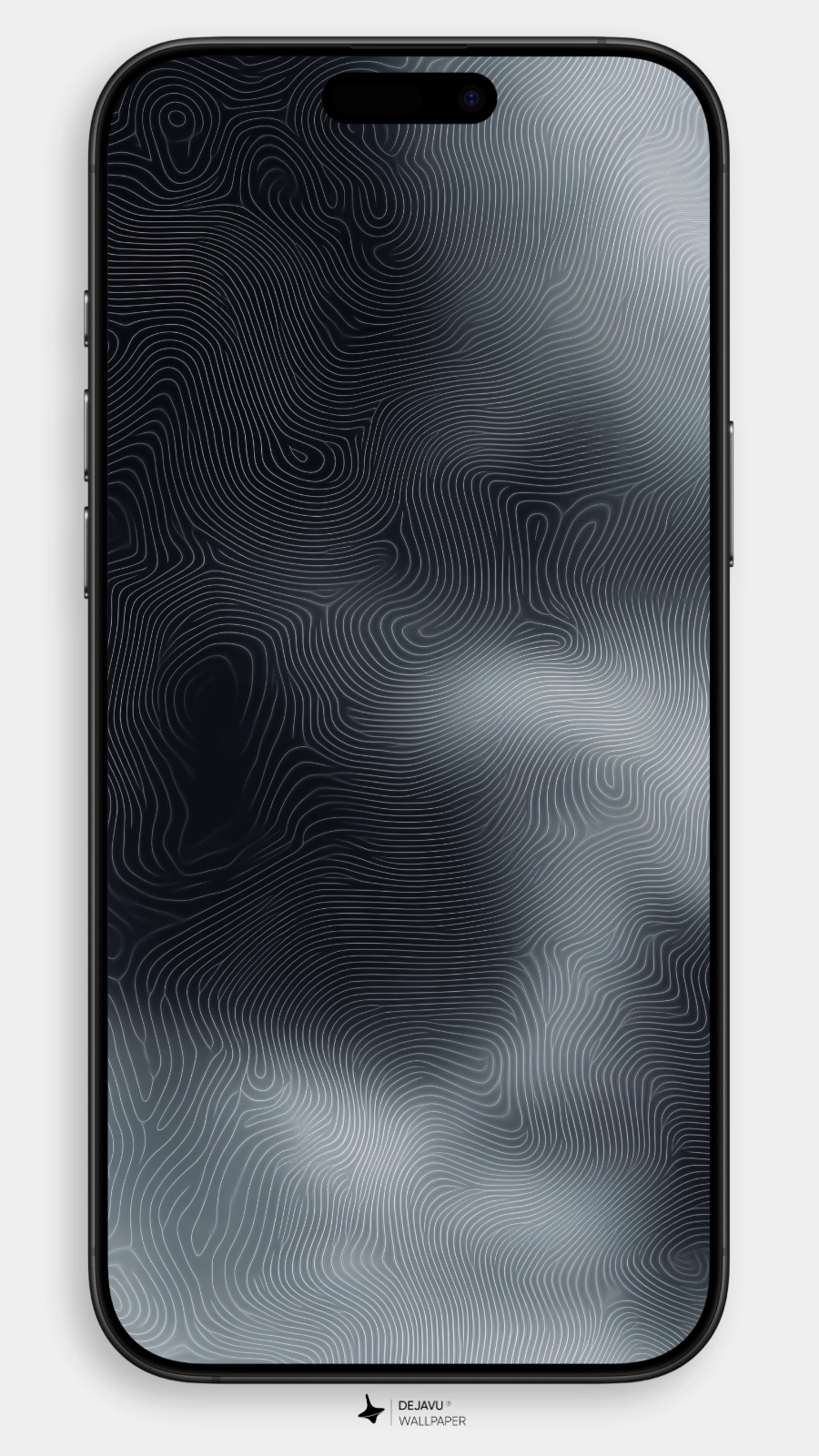
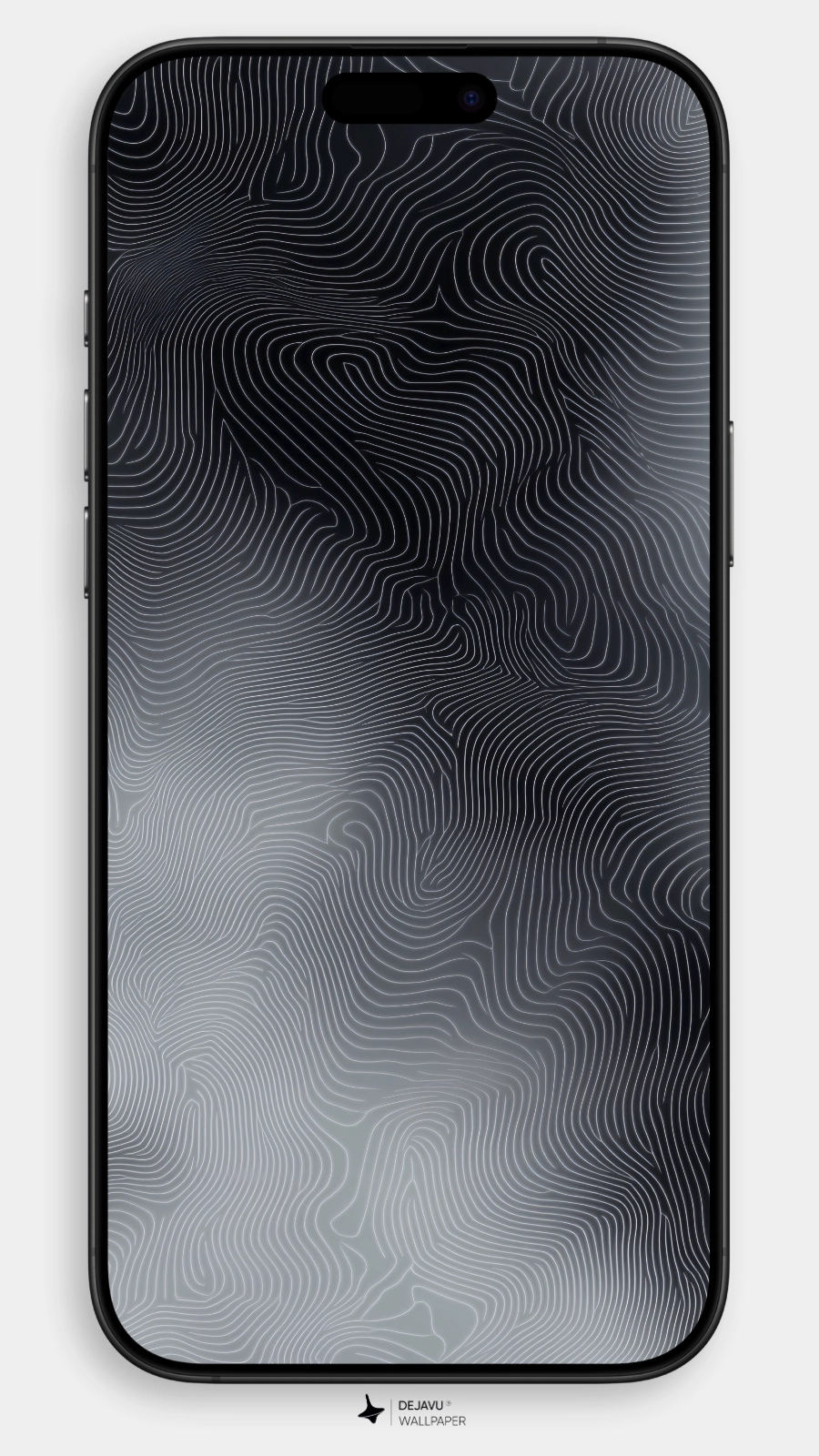
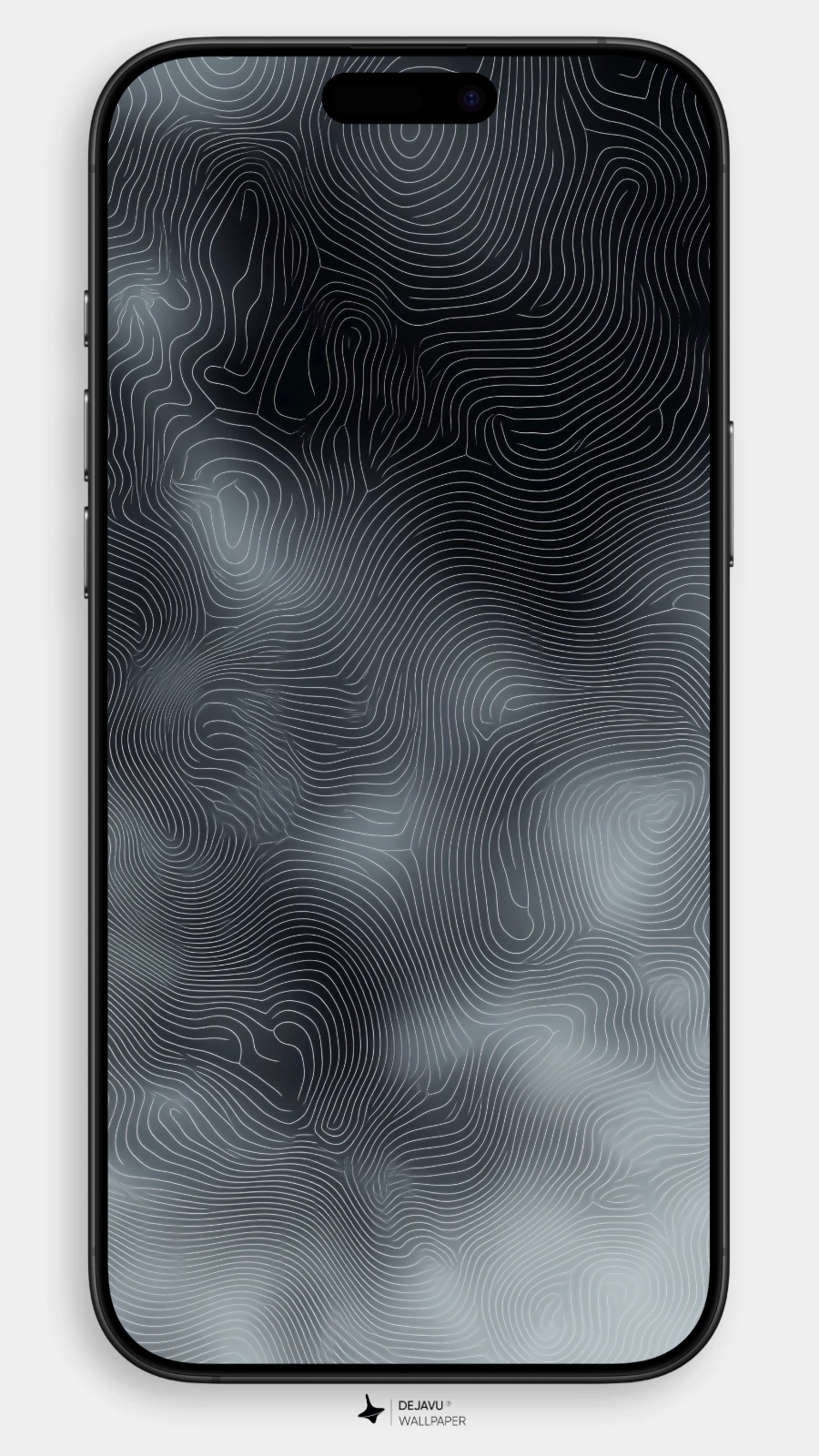
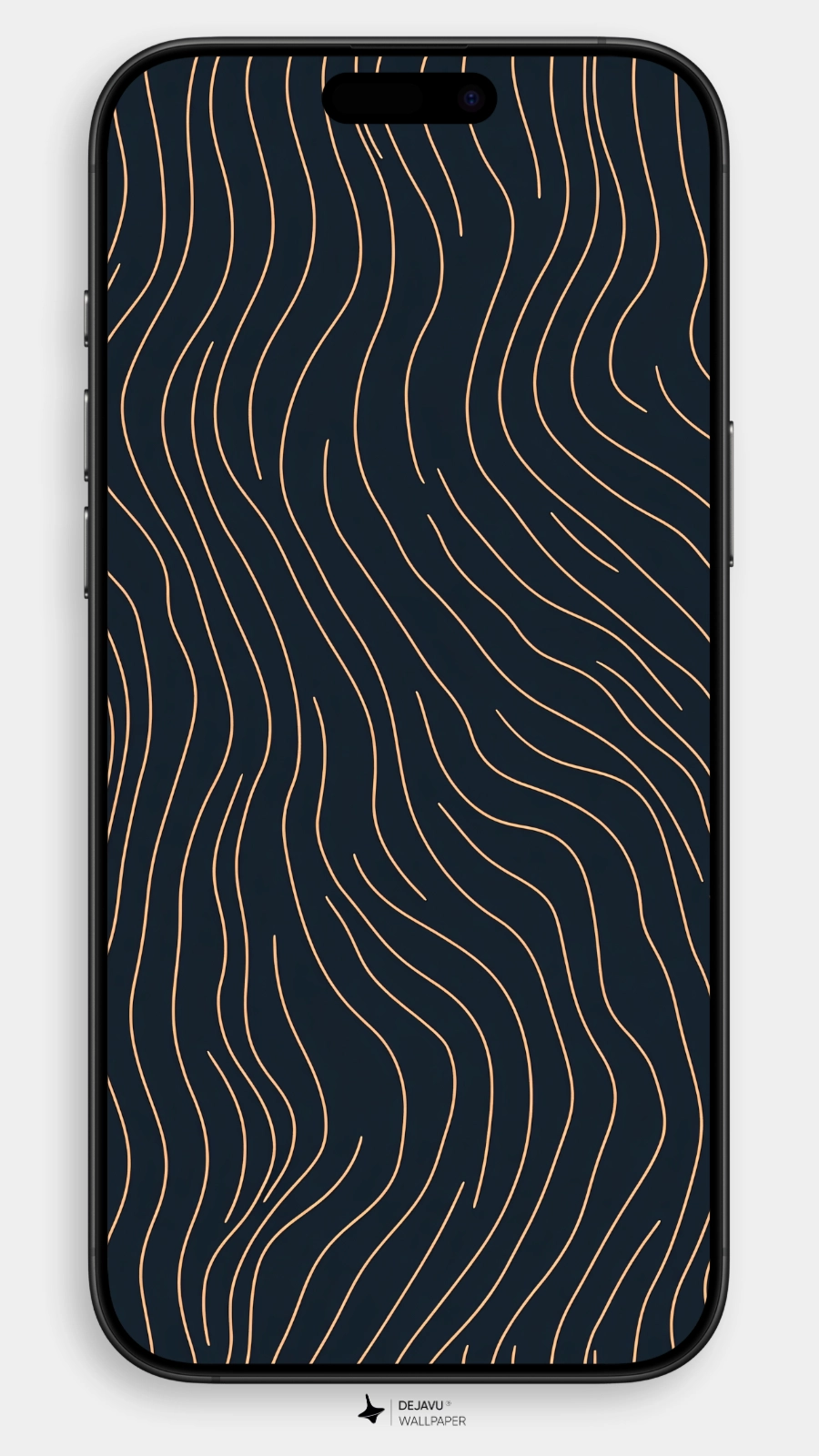
You’ve seen them before—those hypnotic, swirling lines wrapping around each other on hiking maps or in old geography textbooks. They look like nature’s fingerprints, and they’re called contour lines. But have you ever wondered where they came from? And why are they popping up everywhere from art museums to fashion runways?
Who Came Up with These Loopy Lines?
The idea of contour lines goes way back—like, 16th-century back—but they didn’t fully hit the map scene until the 18th century. That’s when French engineer Charles Dupain had a lightbulb moment and started using them to show elevation changes on maps. Suddenly, people didn’t need to climb a mountain to know what it looked like—they could just squint at some fancy curves on paper.
And no, they weren’t invented for backpackers or outdoor influencers. These lines were first used for building canals and plotting military fortresses. Think of them as the original 3D terrain renders—drawn by hand!
Why Do Contour Lines Feel So… Artsy?
Here’s the twist: contour lines aren’t just useful—they’re weirdly beautiful. They’re abstract, rhythmic, and organically flowing, kind of like tree rings, water ripples, or fingerprints. They tap into our love for repetition and symmetry, and there’s something oddly satisfying about watching them spiral and swirl across a page.
Even old-school artists caught on. If you peek at Hokusai’s woodblock prints, you’ll spot similar curvy forms. Fast forward to today, and you’ll find these lines in poster designs, album covers, minimalist art—and yes, even high-fashion prints. Apparently, Earth’s curves are in vogue.
Can Contour Lines Trick Your Brain?
Absolutely. These innocent lines can mess with your head—in the best way. Our brains are wired to turn flat drawings into 3D scenes, so depending on how the lines are spaced, you might see hills where there are none, or valleys that don’t exist.
Designers have a blast with this. Some create “faux terrain” in digital art or make posters that look embossed. It’s like sculpting with ink—your eyes do the rest of the work.
What Else Can Contour Lines Do?
Plot twist: these lines aren’t just for maps. Economists use them to show income levels. Neurologists use them to track brainwaves. Basically, contour lines are a universal language of “same value, different place.” They turn invisible things—like data—into something we can see, compare, and even feel.
So next time you see those looping lines, remember: you’re not just looking at a mountain’s shape. You’re reading nature’s secret sketchbook. Whether etched onto a hiking map or printed on a hoodie, these lines speak a primal language between humans and the Earth—silent, swirly, and endlessly fascinating.