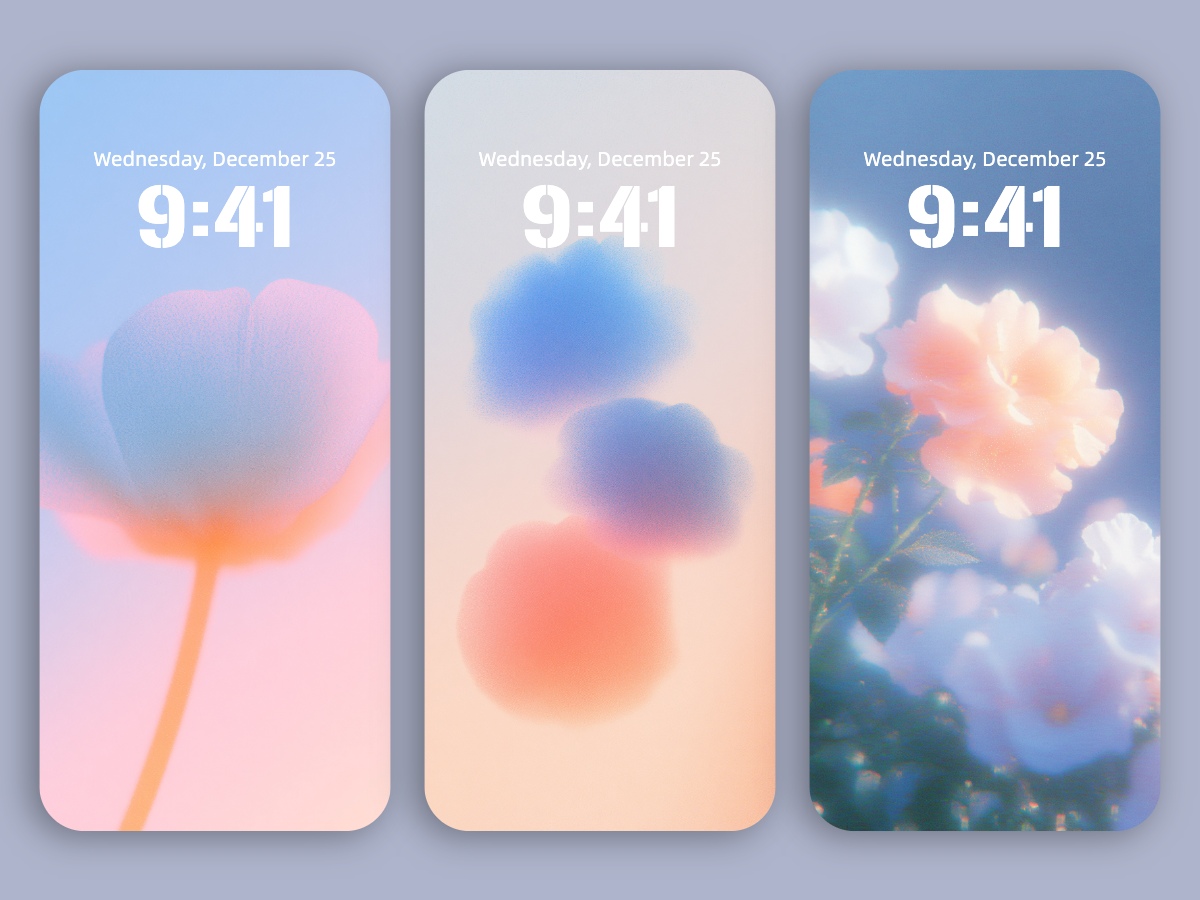
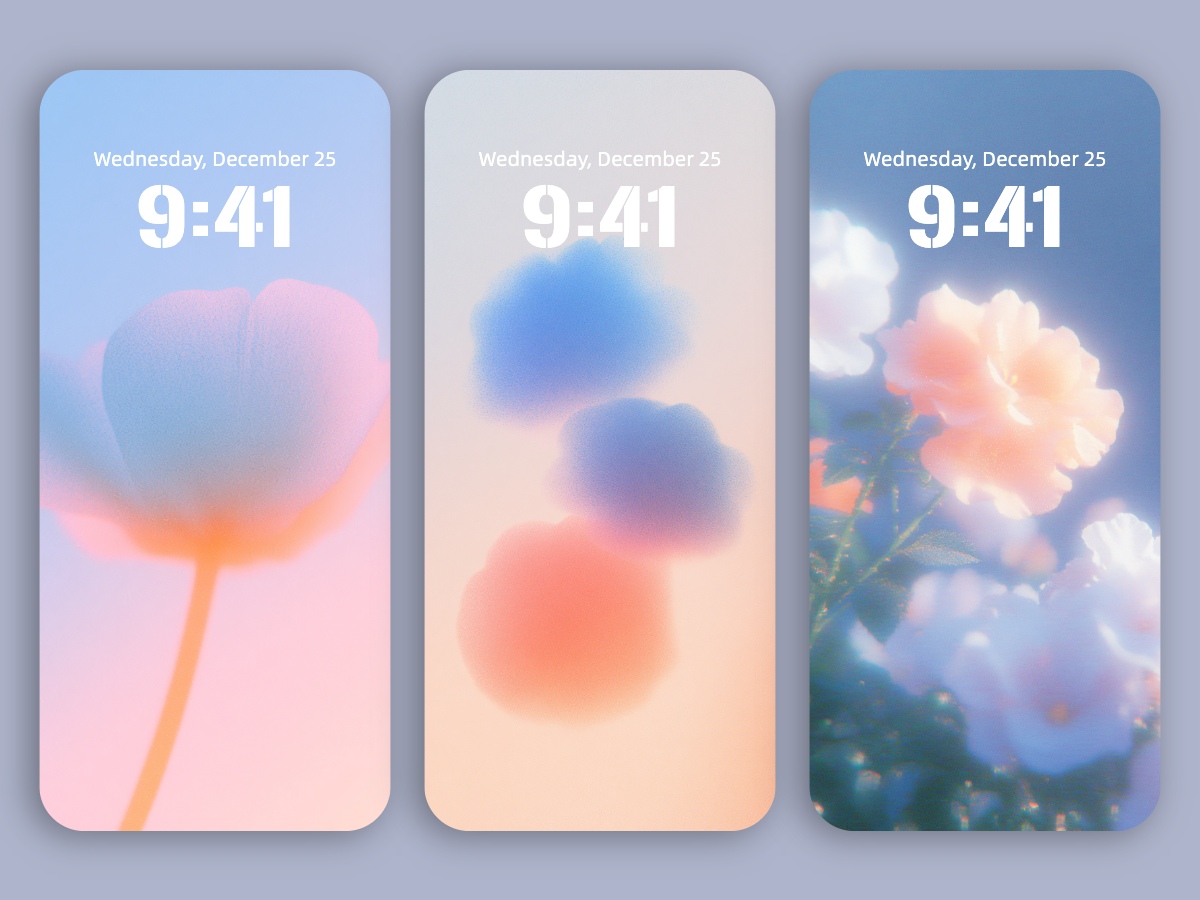
What happens when delicate blossoms meet a cyberpunk future? You get Blossoms to Cyberpunk Botany — a stunning wallpaper collection inspired by the surreal floral visions of Katsumi Otomo. These 8K phone wallpapers combine soft-focus petals with sci-fi vibes, creating a dreamy mashup of nature and neon. Think glowing orchids caught in digital rain, or sakura blooms blurring into electric skies — all wrapped in minimal aesthetics that look effortlessly cool on your iPhone or Android. Perfect for anyone who loves moody flower art with a futuristic twist, each wallpaper feels like a quiet rebellion against basic backgrounds. Whether you’re a fan of Otomo’s atmospheric storytelling or just obsessed with making your phone screen look like it wandered out of a sci-fi daydream, this collection is your next aesthetic upgrade. Tap into the future of floral with one swipe — where every bloom hums with pixels and possibility.
You can download all these wallpapers on Dejavu Wallpaper!
Experience the magic of AI in advance! Let the infinite imagination of AI decorate your screens, bring you fresh delights every day.





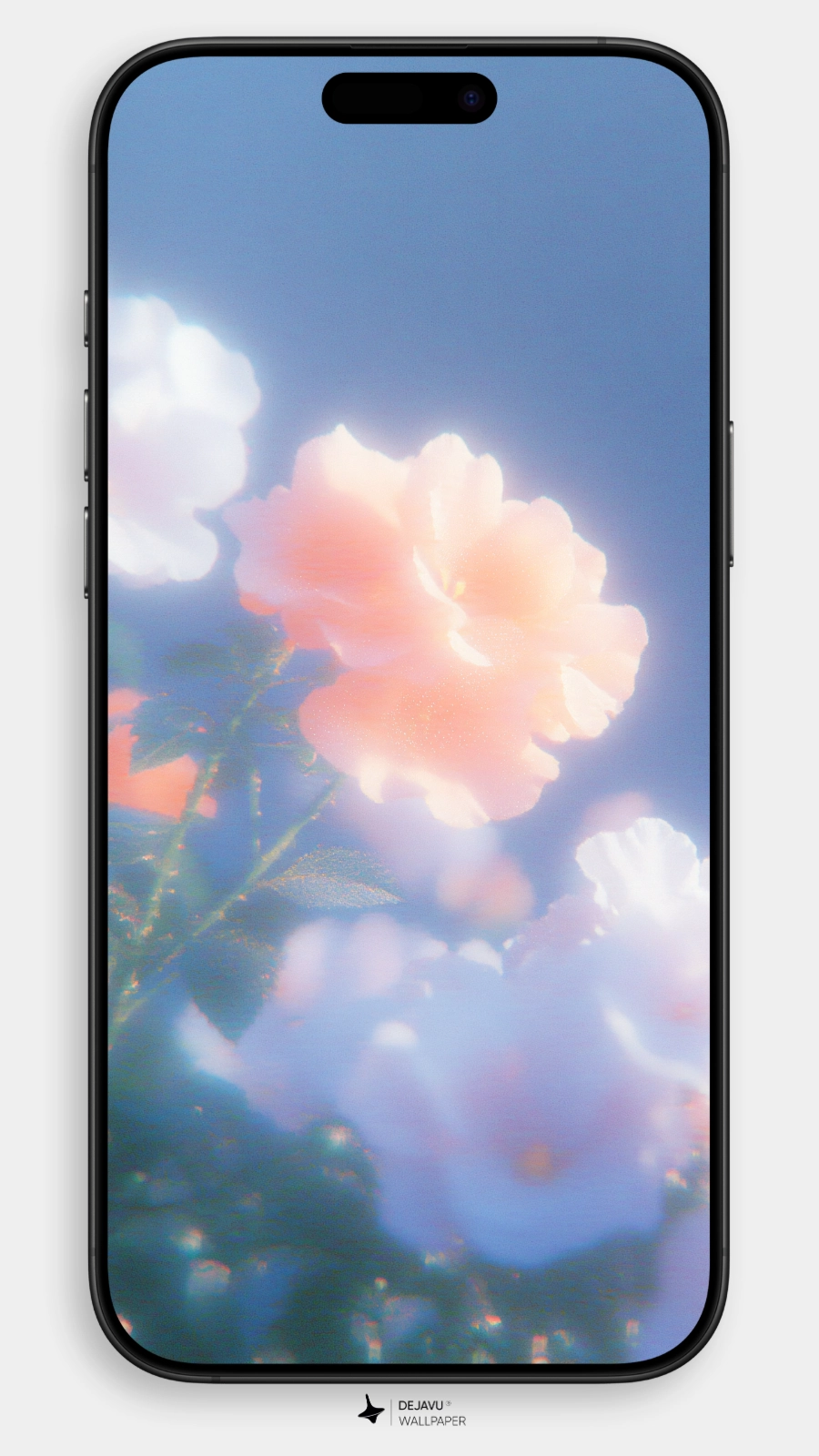
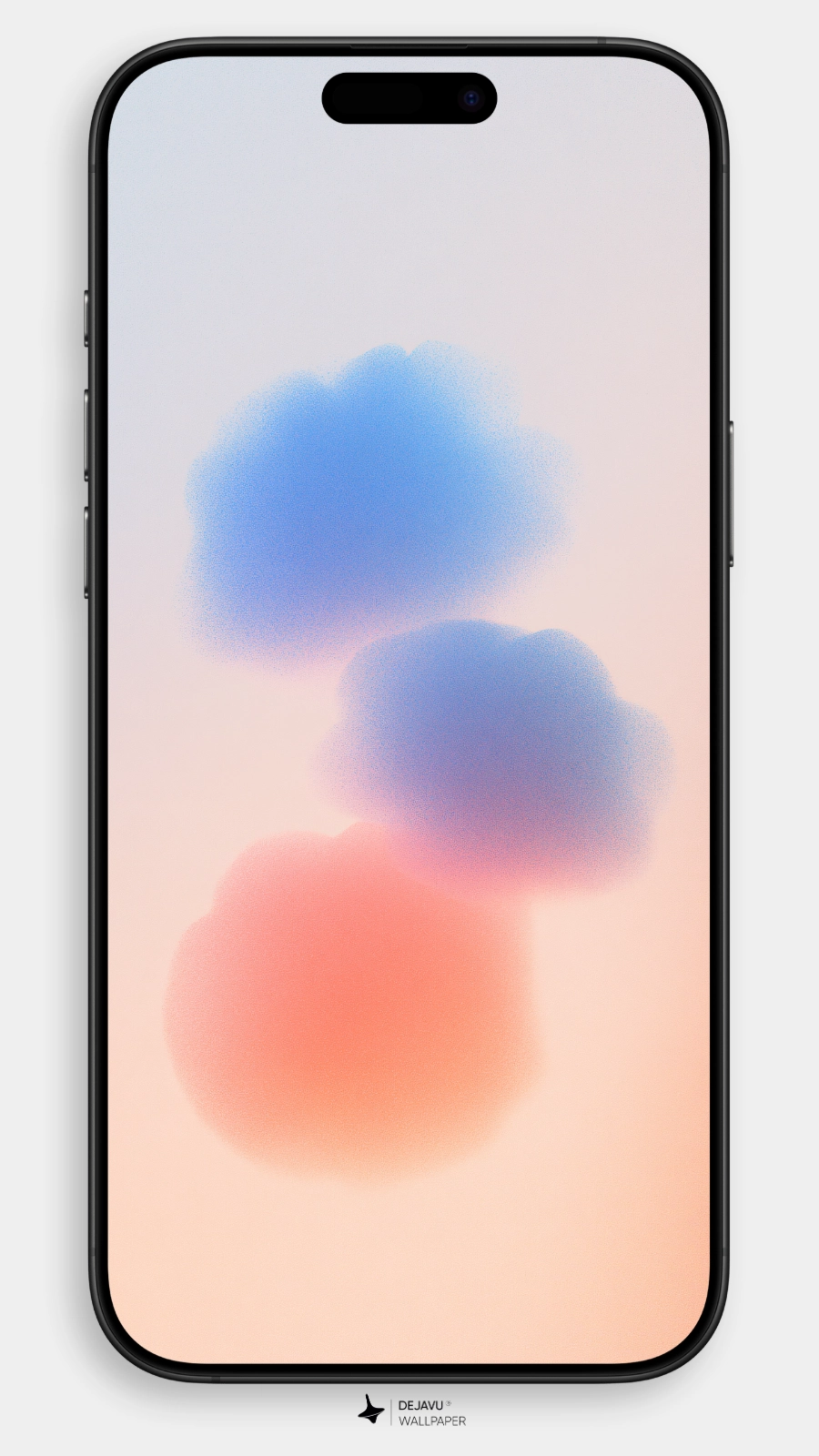

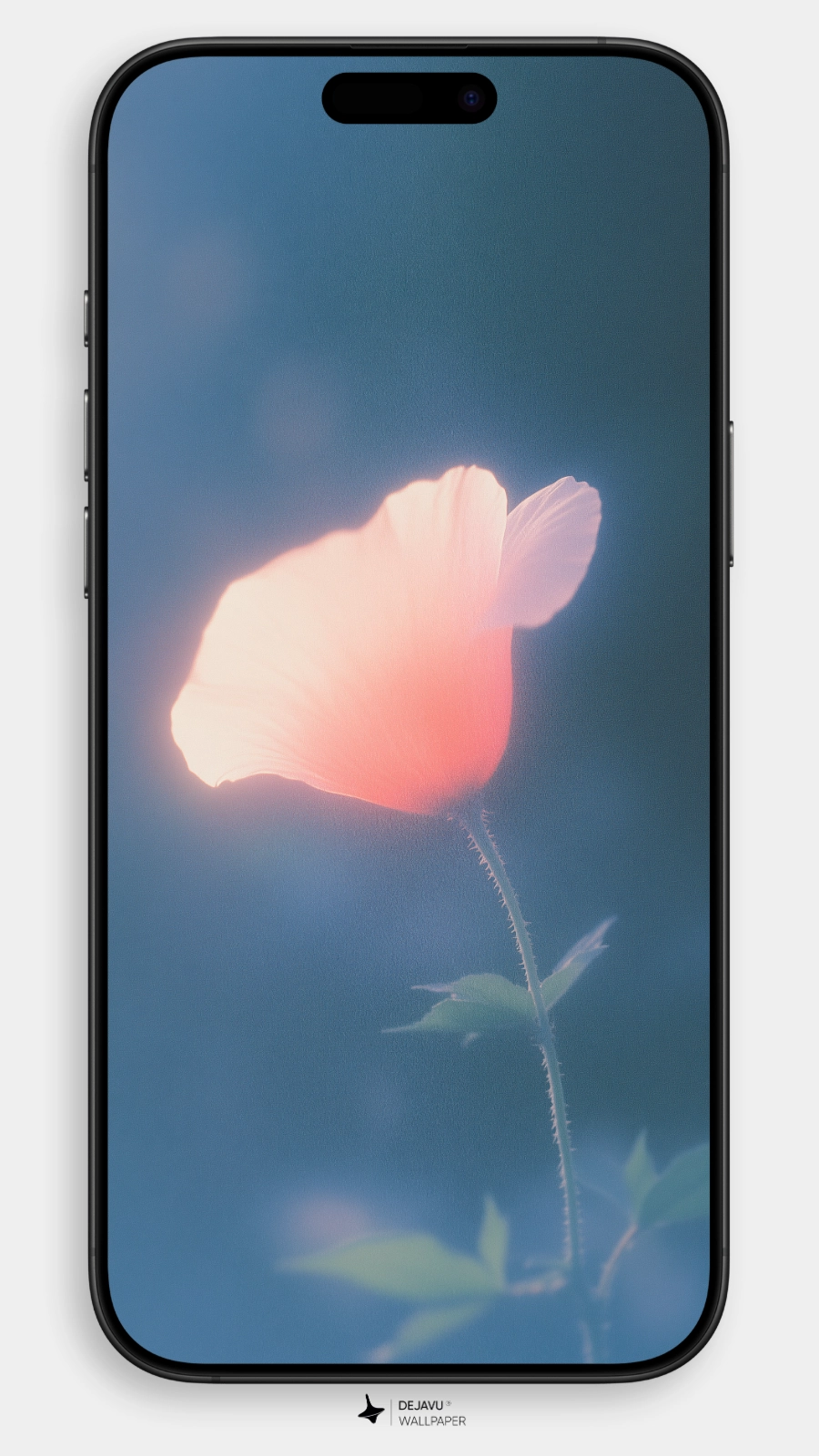
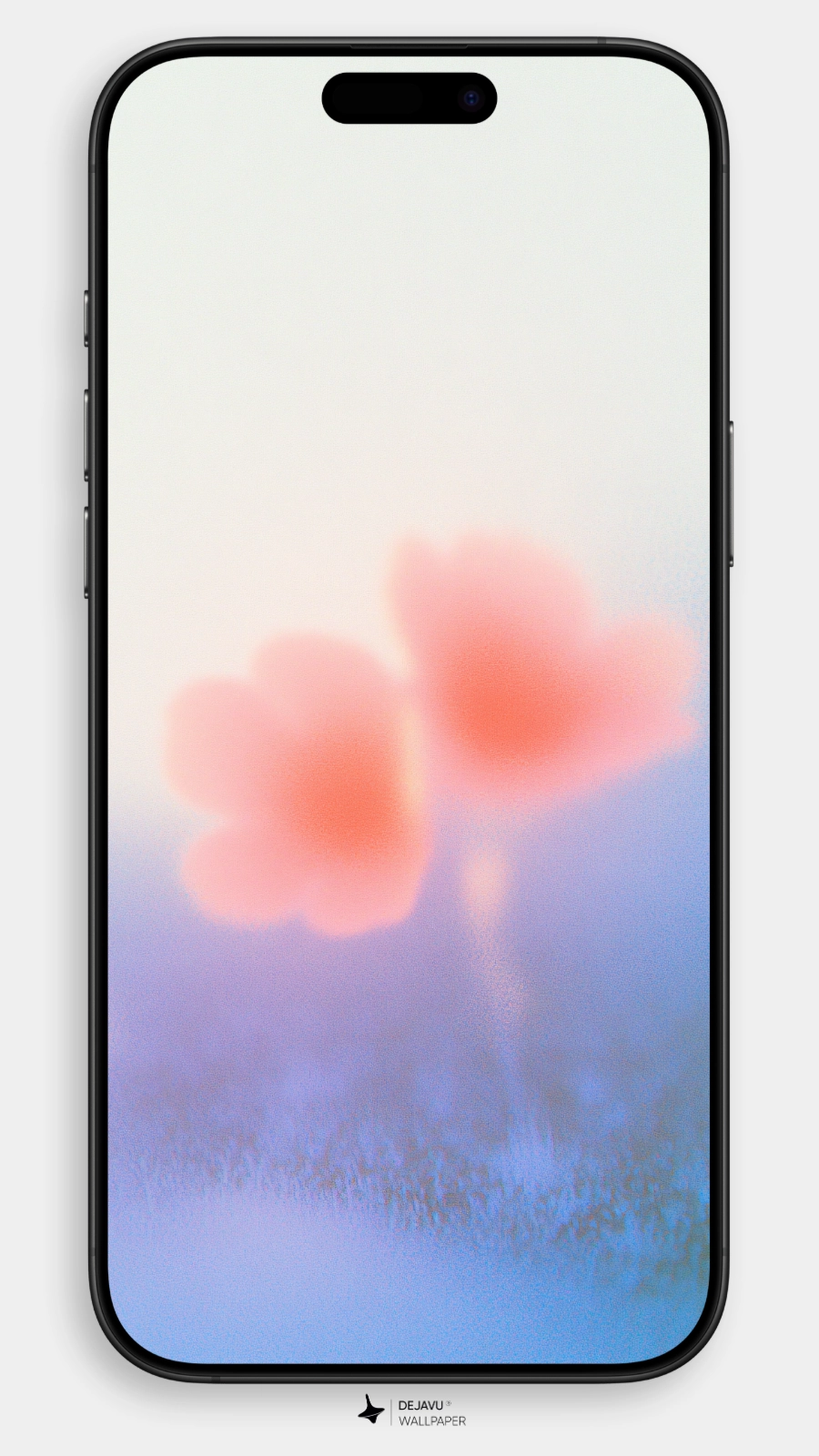
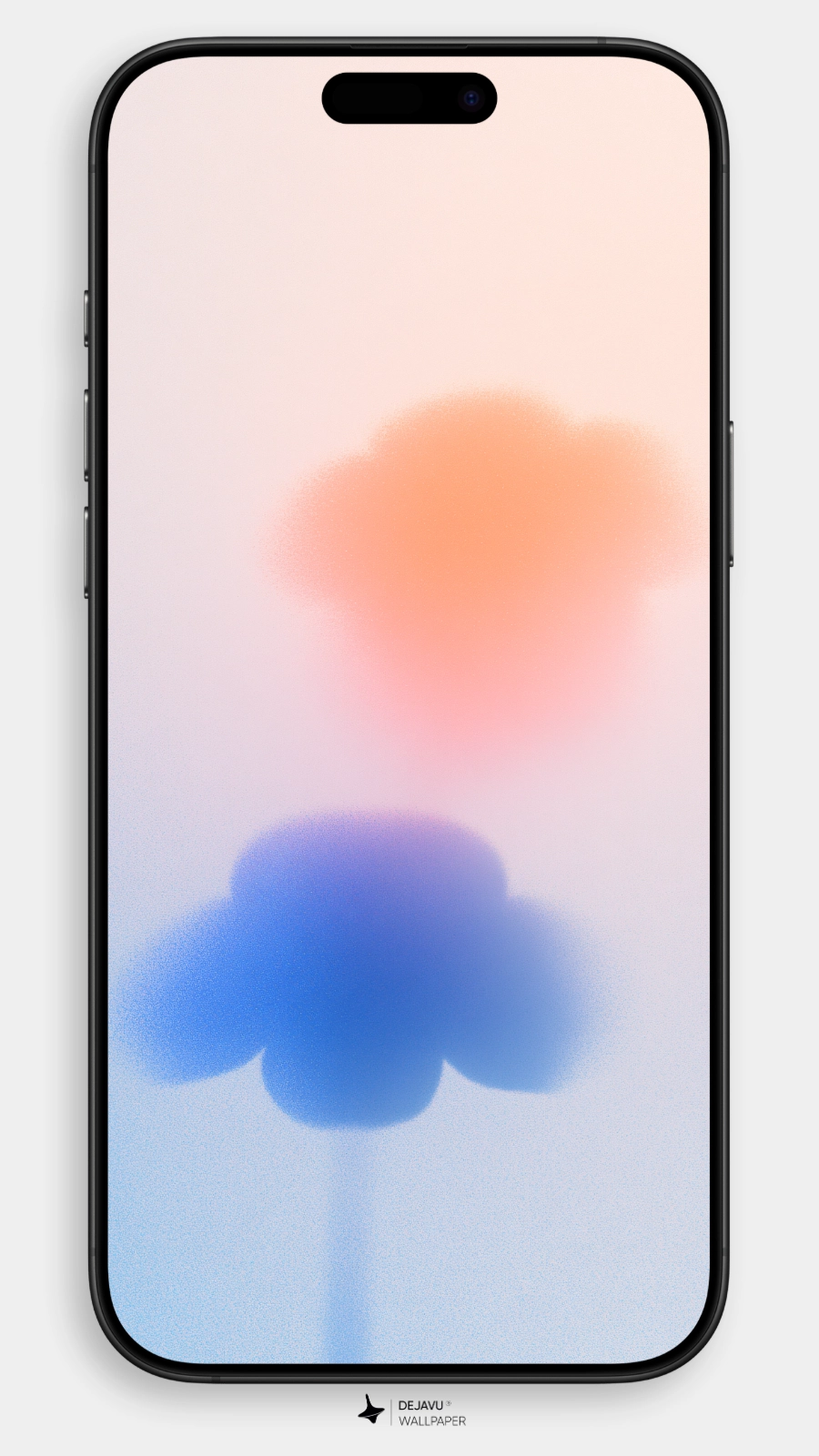
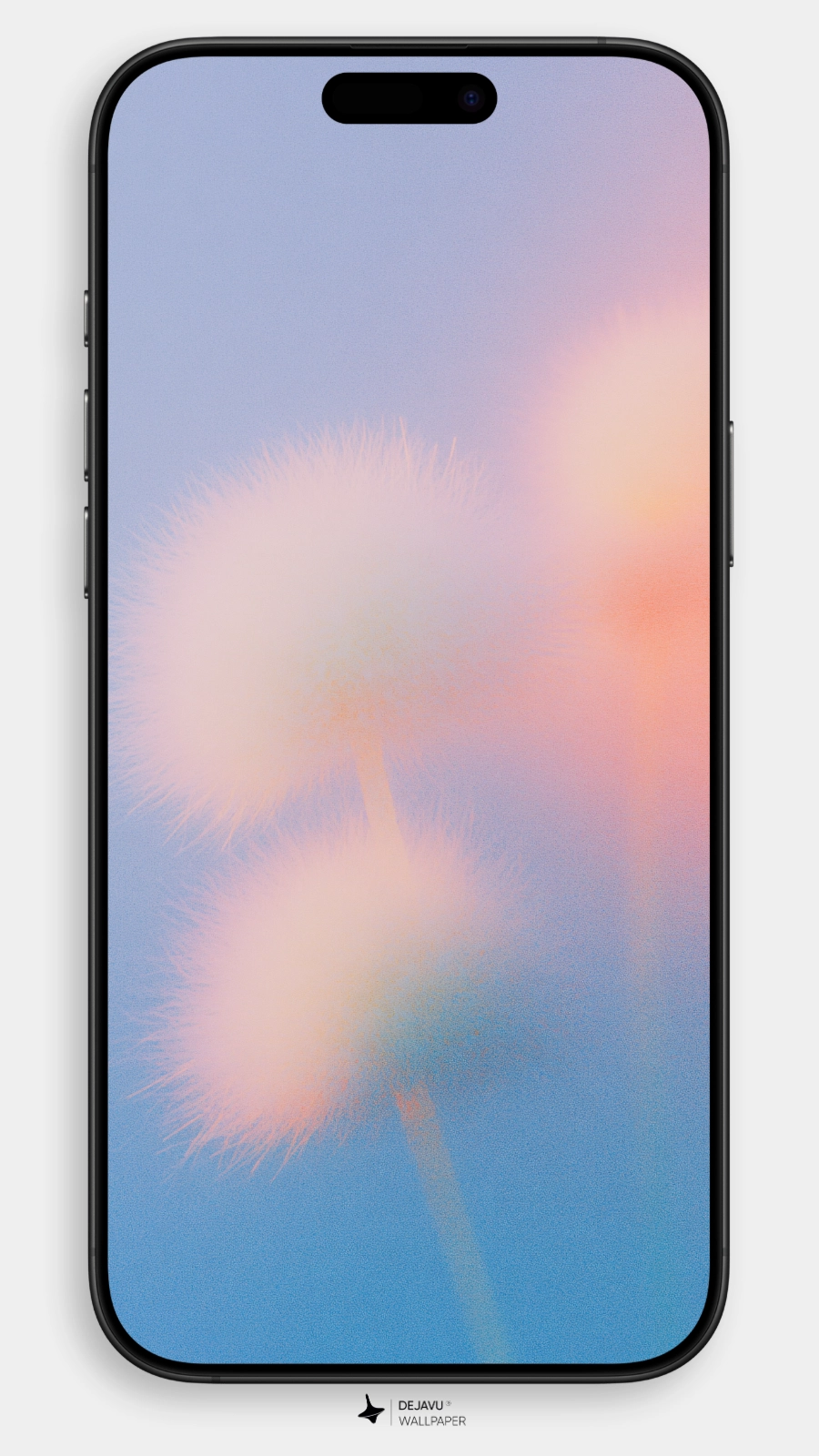


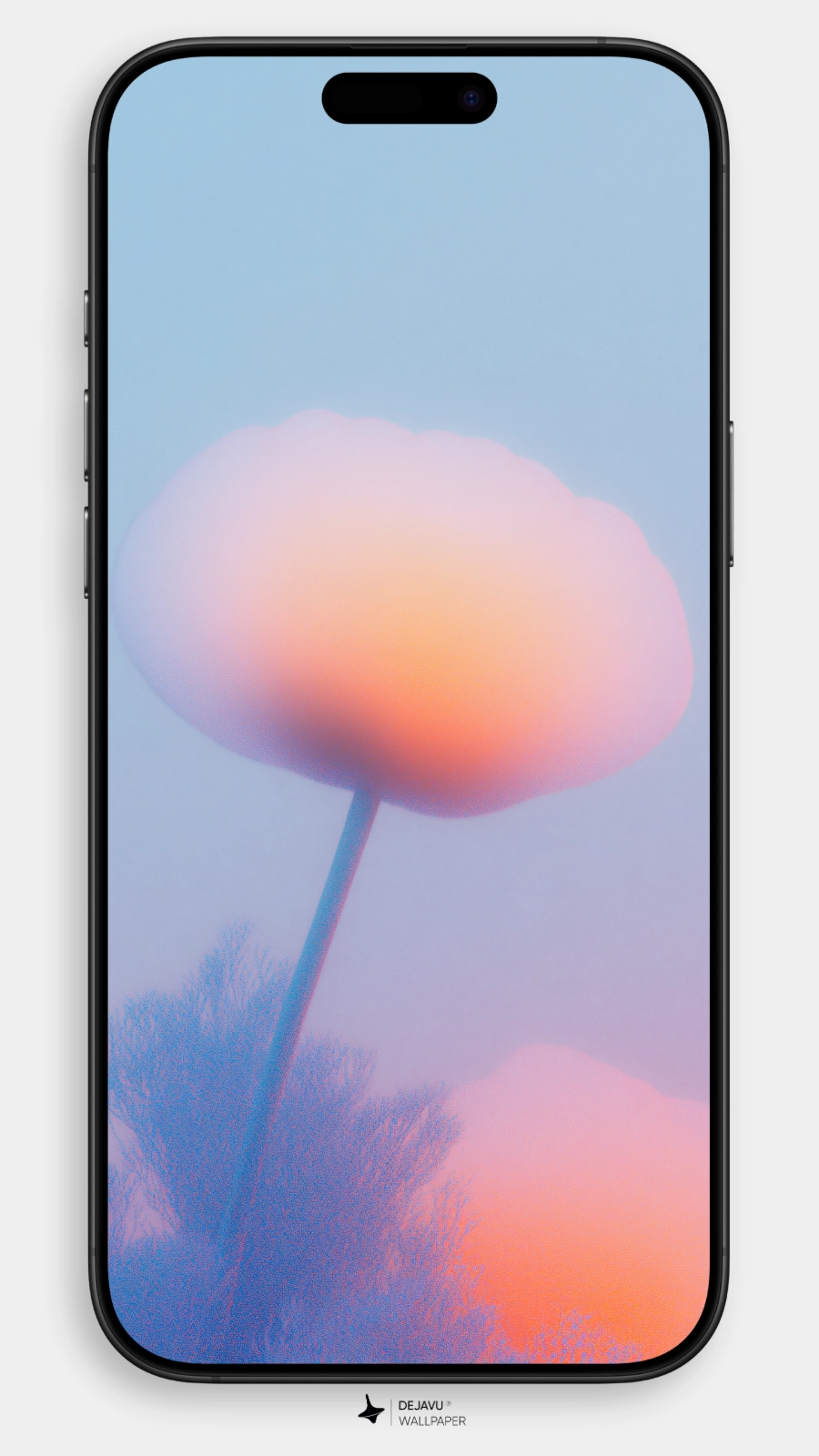


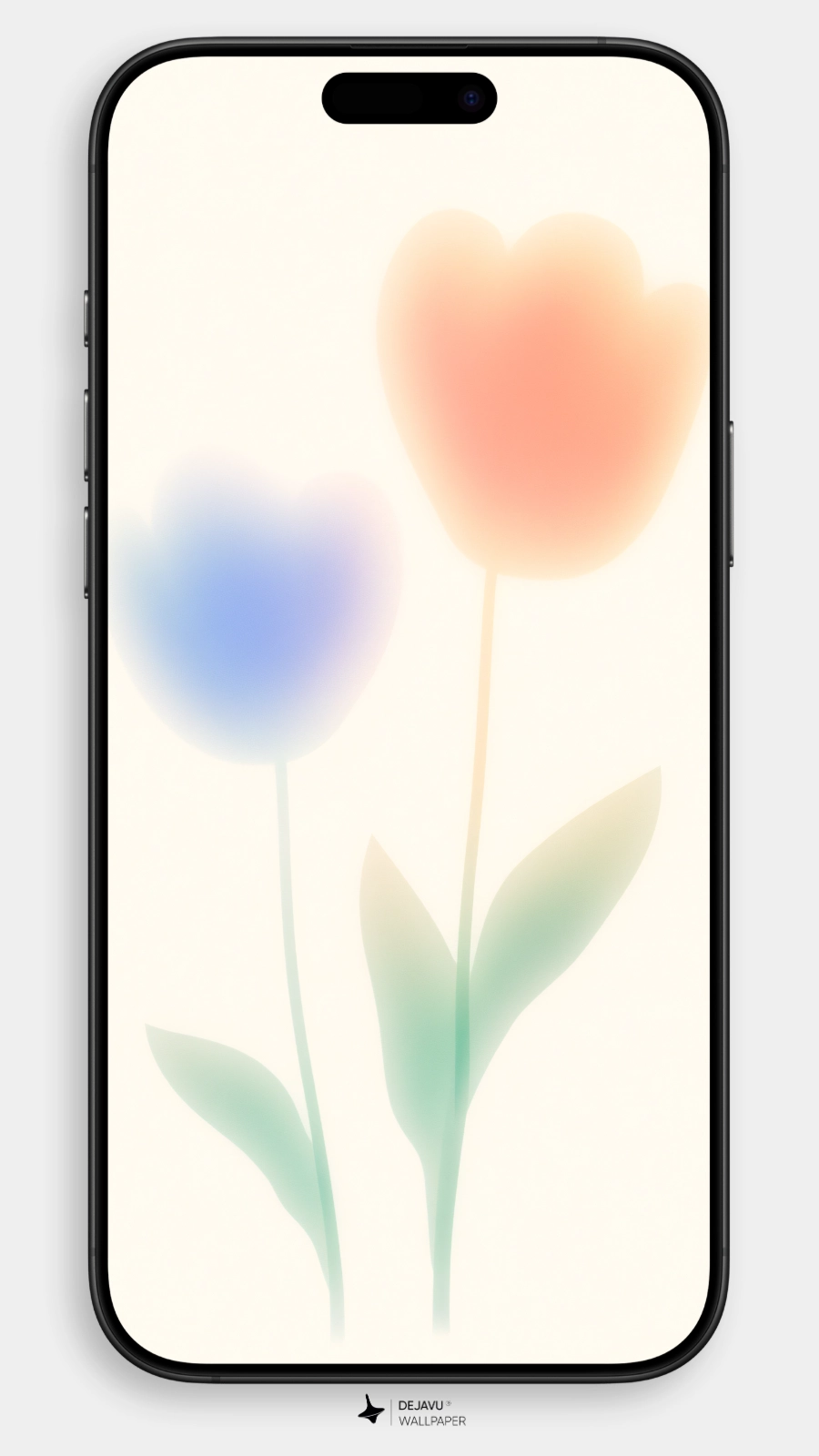
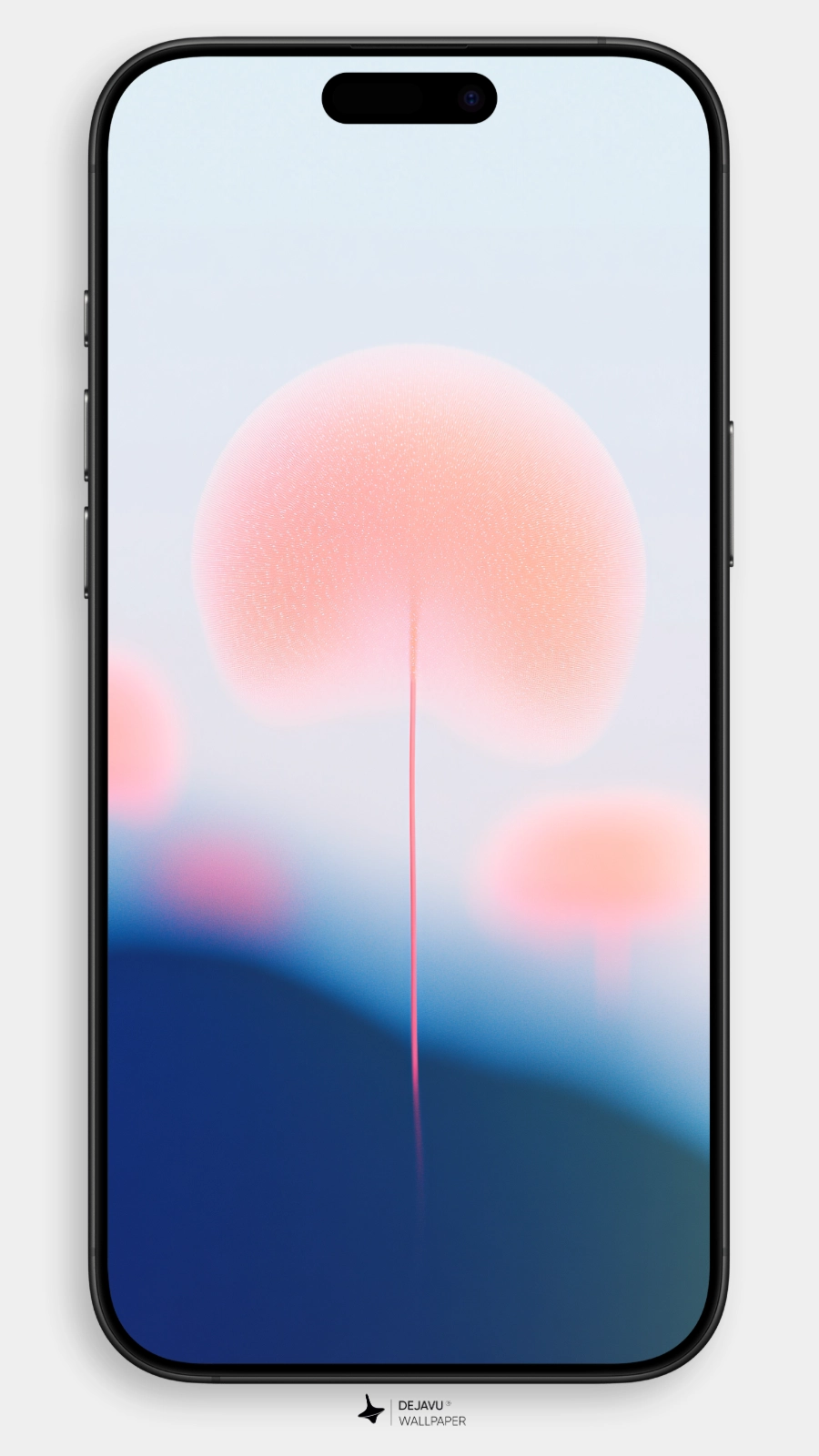
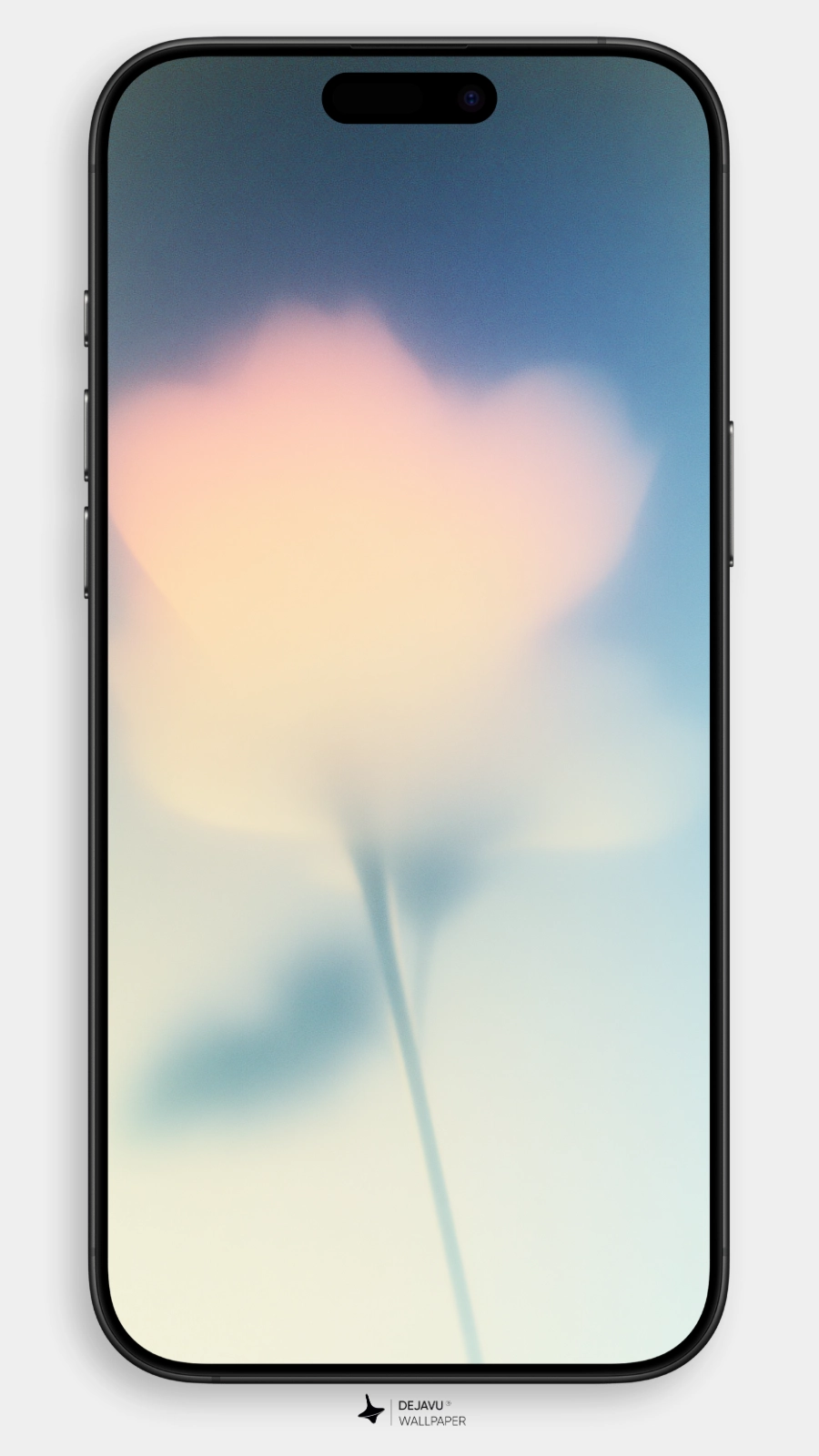
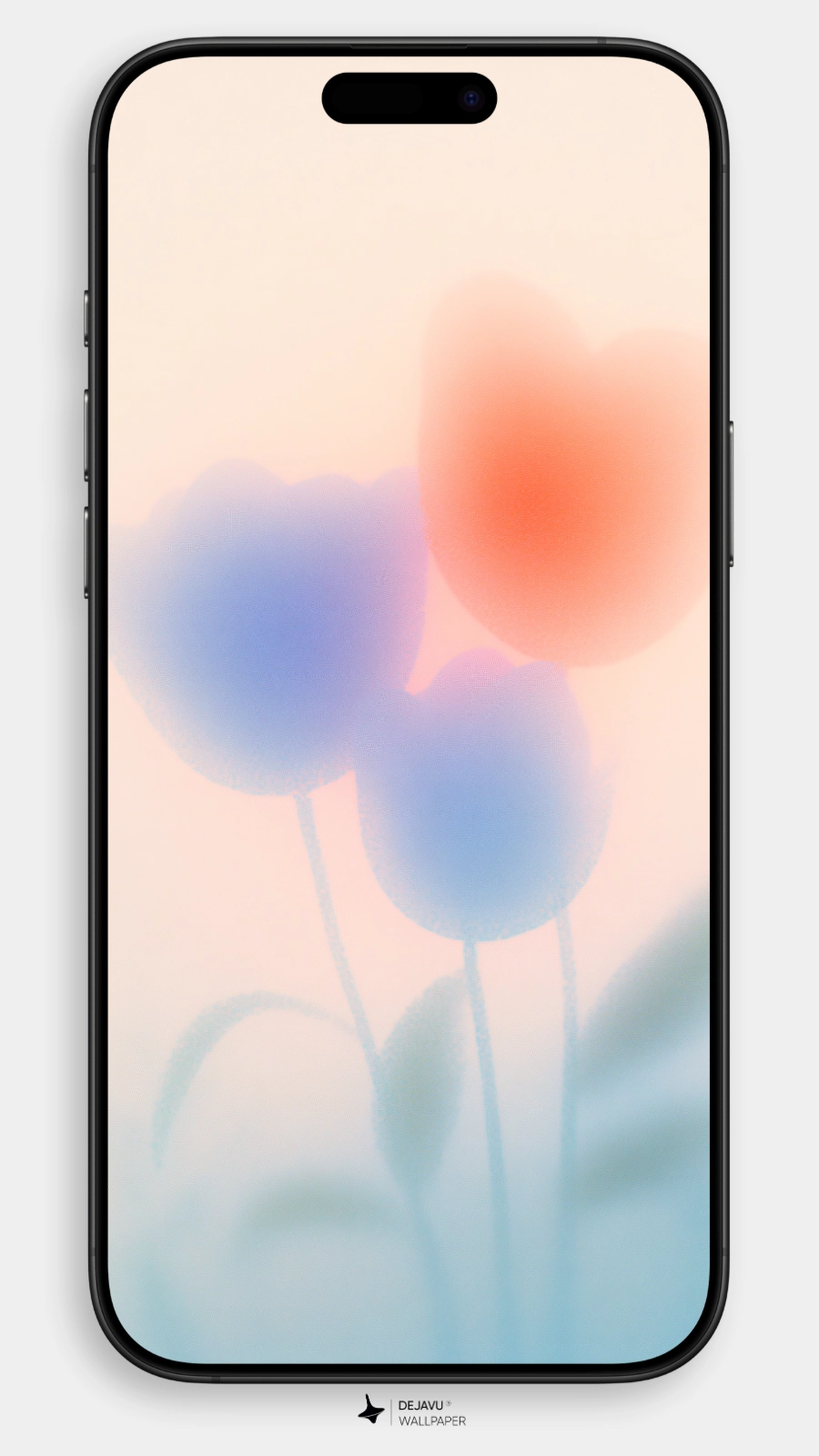
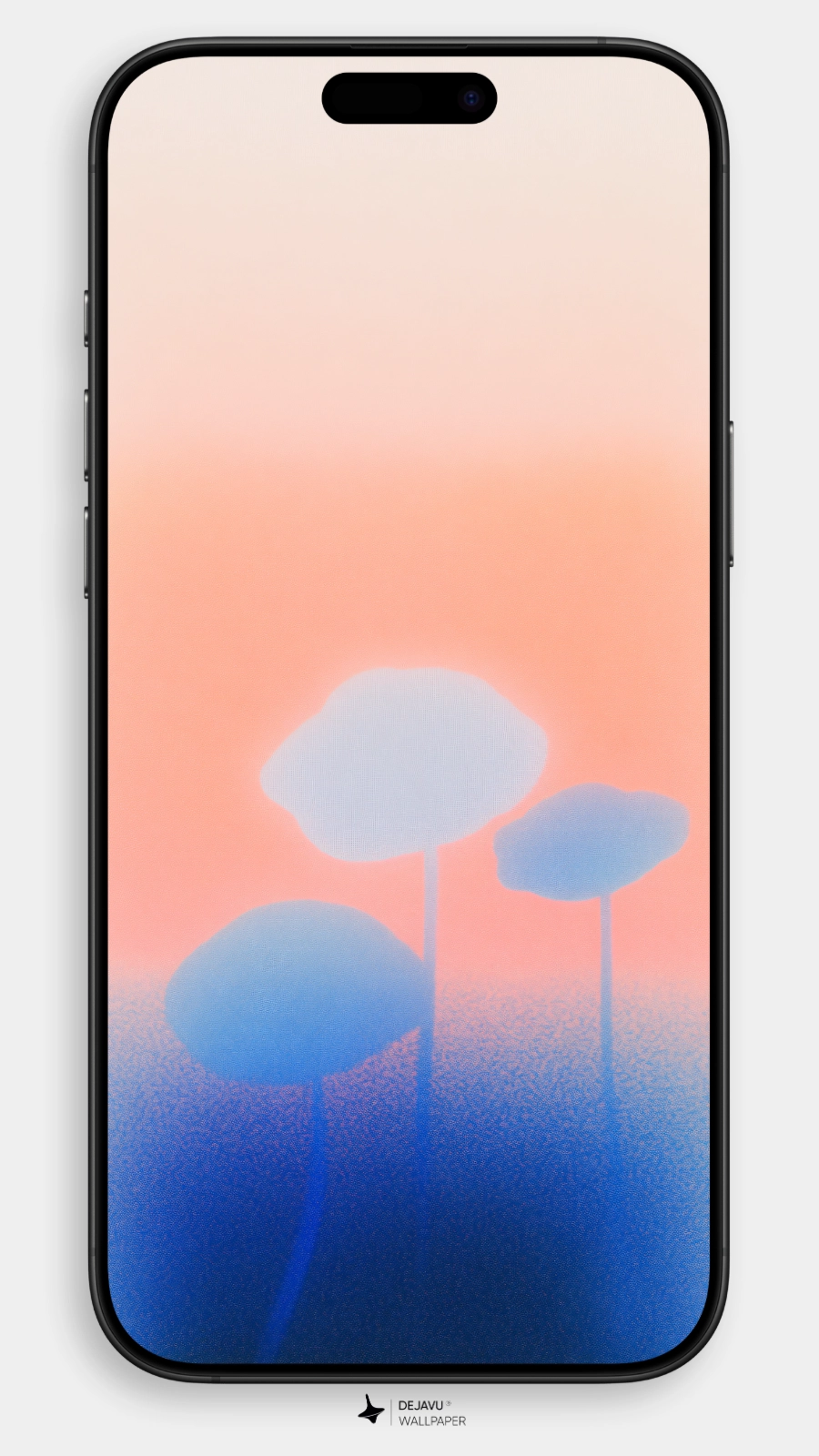
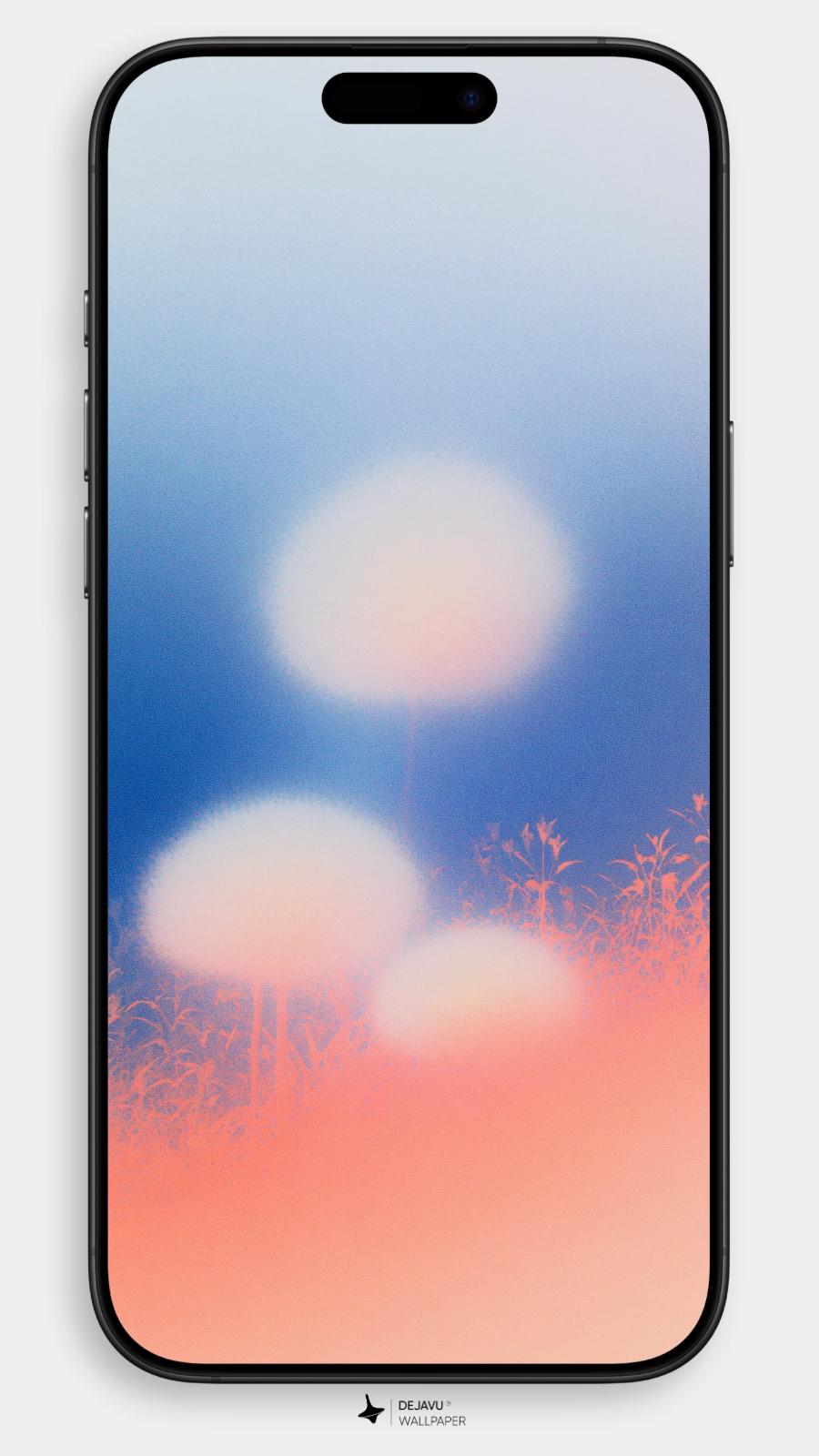
You probably haven’t seen flowers like these in your backyard—or anywhere on Earth, really. No stems, no roots, no neatly defined petals. Instead, they drift like mist, shimmer like particles, and float as if gravity just gave up. These flowers don’t bloom—they glitch into existence.
Welcome to the surreal digital garden of Japanese visual artist Katsumi Otomo, where plants are grown not in soil, but in code.
Who is Katsumi Otomo—and why doesn’t he draw “real” flowers?
First things first: No, he’s not related to that Otomo—the legendary Akira creator Katsuhiro Otomo. But Katsumi Otomo is just as trailblazing, thriving at the intersection of CGI design, film storyboarding, and abstract digital art.
Unlike traditional botanical illustrators, Otomo isn’t interested in mapping out real-world flora. Instead, he creates fictional, algorithmic, and often ghostly floral forms. These aren’t your grandma’s daisies—his flowers are made of tens of thousands of swirling particles, suspended in space like the digital ghosts of a plant that never was. Think: nature meets sci-fi meets vaporwave.
Why do his digital flowers look so soft and so futuristic?
It’s not just visual trickery—there’s some serious tech going on behind the scenes. Otomo uses what’s called a particle system, usually reserved for making explosions, smoke, or magical effects in 3D engines. But instead of blasting fireworks, he grows petals.
Each flower is essentially “alive” in its own way, animated by algorithms that simulate wind, light shifts, or even breathing. They change shape as you move around them, reacting to your perspective like moody digital creatures. It’s a perfect blend of soft aesthetics and hardcode logic.
Can flowerbeds really be generated by algorithms?
Absolutely—and there’s even a name for it: Generative Gardens. It’s a digital art movement where artists code the rules for flowers to grow—things like branch angles, symmetry, color gradients—and then let the computer handle the blooming. These algorithmic plants have made their way into immersive art shows like teamLab’s glowing gardens, where the flowers grow and fade as you walk by.
Otomo’s work taps into that same idea: his “flowerbeds” aren’t just drawn, they’re born. Think of it less like painting, and more like building a virtual ecosystem that evolves with time.
Are digital flowers the future of design?
Spoiler alert: they kind of already are. This aesthetic has bloomed across everything from virtual showrooms and NFT galleries to high-fashion prints and—you guessed it—digital perfume packaging (yes, you can see it, but you can’t smell it).
These glitchy, gravity-defying flowers aren’t bound by seasons or soil. They’ve become a visual language—fusing nature, tech, and emotion into something dreamlike and weirdly soothing.
Otomo’s not just planting flowers—he’s sowing ideas. Ideas that reimagine what nature could be in a world ruled by pixels and particles. His blossoms don’t wilt, don’t fall—they just keep evolving on screen, inviting us to imagine a new kind of garden, somewhere between dream, data, and design.