
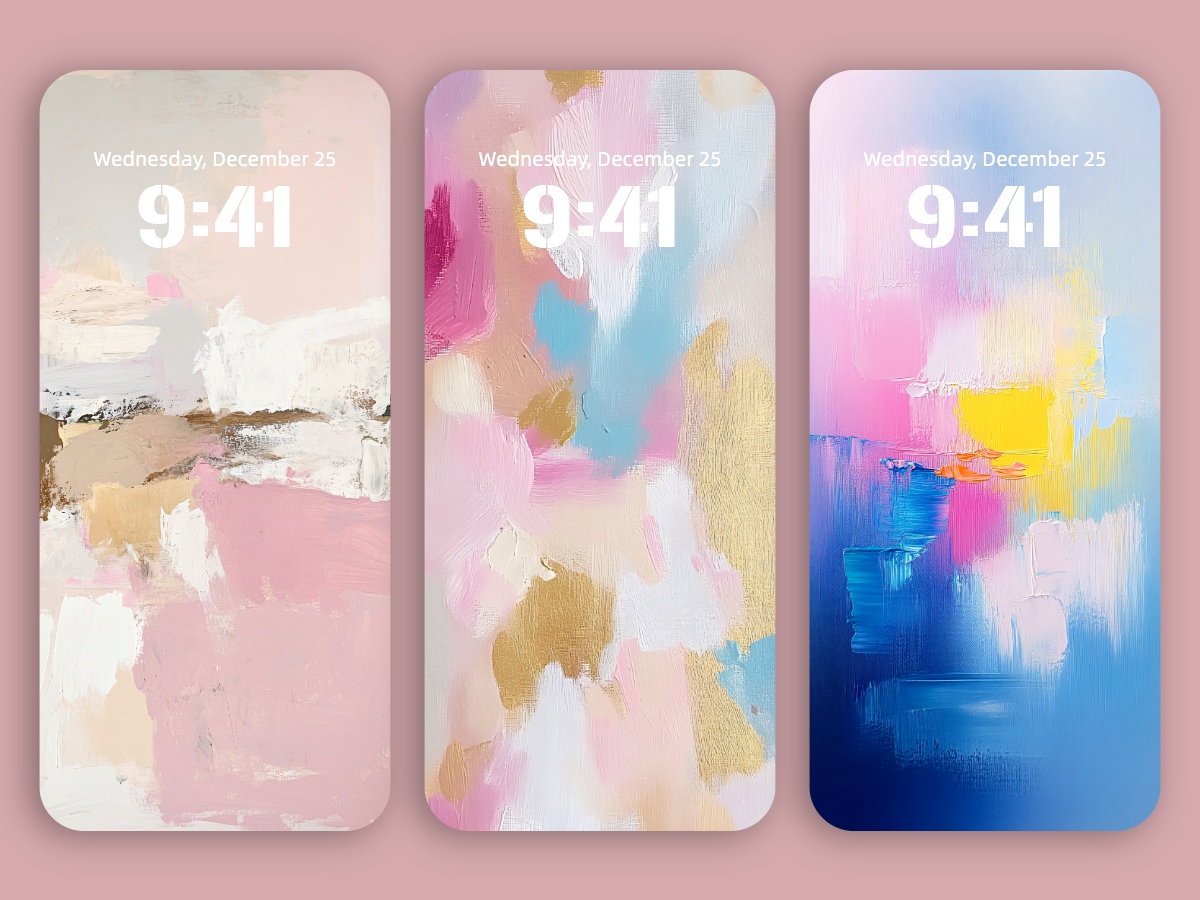
Ready to turn your phone into a canvas of mystery? The Curious Tales Behind Abstract Oil Paintings minimal 8K phone wallpapers are the perfect way to add a touch of artistic intrigue to your device. These stunning, high-resolution wallpapers offer a peek into the world of abstract art — where shapes, colors, and textures tell stories without words. Each design invites you to dive deeper into the tale hidden within the brushstrokes, whether it’s the emotion behind the swirling colors or the subtle symbolism within the geometric chaos. Ideal for both iPhone and Android users, these 8K wallpapers turn your phone into a piece of art, providing clarity, elegance, and a sense of wonder. Whether you’re a fan of minimalist design or just love the mystery of abstract art, these wallpapers let you carry a story wherever you go. Prepare to spark curiosity, start conversations, and add a little extra creativity to your day! The world of abstract oil paintings is waiting to be explored — all you have to do is download and enjoy the artistic journey!
You can download all these wallpapers on Dejavu Wallpaper!
Experience the magic of AI in advance! Let the infinite imagination of AI decorate your screens, bring you fresh delights every day.




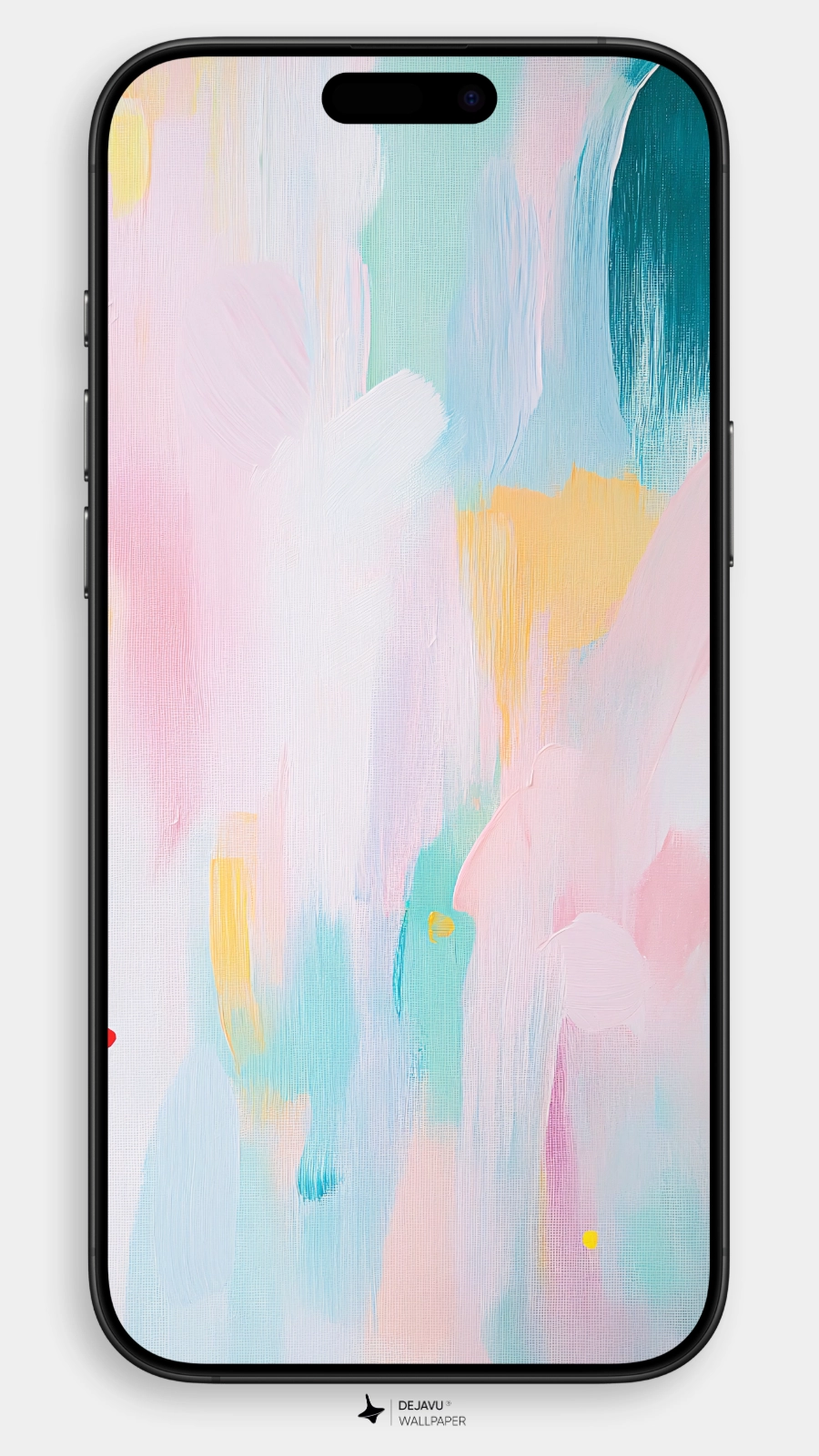


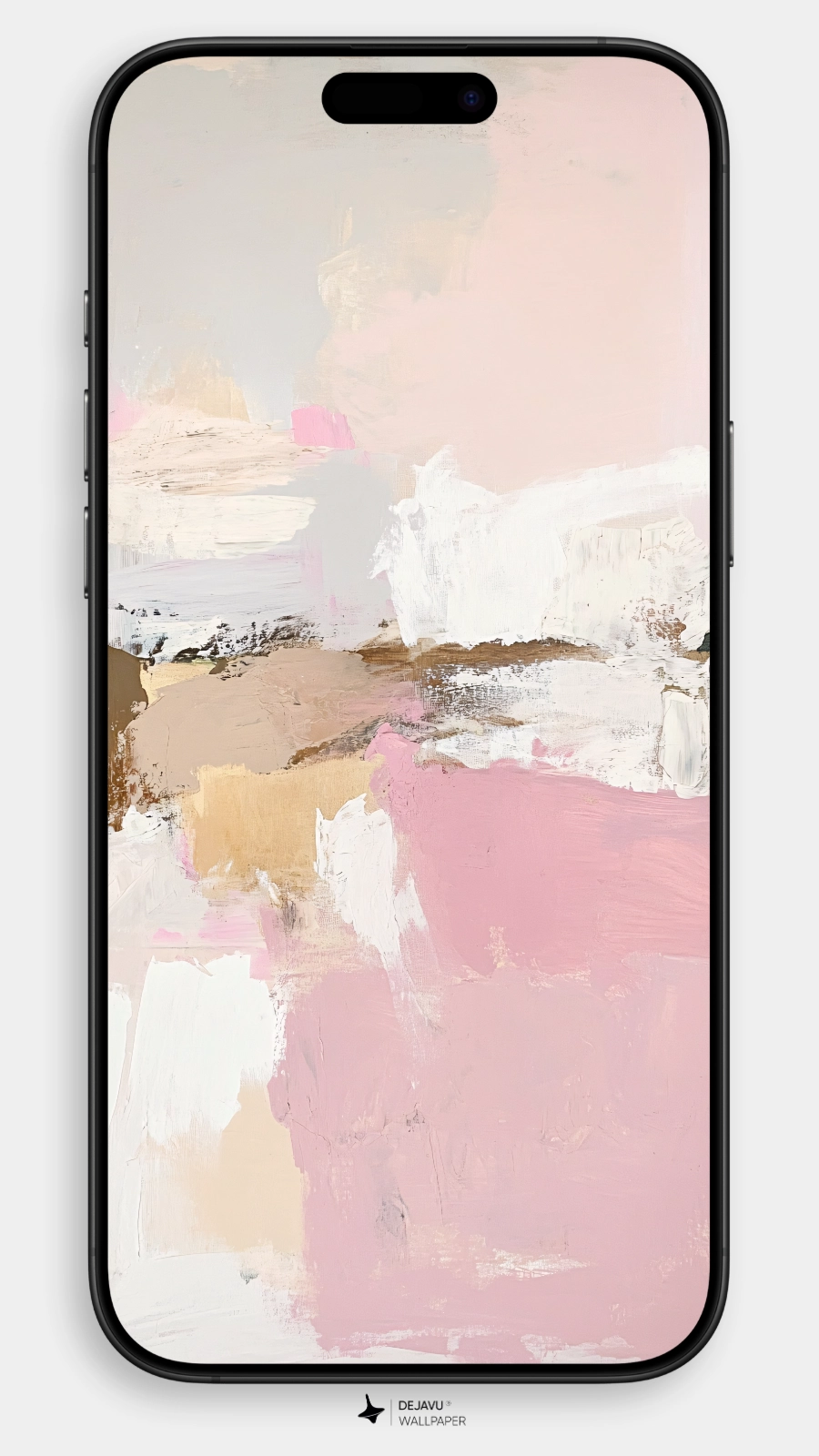
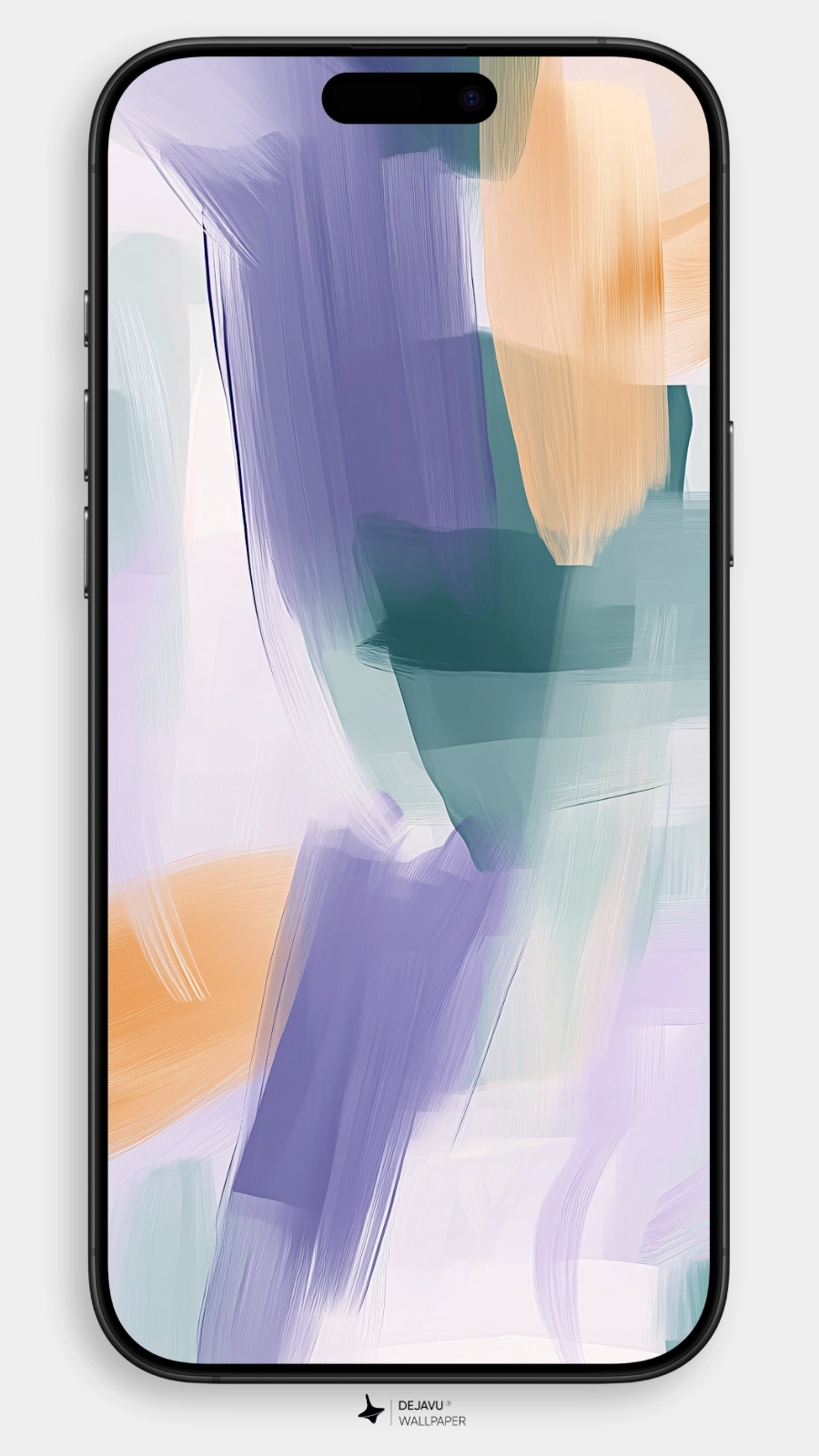

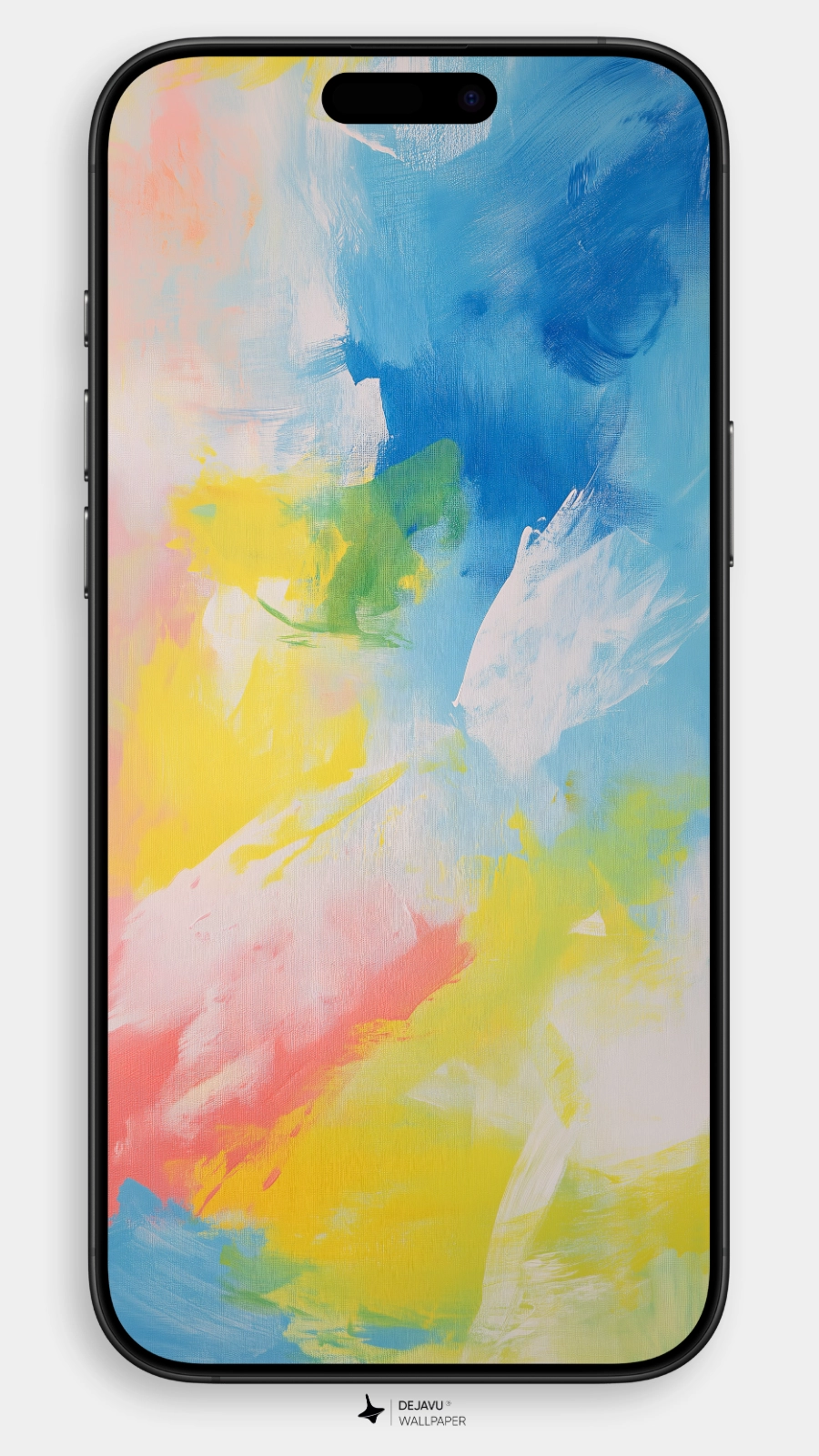
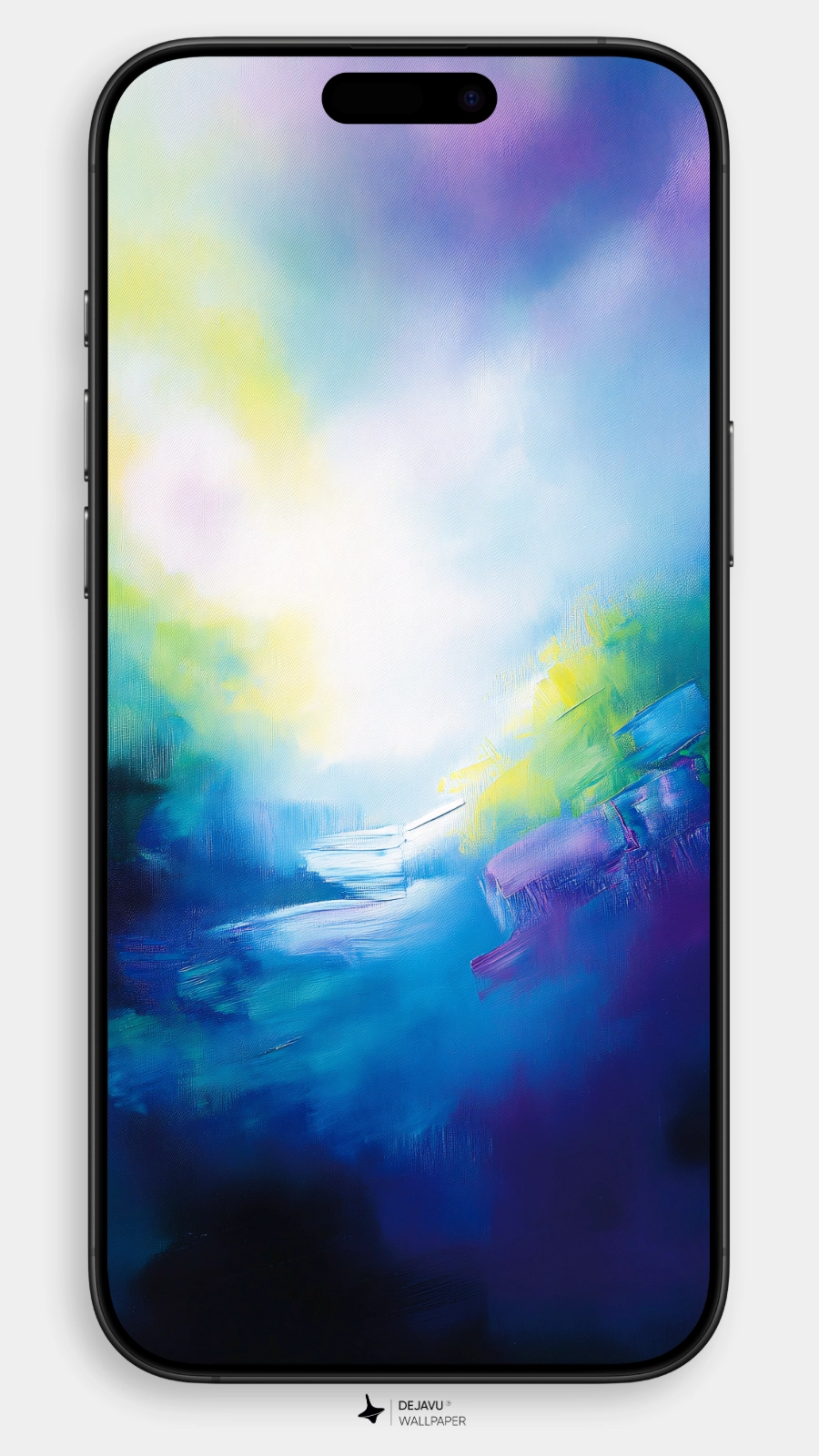
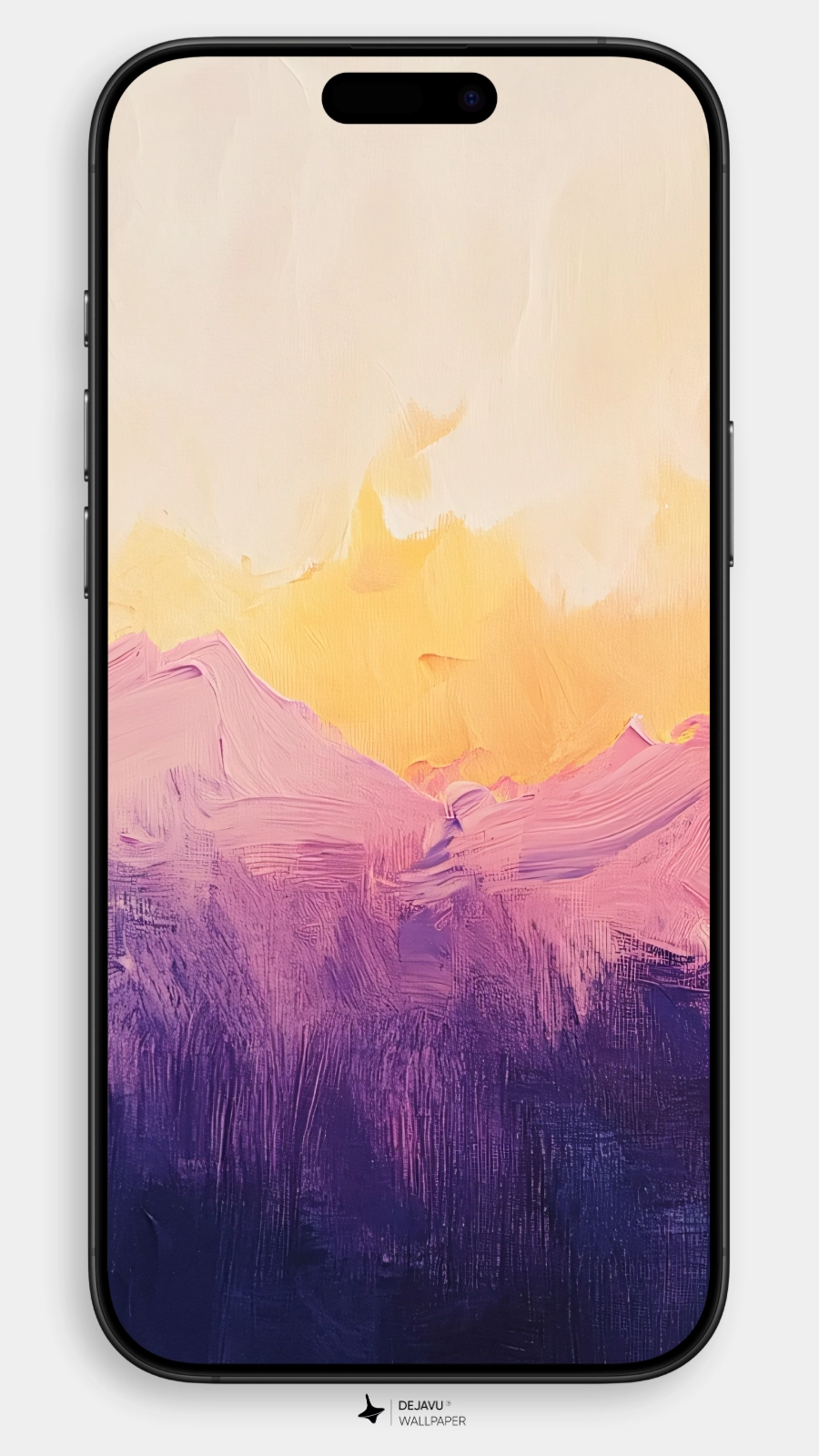
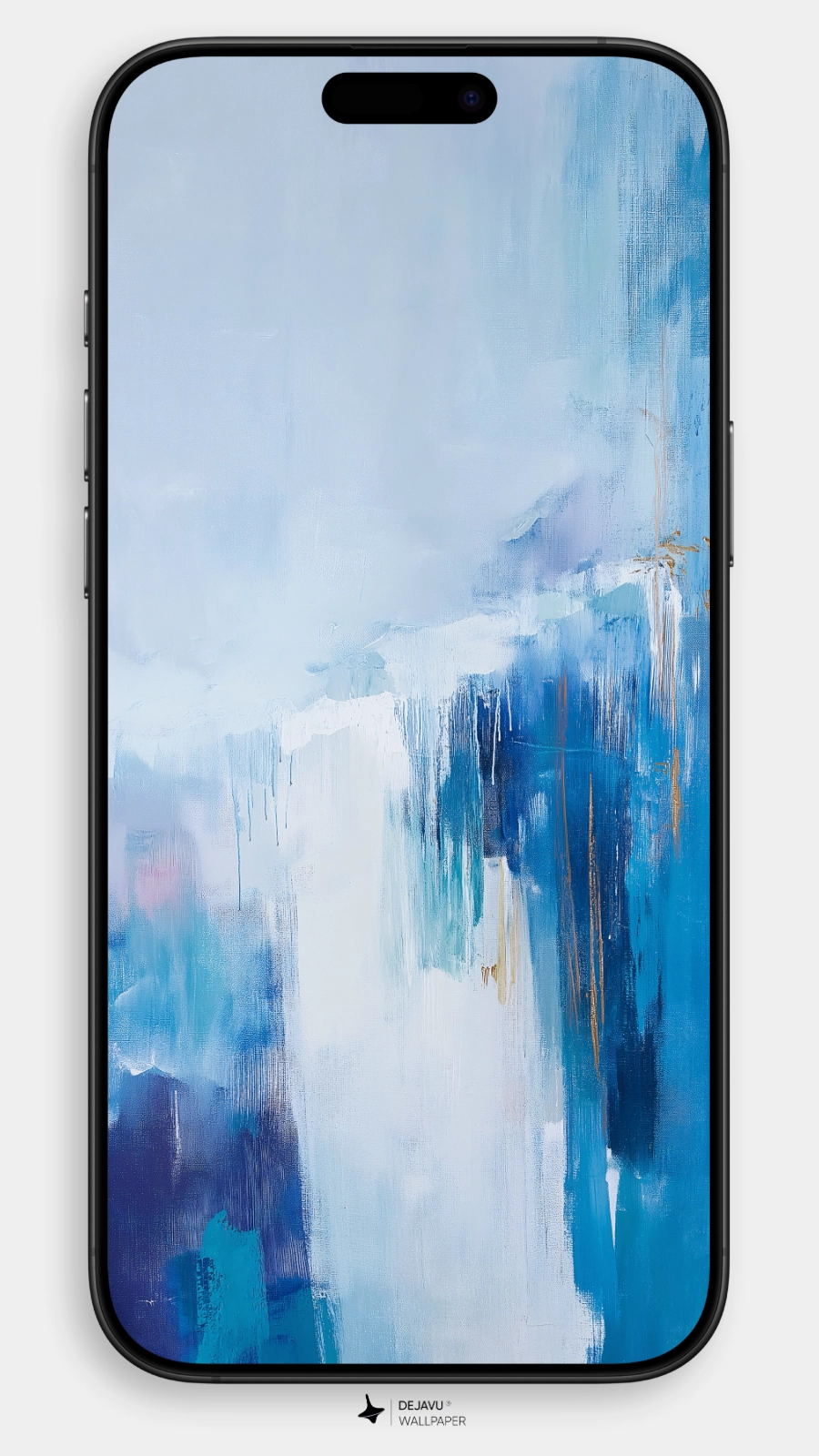
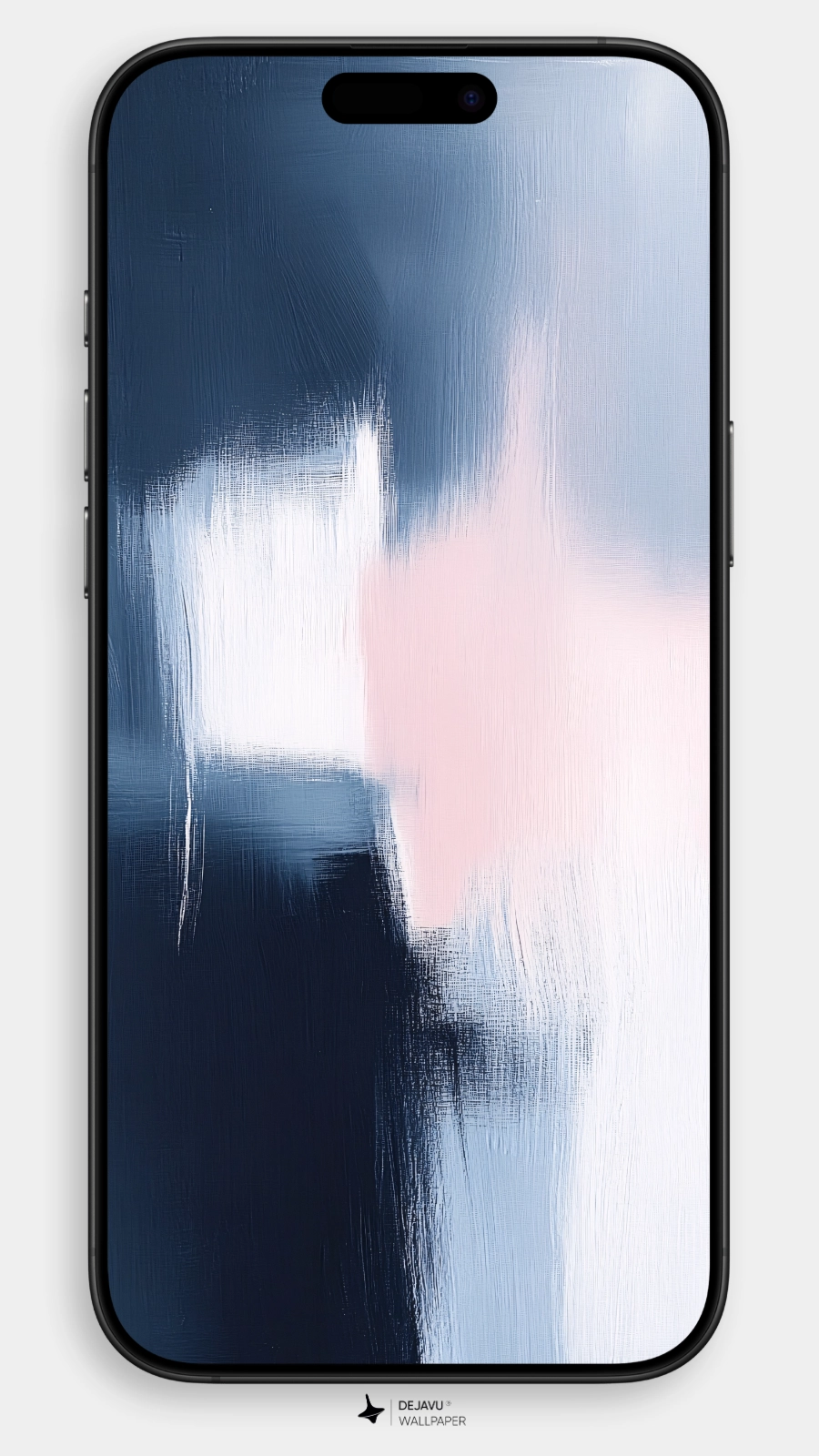
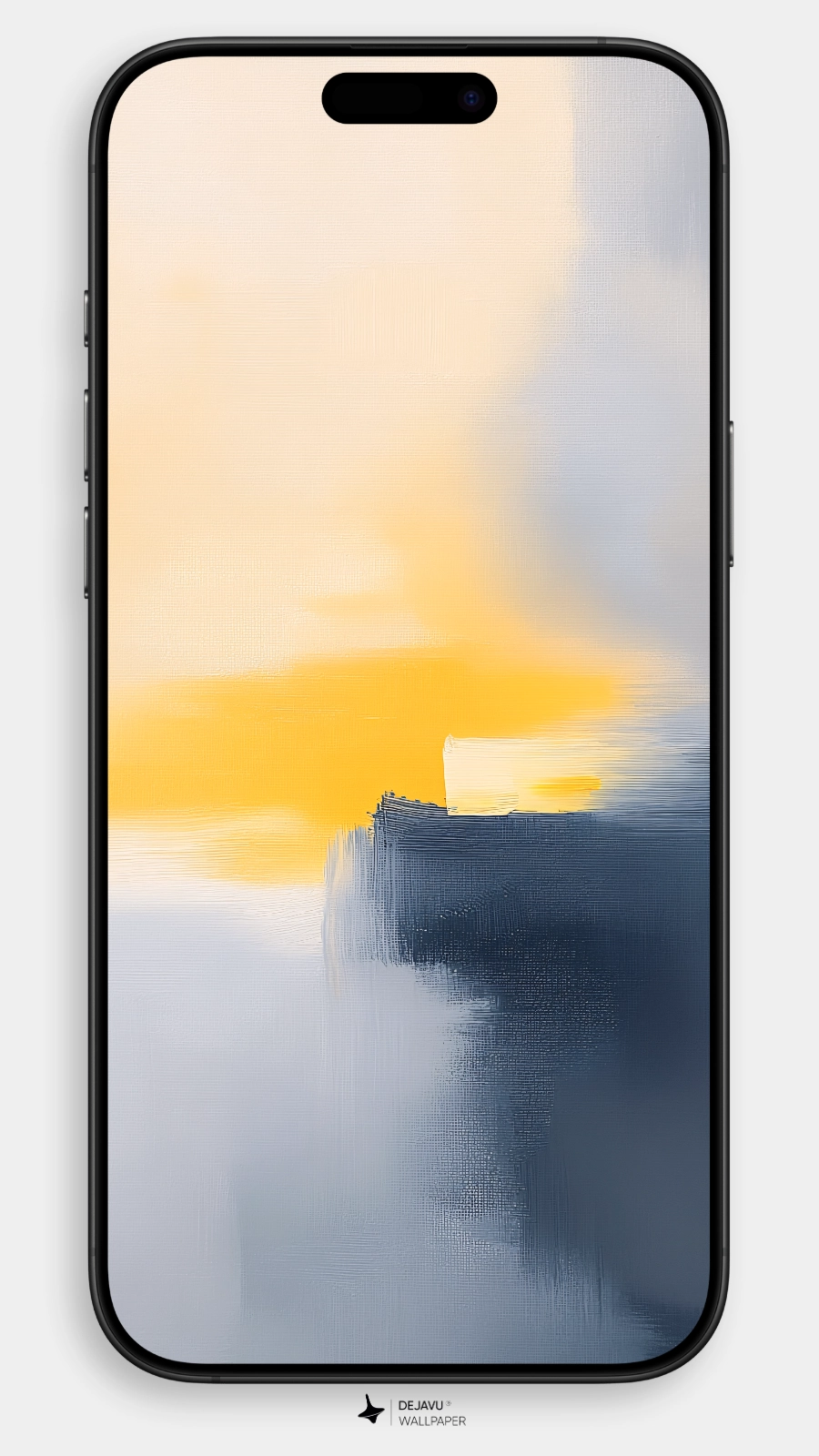
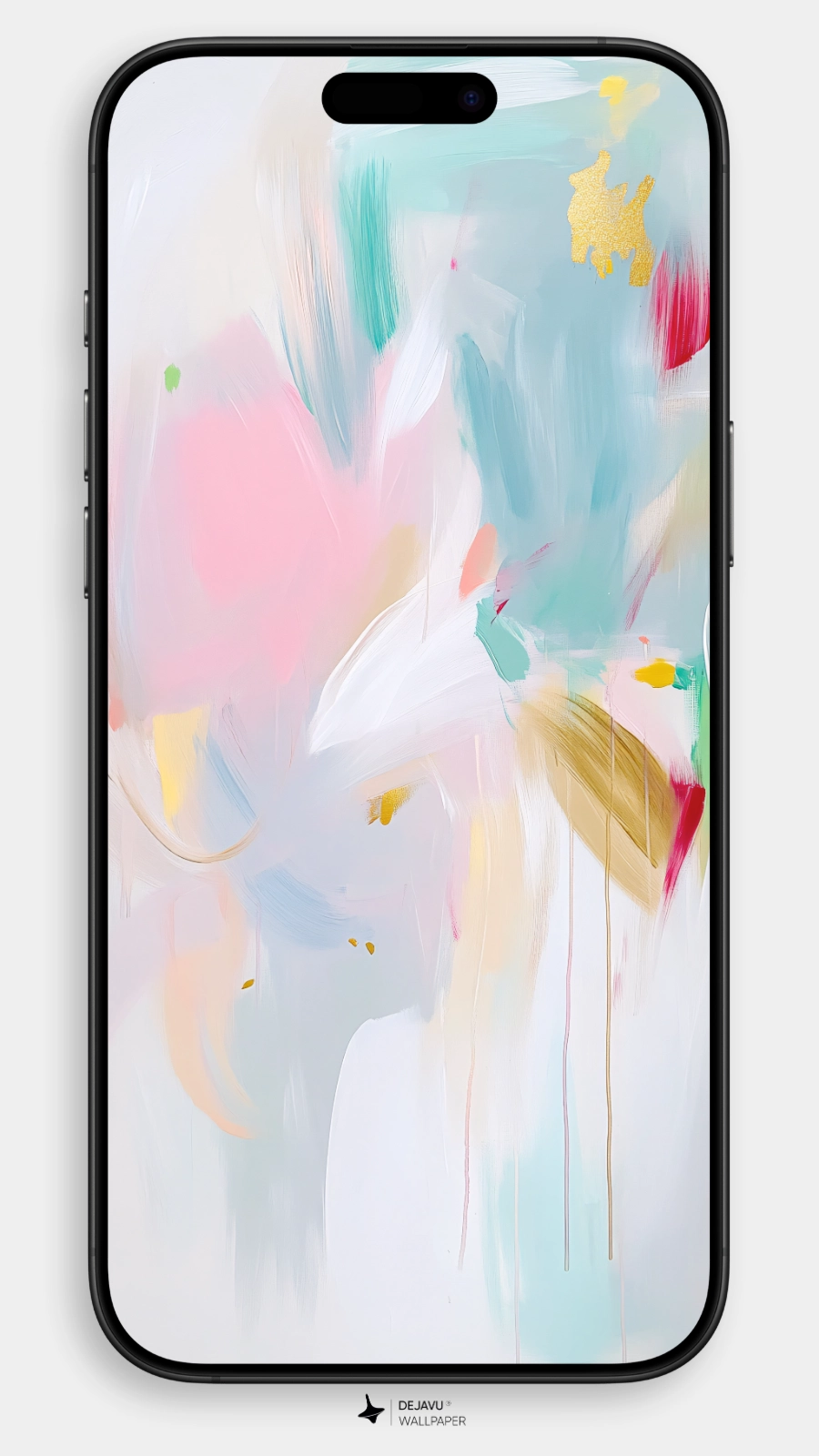
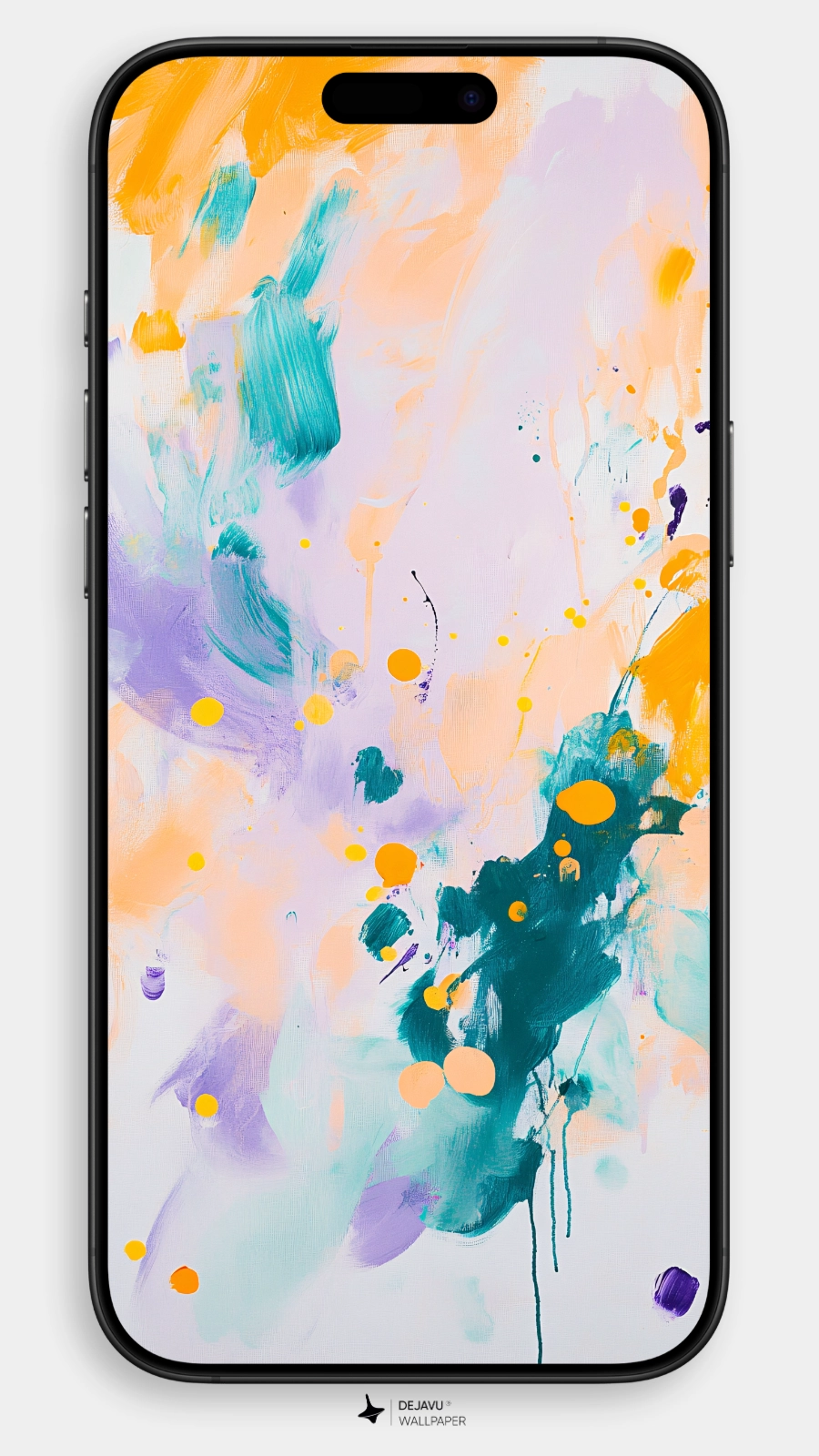
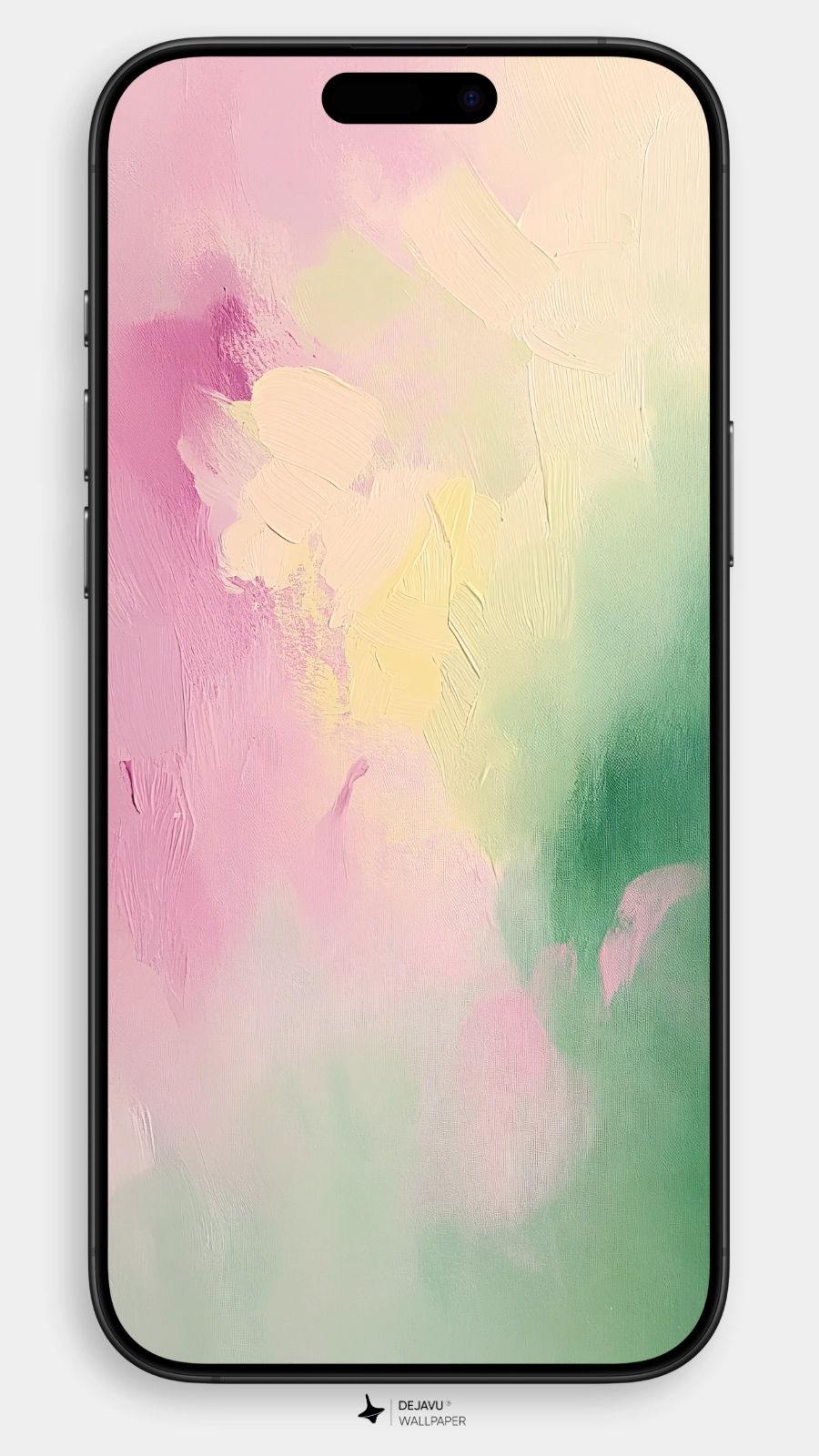

Splashes of color, swirls of paint, and bold strokes that seem to defy reason — abstract oil paintings are like silent poetry on canvas. They dance without words, their hues humming in rhythm. But behind these seemingly chaotic creations lie fascinating stories, unexpected mishaps, and revolutionary moments that forever changed the art world. Let’s dive into the vibrant and mysterious universe of abstract art.
A Silent Revolution: How Abstract Art Broke the Rules
Before the whirlwind of abstraction took hold, paintings were expected to resemble reality — portraits, landscapes, and still lifes reigned supreme. Then came Wassily Kandinsky, who tossed convention aside with his groundbreaking “First Abstract Watercolor” in 1910.
Kandinsky believed that colors alone could sing. Red roared like a trumpet, blue whispered like a cello, and yellow? Pure electric jazz. He saw no need for recognizable forms when color could evoke emotions directly. Inspired by his love of music, he treated his paintings like symphonies, where every hue and brushstroke played its part. And thus, abstraction was born — a bold rebellion in the world of art.
Rothko’s Color Fields: Can You Feel the Silence?
Step into a room with a Mark Rothko painting, and you’ll understand why abstract art is more than what meets the eye. With his signature color field paintings, Rothko used massive swaths of color stacked upon each other. At first glance, they seem simple. But linger a while, and the colors begin to hum with unspoken emotion — joy, sorrow, or perhaps a curious stillness.
Rothko was so particular about how his work should be experienced that he insisted museums hang his paintings low, forcing viewers into an almost confrontational gaze. The goal? To lose yourself in the color, to be swallowed whole by its presence. “I’m not interested in color,” Rothko famously said. “I’m interested in emotions.”
The Accidental Masterpiece: Jackson Pollock’s Wild Strokes
If there was a rockstar of the abstract world, it was Jackson Pollock. Known for his “drip technique,” Pollock abandoned brushes, choosing instead to fling, drip, and splash paint onto vast canvases laid on the floor. Every splatter seemed wild, but beneath the chaos was a rhythm — an intuitive, almost hypnotic dance between artist and medium.
Legend has it that one of his most famous pieces, “No. 5”, was born from an accident. While Pollock was working, a swarm of bees flew into his studio. Startled, he kicked a bucket of paint across the canvas. What should have been a disaster became a masterpiece, later selling for a record-breaking $140 million. It turns out, sometimes chaos makes the best collaborator.
The Hidden Language of Colors: Abstract Art and the Mind
Abstract art isn’t just about what you see — it’s about how you feel. Psychologists have long studied the impact of color on our emotions. Warm tones like red and orange might ignite feelings of passion or joy, while blues and purples soothe the mind like a calm ocean breeze.
That’s why abstract paintings are often used in therapy. Staring at a burst of vibrant yellow or a pool of serene blue can unlock emotions we didn’t even realize we were holding. Art, in its most abstract form, becomes a mirror to the soul.
Modern Abstractions: When Art Meets Technology
Today’s artists are pushing the boundaries of abstraction even further. Forget traditional oils and canvases — now, LEDs, digital screens, and even AI-generated art are the new frontiers. Some works pulsate with light, shifting with the viewer’s movements, while others use algorithms to create ever-evolving patterns. The result? Art that’s no longer static, but alive and endlessly unfolding.
How to Read an Abstract Painting (Spoiler: There’s No Right Way)
Feeling a bit puzzled in front of an abstract masterpiece? You’re not alone — and that’s the beauty of it. Abstract paintings don’t demand understanding; they invite interpretation. Here’s how to make the most of your encounter:
- Feel First, Think Later: Ask yourself, “What emotion does this stir in me?” Maybe it’s excitement, peace, or even confusion — all are valid.
- Let the Colors Speak: Notice how the colors interact. Does a splash of red feel like a shout? Does the blue calm it down?
- Make Up a Story: There’s no right or wrong narrative. Maybe that swirl of green is a gust of wind, or perhaps it’s the feeling of longing. The story is yours to create.
The Adventure of Abstract Art
Abstract oil paintings are like portals — they refuse to be pinned down by a single meaning. Instead, they shift and evolve with every gaze. One day, a painting might feel like a celebration, and the next, a quiet reflection. The experience is yours, and it’s different every time.
So, next time you stand before a canvas dripping with wild color and untamed strokes, remember: You’re not just looking at a painting. You’re stepping into a conversation — one without words, where every emotion is welcome. And who knows? You might just find a piece of your own story reflected back at you.