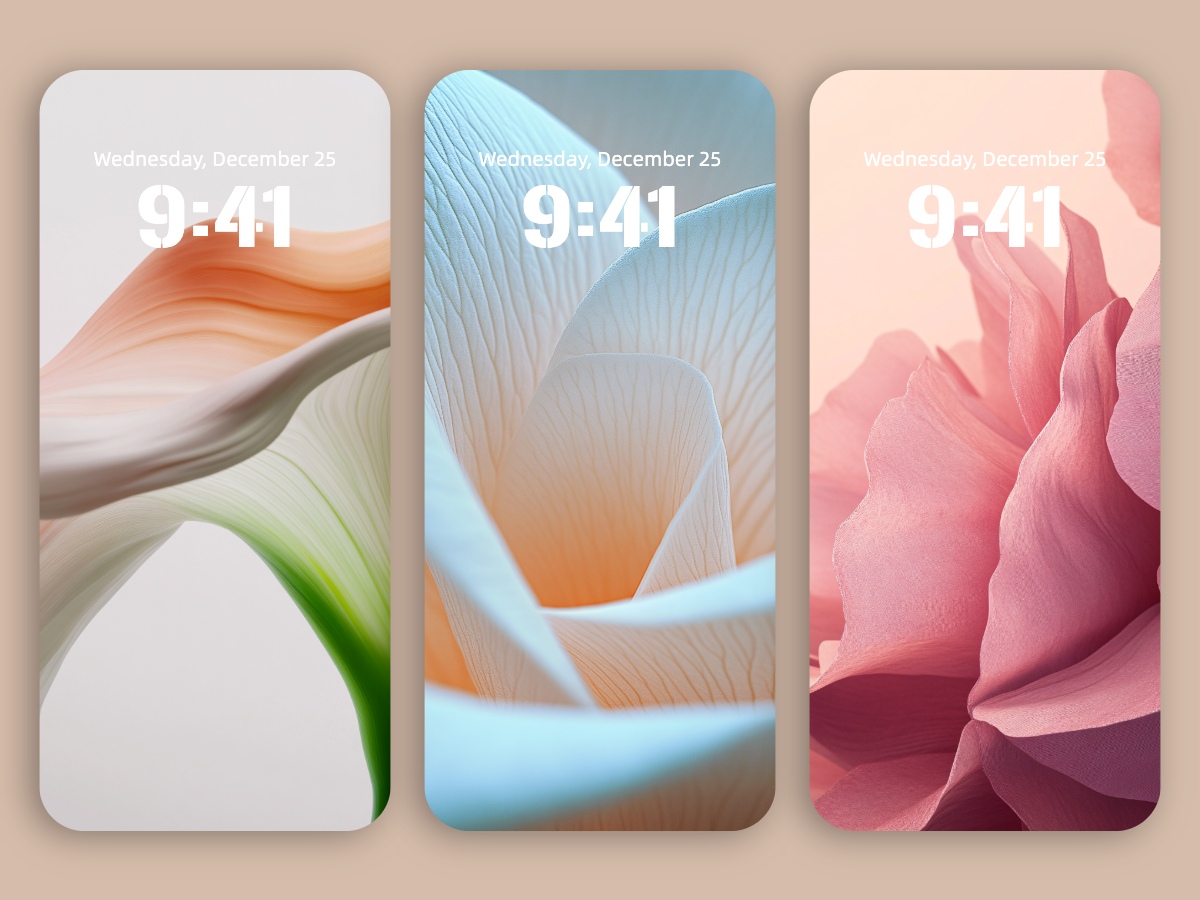
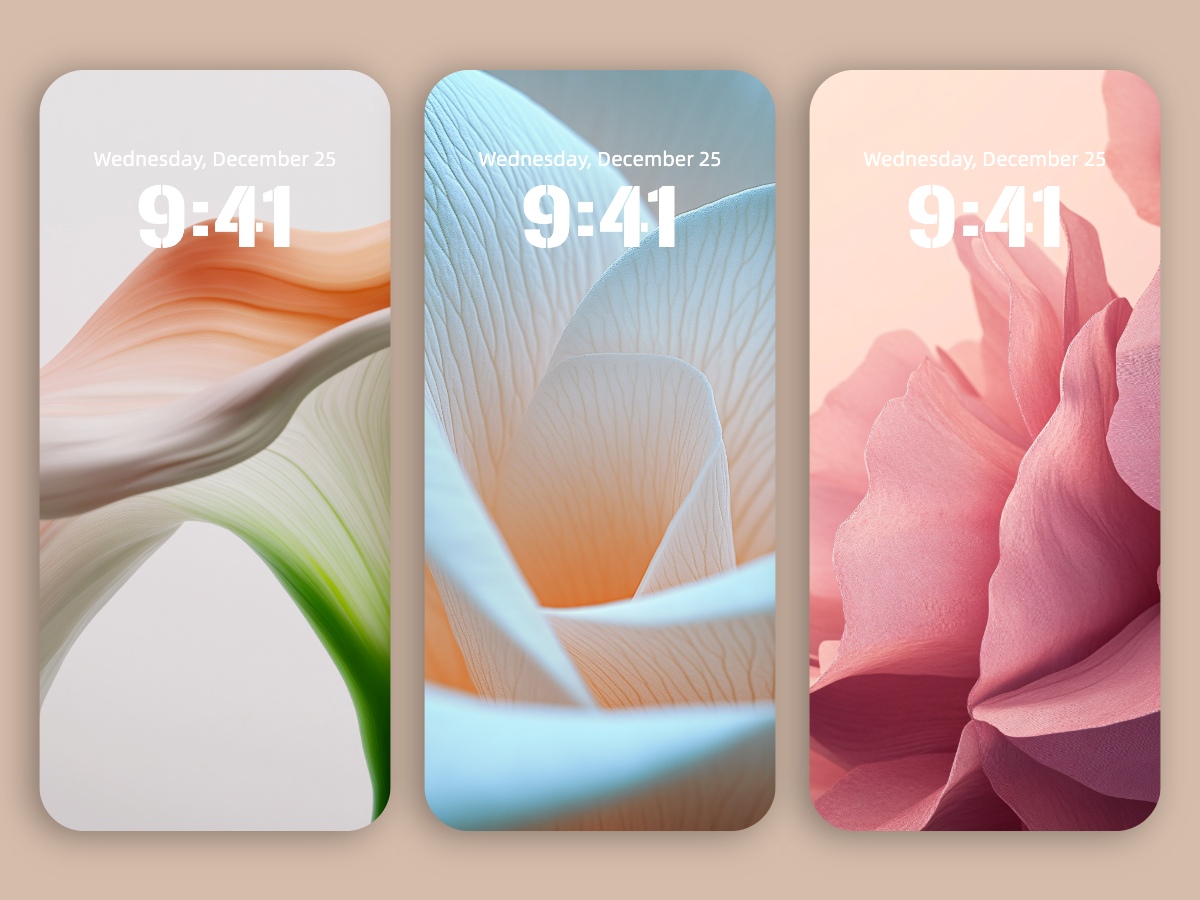
Ready to let your phone blossom with elegance? Petal Secrets: Nature’s Masterpiece in Bloom brings you stunning 8K minimal wallpapers designed for both iPhone and Android. These aren’t your average floral backgrounds — think soft petals, subtle gradients, and crisp details that make your screen feel like a serene garden in your pocket. Inspired by nature’s quiet magic, each wallpaper celebrates the hidden beauty of flowers — the curve of a petal, the glow of morning dew, and the hush of a bloom unfolding at dawn. Whether you’re into clean aesthetics, botanical vibes, or just want something that whispers calm, this collection is made to elevate your everyday scroll. Minimalist but full of life, these wallpapers blend perfectly with app icons while adding a graceful touch. So go ahead, download your floral escape and let your device breathe with beauty — because your screen deserves a little bloom magic too.
You can download all these wallpapers on Dejavu Wallpaper!
Experience the magic of AI in advance! Let the infinite imagination of AI decorate your screens, bring you fresh delights every day.




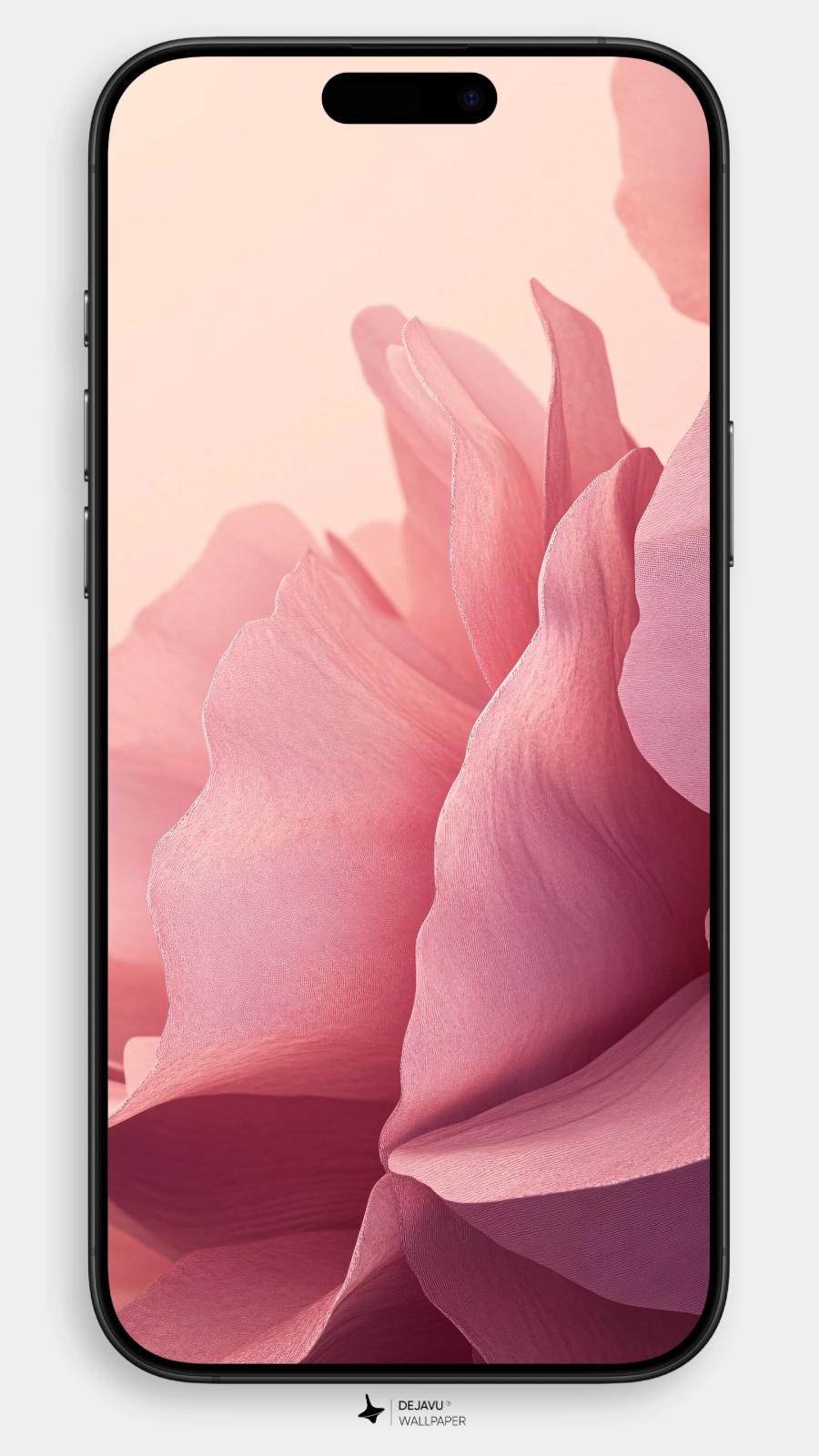


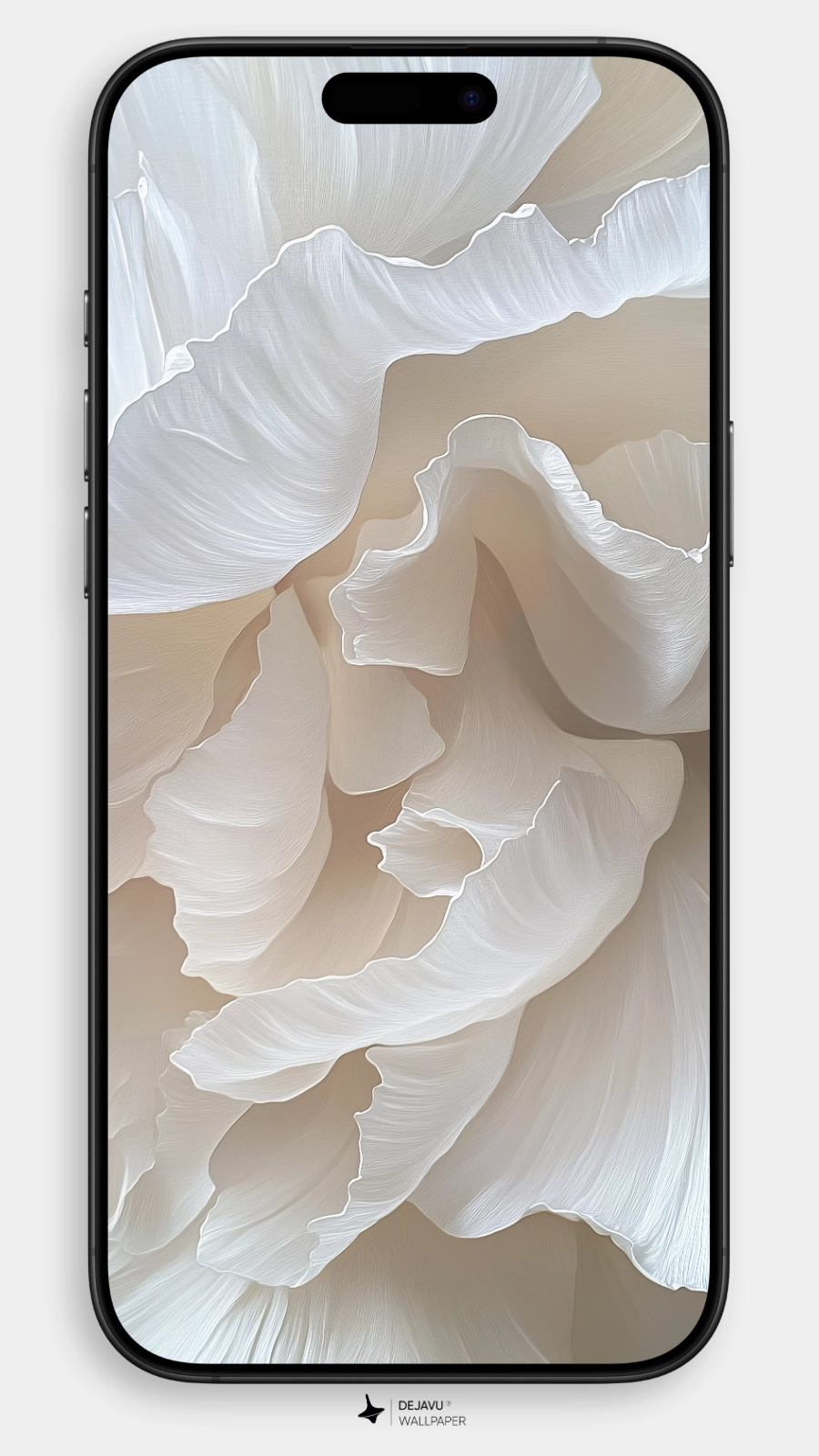


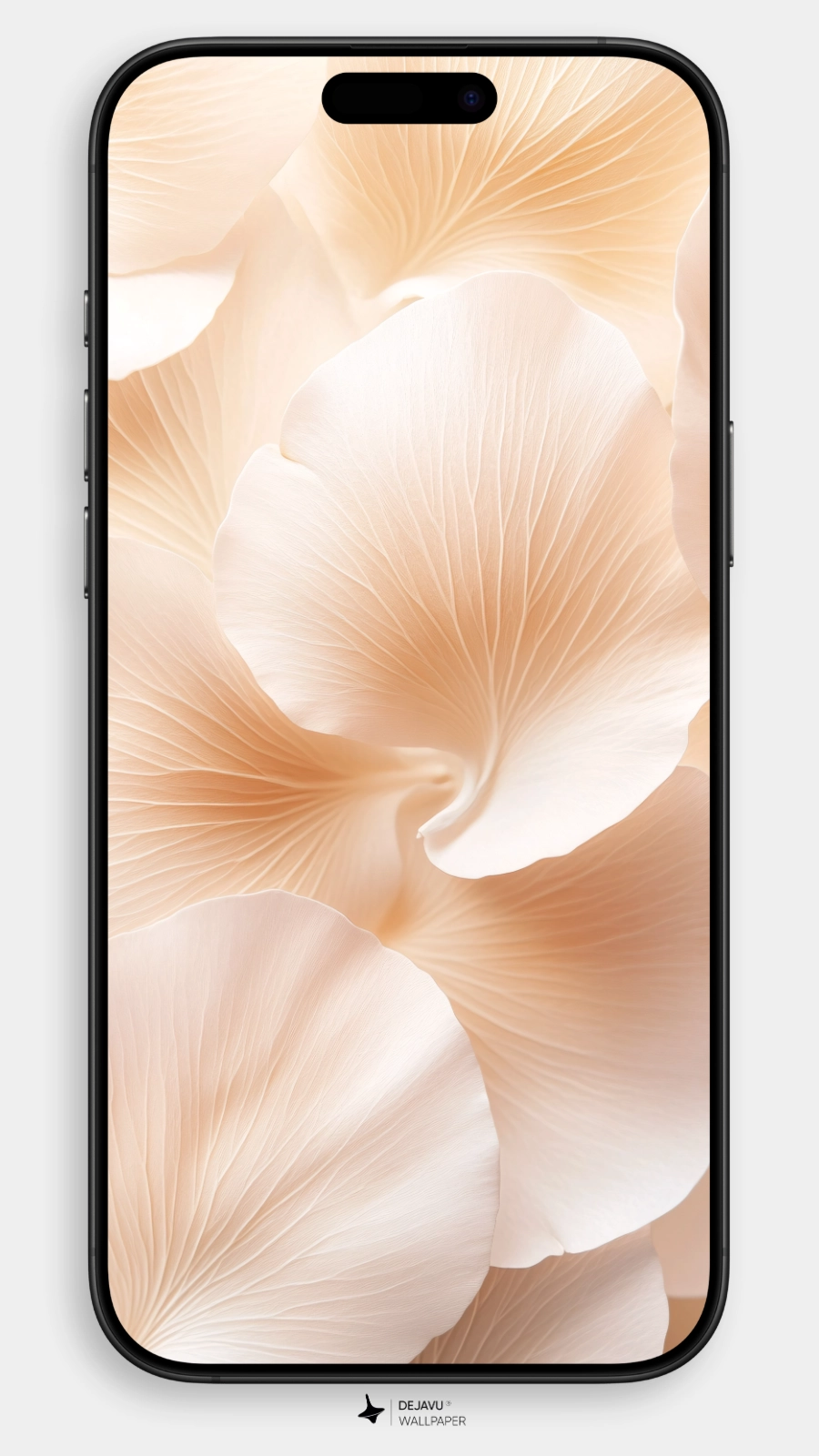


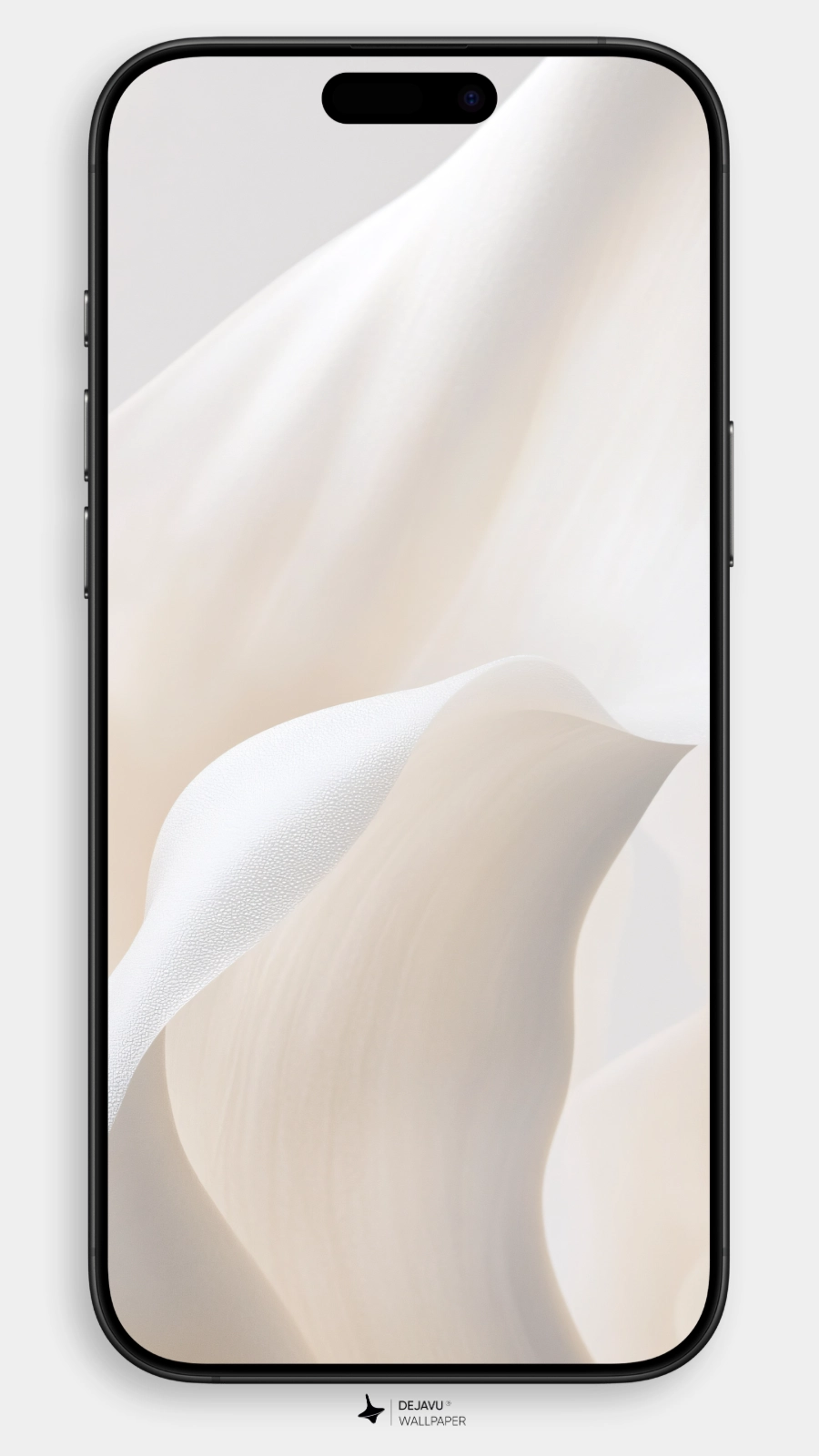

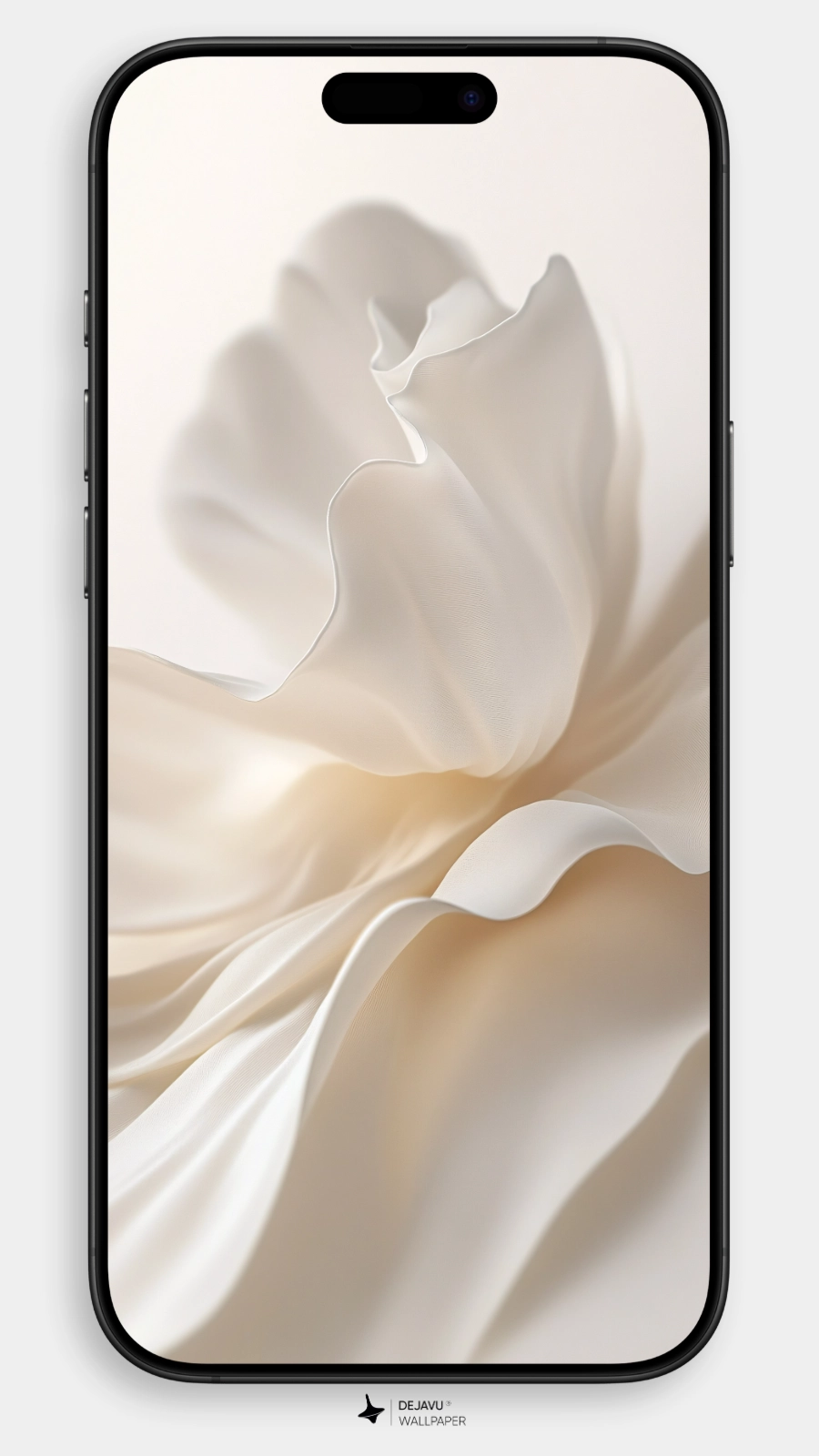
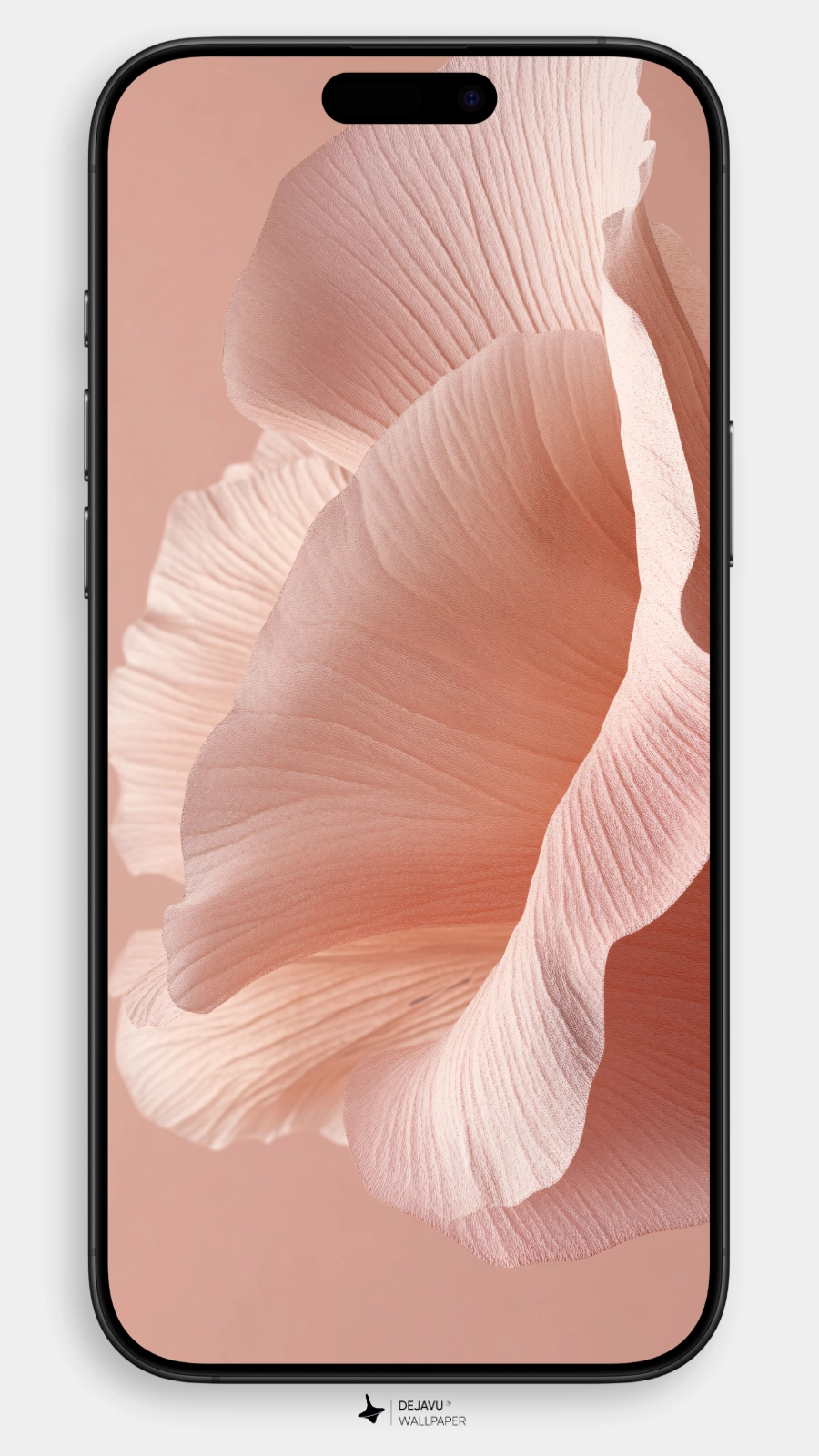

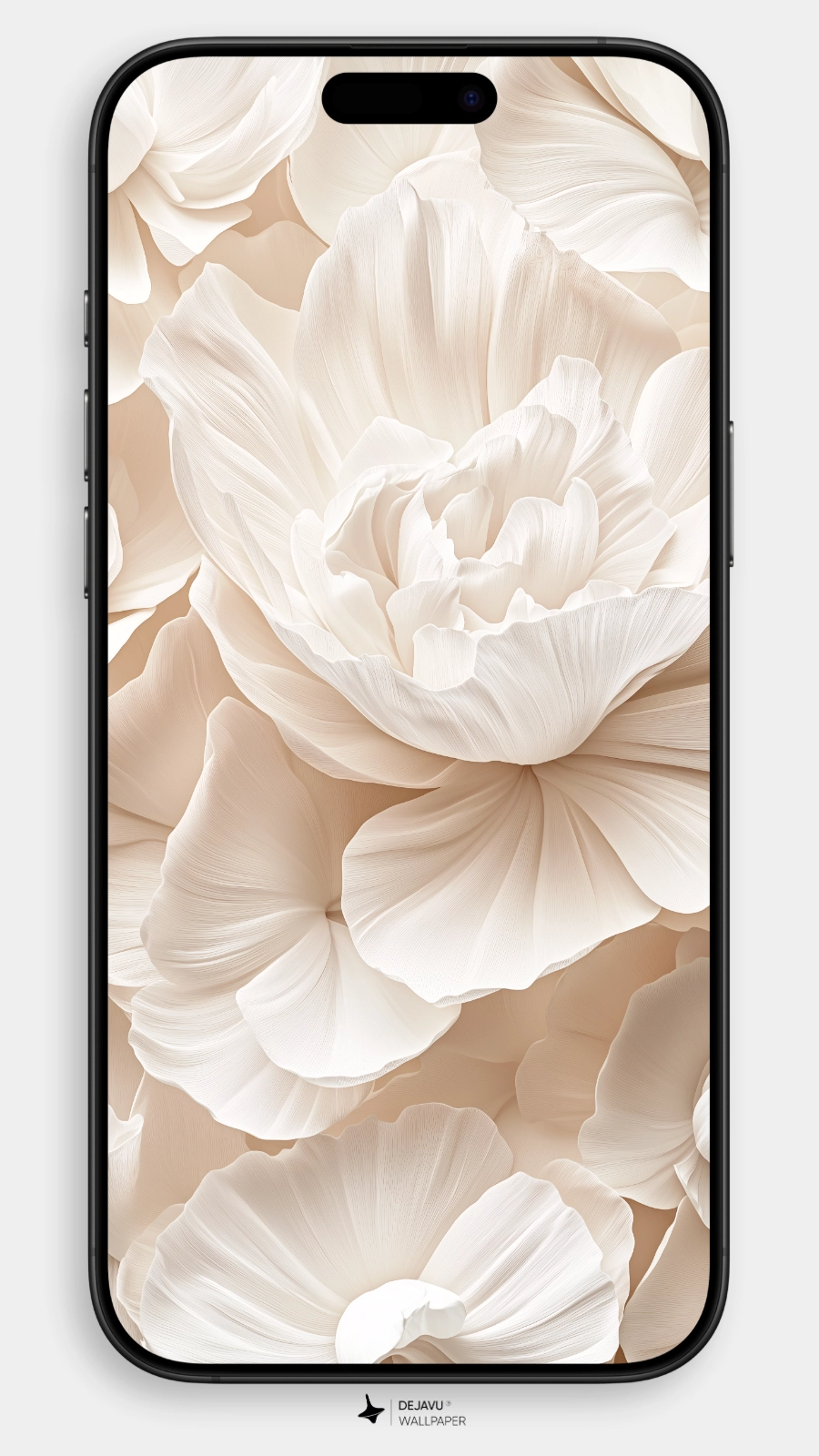


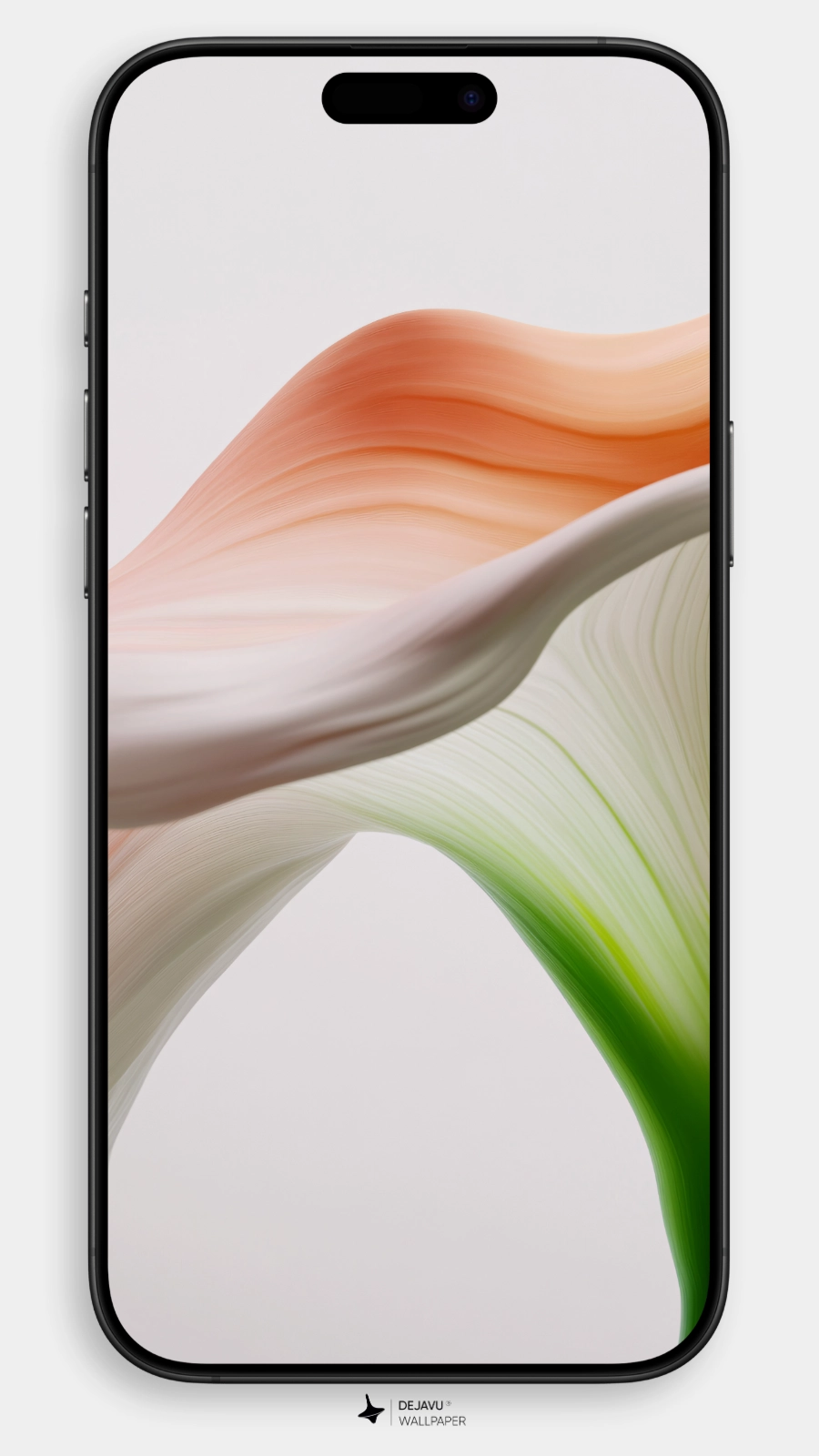
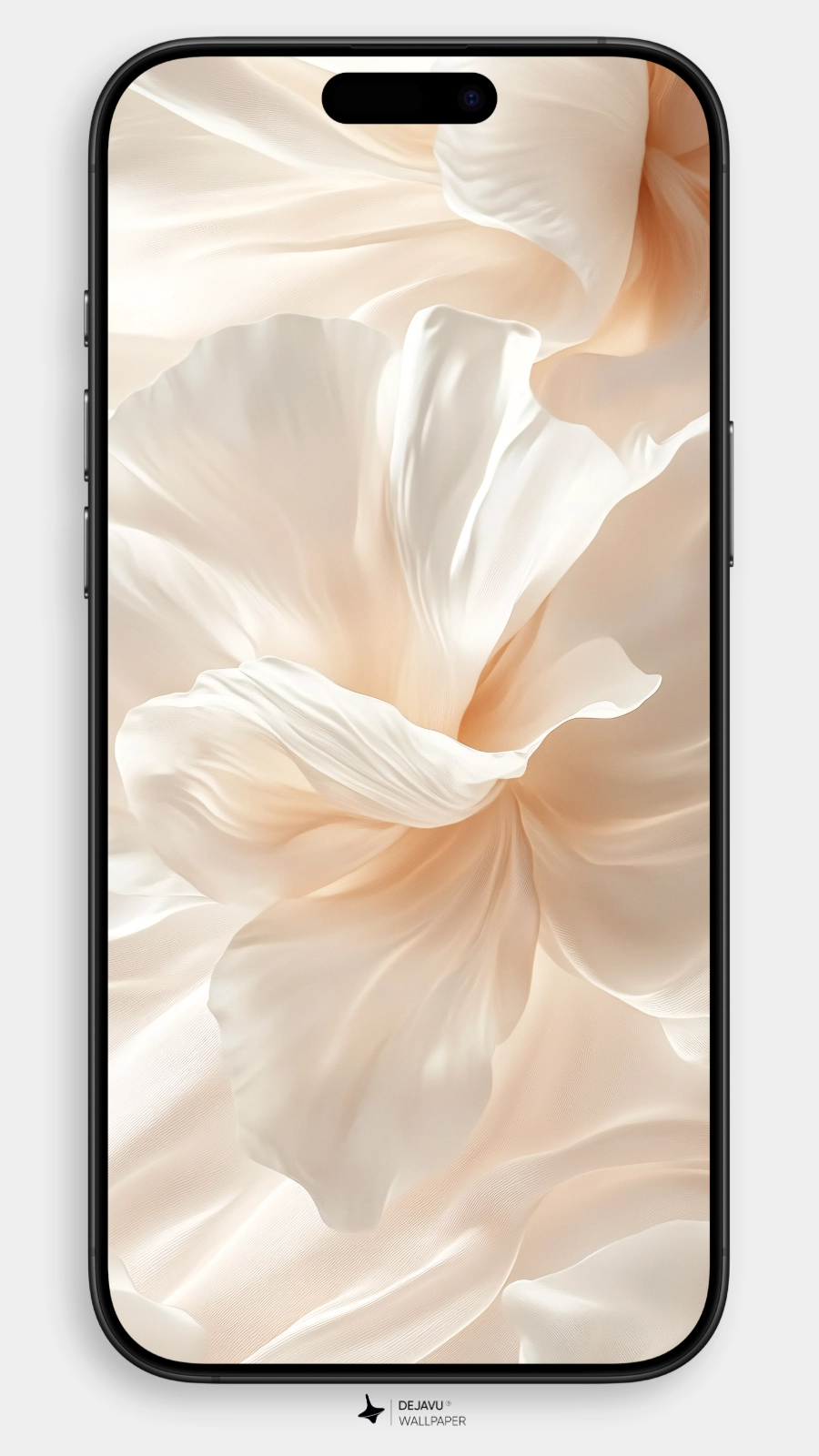
Delicate, vibrant, and often fragrant — petals are more than just the colorful face of flowers. Hidden within their velvety folds lies a world of intricate science, artistic inspiration, and cultural symbolism. If you were to zoom in on a single petal, you’d uncover microscopic textures and gleaming surfaces that seem like nature’s own handiwork. Ready to step into the fascinating world of petals? Let’s dive into their secrets!
A Petal’s Engineering Marvel
Soft as they may seem, petals are marvels of natural engineering. Scientists have discovered that their surfaces are covered with nanoscale ridges and bumps that determine their color, sheen, and even water resistance. Take the rose, for example — its silky texture and glowing radiance come from microscopic structures that scatter light like a natural velvet filter.
But beauty isn’t their only purpose. Petals are designed to repel water, thanks to their hydrophobic coatings. Ever noticed droplets resting like crystal beads on a flower’s surface? That’s no accident. It’s the “lotus effect” at play, keeping petals pristine and dry, even after a rain shower.
Why Are Petals So Colorful?
That eye-catching burst of color? It’s a botanical masterpiece, crafted through chemistry. Petals owe their hues to specialized pigments, mainly:
- Anthocyanins: Responsible for reds, purples, and blues.
- Carotenoids: Delivering vibrant yellows, oranges, and fiery reds.
- Flavonoids: Adding a touch of pale whites, creams, and greens.
And then there’s the magic of gradients — those gentle shifts from one shade to another. These color transitions act like glowing runway lights, guiding pollinators straight to the flower’s nectar. Nature’s own color-coded welcome sign!
Petals as Invitations: Nature’s Clever Lure
Think petals are just for show? Think again. For insects like bees and butterflies, petals are visual maps leading them straight to the prize. While we admire the petals’ beauty under sunlight, many flowers reveal hidden patterns in ultraviolet light — patterns invisible to the human eye. Known as nectar guides, these UV signals work like a blinking neon sign, shouting, “Dinner’s this way!”
It’s an ancient alliance: petals provide the promise of nectar, and pollinators return the favor by helping the plant reproduce. Win-win!
Petals in Art: From Nature to Canvas
Petals have long been the muse of artists, designers, and architects. The elegant folds of a tulip, the ruffled edges of a peony — they’ve all inspired creations far beyond the garden. Famed architect Zaha Hadid channeled the flowing curves of petals into her futuristic buildings, while the graceful silhouettes of cherry blossoms are a staple of Japanese kimono patterns.
Photographers, too, can’t resist the allure of petals. Through macro lenses, the fine textures and subtle veins of a petal become a world of their own. A soft breeze, a slant of sunlight — suddenly, the petal dances like a silk ribbon in the wind.
The Philosophy of Petals: Fleeting Yet Eternal
In Japanese culture, falling petals — especially the iconic cherry blossom — symbolize the fleeting beauty of life, a concept known as mono no aware. Each blossom’s brief bloom serves as a gentle reminder to cherish the present moment. Meanwhile, in the West, petals often embody romance and celebration. Scattered down wedding aisles or tossed joyfully into the air, they signify new beginnings and love’s enduring charm.
A Universe in a Petal
So, the next time you find yourself admiring a flower, pause for a moment. Think of the invisible patterns calling out to pollinators, the nanostructures reflecting sunlight, and the millions of years of evolution leading to that perfect bloom.
A single petal is a universe — a soft-spoken masterpiece of nature’s grand design. And perhaps, in its brief and brilliant existence, it whispers one timeless truth: beauty is all around, if only we take the time to see it.