
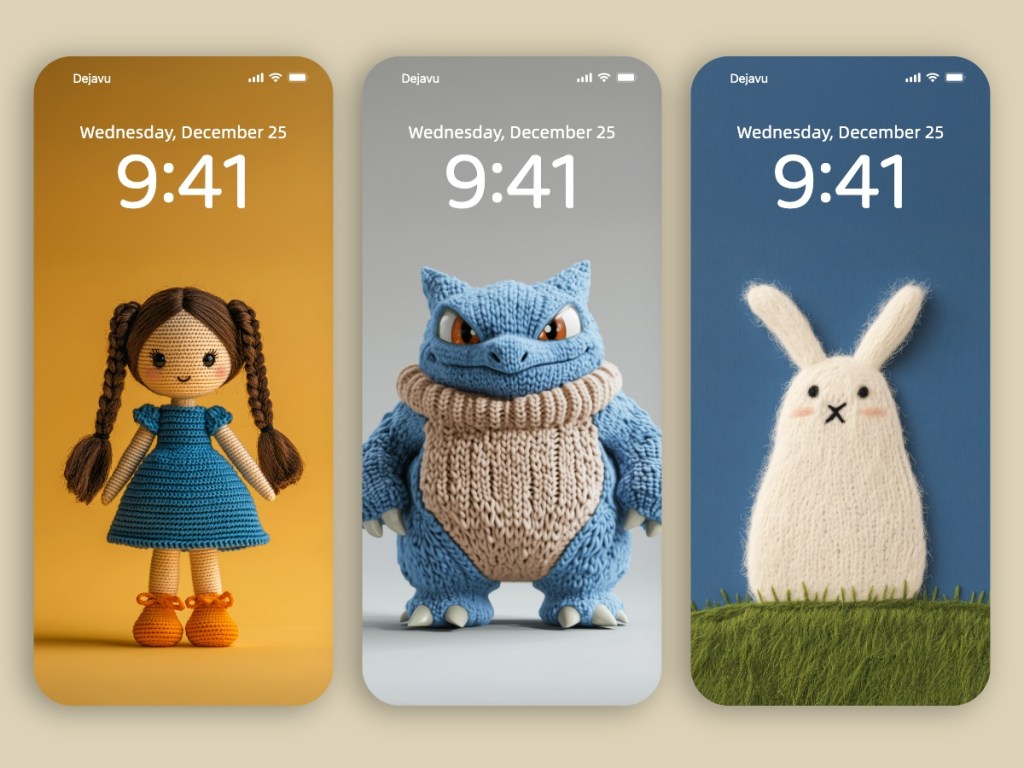
Who says ancient crafts can’t be modern masterpieces? Embroidery & Felt: From Ancient Craft to Artistic Marvel 8K minimal phone wallpapers bring the intricate beauty of hand-stitched designs and soft felt textures straight to your screen. Inspired by centuries-old techniques yet reimagined for today’s aesthetic, these wallpapers blend delicate patterns with a clean, minimalist vibe. Think finely embroidered florals, soft woolen textures, and artistic stitchwork—all in stunning ultra-HD detail. Whether you’re a lover of folk art, a fan of cozy aesthetics, or simply someone who appreciates subtle elegance, these wallpapers create a perfect balance between tradition and contemporary style. Optimized for both iPhone and Android, they bring warmth, craftsmanship, and a touch of handmade charm to your device. Elevate your screen with the artistry of the past, seamlessly woven into the digital present.
You can download all these wallpapers on Dejavu Wallpaper!
Experience the magic of AI in advance! Let the infinite imagination of AI decorate your screens, bring you fresh delights every day.




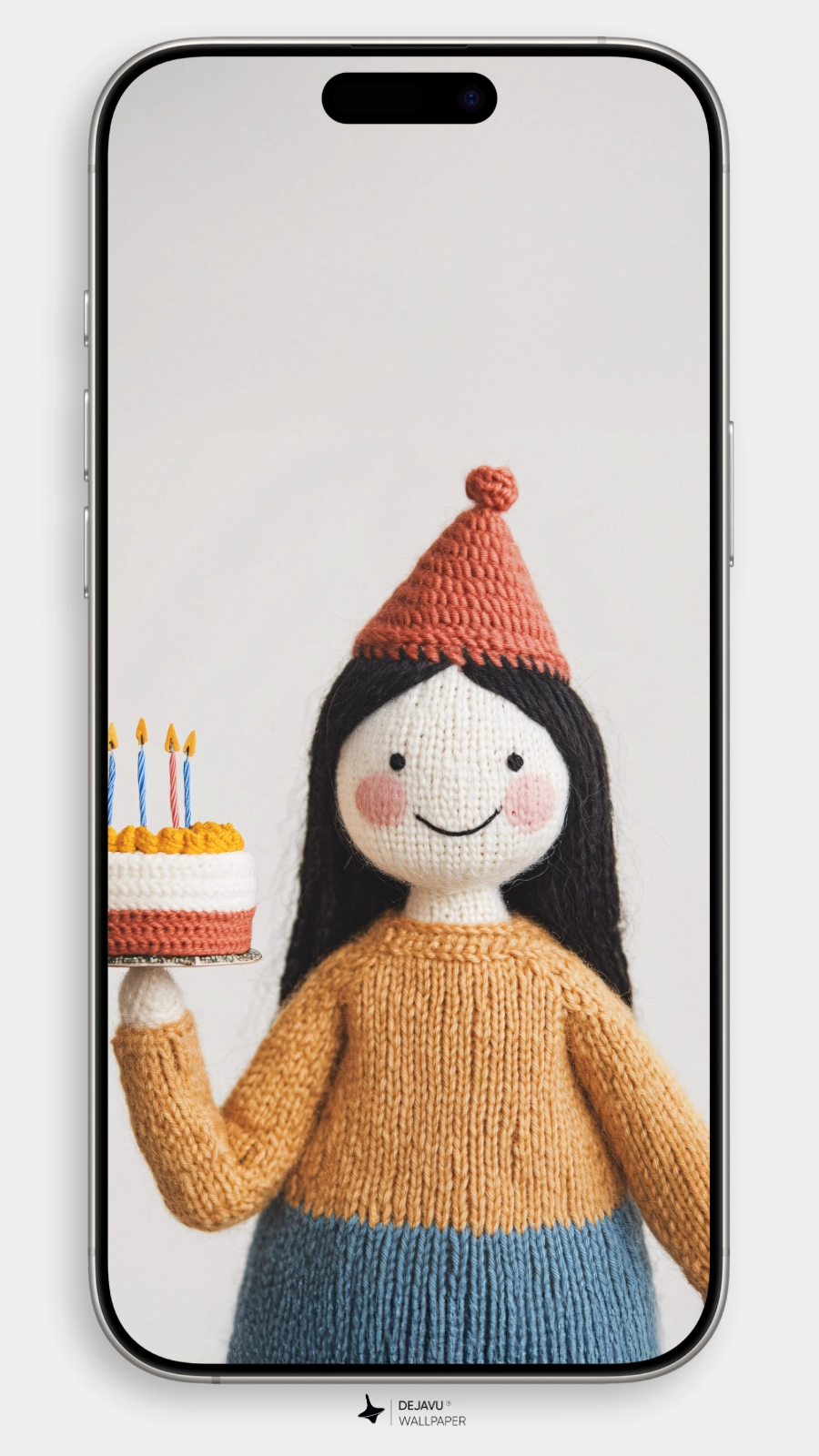
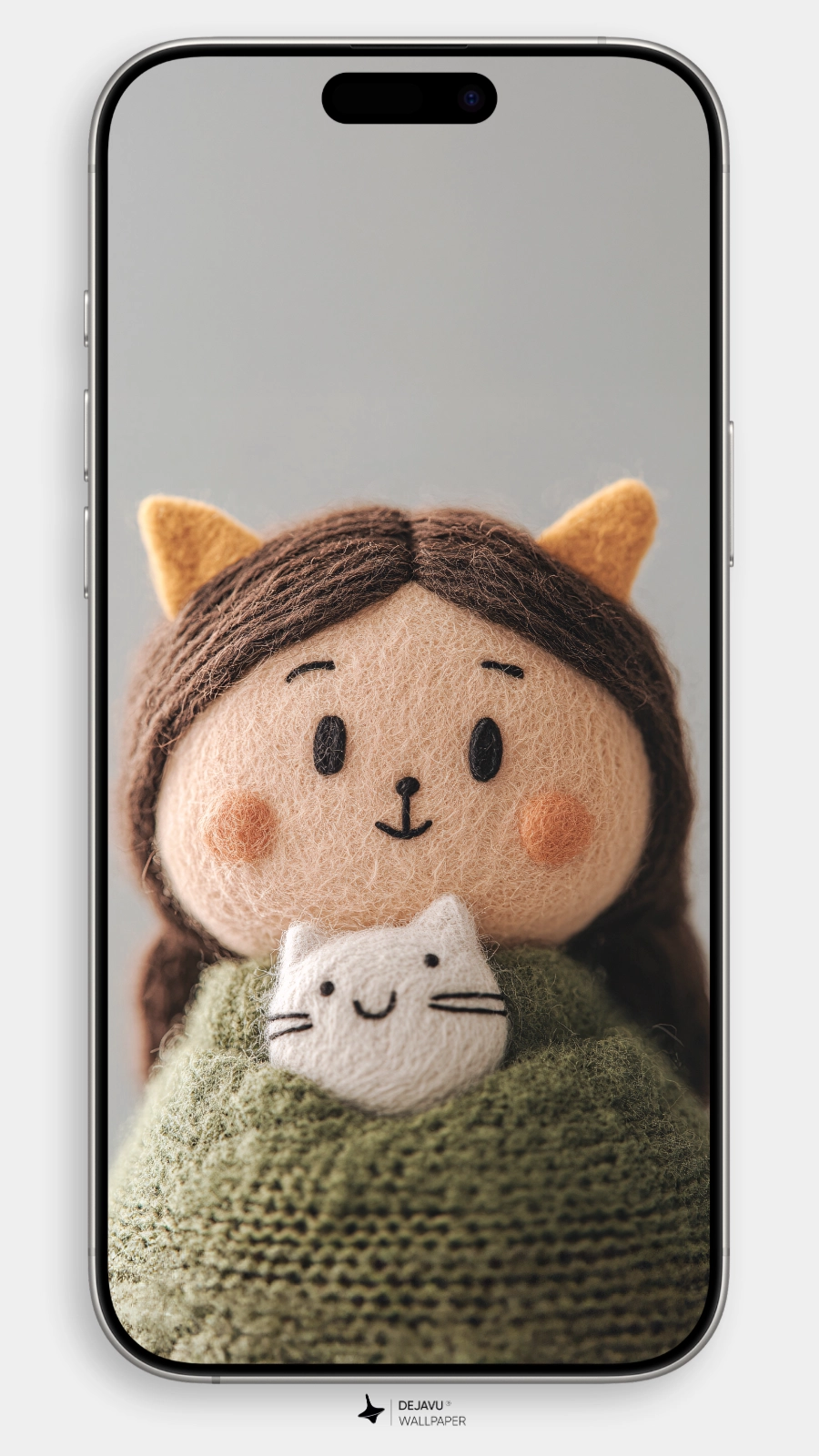

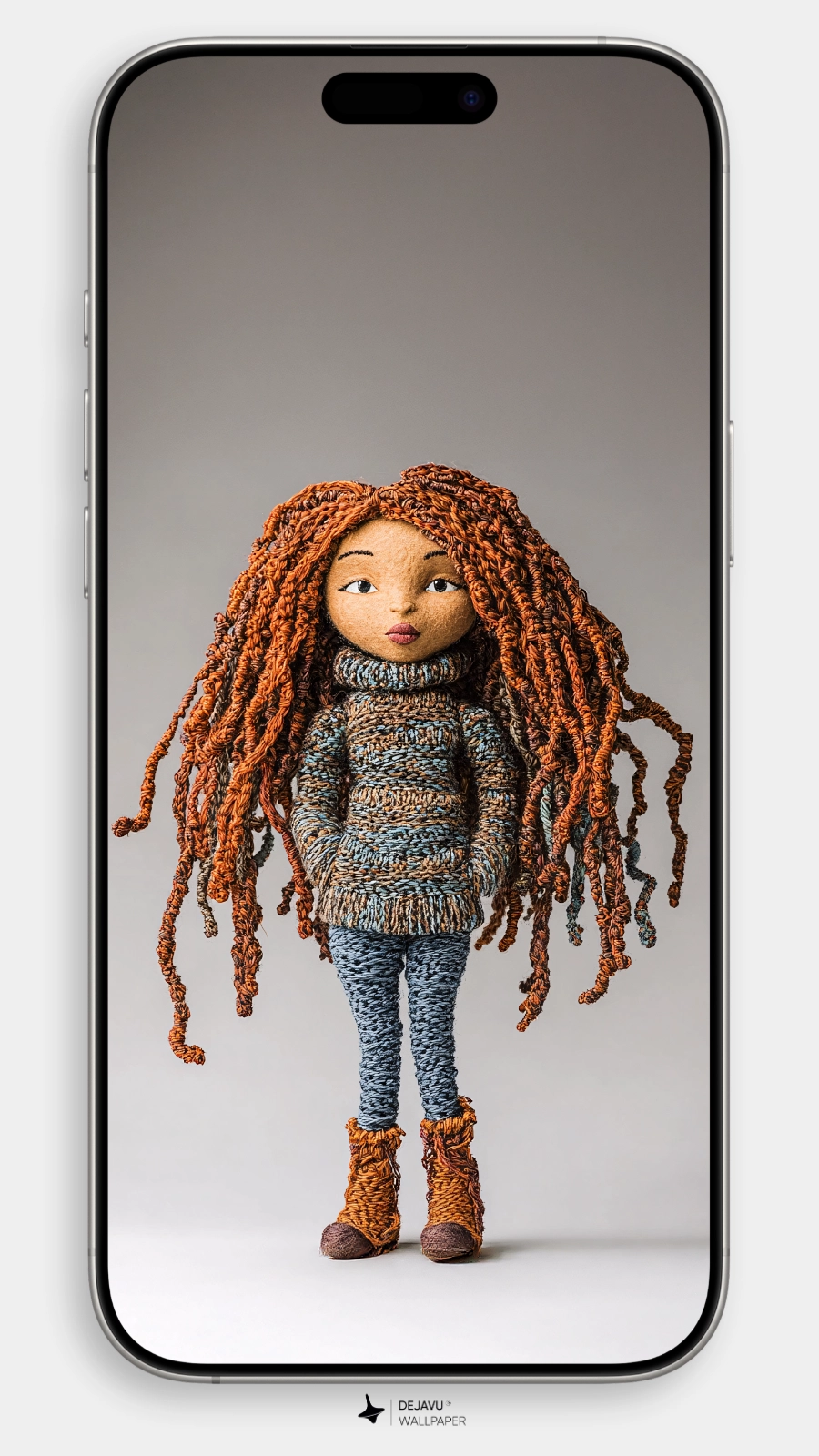
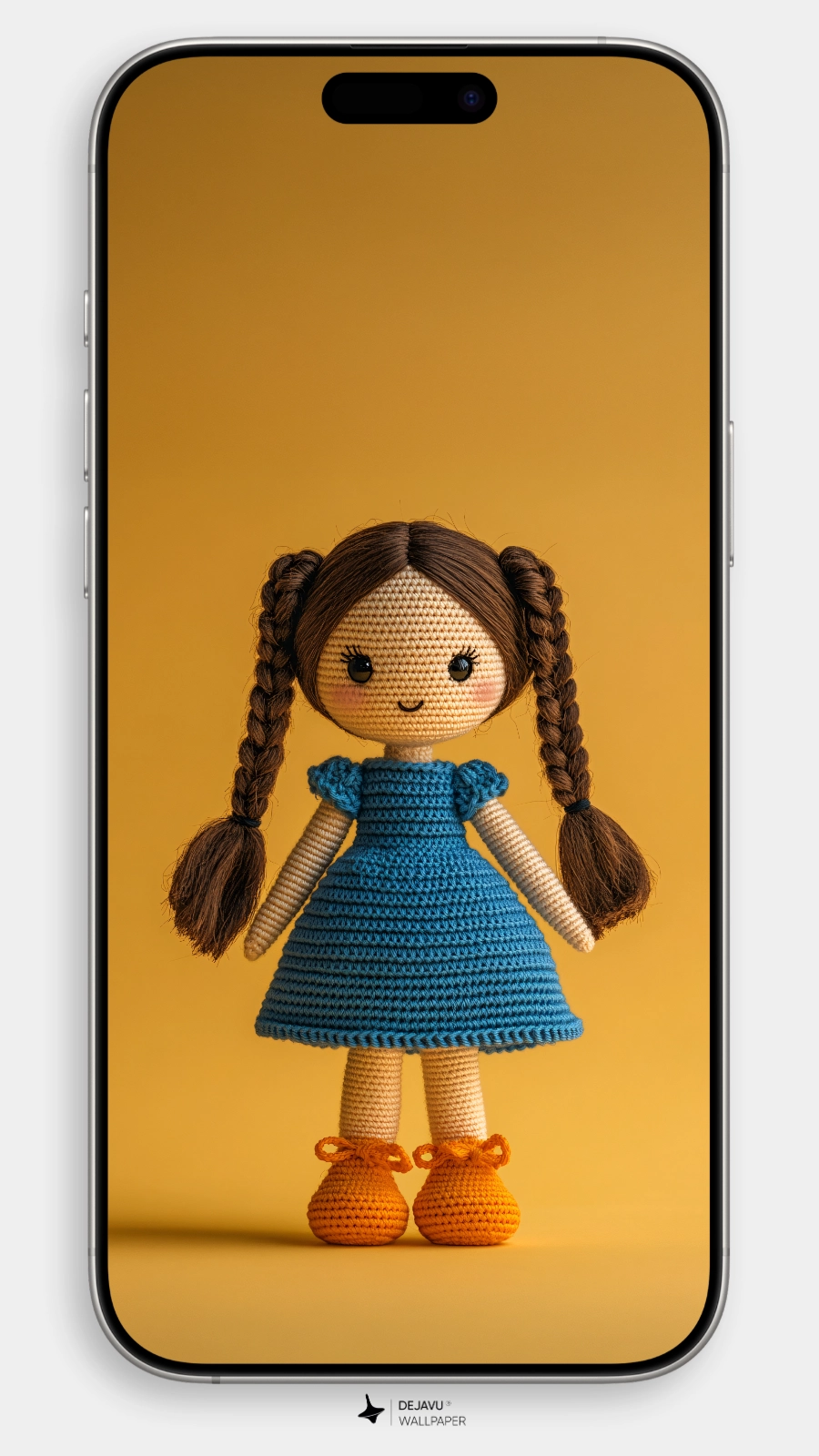
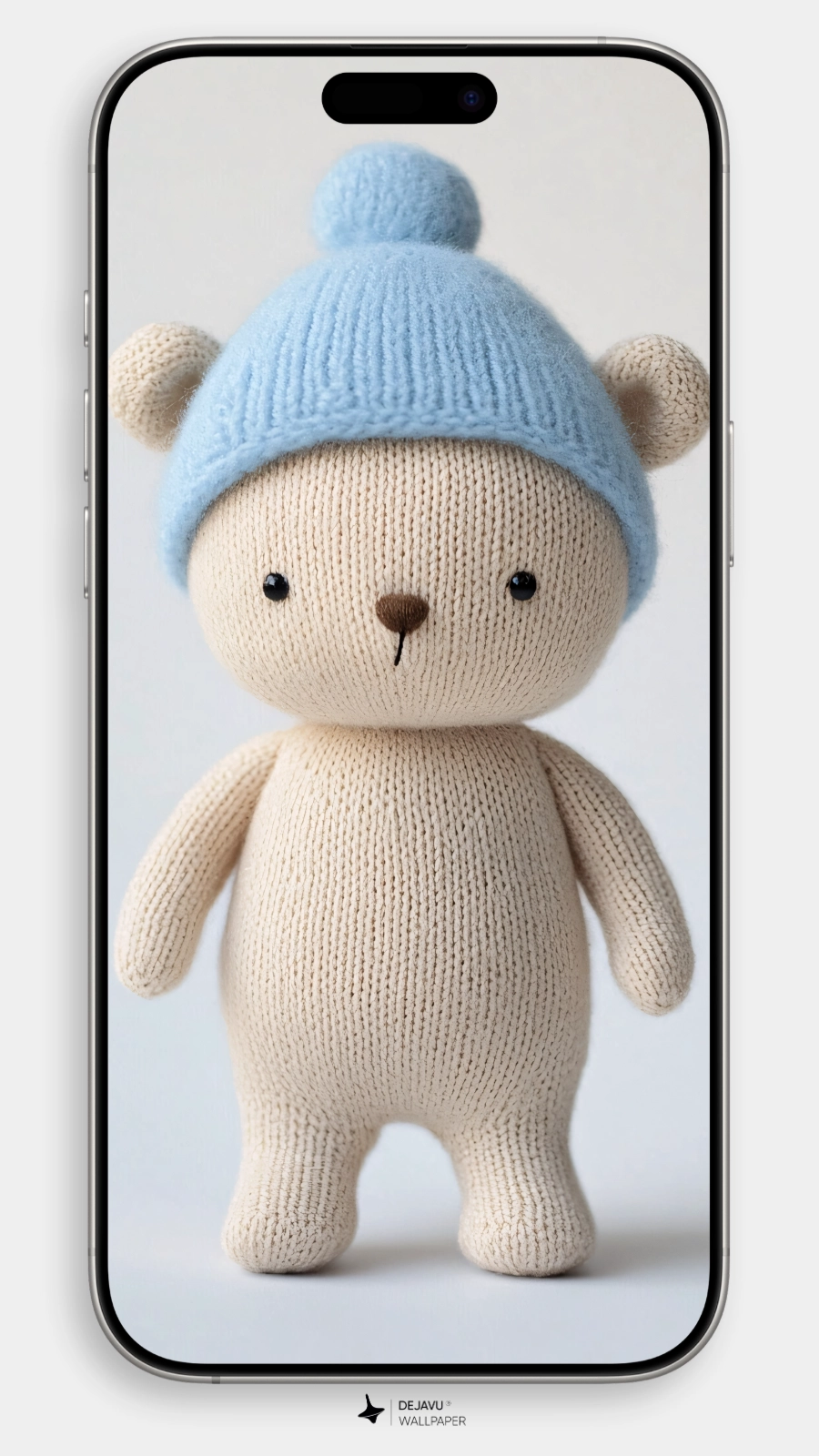

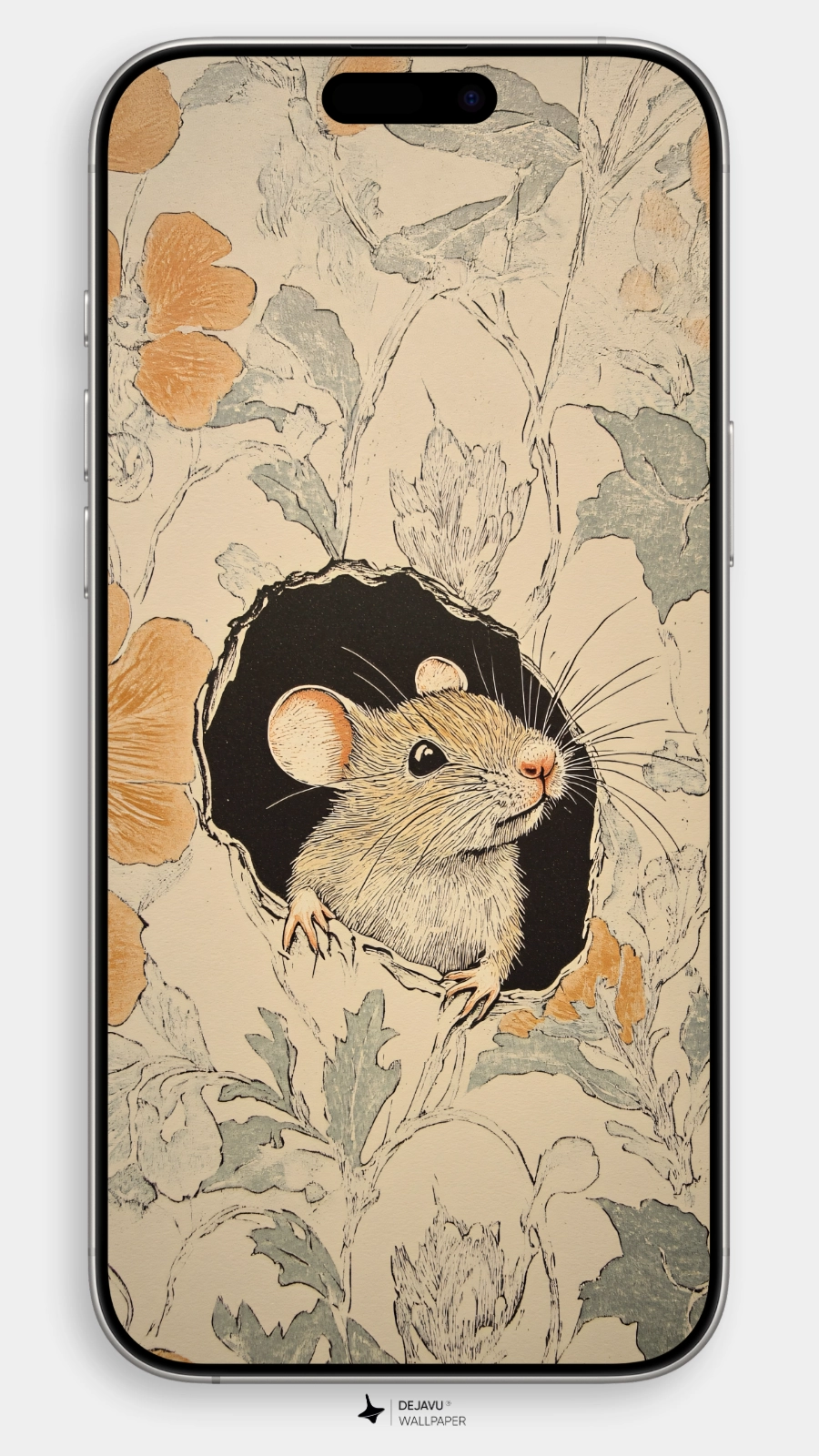
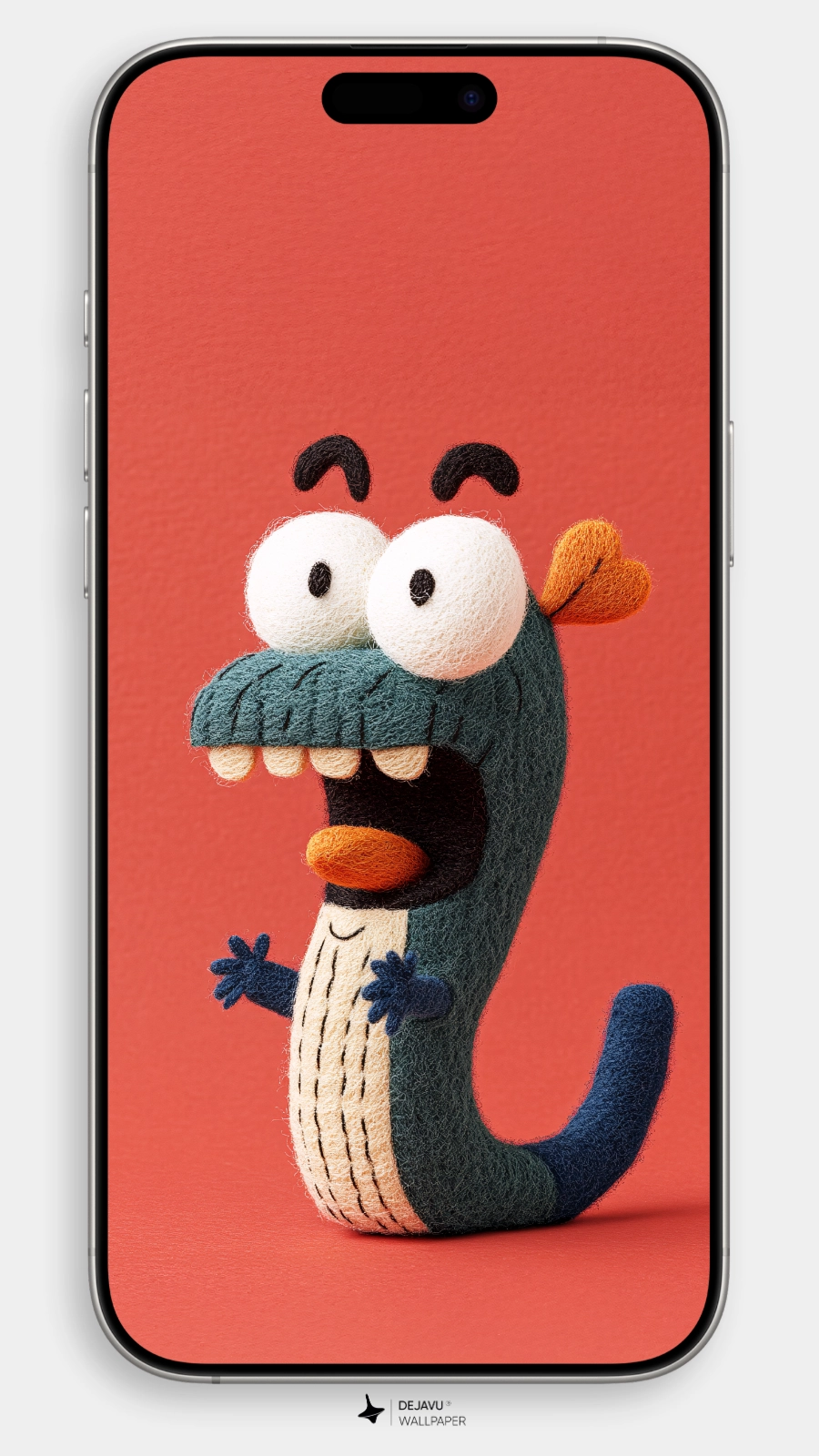
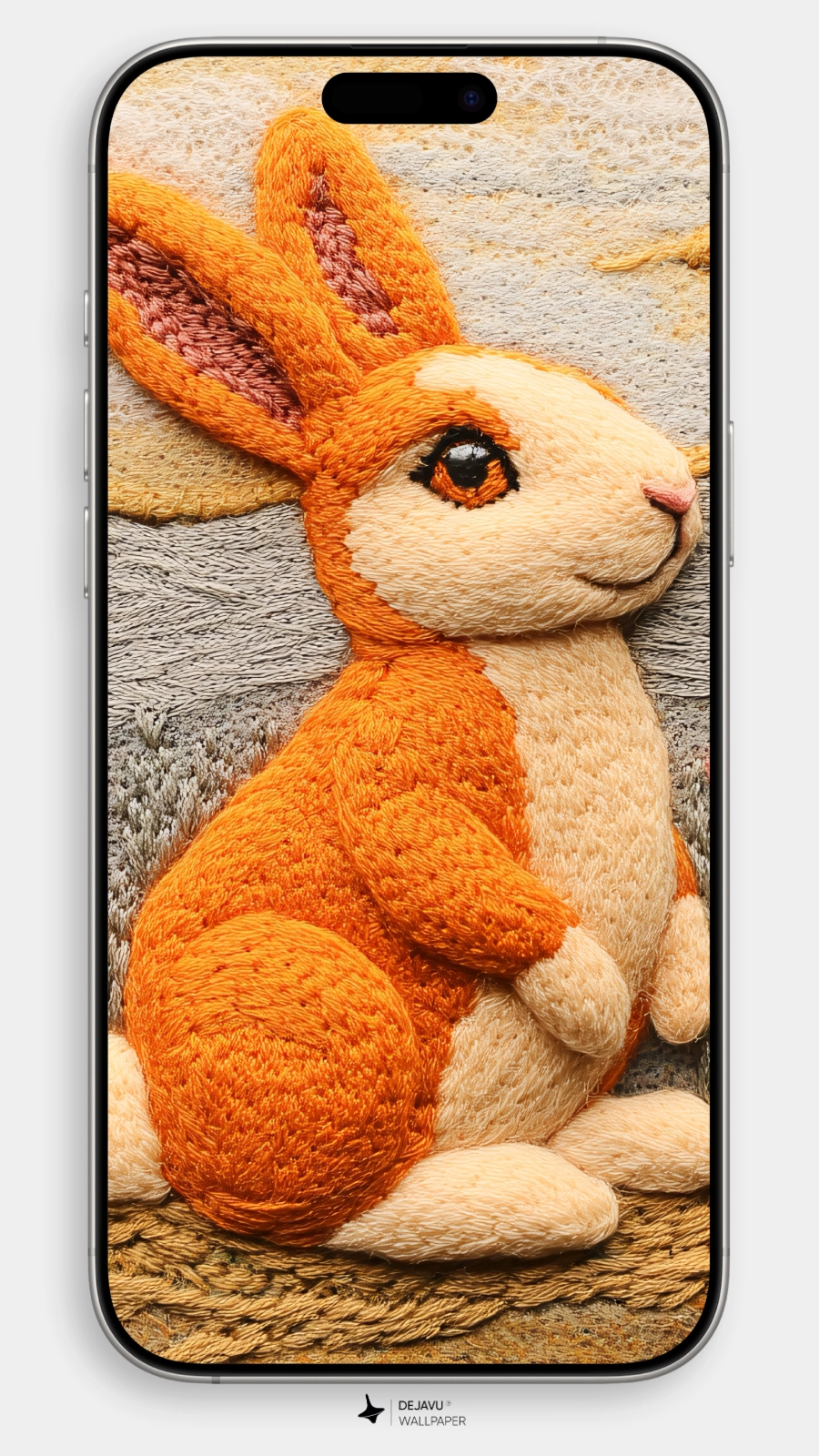
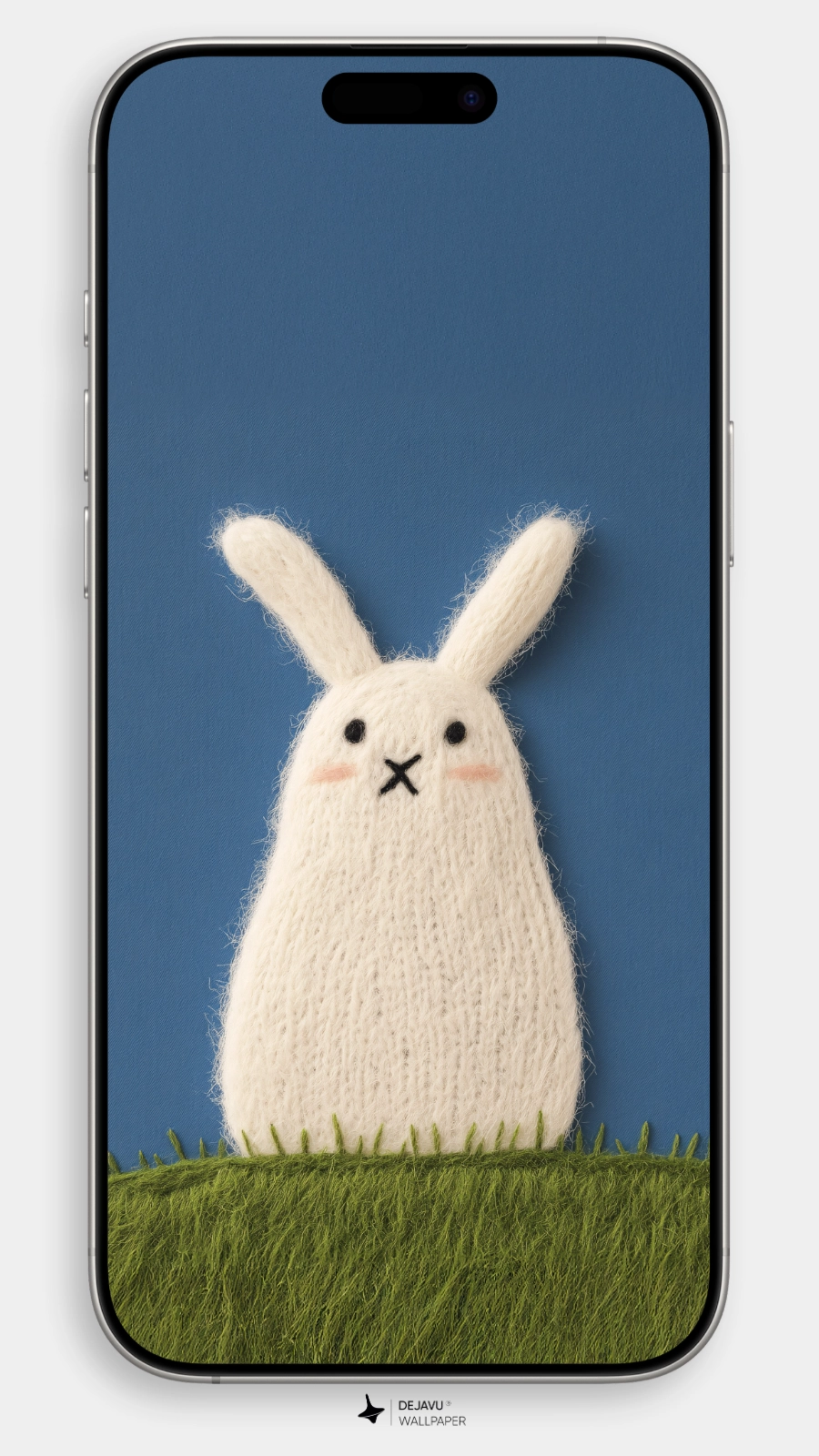
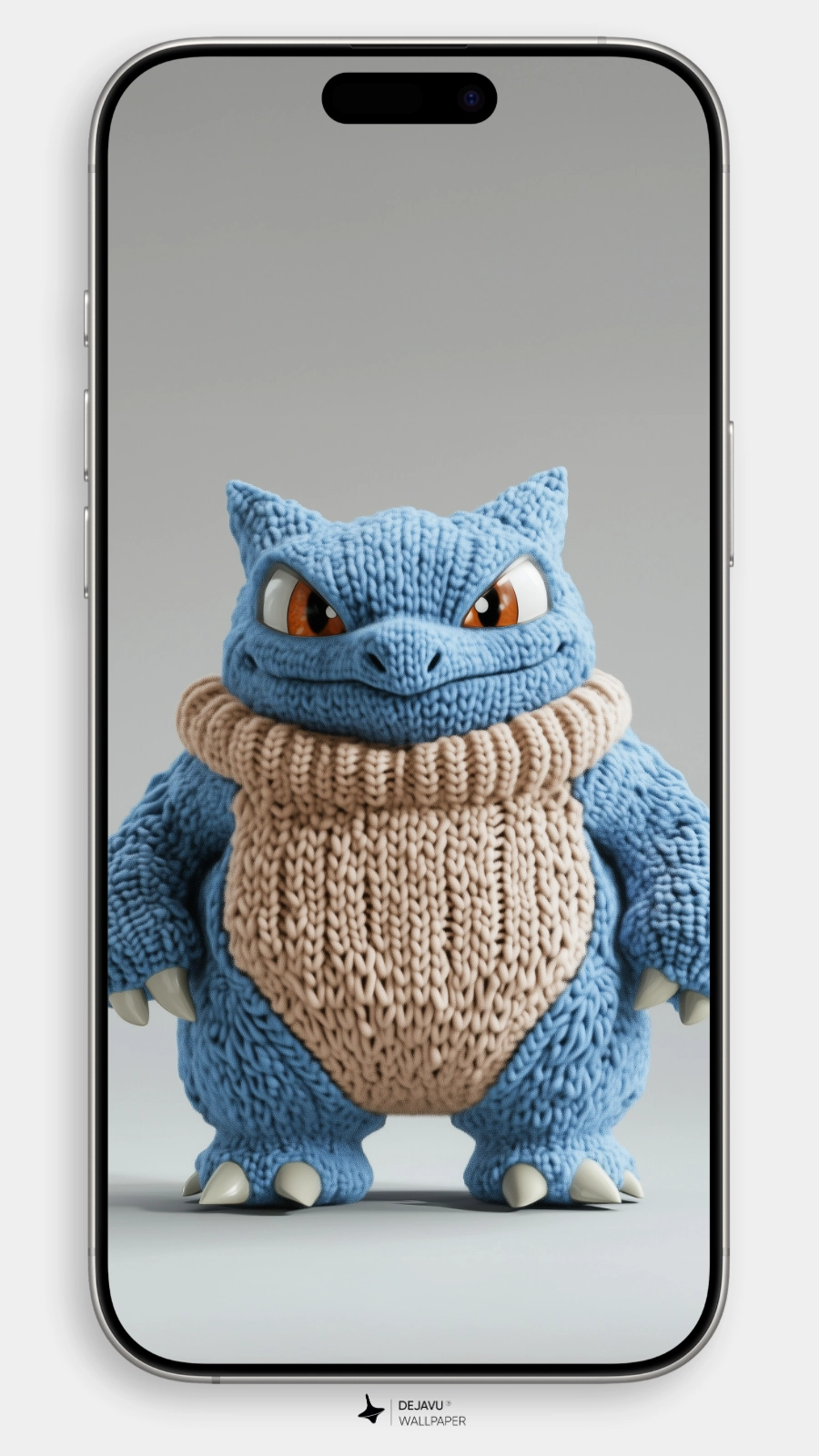

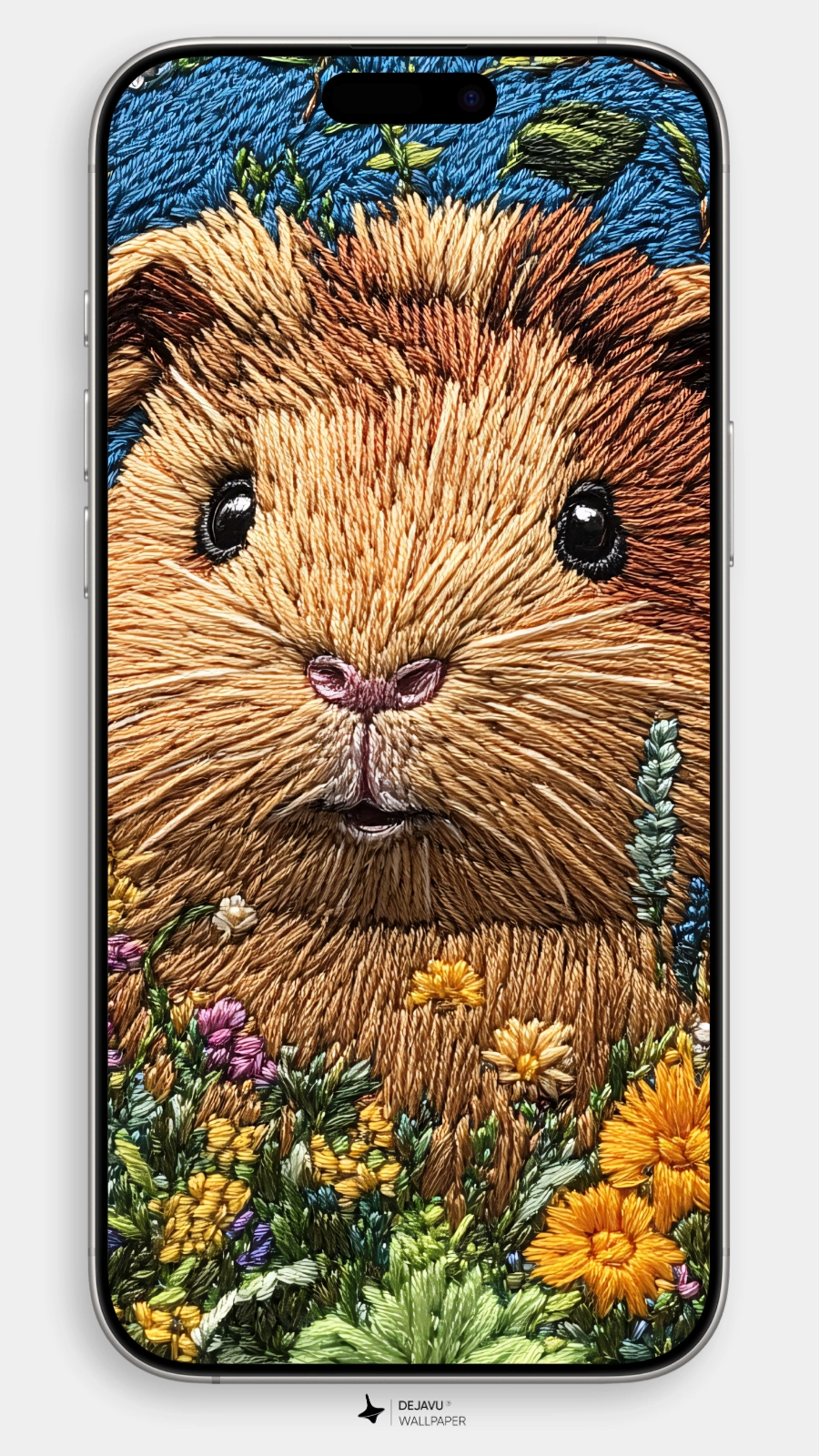

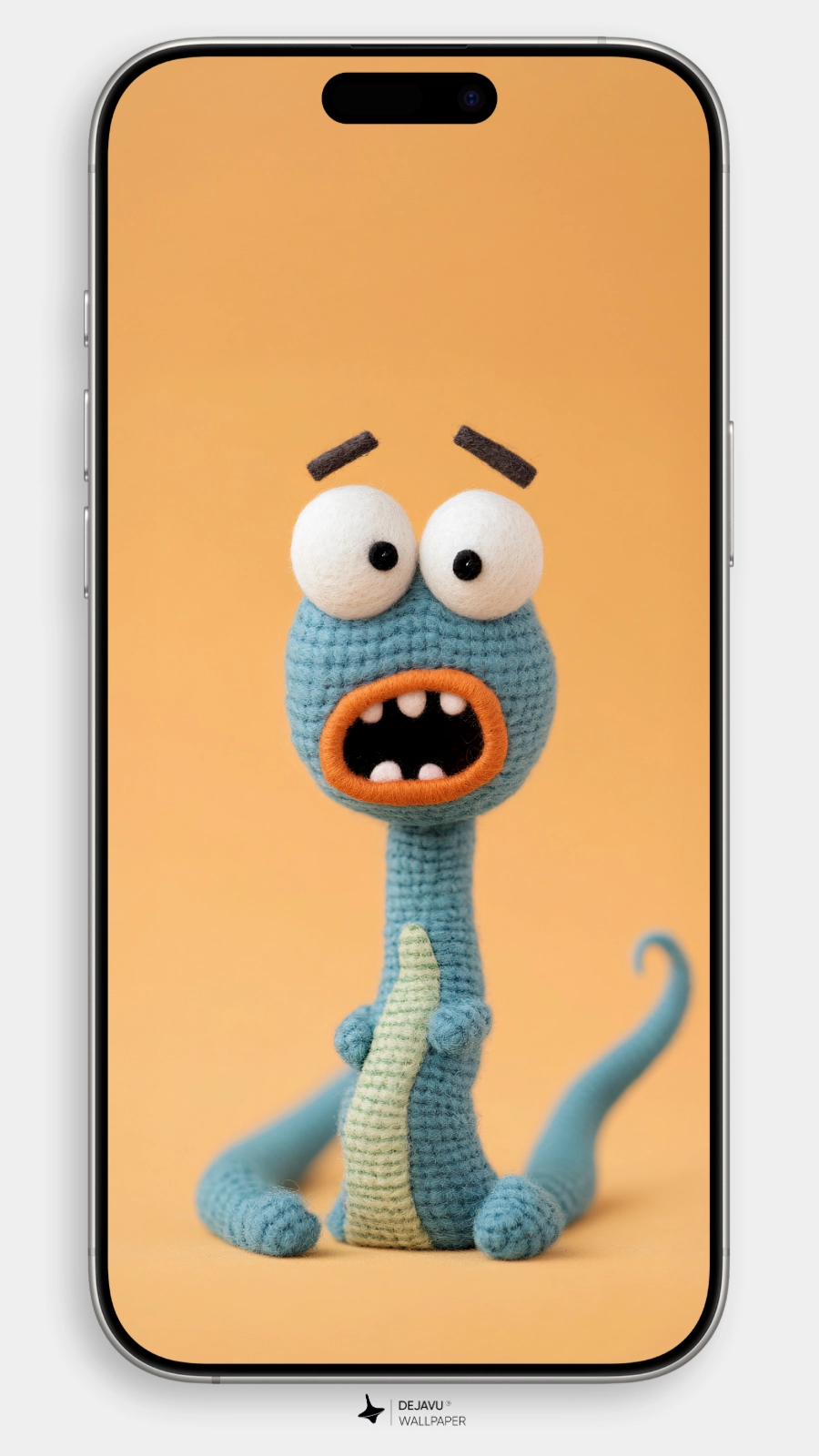
Embroidery and felting might seem like two completely different crafts, but they’ve been weaving their way through human history for centuries, crossing cultures and evolving into stunning art forms. From the luxurious embroidered robes of ancient emperors to the sturdy felt yurts of nomadic tribes, these crafts tell stories of creativity, survival, and innovation. Did you know that embroidery was once a royal privilege? Or that felt was a life-saving necessity for early nomads? Let’s dive into the fascinating world of these time-honored textile arts!
What Was Embroidery Originally Used For?
Embroidery has been around for thousands of years, with some of the earliest examples found in ancient China, Egypt, and the Middle East. In China’s Warring States period (5th century BCE), silk embroidery was already at an incredibly advanced level, decorating royal garments and religious artifacts. One of the most famous styles, Su embroidery, is known for its delicate stitches and hyper-realistic designs.
But embroidery wasn’t just about beauty—it was also a status symbol. In medieval Europe, embroidered clothing was a sign of power, worn by royalty and nobility. The Bayeux Tapestry, a 70-meter-long embroidered masterpiece, even tells the story of the Norman conquest of England in 1066, making it both an art piece and a historical record.
And here’s a twist: in the Victorian era, embroidery wasn’t just for decoration—it was sometimes used for espionage! British spy Mary Bowmen reportedly stitched secret messages into floral designs, smuggling military intelligence right under the enemy’s nose. Talk about a craft with hidden depths!
How Did Felt Become a Survival Tool for Nomads?
While embroidery dazzled with intricate beauty, felt was all about practicality. Dating back to at least 6500 BCE, felt-making thrived among nomadic cultures in Mongolia, Siberia, and Turkey. Unlike woven fabrics, felt requires no needles—just wool, water, and some serious hand-rubbing. This simple yet effective technique made it the perfect material for yurts, traditional nomadic tents that provided insulation against extreme weather.
And the origin of felt? Legend has it that an ancient shepherd stuffed wool into his shoes for extra comfort, only to find, after days of walking, that the moisture and friction had transformed the wool into a solid felt pad. Accidental genius! Over time, felt became essential for clothing, boots, carpets, and even horse saddles, proving that sometimes, the best inventions come from unexpected places.
How Are Embroidery and Felt Combined in Art?
In modern craftsmanship, embroidery and felt are coming together in amazing ways. European artisans have started embroidering onto felted surfaces, creating textured, three-dimensional designs. This hybrid technique has taken over social media, especially in Japan and Scandinavia, where felted embroidery dolls have become a hot trend in the handmade market.
Some contemporary artists push the boundaries even further. Stephanie Metz, an American sculptor, crafts hyper-realistic animal figures using felt, making us rethink what textile art can be. Meanwhile, Cécile Davidovici, a French embroidery artist, stitches with such precision that her threadwork mimics the depth and shading of photography. When tradition meets innovation, the results are nothing short of mesmerizing.
What’s Next for Embroidery and Felt?
With new technology on the rise, these ancient crafts are getting a futuristic makeover. 3D printing and AI are being used to design intricate embroidery patterns, while smart textiles could one day give embroidered fabrics sensory feedback. Meanwhile, felt is making a comeback in sustainable design—recycled wool felt is being used for biodegradable products, offering an eco-friendly alternative to plastic.
From royal robes to cutting-edge art, embroidery and felt have never lost their charm. These once-practical crafts are now thriving in new and unexpected ways, proving that creativity has no limits. Whether it’s in an art gallery, a fashion runway, or a cozy handmade shop, these textile wonders continue to stitch their way into our hearts—and the future.