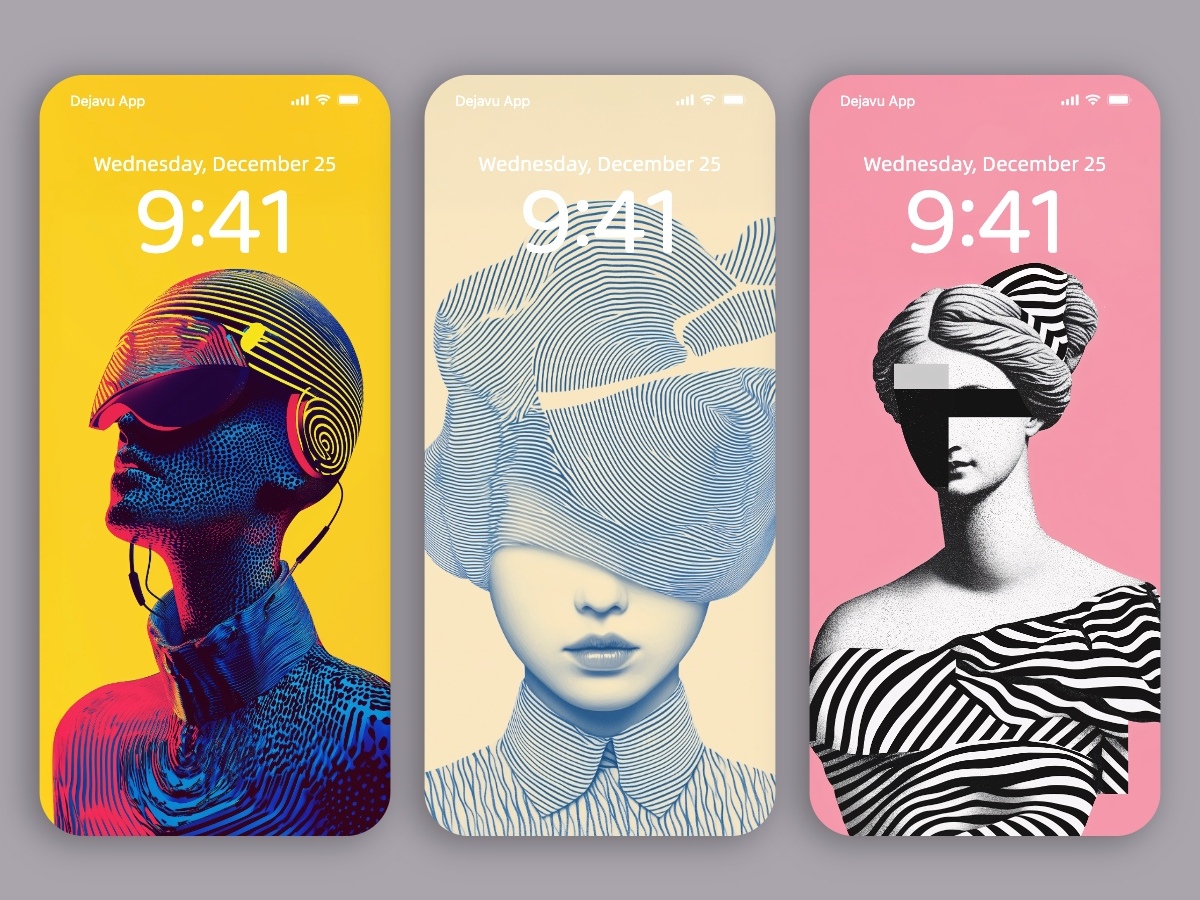
Ready to give your phone a bold, mind-bending twist? Trippy Stripes: When Portraits Meet the Abstract and Surreal wallpapers are here to shake up your screen! Think vibrant stripes colliding with enigmatic faces, distorting reality in a mesmerizing fusion of color and imagination. These 8K masterpieces blur the line between abstract art and surreal storytelling, turning every glance at your phone into a mini visual adventure. Perfect for both iPhone and Android users, each design captures the thrill of vibrant chaos while adding a splash of modern sophistication. Whether you’re a fan of psychedelic aesthetics or just love making a bold statement, these wallpapers will ensure your screen stands out. Download now and let your device become a portal to the surreal — because who says everyday life can’t be a little more trippy?
You can download all these wallpapers on Dejavu Wallpaper!
Experience the magic of AI in advance! Let the infinite imagination of AI decorate your screens, bring you fresh delights every day.




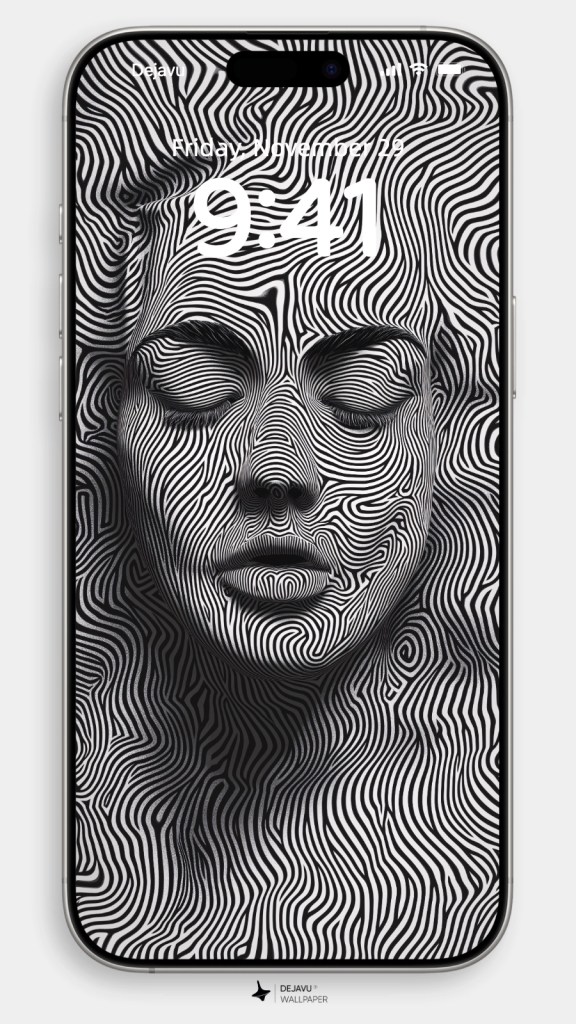
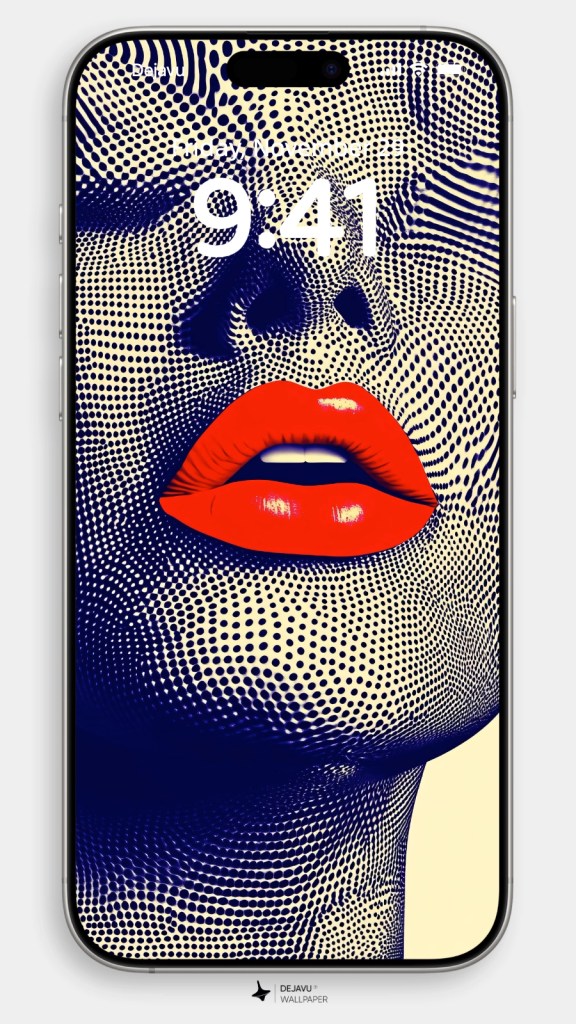


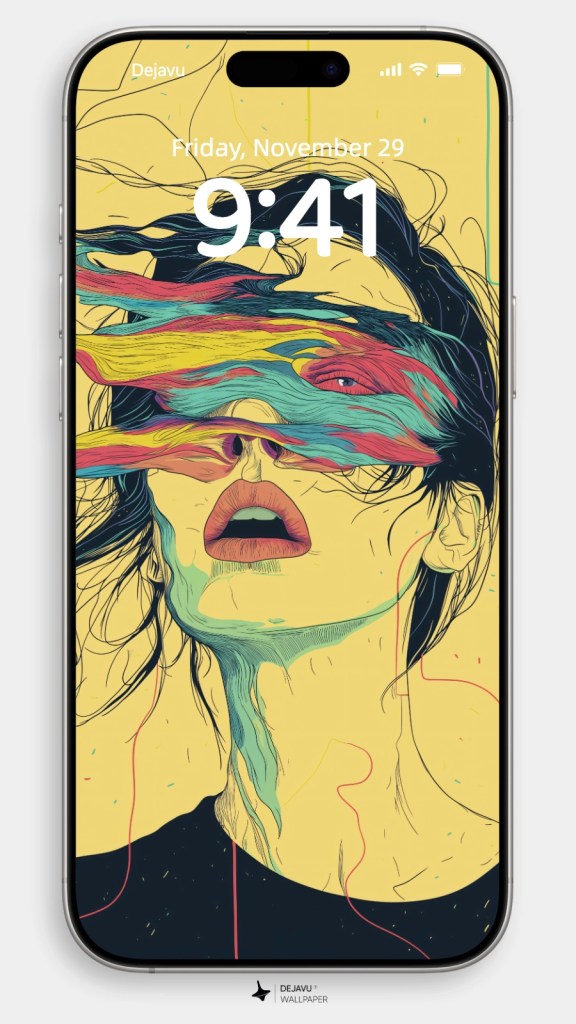
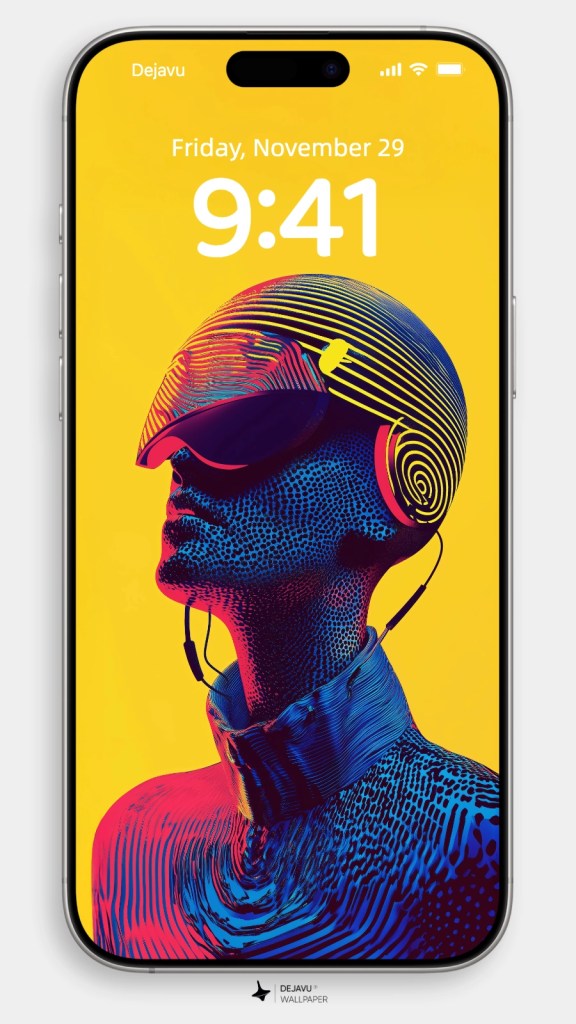
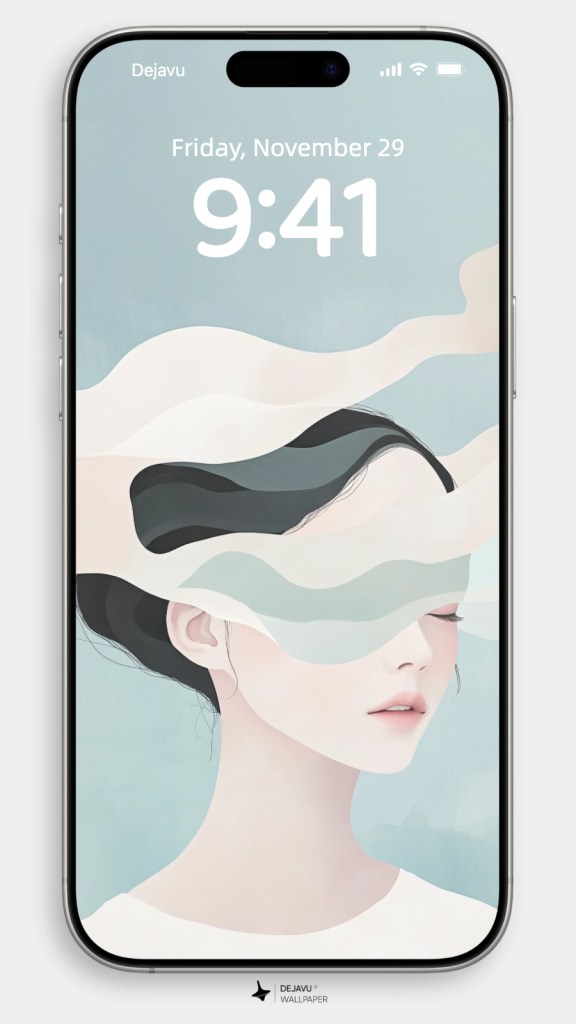
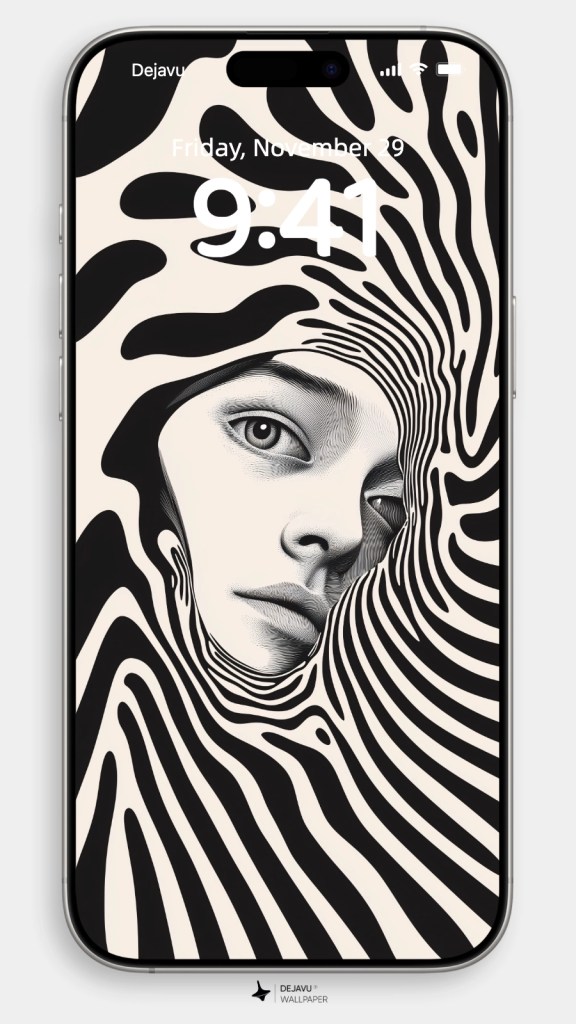
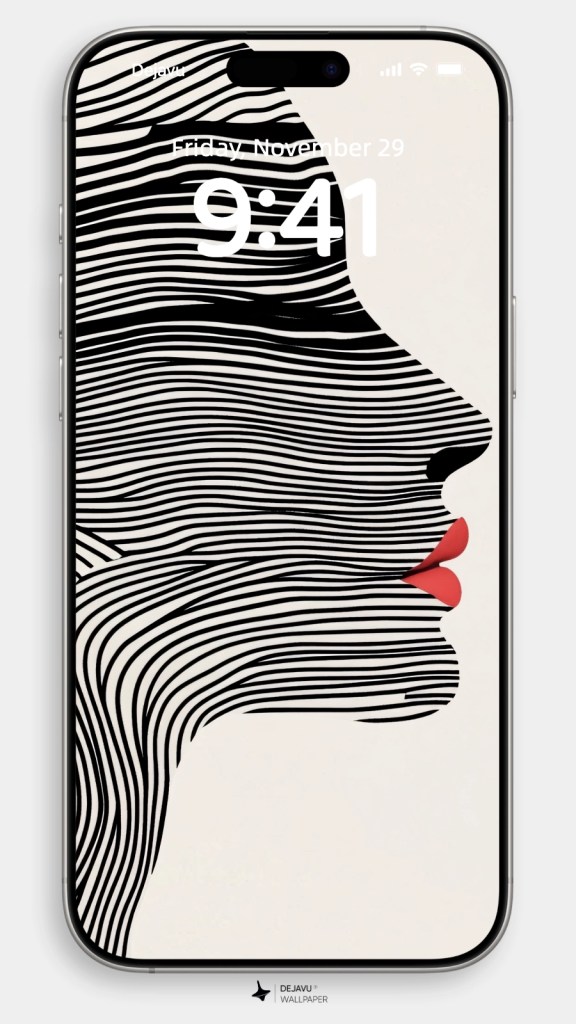

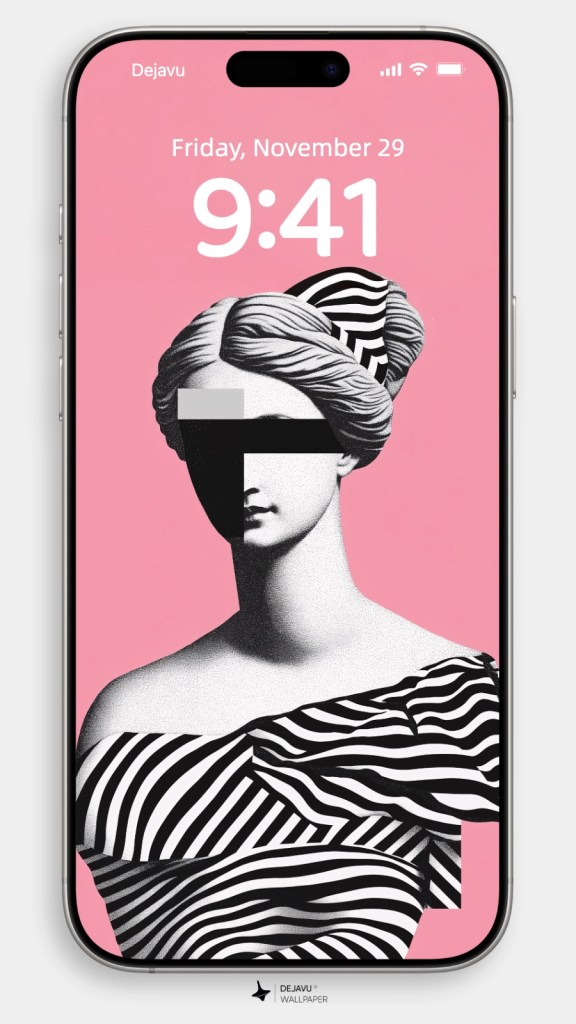
Humans have an undeniable fascination with optical illusions—perhaps because our brains are hardwired to find order in chaos. The interplay between black and white, lines and waves, reality and distortion has captivated artists for centuries. But it wasn’t until the mid-20th century that these visual games took center stage, sparking a full-blown revolution in perception.
The Birth of Optical Art: A Game of Visual Deception
Enter the 1960s, a decade of psychedelic vibes and boundary-pushing creativity, where Op Art burst onto the scene. Led by visionaries like Victor Vasarely and Bridget Riley, this movement was all about warping the viewer’s sense of reality. Bold black-and-white stripes, hypnotic waves, and dizzying patterns weren’t just eye-catching—they created an almost physical sensation of movement. Paintings seemed to tremble, swirl, or even float off the canvas, leaving audiences questioning their own vision.
By strategically arranging stripes and grids, these artists tricked the brain into seeing movement where there was none. Illusion wasn’t a flaw—it became the art itself.
Lost in the Lines: When Portraits Melt into the Madness
Soon enough, artists realized that human faces—arguably the most familiar and emotionally charged images we recognize—became even more powerful when distorted by optical illusions. The combination of a face and abstract patterns created a psychological tension that was impossible to ignore.
One of the most iconic examples? The surreal works of Piero Fornasetti. In the 1950s, this Italian designer took the face of a mysterious woman and transformed it into a mesmerizing series of dreamlike designs. Her expression remained the same, but swirling black-and-white lines wrapped around her, pulling her into a world that blurred the lines between fantasy and reality. These striking motifs soon found their way onto everything from furniture and porcelain to wallpaper, making them a staple of avant-garde design.
The Philosophy of Stripes: Order in Chaos
Stripes are mesmerizing not just because they look cool, but because they play with one of the biggest paradoxes in human perception: the tension between order and disorder. Straight, evenly spaced lines should feel stable and predictable, yet when bent, twisted, or layered in just the right way, they become a chaotic dance that tricks the eye.
This endless tug-of-war between structure and randomness reflects the way our minds work. We constantly seek patterns and logic in a world that refuses to be neatly categorized. Truth, after all, isn’t always black and white—it’s often a shifting, elusive blur, much like these optical illusions.
The Emotional Impact: From Anxiety to Aesthetics
Stripes and waves don’t just mess with our eyes—they can also influence our emotions. Tight, distorted lines can evoke a sense of unease, like being pulled into a silent vortex of chaos. Artists have long used this effect to visually express feelings of isolation, confusion, or existential drift.
In contemporary art, faces fading into stripes often symbolize the struggle of identity in a digital age. A face partially obscured by lines suggests a person lost in the overwhelming stream of information, their individuality dissolving into the noise. The message is clear: in a world flooded with images and data, how do we hold onto our sense of self?
The Striped Revolution: From Art to Fashion
It didn’t take long for the fashion world to catch on. By the 1980s, designers like Yves Saint Laurent and Jean Paul Gaultier were weaving Op Art influences into their collections. Black-and-white stripes became a statement of boldness, rebellion, and timeless style.
Today, the stripe motif continues to evolve. Whether symbolizing the contrast between freedom and restriction or representing digital distortion in the internet age, stripes have become more than just a pattern—they’re a language of visual expression.
Finding Yourself in the Chaos
Swirling stripes, melting faces, illusions that won’t stay still—these artworks aren’t just about trippy aesthetics. They challenge the way we see, think, and exist. As we stare into these shifting compositions, we might just be searching for something deeper: a glimpse of our own reality.
As Susan Sontag once said, “Real art makes you doubt your own eyes.” And nothing does that quite like a mind-bending wave of hypnotic stripes.