
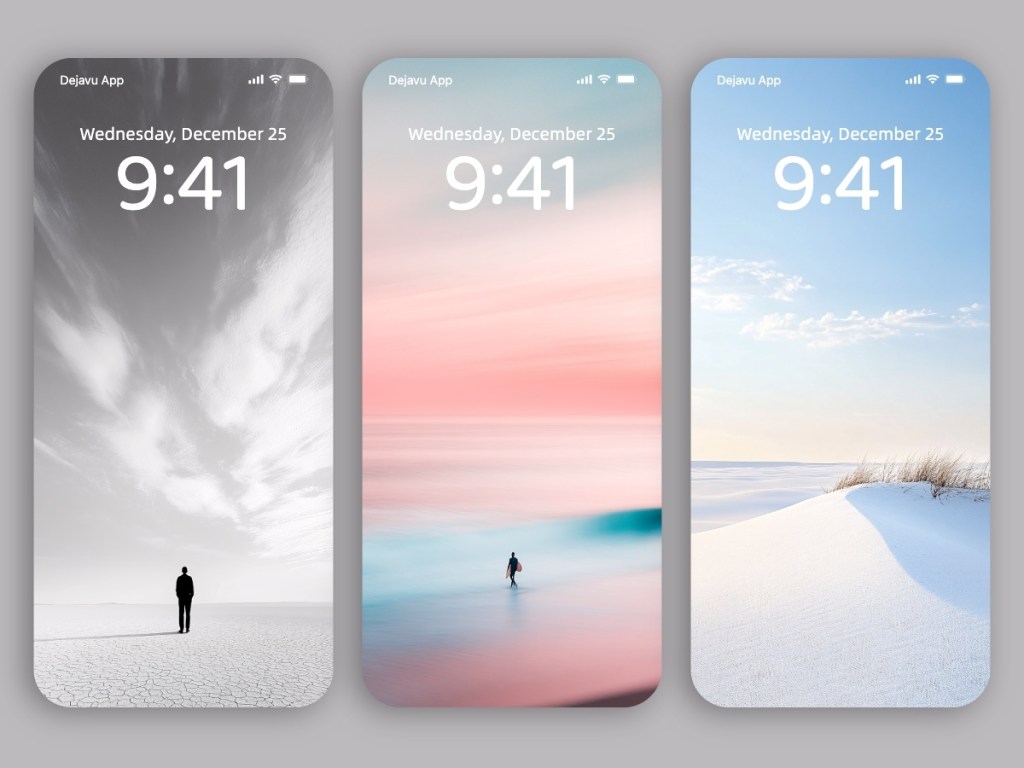
Discover the beauty of solitude with The Lone Traveler and the Philosophy of Minimalism phone wallpapers, now available in stunning 8K for iPhone and Android. Each image captures the quiet elegance of a single wanderer amidst vast landscapes — where open skies, endless roads, and silent mountains invite reflection. Inspired by the essence of minimalist philosophy, these wallpapers strip away the noise, leaving only the purity of the journey. As you unlock your phone, let the lone traveler remind you of the joy found in simplicity and self-discovery. Whether you’re seeking clarity, peace, or a moment of stillness in your busy day, these wallpapers serve as a gentle nudge to embrace the path less traveled. Perfect for lovers of serene aesthetics, reflective souls, and those who know the beauty of walking alone. Let your screen mirror your sense of wonder — because sometimes, the best journeys are the ones we take by ourselves.
You can download all these wallpapers on Dejavu Wallpaper!
Experience the magic of AI in advance! Let the infinite imagination of AI decorate your screens, bring you fresh delights every day.






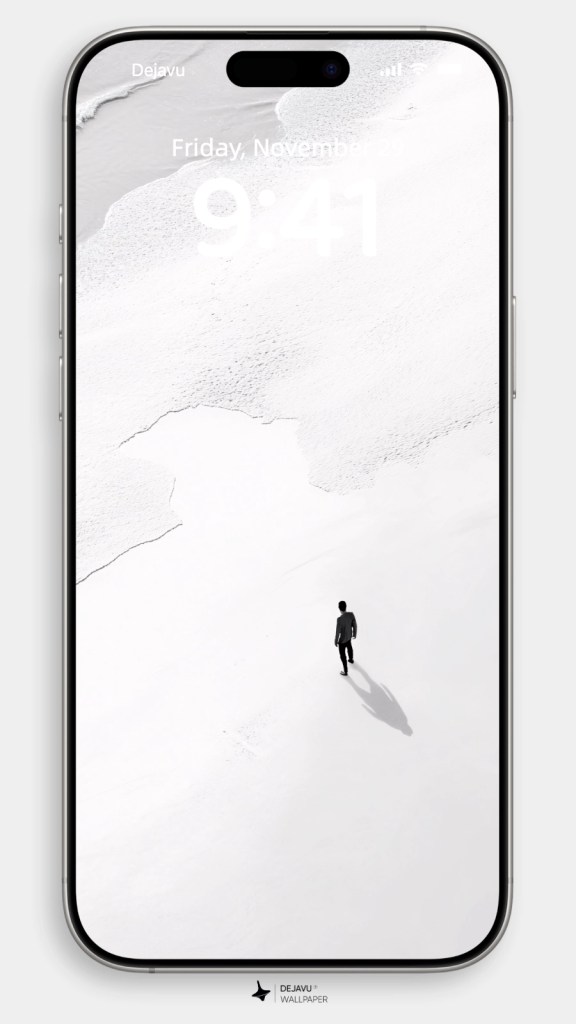
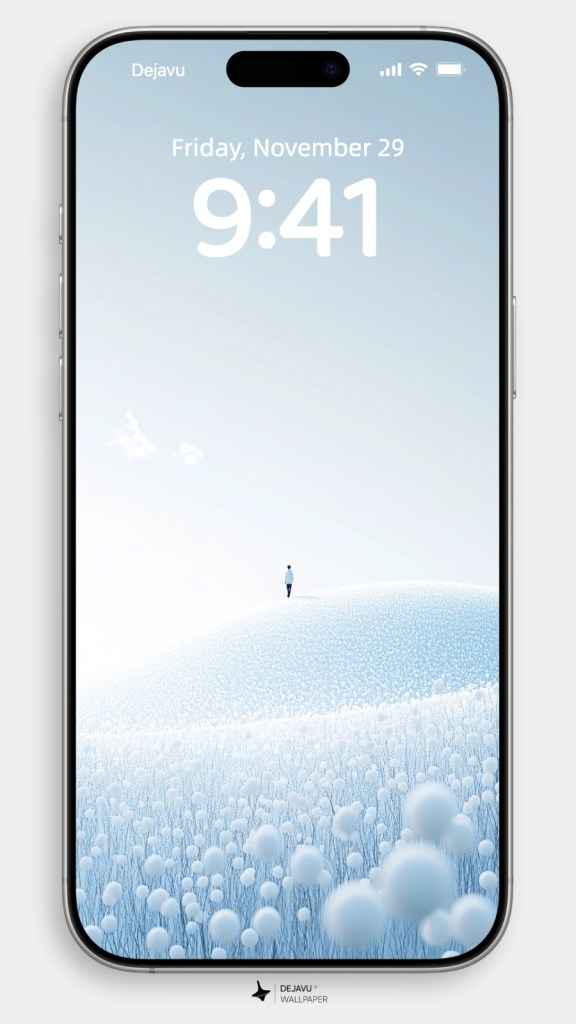
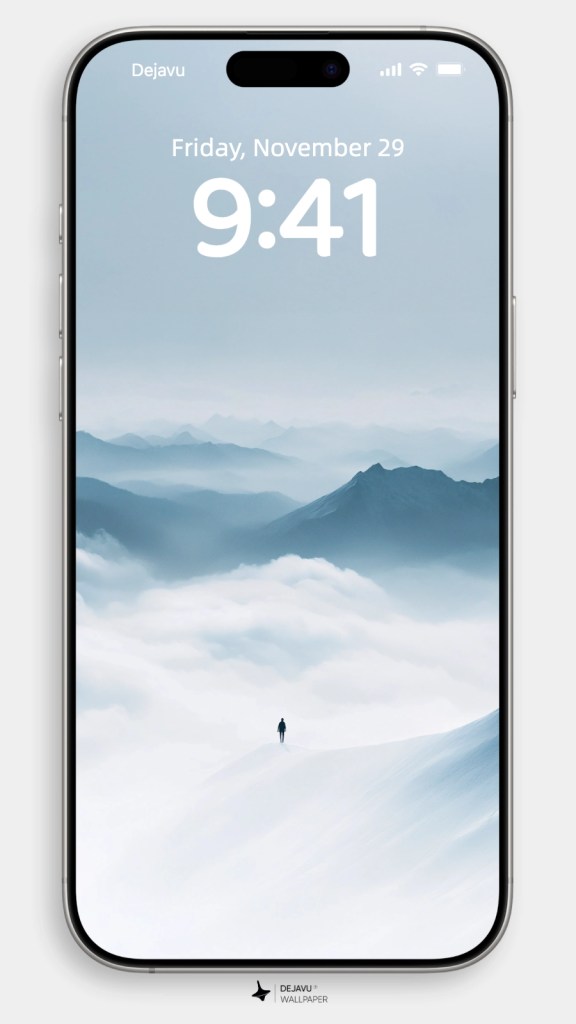

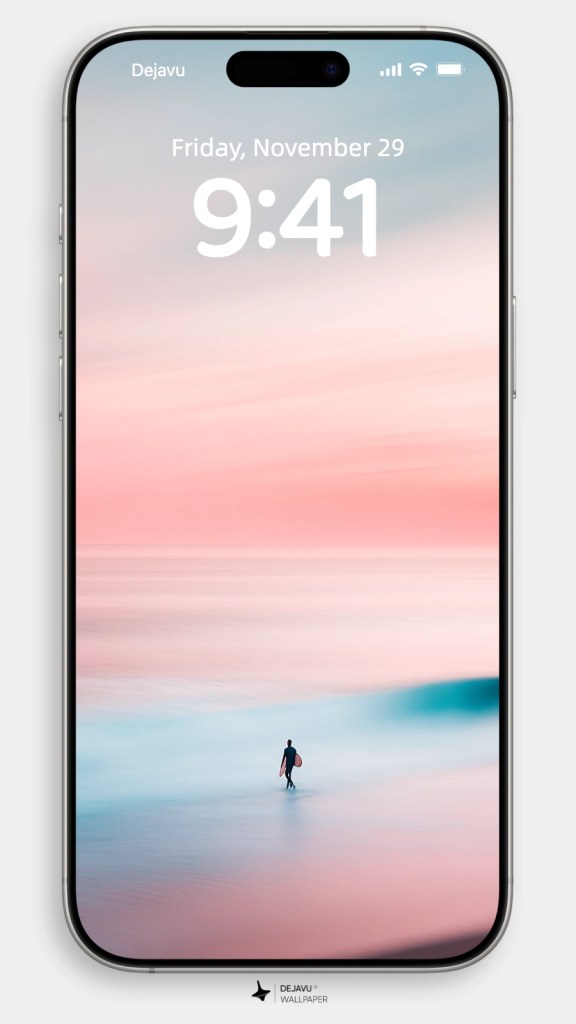
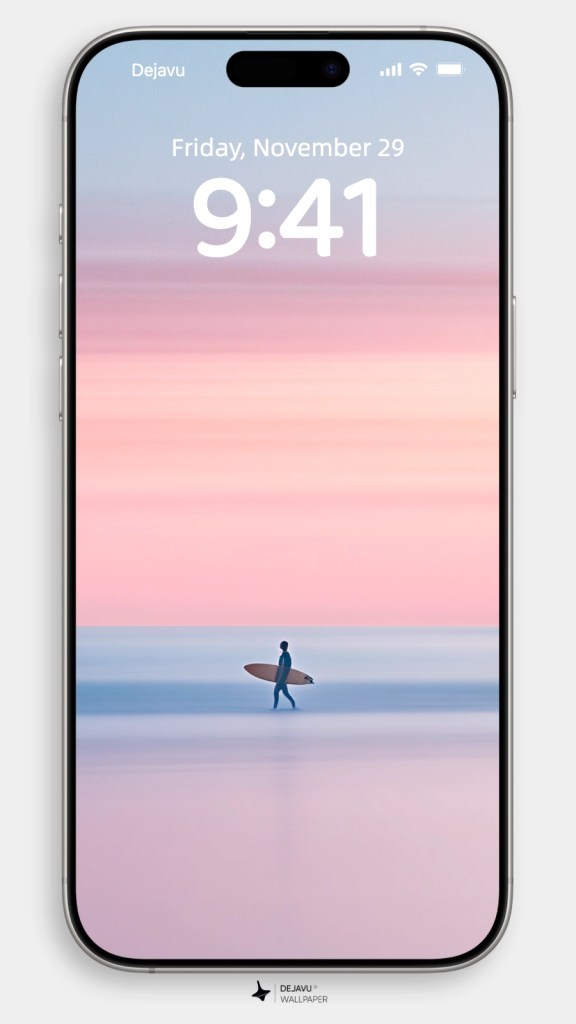
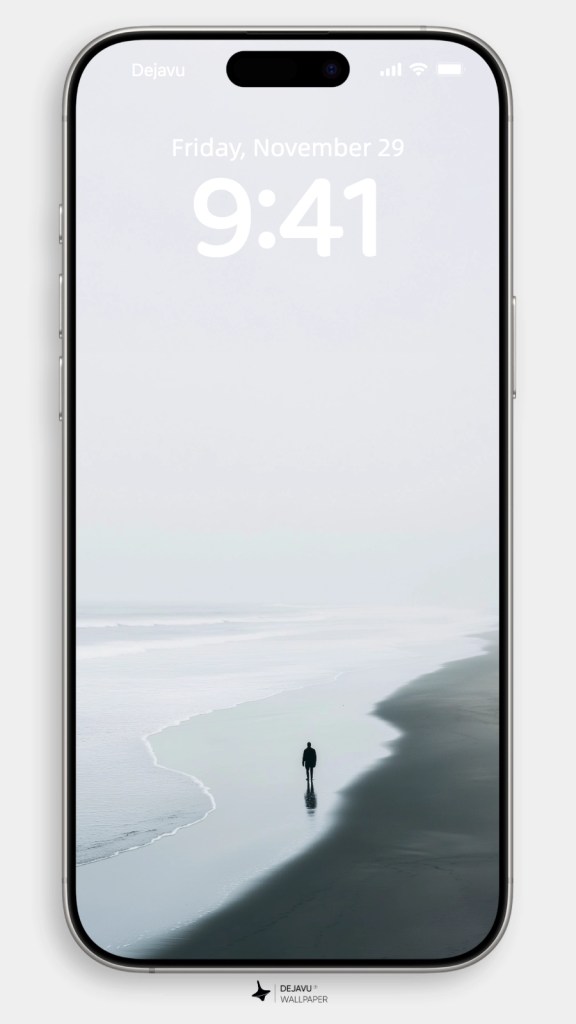

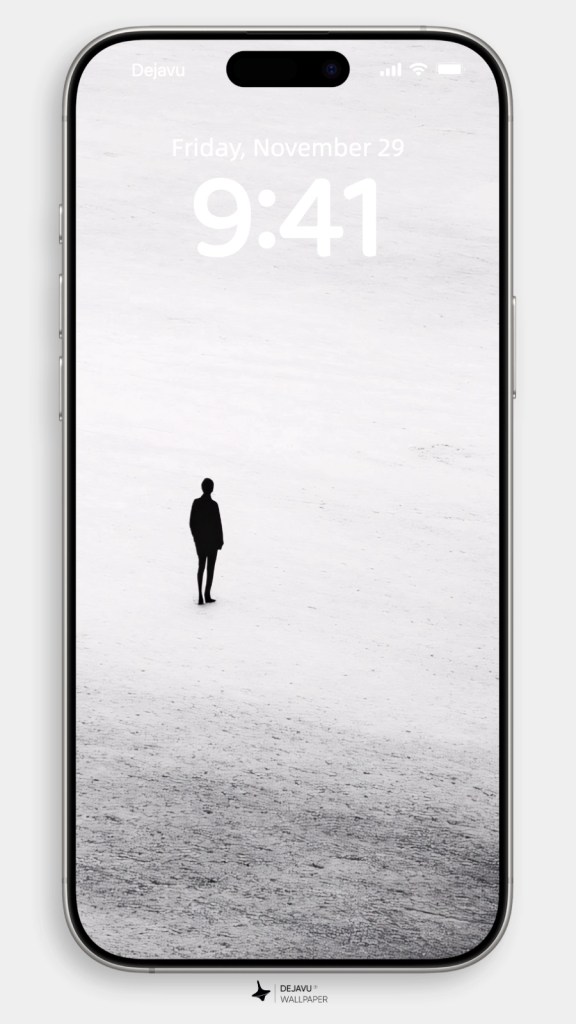


A quiet beach. A single traveler strolling along the water’s edge. The waves gently kiss the shore, erasing footprints as if they were never there. The sky and sea blur into a soft, endless blue, a reminder that the world, at its core, is beautifully simple. In this moment, the traveler exists alone—yet somehow, they are not lonely.
This is the magic of minimalism. With the fewest elements, it conveys the deepest emotions. Those vast, empty spaces in minimalist photography? They aren’t empty at all. They are brimming with thoughts, untold stories, and quiet whispers of meaning. Minimalism isn’t just an art style; it’s a philosophy—one that gently reminds us, “Less is more.”
The Connection Between Solitude and Minimalism
People often see solitude as something to be avoided, but in truth, it’s not an enemy—it’s a choice. A space for self-reflection. In minimalist photography, solitude isn’t just a theme; it’s a tool.
Picture a single figure standing against the endless horizon of a desert. There’s no noise, no distractions—just that lone silhouette. And suddenly, your mind starts racing. Who are they? What are they waiting for? Why are they alone?
That’s the magic of minimalism. The emptier the frame, the more our imagination fills the gaps. It’s like a blank canvas where every viewer paints their own emotions, their own story.
A Conversation Between Photographers and Silence
One name stands out in the world of minimalist photography: Michael Kenna. Famous for his ethereal black-and-white landscapes, Kenna chases the quiet hours of dawn and dusk—when the world is still, and light is at its softest. “In solitude,” he once said, “I hear myself the clearest.”
One of his most striking series captures Japan’s winter landscapes. A tiny figure walks alone across a vast snowy expanse, leaving only footprints behind. There are no distractions—just snow, trees, and solitude. Looking at these images, you can’t help but feel a deep, almost meditative calm.
This philosophy echoes Japan’s concept of wabi-sabi—the appreciation of imperfection, impermanence, and emptiness. It’s a reminder that the spaces between things, the pauses in life, hold just as much meaning as the moments themselves.
The Philosopher on the Shore
The 19th-century Danish philosopher Søren Kierkegaard once said, “The highest state of human existence is to be alone.” He believed that only in solitude could we truly understand ourselves.
Elliot, a young traveler, seemed to embody this idea. He had a habit of walking along the beach at dawn, long before the world woke up. When the waves whispered, the mist lingered, and the sand felt untouched. These weren’t just walks—they were conversations with himself.
One morning, Elliot stumbled upon a smooth stone with words etched into it: Silence is louder than noise. In that moment, he understood—solitude isn’t about the absence of sound. It’s about listening to what matters most: your own voice.
Why Are We Drawn to This Kind of Solitude?
Minimalist photography resonates because it taps into something deep within us—our need for space, for pause, for breath. Empty spaces aren’t really empty; they are invitations. They ask us to reflect, to feel, to be present.
Psychologists call this the “negative space effect.” Our brains instinctively fill in the blanks, making sparse images feel even more powerful. A lone figure in an open landscape? That’s not just an image—it’s an emotion.
The Aesthetics of Less
Minimalism teaches us to strip away the excess and appreciate the raw beauty of simplicity. Solitude reminds us to listen to ourselves amidst the noise of the world. Together, they create an art form that isn’t just seen—it’s felt.
Maybe life itself is like that traveler on the beach—footsteps fading behind us, waves rolling ahead. Solitude isn’t something to fear. And minimalism? It’s a guide, helping us find clarity in the quiet.
Because sometimes, the moment you stand alone in the vastness of the world—that’s when you feel the most you.