
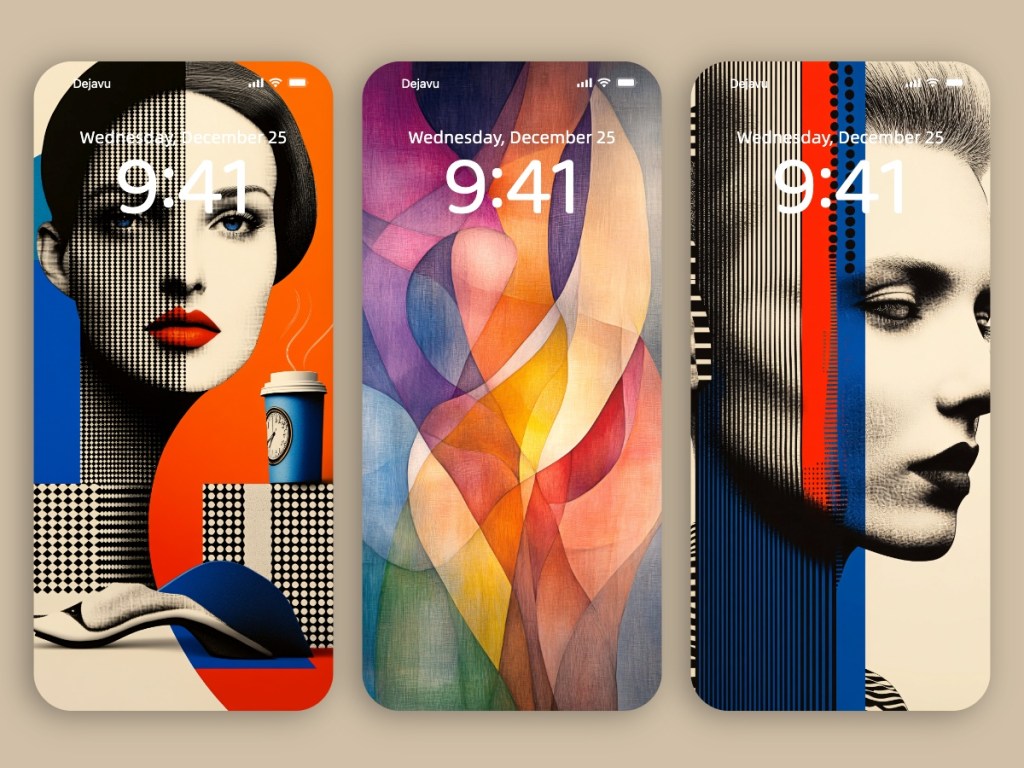
Dadaism, the quirky and rebellious art movement that flipped the art world on its head, brings a splash of playful chaos to your phone screen! Imagine unlocking your phone to find bold, abstract shapes, surreal juxtapositions, and random objects thrown together in a way that makes you smile and scratch your head at the same time. Dadaism was all about rejecting the conventional and embracing the absurd, and now you can carry that creative spirit in your pocket. With abstract Dada-inspired wallpapers, your phone becomes a mini gallery of avant-garde art, perfect for anyone who loves a bit of artistic anarchy!
You can download all these wallpapers on Dejavu Wallpaper!
Experience the magic of AI in advance! Let the infinite imagination of AI decorate your screens, bring you fresh delights every day.




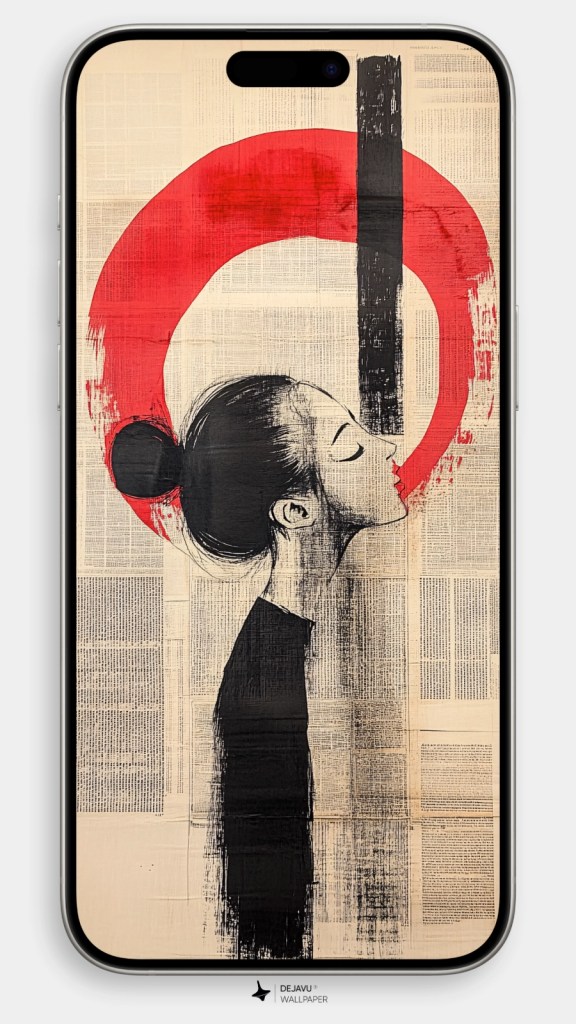
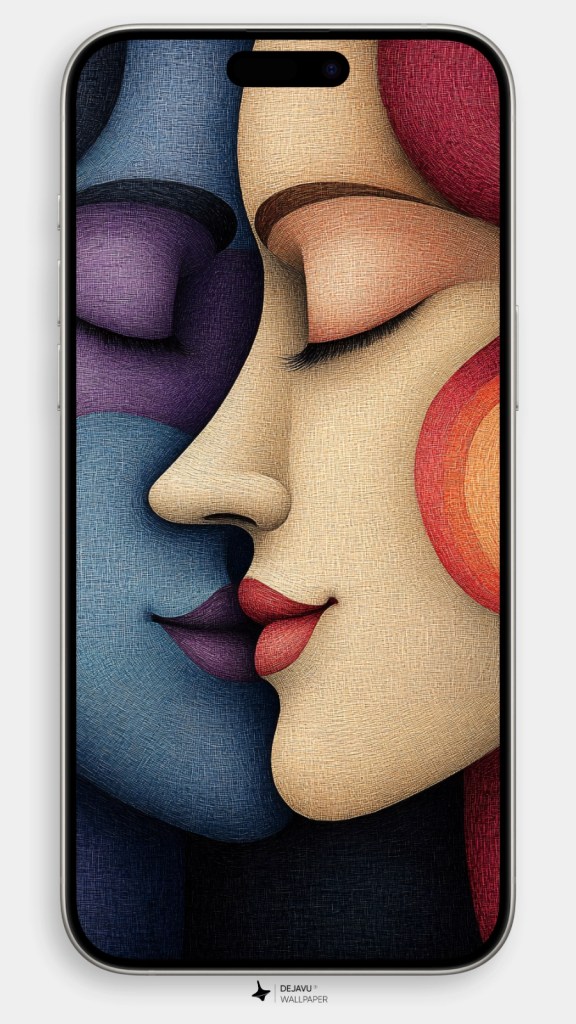

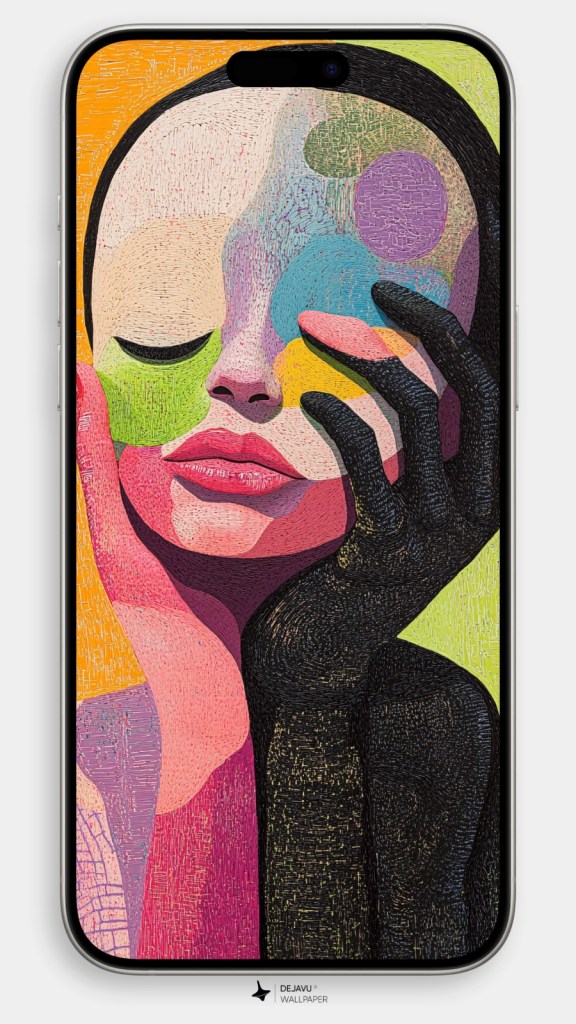
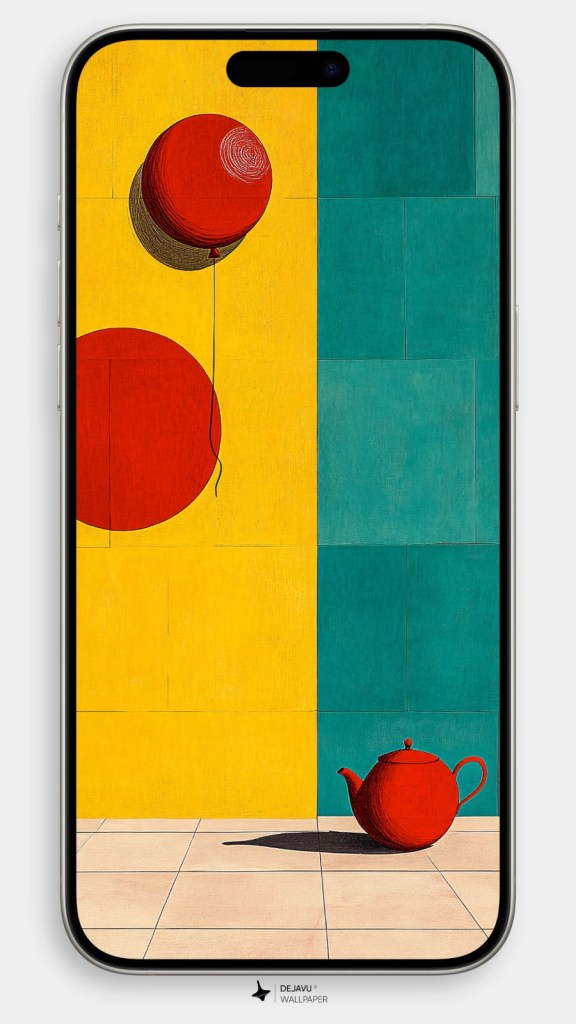
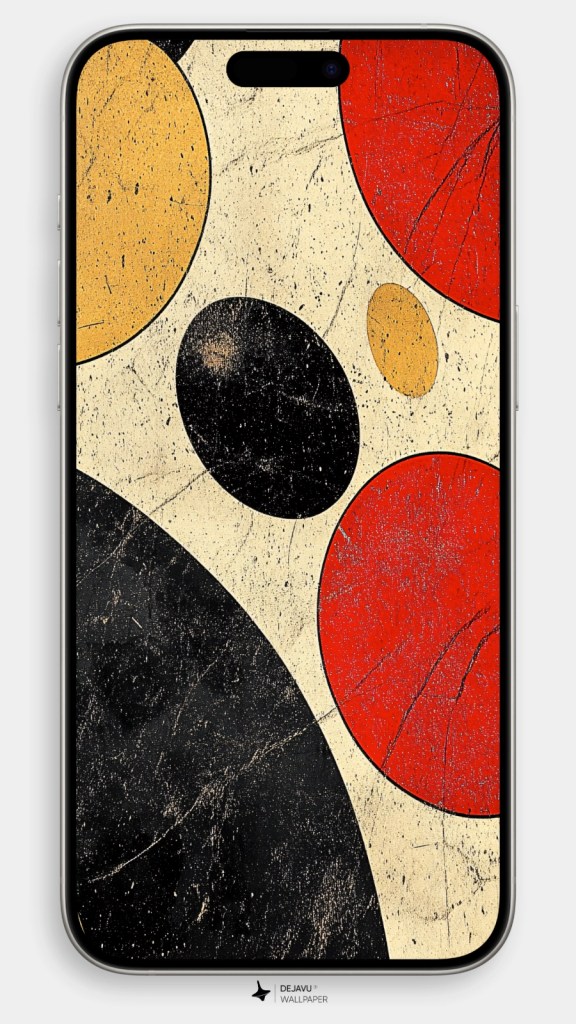
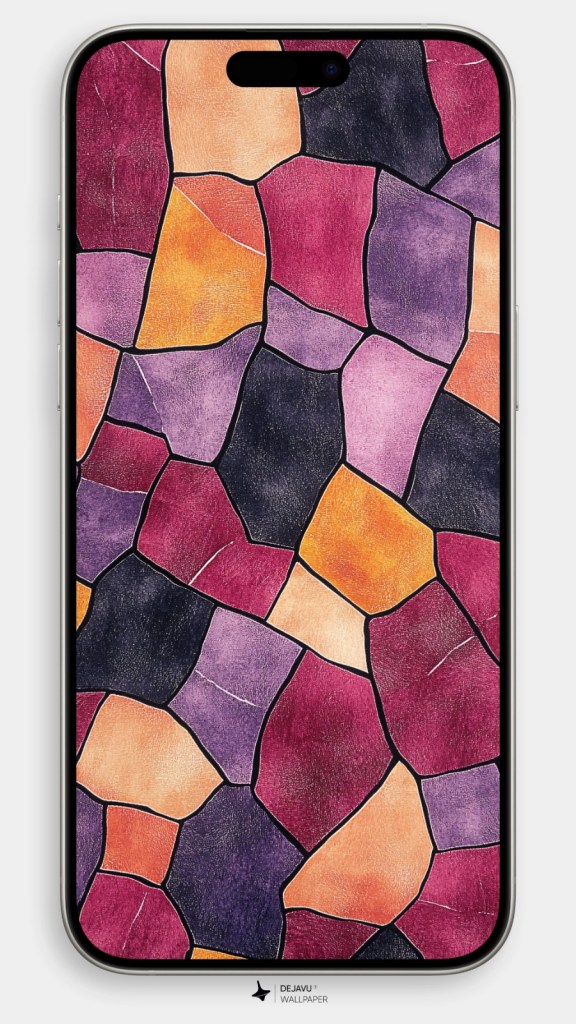
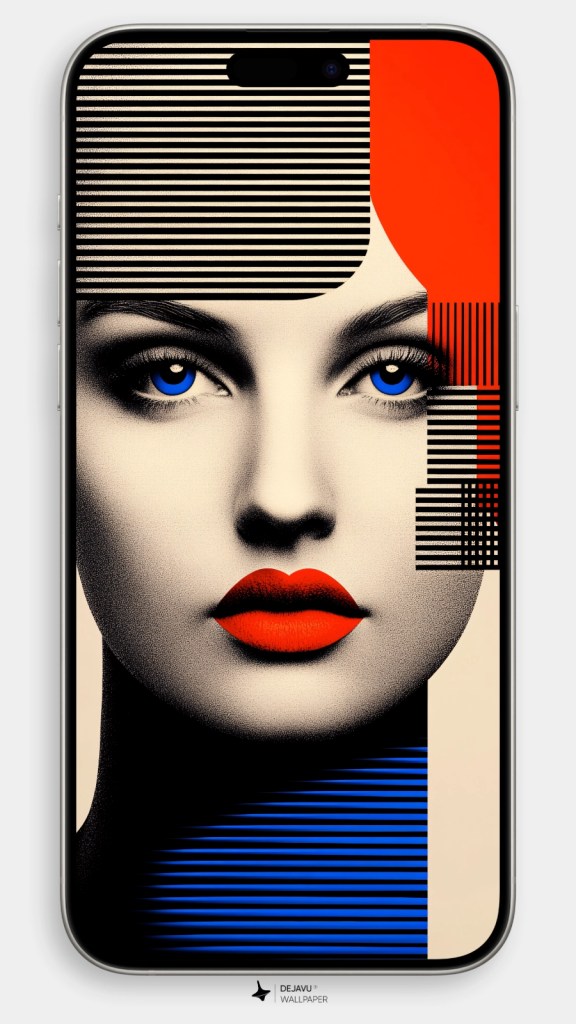
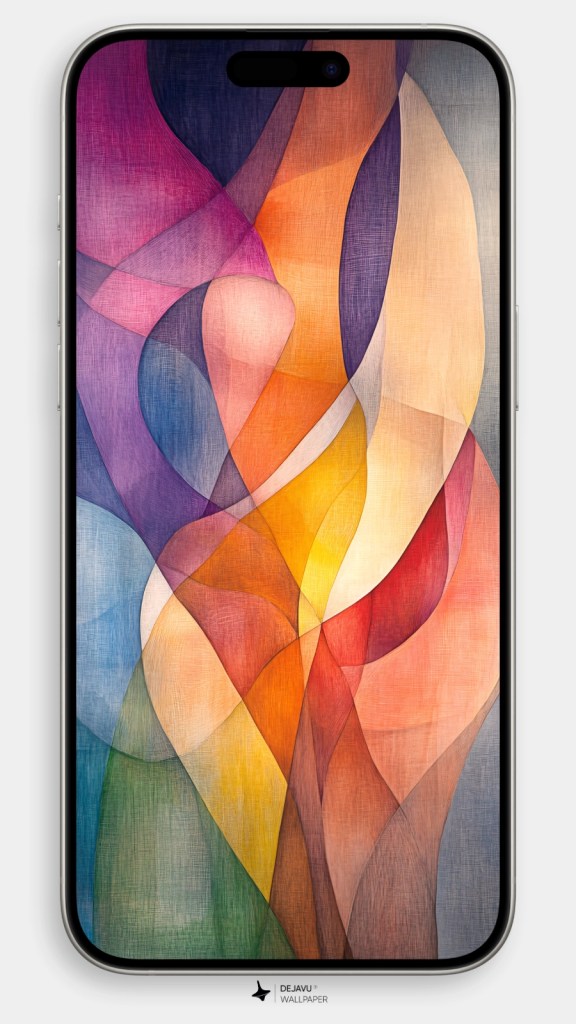

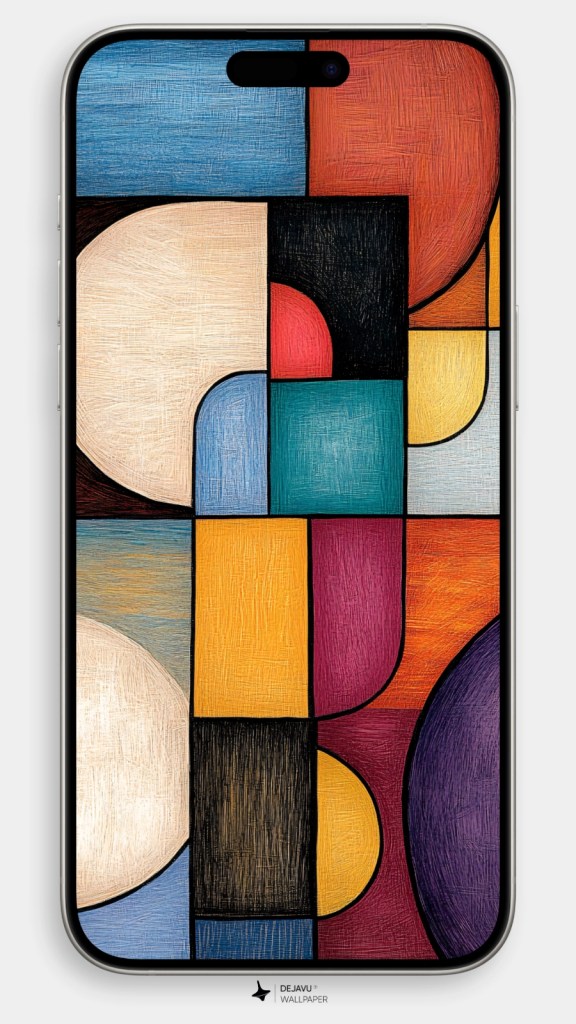
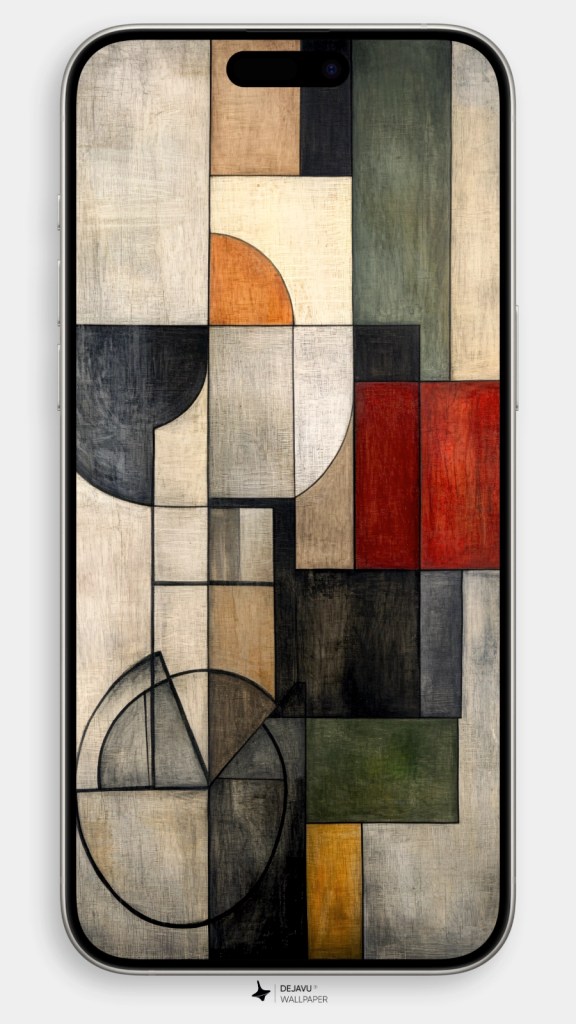
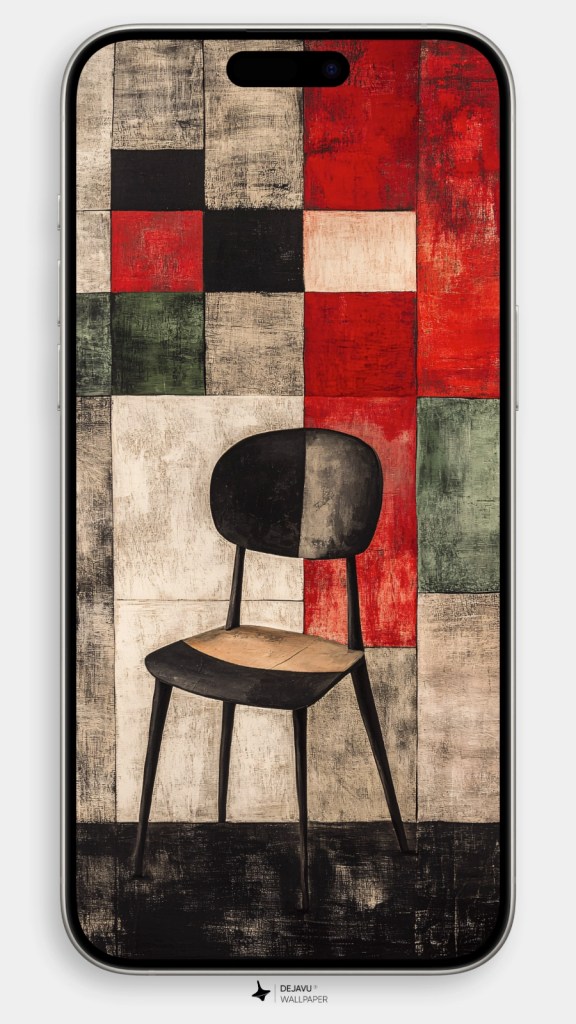
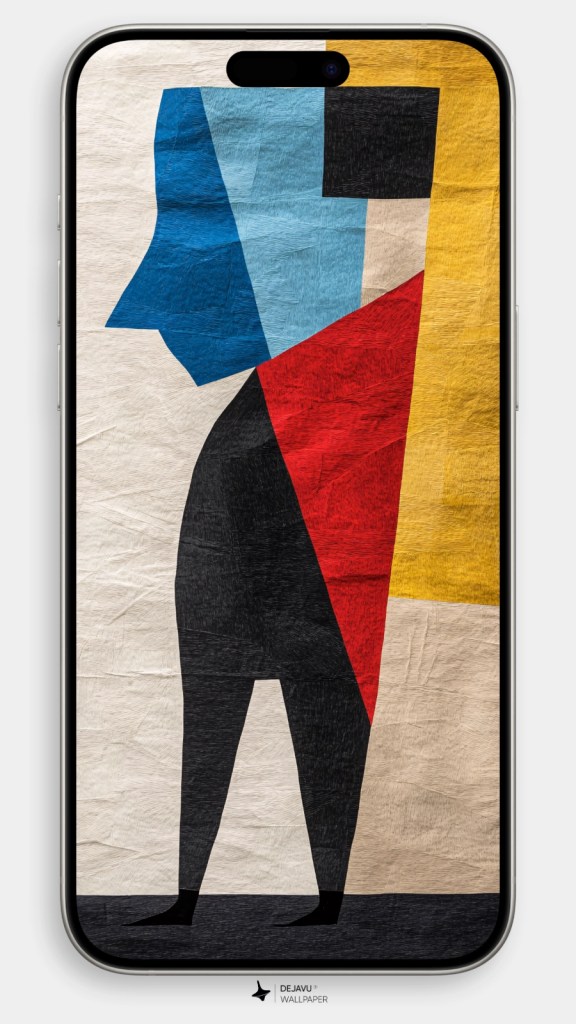
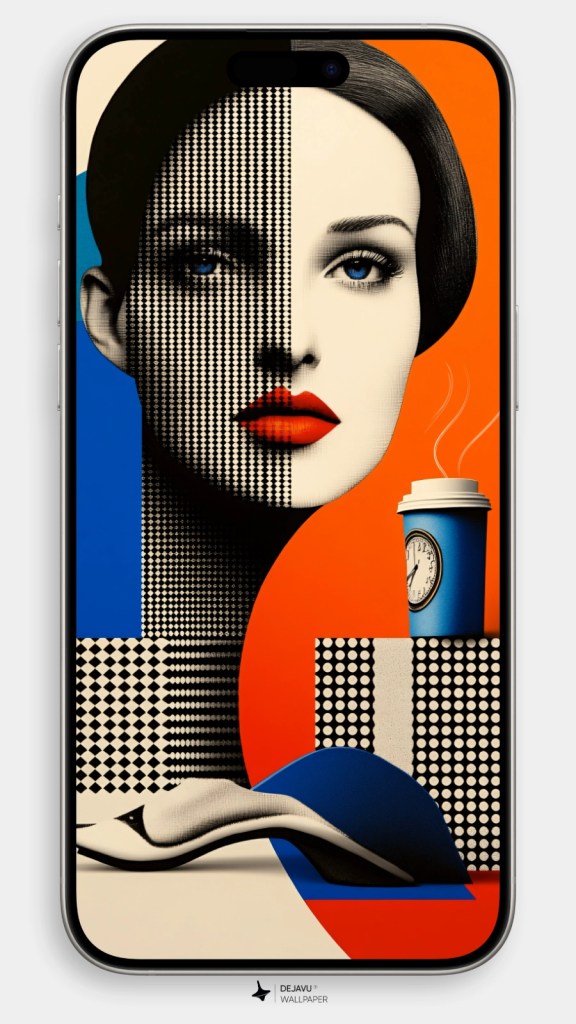

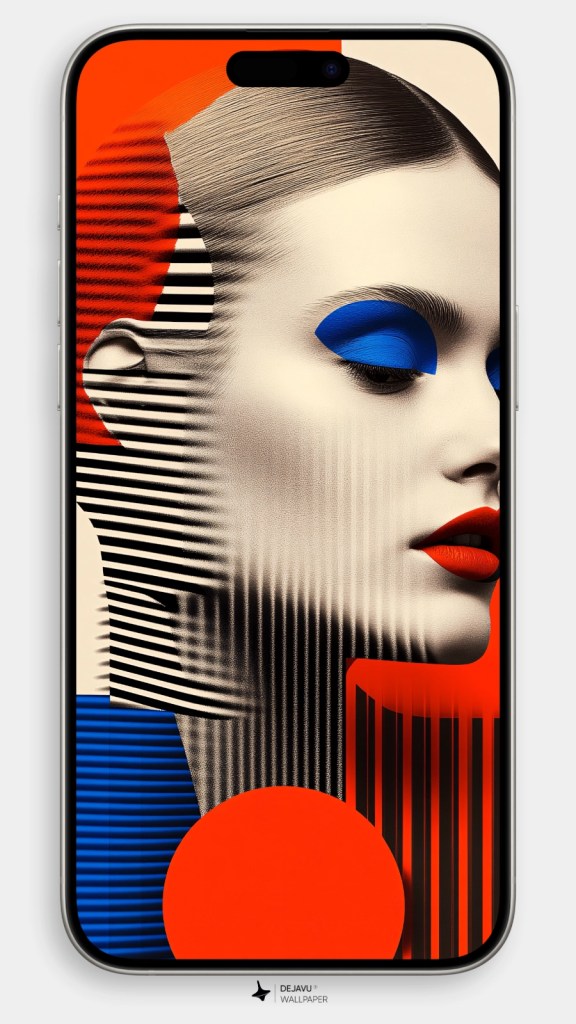
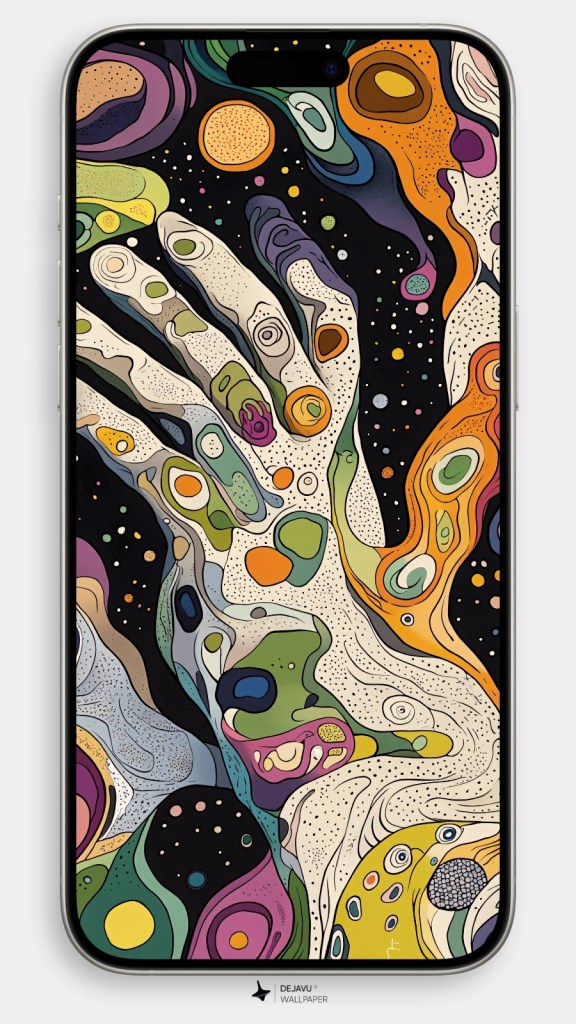
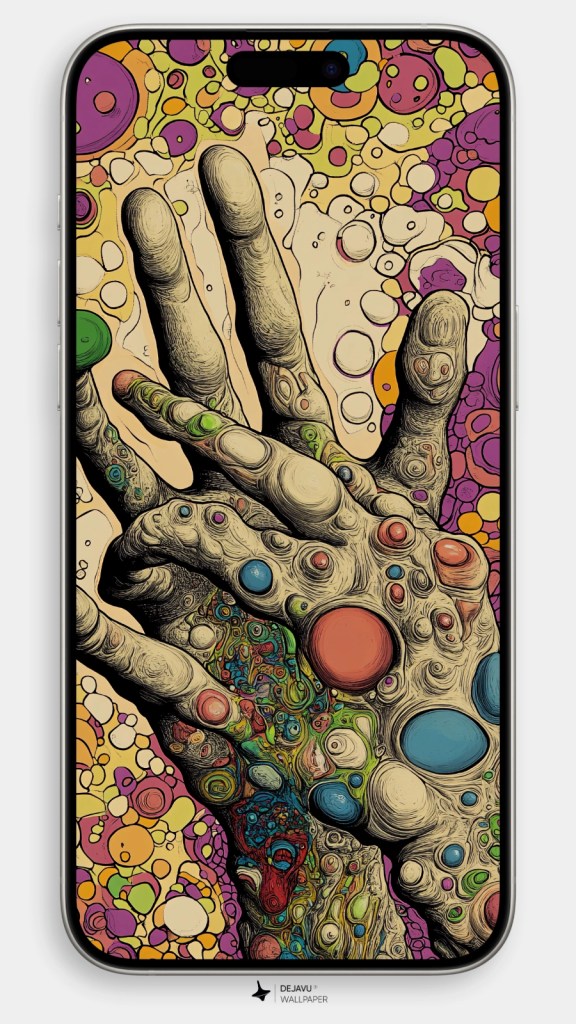
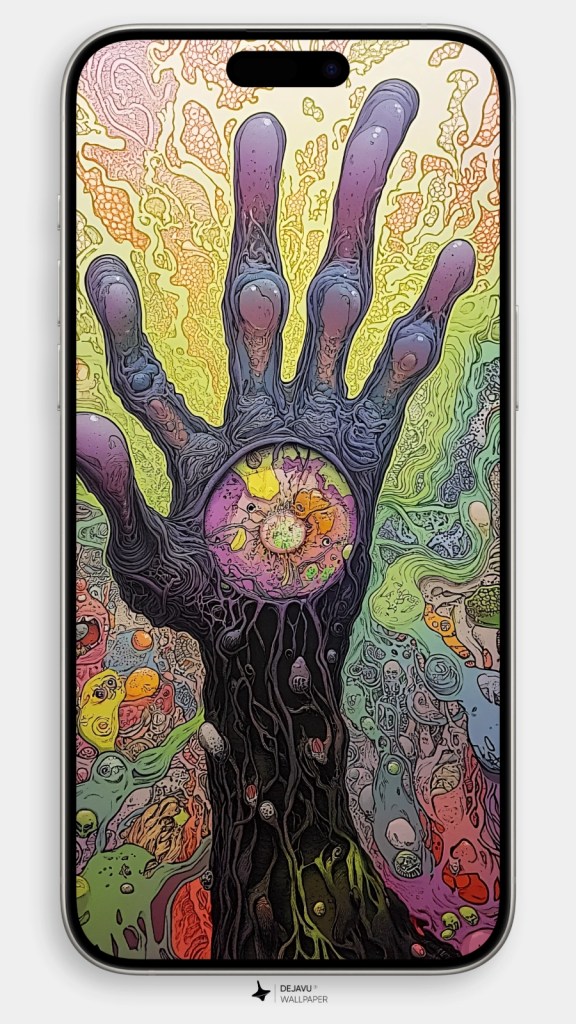

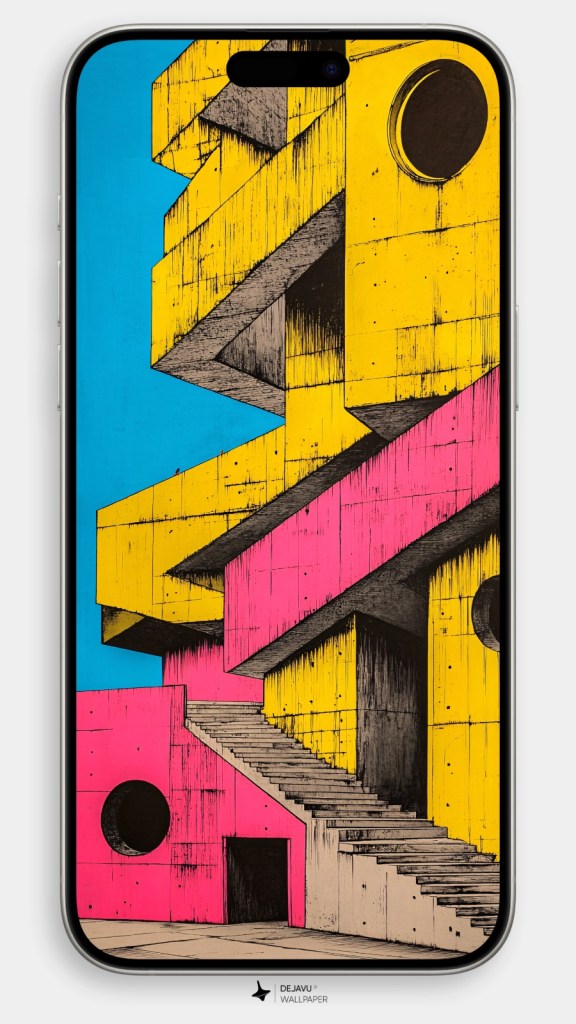
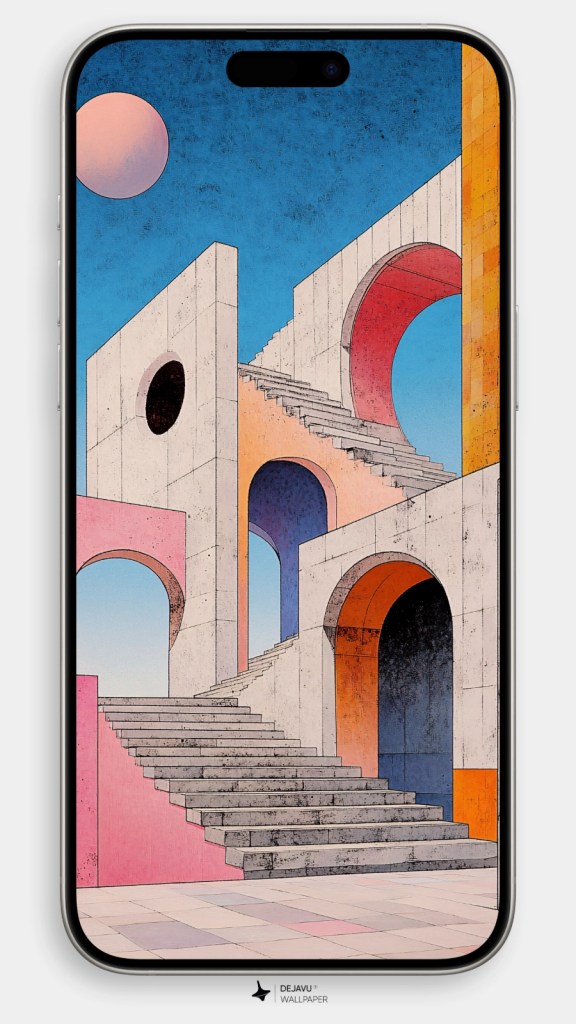

In the vast timeline of art history, Dadaism (or Dada) crashed onto the scene like an unexpected meteor, disrupting the established norms with its absurdity and irrationality. This early 20th-century art movement wasn’t just an act of rebellion against tradition—it became a powerful symbol of anti-authoritarianism, leaving an indelible mark on postmodern art and abstract aesthetics that still resonates today.
A Revolution Born by Chance
The spark of Dadaism ignited in 1916 at the Cabaret Voltaire in Zurich, Switzerland. Here, a group of artists and writers, disillusioned by the chaos of war, gathered to voice their frustration through unconventional means. They randomly chose the word “Dada” from a dictionary—representing the nonsensical babble of a child—to declare their defiance against reason and tradition.
Interestingly, Dada wasn’t about creating art in the traditional sense; it was about anti-art. The Dadaists saw art as a tool manipulated by politics and power, reflecting the absurdity of war and civilization’s fragility. Their creations, made from collages, found objects, and random juxtapositions, boldly questioned what could be considered art.
From Collage to Abstract Breakthroughs
Dadaist works often seemed chaotic or nonsensical. Take Marcel Duchamp’s infamous piece Fountain—an ordinary urinal turned upside down and signed “R. Mutt.” This bold move stunned the art world and laid the groundwork for modern art, where concepts took precedence over form.
In abstract art, this embrace of chaos and rejection of logic paved the way for innovative expression. The seemingly random shapes and vibrant colors in Dadaist works weren’t just accidental; they were deliberate expressions of disorder, influencing everything from fragmented architectural designs to bold color clashes in contemporary abstract art.
The Profound Underneath the Absurd
Dadaism wasn’t merely about creating chaos for the sake of it. Beneath its playful and absurd surface lay deep reflections on society’s flaws. The fragmented and reassembled nature of their art mirrored the devastation of war and the fractured state of the world. Today, when we encounter asymmetrical designs, bold color schemes, or abstract forms, we often see an unspoken message: the world is imperfect, but through art, we can rebuild and reinterpret it.
Modern Dada: From Art to Everyday Life
Surprisingly, the spirit of Dadaism thrives in today’s world. Its randomness and rebellious nature permeate modern advertising, editorial layouts, and fashion design. Think of those quirky, offbeat typography choices or bizarre yet striking visual compositions—they’re all nods to the Dadaist ethos. The distorted limbs, surreal shapes, and vibrant collages we see today are a direct homage to Dada’s legacy.
A Little Story: From Dada to the Future
Here’s a fun twist: Dadaist artists even predicted some of today’s tech trends. In the 1920s, Dada poet Hugo Ball experimented with random word generation in his poetry, eerily similar to how AI creates art today. Imagine Hugo in our era, marveling at AI-generated paintings and digital art. He might chuckle and say, “Dada never disappeared; it just found new forms.”
Dadaism teaches us that art doesn’t just celebrate beauty—it can also challenge and provoke. For the Dadaists, every illogical artistic endeavor was a declaration of their right to redefine meaning, making absurdity a profound philosophy.