
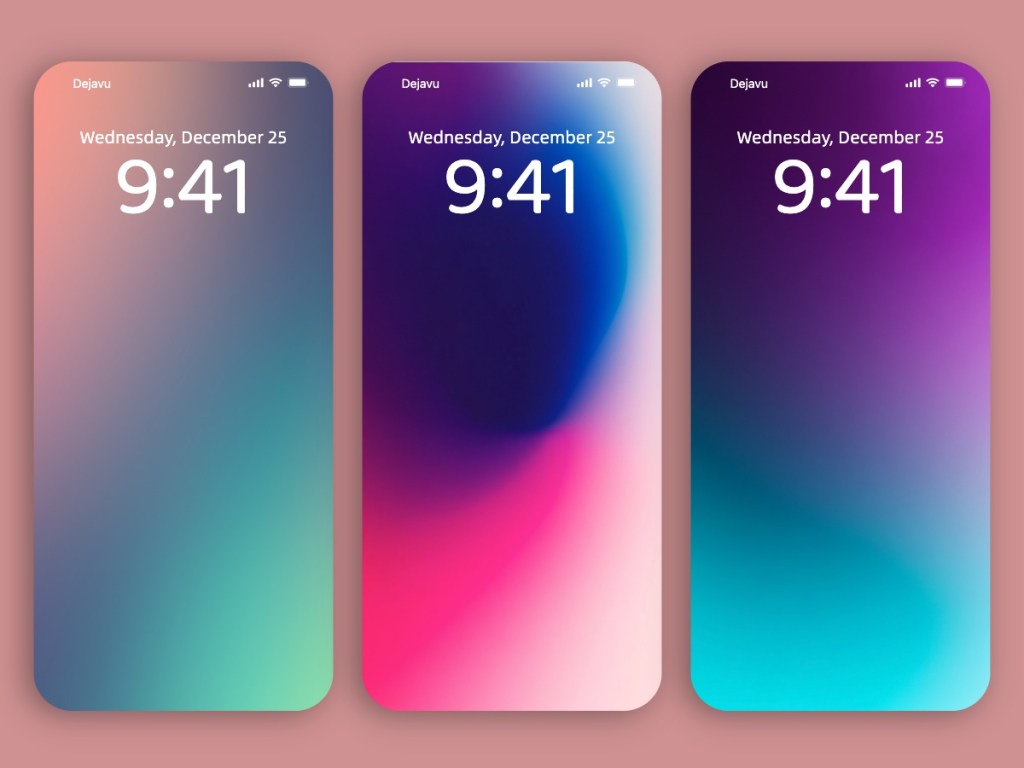
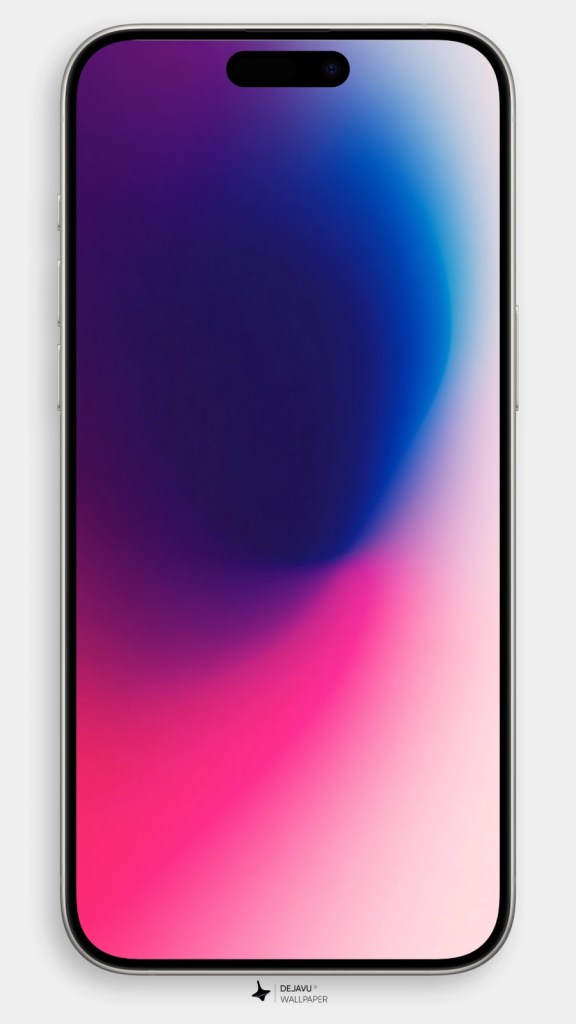
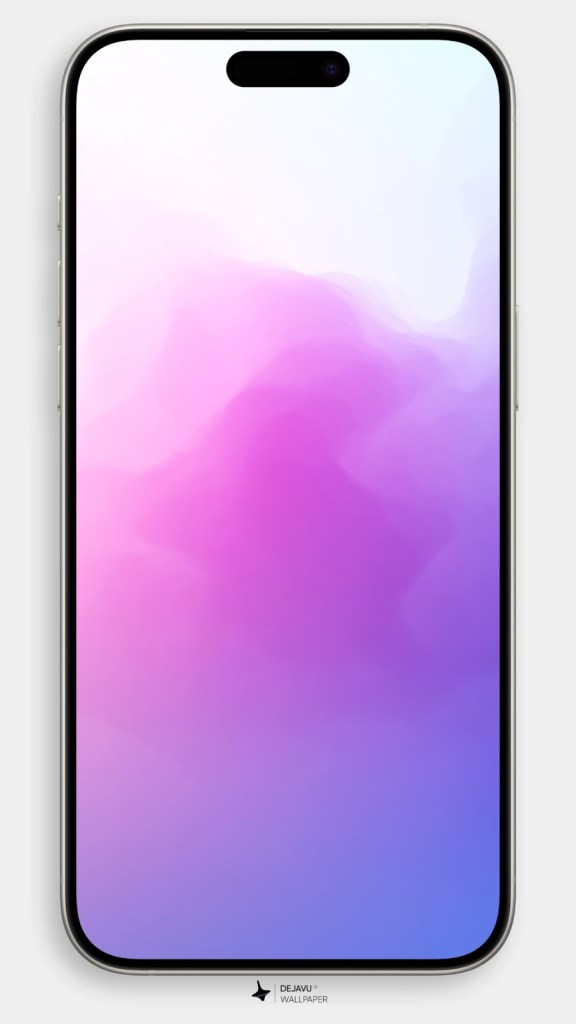
Gradient Color Minimal phone wallpaper is all about simplicity meeting a splash of color! Imagine your phone screen bathed in a smooth transition of hues, from soft pastels to vibrant shades, creating a calming yet eye-catching effect. These wallpapers bring a sleek, modern vibe to your device, perfect for those who appreciate clean aesthetics with a touch of artistic flair.
Each gradient flows seamlessly, making your phone look like it’s dipped in a pool of colors that shift and blend, almost like a digital sunset or a dreamy sky. Whether you prefer cool blues, warm oranges, or bold purples, there’s a gradient to match every mood and style. It’s minimalism with a colorful twist, giving your phone a fresh, contemporary look that’s as stylish as it is soothing. So, why not let your screen shine with the subtle beauty of Gradient Color Minimal wallpaper?
You can download all these wallpapers on Dejavu Wallpaper!
Experience the magic of AI in advance! Let the infinite imagination of AI decorate your screens, bring you fresh delights every day.




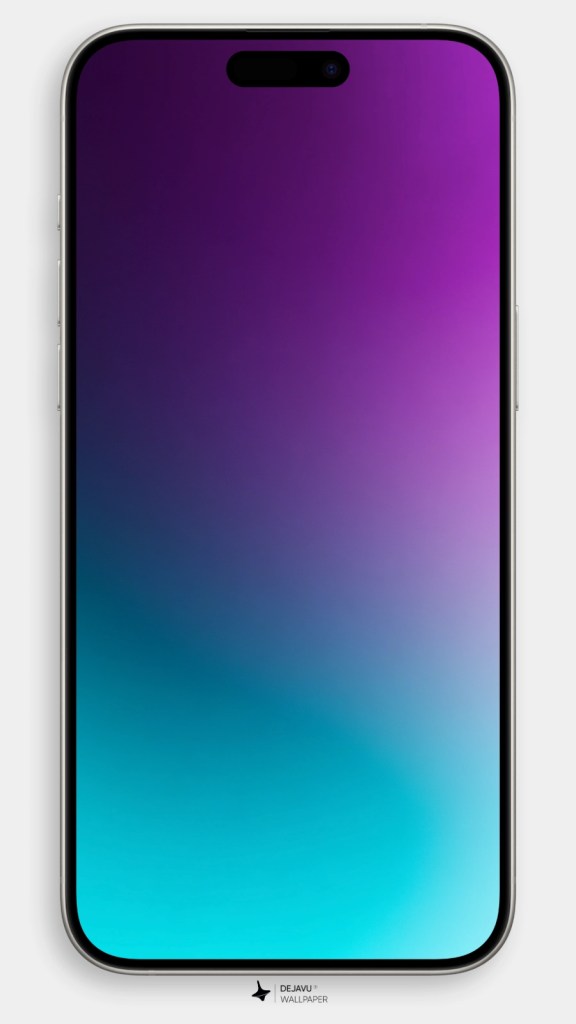
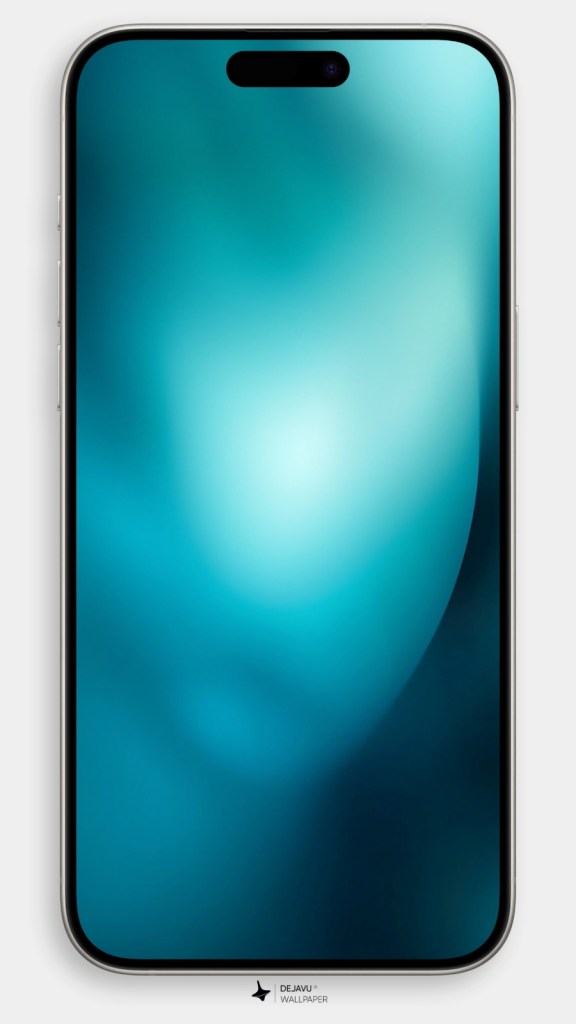
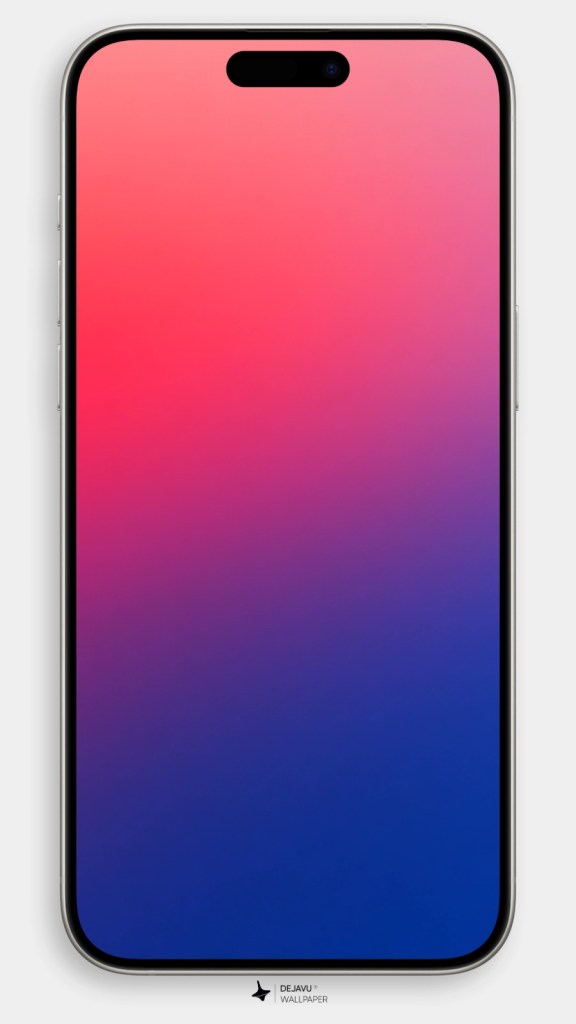
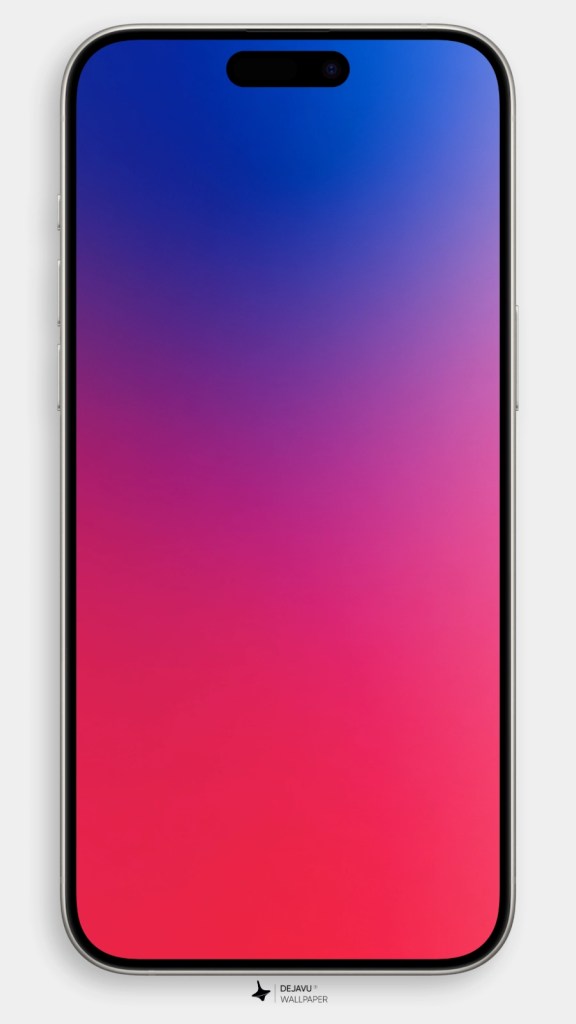
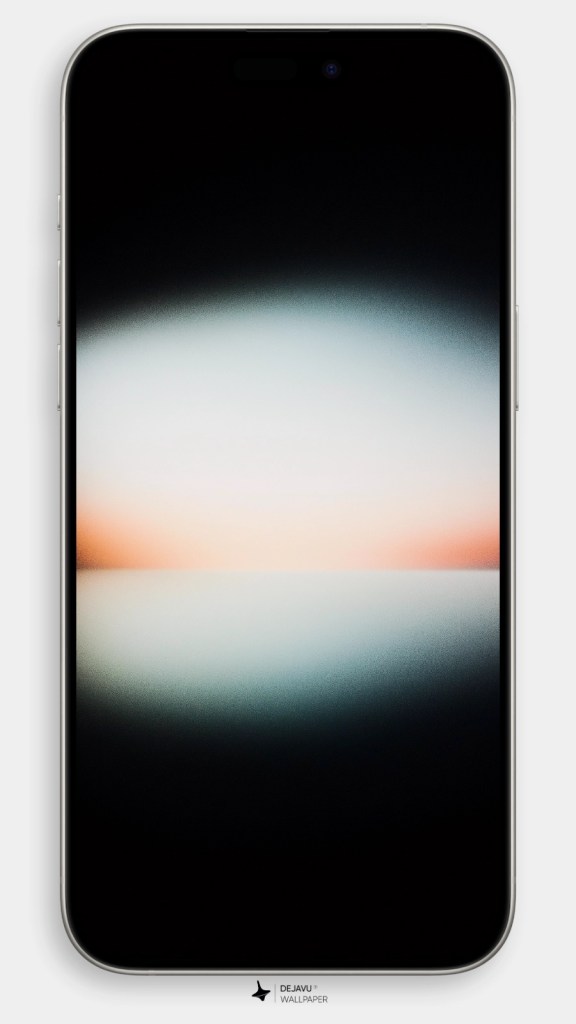
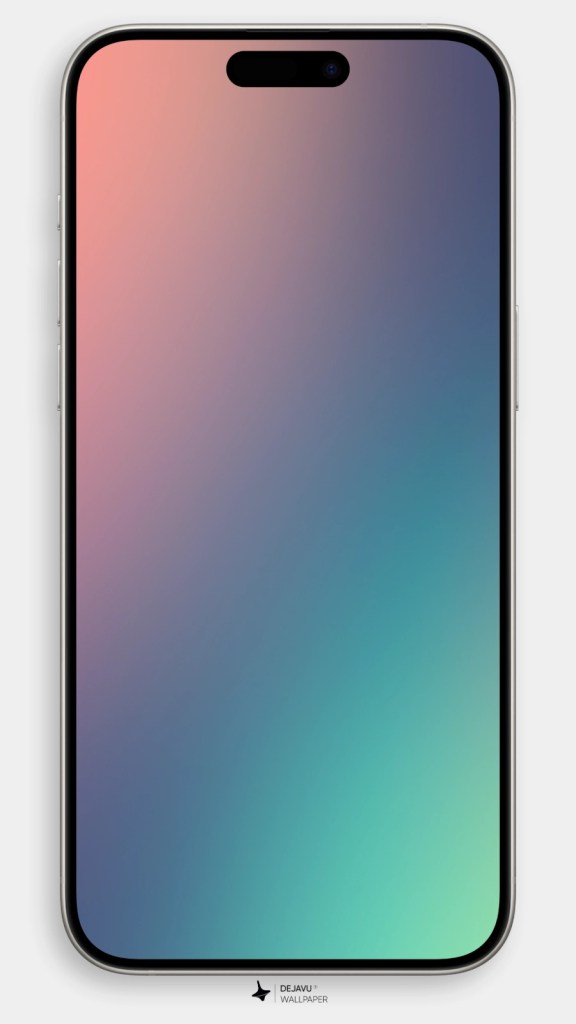
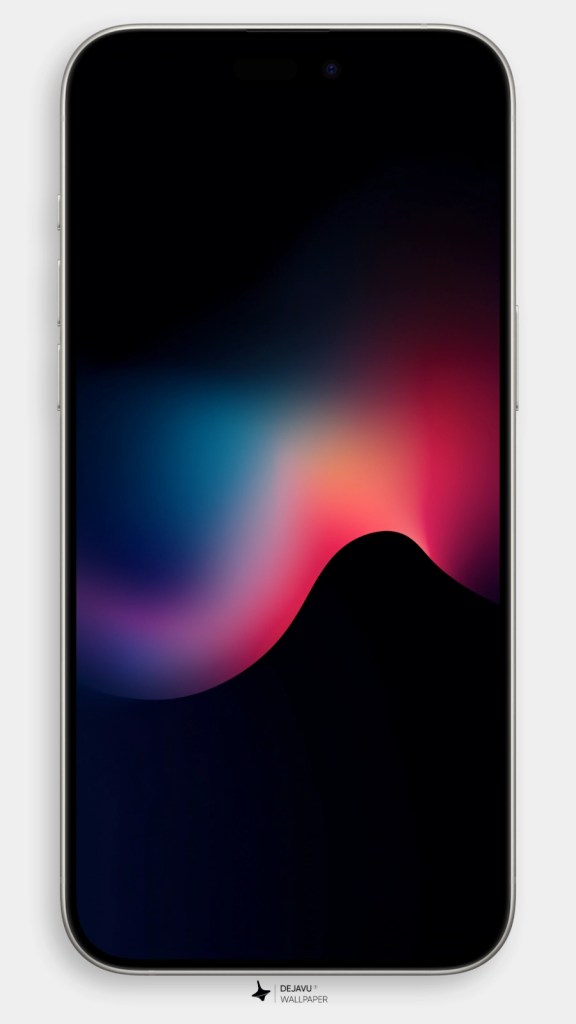
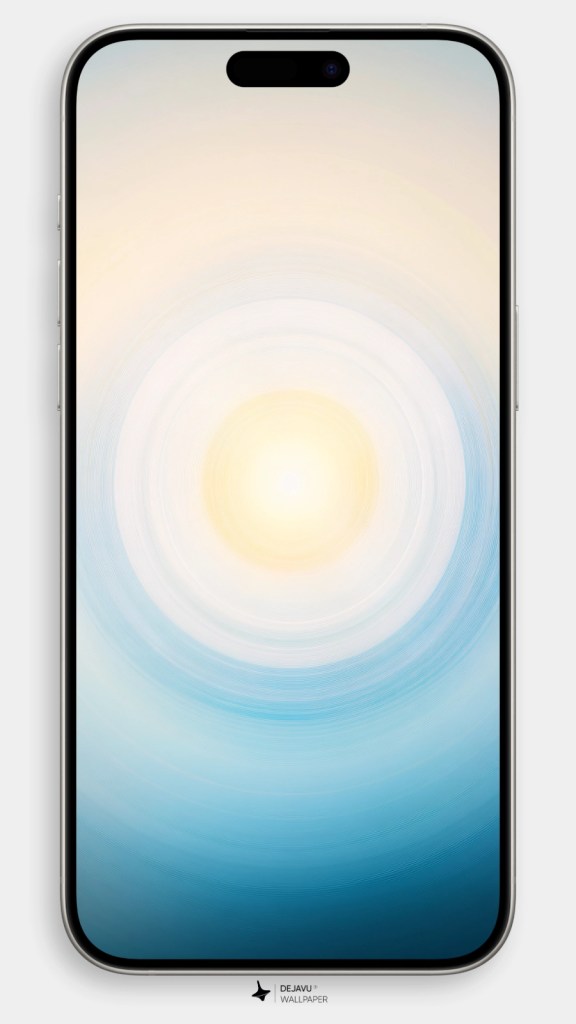
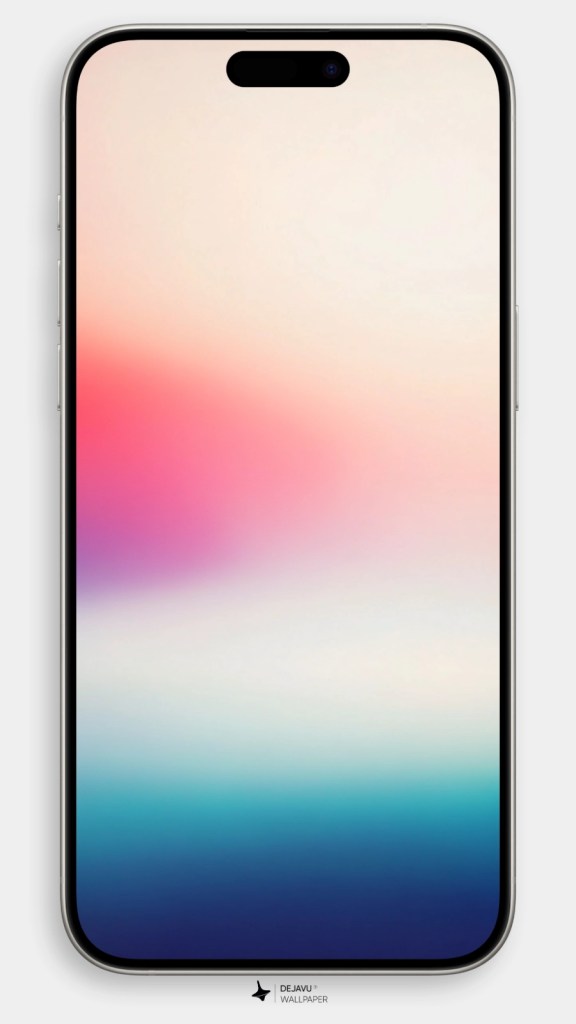
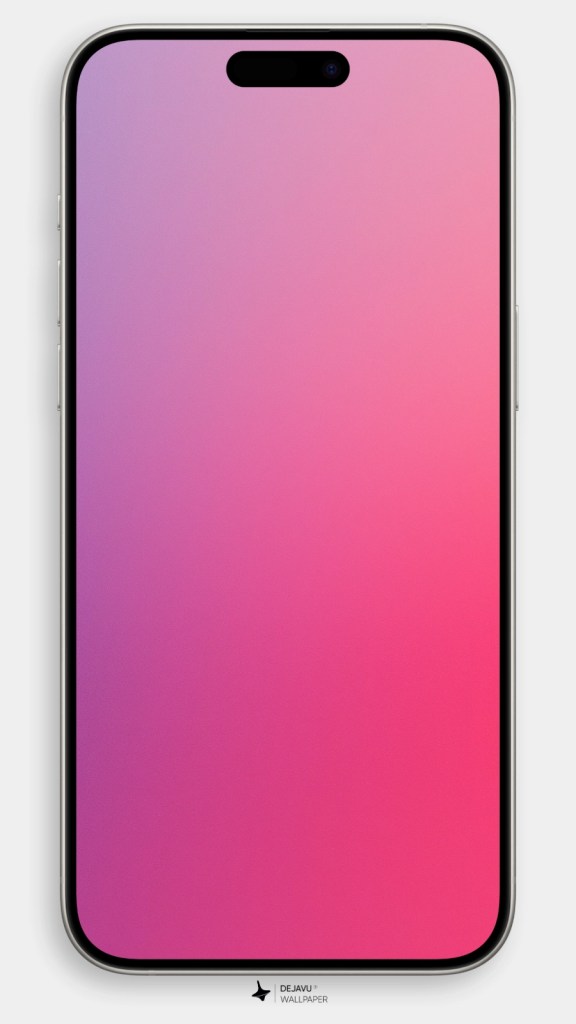
One morning, a designer stood by the sea, watching the sky shift from soft blue to golden orange, and suddenly, they had an epiphany: gradients are a language that never stops speaking. Whether it’s the natural transitions of light or the smooth color fades on a digital screen, gradients hide untold stories and profound scientific secrets beneath their colorful surface.
Nature’s Masters of Gradients
Gradients first began in nature, where they’ve been painting the Earth’s color miracles for as long as anyone can remember. The morning sky, the ocean’s layers, the sunset’s warm glow—each of these is a gradient masterpiece. Scientists have discovered that particles in the atmosphere scatter sunlight, creating the distinct color shifts in the sky. In fact, when we look up, that subtle blue-to-white transition is the result of air molecules scattering short-wavelength blue light. As the sun sits lower, longer-wavelength orange and red light dominate, painting the glorious hues of dawn and dusk.
Another natural gradient marvel takes place in the polar regions—auroras. When charged particles collide with Earth’s magnetic field, light energy is released in a stunning gradient, shifting from green to purple, like a cosmic stage show. This phenomenon has drawn countless explorers to the poles, adding an air of mystery to the magic of gradients.
Artists and Their Love Affair with Gradients
Artists have been captivated by the allure of gradients for centuries. During the Renaissance, painters used gradients to simulate the effects of natural light. For example, in Da Vinci’s Mona Lisa, the smooth transitions between the face and the background give the painting a lifelike, dynamic quality. This technique, known as sfumato, was the early forerunner of what we now think of as artificial gradients.
In the modern era, gradients became a darling of surrealists. Take Salvador Dalí, who used gradients to express dream-like spaces in his works. For Dalí, gradients weren’t just color transitions—they were visual bridges to the subconscious.
How Gradients Are Changing Design
In the digital age, gradients have exploded in popularity. Have you ever noticed the Instagram logo? That sleek pink, orange, and purple gradient is considered one of the defining elements of the brand’s youthful, trendy appeal, drawing millions of young users worldwide.
But there’s more to gradients than just their visual charm. Psychology tells us that soft color transitions can create a sense of calm, while intense gradients grab attention. For example, after 2010, a style known as “neon gradients” became popular in movie posters. Combining bold color contrasts, this style delivers a visual punch that evokes a sense of technology and the future.
The Hidden Math Behind Gradients
Gradients aren’t just a visual art form—they also have a mathematical side. For instance, linear gradients follow a linear interpolation formula, while radial gradients involve geometric equations. This blend of art and math makes gradients a perfect tool for data visualization. Whether it’s temperature distribution on a weather map or elevation changes on a topographic map, gradients make complex information more intuitive by seamlessly connecting different values.
The Future of Gradients: The Metaverse and AI
So, where is the future of gradients headed? The answer lies in the metaverse and artificial intelligence. In the metaverse, gradients will leap from flat 2D surfaces into immersive 3D spaces. Imagine a virtual sky where colors don’t just fade—they dynamically shift with the passage of time, even responding to a user’s emotions with personalized gradient effects.
Artificial intelligence is also redefining the possibilities of gradients. Thanks to deep learning algorithms, designers can now create never-before-seen, complex gradients—like those mimicking the movement of stars across a night sky or even visualized musical rhythm gradients.
The Wisdom of Gradients
From nature to technology, art to science, gradients are an eternal language. They remind us that life’s beauty is not static but found in the flow and transitions of time. So next time you encounter a vibrant gradient, take a moment to pause and feel the wonder in that simple yet profound shift of color. Perhaps it’s trying to tell you a secret story about time, space, and color.