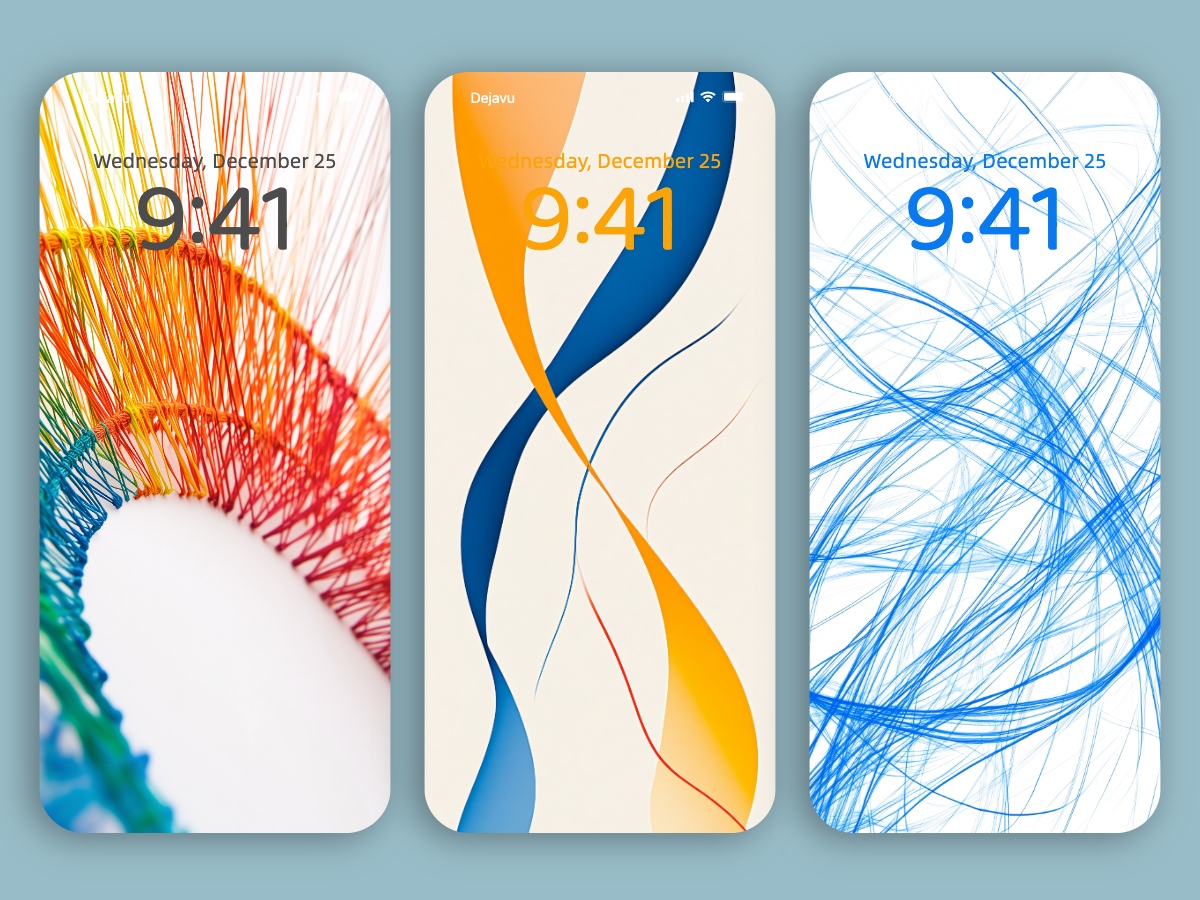

Minimal line art phone wallpaper is the perfect way to add a touch of elegance and simplicity to your device. Imagine sleek, clean lines forming abstract shapes, faces, or nature-inspired designs, all on a soothing monochromatic background. These wallpapers are not just about aesthetics; they evoke a sense of calm and order, turning your phone into a canvas of modern art.
With minimal line art, less is truly more. Each design speaks volumes through its simplicity, making your screen look effortlessly chic and stylish. Whether you prefer abstract doodles, serene landscapes, or minimalist portraits, there’s a minimal line art wallpaper to match every mood and personality.
So, if you’re looking to declutter your screen and embrace a more understated style, minimal line art wallpapers are the way to go. They bring sophistication and a dash of creativity to your everyday digital experience, all while keeping things beautifully simple.
You can download all these wallpapers on Dejavu Wallpaper!
Experience the magic of AI in advance! Let the infinite imagination of AI decorate your screens, bring you fresh delights every day.


Lines—those simple, unassuming strokes—have been carrying the weight of human history for thousands of years. From the rugged carvings in prehistoric caves to the sleek lines in modern AI-generated art, they’ve evolved from a mere recording tool to a powerful medium of expression. Let’s dive into the fascinating journey of these humble lines and uncover their magical tales.
The First Stop: Ancient Language in Cave Depths
In the depths of France’s Lascaux Caves, archaeologists discovered stunning animal figures drawn with lines, capturing the essence of bulls and horses, and even the motion of a hunt. These weren’t random doodles; they were meticulously crafted by early “artists.” Variations in line thickness hinted at movement and force, turning simple lines into dynamic narratives.
Even more astonishing, lines weren’t just for visuals. In South Africa’s Blombos Cave, a 73,000-year-old stone engraved with cross-hatched lines was found, marking perhaps the earliest form of abstract thought. These lines, simple yet profound, hint at the dawn of symbolic communication, where lines began to speak a language beyond their visual appearance.
Geometric Lines of Ancient Civilizations: A Quest for Beauty and Order
As civilizations advanced, lines evolved from mere records to forms of expression. Ancient Egyptian murals used lines to outline deities and figures, exuding a sense of divinity and solemnity. In ancient Greece, Euclidean geometry revolutionized line use in art and science, where lines became tools for understanding cosmic order.
One of the most mind-blowing examples is the Nazca Lines in Peru—massive line drawings stretching across the desert, forming animals, plants, and geometric shapes. Visible only from the sky, these lines remain a mystery. Were they part of ritualistic ceremonies or, as some theorize, alien landing strips? Whatever their purpose, the enigma of these lines continues to captivate.
Line Revolution: From Da Vinci to Mondrian
The Renaissance saw a resurgence in line art, with masters like Leonardo da Vinci using line sketches to delve into human anatomy, blending art with science. Fast-forward to the late 19th century, and artists began to redefine the line. Dutch painter Piet Mondrian’s black lines and geometric blocks birthed the De Stijl movement, turning lines into a quest for universal harmony.
Lines then ventured into abstraction. Wassily Kandinsky imbued his lines with emotion and musicality, transforming them into symbols of inner landscapes. Lines were no longer just boundaries; they were pathways to the subconscious, carrying the rhythm of the artist’s soul.
The Future of Lines: Enter Artificial Intelligence
In the 21st century, lines have taken a futuristic turn with the rise of AI. In 2018, an AI-generated artwork, Portrait of Edmond de Belamy, fetched $432,500 at auction. Created using Generative Adversarial Networks (GANs), the lines in this piece followed artistic rules but also reflected the AI’s interpretation of art styles.
AI doesn’t just generate lines; it learns from them. Tools like DeepArt can apply Mondrian’s geometric style to a simple photo, transforming it into a new artistic creation. The future of lines is being rewritten by algorithms, merging human creativity with machine learning.
The Timeless Allure of Lines
From cave walls to AI algorithms, lines have always been more than just marks—they’re a universal language, capable of expressing the most complex emotions with the simplest forms. They link the past to the future, weaving through the fabric of human culture and thought.
So next time you see a line drawing, pause and think: those lines aren’t just art; they’re the footprints of human imagination, a silent journey stretching from ancient times to the limitless future.