

Imagine this: you’re lying back, looking up at a vast blue sky, and there it is—a sleek plane, soaring through the clouds like a metallic bird. The contrast between the sharp, clean lines of the plane and the soft, fluffy clouds creates a visual masterpiece. The sky, often a backdrop for our daily hustle, suddenly becomes a canvas where the plane’s path leaves a fleeting trail, like a brushstroke in the air.
“Aesthetic Plane in Sky” isn’t just about the plane itself—it’s about the harmony between technology and nature. It’s the feeling of adventure, the call of distant places, and the endless possibilities of travel, all captured in a single moment. Whether it’s a sunrise or a sunset, the golden light wrapping around the plane’s sleek body, or the soft hues of twilight reflecting off its wings, there’s something magical about the way a plane looks in the sky. It’s a symbol of freedom, exploration, and the beauty that exists in the world above us.
You can download all these wallpapers on Dejavu Wallpaper!
Experience the magic of AI in advance! Let the infinite imagination of AI decorate your screens, bring you fresh delights every day.




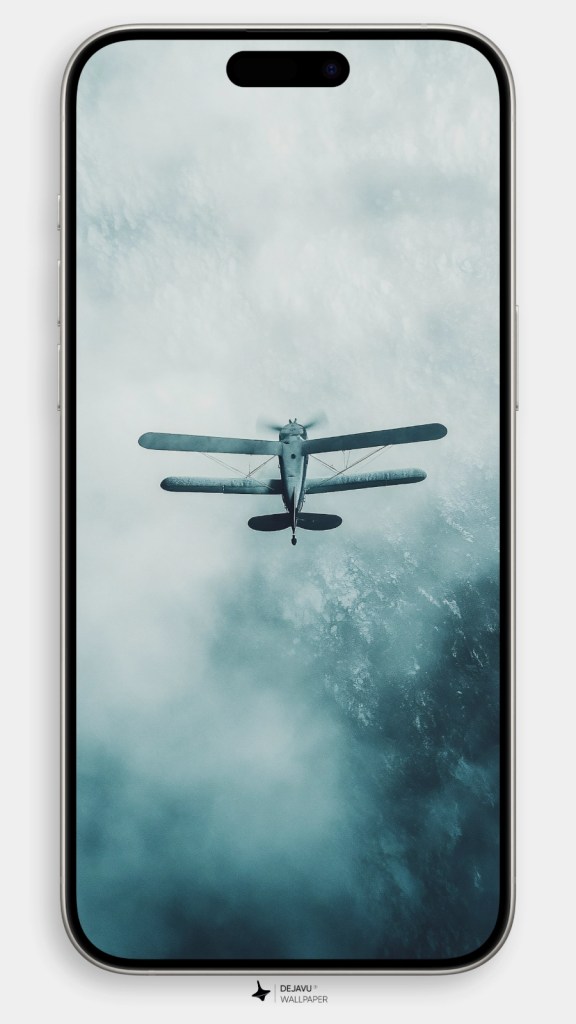
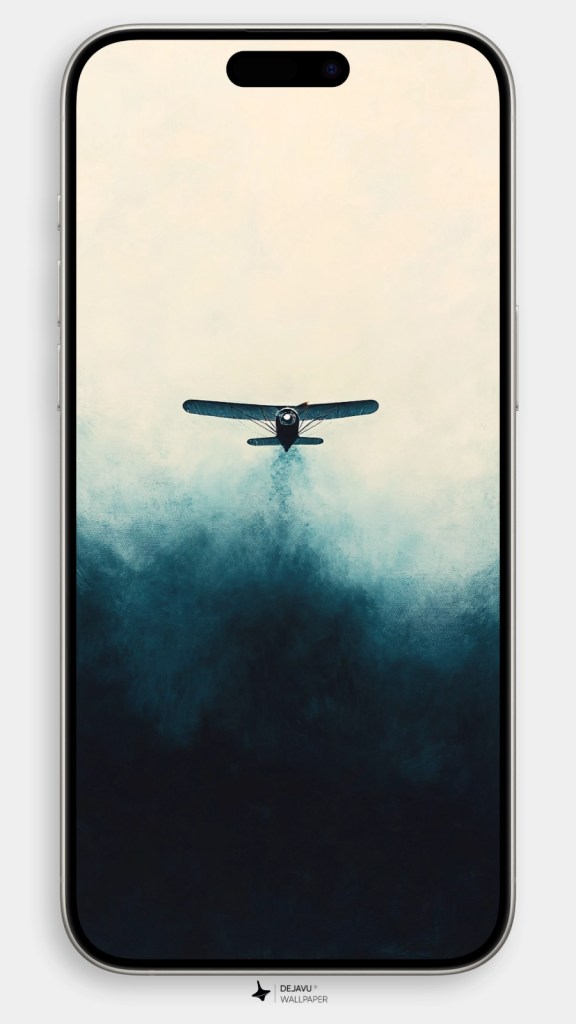
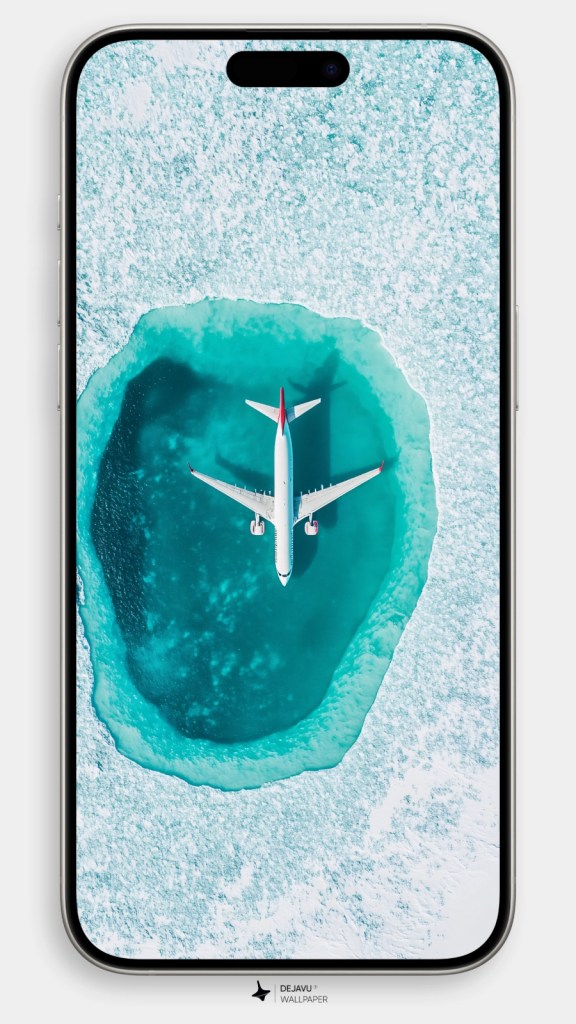

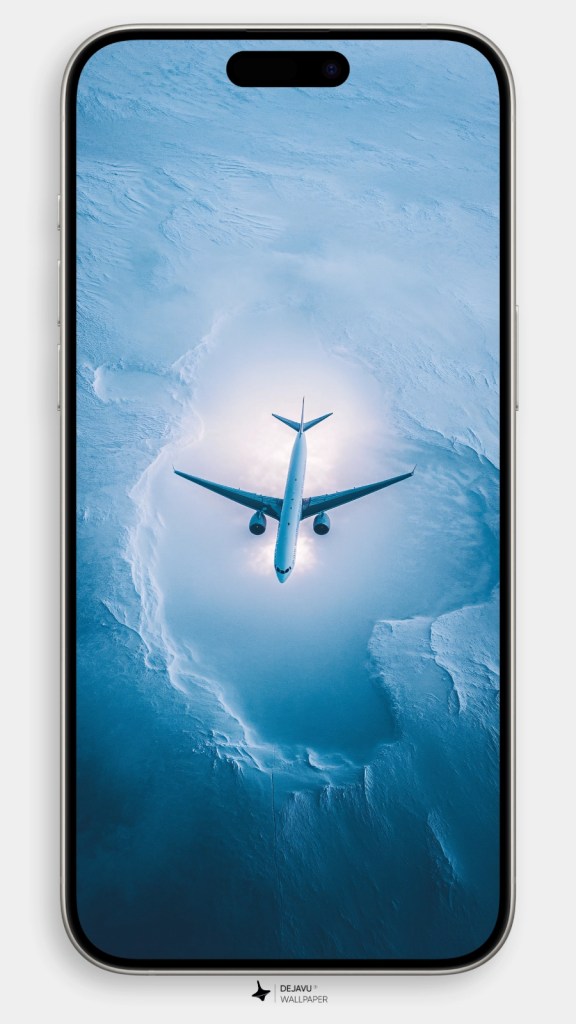
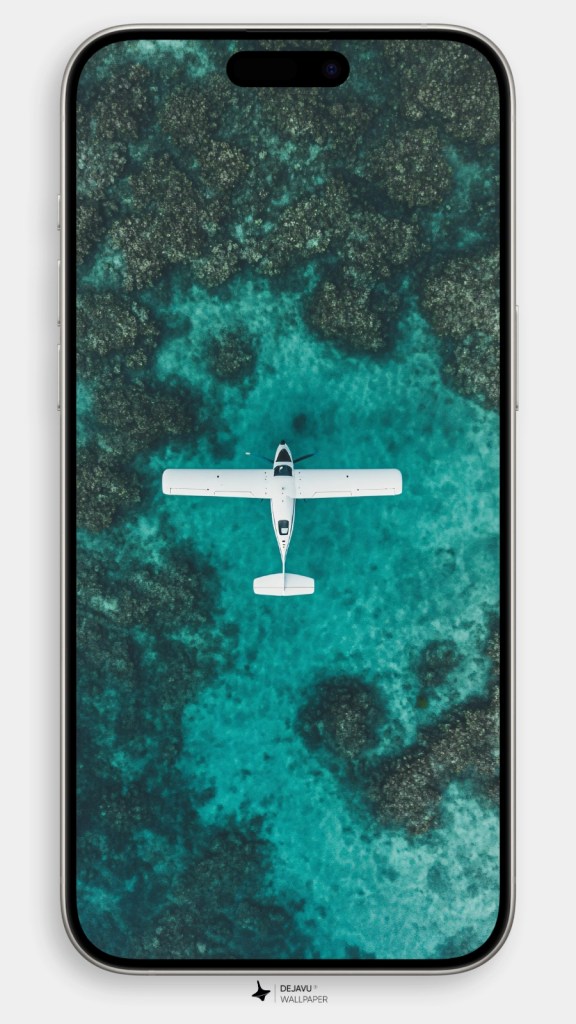
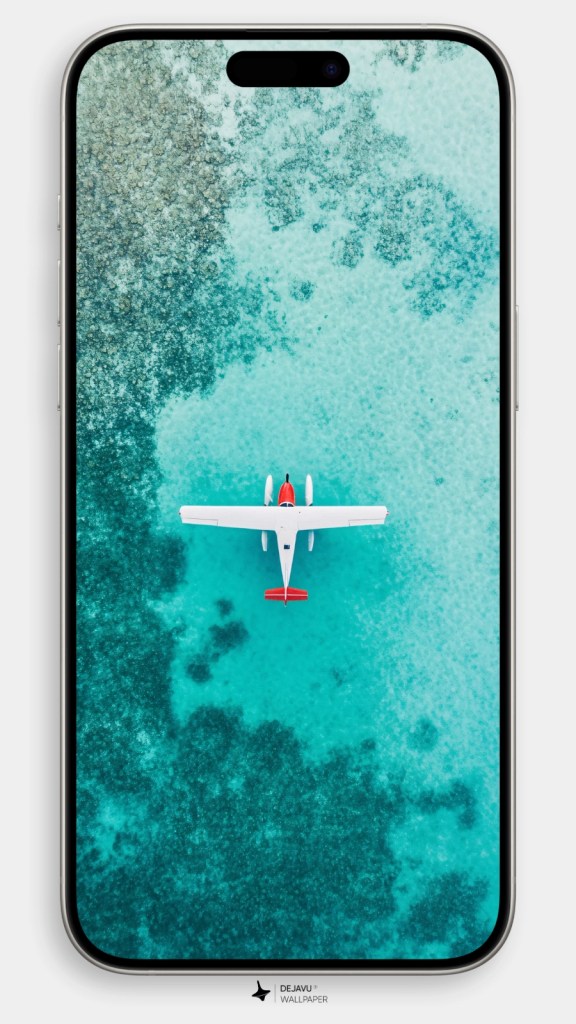
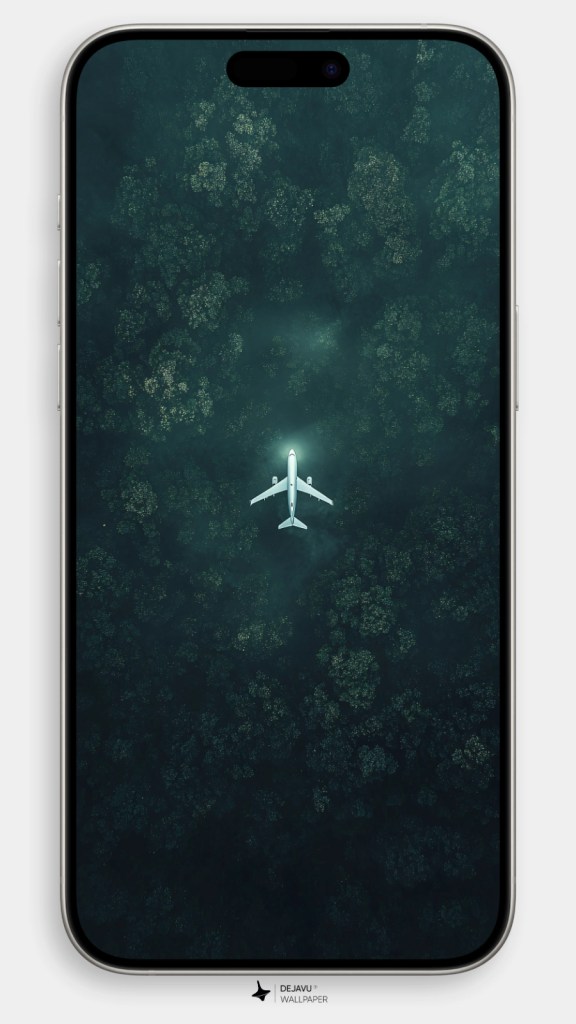

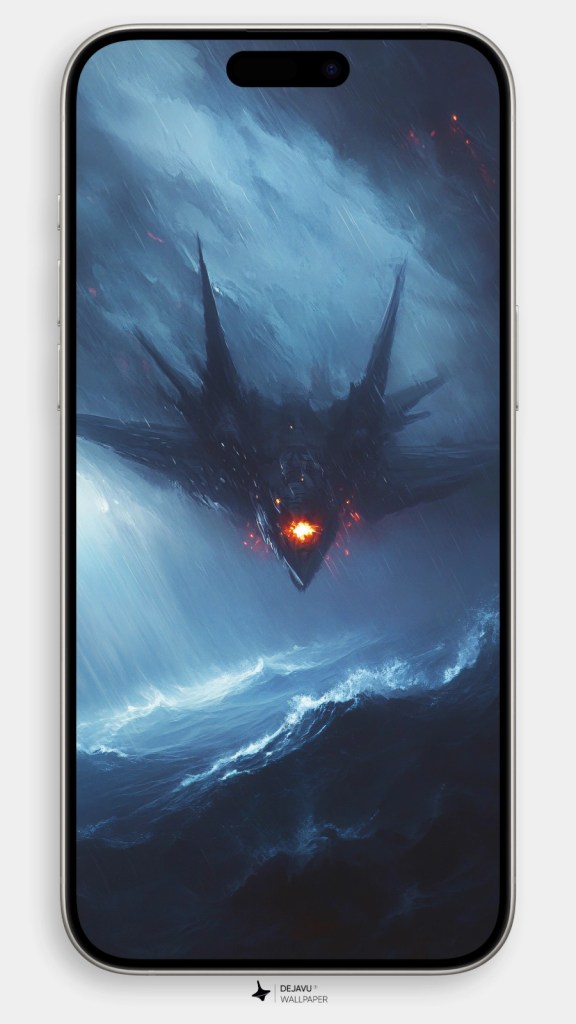

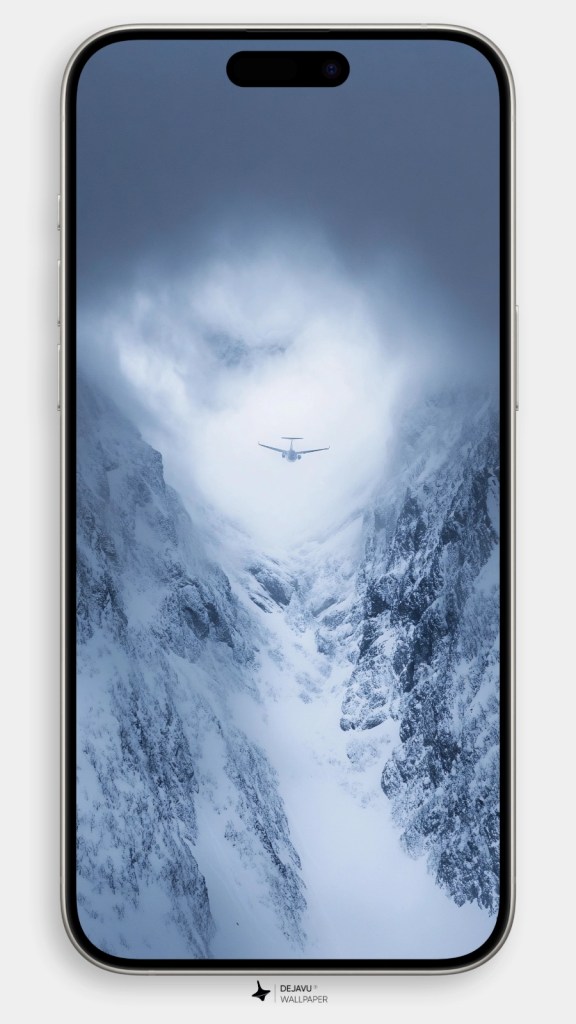
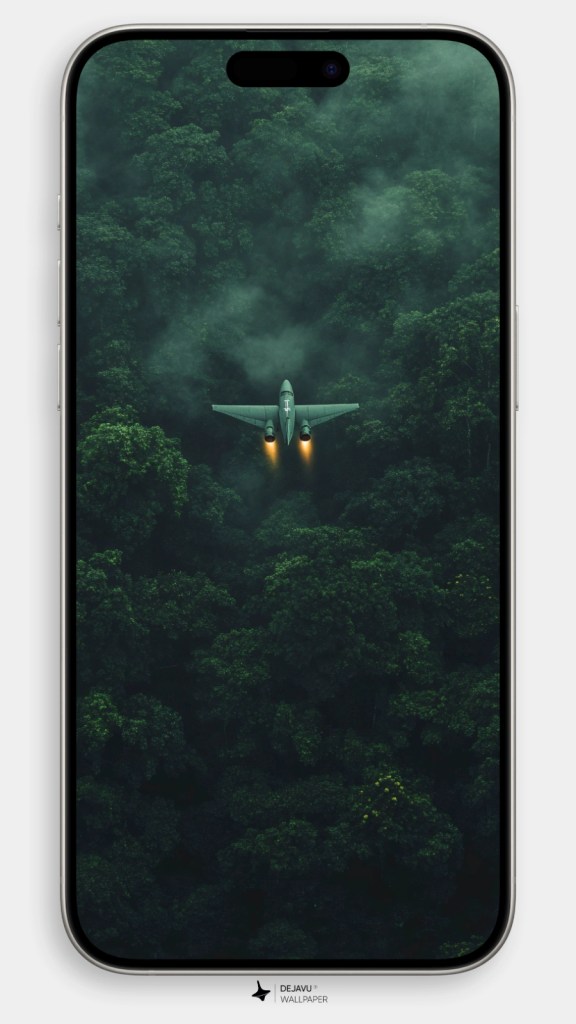

Airplanes are not just marvels of modern engineering; they’re also flying repositories of fascinating stories and quirky facts. From the colorful history of aviation design to the lesser-known secrets of airplane operations, there’s a lot more to these flying machines than meets the eye. Buckle up as we dive into some truly uplifting tales!
Why Are Most Airplanes Painted White?
The iconic white coating on airplanes isn’t just for aesthetics—it’s a masterstroke of practicality. White paint reflects sunlight, helping to keep the aircraft cooler at high altitudes and reducing the energy needed for air conditioning. It also makes detecting surface cracks, leaks, or damage much easier, ensuring better maintenance. Bonus? White paint is long-lasting and more budget-friendly, saving airlines money in the long run. So, next time you see a gleaming white jet, know it’s more than just a fashion statement!
Is the “Black Box” Really Black?
Despite the ominous name, the so-called “black box” is actually bright orange! This vibrant hue ensures easy visibility in case of an accident. Packed with a Flight Data Recorder and a Cockpit Voice Recorder, this little device is built like a tank—heat-resistant, impact-proof, and nearly indestructible. It safeguards critical flight information, making it a true hero of aviation safety.
What’s Up with Those Wingtip Curves?
Ever noticed those sleek upward curves at the tips of airplane wings? They’re called winglets, and they’re a genius piece of engineering. Winglets reduce drag and improve fuel efficiency, saving airlines millions while being eco-friendly. Initially developed by NASA, these nifty additions also help smooth out turbulence for planes flying behind. Who knew a little curve could do so much heavy lifting?
Why Do Some Planes Spray Water on the Runway?
On especially hot days, you might spot planes rolling through a misty runway. That’s no special effect—it’s a cooling trick! Extreme heat can overheat aircraft tires and brakes, so airports spray water to cool things down and keep flights safe and ready for takeoff. It’s a refreshing splash of practicality!
What Do Those Numbers on Planes Mean?
Ever wondered about the cryptic codes like “737-800” or “A320” on planes? These numbers are the models of the aircraft, with each representing unique features or upgrades. For instance, “737-800” is a newer, improved version of Boeing’s 737 series. These codes aren’t just marketing tools; they’re vital for maintenance crews to identify the specifics of the plane they’re working on.
What’s the World’s Longest and Shortest Flight?
Talk about extremes! The longest commercial flight, from Singapore to New York, spans over 15,000 kilometers and takes a whopping 18 hours. Meanwhile, the shortest flight connects two Scottish islands, Westray and Papa Westray, covering just 2.7 kilometers in under a minute. From epic endurance to blink-and-you’ll-miss-it, aviation has it all.
What Are the Wildest Airplane Designs Ever?
Aviation history is filled with wild ideas. Take the “Flying Wing,” a futuristic design ditching the traditional fuselage for a single streamlined wing. It’s fuel-efficient but not yet stable enough for commercial use. Then there’s the concept of “transparent cabins,” letting passengers gaze at the stars or the earth below. Cool? Yes. Feasible? Not quite—privacy and cost issues have grounded this dream for now.
How Do Planes Always Find Their Way?
Even in the vast open skies with no visible “roads,” airplanes always seem to land precisely where they need to. The secret? Advanced navigation tech! GPS systems, ground-based beacons, and air traffic controllers guide planes along invisible airways. It’s a seamless blend of human expertise and cutting-edge technology that keeps the skies safely coordinated.
Final Approach
Airplanes are more than just a way to get from point A to B—they’re flying masterpieces of ingenuity and storytelling. From their smart paint jobs to clever wing designs, every detail is packed with purpose and innovation. As aviation technology continues to soar, who knows what new surprises the skies have in store for us? Keep looking up—adventure awaits!