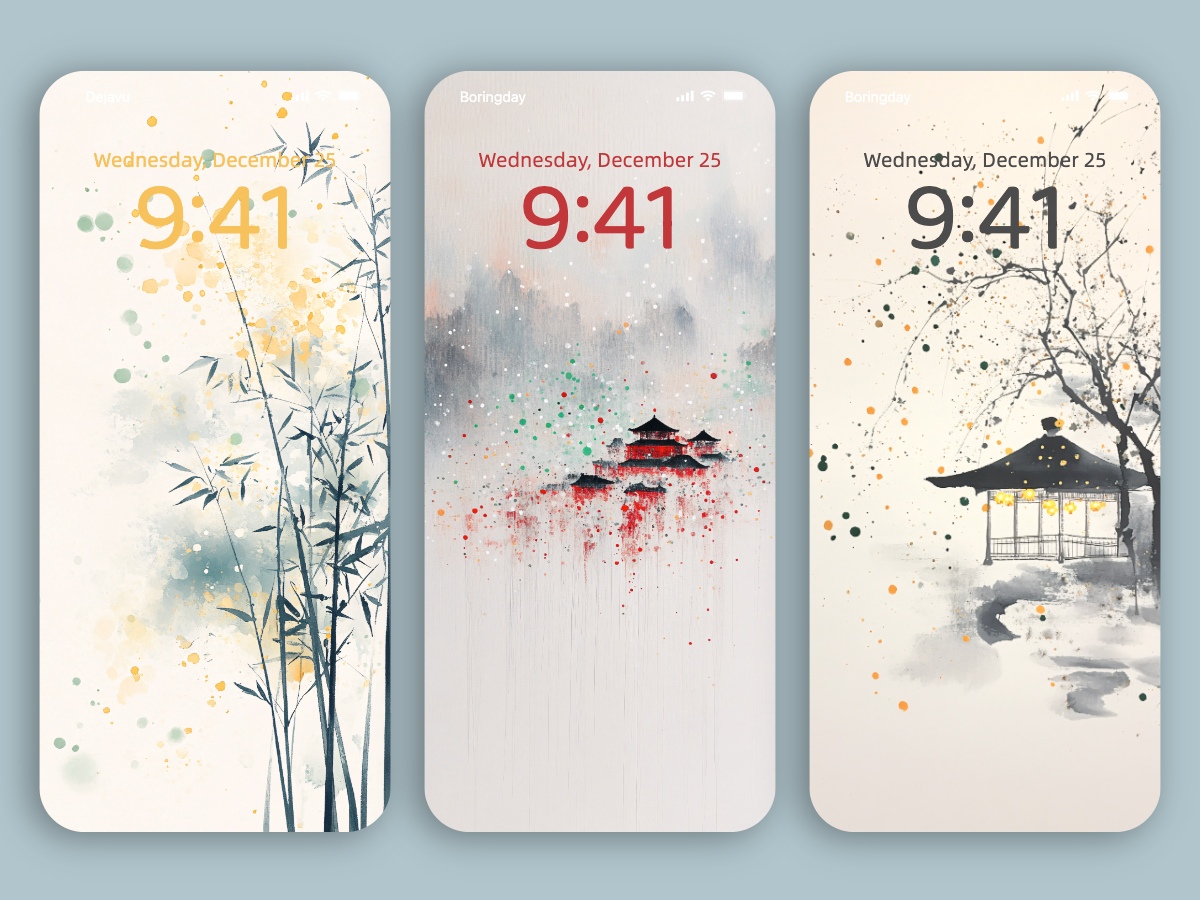
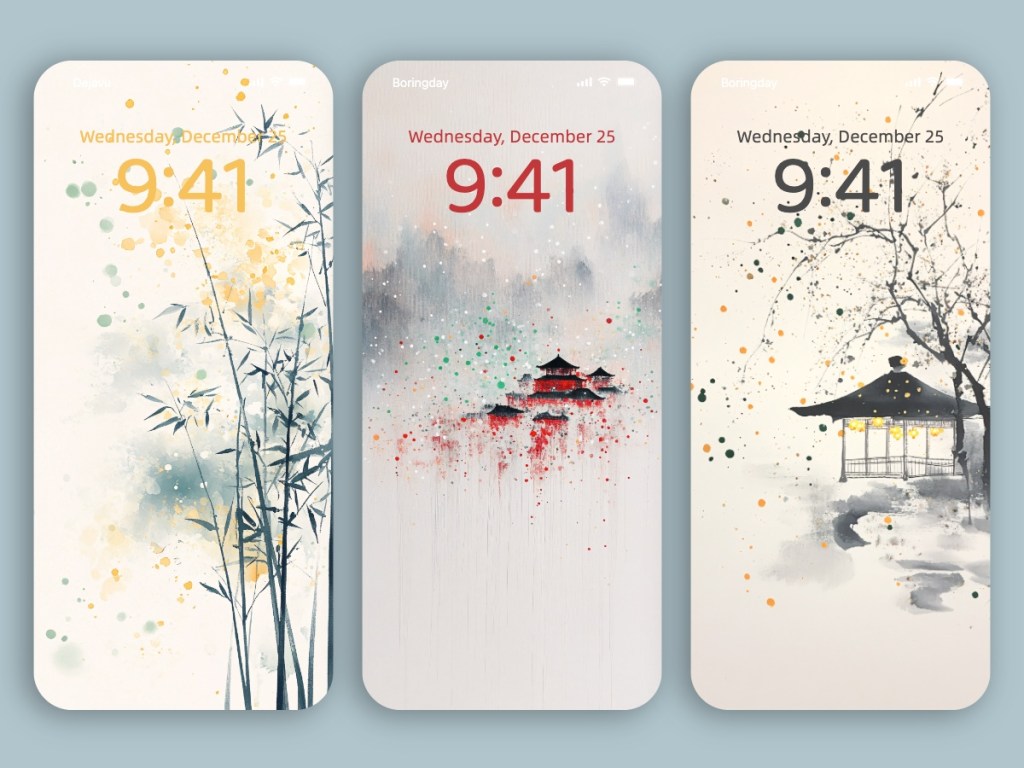
Wu Guanzhong, a maestro of Chinese painting, effortlessly blends traditional techniques with modern aesthetics. His watercolor works are a delightful dance of minimalist strokes, capturing the essence of nature and urban landscapes in their purest form. Wu’s paintings are known for their simplicity and elegance, where each brushstroke breathes life into mountains, rivers, and ancient towns, all portrayed with a modern twist.
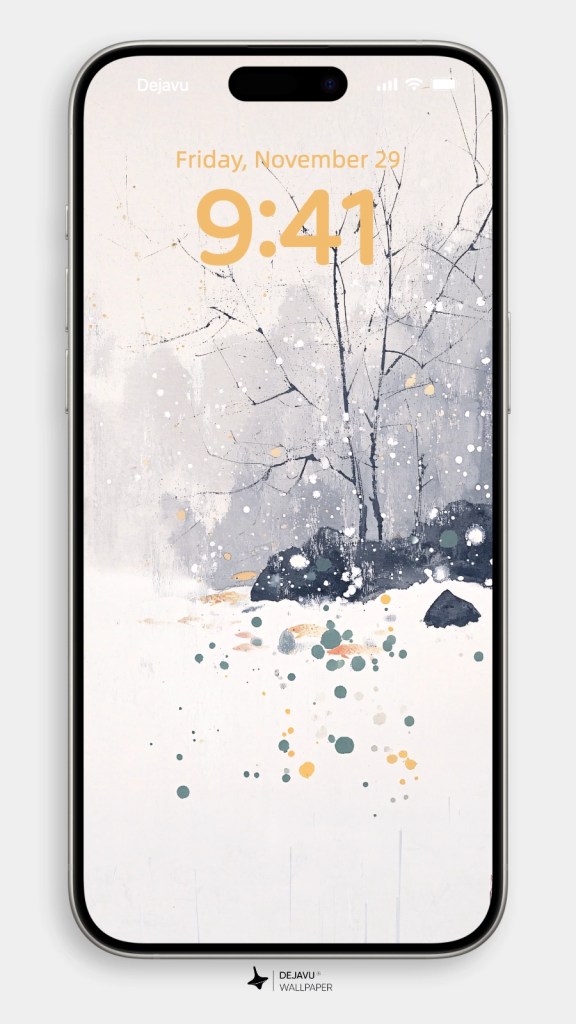
Imagine having Wu Guanzhong’s serene masterpieces as your wallpaper, bringing the tranquility of Chinese landscapes right to your iPhone or Android screen. These 8K minimalist wallpapers transform your device into a canvas of artistic charm, perfect for those who appreciate the beauty of simplicity and the depth of Chinese art. It’s not just a wallpaper; it’s a window into the poetic world of Wu Guanzhong.
You can download all these wallpapers on Dejavu Wallpaper!
Experience the magic of AI in advance! Let the infinite imagination of AI decorate your screens, bring you fresh delights every day.




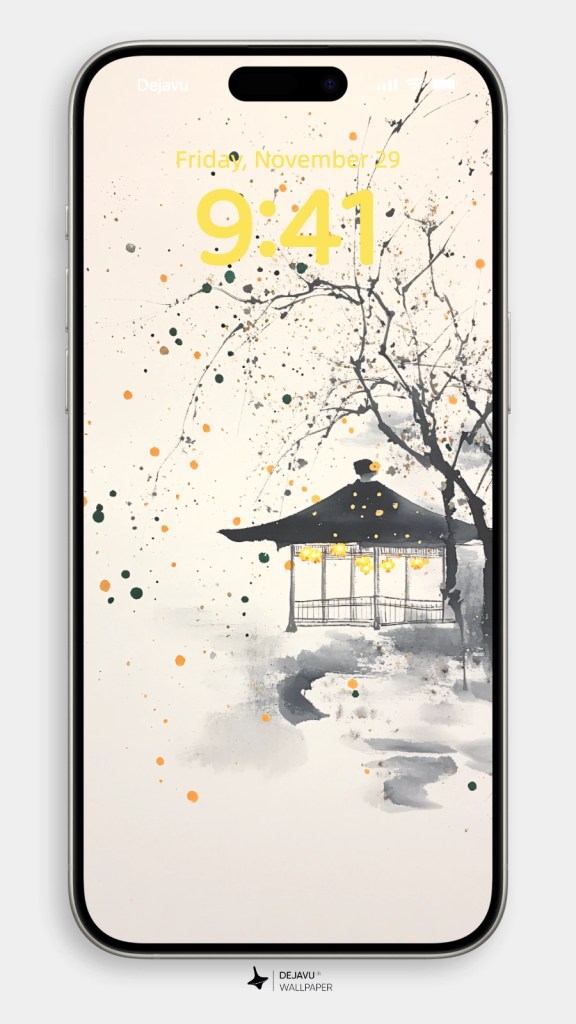

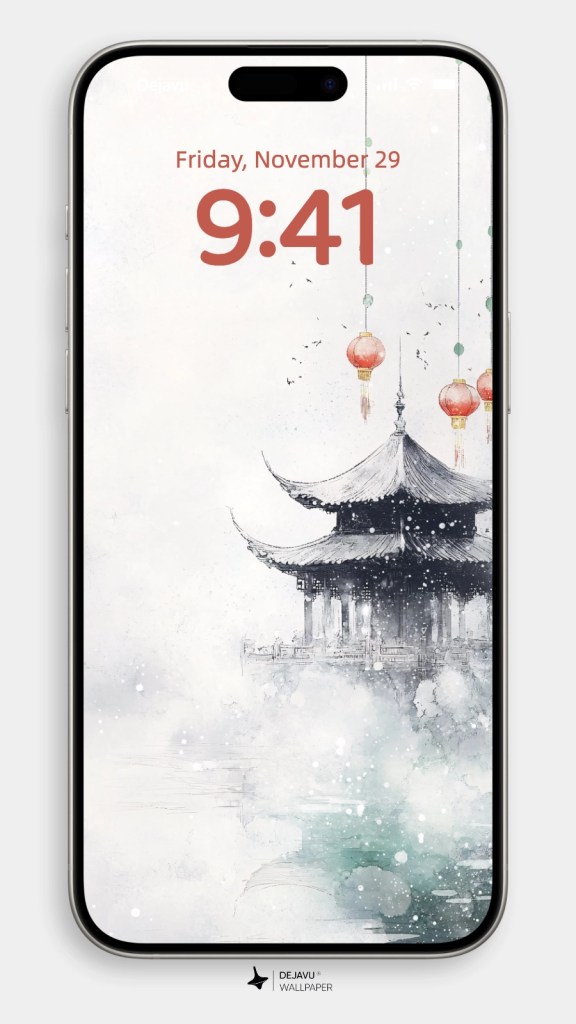
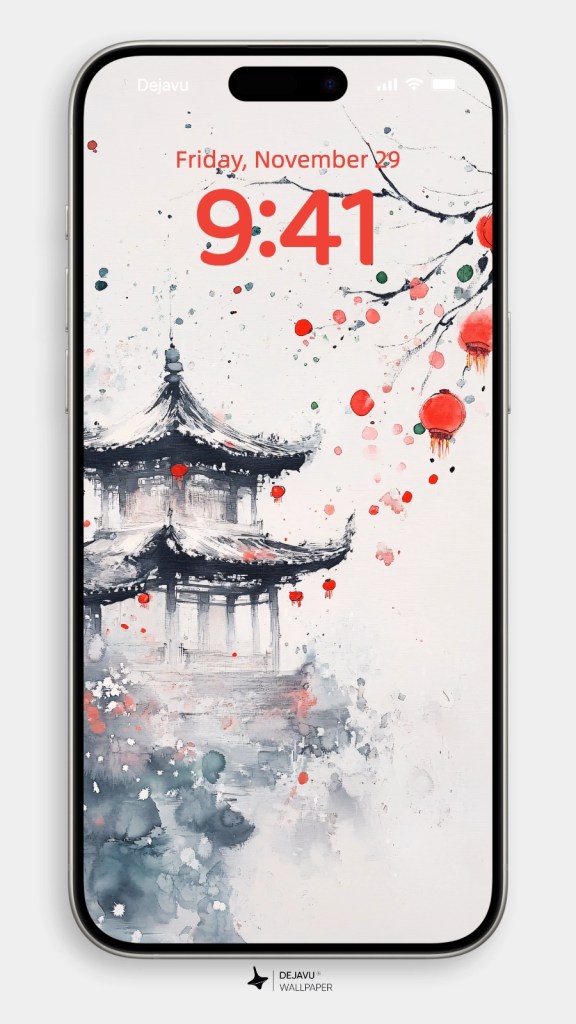
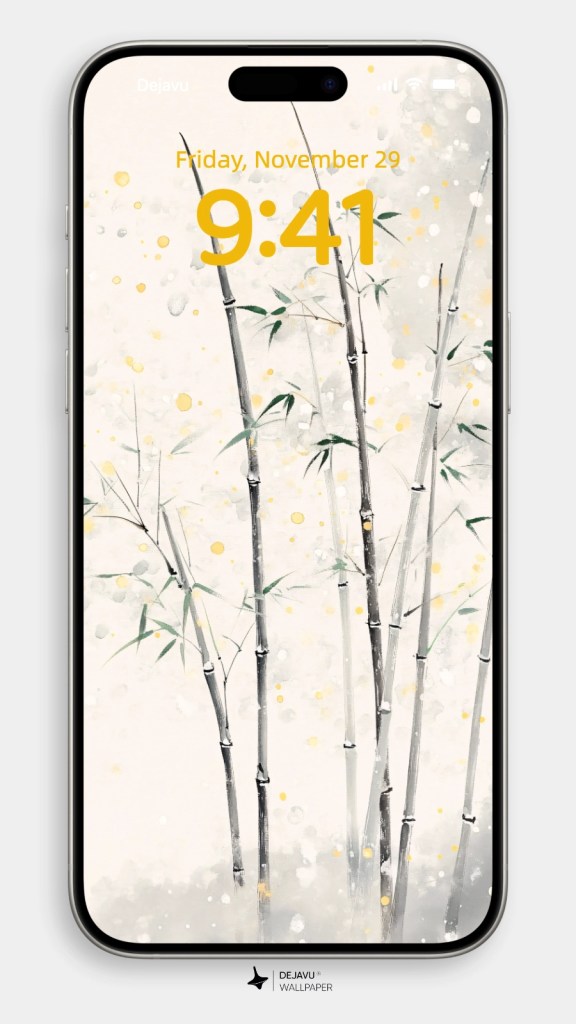
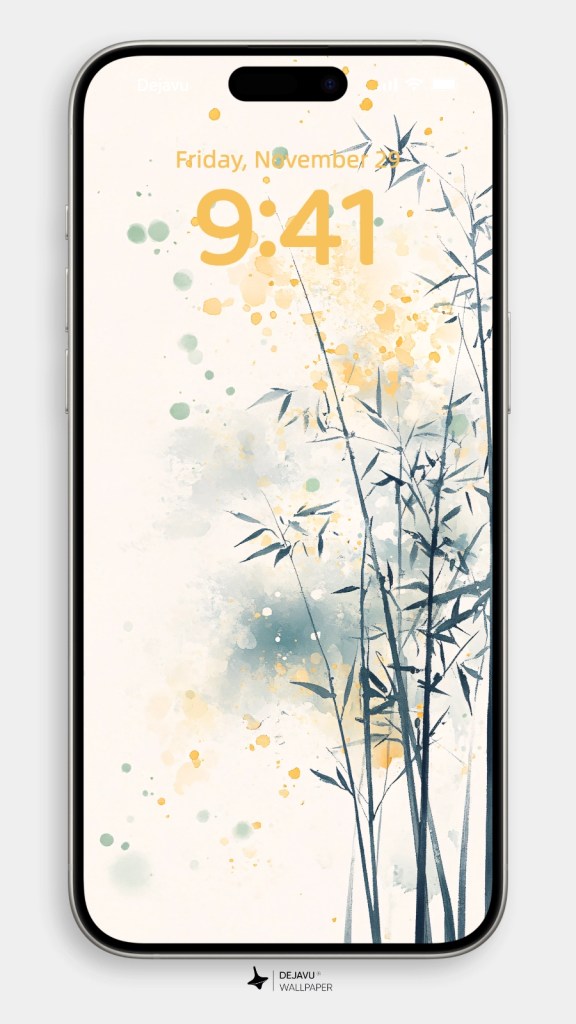
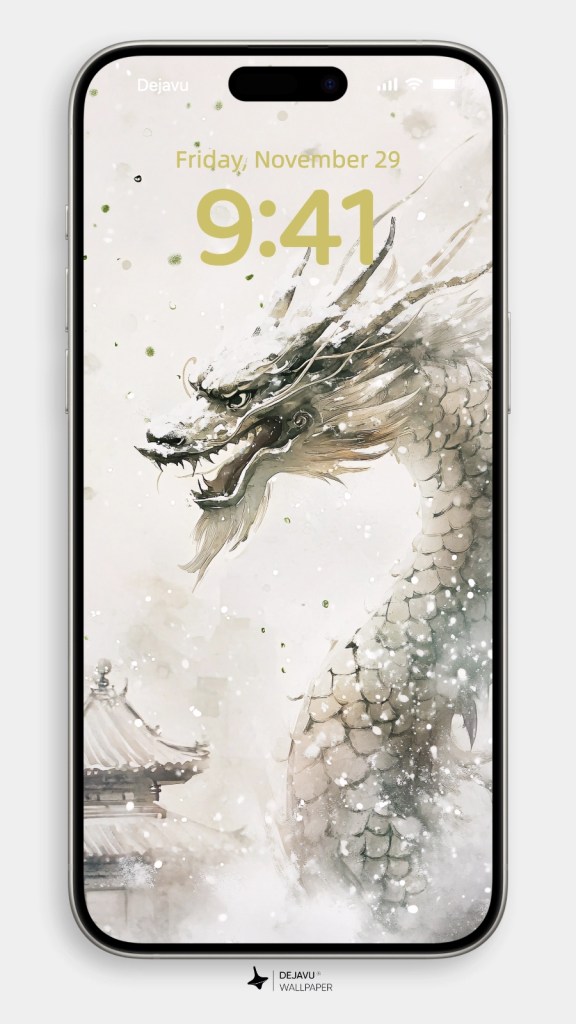

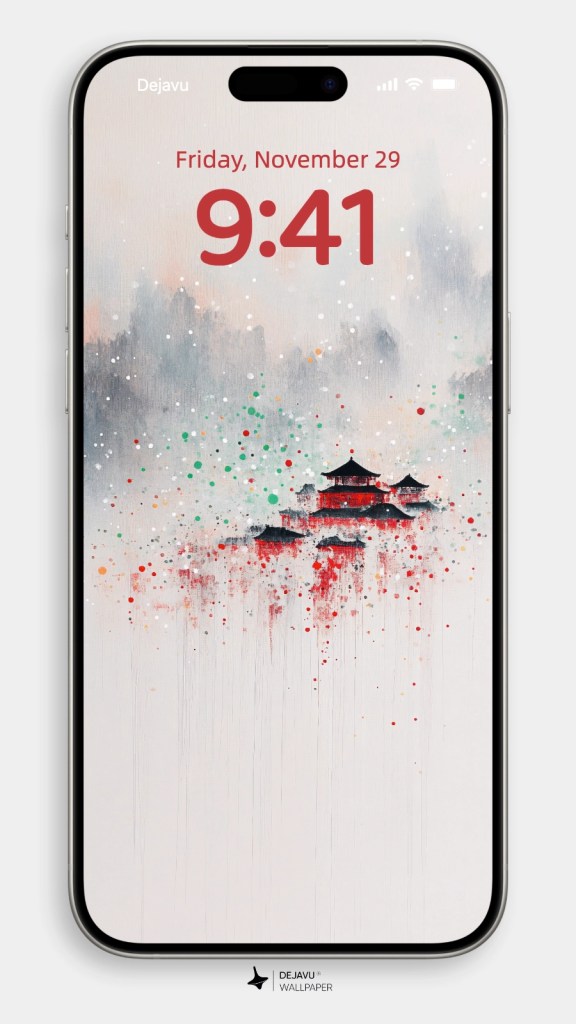
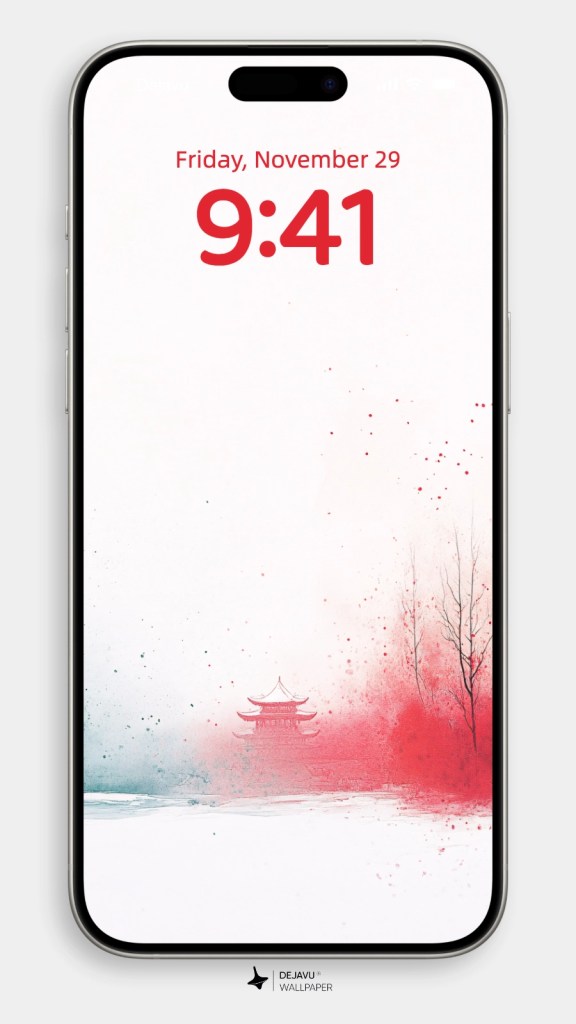
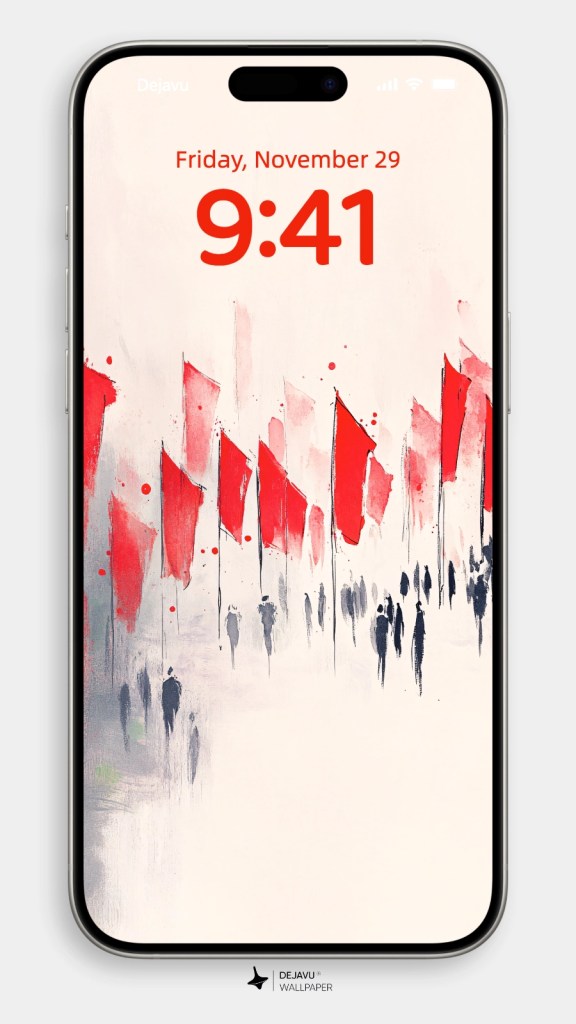
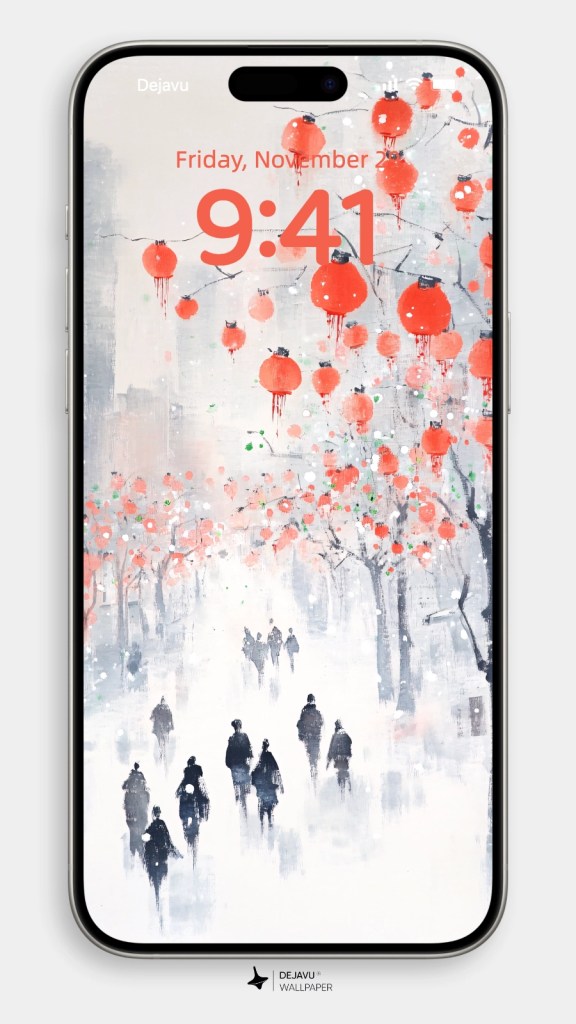

Wu Guanzhong is celebrated as one of the pioneers of modern Chinese art, often described as the creator of “a poetic world” on canvas. What’s behind the profound emotional resonance of his works? The answer lies in his unique way of observing and expressing nature and life. His depictions of Jiangnan’s water towns feel like stepping into a dream—ethereal yet vividly real. With flowing lines and vibrant colors, Wu captured the misty charm of Jiangnan, infusing it with the serene elegance of Eastern aesthetics.
Wu famously said, “Art should be like poetry, leaving room for imagination.” His works embody the richness of traditional Chinese culture while embracing the innovation of modern art, creating a visual symphony that stirs the soul like a well-crafted verse.
What Makes Wu Guanzhong’s Colors Speak?
Wu’s paintings are celebrated for their minimalist yet striking use of color. He often paired bold blocks of pure hues with soft, flowing lines, crafting compositions that felt both full of life and wonderfully breathable. Using black, white, and gray as the backbone, he would sprinkle in bursts of vivid red or yellow, adding an eye-catching spark that brought the scene to life.
Inspired by Western modern art, Wu believed color wasn’t just decoration—it was emotion in its purest form. In one piece portraying Guilin’s iconic mountains, he used pops of orange amid the dark, shadowy peaks, instantly imbuing the tranquil landscape with a sense of energy and vitality. His mastery of color isn’t just a visual feast—it’s a heartfelt conversation.
How Did Wu Blend Impressionism with Chinese Ink Art?
Wu’s artistic style is a perfect marriage of tradition and modernity. He masterfully fused the luminous colors of Western Impressionism with the expressive essence of Chinese ink painting. In the 1980s, he began experimenting with oil paints to convey the spirit of ink art, pioneering an entirely new artistic approach.
Take his piece The Great Wall, for example. The fluidity of ink captures the grandeur of China’s rugged landscapes, while elements of Impressionist light and shadow lend it a contemporary edge. This bold innovation expanded the boundaries of Chinese art and revealed the vast potential of ink painting to audiences worldwide.
Why Did Wu Guanzhong Advocate for “The Beauty of Form”?
For Wu, art was all about form. Lines, dots, and planes weren’t just visual elements; they were the beating heart of his creations. His minimalist strokes of villages and fields exuded rhythm and harmony, proving simplicity could evoke powerful emotions.
In Sorghum Fields, swaths of deep red juxtaposed with scattered black dots create a striking visual contrast. The composition reflects both the joy of harvest and the abstract beauty of modern art, blending the lyrical rhythm of Chinese painting with the structural boldness of contemporary design.
How Did Wu’s Work Captivate a Global Audience?
Wu’s art transcended borders, earning him international acclaim as a bridge between Eastern and Western art. Exhibited in France, the U.S., Japan, and beyond, his works were praised for their deep cultural roots and bold innovations.
One standout piece, Spring Snow, uses abstraction to portray a snowy mountain village. Its Zen-like tranquility resonates with Eastern philosophies, while its modern aesthetics appeal to Western tastes. Wu’s ability to connect cultures made his art a vital medium for global exchange, elevating Chinese art on the world stage and securing his legacy as a true visionary.