
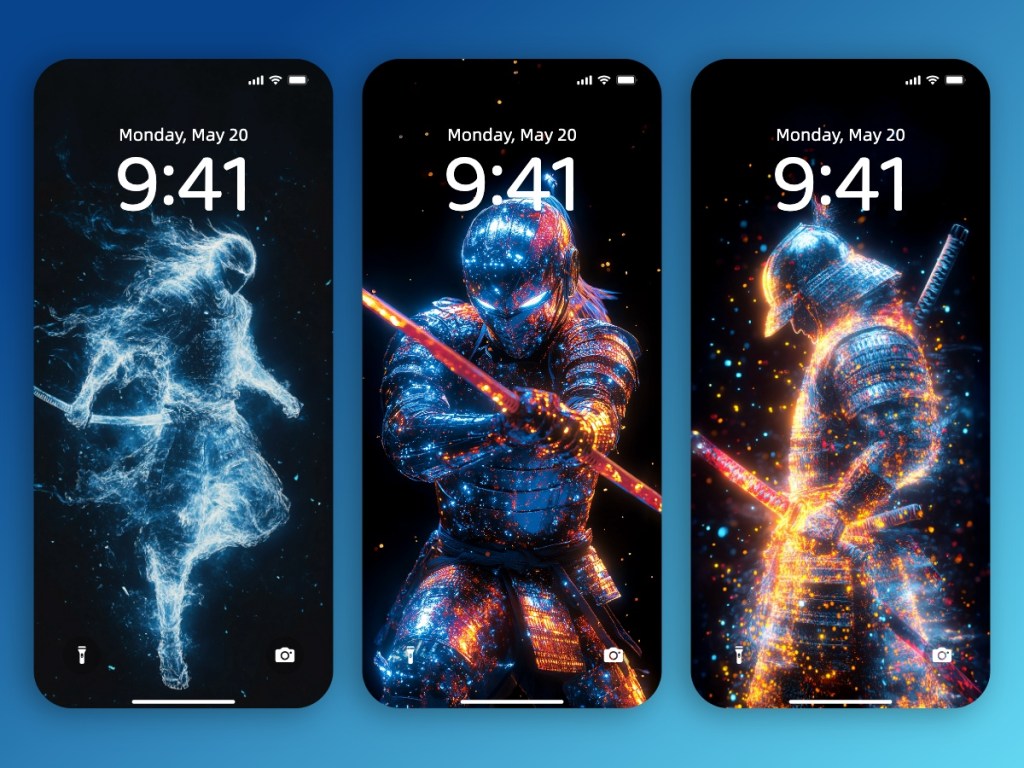
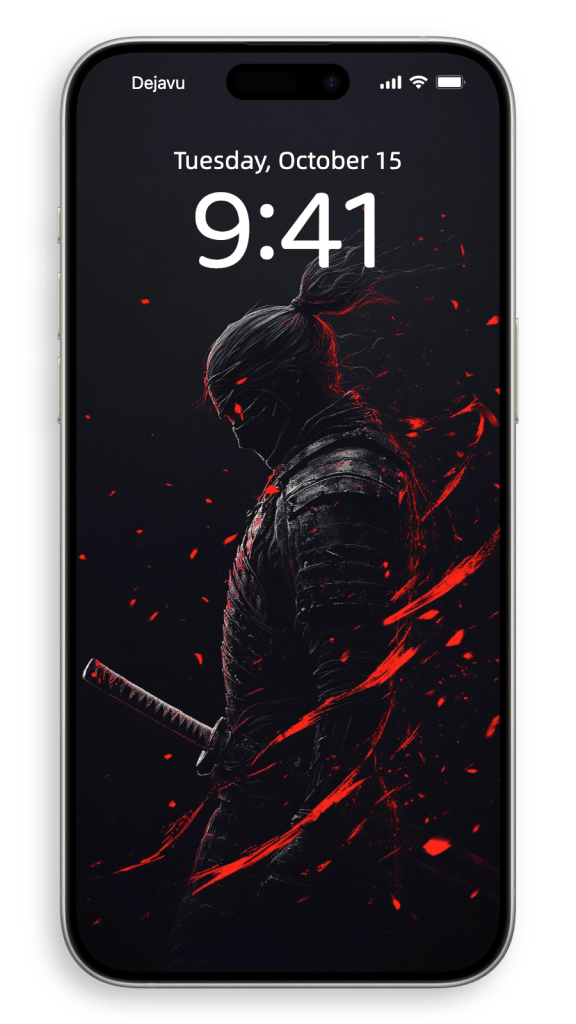
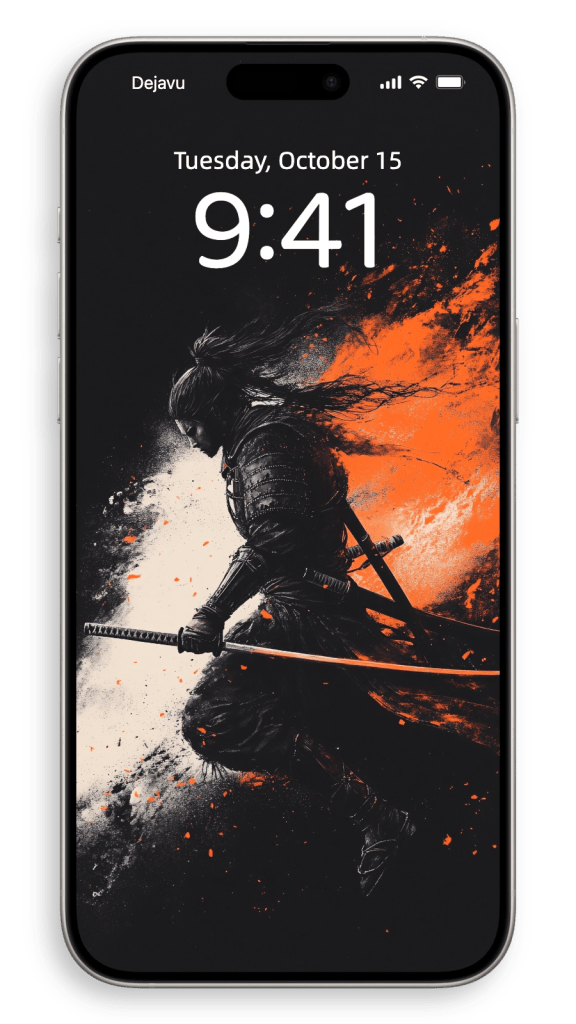
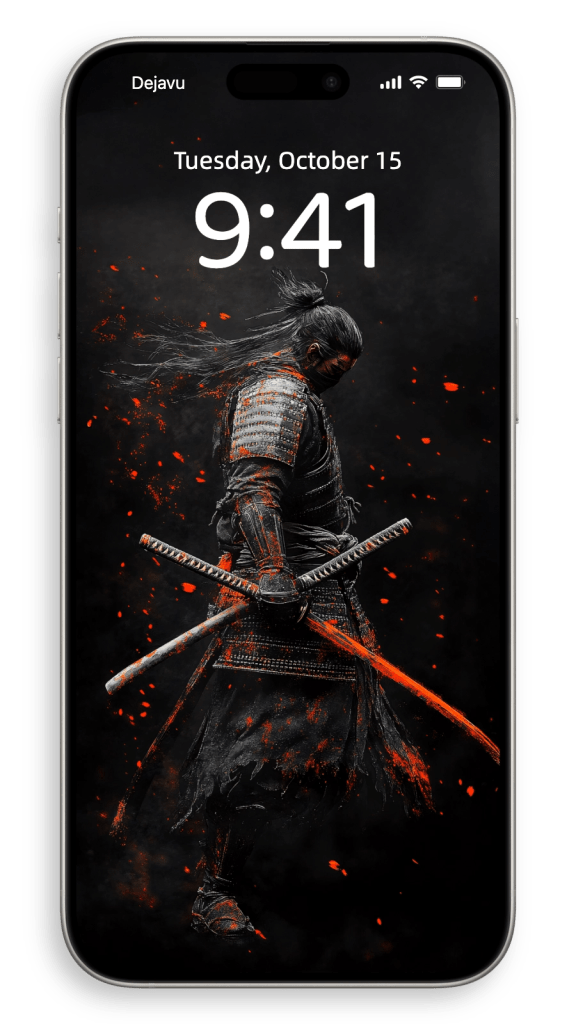
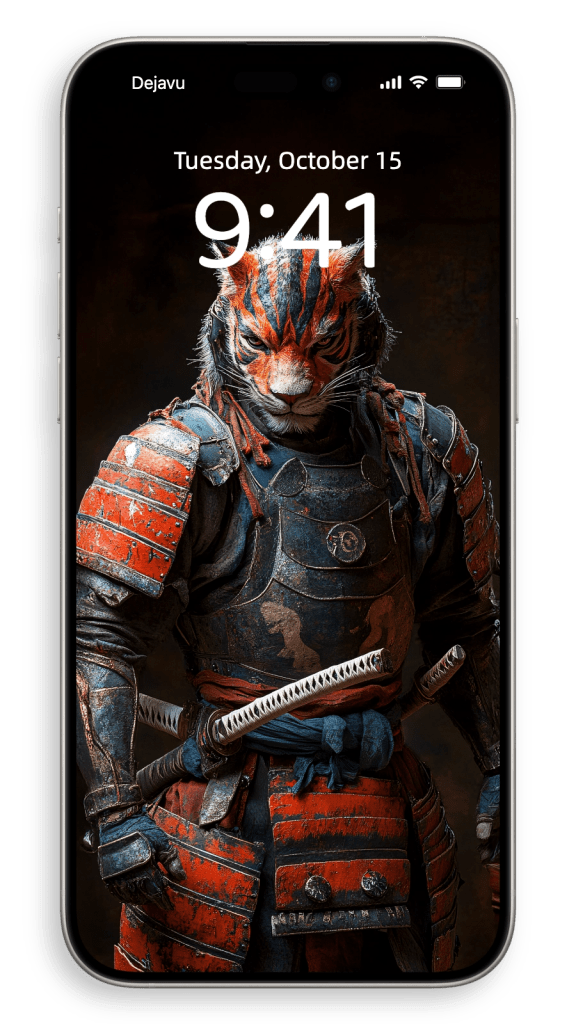
Minimalist Samurai Art is like a graceful dance of simplicity and strength. Picture a lone samurai, poised and silent, with just a few brushstrokes capturing the essence of their power and honor. This style strips away all the excess, focusing on the soul of the warrior. The bold, clean lines and subtle use of color create a striking balance between calm and intensity, reflecting the samurai’s disciplined mindset and warrior spirit.
In this minimalist approach, the sword becomes more than just a weapon—it’s a symbol of honor, focus, and readiness. The simplicity of the art allows you to feel the quiet power of the samurai without the clutter of unnecessary detail. It’s as if the artwork whispers, rather than shouts, drawing you into a world of zen-like precision and elegance.
Whether it’s a single, strong silhouette or a brushstroke of wind and motion, minimalist samurai art invites you to see the warrior’s strength through the lens of simplicity and stillness. It’s not just about the fight—it’s about the philosophy, the balance, and the art of living with purpose.
You can download all these wallpapers on Dejavu Wallpaper!
Experience the magic of AI in advance! Let the infinite imagination of AI decorate your screens, bring you fresh delights every day.









The Origin of Samurai: How Did They Become Japan’s Core Strength?
The samurai, Japan’s iconic warrior class, trace their origins back to the Heian period (794–1185). During this era of decentralized power, aristocrats required armed forces to protect their estates, giving rise to a class of warriors rooted in loyalty and martial skill. Over time, these warriors evolved into a cohesive social order, centered around family ties and feudal obligations.
The Genpei War (1180–1185) between the Taira and Minamoto clans marked the samurai’s rise to political prominence. This conflict solidified the samurai’s role not just as battlefield warriors but as enforcers of societal order, embodying values like loyalty, honor, and sacrifice that would define Japanese culture.
Why Is the Samurai Sword Called the “Soul of the Samurai”?
In samurai culture, the sword transcends its role as a weapon; it is a spiritual extension of its wielder. The crafting of a samurai sword, or katana, is a meticulous process, involving repeated folding and forging to create a blade of unparalleled sharpness and durability. Each sword was named and treated with reverence, seen as a reflection of the samurai’s identity and spirit.
The katana symbolizes not only the samurai’s combat prowess but also their aesthetic sensibilities. The blade’s distinctive hamon (tempered edge pattern) varies with each swordsmith, representing the unique character of each samurai. Ritualistic care for these swords underscores their deep cultural and personal significance.
Did Samurai Truly Follow the “Bushido” Code?
Bushido, or the “way of the warrior,” emerged as a code of conduct for samurai, emphasizing virtues like loyalty, courage, compassion, respect, honesty, and honor. Although the concept of Bushido evolved over centuries, it profoundly influenced the behavior and ethics of samurai, fostering unwavering loyalty to their lords, even unto death.
However, historical records reveal that samurai were not always idealized paragons of virtue. Betrayals, rivalries, and political machinations were not uncommon. Nonetheless, Bushido’s enduring influence on Japanese culture ensured that the samurai’s ethical aspirations remained a cornerstone of their legacy.
Why Are Samurai Armor Designs Both Functional and Artistic?
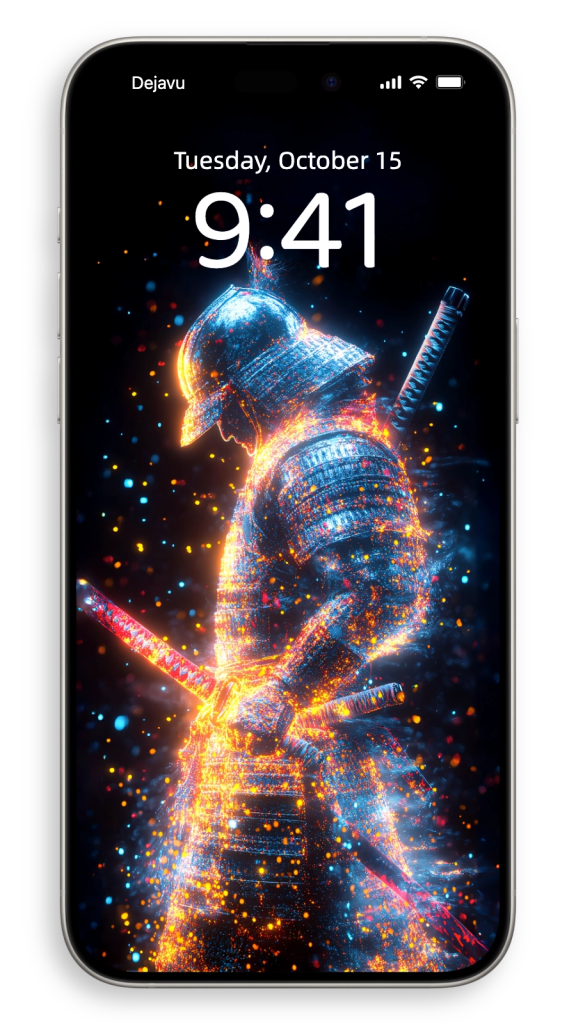
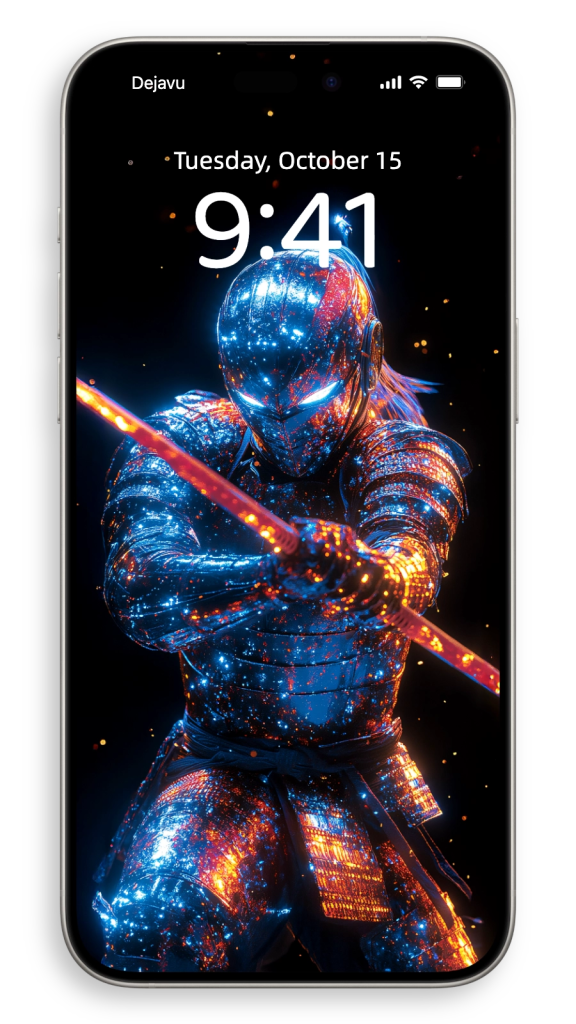
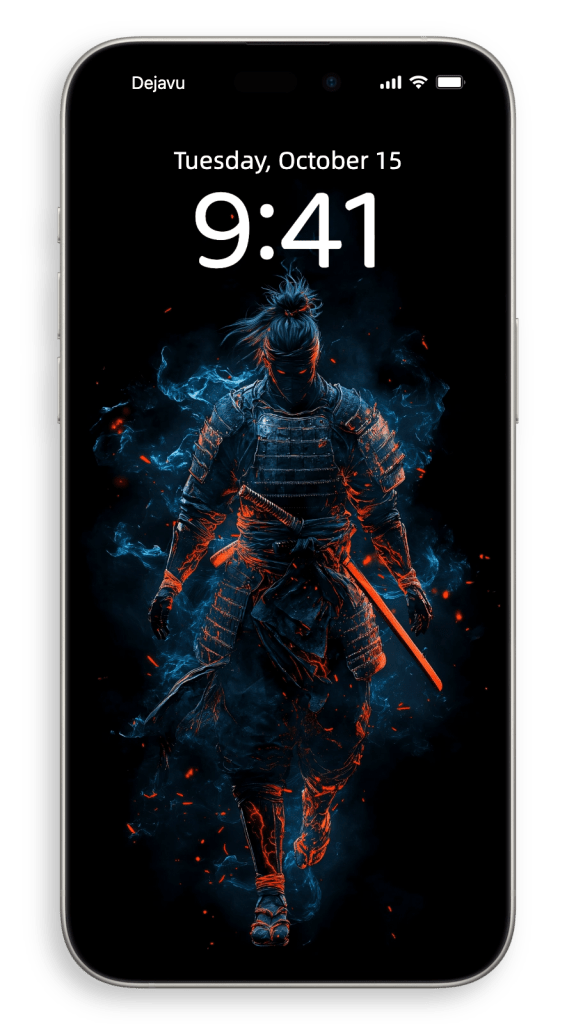
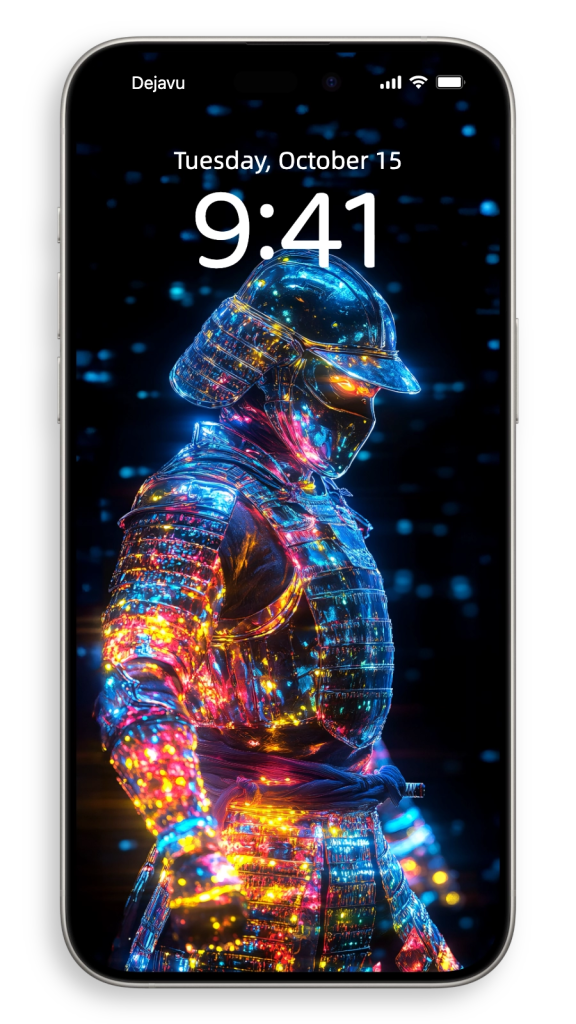
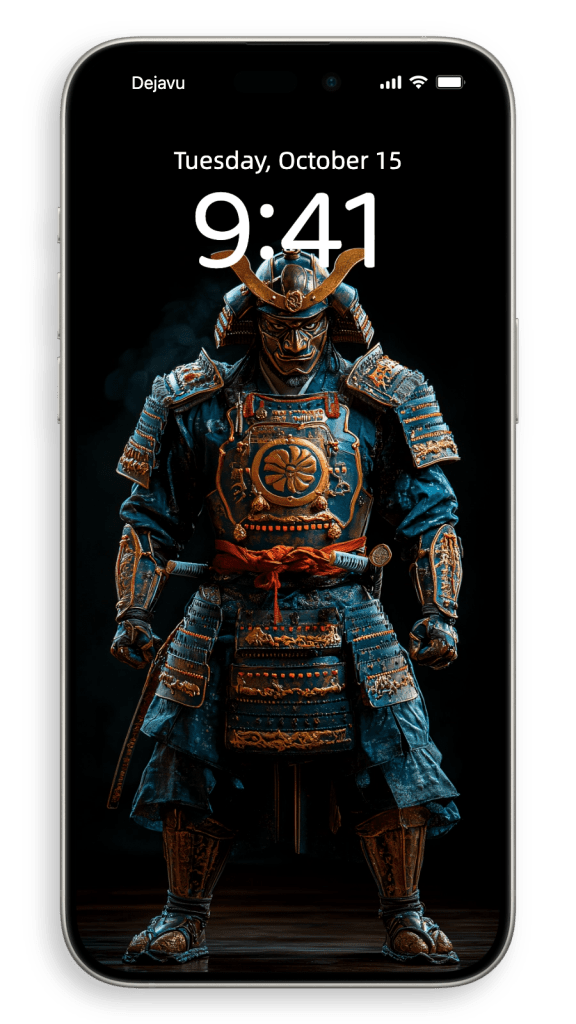
Samurai armor, or yoroi, was not only a means of protection but also a statement of status and artistry. Made from iron plates and leather, these armors were laced together with silk cords, providing both flexibility and resilience against enemy attacks.
Armor designs often incorporated family crests and symbolic motifs, signifying the samurai’s heritage and invoking psychological intimidation on the battlefield. Helmets, or kabuto, were particularly elaborate, featuring designs inspired by demons, animals, or celestial symbols, representing power and bravery. Today, samurai armor continues to captivate as a fusion of beauty and martial utility.
How Does Samurai Culture Influence Modern Society?
Though the samurai class was officially abolished during the Meiji Restoration (1868), their ethos and cultural markers remain deeply embedded in Japanese society. The principles derived from Bushido, such as dedication and responsibility, continue to shape Japan’s work ethic and corporate culture.
Samurai imagery thrives in contemporary media, from films like Seven Samurai to anime and games like Rurouni Kenshin and Ghost of Tsushima, sparking global fascination with their legacy. Additionally, samurai-inspired aesthetics, including the integration of Zen principles, have influenced traditional arts like tea ceremony and flower arranging, which emphasize simplicity and profound inner strength.
Conclusion
Samurai are more than just warriors of the past; they embody a timeless cultural symbol of honor, loyalty, and artistry. Their swords, armor, and enduring spirit have not only shaped Japan’s history but continue to inspire art and creativity worldwide. If you wish to capture the essence of samurai in your digital art, imagine AI-crafted wallpapers featuring the intricate details of armor, the sleek curves of a katana, and the quiet strength of their legacy—perfect for showcasing the enduring allure of samurai culture.