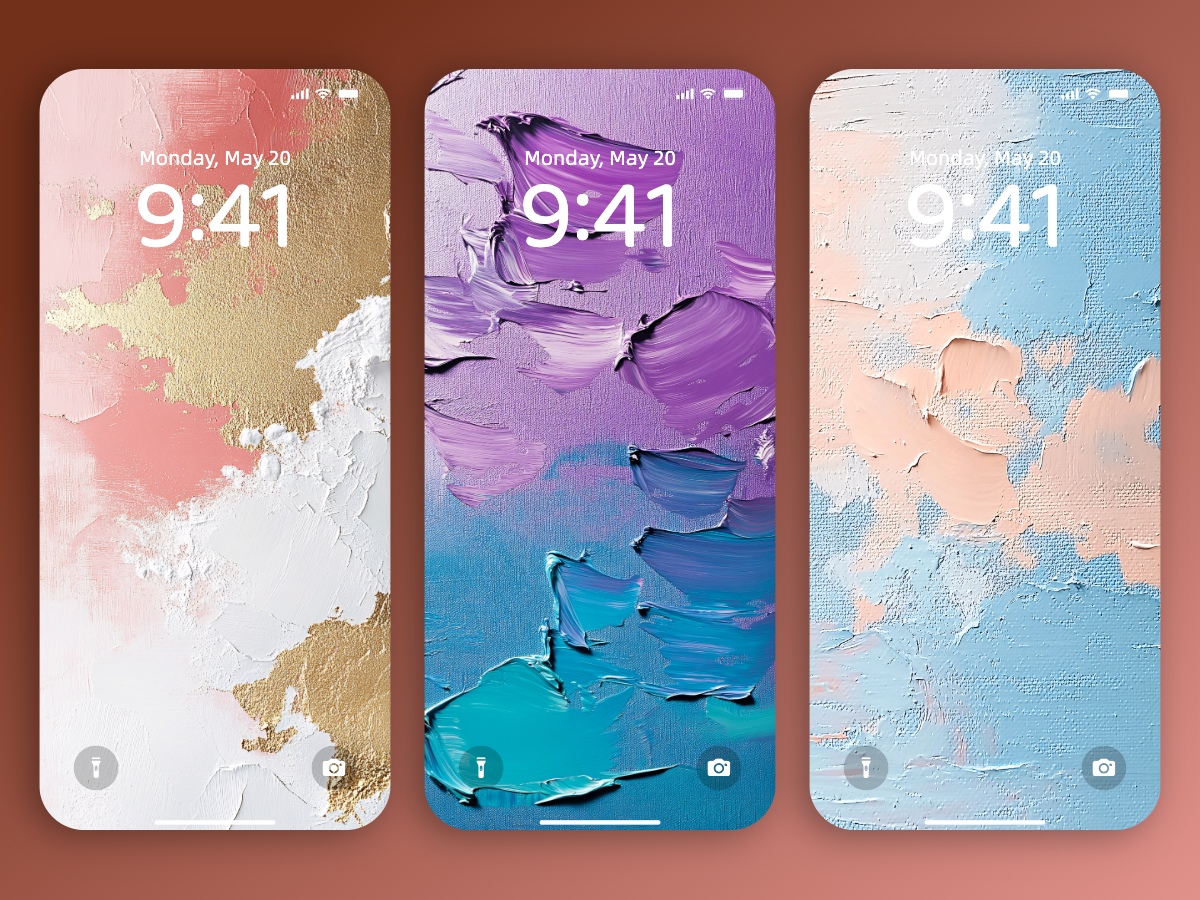

Abstract impasto color wallpapers are like a bold splash of creativity for your phone screen! Imagine rich, textured layers of paint, almost leaping off the surface, blending vibrant hues in a beautiful chaotic dance. The impasto technique, known for its thick, raised brushstrokes, turns every stroke into a masterpiece of color and texture. These wallpapers turn your device into a mini art gallery, with each swipe offering a fresh, eye-popping blend of bold tones and strokes that seem to pulse with life.
Perfect for anyone who loves modern art and wants their phone to feel like a canvas, these 8K wallpapers bring a playful yet sophisticated energy. From deep blues and fiery reds to pastel pops and neon flashes, every wallpaper feels like a visual adventure. Whether you’re into minimalist chic or vibrant chaos, these abstract impasto wallpapers will definitely add a touch of color to your day, one screen at a time! So, if you’re craving a bit of artistic flair, this is the perfect way to give your device a bold new look.
You can download all these wallpapers on Dejavu Wallpaper!
Experience the magic of AI in advance! Let the infinite imagination of AI decorate your screens, bring you fresh delights every day.


Abstract art is all about letting emotions and ideas run wild through shapes, colors, and lines, instead of sticking to the real world’s concrete objects. Emerging in the early 20th century, abstract art represents artists’ bold moves to break free from traditional painting and dive into new realms of visual expression. It’s like a colorful window into the artist’s soul.
Where Did Abstract Art Come From?
The late 19th and early 20th centuries saw artists starting to challenge the norms of representation. They believed art shouldn’t just be about copying the real world but should explore deeper feelings and concepts. Wassily Kandinsky, often hailed as a pioneer, created the groundbreaking “First Abstract Watercolor” in 1910, which many consider the first fully abstract painting.
Abstract art evolved through various exciting stages like Cubism, Futurism, and Constructivism. Despite their different styles, these movements all emphasized expressing emotions and ideas through geometric shapes and colors. Piet Mondrian, for instance, used straight lines and primary colors to chase after order and simplicity in his works.
What Makes Abstract Art So Intriguing?
The charm of abstract art lies in its endless possibilities and freedom. Each person can see and feel something unique when looking at an abstract piece. Without the limits of concrete images, viewers can connect with the artwork through their own experiences and emotions.
The colors and shapes in abstract art spark the imagination and creativity of viewers. Simple lines and color blocks can create complex and profound visual effects. Take Mark Rothko’s color field paintings, for example; they evoke calm and meditation through large areas of contrasting colors.
How Important is Abstract Art Today?
Abstract art is a big deal in modern art, inspiring and influencing countless artists. In the mid-20th century, Abstract Expressionism took the art world by storm, with artists like Jackson Pollock making a splash—literally—with his dynamic, paint-splattered works.
Today, abstract art isn’t just confined to painting; it’s found in sculpture, photography, and digital art. With modern technology, artists can use new media and techniques to create even more diverse abstract works. Digital abstract art, crafted through computer images and animations, showcases the endless potential of abstract art in the digital age.
How Do You Appreciate Abstract Art?
To truly enjoy abstract art, you need to let go of any expectations of concrete images and let your imagination take the lead. Focus on the interplay of colors, lines, and shapes to feel the emotions and ambiance the artist intended to convey. Don’t look for specific meanings; instead, let the emotional flow of the artwork wash over you.
Knowing the artist’s background and intentions can also enhance your appreciation. For example, understanding Kandinsky’s musical influences can help you see how he translated musical rhythms and emotions into colors and shapes.
Abstract art, with its unique expressions and rich visual effects, continues to captivate viewers and inspire artists. Through the free combination of colors, lines, and shapes, abstract art not only reveals the artist’s inner world but also offers viewers limitless imaginative space. As a vibrant force in modern art, abstract art remains full of vitality and creative potential.