
Impressionism Landscape Painting: Capturing the Beauty of the Moment
Impressionism, an artistic movement that emerged in the late 19th century, revolutionized the way we perceive and depict the world around us. With its focus on light, color, and movement, Impressionist landscape paintings transport us to vibrant outdoor scenes, where nature is captured in fleeting moments. This approach broke away from traditional, realistic depictions and instead embraced the magic of perception. Let’s explore what makes Impressionist landscapes so captivating and why they continue to inspire today.
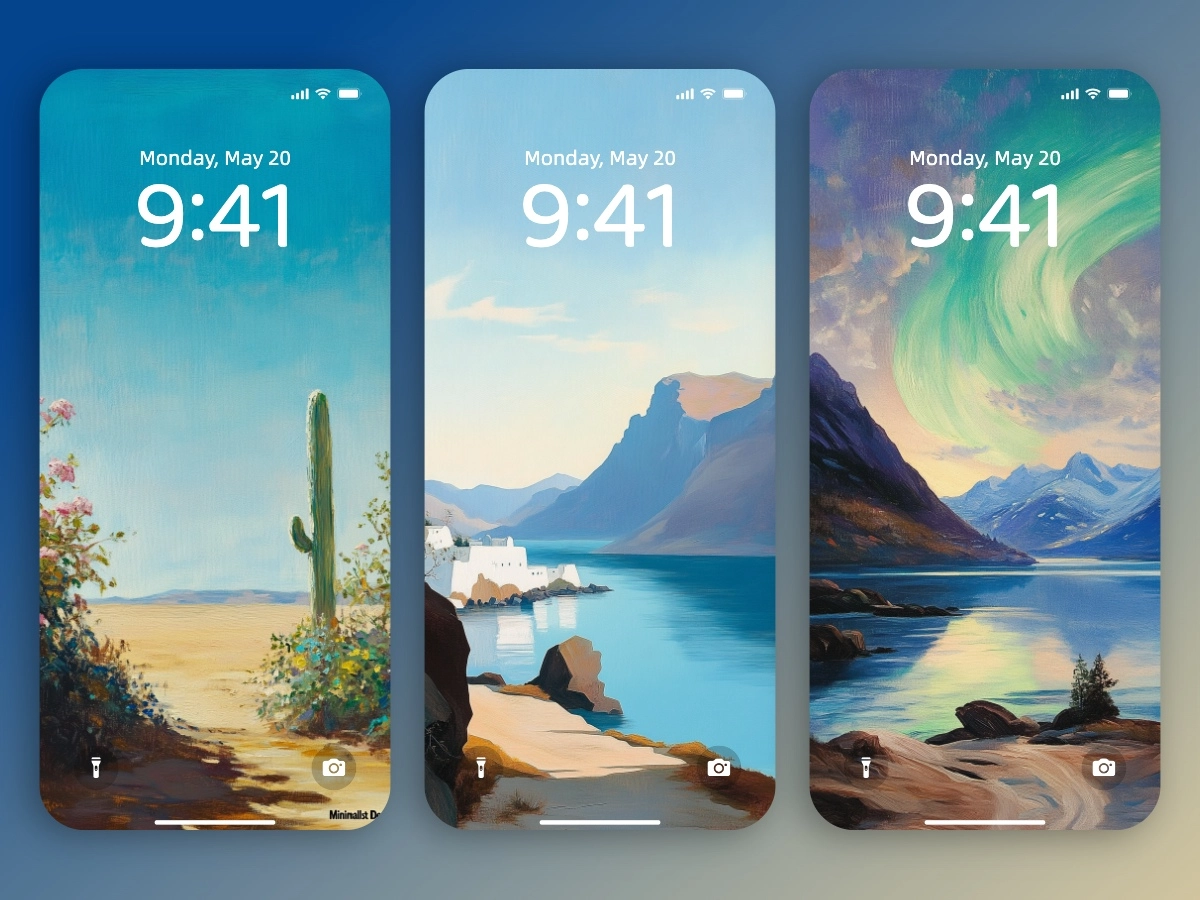
You can download all these wallpapers on Dejavu Wallpaper!
Experience the magic of AI in advance! Let the infinite imagination of AI decorate your screens, bring you fresh delights every day.


What Makes Impressionist Landscapes So Unique?
Impressionist landscape paintings stand apart from other genres due to their emphasis on the “impression” of a scene rather than a precise, realistic representation. Instead of focusing on intricate details, Impressionist artists sought to capture the essence of a moment—whether it was the way light played across a field, the shifting colors in the sky, or the reflection of water. The goal was to evoke the atmosphere, the mood, and the feeling of a place rather than its exact appearance.
The use of broad, visible brushstrokes and vibrant, unmixed colors was key to creating a sense of immediacy. The brushstrokes allow the viewer to feel the energy and movement of the scene, whether it’s a calm countryside or a bustling city park.
How Did Impressionist Artists Use Light in Landscape Paintings?
Light is perhaps the most essential element in Impressionist landscapes. Artists like Claude Monet, Pierre-Auguste Renoir, and Camille Pissarro experimented with how natural light changes throughout the day and in different weather conditions.
- Golden Hour: The warm, golden tones of early morning or late afternoon are often captured in Impressionist works, with long shadows and soft light creating a serene atmosphere.
- Play of Shadows and Light: Rather than painting in static light, Impressionist artists often depicted the interplay of light and shadow to show the transient nature of the moment.
- Reflections and Sparkles: Whether in water, glass, or wet surfaces, reflections were a common motif in Impressionist landscapes. These reflections, painted in bright, unblended hues, captured the fleeting changes in light.
By focusing on light’s ever-changing qualities, Impressionist landscapes evoke a sense of time passing, reminding viewers that every moment in nature is unique.
What Are Common Themes in Impressionist Landscape Paintings?
Impressionist landscape artists often focused on subjects that brought them into direct contact with nature. The scenes they painted were typically filled with color, energy, and an emphasis on atmosphere rather than detail. Common themes include:
- Countryside and Rural Life: Fields, meadows, and farmlands were common subjects, painted with vibrant greens, yellows, and blues. Artists often depicted people at work in these environments, emphasizing the harmony between humans and nature.
- Gardens and Parks: Public gardens and parks, like Monet’s famous Giverny garden, were frequent subjects. The interplay of flowers, trees, and sunlight created a palette rich in color and light.
- Water Scenes: Rivers, ponds, and lakes were depicted with an emphasis on water’s reflective quality. Artists captured the way light danced across the surface of water, often using small brushstrokes to suggest movement.
- Urban Landscapes: Some Impressionists, such as Edgar Degas and Gustave Caillebotte, also painted scenes of urban life, focusing on parks, boulevards, and the hustle of modern cities.
Why Are Impressionist Landscapes Still So Popular Today?
The beauty of Impressionist landscapes lies in their timeless appeal. These paintings invite us to slow down and experience the world through the eyes of the artist, capturing fleeting moments of beauty that we might otherwise overlook. Their vibrant colors, dynamic compositions, and ability to evoke emotion make them as compelling today as they were over a century ago.
Furthermore, the focus on nature’s beauty and the delicate balance between light and color resonates with contemporary viewers, who are often seeking connection to the natural world in our fast-paced, modern lives.
Conclusion
Impressionist landscape paintings offer a window into the world of fleeting moments and shifting light, inviting us to appreciate the beauty of nature in all its forms. If you’re inspired by these vibrant, atmospheric works, why not bring that same energy into your space with AI-generated wallpapers that echo the beauty of Impressionism?
Transform your environment with scenes filled with light, color, and the peacefulness of nature!