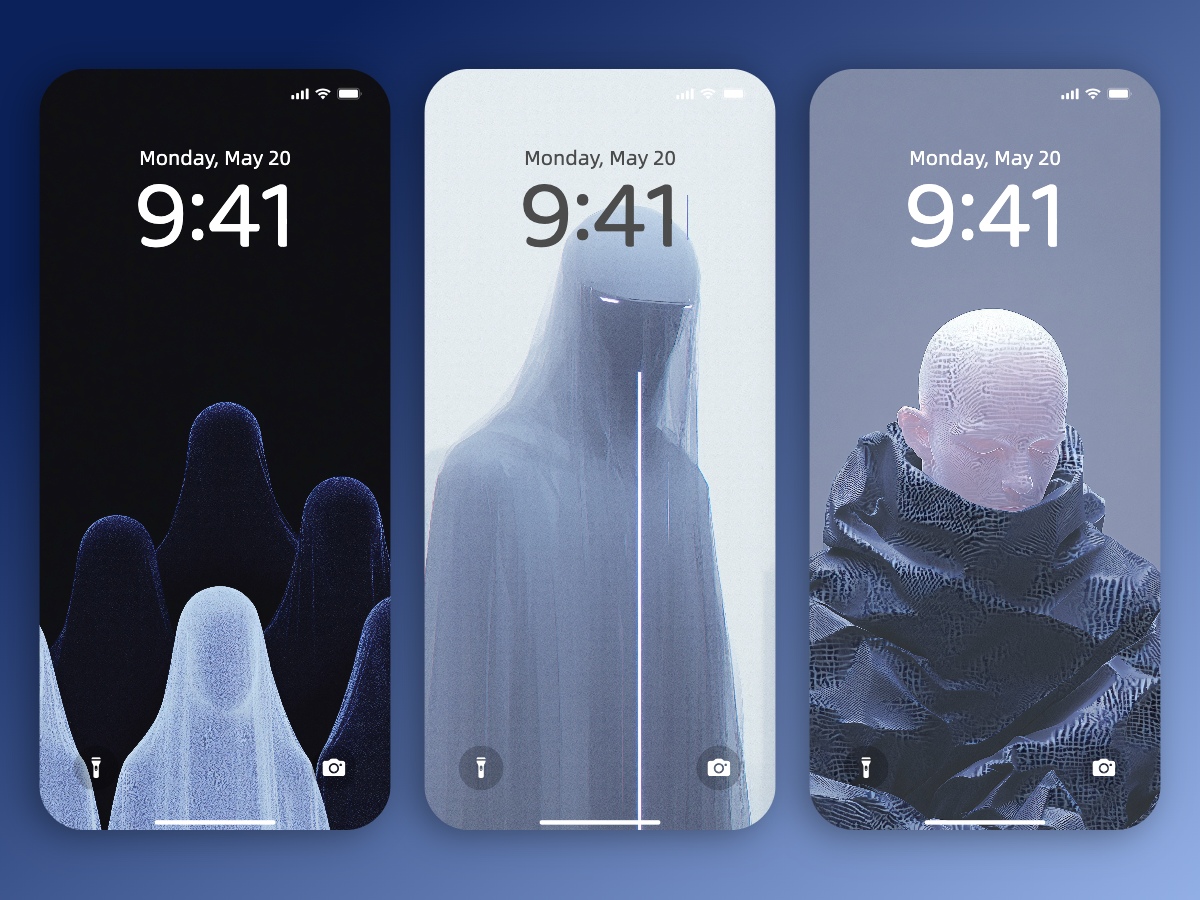

Give your phone an artistic edge with abstract blurry portrait wallpapers in 8K, designed to create a mysterious and dreamlike vibe on both iPhone and Android. These wallpapers feature intriguing, softened portraits that blur the lines of detail, leaving just enough shape and color to spark curiosity and imagination. The ultra-high resolution enhances each subtle gradient, shadow, and hint of expression, creating an ethereal look that’s captivating and unique. Perfect for those who appreciate art that’s open to interpretation, these abstract portraits add a layer of depth and elegance to your screen, making each glance feel like a fleeting moment captured in soft focus.
You can download all these wallpapers on Dejavu Wallpaper!
Experience the magic of AI in advance! Let the infinite imagination of AI decorate your screens, bring you fresh delights every day.


What Are Ghostly Blurry Portraits?
Ghostly blurry portraits are a fascinating and unsettling art style that often leaves viewers both intrigued and perplexed. By blurring the contours and details of the human figure, these works create a surreal, dreamlike effect that makes it hard to identify the subject’s true appearance or identity. This artistic approach pulls portraits away from the real world, plunging them into a foggy, abstract realm, where the figure seems to hover on the edge of visibility, shrouded in a misty veil.
Such artworks often feel like they’re capturing a fleeting, almost ethereal moment, as though an invisible soul is wandering through space. The blur is not just a veil over the figure’s physical form but also an abstract expression of their inner world, identity, and emotions. By playing with visual uncertainty, artists delve into profound themes of human existence, the search for identity, and the blurry boundaries between the real and the imaginary.
The Artistic Concepts Behind Ghostly Blurry Portraits
1. The Exploration of Identity
Ghostly blurry portraits frequently challenge our fixed ideas about individual identity. In many pieces, the subject’s face or body is deliberately obscured, as though reminding us that identity is never static but a constantly evolving process. The blurred figure becomes a metaphor for humanity’s ongoing struggle with self-recognition, continuously exploring the question, “Who am I?”
2. A Metaphor for the Passage of Time
The blurry effect is also a metaphor for the passing of time. As time moves forward, memories become increasingly unclear, and past images and feelings fade away. In these portraits, the figure’s outline appears to vanish, much like the fading traces of time and forgotten moments. They represent a presence that is slowly slipping away, perhaps already forgotten or on the verge of disappearing entirely.
3. The Boundary Between Reality and the Imaginary
Blurry portraits often blur the line between reality and fantasy. Through this technique, artists reveal that the people, objects, and emotions we encounter in the real world are not always clear and defined. The blurry figure suggests the limitations of reality and the subjectivity of perception, implying that our understanding of the world is deeply influenced by our personal emotions and cognitive constraints.
4. A Reflection of the Inner World
In many cases, the blurring of the figure’s appearance is not just about obscuring the outward form, but about expressing the subject’s inner world. By distorting the external, artists focus our attention on the subject’s emotional or psychological state. Through this visual blur, the audience is encouraged to explore the complexities of the character’s inner life and the fluidity of their emotions, rather than simply focusing on their external appearance.
Ghostly Blurry Portraits in Contemporary Art
In contemporary art, this blurry style is gaining popularity, especially among younger artists. With the rise of digital art technology, more and more artists are using tools like digital painting, photo manipulation, and mixed media to create unique ghostly blur effects. These modern techniques not only break the constraints of traditional painting but also challenge our perceptions of vision, identity, and reality.
For example, in modern photography, photographers use long exposure and out-of-focus techniques to capture moments of movement, giving the image a surreal, otherworldly quality. Meanwhile, digital artists deconstruct images, using image-processing software to create these enigmatic, ghost-like figures. These works aren’t just visual experiments; they challenge us mentally and emotionally as well.
In Conclusion
Ghostly blurry portraits, with their mysterious and multilayered visual effects, transport us into a world where the lines between the real and the imagined blur. They not only challenge our traditional understanding of portraiture but also invite us to think deeply about identity, time, memory, and emotion. As digital art and new media technologies continue to evolve, these ghostly portraits will keep captivating audiences, offering more opportunities for artistic enjoyment and contemplation.