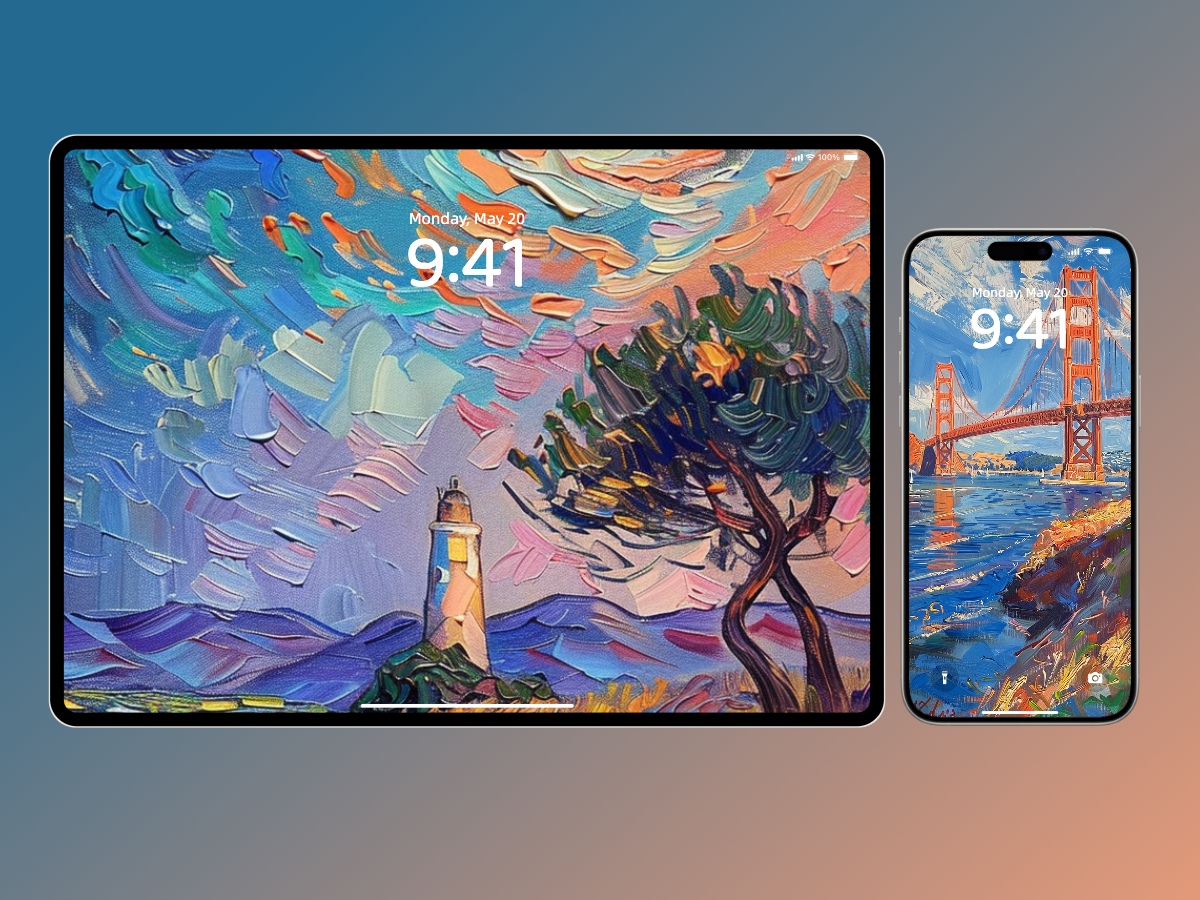

Looking to elevate your phone’s aesthetic game? Say hello to Aesthetic Impressionist Art Wallpapers in glorious 8K for both iPhone and Android! Imagine the dreamy strokes of Monet or the vibrant swirls of Van Gogh right on your screen, bringing a burst of art history into your digital world. These wallpapers aren’t just pretty pictures—they’re masterpieces that add depth, emotion, and a touch of elegance to your everyday scrolls. Whether you’re feeling like a sunrise over water lilies or a starry night kind of vibe, there’s an Impressionist masterpiece perfect for you. Time to turn your phone into an art gallery! 🎨📱
You can download all these wallpapers on Dejavu Wallpaper!
Experience the magic of AI in advance! Let the infinite imagination of AI decorate your screens, bring you fresh delights every day.


What defines impressionist art?
Impressionist art is defined by its focus on capturing the impression of a moment rather than detailing every feature. Developed in France during the mid-to-late 19th century, this style is characterized by small, visible brushstrokes, which create a sense of movement and light. Impressionist artists often used unblended colors, allowing them to paint quickly and convey an immediate, almost fleeting, sense of a scene. They emphasized the effects of natural light, exploring how it changed throughout the day and influenced their subjects. Rather than aiming for realism, impressionists prioritized the atmosphere and feeling of a moment, making their works feel lively and spontaneous.
What are the five characteristics of Impressionism?
The five key characteristics of Impressionism are:
- Unfinished Appearance: Impressionist paintings often have an unfinished or sketch-like look, emphasizing spontaneity and the moment’s essence rather than precise details.
- Fleeting Moments: The style captures brief, everyday moments, focusing on the transient effects of light and atmosphere to convey the feeling of a specific time.
- Fuzzy and Unrefined Look: Rather than aiming for sharp clarity, Impressionist artists painted scenes that appear soft and slightly blurred, giving an atmospheric and dreamy effect.
- Short, Quick Brushstrokes: Artists used rapid, short brushstrokes, often with visible, energetic marks that build up forms and textures in the artwork.
- Bright, Vibrant Colors: They used a palette of bright and vivid colors, often applying them side by side without blending, allowing the eye to mix the colors from a distance.
What is the main idea of impressionist?
The main idea of Impressionism is to capture the impression of a scene rather than a detailed, realistic representation. Impressionist artists focused on how they perceived a moment—whether it was the effect of light, the atmosphere, or the feeling of a landscape, object, or person. Instead of aiming for precise accuracy, they sought to convey a sense of the scene as they experienced it, often through quick brushstrokes and vibrant colors that evoke the mood and fleeting qualities of the moment. This approach is what gave the movement its name—Impressionism.
What are some famous impressionist painting?
Some famous Impressionist paintings include:
- “Impression, Sunrise” by Claude Monet – This painting, which gave the movement its name, captures the hazy morning light over the port of Le Havre, France.
- “Water Lilies” series by Claude Monet – An iconic collection showing Monet’s obsession with light and reflection on his garden pond.
- “Starry Night Over the Rhône” by Vincent van Gogh – Not to be confused with “The Starry Night,” this piece features the shimmering reflection of stars on the river, showcasing van Gogh’s distinctive brushwork and color use.
- “Ballet Rehearsal” by Edgar Degas – Known for his depictions of dancers, Degas captures a fleeting moment in a ballet studio with dynamic brushstrokes and composition.
- “Luncheon of the Boating Party” by Pierre-Auguste Renoir – This lively scene of friends dining outdoors showcases Renoir’s vibrant palette and ability to depict light and social interaction.
- “The Haystacks” series by Claude Monet – Monet’s series explores how different lighting conditions throughout the day and seasons affect the appearance of haystacks.
These works highlight the Impressionists’ fascination with light, movement, and capturing the essence of a moment.
What are some famous impressionist artist?
Some famous Impressionist artists include:
- Claude Monet – Often considered the father of Impressionism, Monet’s works like “Impression, Sunrise” and the “Water Lilies” series embody the movement’s focus on light and atmosphere.
- Edgar Degas – Known for his depictions of ballet dancers and everyday life scenes, Degas used dynamic compositions and movement in works like “The Dance Class”.
- Pierre-Auguste Renoir – Renoir’s vibrant, lively paintings, such as “Luncheon of the Boating Party”, showcase his talent for capturing social interactions and sunlight filtering through foliage.
- Camille Pissarro – A pivotal figure in the Impressionist movement, Pissarro painted rural and urban scenes with a focus on light and natural beauty, like in “Boulevard Montmartre at Night”.
- Alfred Sisley – Known for his serene landscapes, Sisley’s work, such as “The Bridge at Villeneuve-la-Garenne”, often features the subtle interplay of light and shadow.
- Berthe Morisot – One of the prominent female Impressionists, Morisot painted intimate domestic scenes and outdoor portraits, such as “The Cradle”, with a soft, delicate touch.
- Mary Cassatt – An American painter associated with the movement, Cassatt is celebrated for her tender portrayals of women and children, as seen in “The Child’s Bath”.
These artists were instrumental in shaping the Impressionist movement, each contributing their unique perspective on light, color, and capturing fleeting moments.