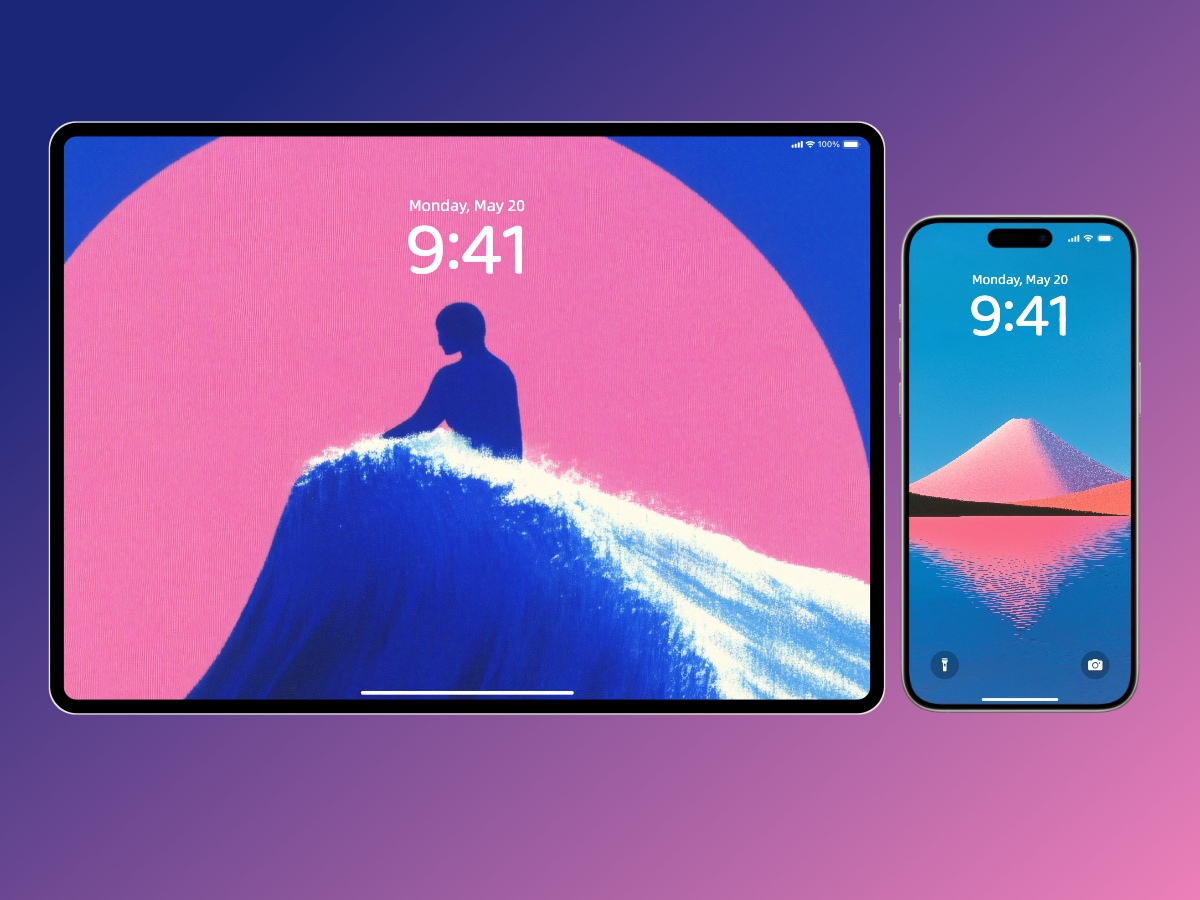

Imagine unlocking your phone to a world of peace and simplicity every day! Minimalist Mountain Art Wallpapers bring that calming energy right to your fingertips, perfect for both iPhone and Android users. Picture sleek, modern designs where mountains are rendered in soft hues, capturing the beauty of nature without all the fuss. These wallpapers turn your screen into a tranquil escape, whether you’re stuck in traffic or waiting for your coffee. They add a clean, stylish touch to your device, making every swipe feel like a breath of fresh mountain air. So, if you’re looking to declutter your mind and your phone, these wallpapers are your perfect match. Aesthetic, serene, and oh-so-chic—your home screen never looked so good!
You can download all these wallpapers on Dejavu Wallpaper!
Experience the magic of AI in advance! Let the infinite imagination of AI decorate your screens, bring you fresh delights every day.




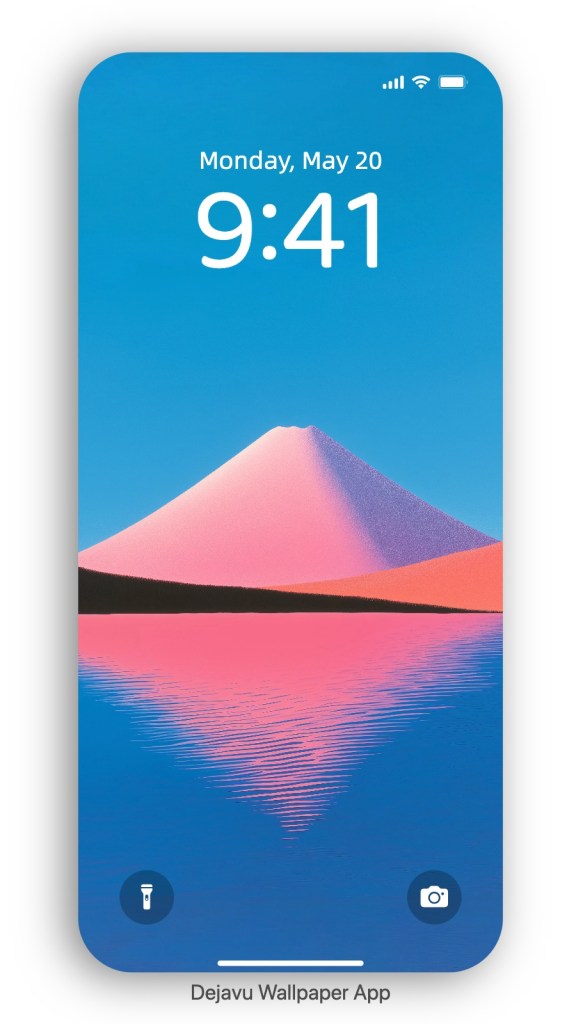

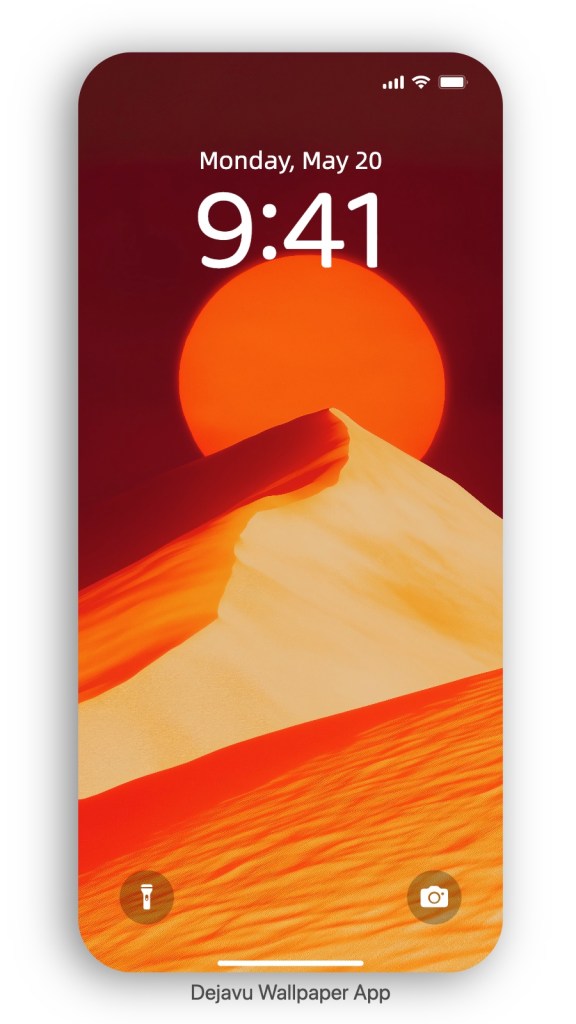
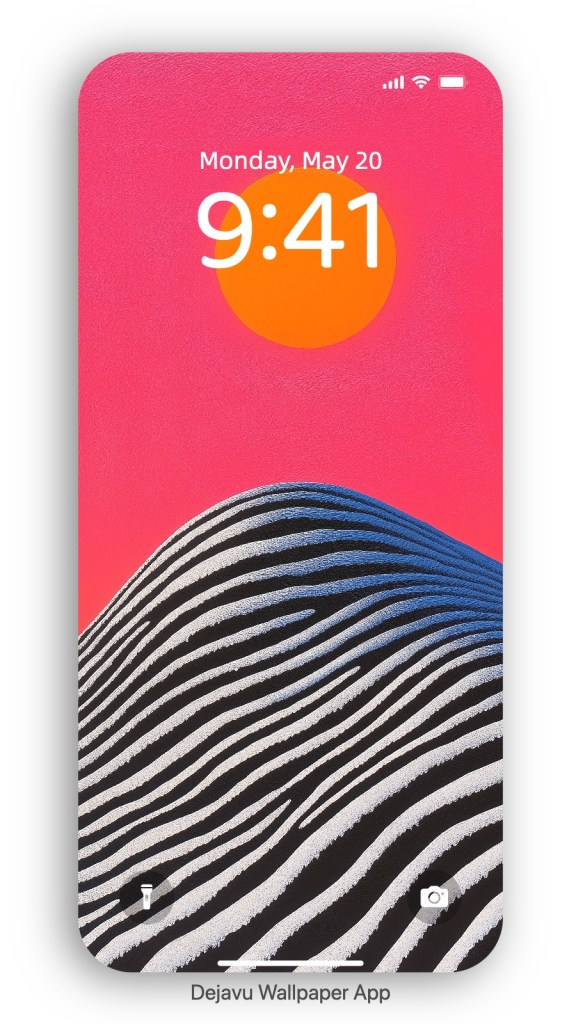


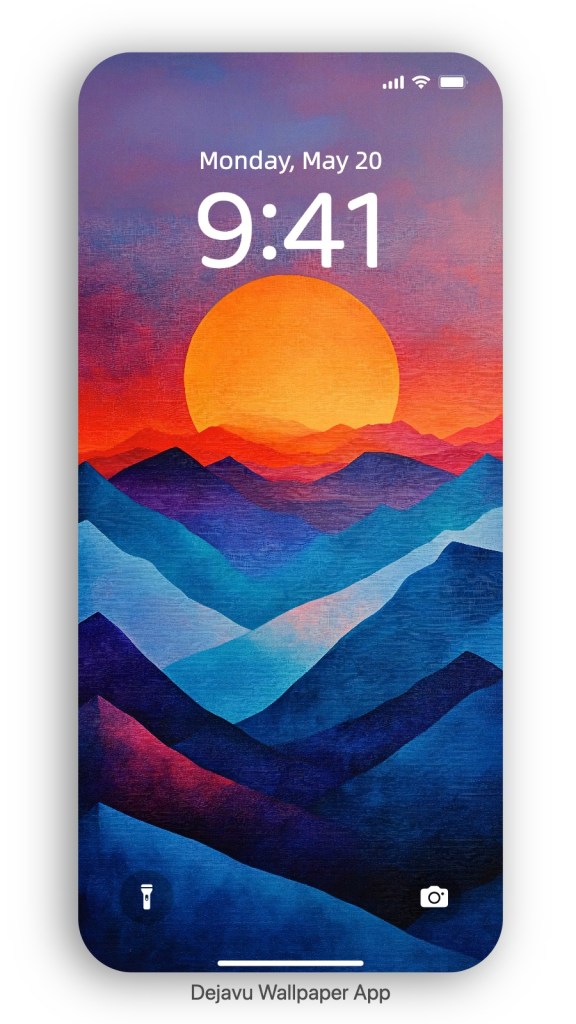
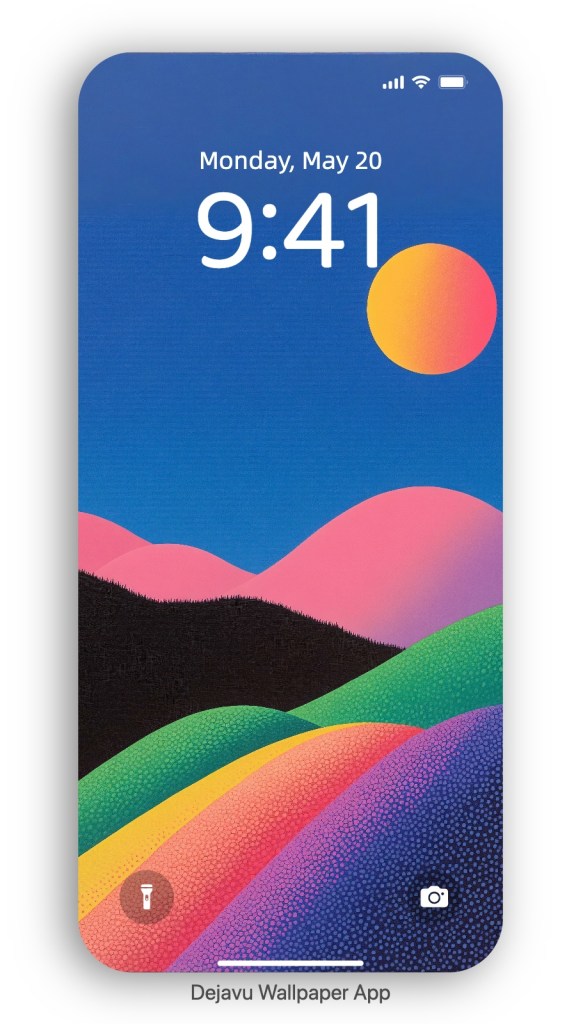
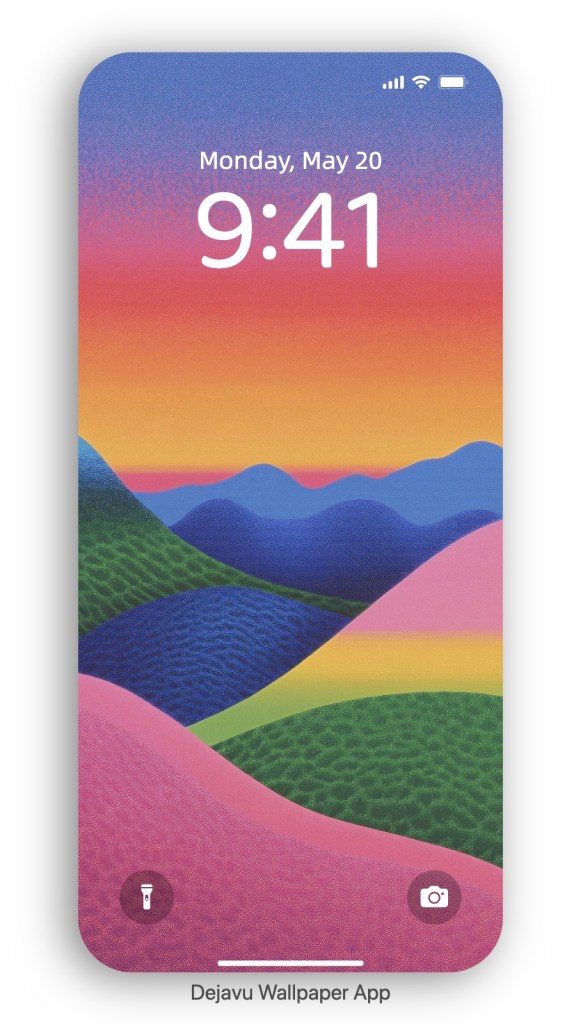



Minimalist mountain sun illustrations focus on simplicity, using clean lines and basic shapes to convey a scene. They don’t rely on intricate details or complex textures. Instead, they capture the essence of a landscape in its purest form. But why are these minimalist pieces so captivating? One reason could be the way they engage our imagination. By reducing a scene to its most fundamental elements, our minds fill in the gaps, creating a personal interpretation of the image. This simplicity can evoke strong emotions, like peace, calmness, or a sense of adventure.
How Did Minimalist Style Emerge?
Minimalism as an art movement began in the 1960s and 1970s, reacting against the abstract expressionism that dominated the earlier part of the century. Artists like Donald Judd and Agnes Martin led the charge, believing that art should focus on simplicity and clarity. The concept soon spread to other forms of visual art, including illustration and design. The idea was to strip everything down to its core, creating a unique balance between what is seen and what is imagined. When applied to mountain sun illustrations, this style creates a compelling juxtaposition between the grandiosity of natural landscapes and the simplicity of geometric forms.
Why Do Sunrises and Sunsets Look So Stunning in the Mountains?
When the sun is low in the sky during sunrise or sunset, its light has to travel through more of the Earth’s atmosphere, scattering shorter wavelengths like blue and green and leaving the reds and oranges that paint the sky. Mountains, with their towering heights, catch these colors in a way flat land never could. The sunlight filters through thin air at high altitudes, making the colors appear even more vivid and mesmerizing. This unique interaction between light and landscape can make even the most ordinary mountain seem like a mystical wonder.
What Is the “Alpenglow,” and Why Is It So Rare?
If you’ve ever seen a mountain glowing with a pinkish or reddish hue long after the sun has set, you’ve witnessed the phenomenon known as “alpenglow.” This isn’t just the last light of the sun hitting the peaks—it’s actually a reflection of the sun’s rays in the atmosphere, even when the sun is below the horizon. Alpenglow only occurs in very clear weather, making it a rare and magical sight. It’s a moment where the mountains seem to hold onto the light a little longer, refusing to let the day slip away.
Why Are Mountains Often Considered Sacred in Many Cultures?
Many cultures view mountains as sacred, mystical places, often linking them to the sun or other celestial bodies. From Mount Fuji in Japan to the Andes in South America, mountains are revered as homes of the gods or places of spiritual significance. Could it be because of the way they interact with the sun, standing tall against the sky, catching the first and last light of the day? Or perhaps it’s the way they seem to touch the heavens themselves, connecting the earthly and the divine?