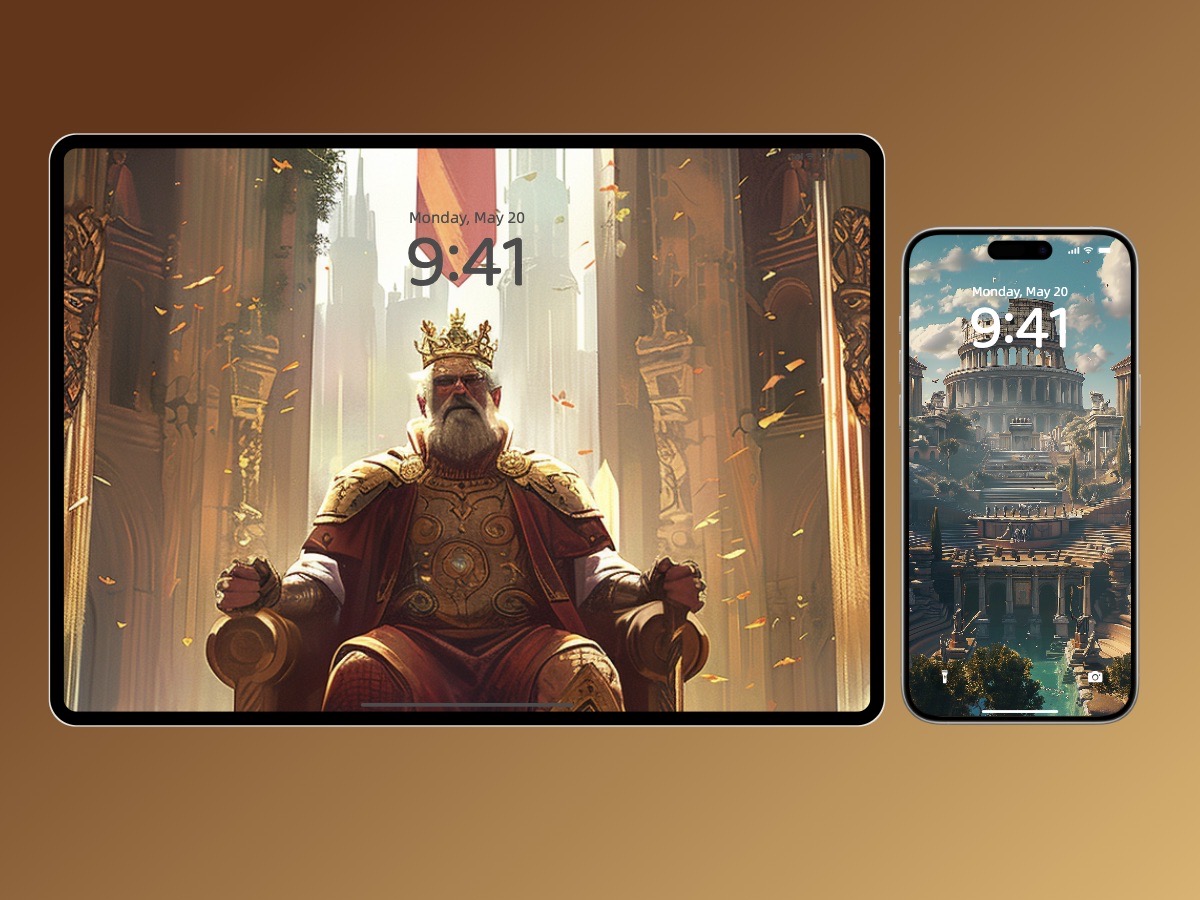

Sid Meier’s Civilization VII—the ultimate playground for aspiring world leaders, history buffs, and strategic masterminds! Imagine crafting your very own empire, guiding it from the humble beginnings of a single settler to a sprawling, technologically advanced civilization. Whether you’re a ruthless conqueror, a cultural genius, or a diplomatic wizard, every decision you make shapes the fate of your people. Will you rewrite history or see it repeat itself in spectacular fashion?
This latest installment promises to build on its predecessors with even more complex AI, diverse leaders, and unique civilizations to choose from. Picture new world wonders to construct, more resources to trade, and deeper alliances to forge or betray. And, of course, there’s that inevitable race to space, where things get a little sci-fi. Ready to outwit Gandhi or out-tech Catherine the Great? Grab your thinking cap, because Civilization VII is where great minds make great empires—or perish trying!
You can download all these wallpapers on Dejavu Wallpaper!
Experience the magic of AI in advance! Let the infinite imagination of AI decorate your screens, bring you fresh delights every day.


How Has Civilization VII Revolutionized the Game Series?
The launch of a new “Civilization” game always sparks excitement, but “Civilization VII” seems to take that thrill to a new level. With bold, fresh changes, Firaxis has broken away from many of the series’ established norms. For instance, players no longer stick with a single civilization throughout a game. Instead, “Civilization VII” introduces a dynamic “Era Change” system, where you choose new civilizations as you progress through different ages—Antiquity, Exploration, and Modern. This evolution brings both historical flavor and strategic depth, making the gameplay feel more authentic and engaging than ever before.
What’s the Deal with Leaders in Civilization VII?
One of the most surprising changes in “Civilization VII” is the decoupling of leaders from their traditional civilizations. Now, historical figures like Hatshepsut or Benjamin Franklin can lead any civilization, not just their historical counterparts. This opens up new combinations and strategies, allowing for unique playstyles and tactical choices. While this may seem unorthodox, it aligns with Firaxis’s goal to bring more variety and freshness to each game session, moving away from the predictable line-up of familiar faces.
How Do Cities Function in the New Era System?
The city management system has also seen a major overhaul. Instead of sprawling districts seen in “Civilization VI,” “Civilization VII” simplifies cities into just two types: urban and rural areas. Urban zones focus on specialized development, like building science centers or marketplaces, while rural zones handle resource collection. This change adds more strategy to city planning, requiring players to balance development between these two zones. Moreover, gone are the builders; instead, players directly assign new zones or specialists to tiles, making for a more streamlined and less micromanaged experience.
Why Is Diplomacy Now More Tactical?
Diplomacy has taken on a new, dynamic role in “Civilization VII.” Players now use “influence” as a form of currency to engage in diplomatic actions, ranging from trade agreements to political maneuvers. This mechanic encourages active participation in diplomacy, rather than waiting for other leaders to propose deals. Firaxis’s decision to make diplomacy feel more consequential adds layers of strategy, turning political moves into significant game-changers that can shape the balance of power.
What Visual Upgrades Does Civilization VII Bring?
Visually, “Civilization VII” is a significant departure from its predecessors. While it retains a cartoony style, the new aesthetic is inspired by miniatures and dioramas, creating a vibrant, tactile world that feels more realistic and appealing. The landscapes are thoughtfully designed, offering a sense of scale and beauty that sets it apart from previous entries. This enhanced visual approach makes it the first “next-gen” look in the series, with every detail crafted to be as visually stunning as it is functional.
Conclusion
“Sid Meier’s Civilization VII” promises to be a transformative entry in the beloved strategy series, offering a blend of innovative mechanics, refreshed visuals, and strategic depth. Whether it’s through the dynamic era changes, the flexible leader assignments, or the redefined city management and diplomacy systems, “Civilization VII” stands as a bold new chapter that seems ready to capture the imaginations of both new players and long-time fans.