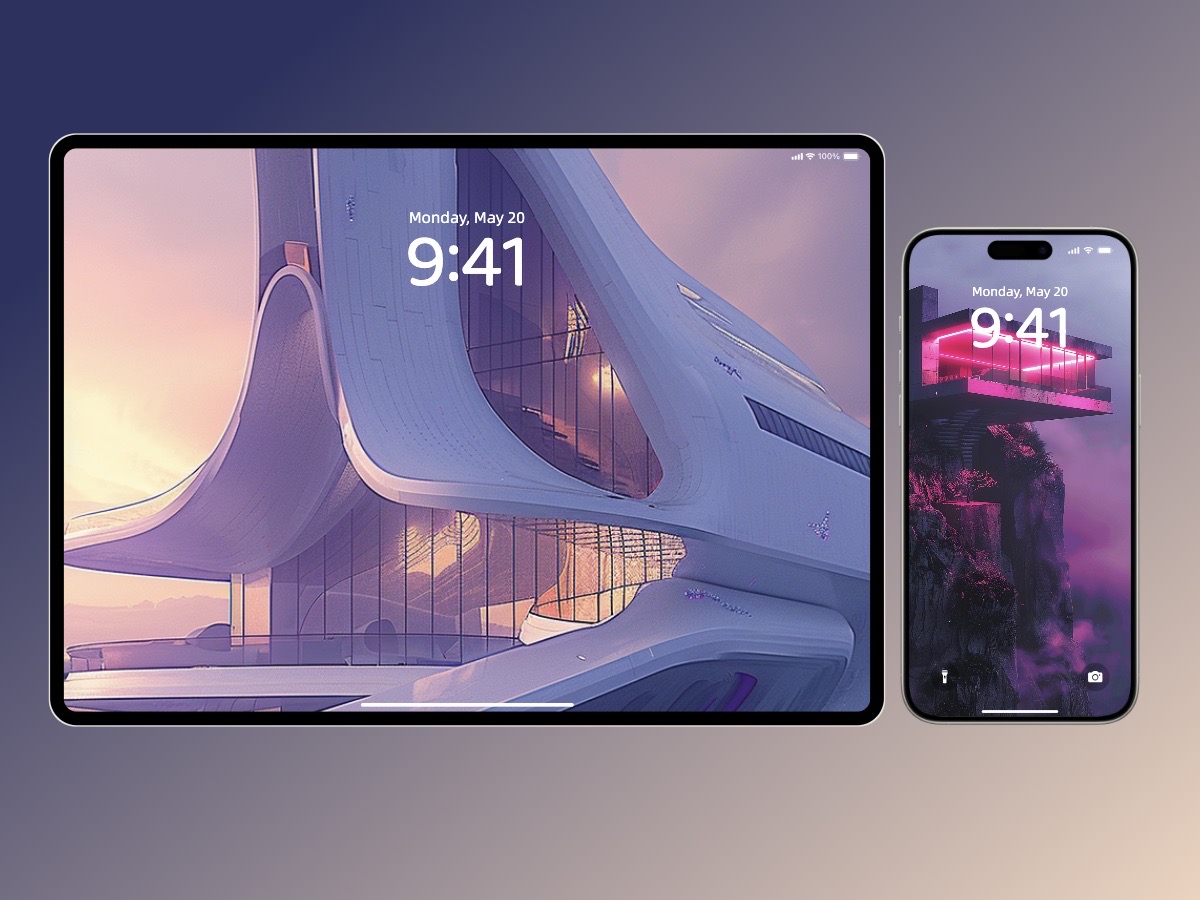

Futuristic architecture is like something straight out of a sci-fi movie! Instead of sticking to one style, it embraces a bold and adventurous approach. Imagine buildings with swooping curves, sharp angles, and dynamic shapes that seem to defy gravity. It’s all about pushing boundaries and exploring new technologies. Think of sleek skyscrapers that look like they could take off and hover above the city or spaces that seem to be made entirely of shimmering glass. Futurist architecture thrives on imagination and innovation, transforming our visions of what buildings could be into jaw-dropping realities. It’s not just about how things look; it’s about what they could become. So, if you’re dreaming of the future, just look up—you might see the future in the form of today’s stunning structures!
You can download all these wallpapers on Dejavu Wallpaper!
Experience the magic of AI in advance! Let the infinite imagination of AI decorate your screens, bring you fresh delights every day.


What Makes a Design Look Futuristic?
What makes a design look futuristic? Imagine stepping into a space where everything feels like it’s from tomorrow! Futuristic design often features sleek, clean lines and bold geometric shapes that give it a cutting-edge vibe. Minimalism is key here—think uncluttered spaces that let each element shine. Metallic finishes like chrome and shiny surfaces add that extra touch of space-age glam. And don’t forget about the materials! Glass and acrylic bring a touch of transparency, while high-tech features like smart lighting and automation systems make it all the more futuristic. It’s like living in a sci-fi movie set, where every detail is designed to make you feel like you’re already living in the future!
What Are Some Iconic Examples of Futuristic Architecture?
Several iconic buildings exemplify the essence of futuristic architecture. One notable example is the Burj Khalifa in Dubai. Standing at 828 meters, it holds the title of the world’s tallest building. Its design features a unique, spiraling structure that reduces wind loads and enhances stability. Another example is the Eden Project in the UK, with its geodesic domes that create an enclosed environment for diverse plant species. These structures not only push the envelope in terms of design but also serve practical purposes.
Why did the Soviet Union build a lot of futuristic buildings?
The Soviet Union’s fascination with futuristic architecture wasn’t just about making a style statement—it was also a symbol of their vision for the future! In the mid-20th century, the Soviets were on a mission to showcase their technological prowess and ideological superiority. Constructing sleek, avant-garde buildings was their way of demonstrating progress and innovation to the world.
Buildings like the Moscow State University’s towering spires and the massive, shiny VDNH exhibition center were designed not just to impress, but to embody the ideal Soviet future: a blend of science, industry, and utopian dreams. These structures were meant to symbolize the strength and stability of the Soviet Union, projecting an image of a society moving boldly into a bright, optimistic future.
So, next time you see a Soviet-era skyscraper or a space-age monument, remember—it’s not just a building, it’s a slice of a grand, futuristic vision that was intended to dazzle and inspire!