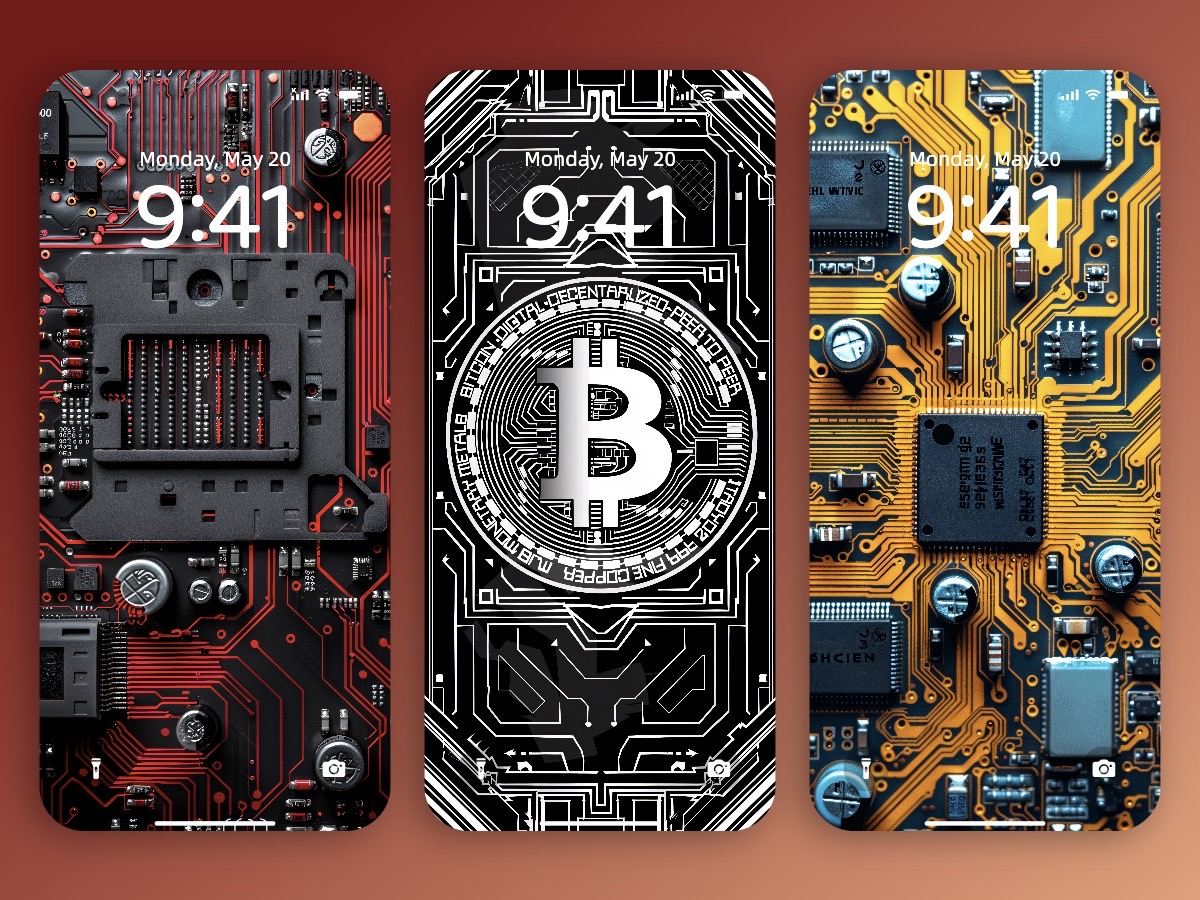

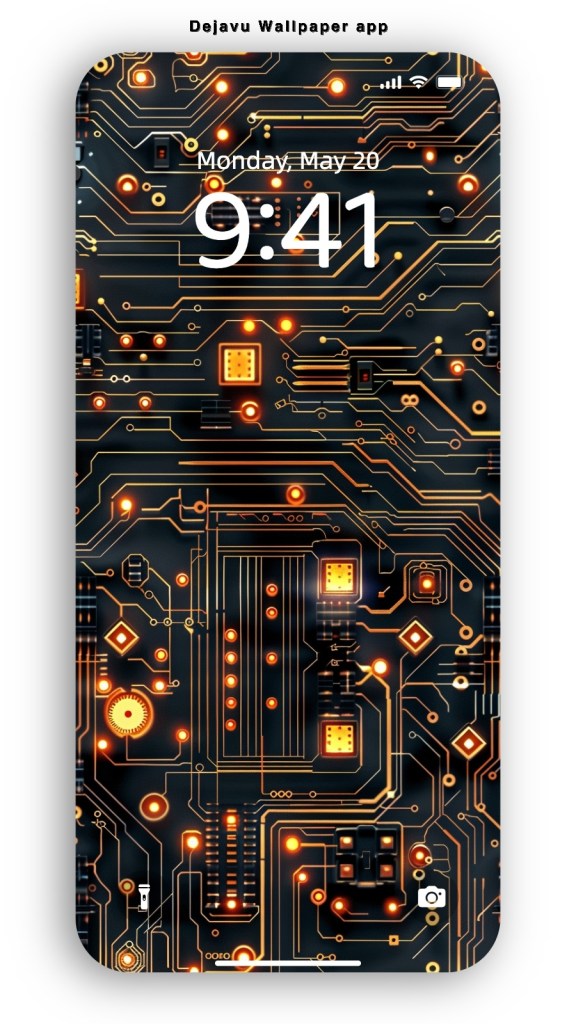
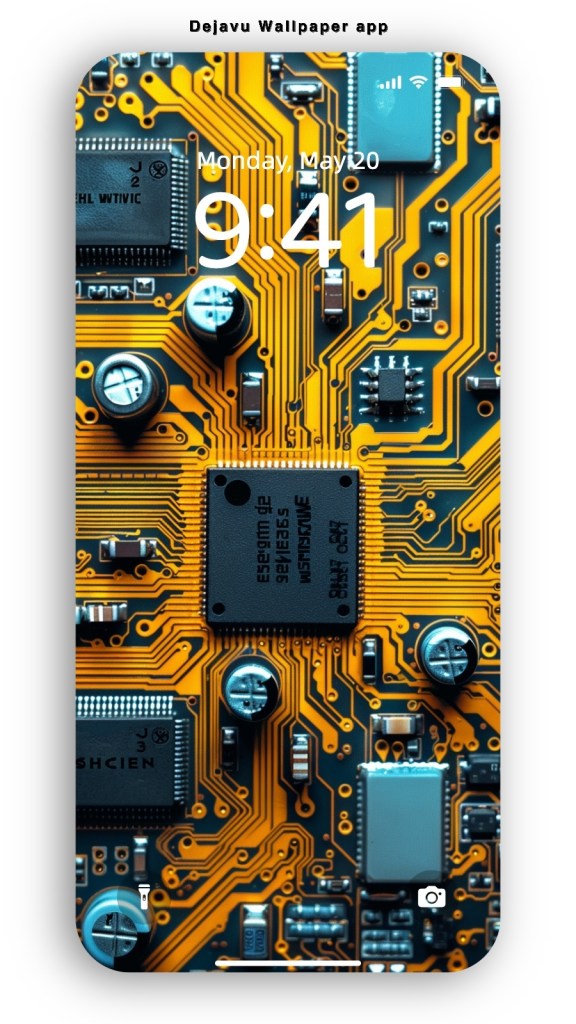
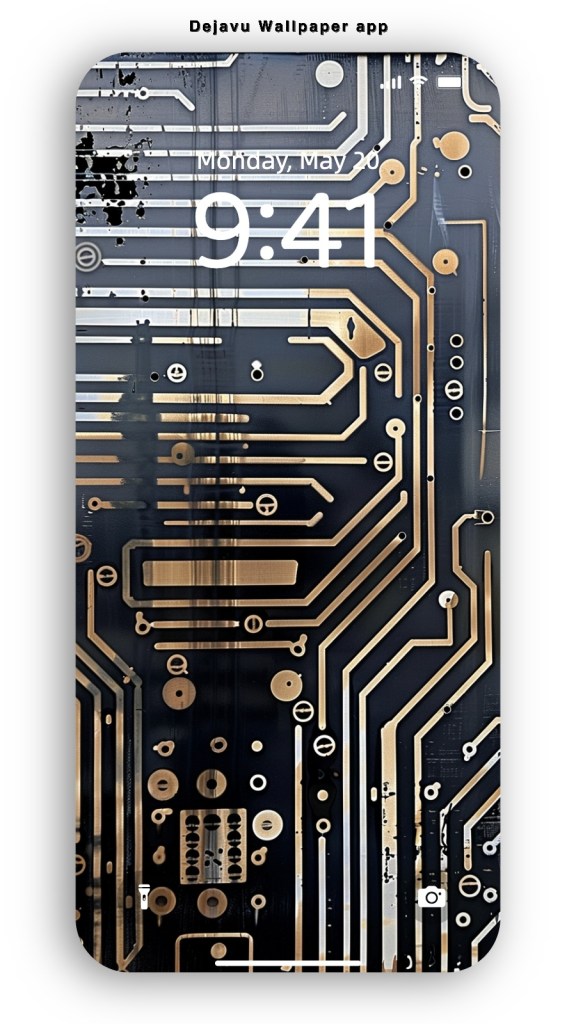
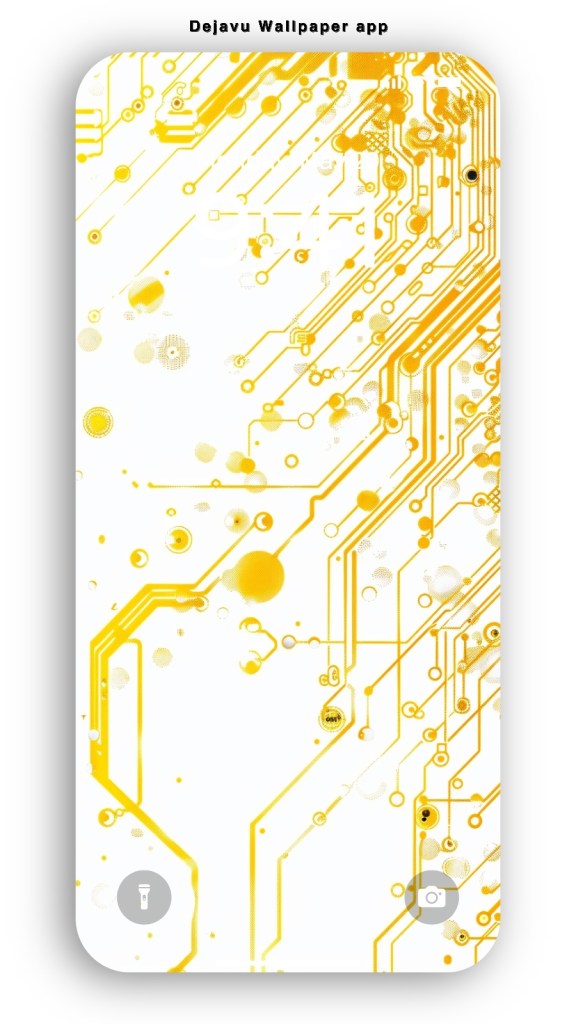
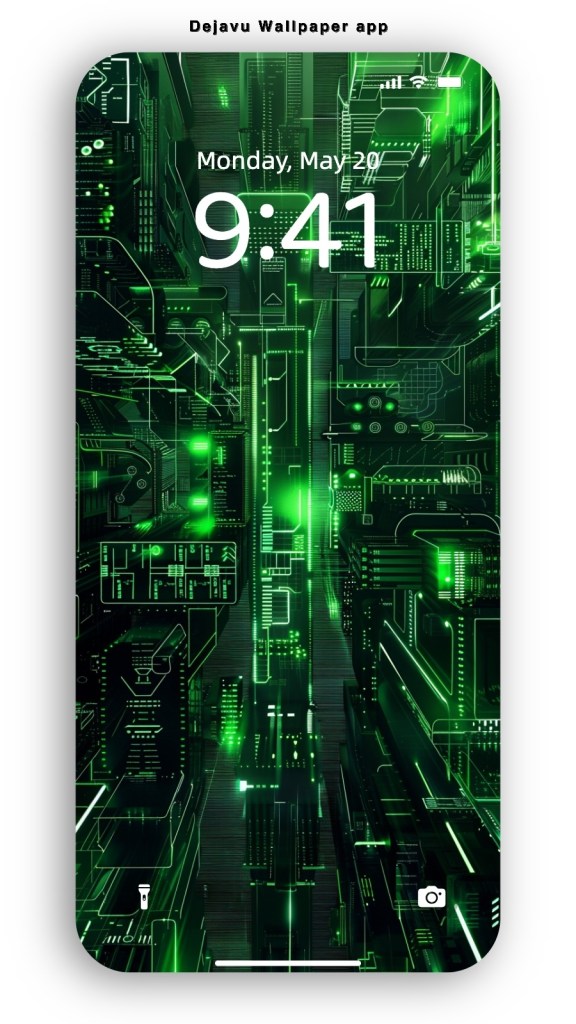
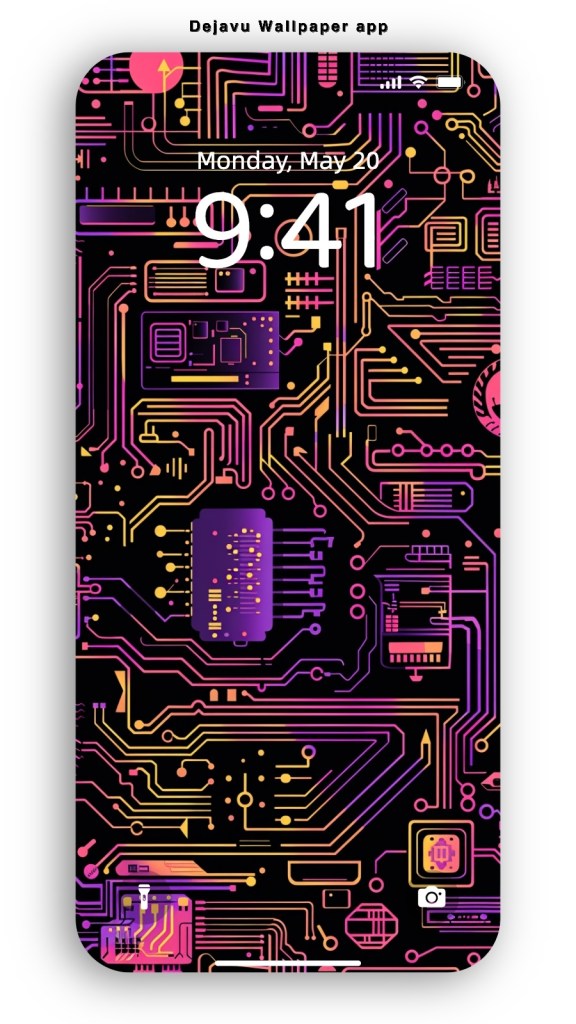
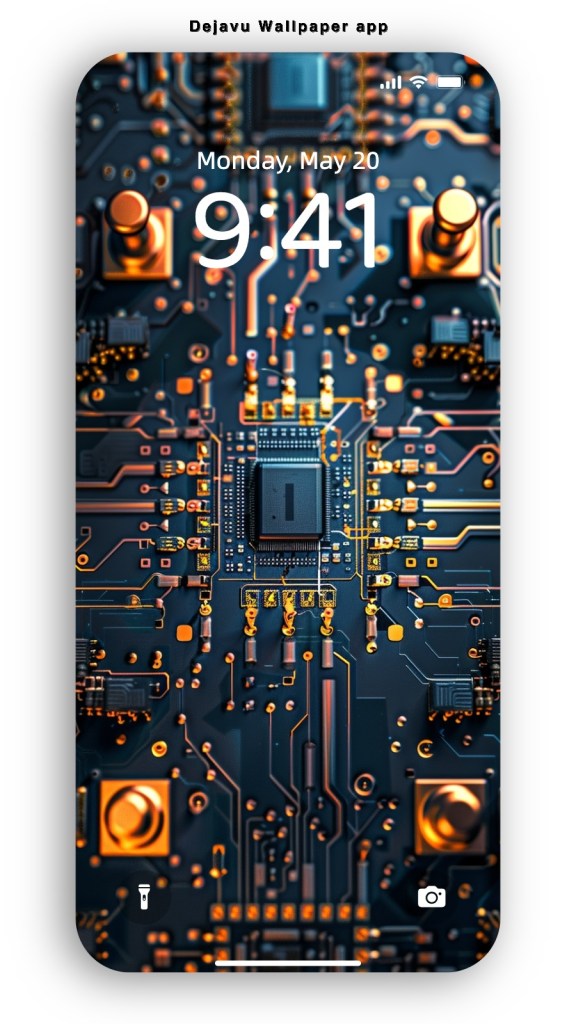
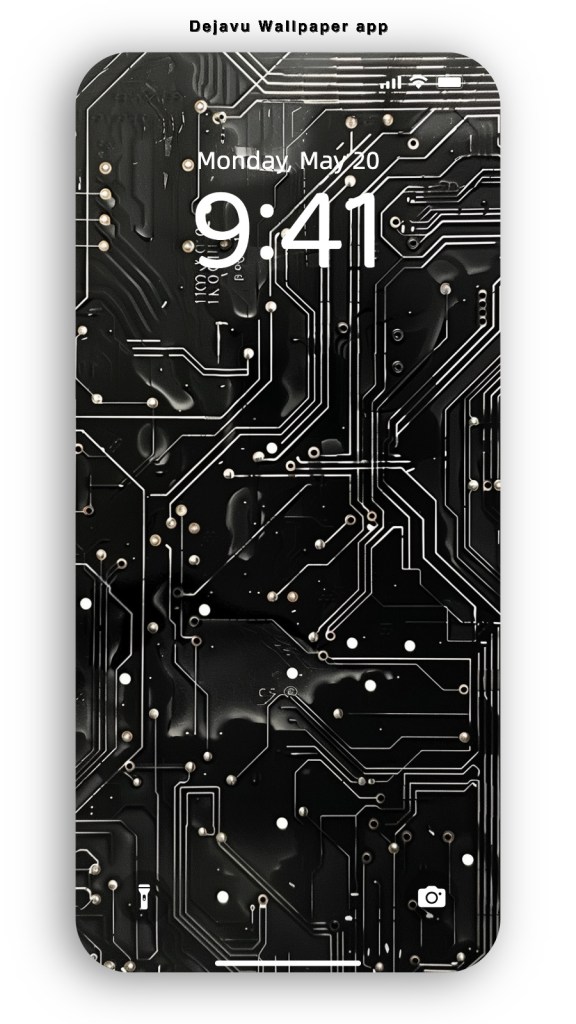
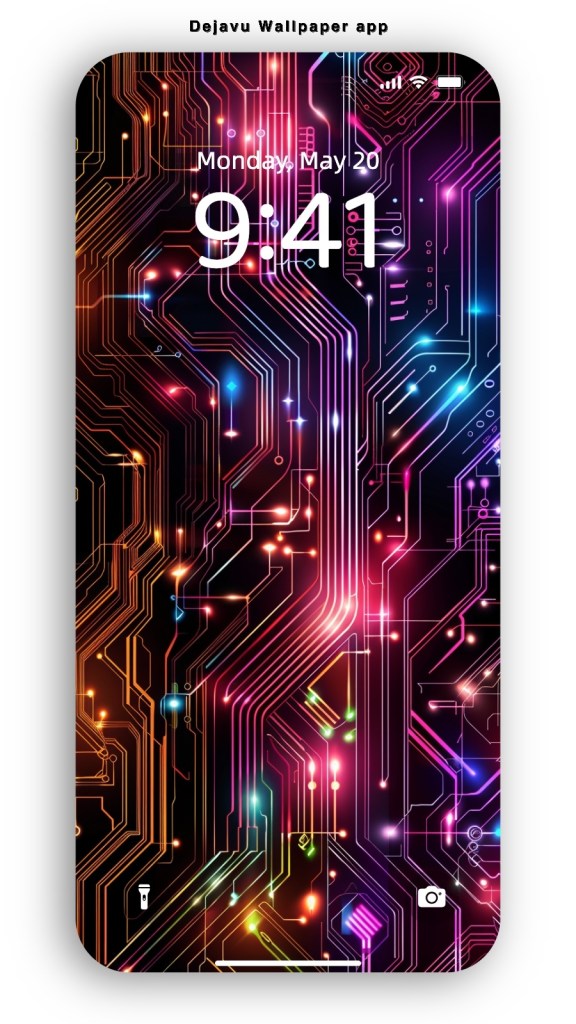
Circuit board designs are visually striking due to their complex, geometric patterns that evoke a sense of high technology and modernity. Each line, curve, and connection on the wallpaper mimics the pathways that make our devices tick. For tech lovers, it’s like having a glimpse inside the brain of a computer or smartphone. The combination of clean lines and bright, neon-like colors against darker backgrounds creates a sleek, futuristic feel that appeals to those who live and breathe tech.
You can download all these wallpapers on Dejavu Wallpaper!
Experience the magic of AI in advance! Let the infinite imagination of AI decorate your screens, bring you fresh delights every day.















How Did Circuit Boards Revolutionize Electronics?
The journey of circuit boards began in the early 20th century. Originally, electronic circuits were large and bulky, made up of individual components connected by wires. Then, in the 1930s, Paul Eisler, an Austrian engineer, invented the first printed circuit board (PCB) while working on a radio set. This invention allowed circuits to be miniaturized and made mass production feasible, which paved the way for modern electronics. By eliminating the need for tedious hand-wiring, PCBs transformed electronics from a field dominated by a few specialists to a fundamental aspect of everyday technology.
How Do Circuit Boards Work Their Magic?
Circuit boards essentially act as a city map for electricity, guiding it from one component to another to perform specific tasks. When you press a button on your remote control, the circuit board inside sends signals from the batteries to the infrared LED, which transmits a signal to your television. PCBs are designed to handle different currents and voltages to perform their designated functions reliably. Advanced PCBs can have multiple layers, enabling complex devices like smartphones to operate with speed and efficiency while still fitting in the palm of your hand.
Why Are Circuit Boards Key to the Future of Technology?
Circuit boards are at the core of innovation in areas like artificial intelligence, robotics, and renewable energy. As technology advances, so does the need for more efficient, smaller, and faster circuit boards. Innovations like flexible PCBs and multilayer boards are already transforming the fields of medical devices and wearable technology. Circuit boards will be essential in enabling next-generation technologies like quantum computing and 5G networks, further demonstrating their importance in the tech landscape.
What Can We Know About iPhone 16 for Now?
The iPhone 16 is gearing up to bring some exciting changes when it debuts on September 9 at Apple’s “It’s Glowtime” event! For starters, expect larger displays—6.3 inches for the iPhone 16 Pro and a whopping 6.9 inches for the Pro Max, marking the first size bump in years. Meanwhile, the regular iPhone 16 will retain the same size as the iPhone 15 but with minor tweaks like new buttons.
One of the coolest additions? A “Capture Button” designed for photo and video enthusiasts, mimicking a digital camera’s shutter with multiple pressure levels for focusing and capturing shots. Plus, there’s a vertical camera lens rearrangement on all models, enabling Spatial Video capture for Apple’s Vision Pro headset. Add in new A-series chips, likely to boost performance and battery life, and a sleeker design with slimmer bezels, and you’ve got an iPhone that’s sure to turn heads. Ready to glow with the new iPhone 16?