

Wood texture is a beautiful tapestry of nature, crafted over years by growth rings and the unique grain patterns of each tree. Imagine running your fingers over the surface: sometimes it’s smooth, like polished maple, or slightly coarse and tactile, like oak. This sensation is not just about touch; it’s the story of the tree’s life, revealing fine lines, tiny ridges, and the occasional knot. Sanding, polishing, or leaving the wood raw greatly affects its texture—each finish adds a different character, whether silky or rustic. Wood’s texture invites us to connect with nature’s artistry in every grain and groove.
You can download all these wallpapers on Dejavu Wallpaper!
Experience the magic of AI in advance! Let the infinite imagination of AI decorate your screens, bring you fresh delights every day.







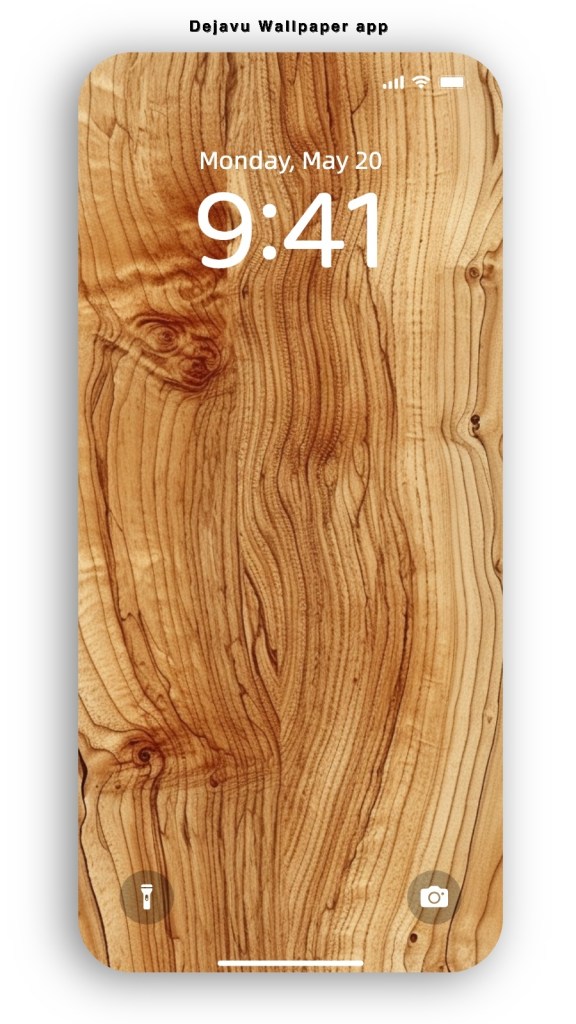

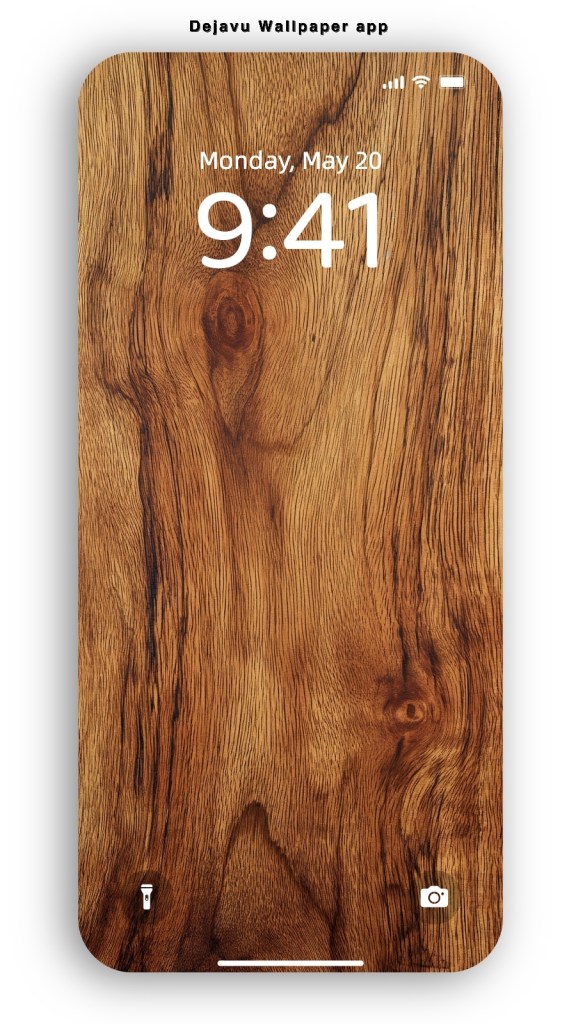
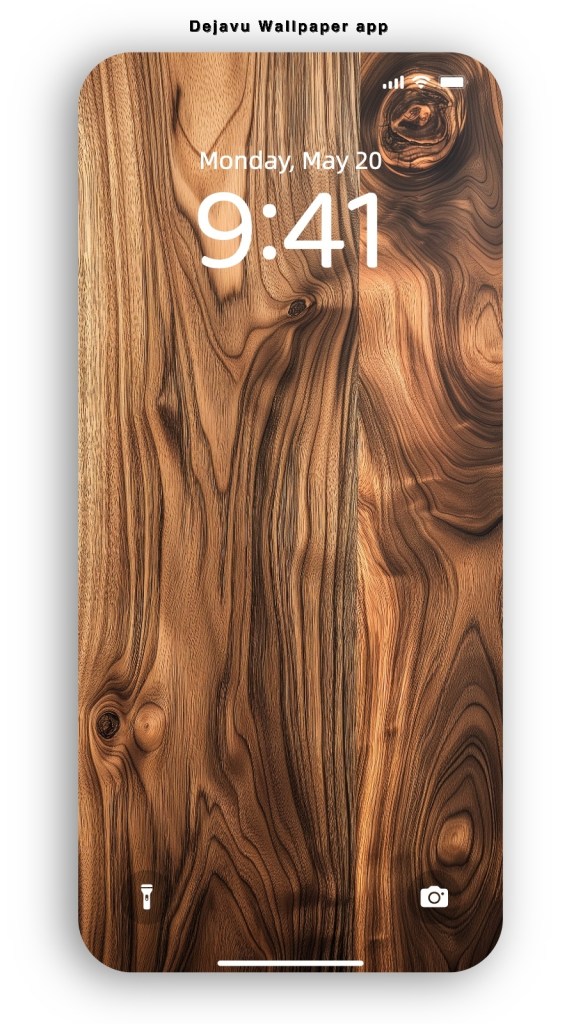

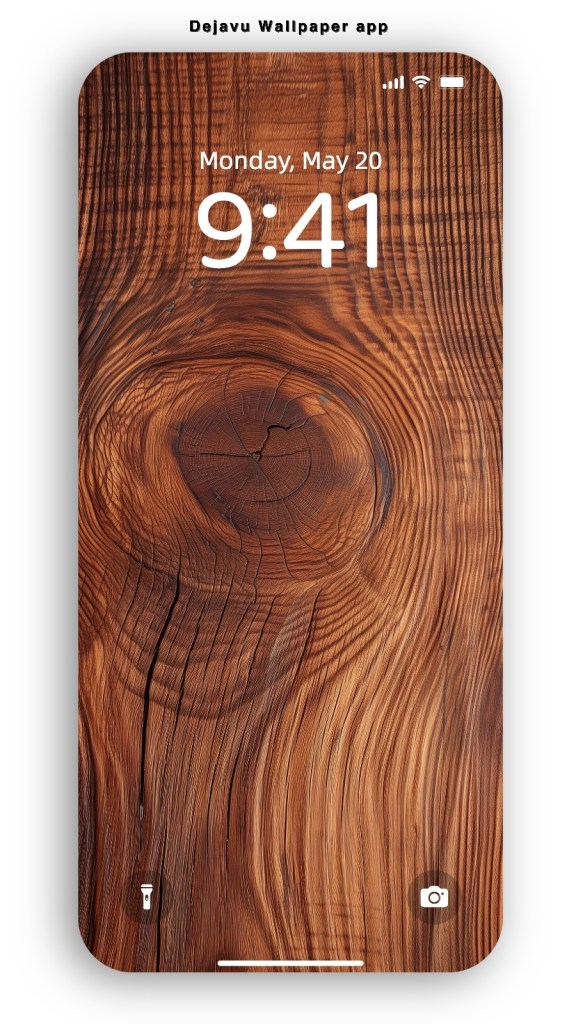

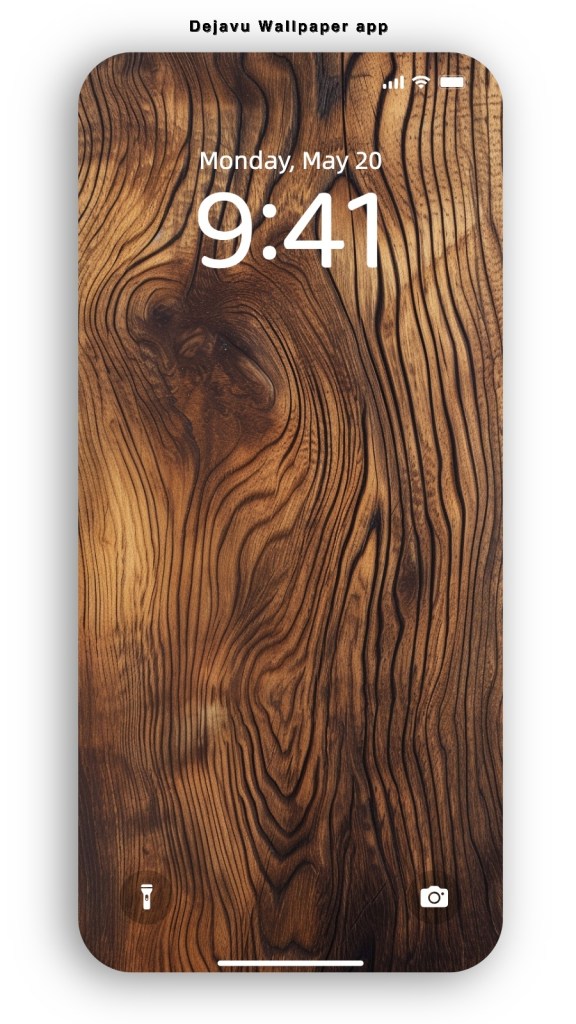

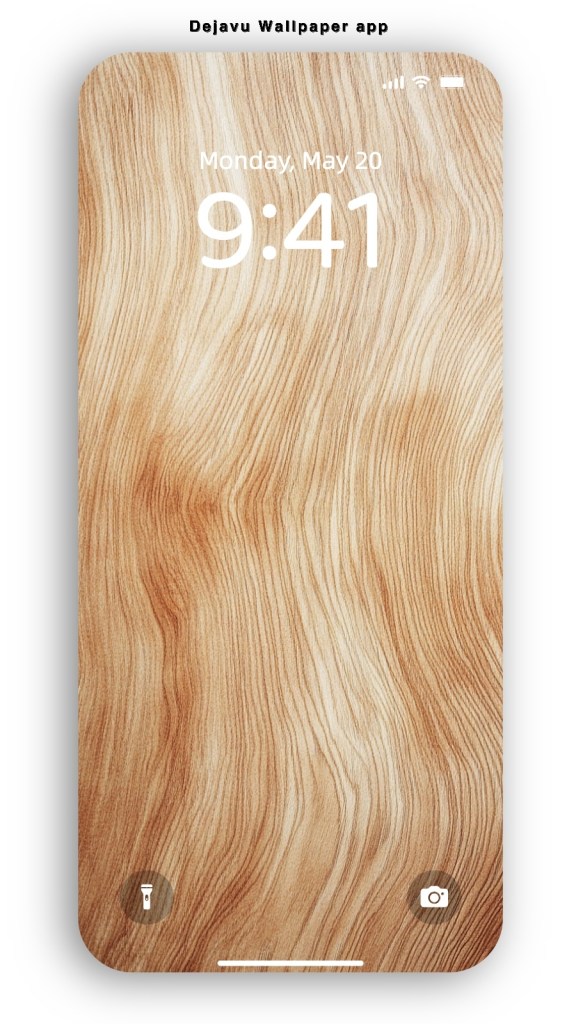



How are annual rings formed?
Tree rings, also known as growth rings, form due to the natural growth cycle of trees as they respond to the changing seasons. Each ring represents one year of the tree’s life, with visible layers that tell a story of its past. In the spring, trees grow rapidly, producing light-colored, wide rings due to the availability of water and nutrients. As the season shifts to summer and fall, growth slows, resulting in darker, denser rings. This annual pattern creates a distinct contrast, making each ring visible. Environmental factors such as drought, abundant rainfall, or temperature changes can influence the thickness and color of the rings, making them not just indicators of age but also revealing the tree’s life history and the environmental conditions it has endured. By studying these rings, scientists can gain valuable insights into past climates, forest health, and the age of the tree, transforming the simple layers of wood into a detailed record of time.
What are the different types of wood texture?
Wood textures add a rich, natural touch to any design, each bringing its own unique character and warmth. Rough Sawn wood has a rugged, rustic feel, showcasing the raw beauty of timber with visible saw marks. Planed Smooth wood, on the other hand, offers a sleek, polished surface, perfect for refined, elegant spaces. Rough Hewn Antique Timber combines history and craftsmanship, with deep textures that tell a story of aged beauty. Semi Sanded wood balances the best of both worlds, offering a lightly smoothed surface while preserving some of its natural texture. Hand Hewn wood beams feature distinctive hand-tool marks, adding an artisanal, vintage charm. Lastly, Weathered Wood Beams carry a naturally aged appearance, showcasing the effects of time with rich, weather-worn textures that bring character and depth. Each type of wood texture tells its own story, enhancing spaces with an authentic touch of nature.
How Do Different Types of Wood Get Their Unique Textures?
Wood texture varies greatly depending on the type of tree it comes from. For example, oak wood is known for its prominent grain and durability, making it perfect for flooring and furniture. On the other hand, maple wood offers a smoother texture with a subtle grain, often used in musical instruments like violins and guitars. The texture of wood is influenced by the tree’s growth rings, the size of its pores, and the way it’s cut—whether it’s plain-sawn, quarter-sawn, or rift-sawn. Each type of wood tells a story of the tree’s life, with its rings reflecting the seasons of growth, drought, or abundant rainfall, all etched into its grain.
What are some interesting facts about wood grain?
Wood grain is more than just a pattern; it’s a beautiful story etched into nature’s canvas! Did you know that the unique lines and swirls in wood grain are like the tree’s fingerprints, showcasing its age, growth conditions, and even past weather? For example, tightly packed rings can indicate slow growth in a dense forest, while wider rings suggest rapid growth in an open area. The direction of the grain—whether straight, wavy, or irregular—can also tell us a lot about the tree’s species and health. And here’s a fun fact: some wood grains, like those of walnut or maple, are so captivating that they are prized for fine furniture and musical instruments. “Burl” wood, which comes from trees that have experienced some kind of stress or injury, creates stunning, swirling patterns that are truly one-of-a-kind. So next time you look at a piece of wood, remember that you’re seeing a snapshot of history, art, and nature all rolled into one!
How Has Wood Texture Inspired Art and Craftsmanship?
Artists and craftsmen have been inspired by the natural beauty of wood for centuries. Woodcarvers use the unique grain and texture to bring their creations to life, whether it’s a delicate sculpture or an intricately carved piece of furniture. In Japan, the art of woodblock printing, known as ukiyo-e, uses finely carved wood blocks to create beautiful prints that highlight the texture of the wood itself. Even today, woodworkers and DIY enthusiasts find joy in working with wood, letting the texture guide their designs, whether it’s for furniture, decor, or art.