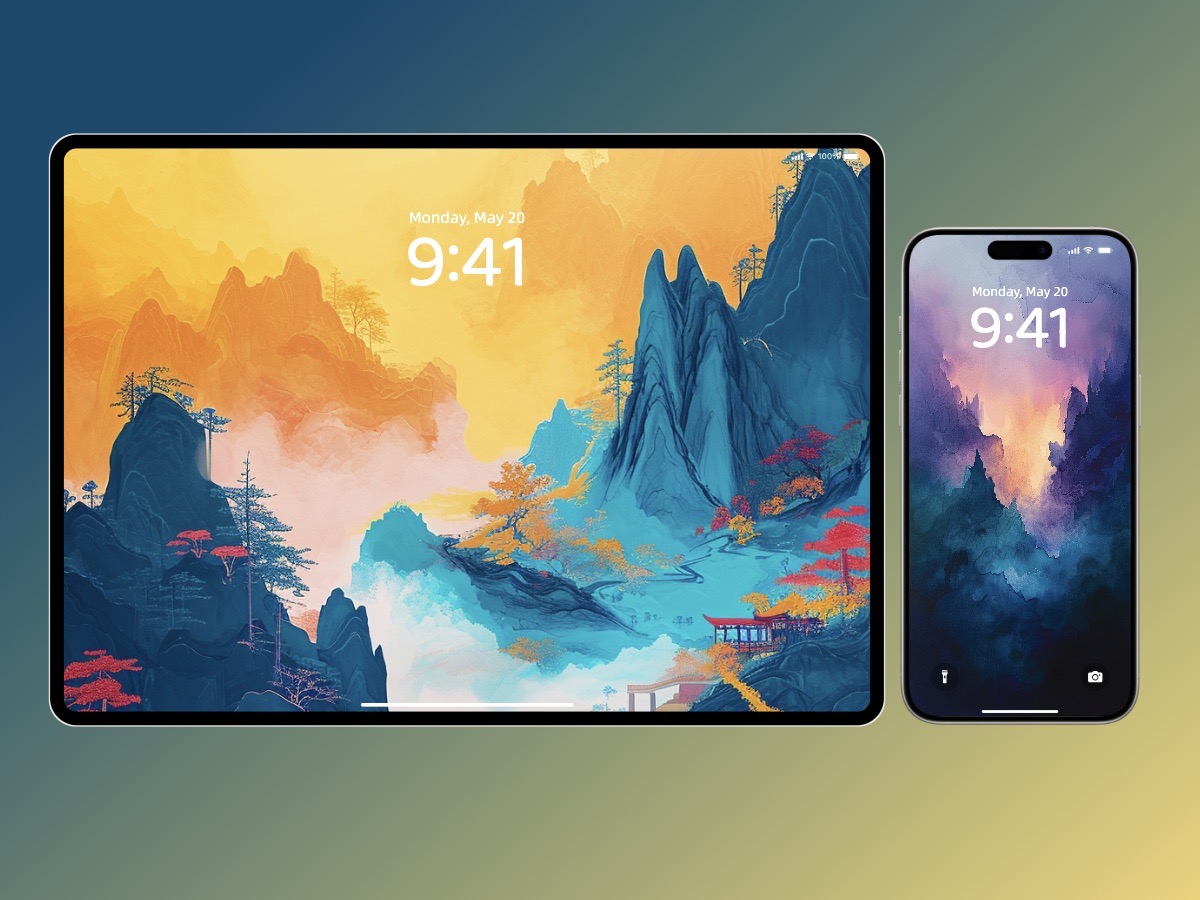

Imagine a world where nature’s grandeur is captured in vibrant hues and delicate strokes. Watercolor mountain landscape art brings this vision to life, blending the serene beauty of towering peaks with the fluidity of watercolor techniques. Each painting tells a story, from the misty valleys at dawn to the fiery sunsets over rugged terrains. The translucent layers create depth and movement, making you feel as if you’re standing right there, breathing in the crisp mountain air. Perfect for nature lovers and art enthusiasts alike, these pieces invite you to explore and get lost in the tranquil charm of majestic mountain vistas.
You can download all these wallpapers on Dejavu Wallpaper!
Experience the magic of AI in advance! Let the infinite imagination of AI decorate your screens, bring you fresh delights every day.


What is Watercolor?
Watercolor, a medium with a magical touch, brings a splash of vibrancy and fluidity to art. At its core, it involves mixing dry pigment with a binder like gum arabic, then adding water to create the perfect painting solution. This mixture is then gracefully applied to surfaces such as paper, vellum, or even ivory with a brush. As the water evaporates, the binder secures the pigment, leaving behind mesmerizing hues and delicate washes. Watercolor’s charm lies in its unpredictability and the beautiful, translucent layers it creates, making each artwork a unique masterpiece.
Why Is Watercolor So Effective for Landscapes?
Watercolor is renowned for its ability to create light, atmospheric effects, making it perfect for landscapes. Unlike oils or acrylics, watercolor’s transparency allows for the layering of colors, which can create a sense of depth and luminosity that mimics natural light. The medium’s fluidity also means that it can capture the movement and dynamism of nature, from flowing rivers to shifting clouds.
Historically, watercolor landscapes became popular during the 18th century, especially among English artists like J.M.W. Turner and John Constable. These artists were drawn to the medium’s ability to quickly capture the fleeting effects of light and weather, which was ideal for the often unpredictable English countryside. Turner’s expressive and atmospheric watercolors, in particular, are celebrated for their ability to convey both the majesty and the moodiness of natural landscapes.
How Do Artists Balance Control and Spontaneity in Watercolor Landscapes?
One of the most fascinating aspects of watercolor painting is the balance between control and spontaneity. Watercolor can be unpredictable – it spreads, blends, and reacts with the paper in ways that can be difficult to control. This unpredictability can be both a challenge and a source of inspiration for artists.
Many watercolorists embrace this spontaneity, allowing the paint to flow and create unexpected effects that can add to the natural, organic feel of a landscape. At the same time, a high level of skill and control is required to guide the medium and achieve the desired result. This balance is what makes watercolor such a dynamic and exciting medium for landscape painting.
What Inspires Modern Watercolor Landscape Artists?
Modern watercolor landscape artists draw inspiration from a variety of sources, from the natural world itself to the works of past masters. Environmental awareness and the beauty of untouched natural landscapes inspire many contemporary artists. The subtle interplay of light and color found in nature, combined with the artist’s personal vision and technique, continues to drive the evolution of watercolor landscape art.