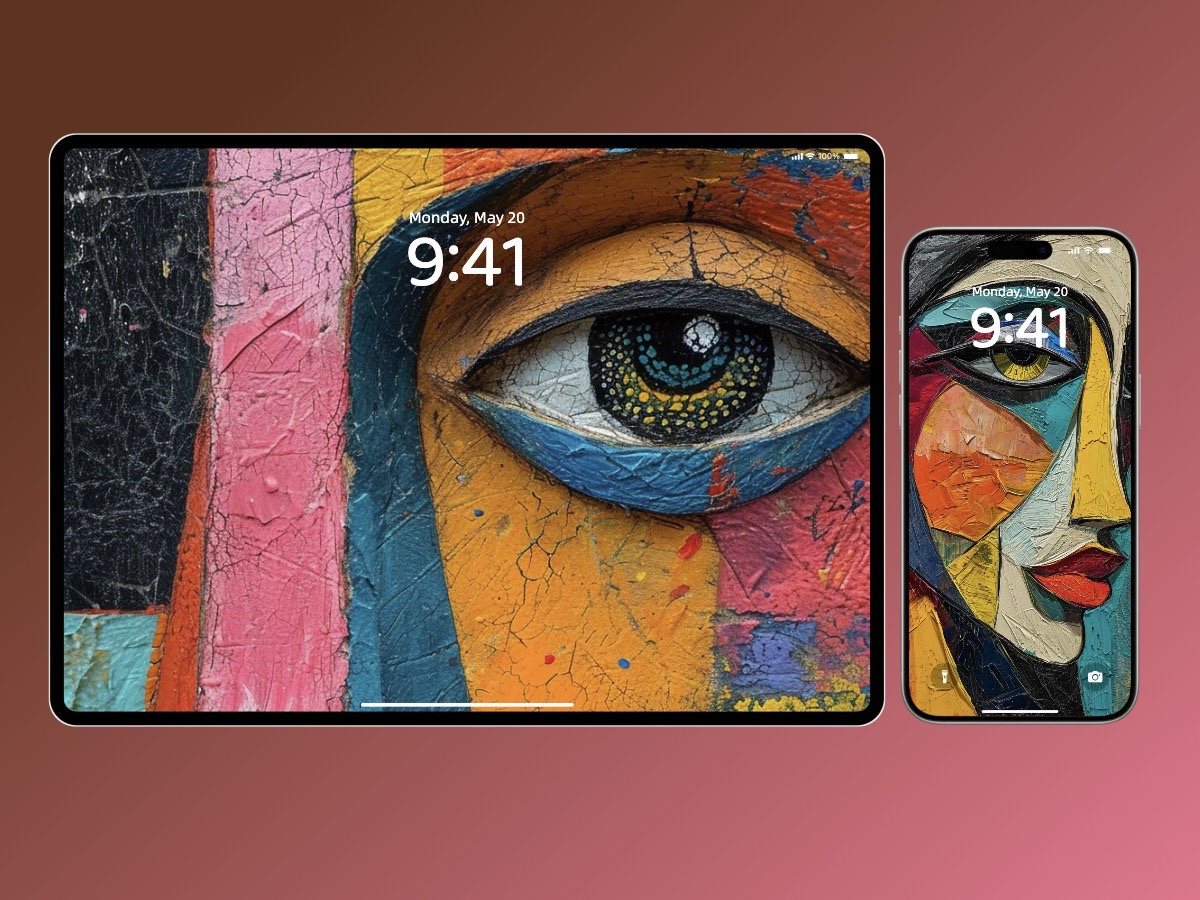

Imagine stepping into a world where shapes dance and colors sing—a world painted by none other than Pablo Picasso! His art style, especially Cubism, is like viewing reality through a kaleidoscope. Faces split into angles, eyes peek from unexpected places, and every corner tells a different story. Picasso wasn’t afraid to break the rules; in fact, he made his own! He transformed ordinary objects into geometric wonders, adding a twist of surreal magic to even the simplest scenes. It’s as if he took a pair of scissors to the fabric of reality and then glued it back together, but in a way that only he could envision. Picasso’s style is a playground of creativity, a celebration of the unexpected, and a reminder that art has no boundaries—only endless possibilities!
You can download all these wallpapers on Dejavu Wallpaper!
Experience the magic of AI in advance! Let the infinite imagination of AI decorate your screens, bring you fresh delights every day.


What are some fun facts about Picasso?
Picasso wasn’t just any artist; he was a rule-breaking, mold-smashing genius who could paint before he could speak! Known for his Blue Period, which began after the tragic loss of his dear friend, Picasso’s emotions poured onto the canvas in hues of blue, making sadness his muse. But his talents didn’t stop there—he dived into cubism, not just once but multiple times, reinventing the style with each brushstroke! His curiosity had no limits; he was mesmerized by African art and let it influence his work, transforming Western art forever. And did we mention his muses? Picasso’s life was filled with passionate relationships, inspiring some of his most famous pieces. So, whether he was reinventing cubism or turning tragedy into a masterpiece, Picasso always did it with flair, making sure the art world would never be the same again!
What are some Pablo Picasso’s famous art works?
Pablo Picasso, the legendary Spanish painter and sculptor, is known for a dazzling array of masterpieces that redefined modern art. His most famous works include “Guernica,” a powerful anti-war mural that captures the chaos and suffering caused by the Spanish Civil War. Then there’s the iconic “Les Demoiselles d’Avignon,” which shattered traditional perspectives and paved the way for Cubism with its bold, fragmented forms. Don’t forget “The Weeping Woman,” a vivid portrait that embodies raw emotion with its distorted features and vibrant colors. Picasso’s art is a rollercoaster of creativity—always surprising, always groundbreaking, and always leaving you wondering what’s coming next!
What inspired Pablo Picasso?
Pablo Picasso was a true artistic innovator, drawing inspiration from an unexpected source—African art. While he wasn’t the first artist to be influenced by non-Western art, Picasso took this inspiration to a whole new level. He didn’t just admire African art from afar; he engaged with it deeply, incorporating its bold shapes, forms, and symbolism into his work. This fusion of African elements with his own modernist approach led to the birth of a fresh, revolutionary aesthetic. So, in a way, Picasso didn’t just borrow from African art; he created a vibrant dialogue between two worlds, forever altering the course of modern art.
How did Picasso become so rich?
Pablo Picasso wasn’t just a brilliant artist; he was also a smart businessman! While his innovative artwork brought in plenty of cash, Picasso didn’t just sit back and paint. He invested in real estate, snapping up properties that added a solid financial foundation to his empire. Think of him as a painter with a plan—while his art was changing the world, his investments were quietly growing his wealth. From Parisian apartments to charming estates, Picasso knew that a brush wasn’t the only tool that could make him rich! It seems he was a maestro both in the studio and in the real estate market!