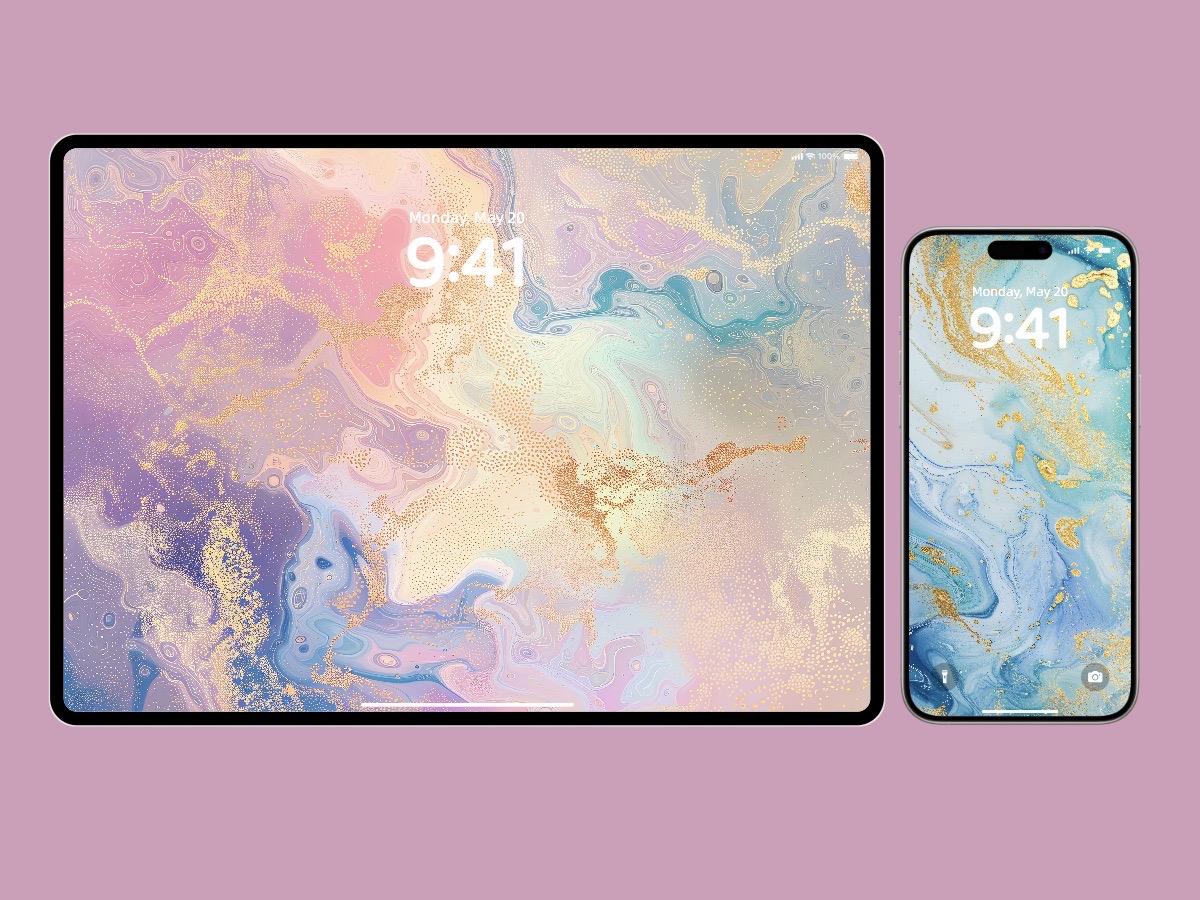

Abstract fluid painting is like a wild dance of colors and textures, where the canvas becomes a stage for chaos and creativity. Imagine swirling, dripping, and blending pigments that come together in mesmerizing, unpredictable patterns. It’s not about precise shapes or realistic details; it’s about letting the paint flow freely and watching what happens. Each piece is a spontaneous adventure, capturing the essence of movement and emotion in a vibrant, fluid form. Whether you’re seeing vibrant splashes or subtle washes, abstract fluid painting turns every stroke into an exploration of color and form, making each artwork a unique and dynamic expression of the artist’s imagination.
You can download all these wallpapers on Dejavu Wallpaper!
Experience the magic of AI in advance! Let the infinite imagination of AI decorate your screens, bring you fresh delights every day.


What is a fluid art?
What exactly is fluid art? It’s a dazzling technique that first made waves in the 1930s, and it’s all about letting paint flow freely! Instead of using brushes, artists mix acrylic paint with a thinning medium, then pour it onto a canvas. The magic happens as the paint swirls, blends, and dances across the surface, creating mesmerizing patterns and designs. Imagine turning a canvas into a colorful river where you control the currents with unexpected tools like straws and spatulas. Fluid art is like painting with a splash of spontaneity, where the outcome is as much a surprise to the artist as it is to the viewer!
How Did Fluid Art Become Popular?
Fluid art has its roots in the abstract expressionism movement of the mid-20th century. However, it gained mainstream popularity in the 2010s thanks to social media platforms like Instagram and Pinterest. Artists began sharing their vibrant and dynamic creations, and the technique quickly captured the public’s fascination. The ease of creating fluid art and the stunning visual results made it a hit among both amateur and professional artists.
Is fluid art the same as acrylic pour?
Is fluid art the same as acrylic pour? They’re closely related but not quite identical! Acrylic pouring is a specific type of fluid art, where you mix acrylic paint with a pouring medium and a bit of water to create those mesmerizing, swirling patterns. You can get crafty by making your own paint mix using glue, water, and a splash of colorant, or you can opt for store-bought acrylic paint if you’re short on DIY time. So, while all acrylic pouring is fluid art, not all fluid art involves acrylic pouring. It’s like saying all squares are rectangles, but not all rectangles are squares!
What Are the Key Techniques in Fluid Art?
Several techniques contribute to the allure of fluid art. One popular method is the “dirty pour,” where multiple colors are layered in a cup and then poured onto the canvas, resulting in a beautiful mix of hues. Another technique, known as the “swipe,” involves using a tool like a palette knife to drag through the paint, creating interesting textures and patterns. Each technique offers a unique way to explore color and form, making fluid art a versatile medium.
What Materials Are Essential for Fluid Art?
To create fluid art, you’ll need a few essential materials. Acrylic paints are the primary medium, combined with a pouring medium or flow extender to achieve the desired consistency. The choice of pouring medium can significantly affect the final result, influencing the paint’s flow and interaction. Artists also use various tools like palette knives, straws, and even blow dryers to manipulate the paint. Canvas or other surfaces, such as wood or paper, are also important to consider, as they can impact how the paint behaves.