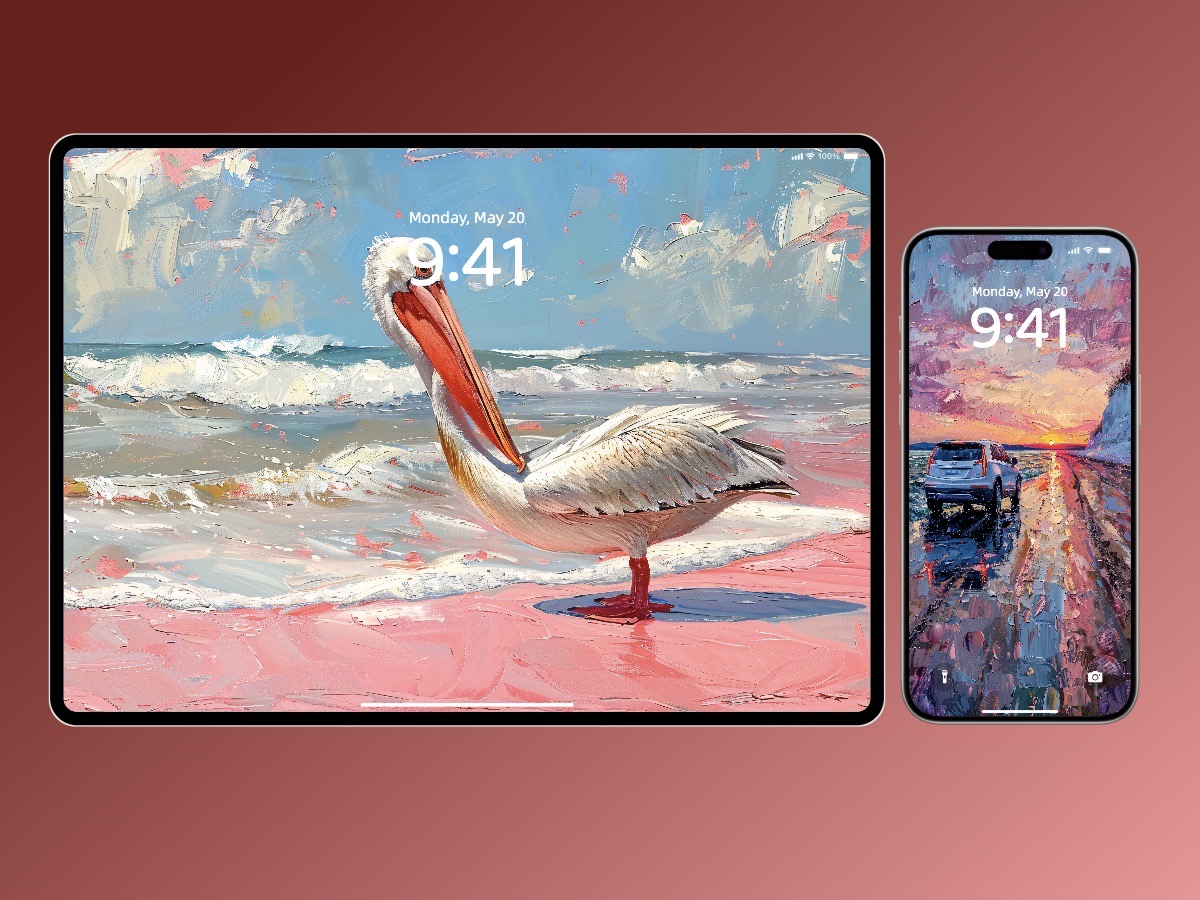

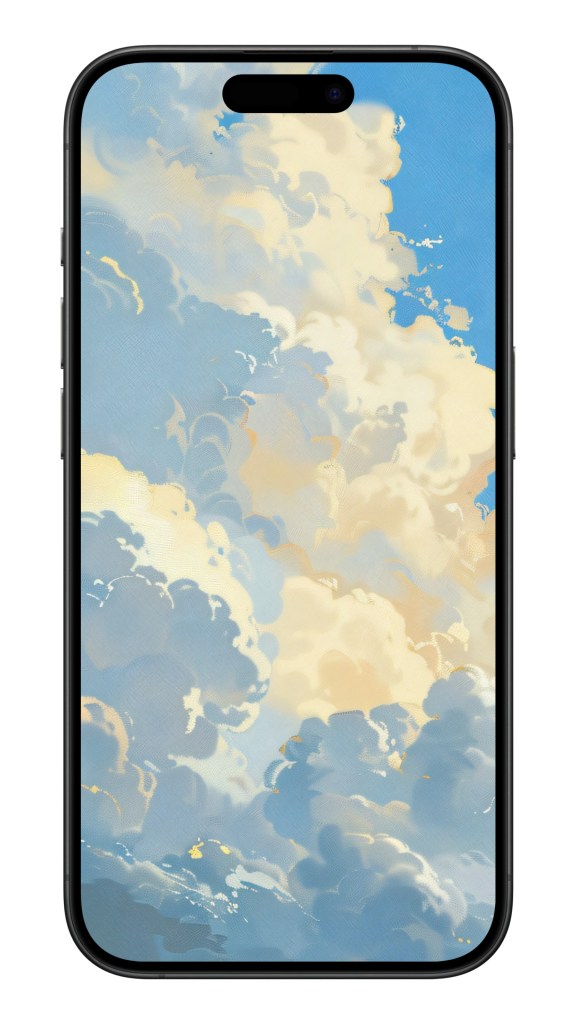
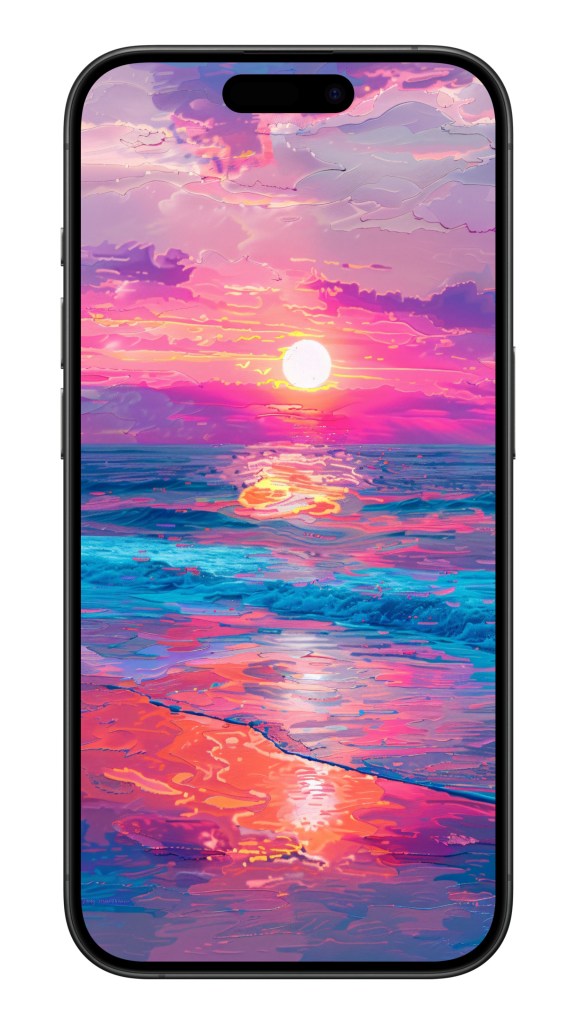
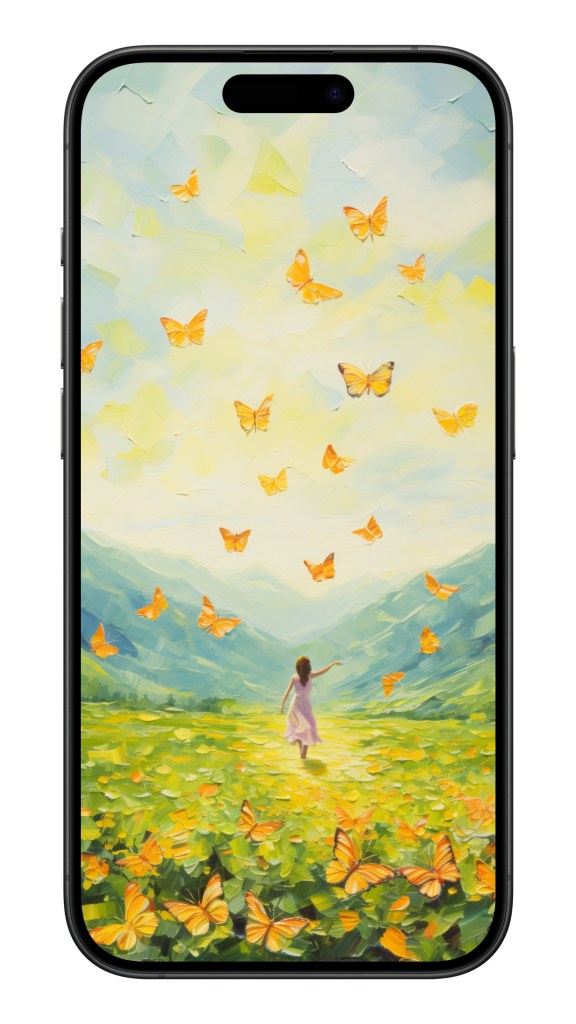
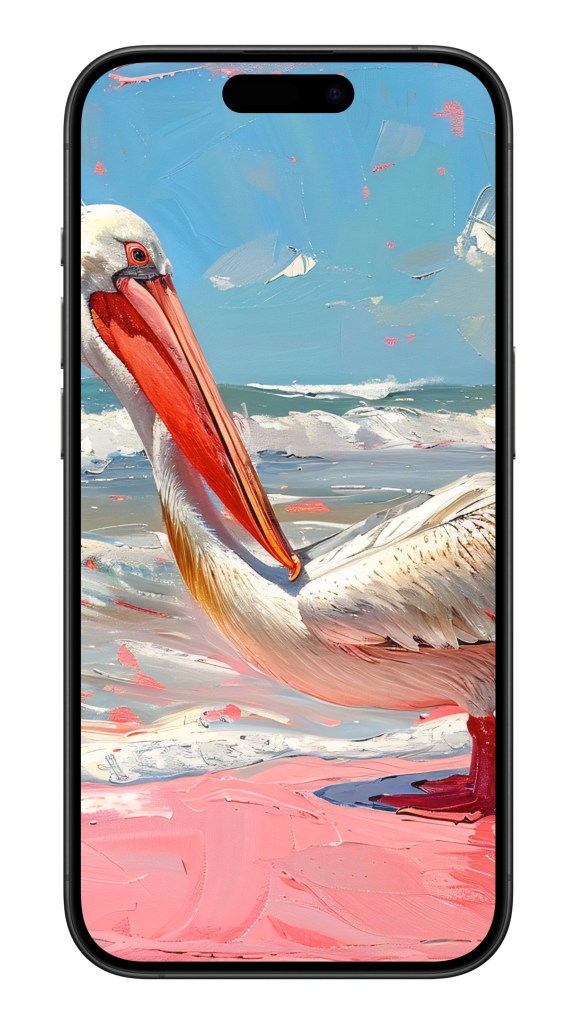
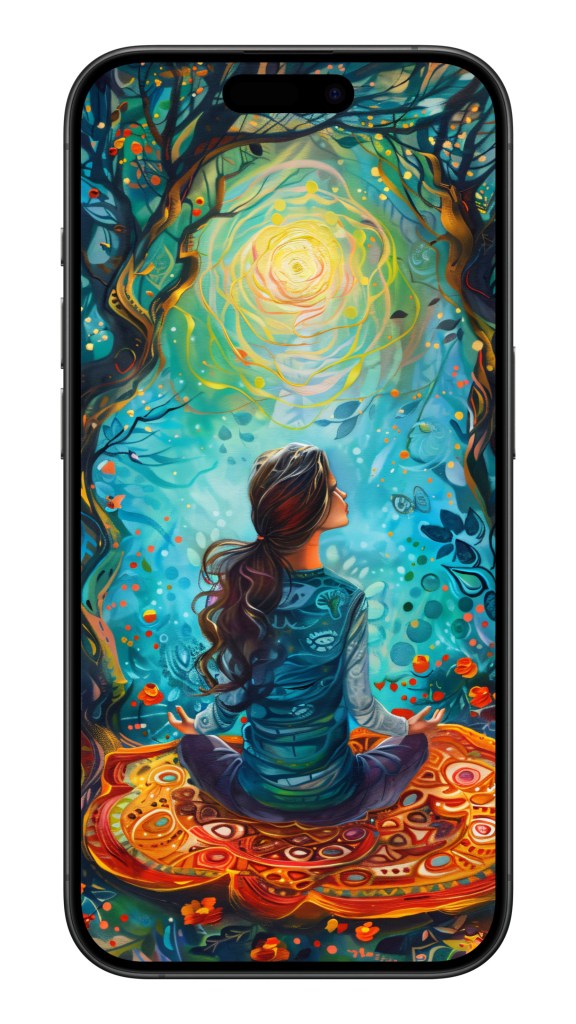
Dive into the whimsical world of Dreamy Aesthetic Impressionism Landscape Painting, where every brushstroke captures the enchanting essence of nature’s beauty. Imagine serene sunsets that bathe the sky in hues of pink and gold, misty mountains that whisper secrets of time, and tranquil lakes reflecting the boundless sky. This art form marries the dreamy with the real, creating landscapes that feel both familiar and fantastical. Each painting invites you to lose yourself in its soft, flowing colors and delicate details, evoking a sense of peace and wonder. It’s not just art—it’s a dreamy escape into a world where imagination meets nature.
You can download all these wallpapers on Dejavu Wallpaper:
Experience the magic of AI in advance! Let the infinite imagination of AI decorate your screens, bring you fresh delights every day.





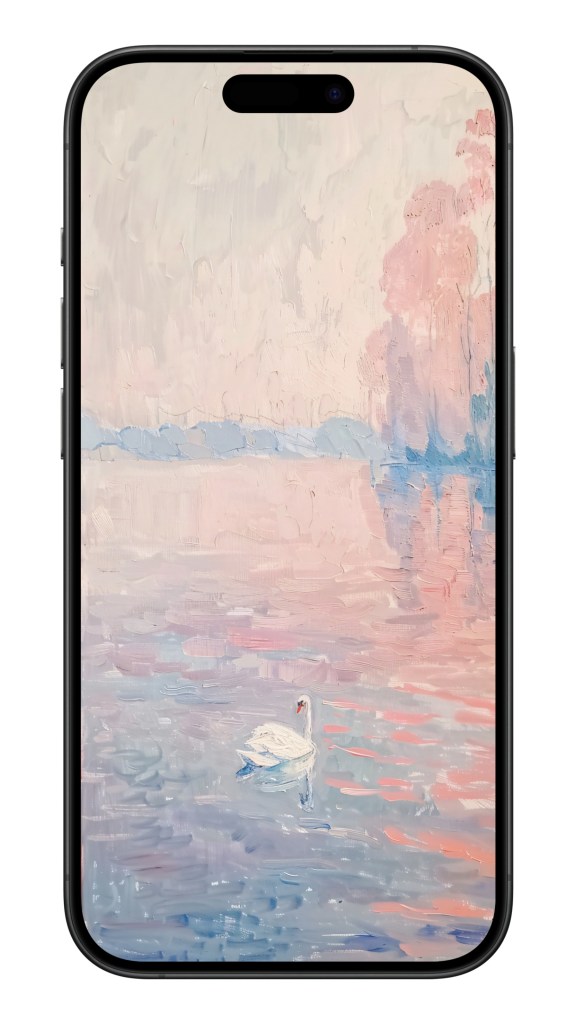
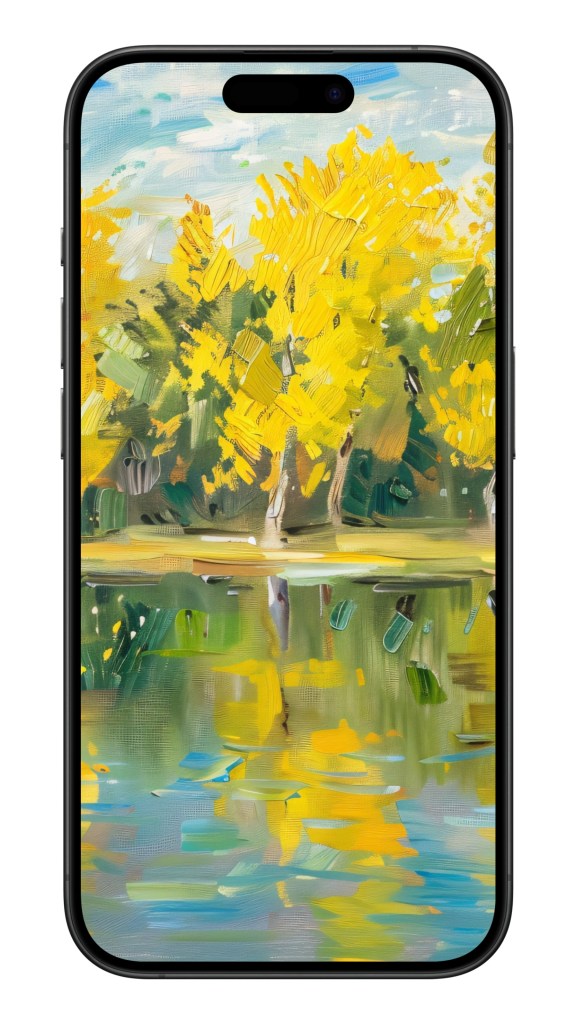
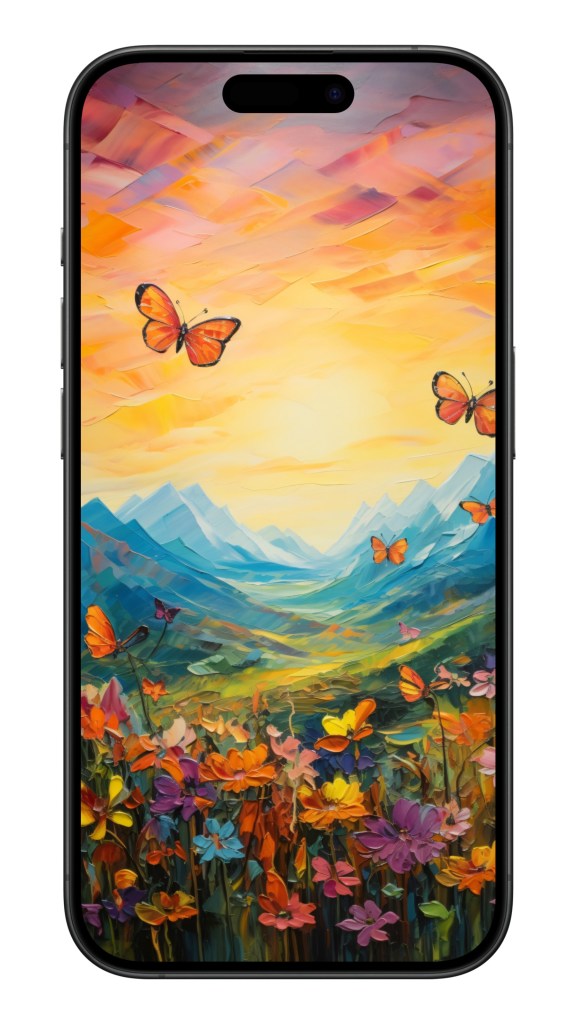
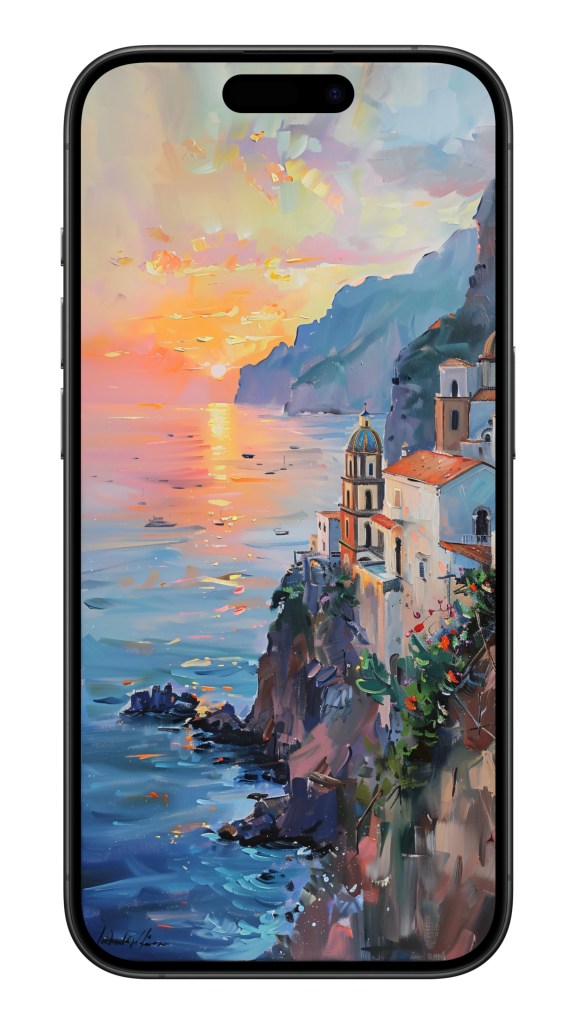

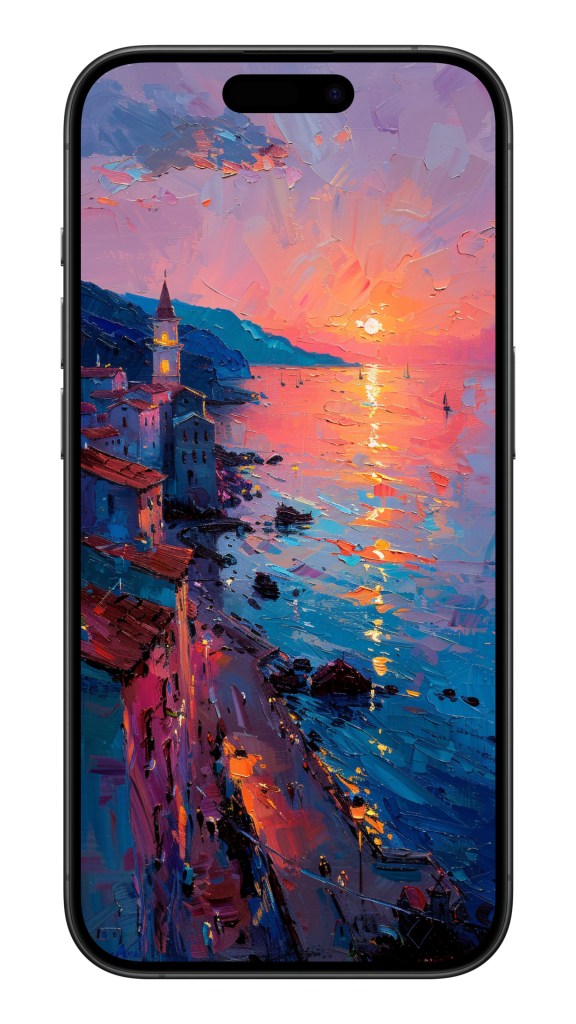
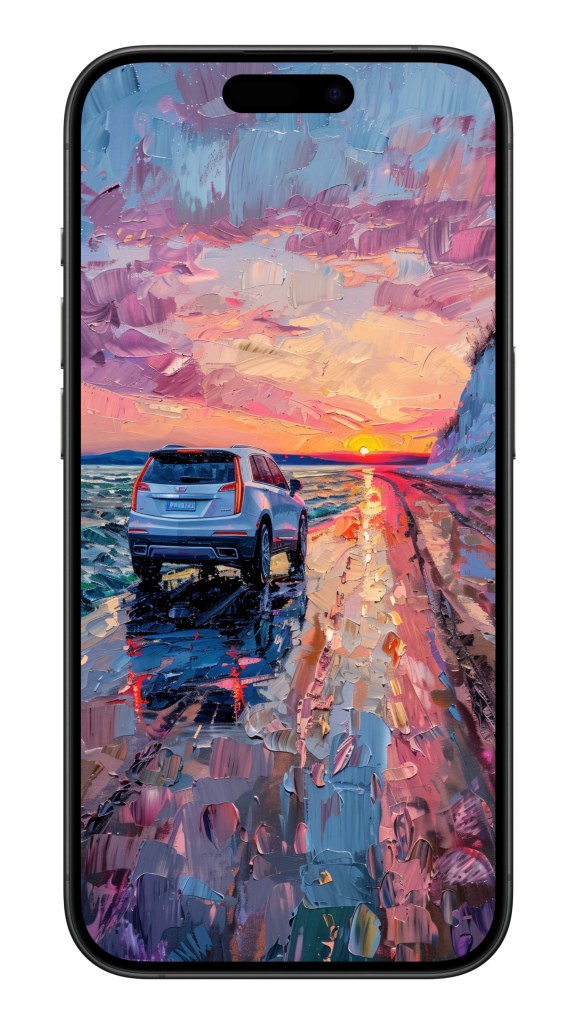
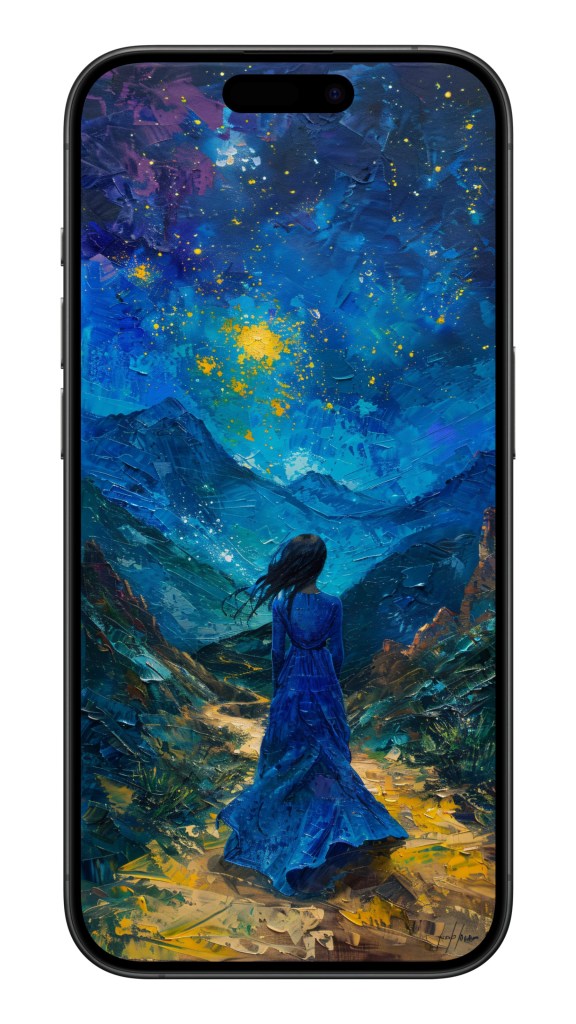
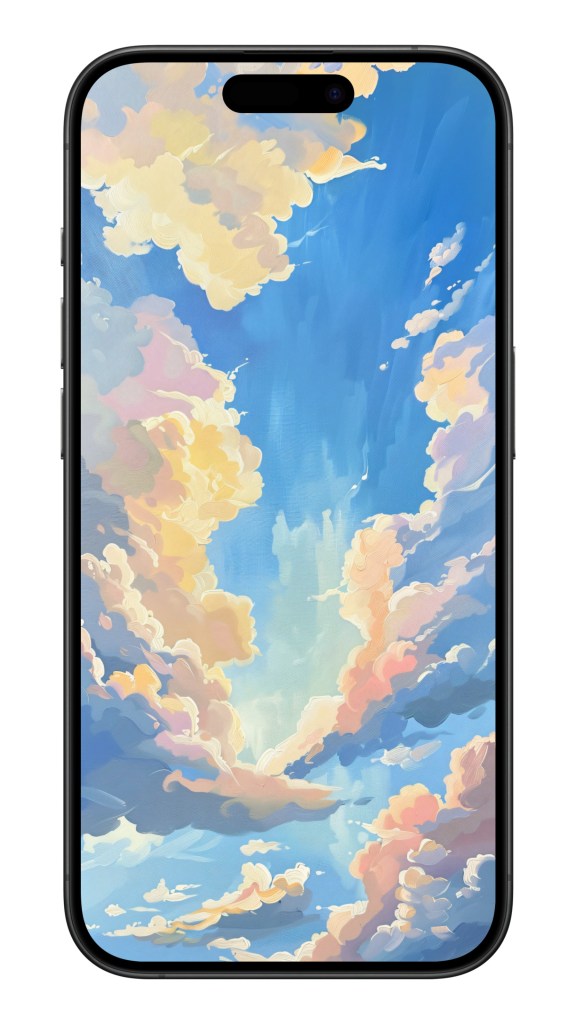
What is Impressionism landscape?
Impressionism landscape is like taking a snapshot of nature with a paintbrush! Before this movement, artists would dream up perfect, imaginary landscapes in their studios. But the Impressionists shook things up by painting outside, capturing the ever-changing light and colors of the real world. Imagine artists with their easels, braving the elements, painting thick, lively strokes to portray how the scene looked in that exact moment. Their work is full of energy and spontaneity, reflecting the beauty of nature in a fresh, vibrant way. Impressionism is all about feeling the moment and seeing the world through the artists’ eyes as they stood amidst the scenery!
What are the special interest of the Impressionist to paint landscape?
Impressionists were fascinated by landscapes because they offered the perfect canvas to capture the fleeting beauty of nature. The term “landscape” originates from the Dutch “landskip,” and today, it instantly evokes the image of an Impressionist painting: soft, dreamy scenes bathed in vibrant colors, gently brushed surfaces, and sunlight dancing across the canvas in broken brushstrokes. They aimed to capture the ever-changing effects of light and atmosphere, portraying moments of everyday life with a sense of immediacy and emotion. For Impressionists, painting landscapes was not just about depicting a place, but about conveying the ephemeral beauty and tranquility found in nature’s moments.
Why did Impressionists paint outdoors?
Why did the Impressionists take their easels outside? Well, it all started with their obsession with capturing light in all its fleeting glory. These artists were like adventurers, stepping out of the cozy confines of their studios to paint en plein air. Picture them, palettes in hand, racing against time as the sun played hide and seek. The ever-changing daylight pushed them to mix colors on the fly and paint swiftly, adding a vibrant spontaneity to their work. Their outdoor escapades resulted in those dreamy, sun-dappled scenes we all love. So, next time you see an Impressionist masterpiece, imagine the artist chasing the sun, brush in hand!
What is the difference between impressionism and plein air?
Impressionism and plein air painting are closely related but distinct in their focus and techniques. Impressionism, born in the late 19th century, is famous for its quick, visible brushstrokes that capture the essence of a moment, often highlighting landscapes and everyday life. It’s like a snapshot in paint, emphasizing the play of light and color. On the other hand, plein air, which means “open air” in French, refers to the act of painting outdoors directly from nature. While the Barbizon School pioneered this approach, creating charming French landscapes, the Impressionists took plein air further. They used it to delve into the fleeting qualities of sunlight, making each scene burst with a fresh, spontaneous feel. So, think of impressionism as the style and plein air as the method—a perfect pair in the art world!