

What is marbled art?
Marbled art, or marbling, is a mesmerizing technique that transforms plain paper or fabric into swirling tapestries of color. Imagine droplets of paint dancing on the surface of water, merging into vibrant, fluid patterns that resemble polished stone or frothy waves. Originating from Turkey, where it’s known as ebru, this craft involves carefully placing a medium onto water, manipulating it into intricate designs, and then gently pressing a material onto the surface to capture the floating artwork. Each piece is a unique, unrepeatable masterpiece, reflecting the unpredictable beauty of liquid dynamics and artistic ingenuity.
↓Swipe to View All!↓


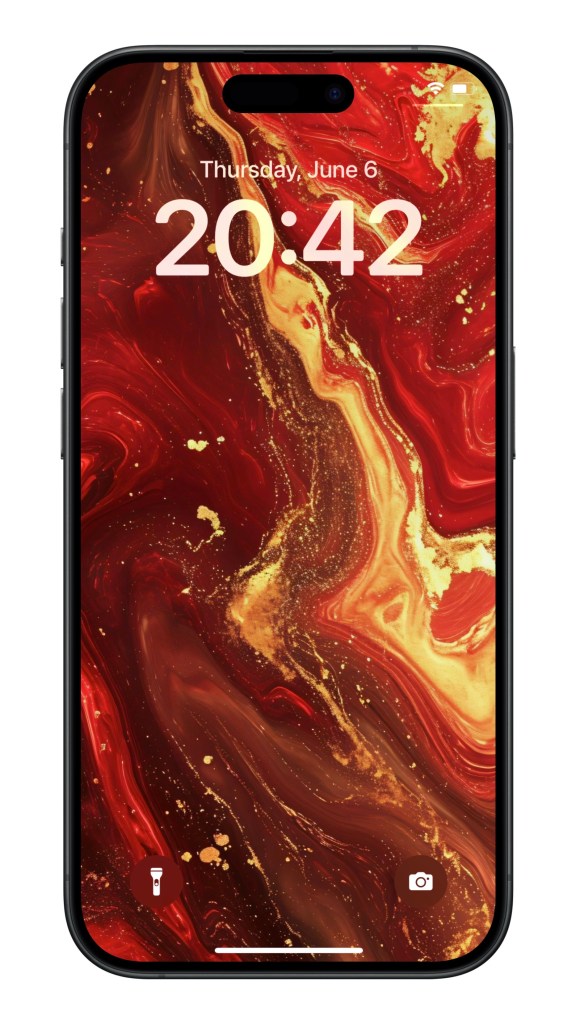

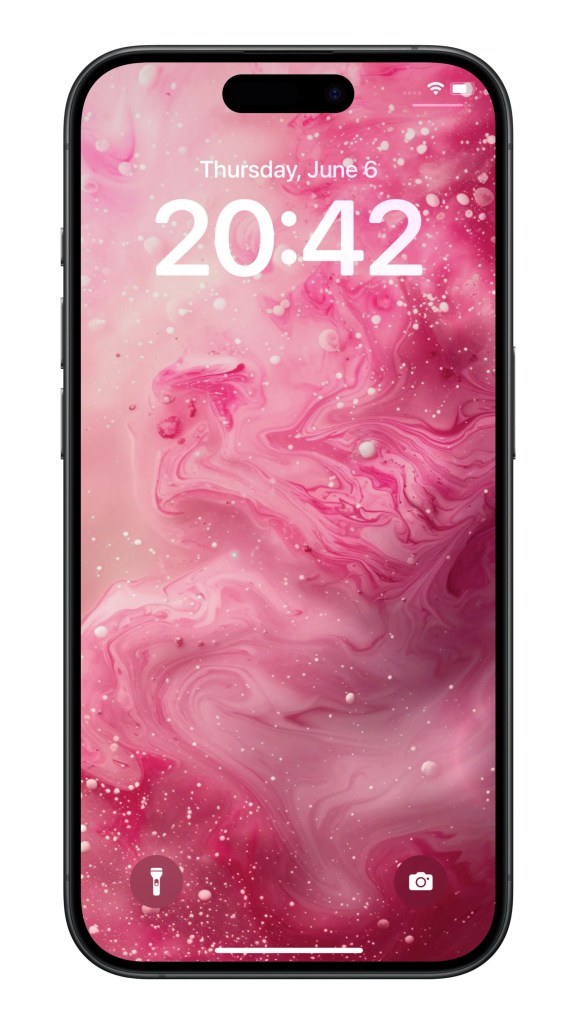
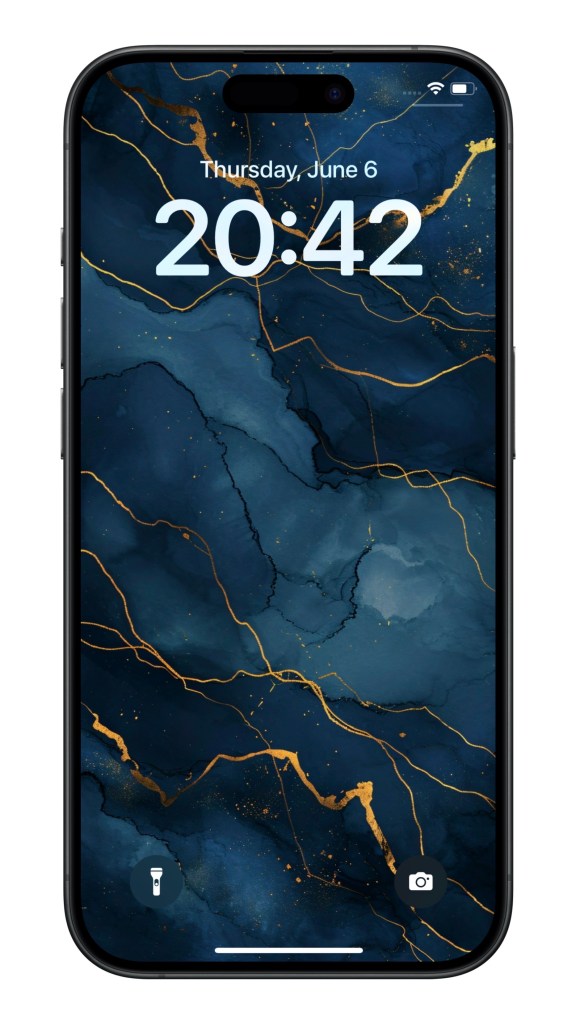
You can download all these wallpapers on Dejavu app:
Experience the magic of artificial intelligence in advance! Let the infinite imagination of AI decorate your phone, bringing you fresh delights every day.


How do you make marbling art?
Creating marbled paper is like performing magic on water! Here’s how you can conjure up your own mesmerizing designs. Start by making a water bath mixed with a thickening agent like carrageenan; this helps the paint float. Then, prepare your paper by brushing it with an alum solution to ensure the paint will adhere. Now comes the fun part: splatter paint onto the water’s surface. The paint will float and spread, forming unique, swirling patterns. Use tools like combs or sticks to manipulate the colors, creating intricate designs. Finally, gently lay your primed paper on the water to transfer the marbled masterpiece. Voilà! You’ve created art that’s one-of-a-kind and utterly enchanting.
What paint do you use for marbling?
For marbling, a popular choice is acrylic paint, known for its vibrant colors and versatility. The traditional marbling method, with roots in Europe and Turkey, involves creating a “size” – a mixture of water and a thickening agent, traditionally carrageenan. This gooey substance allows the paint to float on the surface. While acrylics are favored for their brightness and ease of use, marbling can also be done with oil paints, which offer a rich, glossy finish, as well as watercolors and gouache for softer, more delicate effects. Each type of paint brings its own unique character to the mesmerizing art of marbling.