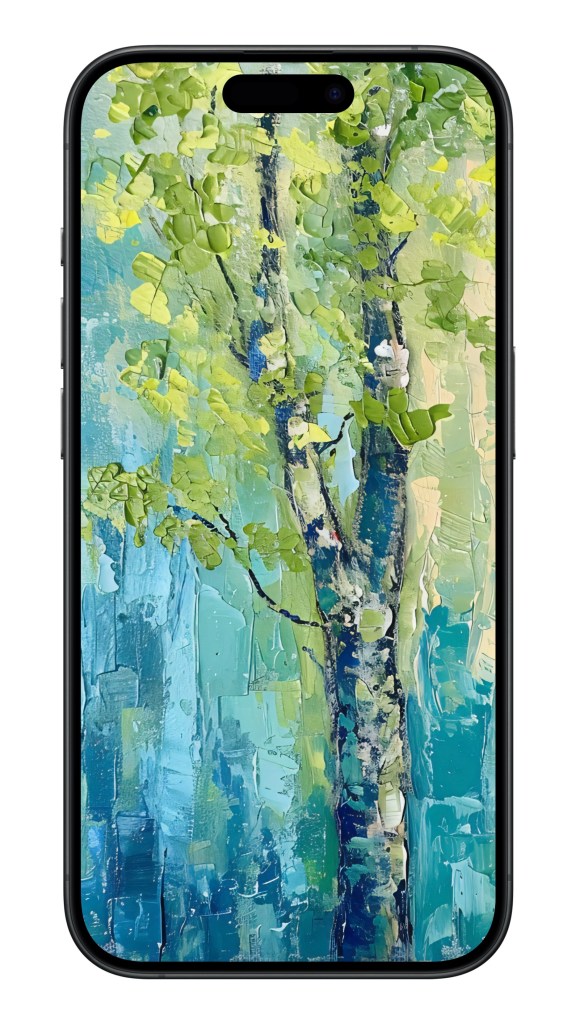
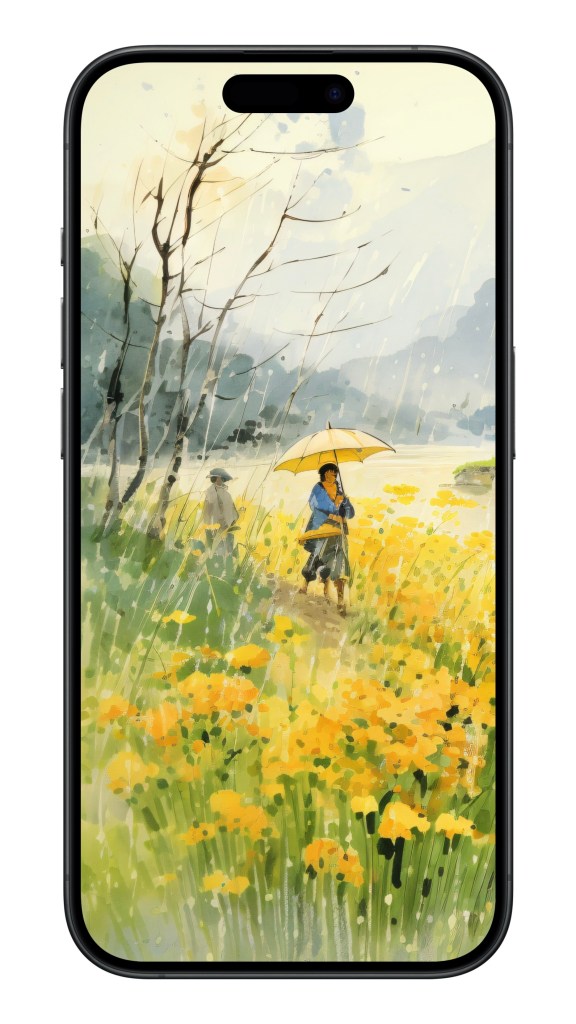
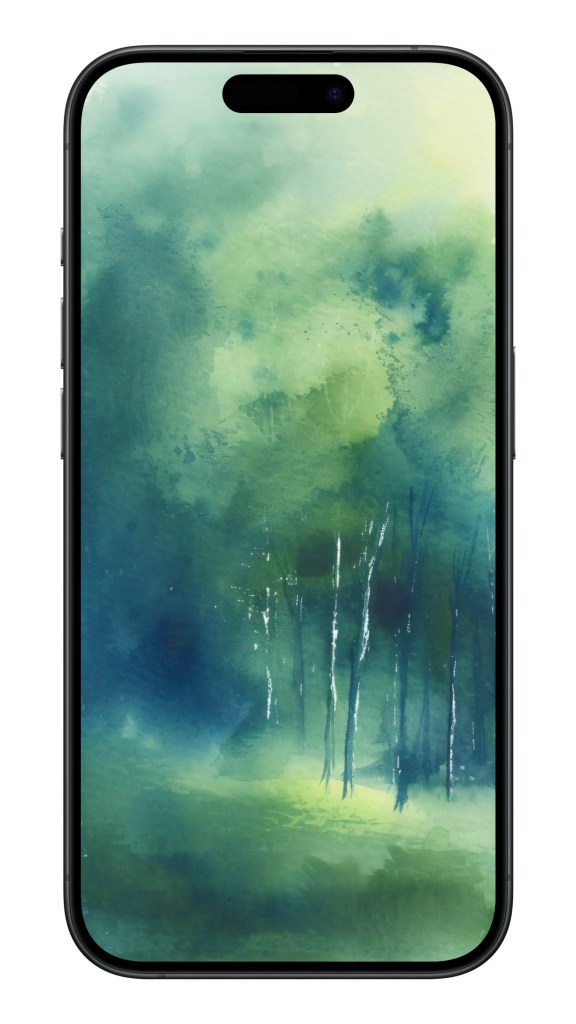
In the realm of art, minimalist watercolor painting emerges as a delicate dance of simplicity, purity, and clarity. Stripping away excess details and colors, it brings forth the essence of themes and emotions, revealing the heart of each piece. Beneath its apparent simplicity lies a mastery of technique and a profound observation of nature’s subtleties. Here, we celebrate a few luminaries whose minimalist watercolor masterpieces have left an indelible mark on this art form.
Joseph Zbukvic, an internationally revered watercolor artist, is celebrated for his exquisite handling of light and atmosphere. Through his minimalist approach, Zbukvic captures the serene beauty of natural landscapes with refined brushstrokes and a restrained palette. His paintings, often imbued with a dreamlike quality, invite viewers into a tranquil, poetic world.
John Singer Sargent, though best known for his oil paintings, created a significant body of minimalist watercolors. These works distill the essence of nature into simple compositions and fluid brushwork. Sargent’s watercolors, depicting landscapes and figures from his travels, exude an air of spontaneous creativity and unfettered freedom.
Andrew Wyeth stands as another pillar of minimalist watercolor art. His paintings evoke the quiet solitude of rural America, rendered with subtlety and power. Wyeth’s use of minimal colors and clean lines conveys deep emotions and philosophical reflections, capturing the soul of the natural world.
Through their minimalist watercolor creations, these artists transform complex landscapes and human emotions into a simple yet profoundly expressive visual language. Their works are not only a testament to their artistic prowess but also a deep homage to the beauty and intricacies of nature and life.
You can download all these wallpapers on Boring Day app:



What artwork represents spring?
“Primavera,” also known as the “Allegory of Spring,” is a breathtaking masterpiece by Sandro Botticelli, painted around 1482. This enchanting artwork brings the season of spring to life with a tapestry of mythological figures. At the heart of the scene stands Venus, the goddess of love, radiating tranquility and grace. To her right is Flora, the goddess of flowers, depicted in the act of scattering blossoms. The painting also features Zephyrus, the god of the west wind, who pursues the nymph Chloris. As Chloris transforms into Flora, the painting beautifully captures the essence of spring’s renewal and blossoming. Botticelli’s “Primavera” is a timeless celebration of nature’s rebirth and the harmonious dance of mythology and art.
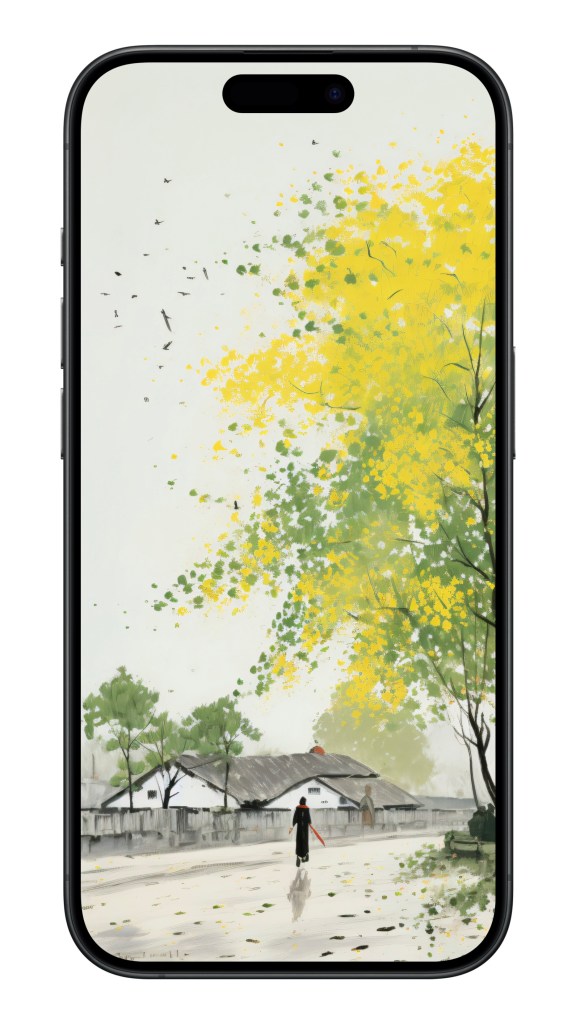
What famous artist uses watercolor?
Watercolor painting, known for its delicate and translucent qualities, has played a significant role in art history. Renowned artists such as J.M.W. Turner, Winslow Homer, and John Singer Sargent have all embraced this medium, each bringing unique styles and innovations. Turner, for instance, used watercolor to capture the ethereal beauty of landscapes and seascapes, creating works that are still celebrated today. Homer’s watercolors often depicted the rugged coastlines and rural life of America, showcasing his mastery in capturing light and movement. Sargent, famed for his portraits, used watercolor to paint spontaneous and vibrant scenes, highlighting his versatility. Watercolor’s importance lies in its ability to convey both subtlety and intensity, making it a beloved medium among artists and art enthusiasts alike.

What does spring symbolize in art?
Spring in art symbolizes a vibrant tapestry of renewal and rejuvenation. Artists have long celebrated this season as a time of youth, beauty, and love. The fresh greens and blossoming flowers represent new beginnings and growth, painting a picture of the world awakening from its winter slumber. Spring is often depicted with images of budding flowers, lively landscapes, and playful scenes that capture the essence of life’s cyclical nature. This season’s spirit infuses art with a sense of optimism and hope, reminding us of the endless possibilities that come with each new beginning.