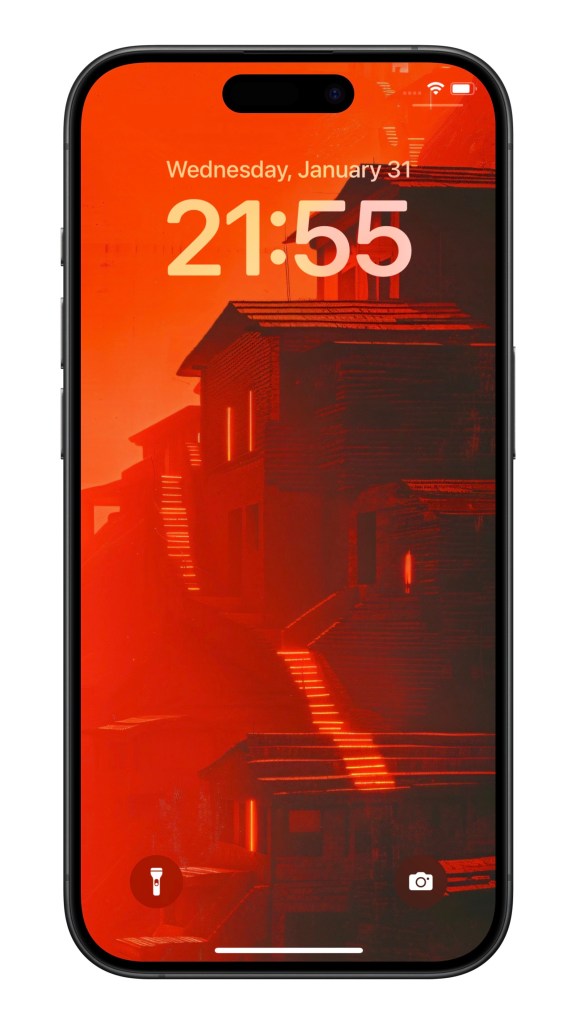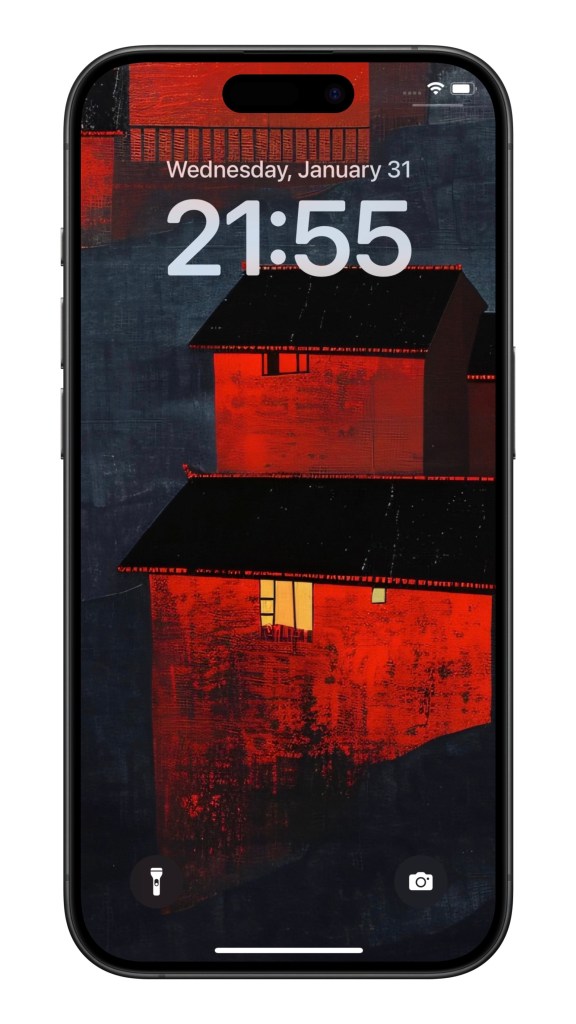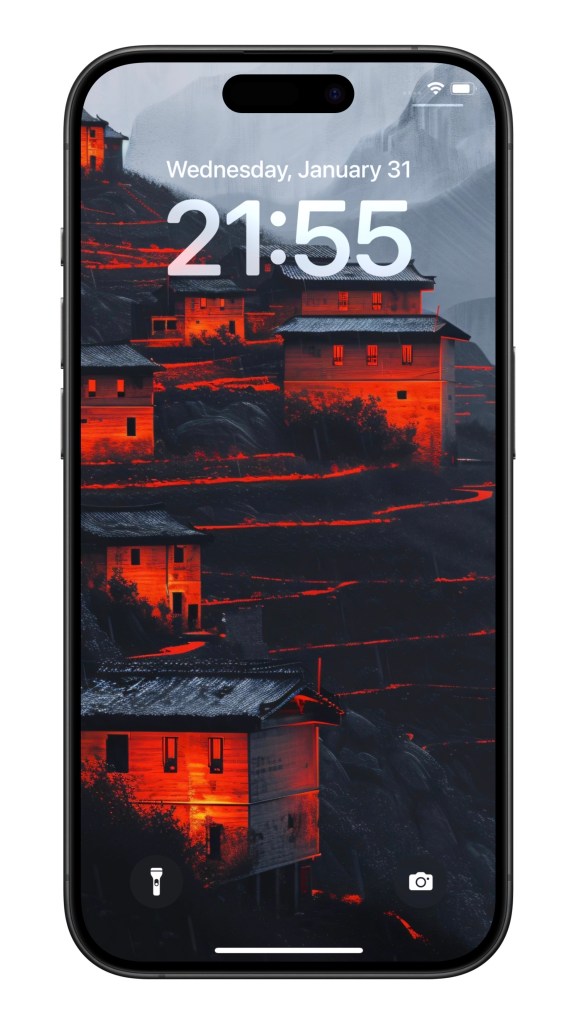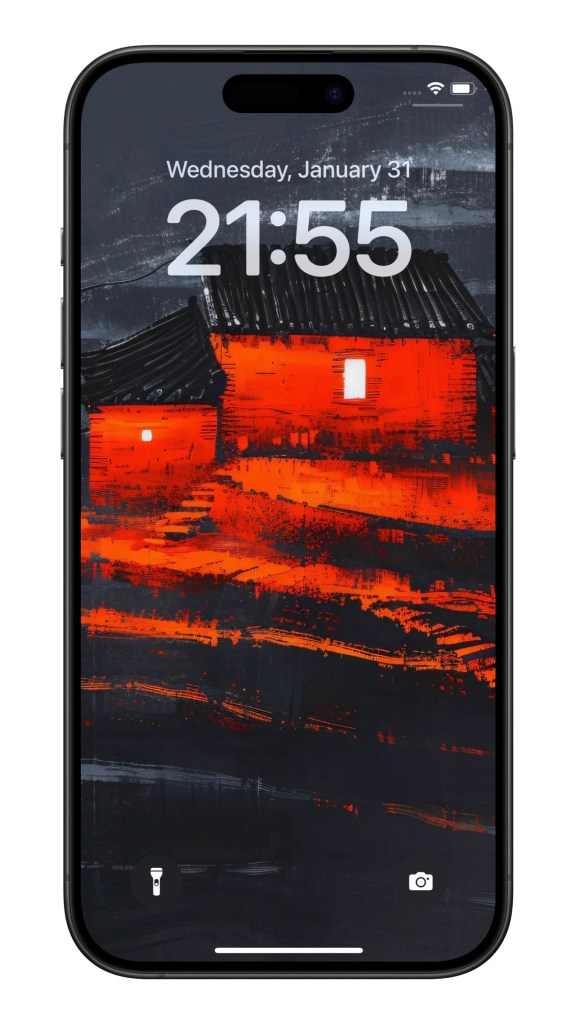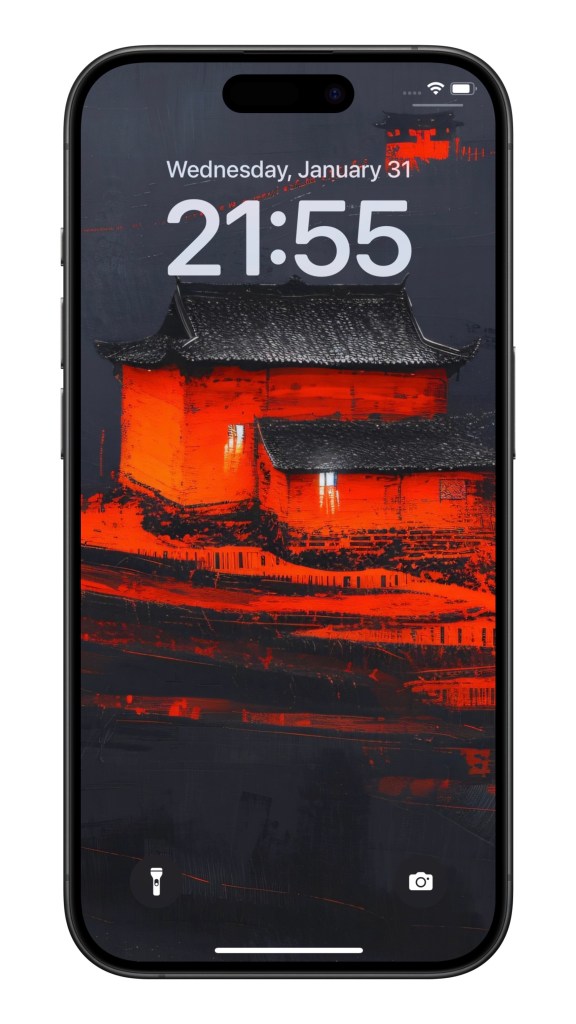
Discover the captivating world of Chinese Red Houses through our stunning wallpaper illustration. Inspired by the rich cultural heritage of China, these houses are architectural marvels that showcase the unique blend of traditional and modern design elements.
Chinese Red Houses, also known as “hong cun” in Mandarin, are a distinctive style of rural dwellings found in various regions of China. This architectural style is characterized by the use of red paint, intricate woodwork, and traditional courtyard layouts. Each house tells a story of the local community, reflecting the history, customs, and traditions of the people who inhabited them.
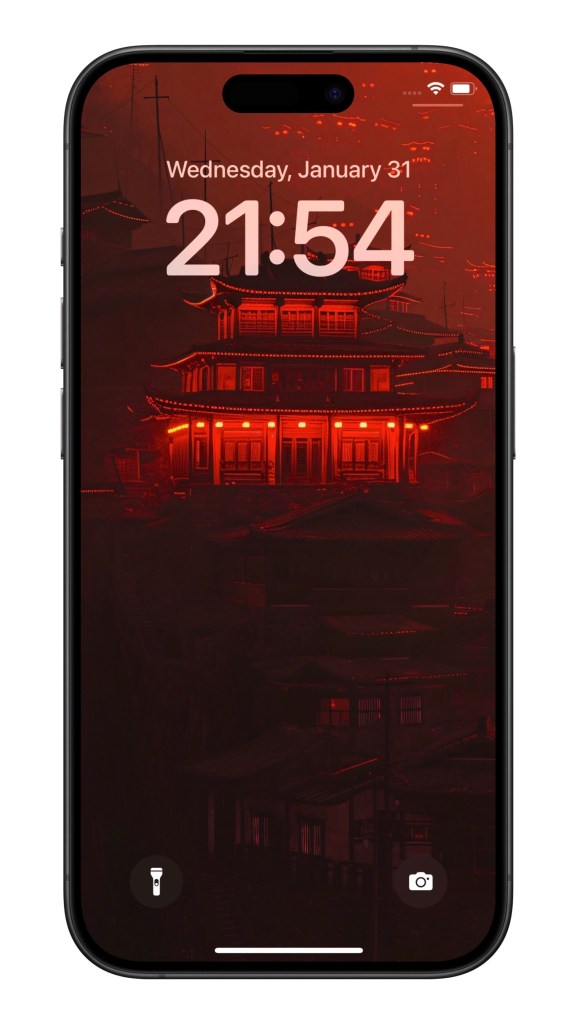
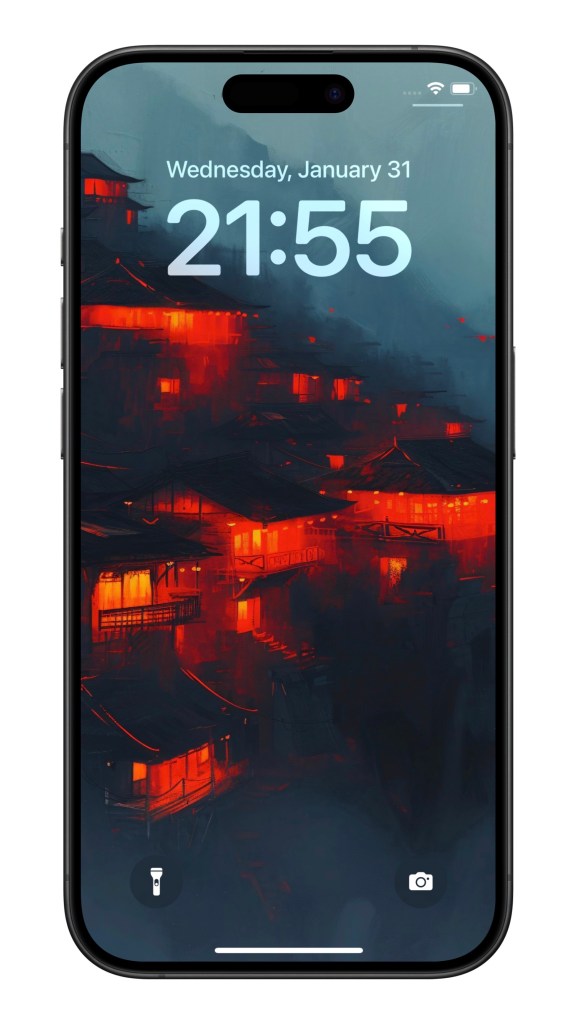
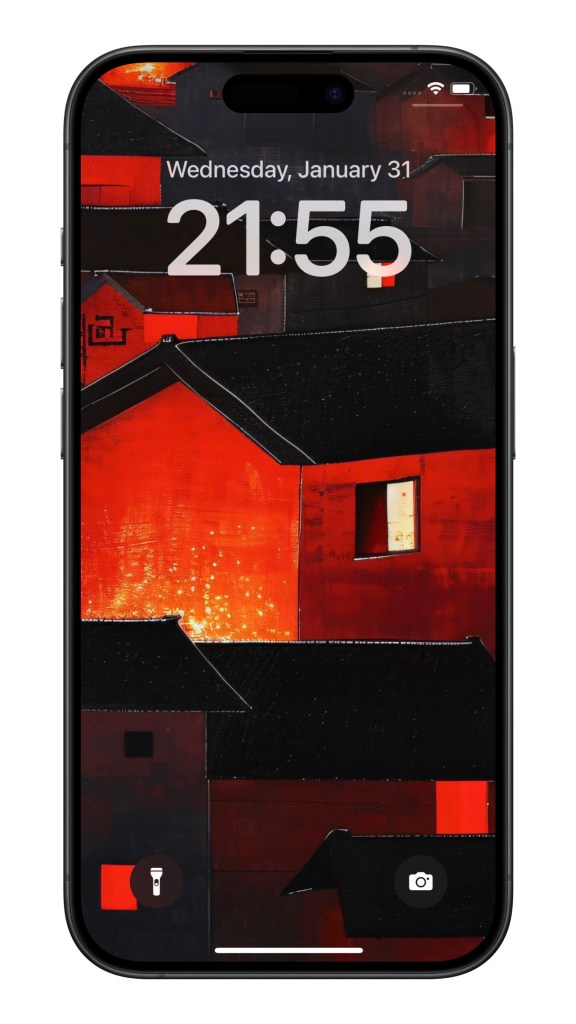
Our wallpaper illustration captures the essence of Chinese Red Houses, transporting you to a bygone era filled with charm and cultural significance. Immerse yourself in the intricate details of the woodcarvings, the vibrant colors of the red walls, and the tranquil beauty of the courtyards. This collection pays homage to the craftsmanship and ingenuity of the architects and artisans who created these architectural gems.
You can download all these wallpapers on Boring Day:


What is a Chinese house called?
In China, traditional houses are referred to as “Siheyuan” or “Shikumen” depending on the region. “Siheyuan” is specific to Beijing and refers to a traditional courtyard house design characterized by a square or rectangular layout with buildings surrounding a central courtyard. On the other hand, “Shikumen” is a style of traditional house unique to Shanghai. These houses are characterized by a stone arch at the entrance and typically have two or three stories. They often feature a narrow front courtyard protected by a high brick wall.
What is the typical house in China?
The typical house in China can vary depending on the region and historical period. However, one common type of traditional Chinese house is the courtyard dwelling, which is often shared by one family. These courtyard houses are considered a quintessential example of traditional Chinese architecture.
In Beijing, for example, courtyard residences have been the norm since the Yuan dynasty. These houses are characterized by a central courtyard space surrounded by buildings on all sides. The courtyard serves as a gathering area for family activities and provides natural light and ventilation to the surrounding rooms. The layout of the courtyard house typically follows a three-bay structure, with rooms arranged along the sides of the courtyard.
It’s important to note that with modernization and urbanization, the architectural landscape of China has evolved, and various types of houses, including high-rise apartments and modern Western-style homes, are now common in urban areas. However, the concept and design principles of the traditional courtyard house continue to hold cultural and historical significance in China.
What type of houses do they have in China?
China exhibits a diverse range of traditional and regional house styles. Here are some notable types of houses found in China:
- Siheyuan: Siheyuan is the traditional Chinese courtyard house. It features a square or rectangular layout with buildings surrounding a central courtyard. This style is commonly seen in Beijing.
- Yaodong: Yaodong refers to cave dwellings found in areas like the Loess Plateau. These houses are carved into hillsides and offer natural insulation, protecting inhabitants from extreme temperatures.
- Tulou: Tulou refers to circular or rectangular earthen buildings found in Fujian province. These fortified structures, often multi-story, were traditionally built to house entire clans or extended families.
- Mongolian Yurt: The yurt is a portable dwelling used by Mongolian nomads on the grasslands. It features a circular shape and a collapsible wooden frame covered with felt or animal skins.
- Diaolou: Diaolou are castle-like towers found in the Guangdong province. They were built as defensive structures and residential buildings, showcasing a unique fusion of Chinese and Western architectural influences.
- Bamboo Building: Bamboo buildings are traditional houses found in tropical regions like Yunnan and Guangxi. These structures utilize bamboo as a primary construction material, offering a sustainable and eco-friendly dwelling.
These are just a few examples of the diverse house styles found in China, reflecting the country’s rich cultural and geographical diversity.

What is the traditional Chinese style of house?
The traditional Chinese style of house is known as “Siheyuan” (四合院), which translates to “quadrangle courtyard.” It is a type of courtyard house that was commonly found in ancient China. Here are some key features:
- Central Courtyard: Siheyuan houses are centered around a courtyard, which serves as the main gathering space for the family. The courtyard is surrounded by buildings on all four sides.
- Enclosed Yard: The main residence is typically flanked by smaller rooms and walls, enclosing the yard and creating a private and secure space.
- Orientation: The windows and doors of the buildings face the courtyard, allowing for natural light and ventilation. The courtyard serves as the focal point of the house.
- Multigenerational Living: Siheyuan houses were designed to accommodate extended families, usually spanning three generations. The layout and arrangement of rooms catered to the needs of a large family unit.
These traditional houses were not only functional but also reflected the hierarchical structure and values of Chinese society. They emphasized family unity, privacy, and communal living. While Siheyuan houses are still found in some areas, especially in historic neighborhoods, modern urbanization has led to a shift towards other types of housing in many parts of China.