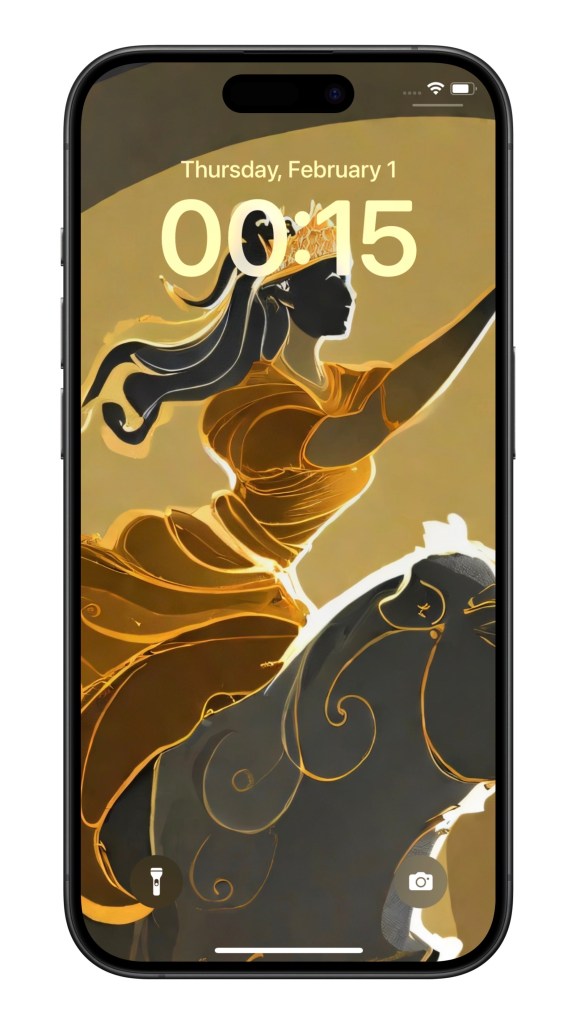
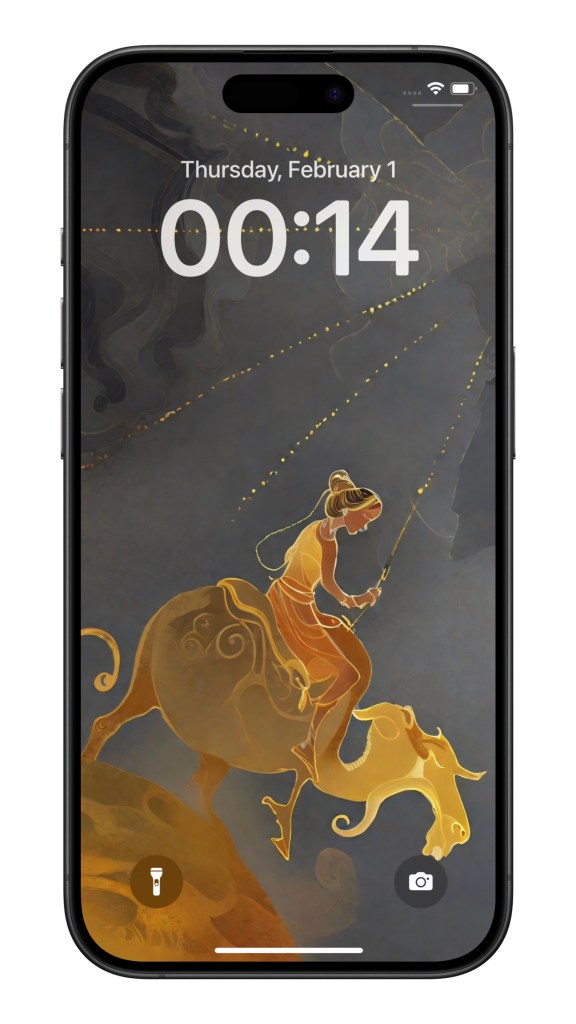
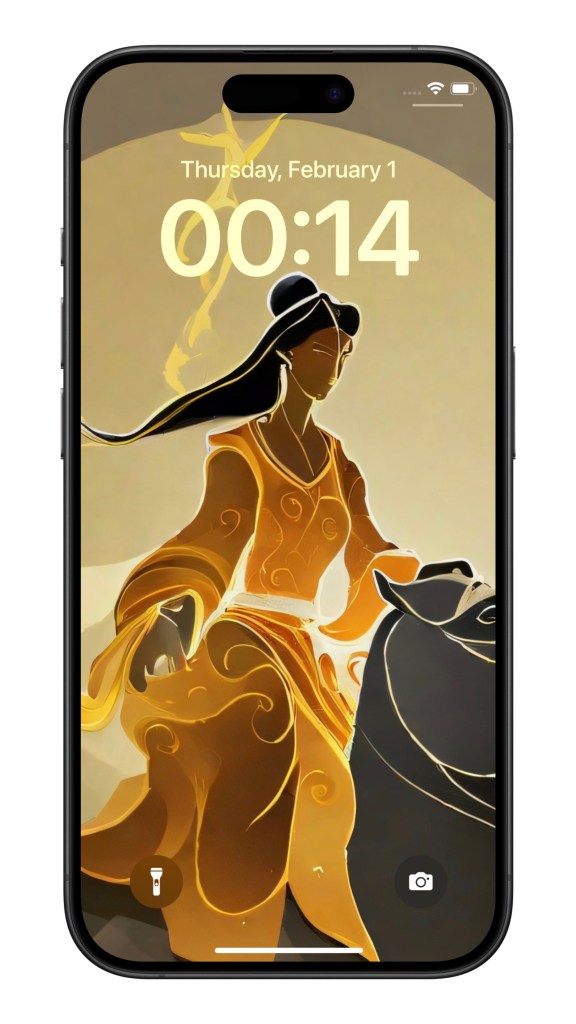
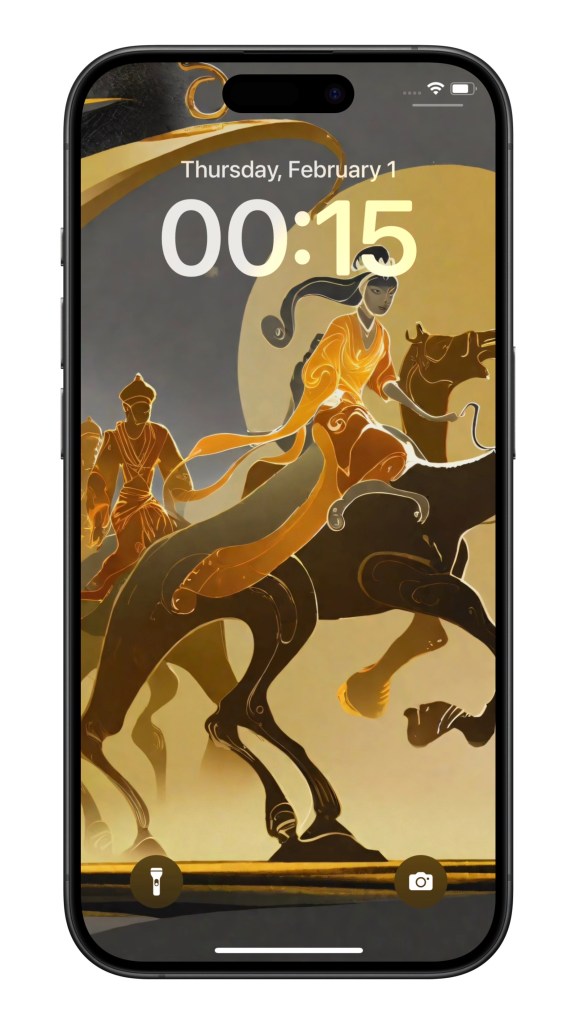
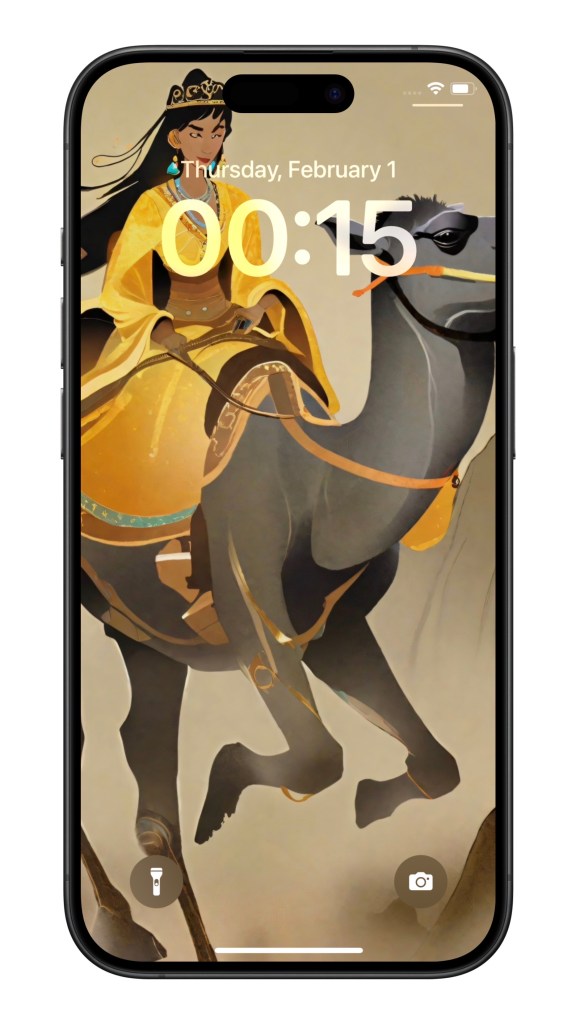
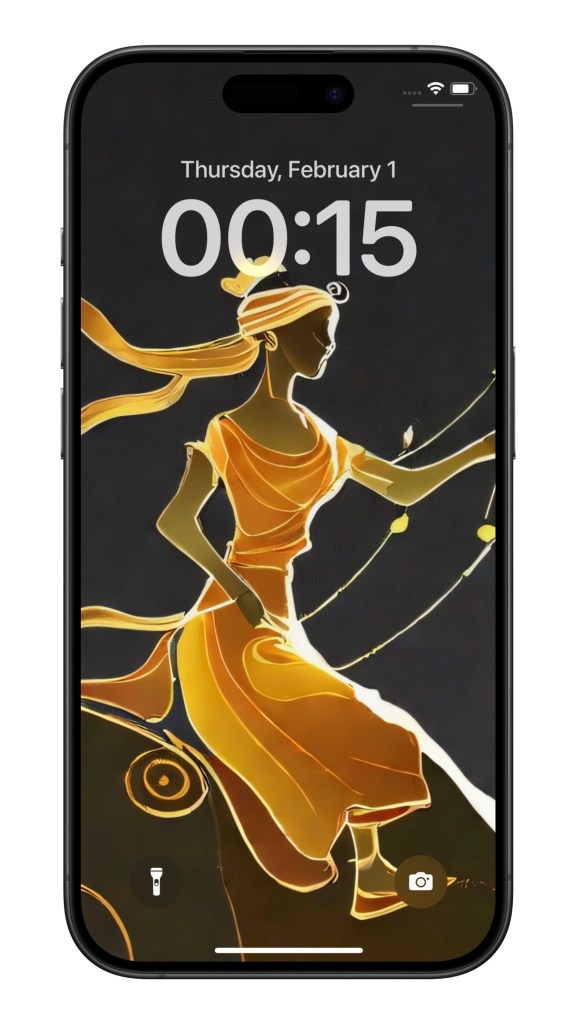
Discover the timeless beauty of the Dunhuang Mogao Caves’ flying celestial murals with our silhouette wallpaper collection. These captivating artworks, created by anonymous artists during the Tang Dynasty, showcase the rich cultural heritage of ancient China.
The Dunhuang Mogao Caves, located on the Silk Road, hold a treasure trove of over 2,000 Buddhist cave temples. Among them, the flying celestial murals stand out with their exquisite detail and vibrant colors. These masterpieces depict celestial beings gracefully soaring through the heavens, evoking a sense of awe and wonder.
The Mogao Caves and their flying celestial murals have become an iconic symbol of Dunhuang’s rich history and cultural significance.
You can download all these wallpapers on Boring Day:


What is Dunhuang famous for?
Dunhuang, also known as Sachu, is renowned for several reasons:
- Silk Road: Dunhuang was a significant stop along the ancient Silk Road, a historical trade route that connected China with Central Asia and beyond. The city played a vital role in facilitating cultural exchange and trade between East and West.
- Mogao Caves: The Mogao Caves, also known as the Thousand Buddha Grottoes, are a UNESCO World Heritage site located near Dunhuang. These caves house a vast collection of Buddhist art and manuscripts dating back over a thousand years. They are considered one of the most important Buddhist art sites in the world.
- Crescent Lake: Dunhuang is situated in an oasis, and within this oasis lies Crescent Lake. This small, crescent-shaped lake is surrounded by sand dunes and serves as a scenic and natural attraction in the area.
- Mingsha Shan (Singing-Sand Mountain): Mingsha Shan, or Singing-Sand Mountain, is another natural wonder near Dunhuang. The sand dunes in this area produce a unique sound when the wind blows, creating a phenomenon known as the “singing sand.”
These attractions, along with its historical significance as a Silk Road city, have made Dunhuang a popular tourist destination and an important site for cultural and historical exploration.
What is the ethnicity of Dunhuang?
Dunhuang is a multi-ethnic city with a diverse cultural heritage. Historically, it has been influenced by various ethnic groups due to its location on the Silk Road and its role as a cultural and trading hub. The dominant ethnic group in Dunhuang is the Han Chinese, but there are also significant populations of Hui Muslims and other ethnic minorities, including Tibetans and Uighurs. The cultural heritage of Dunhuang reflects a fusion of Indian, Buddhist, Western, and Central Plains cultures, making it a unique and diverse cultural center.
What is the mystery of the ancient Loulan?
The ancient city of Loulan holds a great mystery due to its sudden disappearance and subsequent rediscovery. Here are some key points about the mystery surrounding Loulan:
- Mysterious Disappearance: Loulan was a prosperous city located in what is now the Xinjiang region of China. In the 3rd century, the city suddenly vanished, leaving behind unanswered questions about its demise. The reasons for its abandonment and the fate of its inhabitants remain unknown.
- Rediscovery by Sven Hedin: The ruins of Loulan were hidden and forgotten for centuries until the Swedish explorer Sven Hedin accidentally stumbled upon them during his expeditions in the early 20th century. His discovery brought attention to the lost city and sparked further interest in studying its history and culture.
- Archeological Enigmas: The ruins of Loulan have provided archeologists with a wealth of enigmas. The well-preserved artifacts and remnants found in the area, such as pottery, textiles, and human remains, shed light on the ancient civilization that once thrived there. However, many questions remain unanswered, including the reasons behind the city’s abandonment and the cultural and historical context of its existence.
The mystery of Loulan continues to captivate researchers and historians, and ongoing archeological investigations aim to uncover more secrets about this ancient and enigmatic city.

What is Loulan in Chinese?
In Chinese, the ancient city of Loulan is written as “樓蘭” (Lóulán). The native name of Loulan was “Kroraina” or “Krorän,” which was written in Chinese characters as Loulan. The pronunciation of Loulan in the Han dynasty era is reconstructed as *glu-glân, an approximation of Krorän.
Who is the lady of Lulan?
Loulan is indeed a fabled city located near the vanished Lop Nor, which was a lake in the northeastern corner of the Tarim Basin. The region is known for its historical significance and the discovery of ancient mummies. Among these mummies is the Beauty of Loulan, a woman of exceptional beauty who was one of the first mummies found in the area. She has been dated back to approximately 1800 BCE, providing valuable insights into the ancient civilizations that once thrived in the region. The Beauty of Loulan serves as a captivating symbol of the rich history and cultural heritage of Loulan and the Tarim Basin.