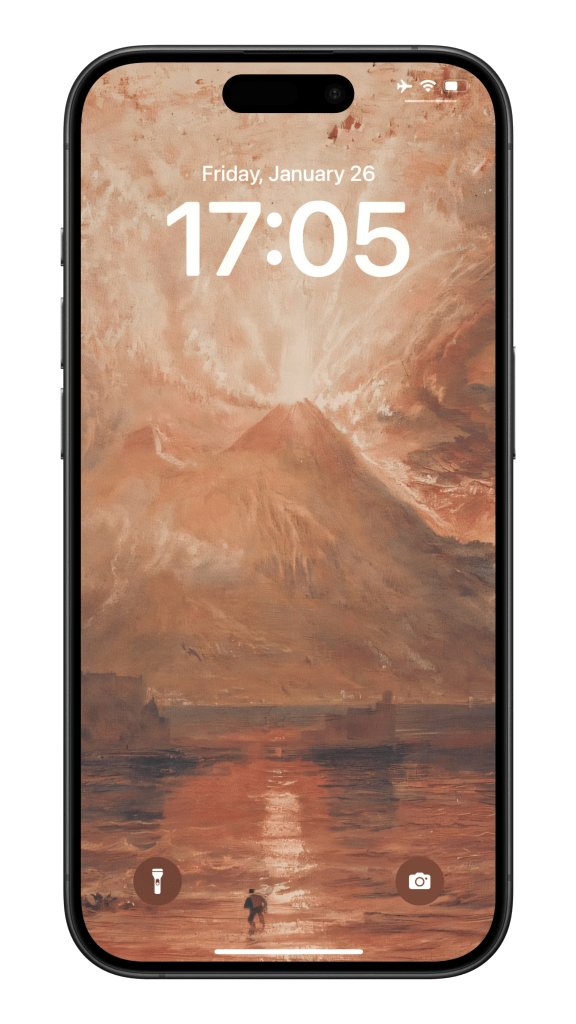
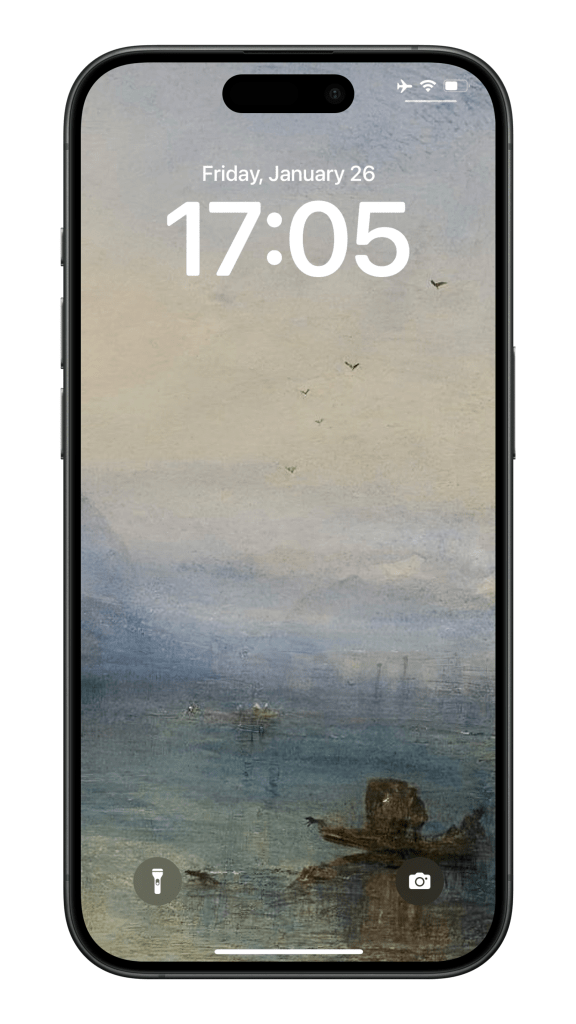
Joseph Mallord William Turner, a great landscape painter, infused his works with poetry and emotion. His oil paintings merge natural landscapes into art, capturing the beauty and grandeur of nature. Each piece is like a poem, telling the story of nature through color and brushstrokes.
Turner’s landscape oil paintings are filled with romanticism, emotion, and imagination. Through the skillful use of light, shadow, and color, he creates enchanting scenes. His works often depict the power and magnificence of nature, immersing viewers in these vibrant landscapes.
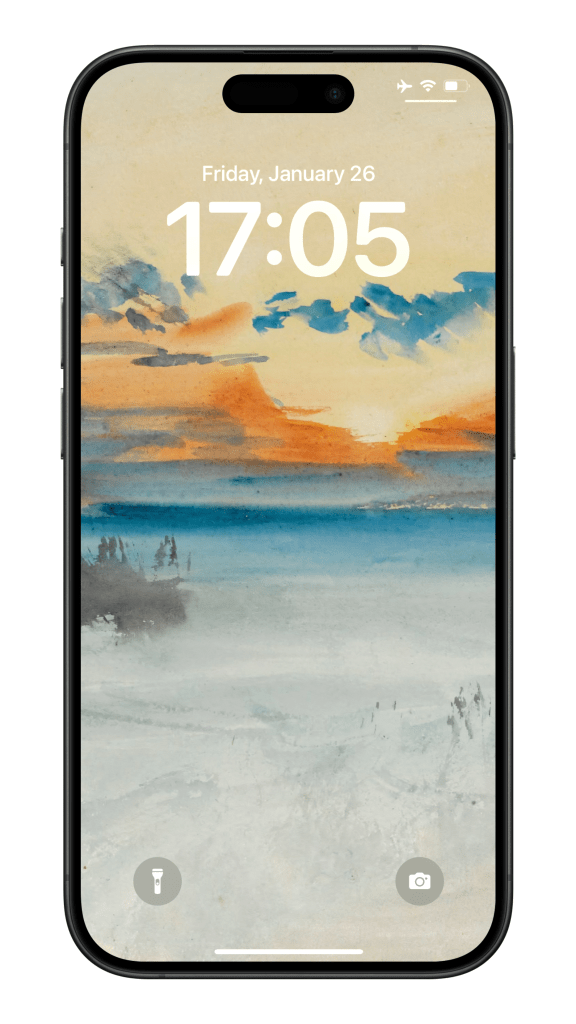
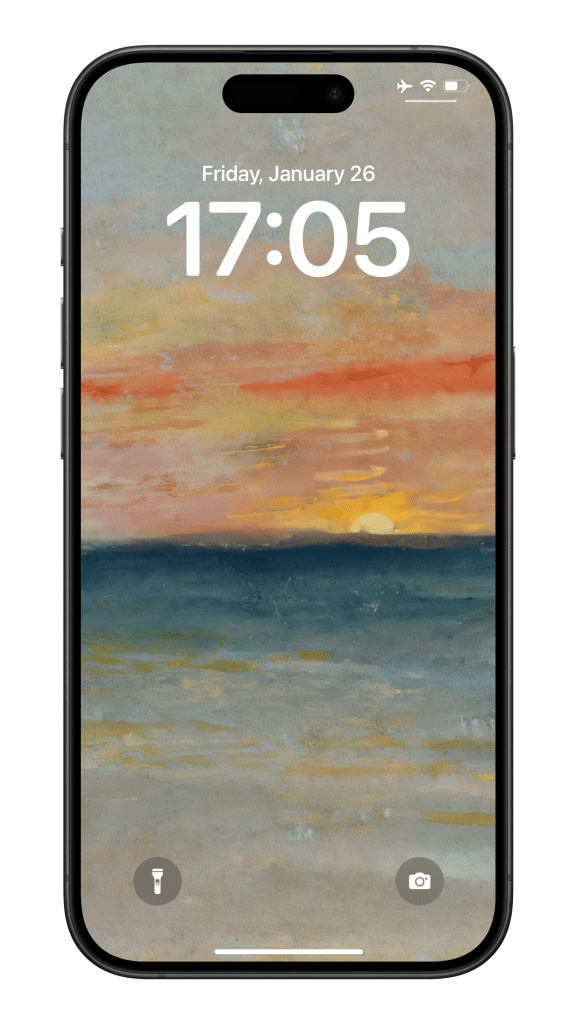
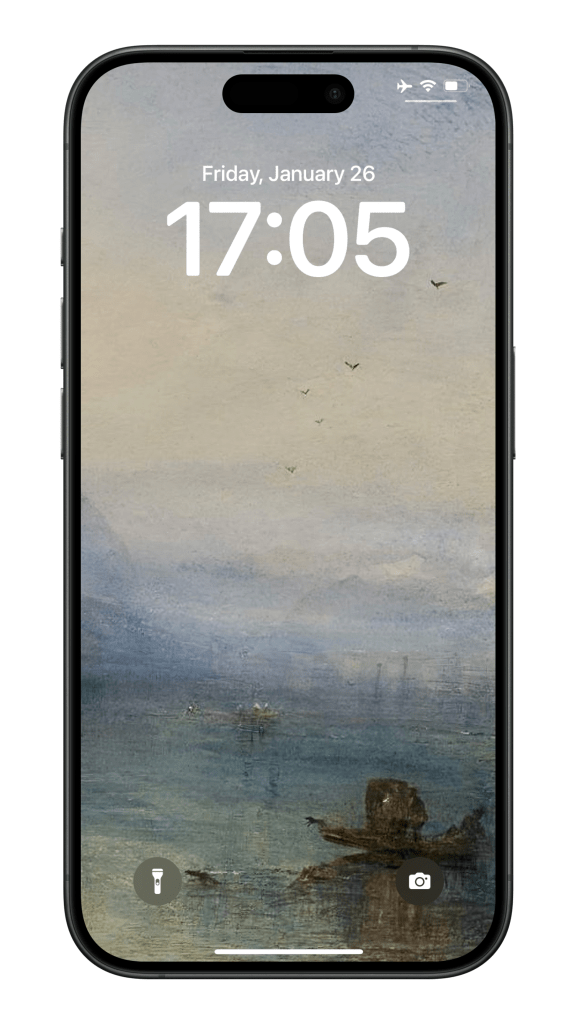
Turner’s landscape oil paintings are like beautiful poems, evoking deep emotions and contemplation. When we admire Turner’s works, we feel as if we can travel through time and experience the charm and ever-changing nature. These wallpapers bring Turner’s landscape oil paintings into our lives, creating an environment full of poetry and beauty.
You can download all these wallpapers on Boring Day app:


Why is Joseph Mallord William Turner important?
Joseph Mallord William Turner is important for the following reasons:
- English Romantic Artist: Turner is recognized as one of the leading figures of the English Romantic art movement, which emphasized emotion, individualism, and the sublime in nature.
- Painter of Light: He earned the nickname “the painter of light” due to his innovative use of brilliant colors as the primary element in his landscapes and seascapes. Turner’s mastery of light and atmosphere in his paintings set him apart as a groundbreaking artist.
- Diverse Works: Turner’s body of work includes watercolors, oils, and engravings. His versatility and proficiency in different mediums showcase his artistic skill and experimentation.
- Influence on Landscape Painting: Turner’s approach to landscape painting had a profound impact on the genre. His ability to capture the mood and atmospheric effects in his landscapes influenced later generations of artists.
- Pioneer in Artistic Expression: Turner’s later works, characterized by a more abstract and expressive style, were ahead of his time and laid the groundwork for developments in modern art. He pushed the boundaries of traditional artistic representation.
Overall, Turner’s contributions to art, particularly his unique use of color and light, as well as his influence on the evolution of landscape painting, solidify his importance in the history of art.
What artist Joseph Mallord William Turner is considered?
Joseph Mallord William Turner is considered an artistic genius, and his work has been highly regarded by art critics and scholars. The English art critic John Ruskin, in particular, recognized Turner’s exceptional talent. Ruskin described Turner as the artist who could most “stirringly and truthfully measure the moods of Nature.” This acknowledgment underscores Turner’s ability to capture the emotional and atmospheric aspects of nature in his paintings, contributing to his lasting legacy as a significant figure in art history.
What happened to Turner’s paintings after his death?
After Joseph Mallord William Turner’s death in 1851, he left a significant portion of his estate, including a large number of his paintings, to the nation. Turner had a strong desire to ensure that his works were preserved and accessible to the public. In his will, he bequeathed a collection of paintings to the British government with the condition that they be housed in a special gallery. This bequest laid the foundation for the establishment of the Turner Bequest.
The Turner Bequest became part of the National Gallery of British Art, which was later renamed the Tate Gallery and is now known as Tate Britain. The bequest included a substantial number of paintings, watercolors, and sketches. The collection showcased the breadth and depth of Turner’s artistic output, covering various themes such as landscapes, seascapes, historical subjects, and more.
Turner’s decision to bequeath his works to the nation has had a lasting impact on the accessibility and appreciation of his art. Today, many of Turner’s paintings from the Turner Bequest are housed in the Tate Britain, and his contribution to British art is celebrated and studied by art enthusiasts and scholars.